
The Vendel Period was an era in the Norse world from 550 to 750 AD that set the stage for the Viking Age. It was a time of significant societal transformation that led to a “golden age” of great kings and warriors, and the emergence of a rich elite culture of gold jewelry, gilded swords, elaborate helmets, and the region’s first boat burials. Discover the riches of the Vendel era and how its warrior culture enabled the rise of the Vikings.
Pre-Viking History: What Was the Vendel Period?
The Vendel Period sits between the Migration Period (AD 375-550), which saw Germanic people move into Scandinavia, and the infamous Viking Age (AD 750-1100). It is called the Vendel era for an important Swedish archaeological site, but it is also known as the Merovingian Era.
The Vendel Era emerged from a period of massive upheaval in the Norse world. Society was in a state of flux for a variety of reasons, including the fallout from the collapse of the Roman Empire and catastrophic climatic disruption caused by volcanic activity in AD 536, leading to a volcanic winter.
| Period | Dates | Key Characteristics |
| Migration Period | c. AD 375 – 550 | Large-scale movements of Germanic tribes (Goths, Vandals, Saxons). High social instability and the foundation of many Norse myths. |
| Vendel Period | c. AD 550 – 750 | A “pre-Viking” era characterized by extreme wealth among elites, intricate helmet designs, and ship burials. It marks the rise of powerful dynasties in Sweden and Eastern Scandinavia. |
| Viking Age | c. AD 750 – 1100 | Defined by overseas expansion, raiding, and trading. Key milestones include the raid on Lindisfarne (793) and the Battle of Stamford Bridge (1066). Mastery of longship technology allowed travel to North America and Byzantium. |
| Post-Viking Age | c. AD 1100 – 1300 | The “High Middle Ages” in Scandinavia. Characterized by the consolidation of the Three Kingdoms (Denmark, Norway, Sweden), widespread Christianization, and the transition from oral tradition to written sagas. |
The result of this upheaval was that Norse society became more hierarchical, with power concentrated in the hands of an emerging elite class. Their power was based on martial prowess and alliances, and was accompanied by ostentatious displays of wealth, often in gold. This led to the emergence of a society that valued the valiant warrior, shaping the Norse culture of the Viking Age.
The Birth of the Great Hall and Heroic Society

The emergence of a new warrior elite saw society reorganized from isolated homes and farmsteads to focus on central administrative power bases. Norse jarls and earls governed from great long halls, which were huge wooden buildings where they held feasts for their allies and rituals for the gods. These great halls characterized both the Vendel Period and the Viking Age. They are a key feature of Beowulf, an Old English poem written sometime between the 7th and 10th centuries that describes Norse culture in the 6th century AD.
These great halls acted as centers that redistributed the produce of several farmsteads, allowing specialization not only in martial arts but also in the manufacture of prestigious goods. This fueled the emergence of the merchant class, which established trade routes across Europe as far east as Russia and the Byzantine capital. Some of the most famous political centers in the Vendel Era were Lejre in Denmark, Borre in Norway, and Uppakra and Gamla Uppsala in Sweden.
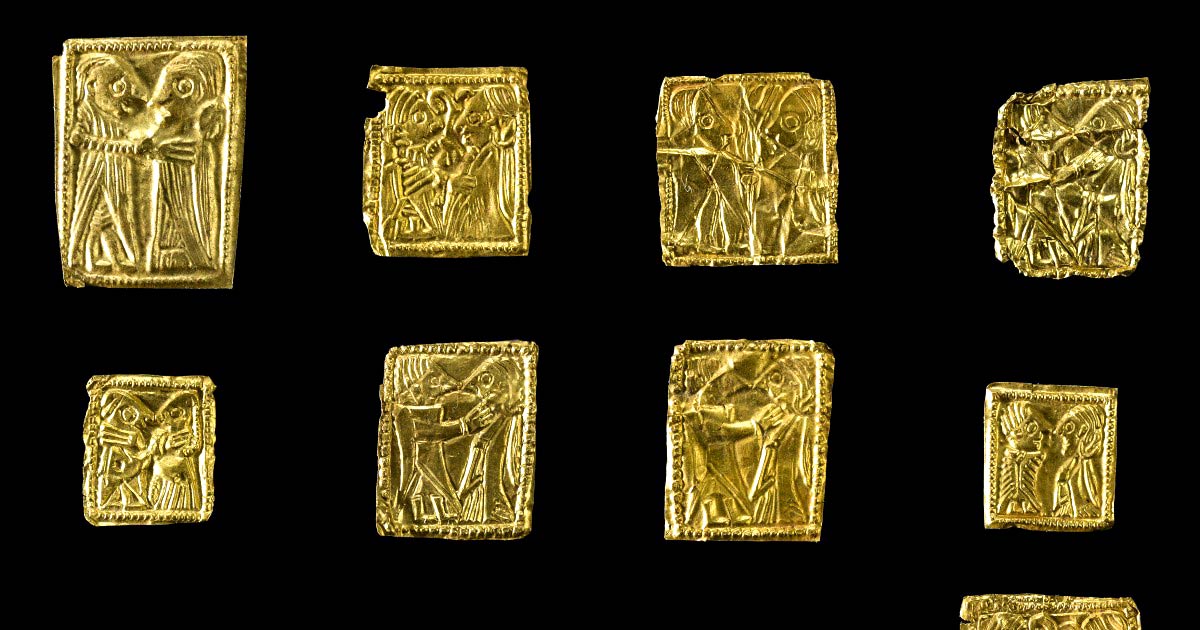
Small flakes of gold that we now call guldgubber have been found in the post-holes of these great Vendel halls. They are tiny gold sheets, usually no more than one centimeter, with embossed or engraved pictures, usually of people but sometimes animals. The consistency in design suggests that they were mass-produced. They were probably votive offerings to the gods during construction to bless the structure and community.
Warriors gained value because they offered protection in what seems to have been an increasingly violent world. People were vying for positions in a reorganized society, and where agreements could not be reached, war was the alternative. Victory in these battles enhanced the prestige of warriors, reinforcing their position in the hierarchy. Norse skaldic poetry probably emerged in these great halls, as there were incentives for brave deeds to be remembered and advertised. Most of the Norse Sagas, written down centuries later, are set during this period.
The Scandinavian Golden Age: Vendel Gold and Conspicuous Consumption
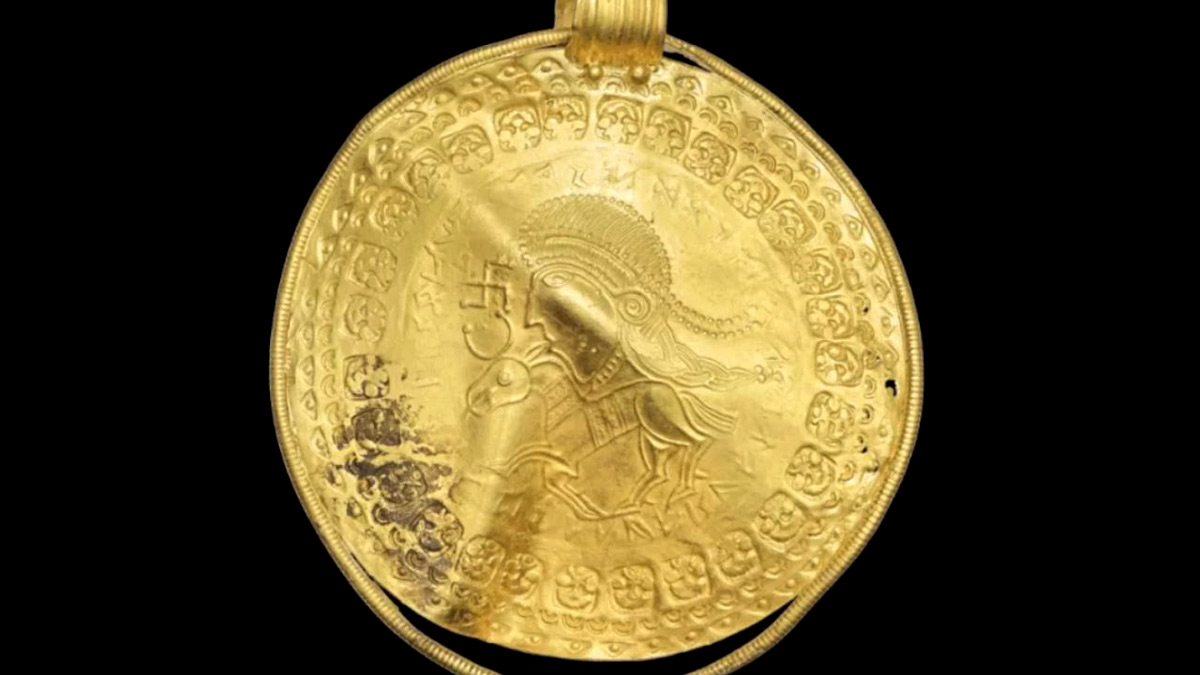
The Vendel era was also a period of conspicuous consumption as a sign of status. When you walked into a feast, you could expect to see piles of glittering treasure ready to be shared to secure alliances. You could also expect to see people dressed in brightly colored clothing made from elaborate imported materials and decked out in gold jewelry.
The Viking Age is often known as the Silver Age because silver was the basis of the bullion currency and, therefore, ubiquitous. But in the Vendel era, gold was prized. Many of the gold treasures we associate with medieval Scandinavia date to this period.

More than 1,000 gold bracteates have been found in Denmark, Sweden, and Northern Germany, dating to this period. These are thin, single-sided gold medallions that look like flattened coins, with designs inspired by the coinage of the Roman Empire. However, bracteates were rimmed with gold beads and fitted with a loop, indicating that they were worn as jewelry. Interestingly, in the Viking Age, men wore silver dirham coins from the east as jewelry, while they hacked raw silver off jewelry such as arm rings to use as currency.
A bracteate found in Denmark depicts the head of a warrior on horseback and also bears a runic inscription reading “Odin,” confirming the importance of the Norse god at the time. Other Norse gods may also be identifiable on the bracteates. An example from Trollhatten in Sweden shows a man with his hand in the mouth of a four-legged animal. This is probably the god Tyr with his hand in the mouth of the wolf Fenrir, from a famous story from Norse mythology.
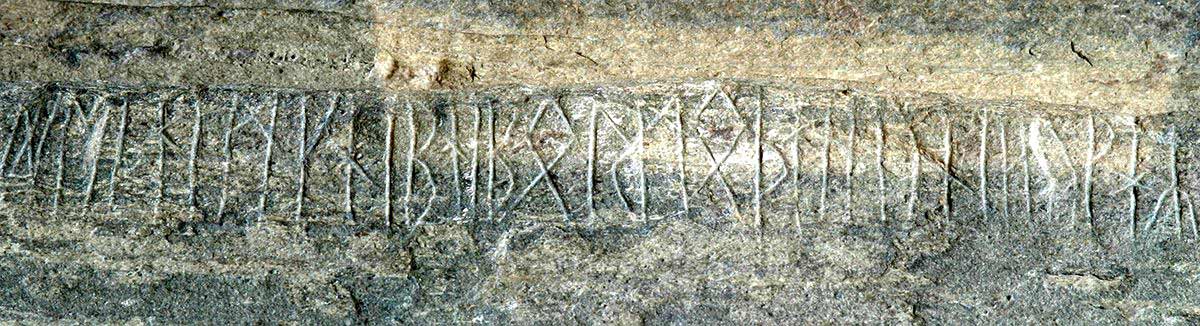
We have almost no written sources from the Norsemen themselves for the Vendel period. We know that they used the Elder Futhark runic alphabet, which was replaced by the Younger Futhark alphabet during the 7th century. Some of our best examples of the older script are inscriptions found on jewelry and weapons.
The longest surviving Elder Futhark inscription is the 8th-century Eggja Stone, found at Vestland in Norway. The inscription says that the stone was prepared according to tradition and that an animal sacrifice was made and blood sprinkled on the stone. There is then a call for a god of warriors who guides the dead to the afterlife to come and escort the deceased for whom the stone was raised into the next life.
The Warrior Kings of the Valsgärde Ship Burials
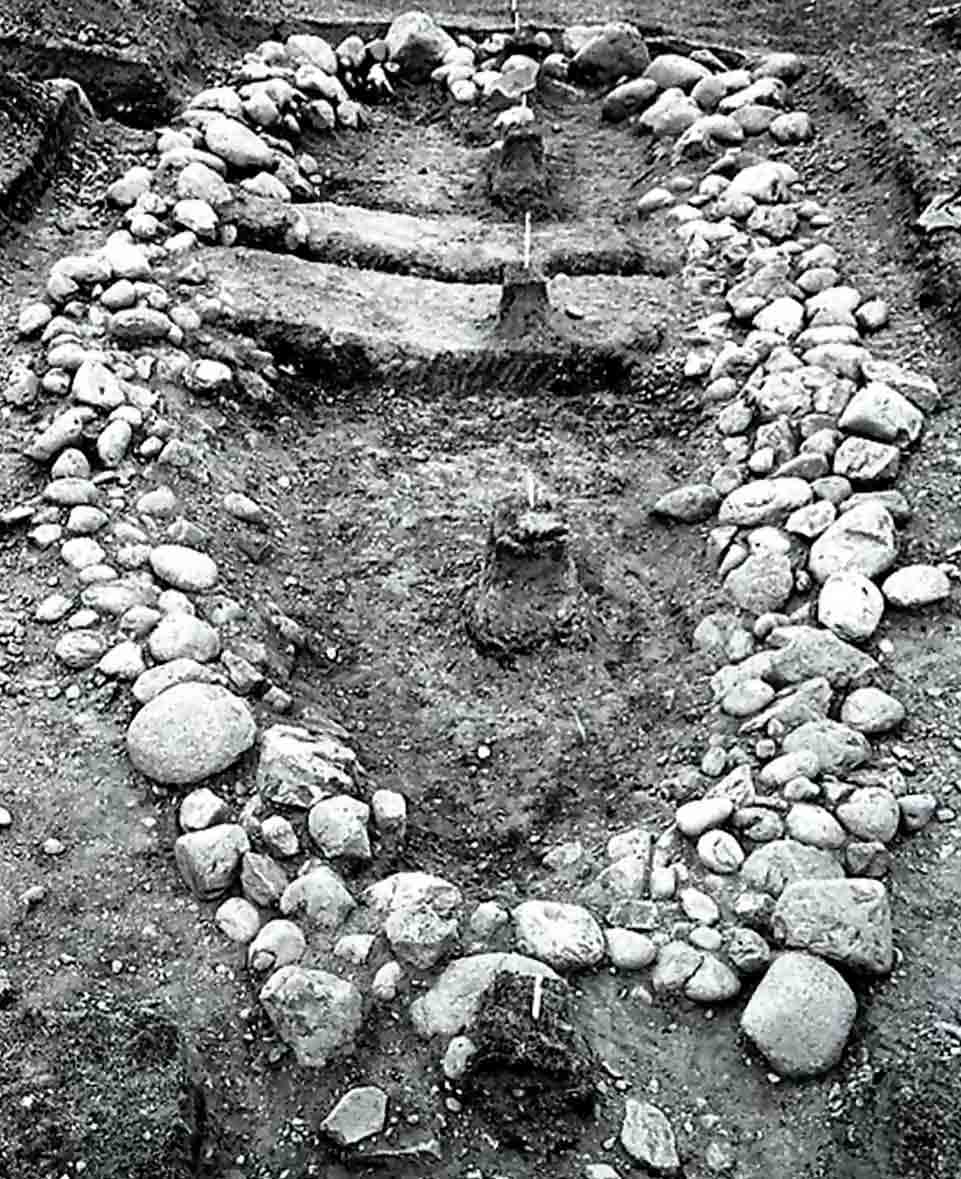
The emergence of a warrior elite also saw the emergence of elaborate burial practices, including the first boat burials in the region. The nature of these burials is perhaps best exemplified by the burial ground found at Valsgärde, located just three kilometers from Gamla Uppsala in Sweden. The burial site was used from around the 6th century to the 11th century AD, so throughout both the Vendel and Viking Ages. Excavations of the 92 graves include 15 boat burials, six from the Vendel period that clearly belonged to warriors of immense wealth.
The boats themselves range from six to 15 meters long, and are slim, suggesting that they were used to navigate local rivers rather than for longer sea journeys. This contrasts with the boats from Viking Age burials, such as those at Gokstad and Oseberg, which were longships suitable for seafaring.
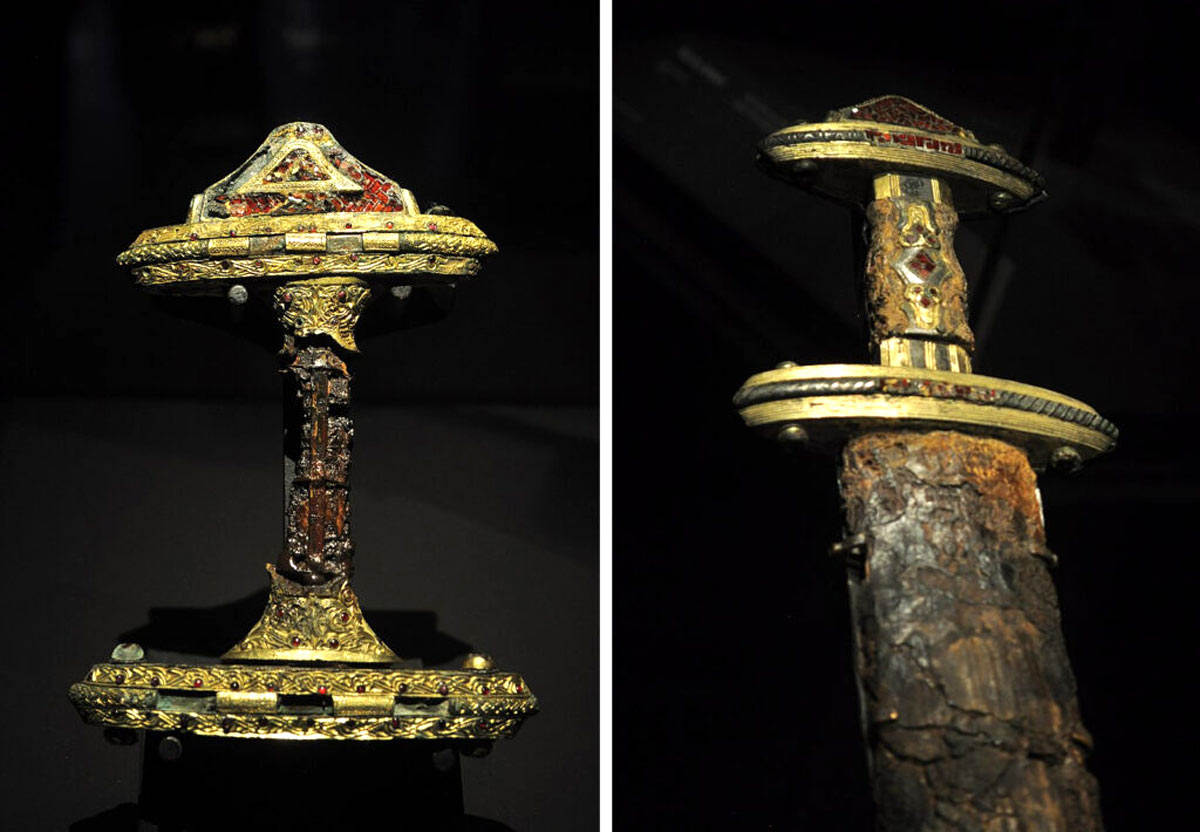
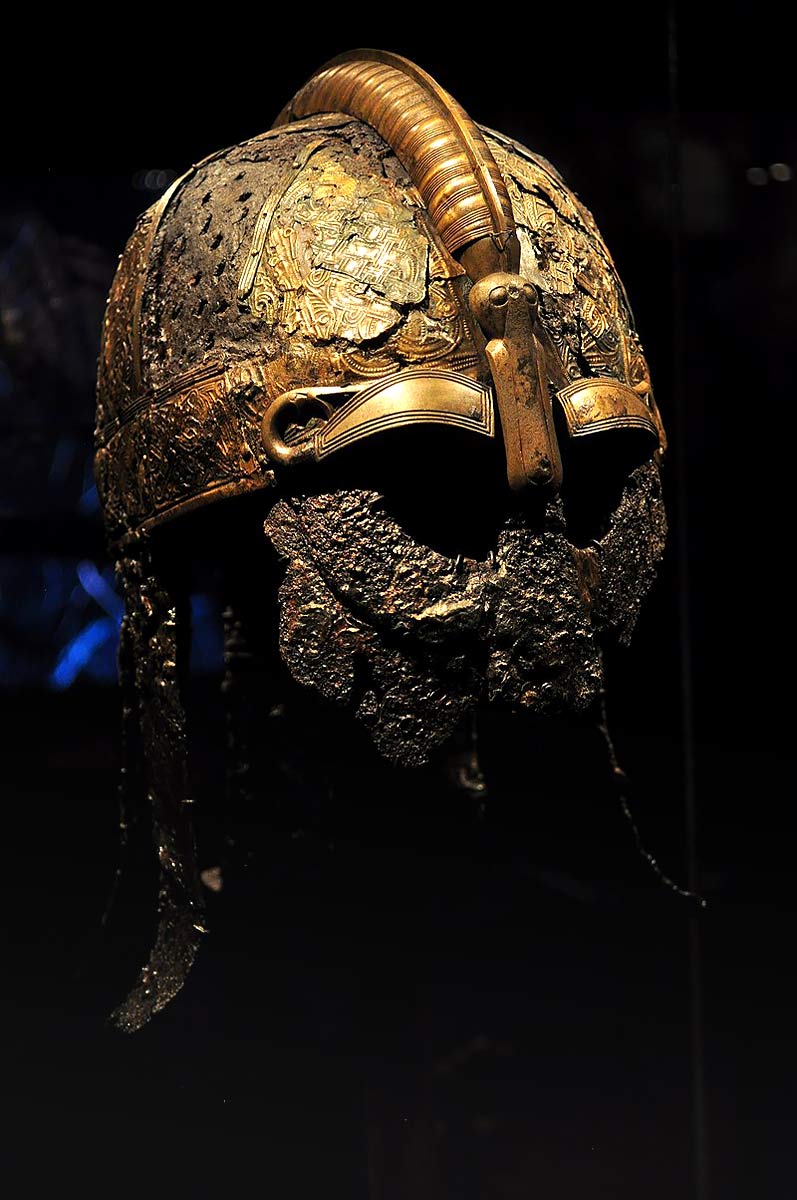
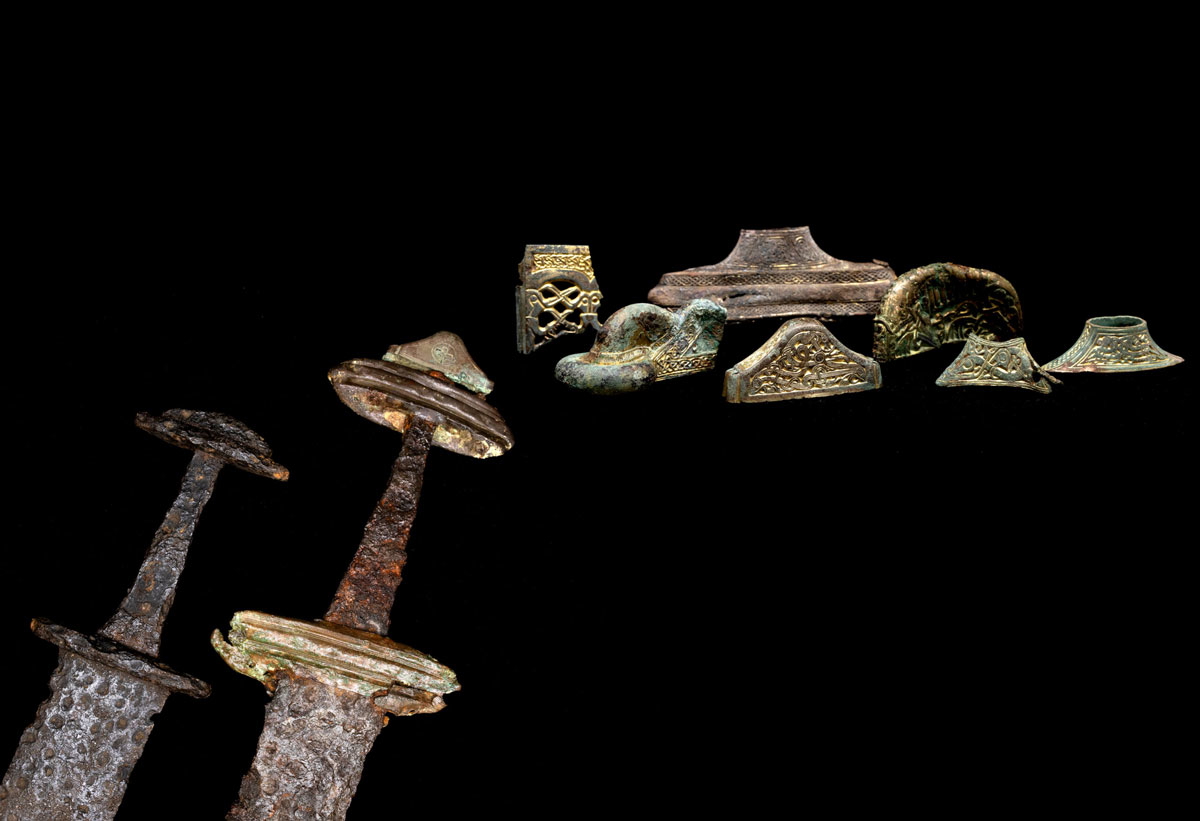
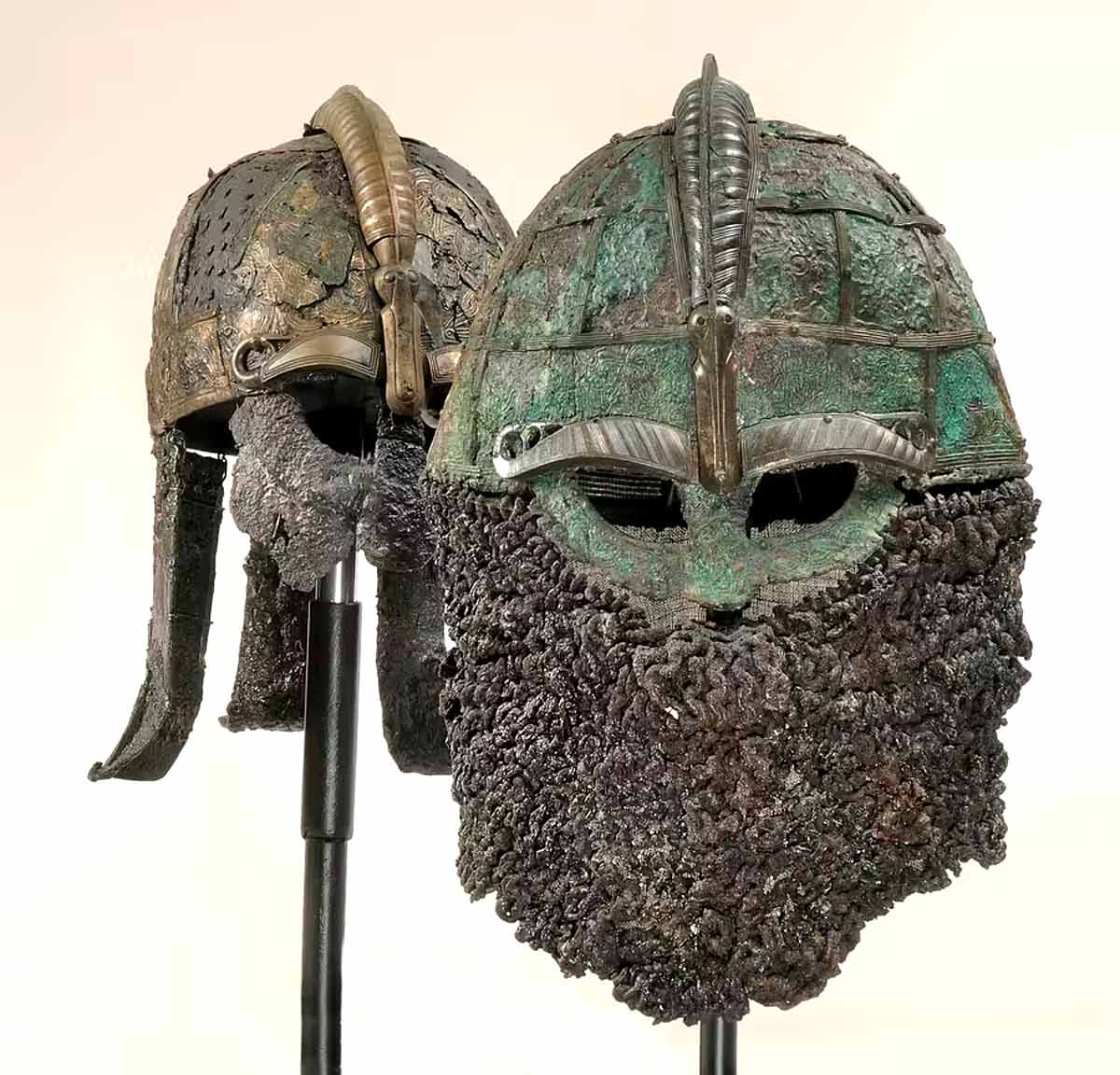
The burials were for a single occupant, each buried with armor and weapons, verifying their warrior status. The armor includes several fine helmets, decorated in gold, bronze, and garnets, swords with pommels decorated in a similarly fine fashion, plus decorated spears, archery equipment, axes, and fighting knives. There are also expensive non-military items, such as gaming pieces and drinking vessels.
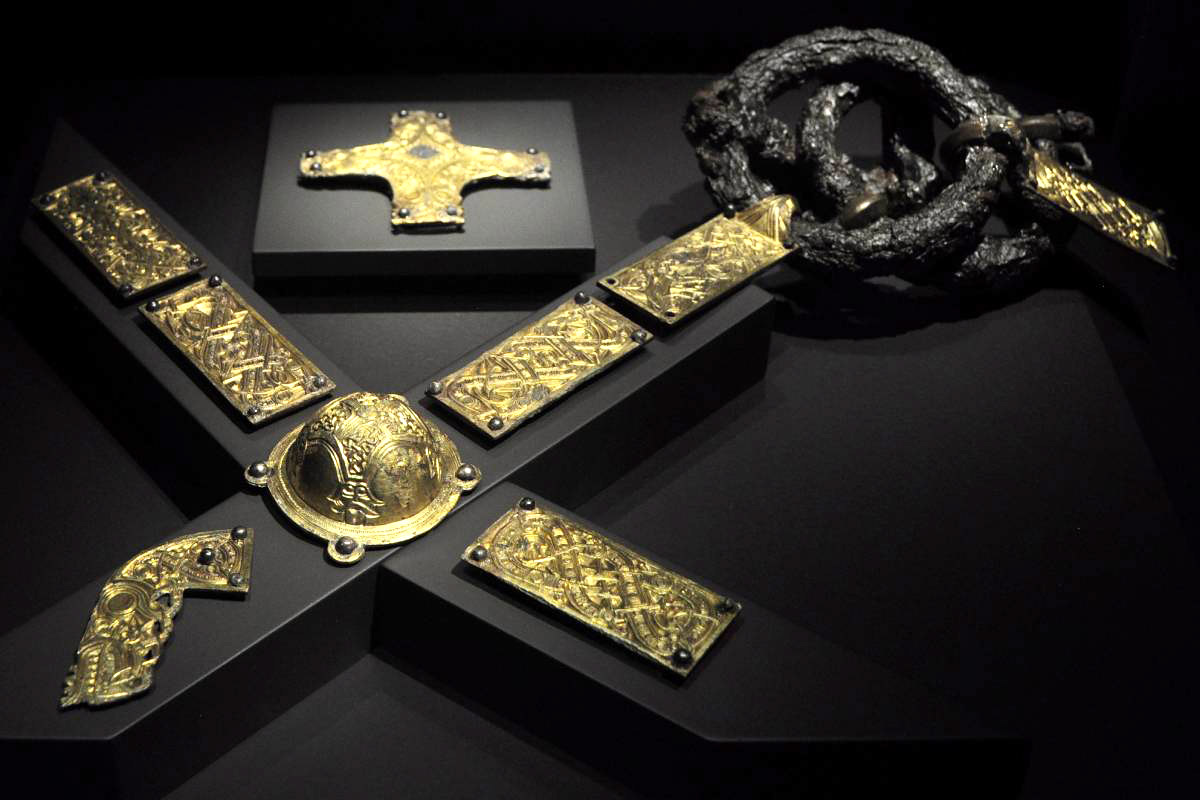
While weapons were usually placed at the back of the boat with the body, the front of the boat was filled with mundane household items such as cooking utensils, buckets, and tools. They also often contained animals, expensive assets that were killed to be interred with the dead. This includes horses, cattle, pigs, sheep, dogs, birds, and even fish.
These burial goods suggest a belief in an afterlife that does not look dissimilar to the mortal world, as the dead would have the same needs. The idea of Valhalla, Odin’s warrior afterlife, may have emerged at this time, though the first firm references date to the Viking Age.
The Vendel Helmet and the Origins of the Viking Aesthetic
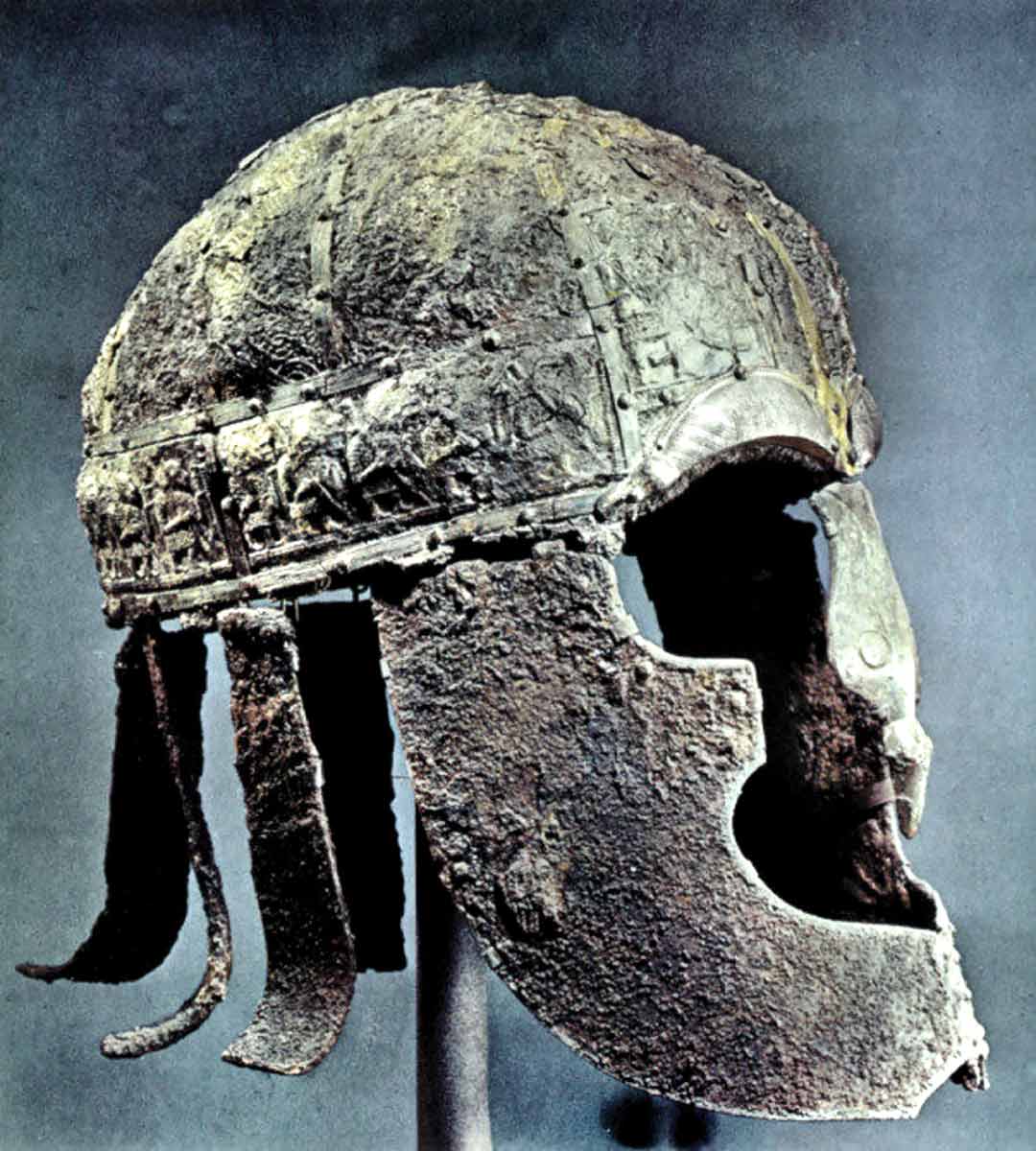
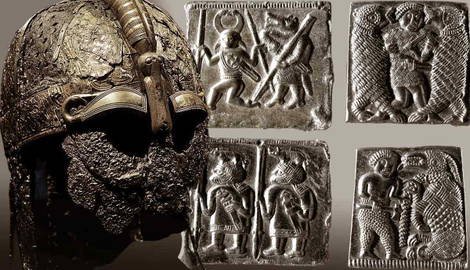
The helmets found in the Vendel graves are so impressive that they are among the defining artifacts of the period. They are notably similar to the famous helmet found at Sutton Hoo in England, suggesting a cultural connection. While the Vendel helmets appear to be Nordic-made, they seem to have been inspired by Roman gladiatorial helmets due to features such as the crest ending with an eagle or boar’s head.
The helmets were decorated with motif scenes featuring a limited number of themes. Bronze plate dies corresponding to the decoration on several helmets have been found at Torslunda on Öland. These seem to be themes familiar from the Roman world, updated with more familiar weapons. For example, there is a scene of a warrior on horseback riding down a native warrior. The scene is found on the tombstone of Longinus Sdapeze, a Roman soldier at Camulodunum. But in the Norse version, the horse-riding warrior is carrying a spear, a symbol of Odin.
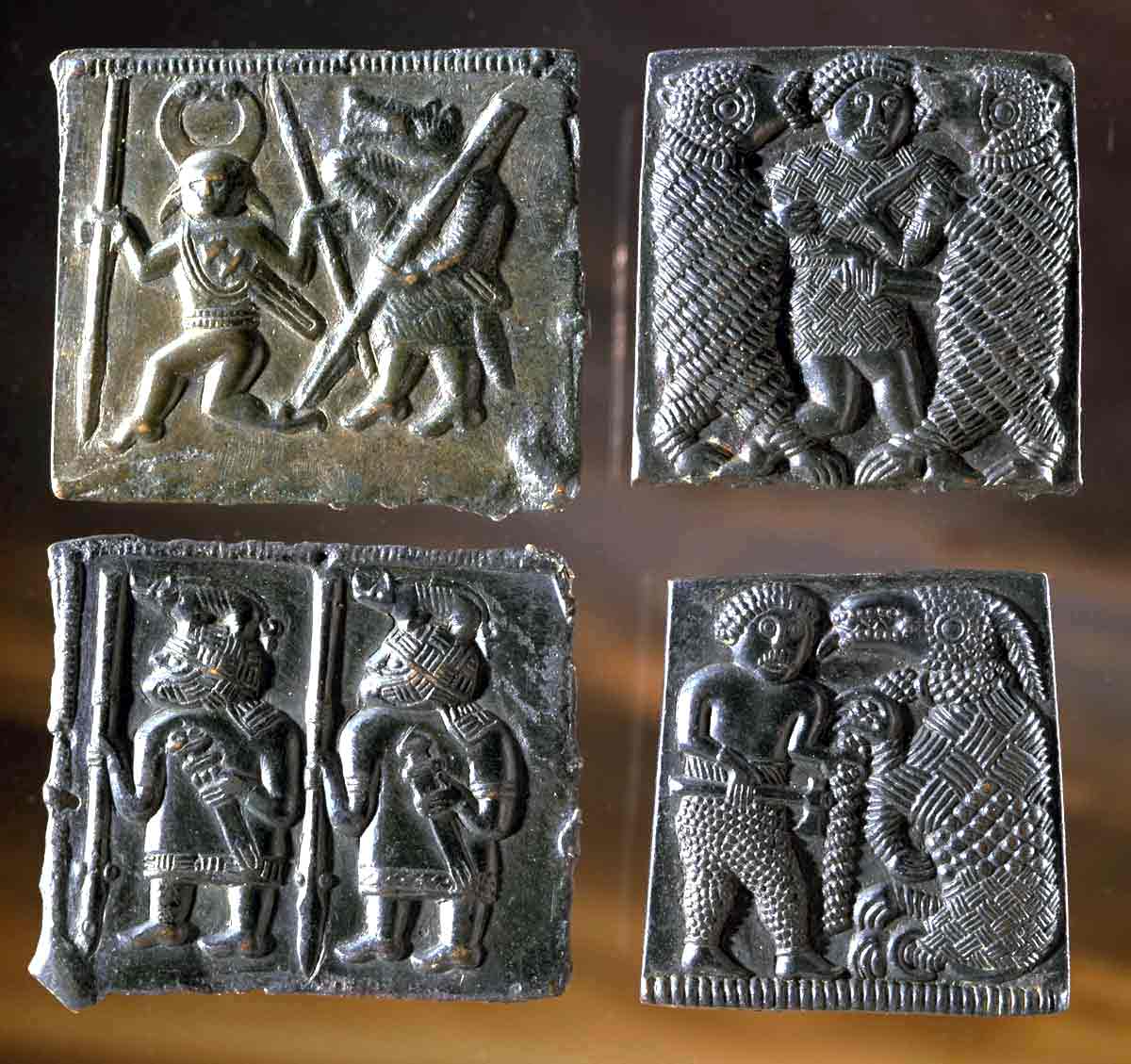
Other scenes on the plates include walking warriors carrying spears, a dancing man with a horned headdress walking with a man wearing a wolfskin and carrying a spear, a man with an axe holding a roped animal, and a man between two bears. Some of these scenes are believed to show Berserker warriors. Recorded in the Norse sagas, these warriors communed with the spirits of wild animals to adopt their ferocity in battle.
How Vendel Technology Created the First Viking Ships

It was Norse ship technology that allowed the Vikings to dominate and terrorize their neighbors for more than two centuries. Their distinctive shallow longships were able to move fast, sail in shallow waters, and even be carried over land for a strategic advantage. This technology was developed during the Vendel period.
We can see the evolution of Norse ship designs because the Norse had a habit of depositing ships in bogs, probably as offerings to the gods, which also preserved them. More than 40 ships have been found in bogs along the Norwegian coast.
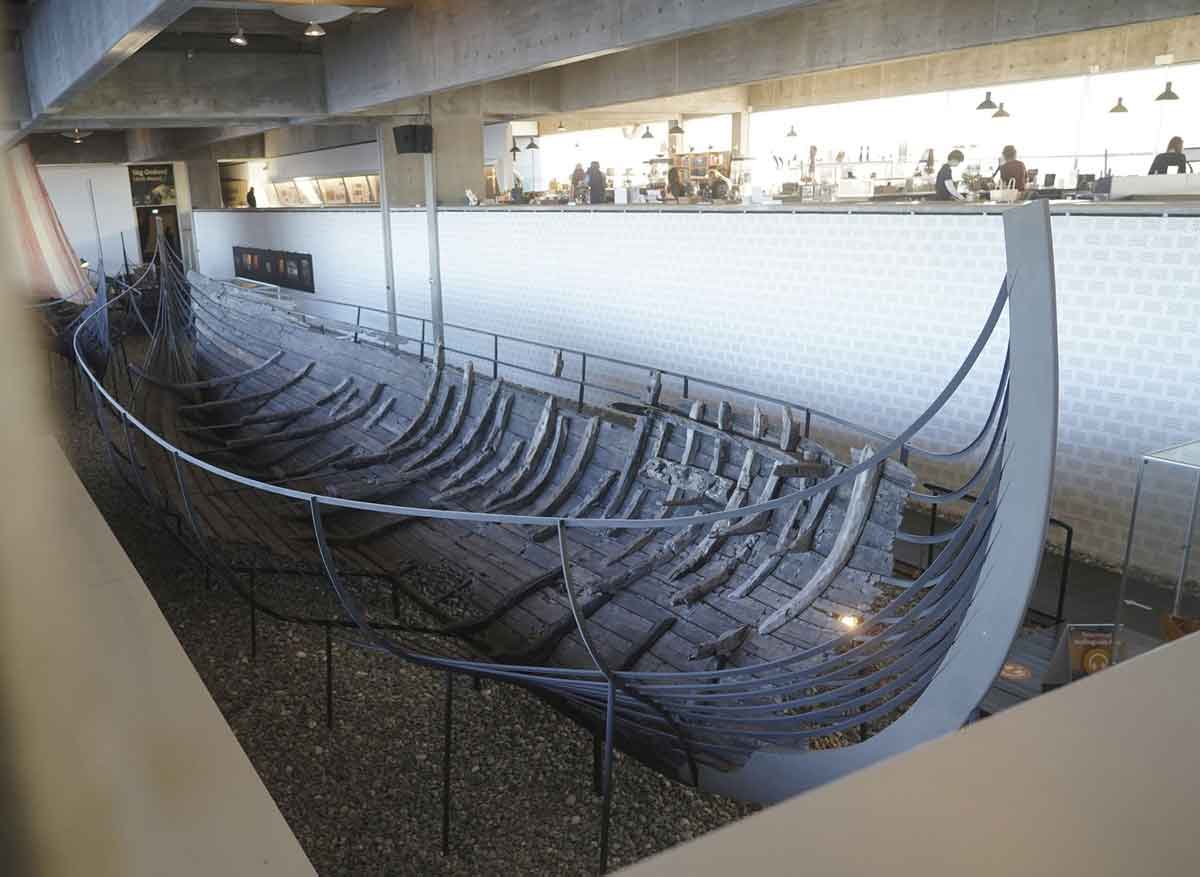
Examples of Migration Period boats have been recovered in a bog at Nydam in Denmark, deposited between AD 200 and 400. The boats are oak-built rowing vessels, mostly appropriate for navigating rivers and close to shore. The largest, measuring 23 meters long, weighed over three tons and had 14 pairs of oars, probably carrying a crew of around 45. The boats used for the Valsgärde ship burials were of similar design.
However, two bog boats from Kvalsund in Norway, dating to the 7th or 8th century, already show a different design. They were almost certainly deposited as offerings because they were carefully placed on a bed of white moss turf, and a similar substance was used to cover the boats. There is also evidence that stones were placed around the burial. Nevertheless, the boats seem to have been used and were also interred with oars, arrows, and other items. These boats already reflect the lighter clinker ship construction of the Viking Age and were suitable for sailing both up rivers and on the open sea.
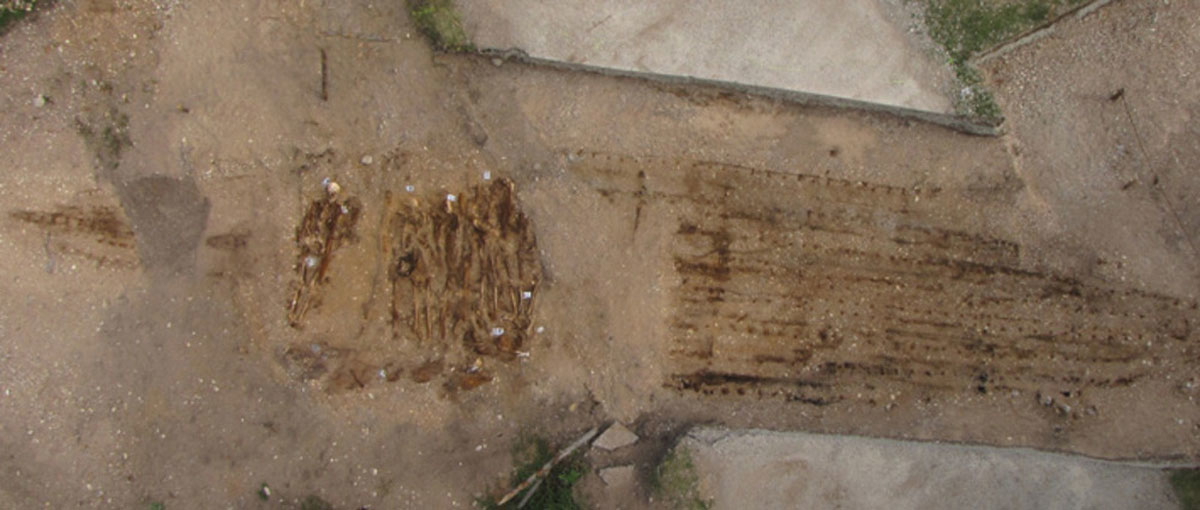
Norse ships from Sweden, dating to around AD 700 to 750, have also been discovered at Saaremaa in Estonia. The crew seems to have had a last stand against the locals there, and their boats became their graves. These were smaller, wider ships, very similar to those used in the Viking Age. The larger of the two measured 17 meters long and three meters across. While the ships are heavily degraded, the remains suggest they used sails, which explains how they could navigate the 100 miles of open water between Sweden and Estonia.
The discovery of these ships also suggests that the Norsemen started raiding earlier than previously thought. The start of the Norse pirate age is usually dated to the raid on Lindisfarne in England in AD 793. The Saaremaa ships show that they had the technology, and they were sailing as far east as the Baltics, at least 50 years earlier. There is also written evidence for these early raids in the stories of the Swedish kings recorded in the Ynglinga Saga and the Skaldic poem Ynglingatal. They record that an early 8th-century Swedish king named Ingvar Harra raided in the Baltic region, especially around Estonia.
Why Did the Vendel Golden Age End?
Raiding is one of the key characteristics that differentiate the Vendel Period and the Viking Age. The Vendels were focused on restructuring a society ravaged by disasters, and what emerged was a hierarchical society that valued warriors. They fought among themselves to establish their territories and authority. While that internal competition certainly continued into the Viking Age, the new social hierarchy and territories were largely stabilized by the end of the 8th century.
This left the Norsemen with a society that valued the warrior ethos and the spoils of war. Scandinavia also had many wealthy chiefs leading bands of warriors with the time and capacity to make war. This inevitably led the chiefs to look beyond their territory and adopt an expansionist approach. Some scholars also argue that good harvests in the 8th century saw the Scandinavian population increase, which also placed pressure on resources and encouraged communities to look outwards.

This combination of factors led to the first raids on neighbors such as England and France. These smash-and-grab pirate attacks proved lucrative as the Christian communities were poorly defended and rich in church wealth and people who could be sold into slavery in eastern markets. The Viking Age was born.
This change in focus led to major changes in Norse society, for example, the rise of the Silver Age. Increased trade with the East saw an influx of silver into the Norse world, and it became the basis of Viking trade. This also saw wealth more evenly distributed across society. While there were still incredibly wealthy warlords, there were more warriors who could make a good living from raiding. This led to an increased demand for less expensive armor, mass-produced steel swords, and more affordable silver jewelry.
Notably, the widespread conversion to Christianity in the 11th century saw wealth again concentrated in the hands of a few Norse leaders. This contributed to the end of the Viking Age as raiding became less lucrative and sustainable.