
Cato the Younger is often called the Republic’s “last citizen,” and not just because he was one of the last Republicans that Caesar defeated before establishing his absolute rule. In the dying days of the Republic, traditional Roman politics and social norms were crumbling. While most politicians were willing to embrace and manipulate Rome’s new politics in their own interest, Cato established himself as the champion of traditional Roman values. He advocated for Senatorial checks and balances, campaigned against electoral bribery, and accused military strongmen of tyranny, placing himself in opposition to the great generals and populists of the day. While Cato would lose the fight for Rome, in death, he became a martyr, influencing romanticized ideas about the Roman Republic for centuries.
Who Was Cato the Younger? Representative of the Old Republic
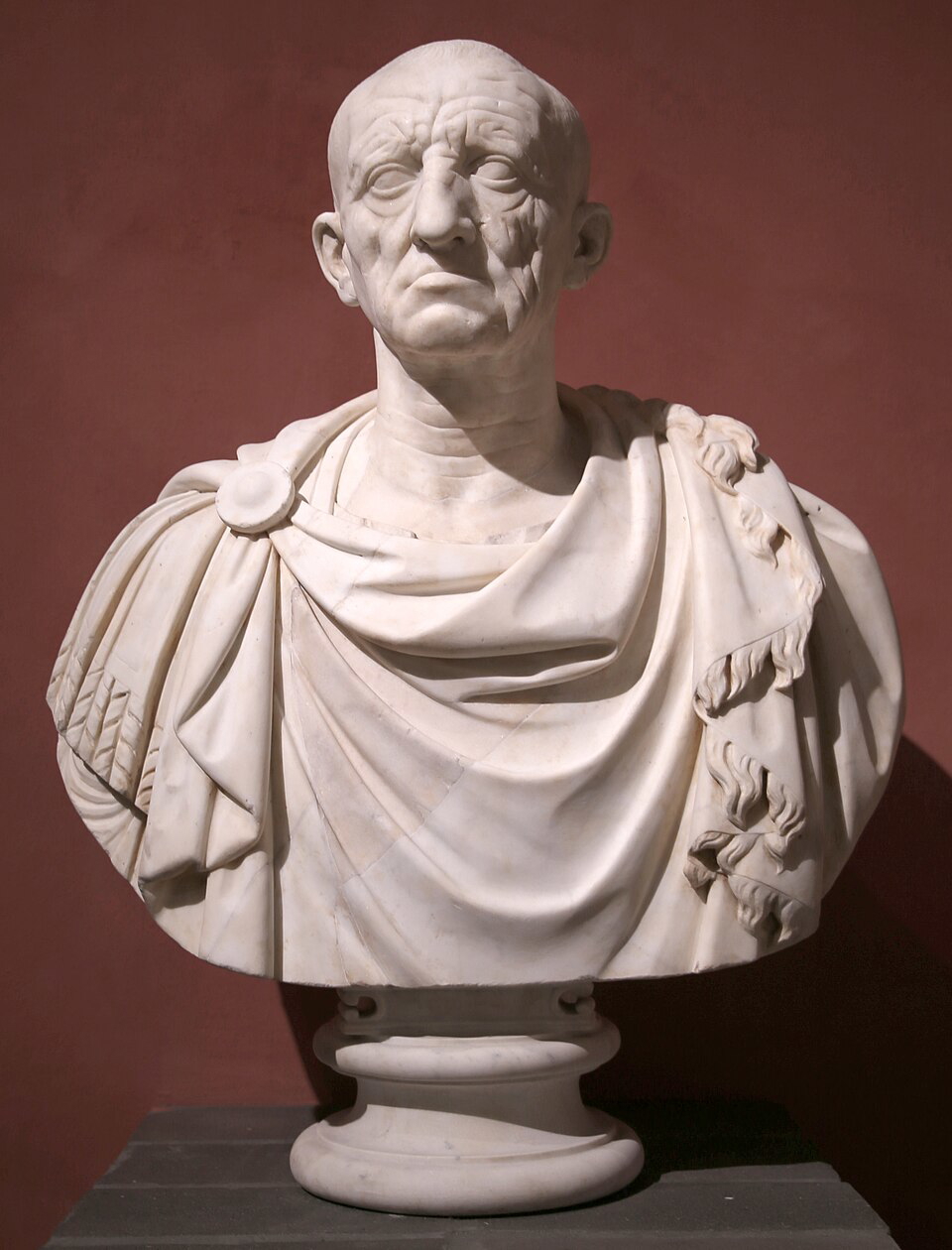
In the dying days of the Republic, Rome’s traditions were under threat. Wealth flowed into the city from the provinces, as did Hellenistic ideas and fashions from the “decadent” east, which did not align with Roman ideas of virtue, frugality, and gravity. Politically, ambitious generals used their private armies to threaten through legislation, and opportunistic populist politicians mobilized mobs to disrupt voting, undermining the power of the Senate and the established oligarchy.
Rome in the 60s BC would have seemed unfamiliar to Cato the Elder (c. 234-149 BC), a consul and censor famous for his austerity and treatise on traditional Roman agricultural practices. He opposed the growing Hellenization of the Roman world and was celebrated for being the first to write history in Latin. He was also a staunch defender of the Republic, famously ending every speech in the Senate in the final years of his life with “Carthage must be destroyed,” advocating for the destruction of Rome’s ancient enemy. Cato the Elder was often held up as the embodiment of traditional Roman values.
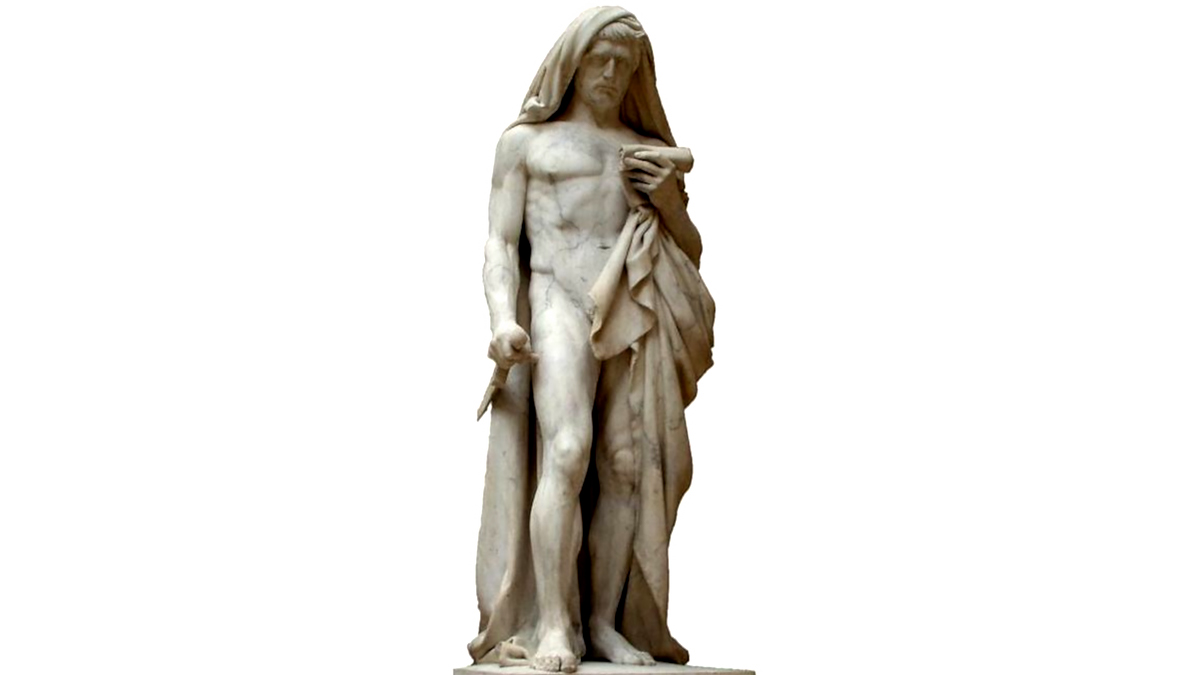
His great-grandson, Marcus Porcius Cato Uticensis, known as Cato the Younger, modeled himself on his ancestor. Born in 95 BC, while many of Cato’s close relatives died during his childhood, he was fostered by influential senatorial families and had a significant inheritance. A student of Stoic philosophy, the young Cato adopted a public persona of ostentatious antiquarianism and austerity. For example, he dressed in antique fashions and ate the simplest food possible as an exercise in self control. He was drawing a deliberate contrast with the flamboyance of the day. His contemporary Julius Caesar was known for following the latest fashion trends.
Cato Climbs the Cursus Honorum
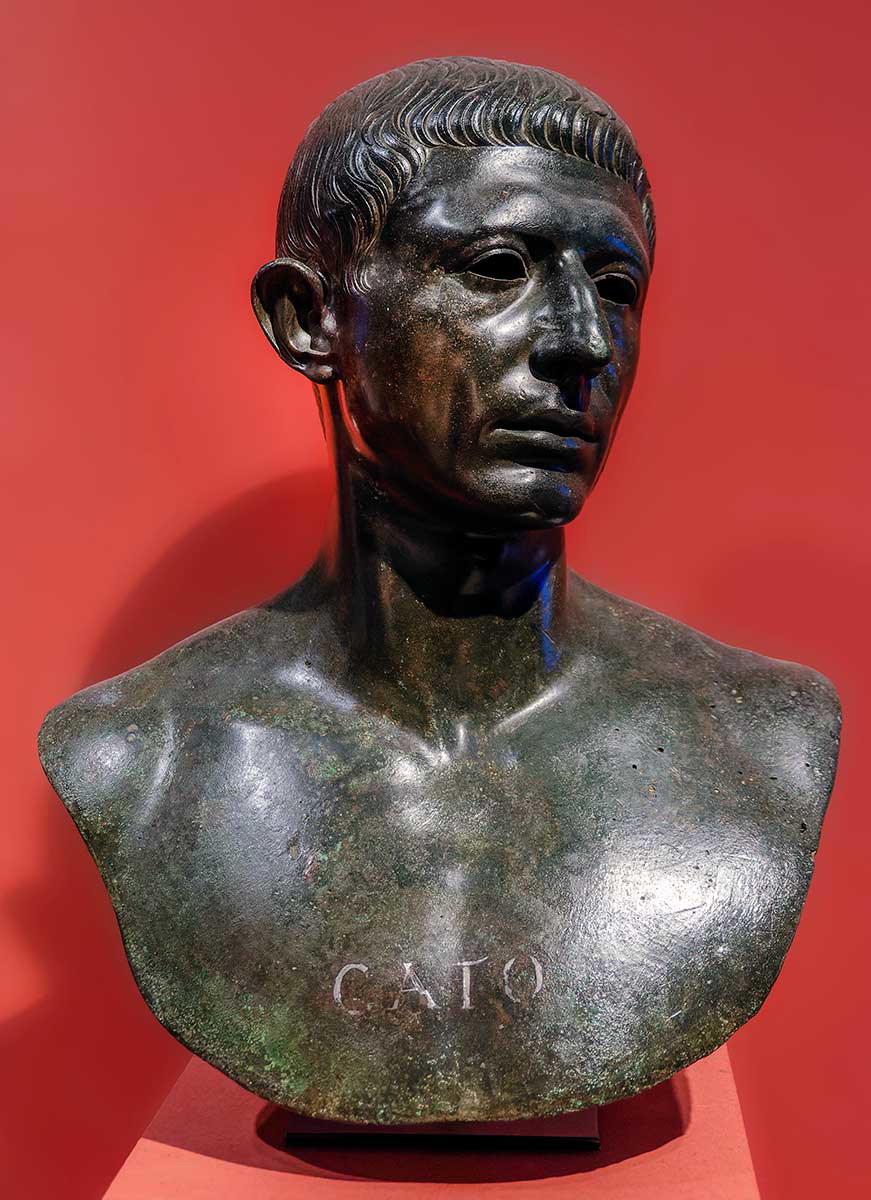
Well-connected, at the age of just 16, Cato was made one of the quindecimviri sacris faciundis, the priests who interpreted the Sibylline Oracles, setting him up for a promising career. He got his military experience in the war against Spartacus in 72 BC and then served as military tribune in 67 BC.
Cato was elected quaestor for 64 BC, working in the state treasury. Following his philosophical conviction, he used his position to prosecute financial corruption, reduce fraud, and collect long-standing state debts. This earned him a reputation for honesty and integrity. As a plebeian, Cato stood for Tribune of the Plebs, winning the office for 62 BC.
Julius Caesar vs. Cato: The Catilinarian Conspiracy
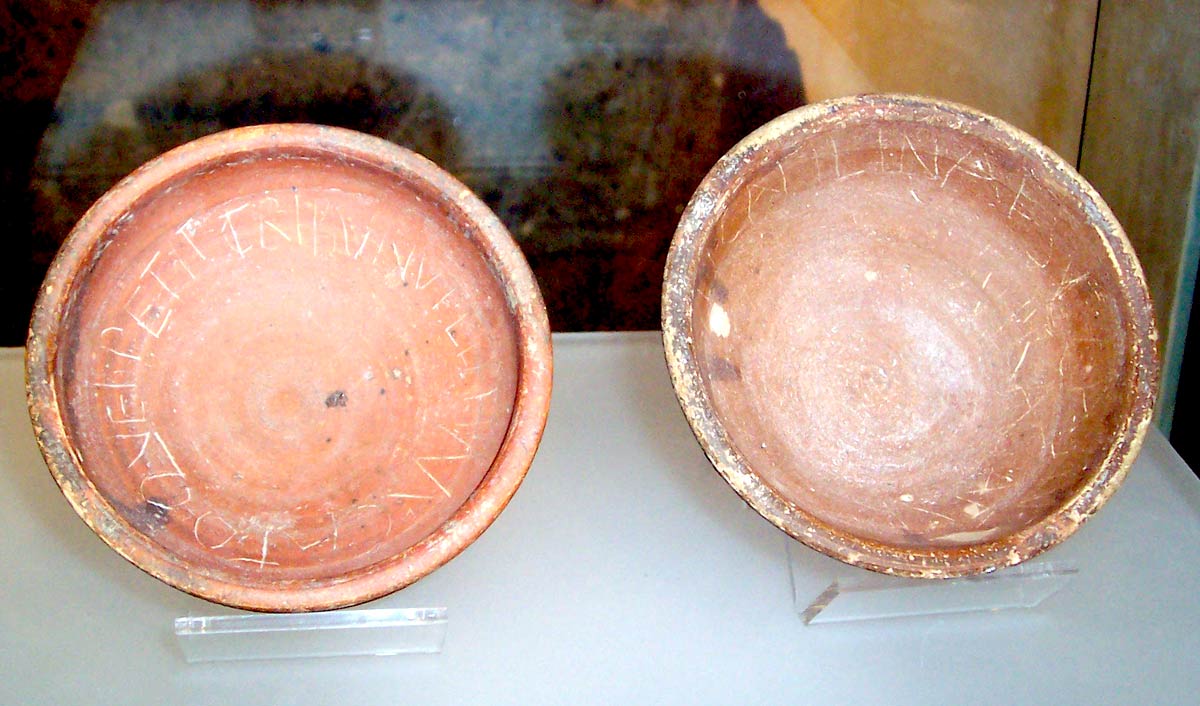
As tribune-elect, Cato found himself in opposition to Caesar, who was praetor-elect. At the end of 63 BC, the Catilinarian Conspiracy was detected, and the consul, Cicero, arrested the conspirators and proposed executing them. Caesar, demonstrating the clemency for which he would become famous, advocated imprisoning the conspirators, as it was illegal to execute Roman citizens without trial. Cato argued that they had forfeited their citizenship and should be killed. The latter won the day.
Cato would also strongly imply that Caesar’s clemency was proof of complicity. The conservative politician was already antagonistic towards Caesar, who had used an aggressive and expensive populist campaign that put him in significant debt to secure the position of pontifex maximus, one of Rome’s most ancient and respected offices, earlier that year.
When he officially took office, Cato proposed expanding the grain dole. While this was traditionally a populist move, Cato brought his bill with the support of the Senate to promote them as patrons of the people. He also used his position to oppose populists; for example, he blocked Pompey from taking command against Catiline’s army and from standing for the consulship in absentia.
Cato’s Obstinance and the First Triumvirate
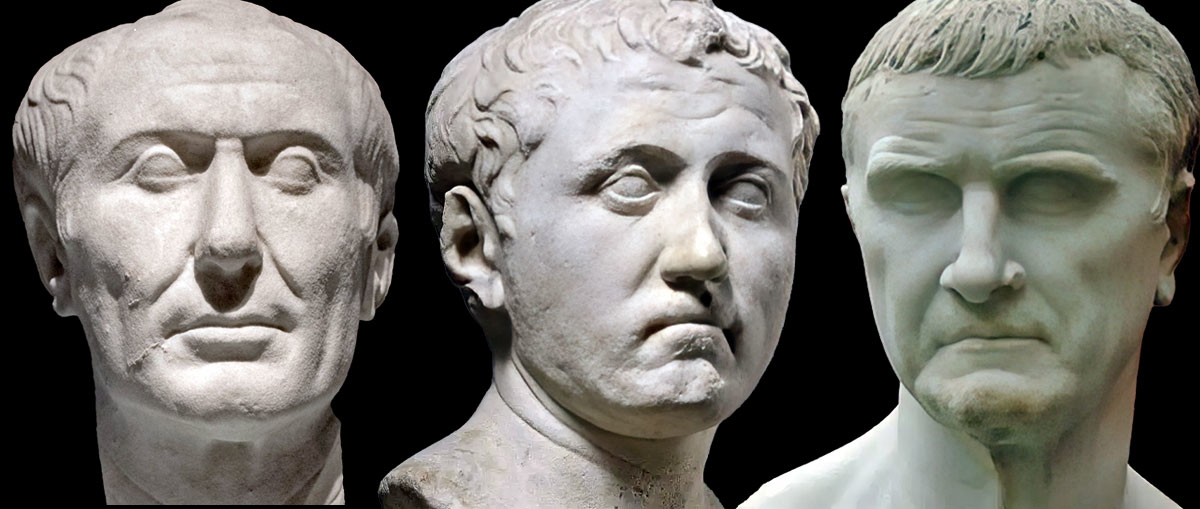
In 61 BC, Caesar left Rome to serve as governor of Spain, while Pompey returned. The general had recently divorced his wife and proposed marriage to one of Cato’s nieces. Despite being Rome’s most eligible bachelor, Cato rejected the proposal. This made Cato’s political intentions clear and reflected his unwillingness to compromise or cooperate with anyone who did not align with his principles.
In 60 BC, Cato blocked the provision of land to Pompey’s veterans and the ratification of Pompey’s eastern settlement following the defeat of Mithridates. He also used filibuster tactics to obstruct plans to renegotiate tax contracts championed by Crassus. Both men considered these pieces of legislation essential to their political platforms, and Cato made opponents of two of Rome’s most influential leaders.
When Caesar returned to Rome in June 60 BC, he asked for permission to enter Rome to declare his intention to stand for consul without giving up command of his army, so that he could still celebrate a triumph for his victories in Spain. This kind of dispensation was often granted, but again, Cato blocked the request with a filibuster.
When Caesar forwent his triumph to stand for the consulship, Cato worked to ensure Caesar’s potential for glory post-consulship would be limited. He ensured that the consul for 59 BC would be given the “woods and country paths of Italy” as their proconsular provinces, with no opportunity for enrichment or military glory.
With Cato and his allies blocking their ambitions, these three unlikely allies were drawn together into an unexpected alliance that we now call the First Triumvirate. Arguably, Cato’s unwillingness to compromise and cooperate with any of them forced the triumvirate into being. This proved to be a serious tactical error by Cato.
The Great Obstructionist: How Cato Paralyzed the Senate to Stop Caesar
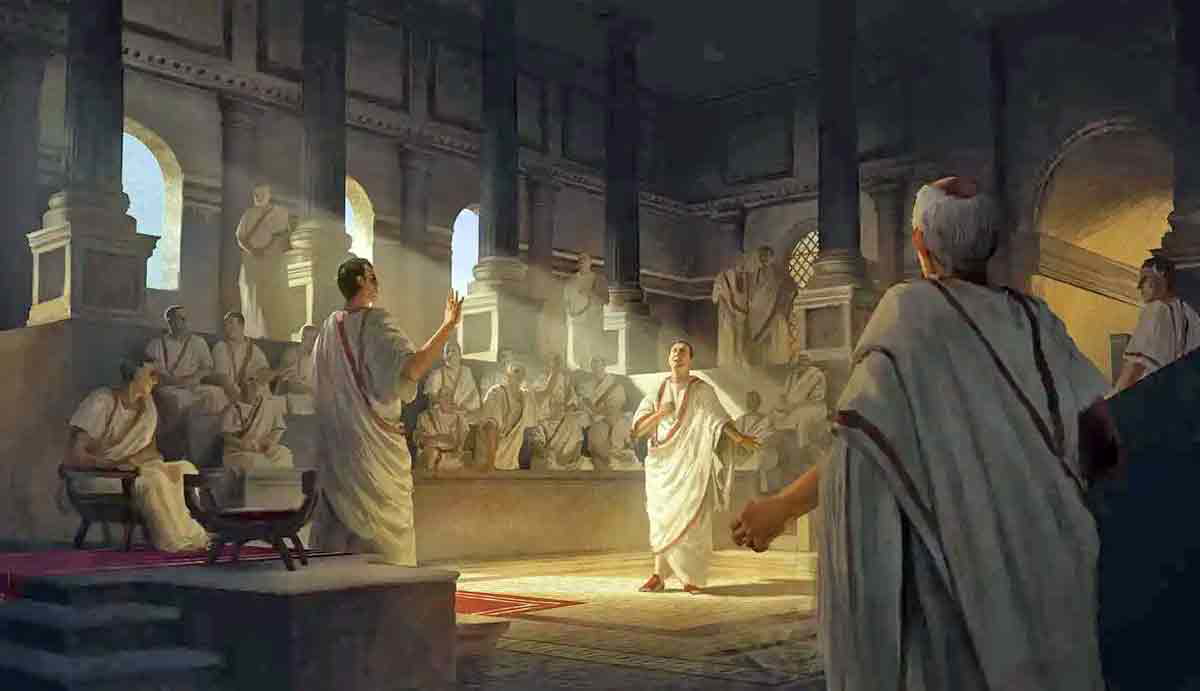
Cato used obstructionist tactics throughout his career to prevent populists from benefiting from what he considered a corrupt system. This was most obvious during Caesar’s consulship in 59 BC, which he shared with Marcus Calpurnius Bibulus, Cato’s son-in-law.
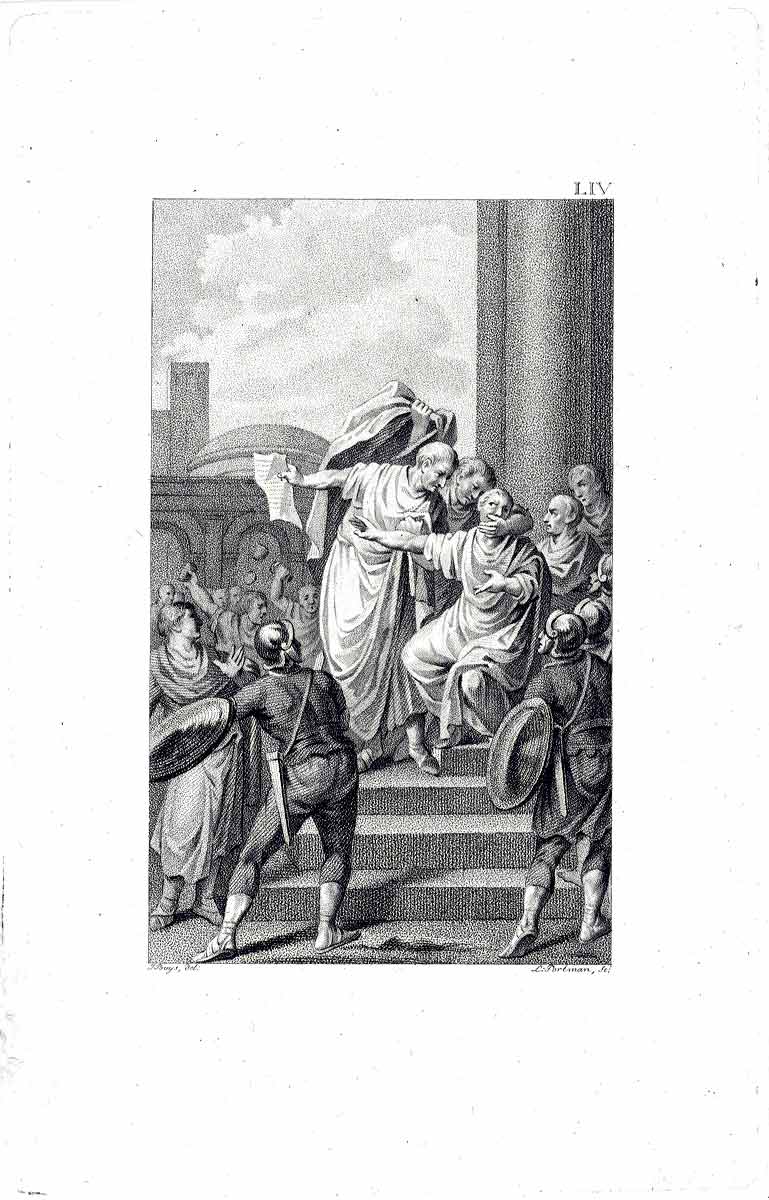
Caesar’s first proposed legislation as consul was to distribute public land to Pompey’s veterans and the poor. He carefully worded a favorable bill that he presented to the Senate. Cato blocked the bill using filibuster tactics, planning to talk until the end of the session and block the vote. Annoyed by the tactic, Caesar ordered Cato to be arrested and taken to prison. While being taken away by Caesar’s lictors, Cato continued to shout his speech to the crowd outside the Senate house. This was disastrous for Caesar, as the Senate disapproved of his strong-arm tactics and walked out of the Senate House. Cato was released that evening.
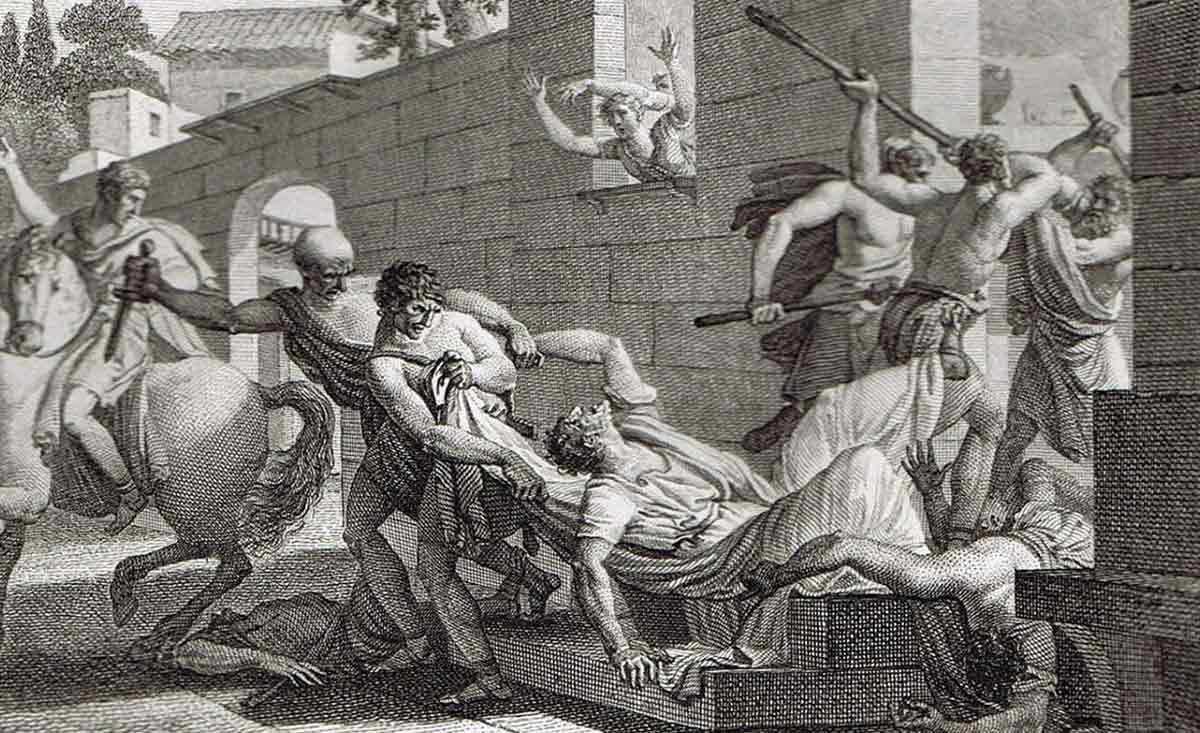
Needing a new approach, Caesar took his land bill directly to the people in the assembly. Caesar’s co-consul Bibulus initially vetoed the bill. Each day, he then announced that he had seen bad omens that meant a vote could not be held, blocking the legislation on religious grounds. Caesar ignored him, set the date for the vote, and had Pompey’s veterans flood the Forum to control the crowd. When Bibulus, Cato, and their supporters arrived to declare the vote illegal, the conservatives were attacked and dragged from the Forum. The vote was held, and the law was passed.
For the rest of his consulship, Bibulus stayed in his home, refusing to participate in public business and continuing to claim bad omens. Meanwhile, Cato continued to criticize Caesar publicly, claiming that he was governing illegally as sole consul and had tyrannical ambitions.
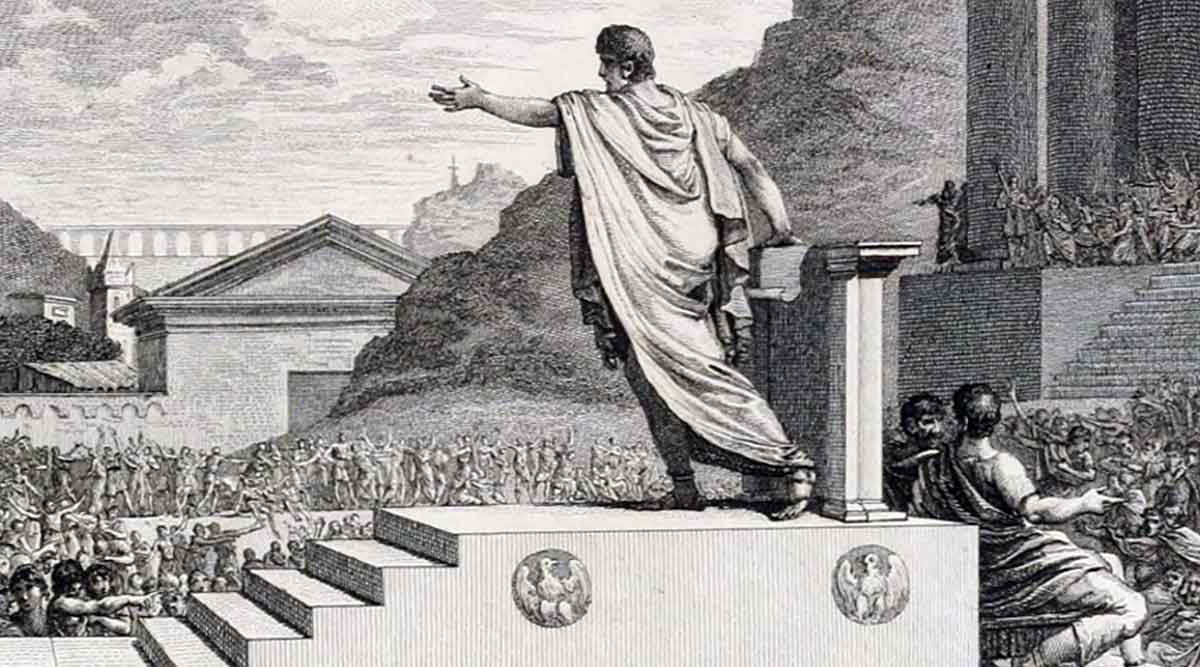
Despite Cato, Caesar successfully passed all his legislation, ratifying Pompey’s eastern settlement, passing Crassus’ tax law, and having himself assigned the provinces of Illyricum, Cisalpine Gaul, and Transalpine Gaul as proconsul. But Cato did have an impact. By the end of 59 BC, the triumvirs were unpopular, and Caesar was probably very happy to be leaving Rome for Gaul. Two Catonian allies were elected consuls for the following year.
Cato in a Turbulent Political Landscape: Prelude to War
Cato had caused enough trouble in 59 BC that the triumvirs decided he needed to be removed from Rome. To get him out of the capital, they organized to have him sent on a mandatory diplomatic mission to annex the kingdom of Cyprus in 58 BC. Living up to his personal ideals, rather than enriching himself as was the practice for most Roman governors, Cato returned to Rome in 56 BC with a massive treasure trove for the state coffers and nothing for himself.
This helped him secure the praetorship for 54 BC, during which he campaigned against political bribery and corruption. While his traditional Roman virtues made Cato respected, this campaign alienated voters, both the aristocrats who relied on bribery to buy votes and the common people who relied on bribes as a source of income. When he stood for the consulship in 51 BC, Cato was defeated.
Throughout these years, Cato continued to work against the triumvirs with minimal success. But after Crassus’ death in 53 BC, Cato looked on Pompey as the lesser of two evils and encouraged the general to align with him against Caesar. When mob violence disrupted elections in 52 BC, there were fears that Pompey would be declared dictator. Cato was key in proposing that, rather than appointing him dictator, they make Pompey sole consul. This was essentially the same thing, but the legal trappings made Pompey beholden to the Senate. It also forced Pompey to crush Caesar’s allies in Rome, who were involved in the mob violence, finally driving a wedge between the triumvirs.
The Ideological War Lost: The Tipping Point
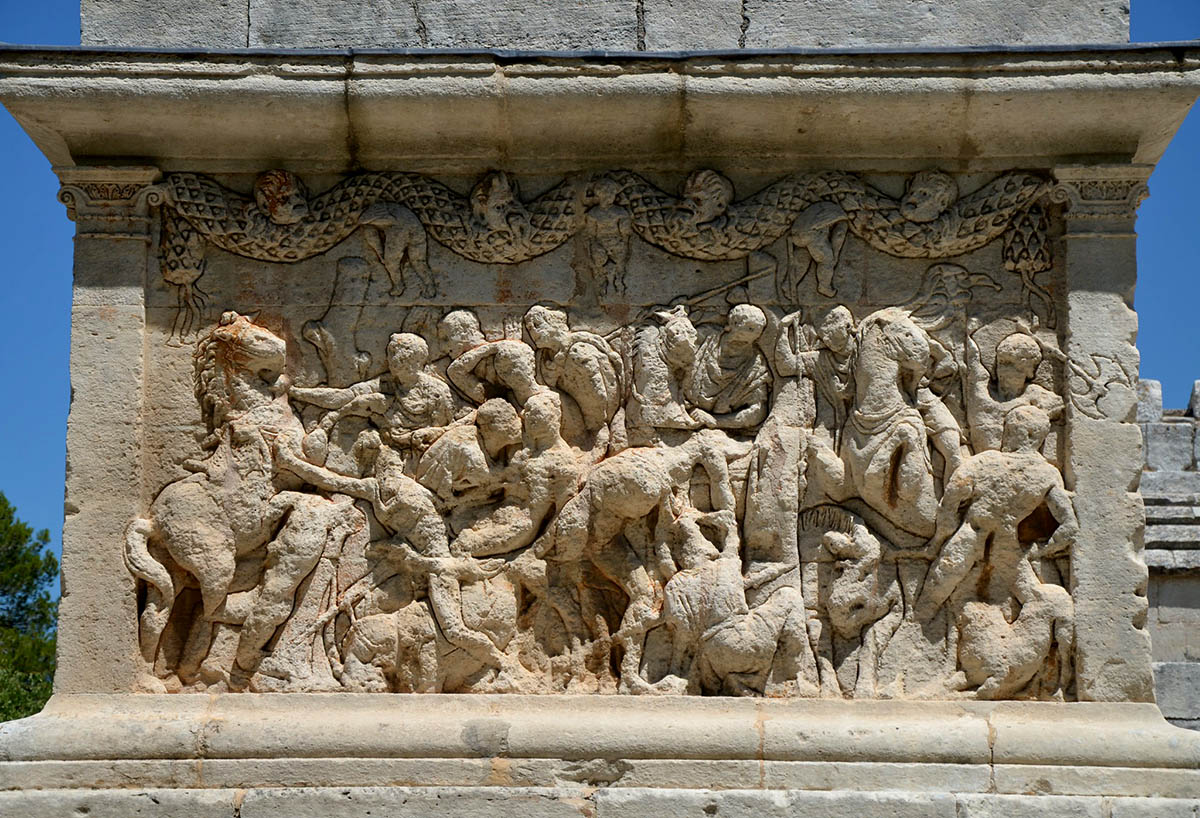
Throughout Caesar’s Gallic campaigns, Cato worked to have the general recalled. Following Caesar’s army killing more than 400,000 Germans in 55 BC, Cato even suggested that Caesar should hand himself over to the Germans for war crimes. By 51 BC, he was arguing that the war in Gaul was won and therefore Caesar’s command was finished. He should give up his command and return to Rome, where he would inevitably face prosecution. To ensure his own political survival, Caesar was eventually forced to cross the Rubicon and march into Italy with his army.
This proved to be a tipping point not only for Rome but for Cato himself. Cato had always opposed Caesar and taken an uncompromising approach in his dealings. But when he realized that Rome would be plunged into civil war, Cato advocated for negotiation and peace. As Pompey and the Senate refused to negotiate, Cato adopted a position of public mourning for Rome, refusing to cut his hair or shave his beard, wearing mourning clothing, and forgoing all physical pleasure. He advocated peace, even if it meant accepting Caesar’s terms.
When it became clear that civil war was unavoidable, before the Senate fled to Greece, Cato led a decree that the Republican leadership swear that no Roman citizen should be put to death off the battlefield and no city subject to Rome should be plundered or sacked.
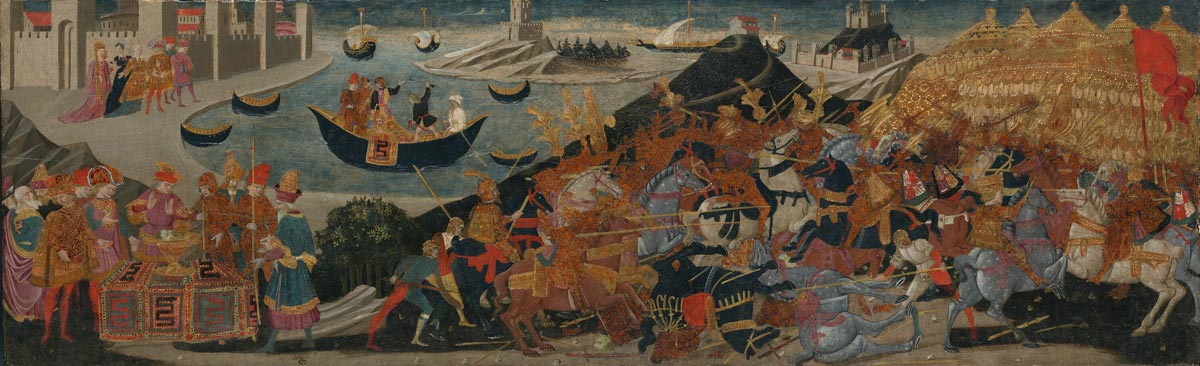
Cato then joined Pompey and the Republicans in leaving Rome. He was initially given command to defend Sicily and Rome’s important grain supply. Plutarch implies that he was sent away to remove his gloominess and boost morale. When Caesar’s lieutenant arrived in Sicily, Cato made the controversial decision to evacuate rather than sacrifice Roman lives.
Cato rejoined Pompey and participated in the indecisive Republican victory at Dyrrhachium. While his army celebrated, Plutarch says that Cato openly wept over the brave Roman dead on both sides. This is why Pompey left Cato behind when he chased Caesar to Pharsalus, where the Republican forces were resoundingly defeated.
The Siege of Utica and the Philosophy of a Lost Cause
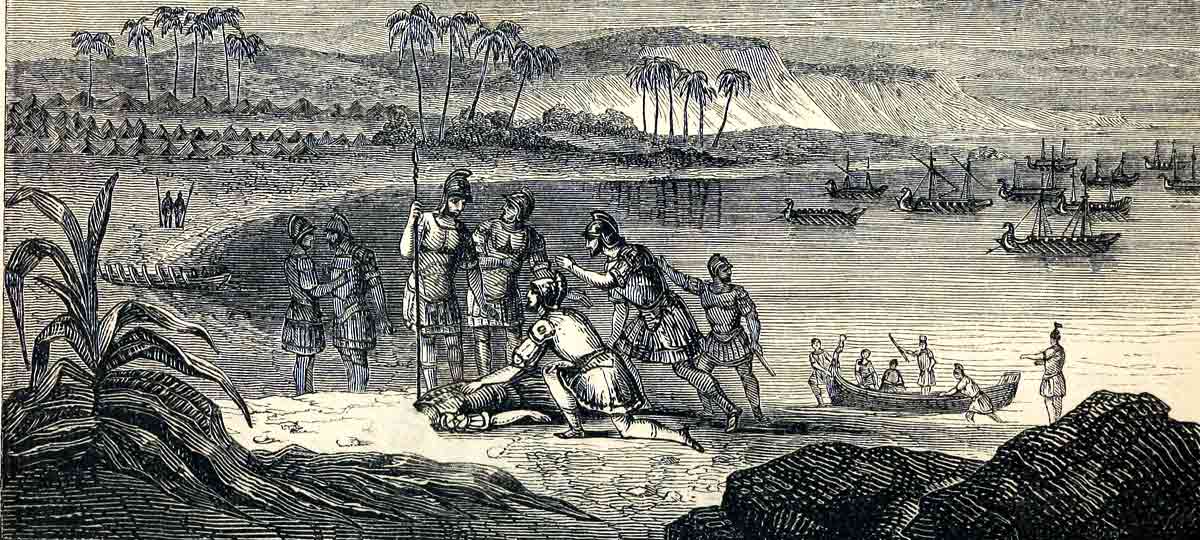
Left in command of the naval base at Dyrrhachium, when news of the defeat arrived, Cato intended to follow Pompey to Egypt. He reportedly offered Cicero the command, but Cicero refused, preferring to return to Rome and ask for Caesar’s clemency. There were reportedly several instances when Cato offered to give up command, reflecting his lack of appetite for civil war. He allowed Cicero and other defectors to leave before setting sail. En route to Africa, he received word of Pompey’s murder in Egypt, so he joined surviving Pompeian forces under Metellus Scipio in North Africa.
While Scipio organized to face Caesar on the battlefield, Cato was given command of the defense of Utica, the last major Republican stronghold in Africa. He reinforced the defenses, raised troops, stockpiled supplies, and waited. When news of Scipio’s defeat at the Battle of Thapsus arrived, Cato knew that the Republican cause was lost. But he reportedly maintained his composure while the people around him panicked. He decided that Utica would surrender, but supported the evacuation of anyone who wished to flee.
A Gruesome Death at Utica: Why Cato Tore His Own Wounds
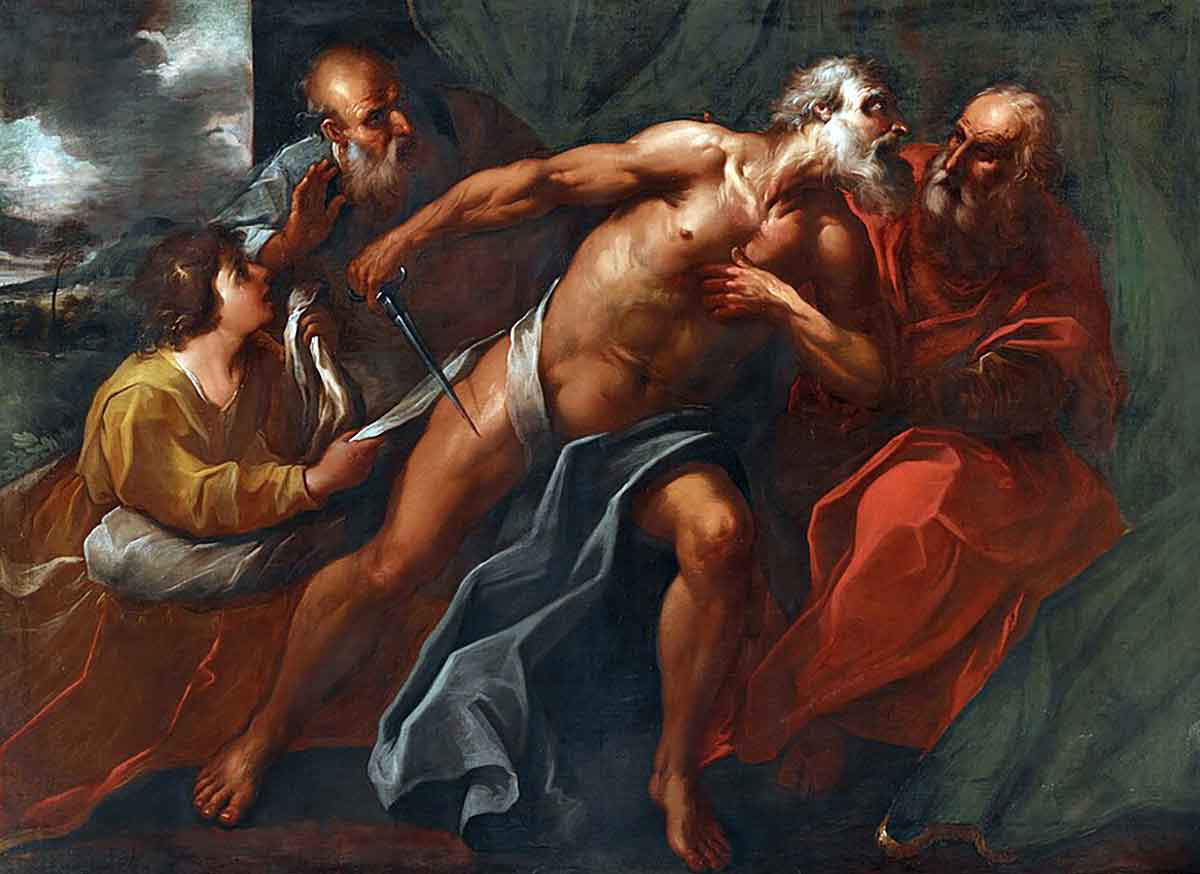
According to Plutarch, with everything in order and awaiting Caesar’s arrival, Cato invited his friends over to a dinner at which they discussed Stoic philosophy. It is likely that many suspected his plan of action and tried to convince Cato not to take his own life. Nevertheless, when they left, Cato stabbed himself in the stomach, seeking the noble suicide that was considered a virtuous death among the Romans.
Plutarch’s account suggests that Cato’s servants found him while he was still bleeding out and summoned a doctor, who stitched Cato’s wounds. When Cato came to, he was horrified and reportedly ripped open his stitches and tore out his own bowels.
When Caesar finally marched through the gates of Utica on April 13, 46 BC, he expected to find Cato alive, but was instead met with news of his suicide. Plutarch claims that Caesar remarked: “Cato, I grudge you your death, as you grudged me the preservation of your life.” This implies that Caesar intended to pardon Cato, as a symbol of his magnanimous clemency, and to prevent Cato from becoming a martyr, but Cato had thwarted him in a final act of uncompromising defiance.
The Legacy of the Last Citizen and the Birth of a Martyr
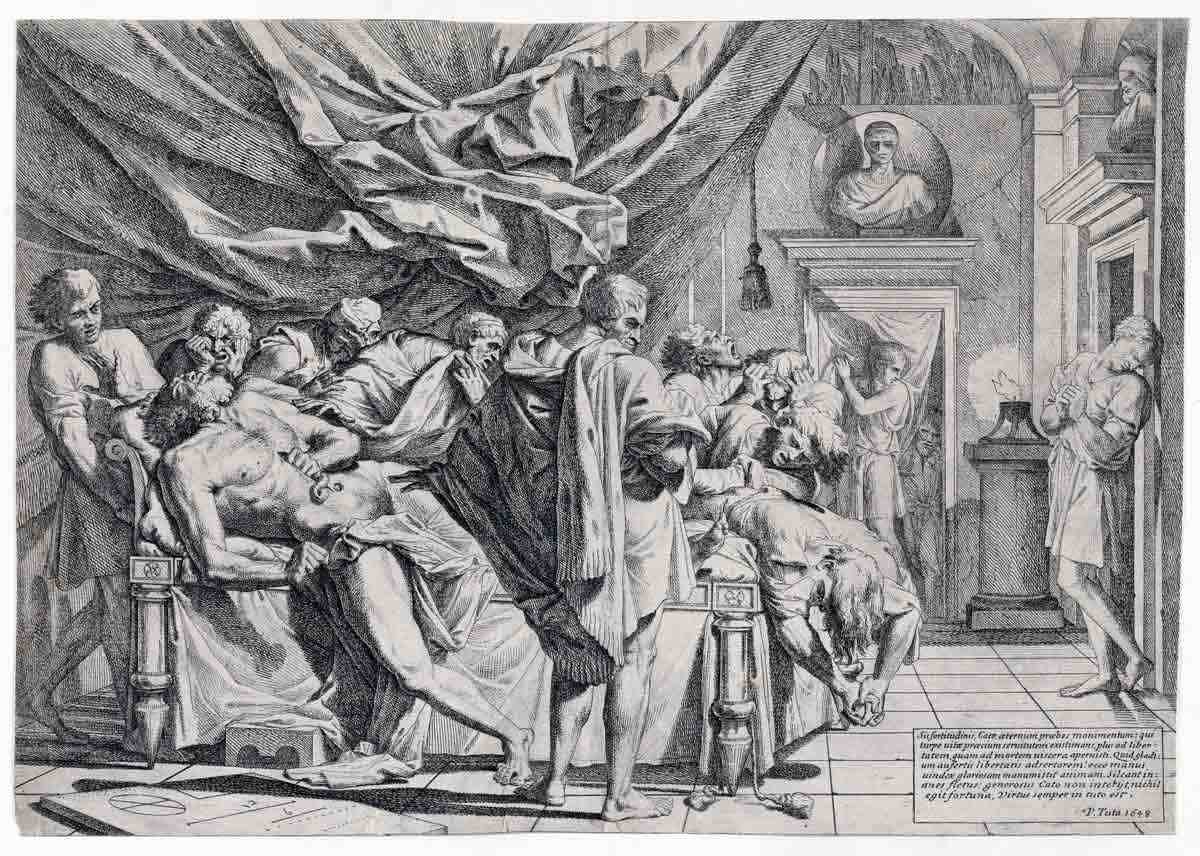
Cato immediately became a martyr of the Republican cause, eulogized by Cicero and Brutus for his staunch support for traditional Roman values as a Stoic philosopher. This means that the truth of his story soon became clouded as he transformed from a senator to a symbol. His legacy was considered dangerous enough that Caesar wrote a polemic denouncing Cato, claiming he was a hypocrite, a drunkard, and more arrogant than virtuous. Caesar’s text does not survive, but was reportedly not well-received.
Cato’s defense of traditional Roman virtue surely influenced how Augustus shaped the principate, respecting Roman traditions and promoting Roman virtues. Under some of the worst emperors, Roman Stoics looked to Cato as an example of Stoic Opposition. He is celebrated as a symbol of sticking to your principles no matter the cost, but how high was the cost for Cato and the Republic?