
Mansa Musa was the fabulously wealthy emperor of the Mali Empire. In 1324, he undertook a Hajj to Mecca, accompanied by a retinue of at least 500 slaves, more than one hundred camels, soldiers, officials, and horses. They also took vast amounts of gold. En route to Mecca, the caravan stopped in Cairo, where their immense expenditure of gold caused the dinar to crash by 20%, and it took 12 years for the gold market there to recover. News of this reached Europe, where myths of the vast wealth of African empires began to circulate.
Inside the West African Empires That Dominated Medieval Wealth
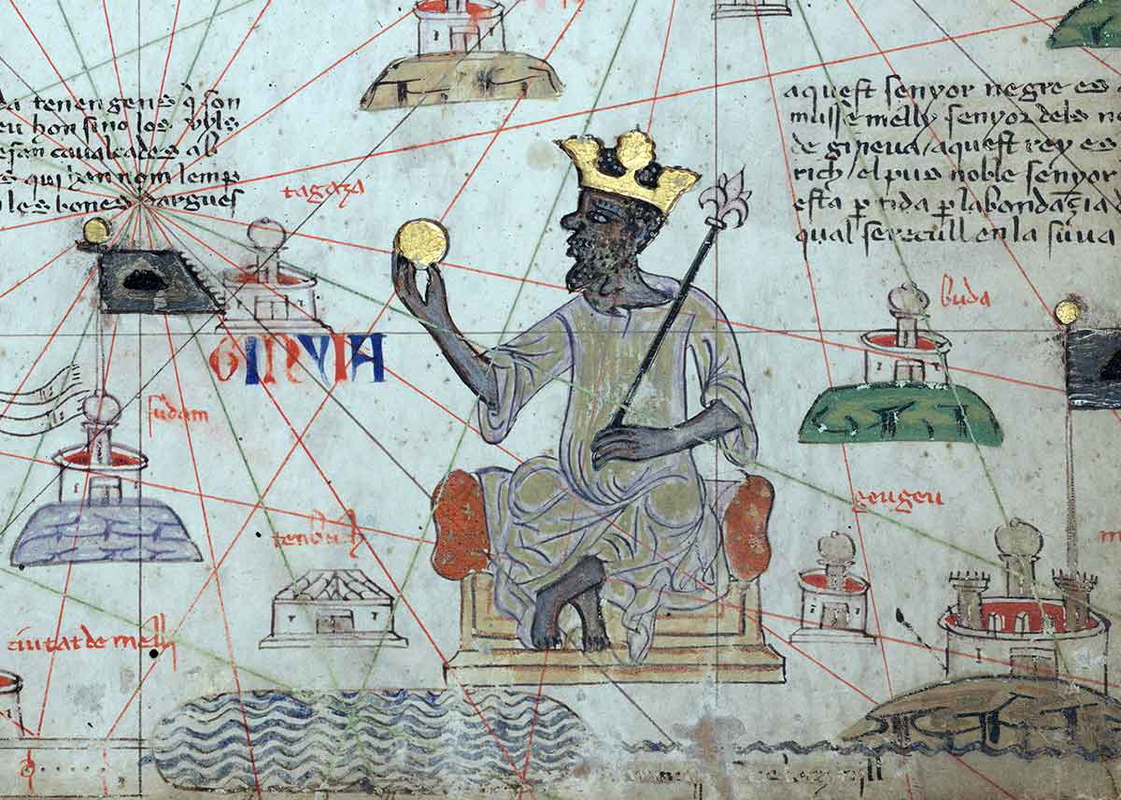
The first of these empires was the Ghana Empire, north of present-day Ghana. By about 800 AD, the empire had become powerful enough to conquer neighboring gold-producing areas. It also began trade with camel caravans from the north, bartering gold for salt, which was not available there, and other goods. This was often done using mute barter. When there was no common language, they used drums, sign language, and hand signals. The Songhai Empire was the largest of the Gold Empires and at its apogee from the mid-15th to the late 16th century.
It absorbed part of the declining Ghana Empire and also traded with North Africans. The Mali Empire was the wealthiest of these empires and was at its peak from 1235 to 1610. By the late medieval period, an estimated 10% of the world’s gold came from West Africa.
How Famine and the Black Death Caused Europe’s Coin Shortage
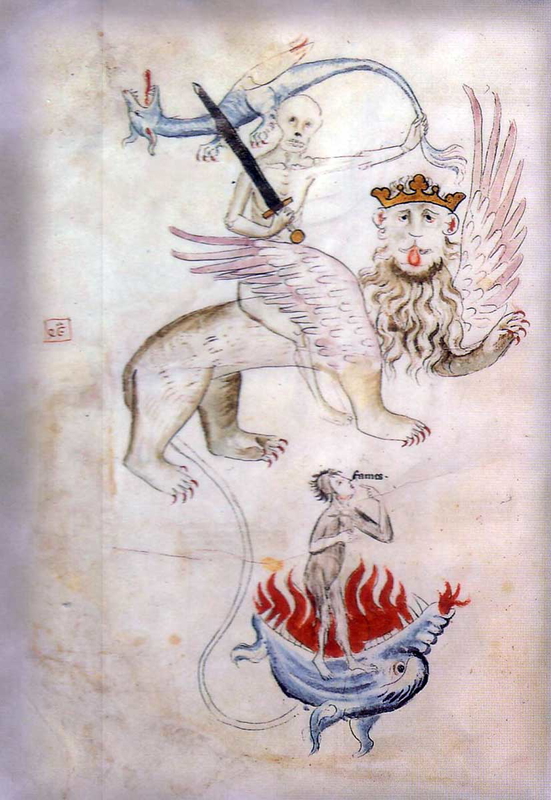
In Europe, barter began to decline during the medieval era in favor of the use of currency. This was especially important for trade with the Middle East and Asia, and this commerce used a large proportion of existing silver coinage. The Great Famine in the early 14th century, followed by the Black Death in the middle of the century, wiped out about 50% of the European population. This led to a reduction in silver mining and therefore a shortage of coins needed to replace those that were traded to countries outside Europe.
The decrease in silver coinage can be illustrated by the example of England. Here the number of silver pence coins fell by 75% between 1351 and 1422. This led to a reduction in credit, resulting in economic decline. By the early 15th century, European trade was crippled by this shortage. There was some recovery, but there was another extreme bullion shortage in the 1440s. There was a return to barter, and pepper was sometimes used in place of coins.
The Saharan Trade Routes That Carried African Gold North
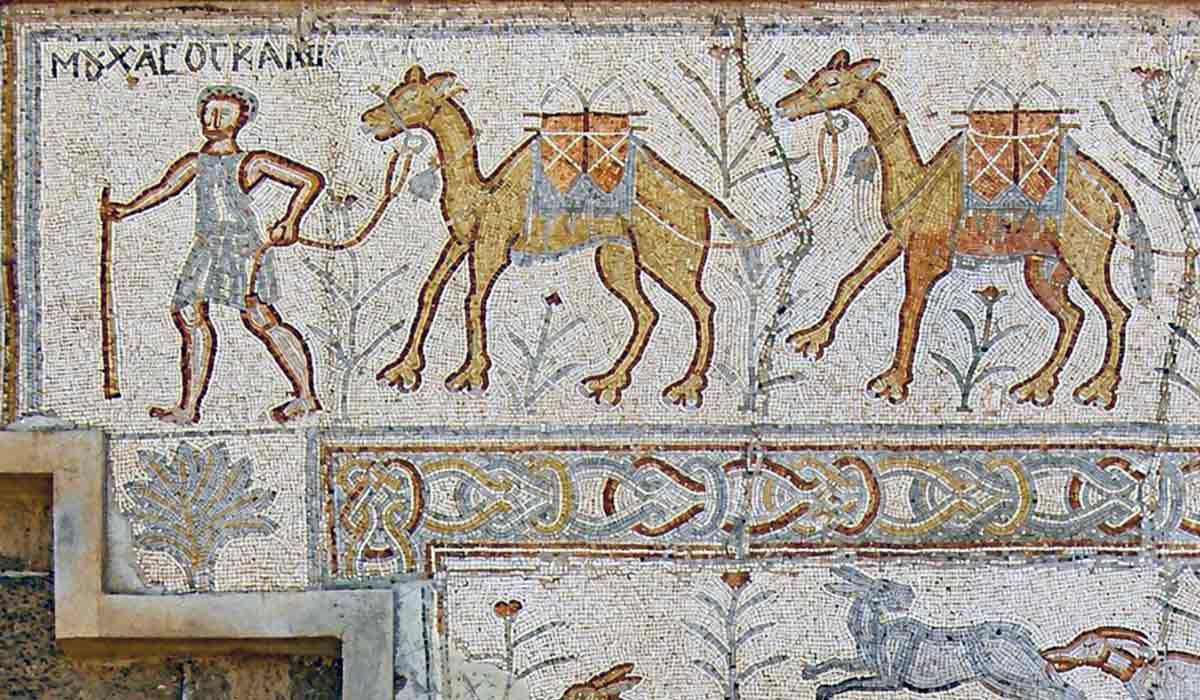
The trade in West African gold to the southern Mediterranean dated back to early Roman times. However, it was only with the use of the camel, from about the 3rd century AD, and the rise of the North African Islamic empires, from the 8th century, that the trade in gold began to boom. These empires wanted gold for trade with Venice, Spain, and other southern European states.
The West African empires needed salt, and regular trade routes boomed after the Islamic conversion of the West African empires in the 7th and 8th centuries. Islam gave both sides a common religion, language, and trust. Gold, ivory, and slaves were sent north, and in return the West Africans received salt, cloth, beads, and metal goods. Salt was traded almost weight for weight for gold.
How West African Gold Saved European Currencies From Collapse
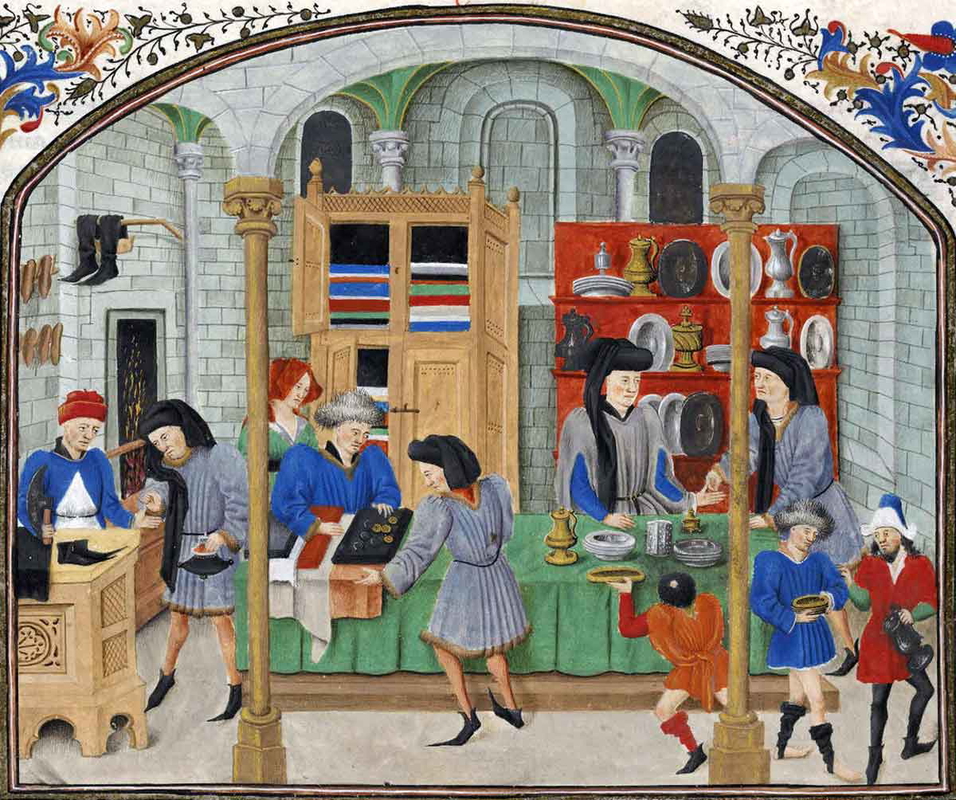
Silver was the primary metal for currency in Europe until the shortages in the early 15th century. Gold, until then, was used predominantly by royalty, in diplomacy, and international trade. However, West African gold bullion was increasingly minted into coins to alleviate the currency shortage. The first gold coins in Europe were issued in Florence and Venice during the 13th century, and by 1422 Venice had minted 1.2 million gold ducats, a coin used for international trade.
The bullion famine prompted merchants and nations to look for new routes to bring gold to Europe. In 1441, West African gold began to be shipped by Portuguese ships from the African coast. The sea trade ended the trans-Saharan monopoly, and this route began to decline, although it continued for many years. West African gold continued to be conveyed to Europe up to the 19th century. The new routes for gold, including from the Americas, ended the precious metals shortage, and European economies began to recover by the late 15th century.
Gold from West Africa to Europe, transported first by camel and later by ship, allowed European economies to recover from recession caused by a lack of silver currency. This trade boomed in the 8th century and was of vital economic importance until precious metals from the Americas began to be imported in the early 16th century.