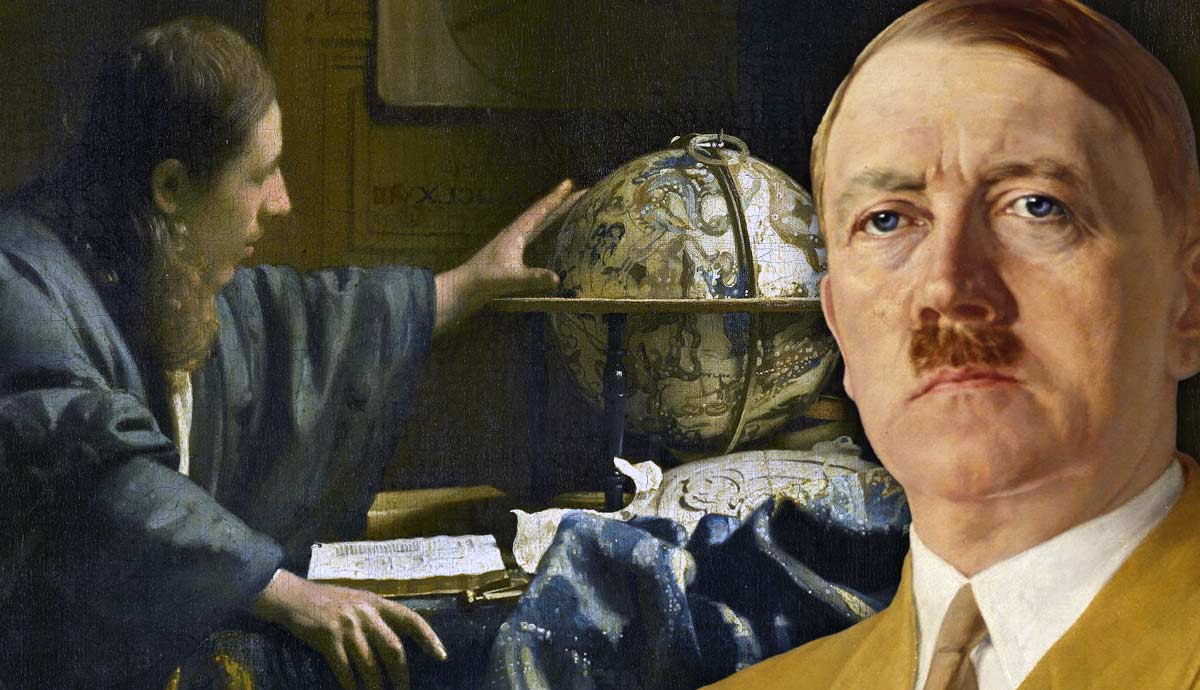

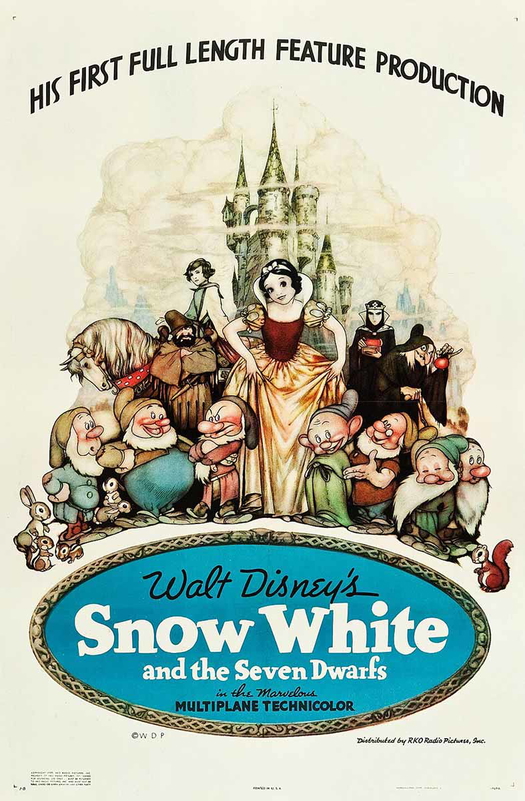
Adolf Hitler was obsessed with Walt Disney Animation because of its strong Germanic roots and its potential for propaganda exploitation. Hitler was a former art student, and he adored Disney’s Snow White and the Seven Dwarfs masterpiece (1937). He believed animation would be a great propaganda tool, prompting the Propaganda Minister Joseph Goebbels to stock Hitler’s personal film collection with Disney cartoons. Goebbels also funded a Nazi animation studio to compete with Disney and other Hollywood cartoons.
The Dictator and His Private Screening Room
Hitler loved cinema and was known to host private film screenings at his retreat, Obersalzberg. He watched films from around the world, including Hollywood films and Walt Disney cartoons. As a young man, Hitler was an aspiring artist and applied to art school but was never accepted. Despite that failure, he studied art and gained a deep appreciation for visual art and cinematic techniques. While Hitler was a global cinephile, he banned foreign films when he came into power.
Why Snow White Captivated the Third Reich
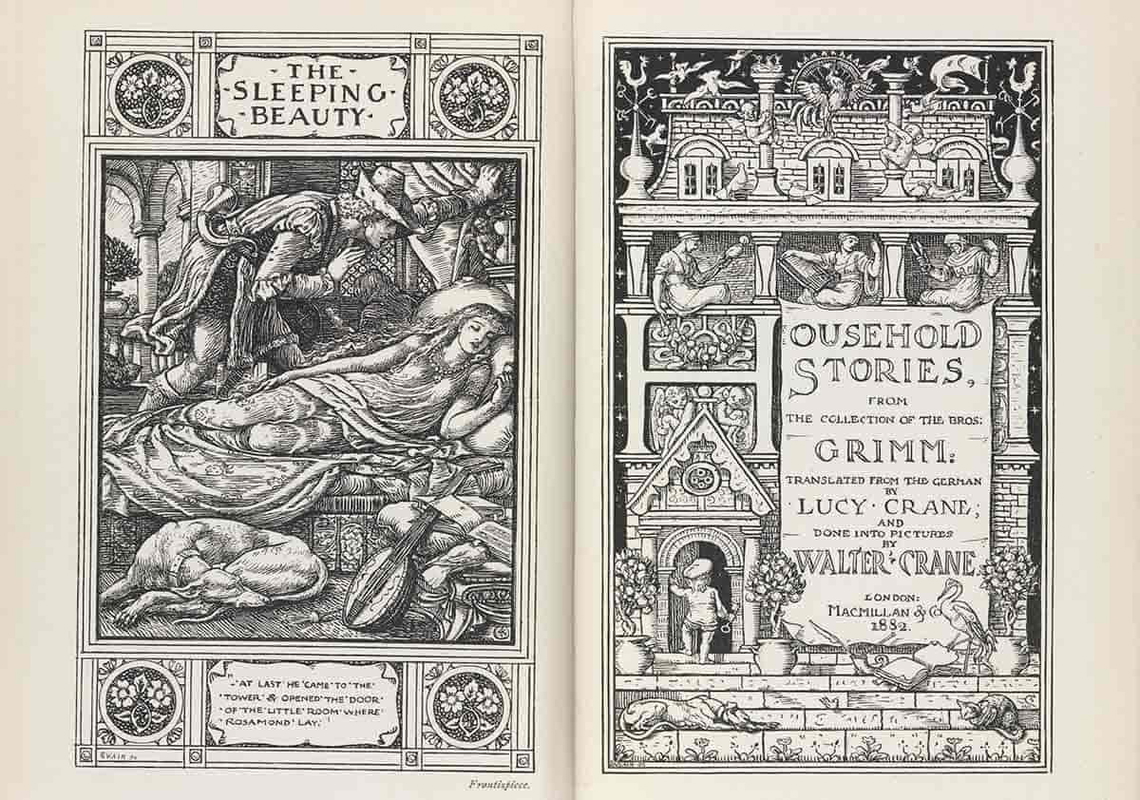
Snow White captivated the Third Reich because it was a German fairy tale brought to life on the silver screen. Snow White, or Schneewittchen in German, exemplified the very pinnacle of German culture. There was nothing more German than the Brothers Grimm, who traveled Europe, collecting fairy tales and recording them for posterity. Many of those stories had Germanic origins and depicted the idyllic society that Hitler wanted to recreate. When he rose to power, Hitler would screen Disney’s film and wanted to replicate its success for the Third Reich.
Joseph Goebbels and the Gift of Mickey Mouse
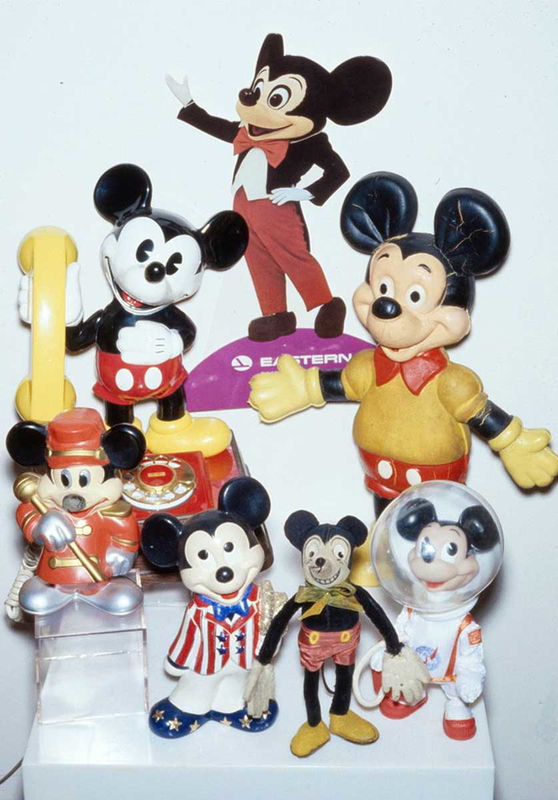
Joseph Goebbels, another Disney fan, documented in his diaries how much Hitler loved animated short films. He enjoyed watching them so much that for Christmas 1937, Goebbels gifted the Führer eighteen Mickey Mouse shorts.
As a relatively new art and form of mass consumption, animation was a mystifying tool because it depicted otherwise static drawings springing to life. Animated shorts were enjoyed by adults and children. They also had the advantage of being similar to puppetry: they were caricatures of humans, so they could transcend barriers that living humans could not, without being deemed offensive. Because of these traits, Goebbels recognized that animation could be a potent psychological tool for mass persuasion.
The Campaign to Build a Nazi Animation Empire
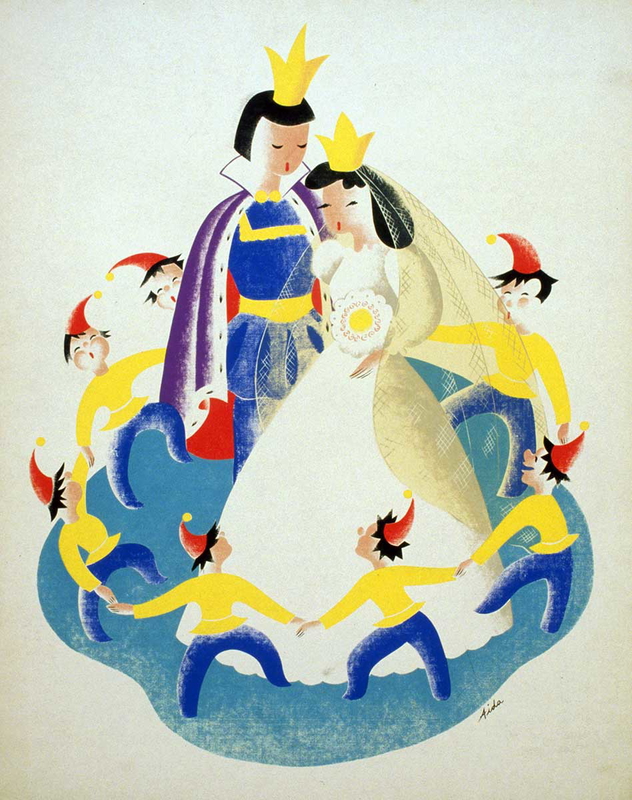
In 1941, Goebbels and his team established the Deutsche Zeichenfilm GmbH, a Nazi-backed animation studio, with the goal of making animated films that promoted idyllic German culture. Deutsche Zeichenfilm was also intended to surpass Disney Animation Studios in the quality and quantity of animated films, with the overall goal of becoming the hub of a European animation monopoly. In 1941, World War II was well underway, so there were resource shortages as well as a lack of artists. Most of the male artists were drafted to fight. Most Deutsche Zeichenfilm artists were women, but even they were limited in number. The studio managed to animate only one short titled Armer Hansi (Poor Hansi).
The Dark Legacy of Wartime Propaganda Animation
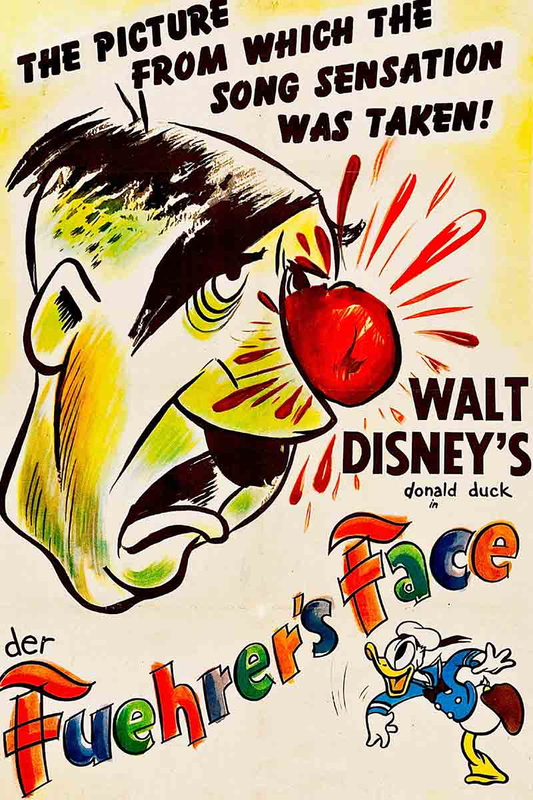
In the United States, Walt Disney and his studio were staunch supporters of the Allies. The studio animated anti-Nazi shorts, including the famous Der Fuehrer’s Face that poked fun at all the Axis leaders. Disney’s animated shorts proved to be very popular with the public and celebrated America’s assistance in helping the Allies to victory and ending World War II.
It is astonishing how similar Hitler and Disney were when it came to weaponizing animation. But let’s be clear that Walt Disney was never aligned with Nazi principles! He only used animation as a propaganda tool to inspire American patriotism and support for the war effort. In comparison, Hitler and Goebbels attempted to use animation to instill German patriotism and support for Nazism. The tool was the same, but the context was entirely different. Animation is a powerful tool that can entertain and also serve ideologies.