
Adolf Hitler was obsessed with fine art and the idea that all great works were done by German artists. One painting that caught Hitler’s eye was Johannes Vermeer’s The Astronomer. Hitler was so intrigued by this painting that he declared the Dutch master was fundamentally German. When the Nazis plundered the conquered Paris, Hitler had The Astronomer stolen from the Rothschilds, a noble and wealthy Jewish family. He wanted the painting to be the centerpiece of his Führermuseum in Linz. However, when the Third Reich fell, The Astronomer was rescued by Allied forces from an Austrian salt mine.
The Nazi Obsession With Johannes Vermeer

Hitler was a failed artist and was denied entry into art school, but he was obsessed with studying fine art. He adored the Dutch Golden Age masters and co-opted their ethnicity, saying the Dutch were of Germanic origin to claim their accomplishments. He was fascinated with Johannes Vermeer’s control of light as well as the subject matter in his works. As one of the Dutch masters, Vermeer’s artwork was owned only by the extremely wealthy or museums. For the Nazi elite, owning one of Vermeer’s surviving works was a major status symbol.
The Plunder of the Rothschild Collection in Paris
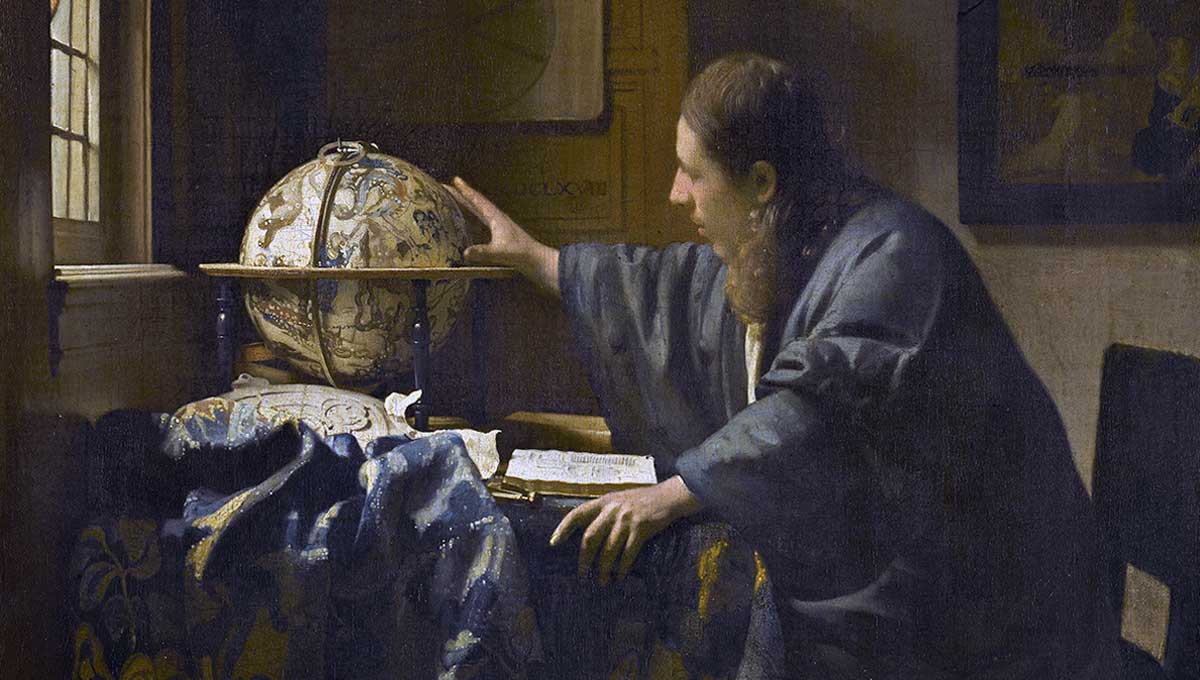
In 1940, the Nazis invaded and conquered France. They stormed Paris, occupying it and ravaging the iconic city. One of Hitler’s priorities was looting the museums and the country’s wealthiest families, including the Rothschilds, who owned The Astronomer painting. The systematic theft of prime artwork was carried out by the Einsatzstab Reichsleiter Rosenberg force, and after the Nazi forces obtained The Astronomer, they marked it with a small black swastika.
The Crown Jewel of the Planned Linz Museum
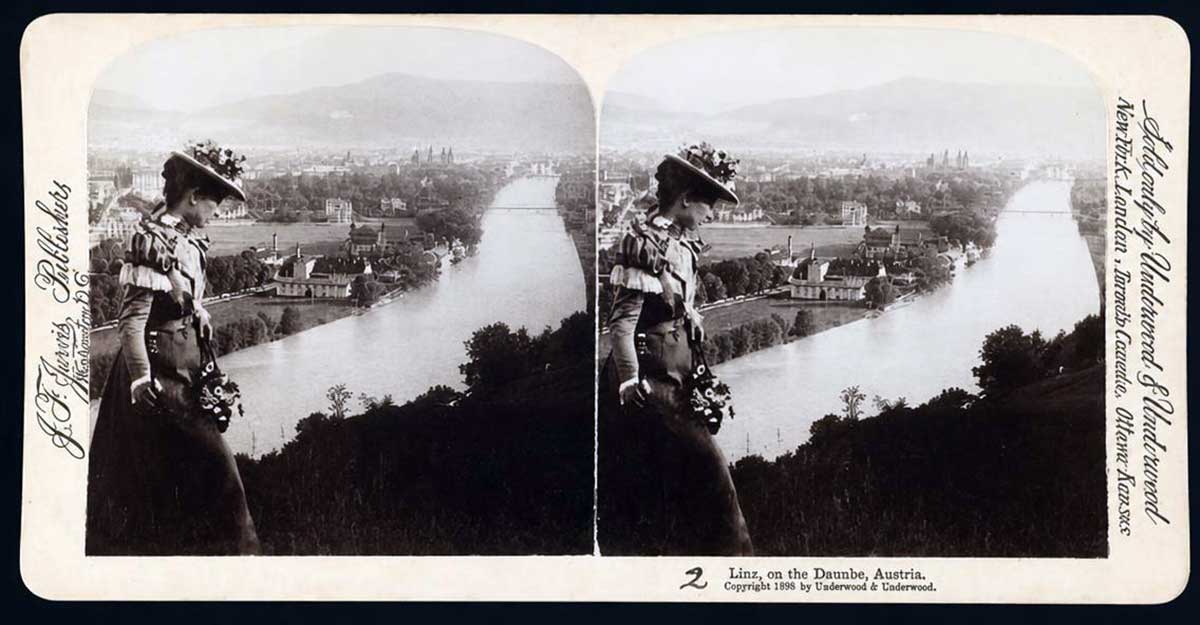
Hitler wanted to build the ultimate art museum, the Führermuseum, in his hometown of Linz, Austria. He was so in love with The Astronomer; however, he had the painting placed in his private collection rather than allowing Hermann Göring to have it. Hitler so loved The Astronomer, not only because of Vermeer’s mastery of depicting the subject, but he also thought it made a great propaganda piece highlighting superior German intellect.
Hidden in the Salt Mines of Altaussee
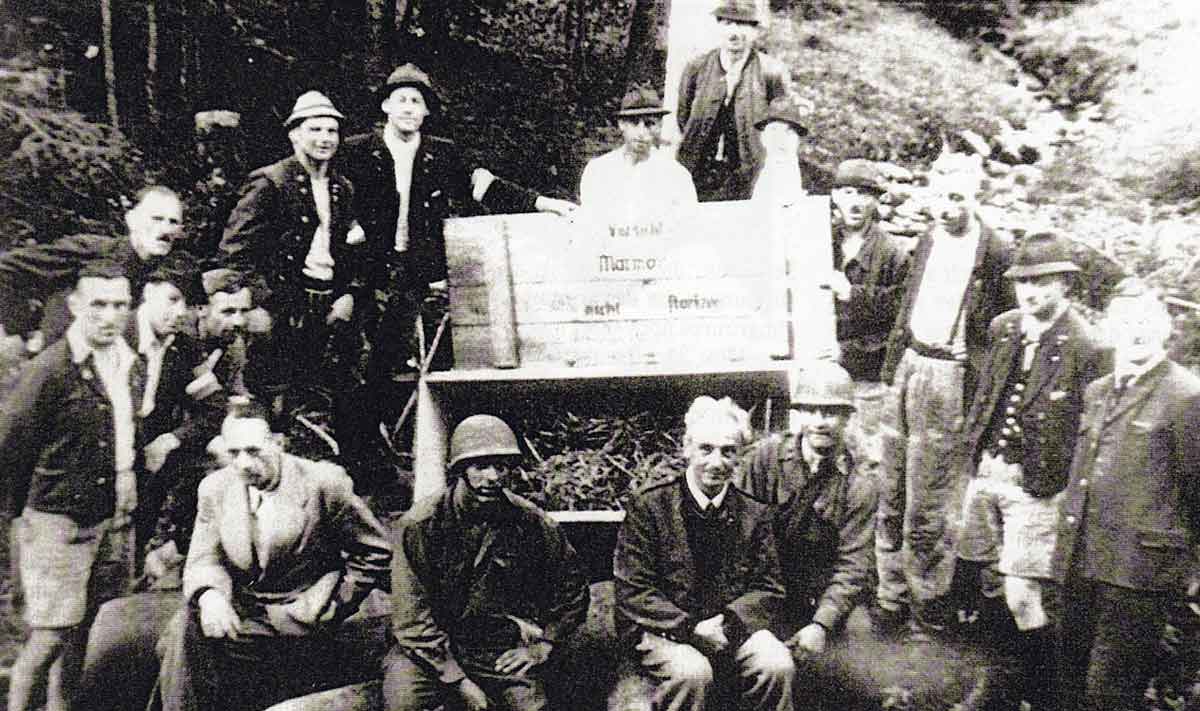
The Nazis plundered Europe’s cultural and historic artifacts, and they wanted to keep them safe, especially during Allied bombing. The items were relocated to Austrian salt mines as the Allies intensified the bombing. The Nazis took a kamikaze approach, meaning they didn’t want the Allies to reclaim the art, so they were under orders to destroy the salt mines if they were defeated. The Nazis secured the mines to the best of their abilities, but the demolition team never carried out their mission.
The Monuments Men and the Recovery of the Masterpiece
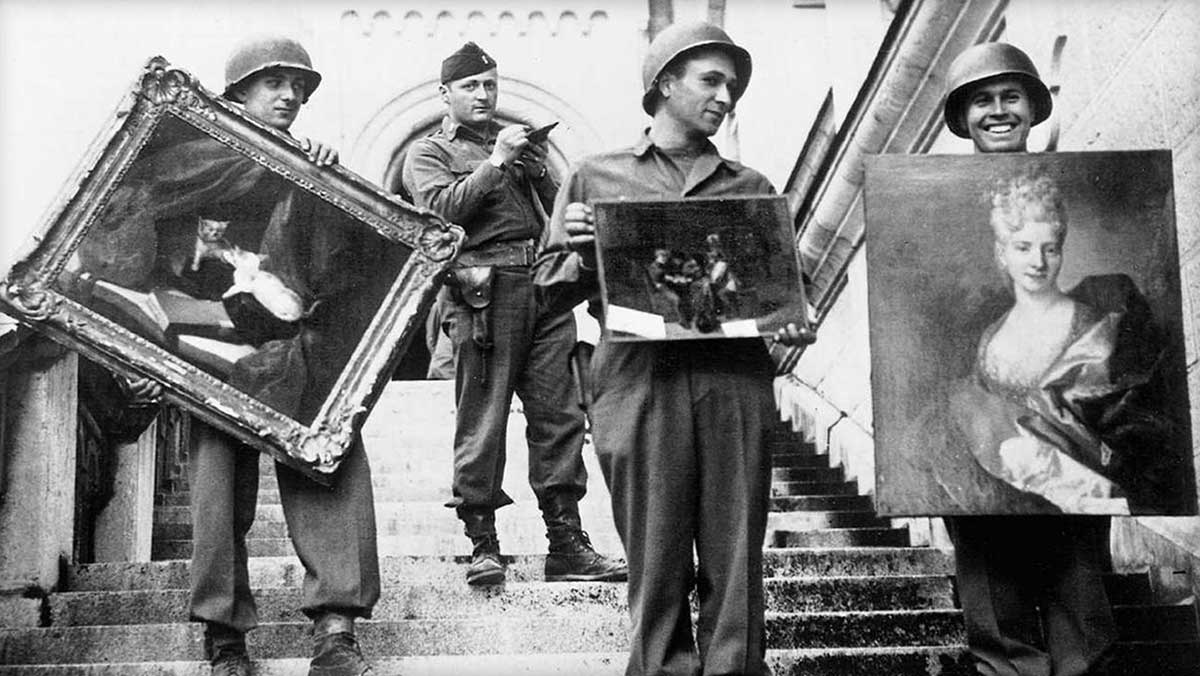
The Monuments Men were individuals tasked by the Allied forces with recovering lost art and other cultural artifacts under the Allied Monuments, Fine Arts, and Archives program, established in 1945. These brave individuals located The Astronomer in the Austrian salt mines and returned it to the Rothschild family in France. The Astronomer to this day still carries the swastika on the back of its canvas, marking it as a piece of pillaged art that was returned to its rightful owners.