
In countries such as Uganda, Kenya, and Tanzania, the South Asian community were often the mercantile minority who kept these countries’ economies afloat. Their wealth and power generated a lot of resentment from native Africans. In the mid-20th century, this resentment boiled over, leading to a transformation in East African societies that forced out much of the Indian diaspora.
South Asians in East Africa After Independence
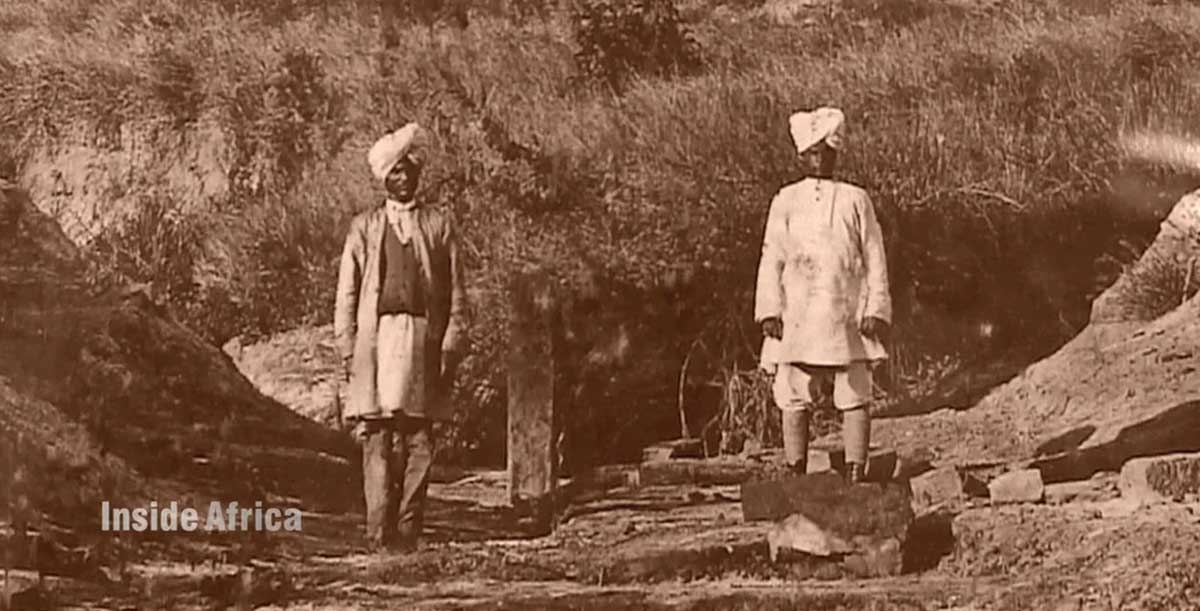
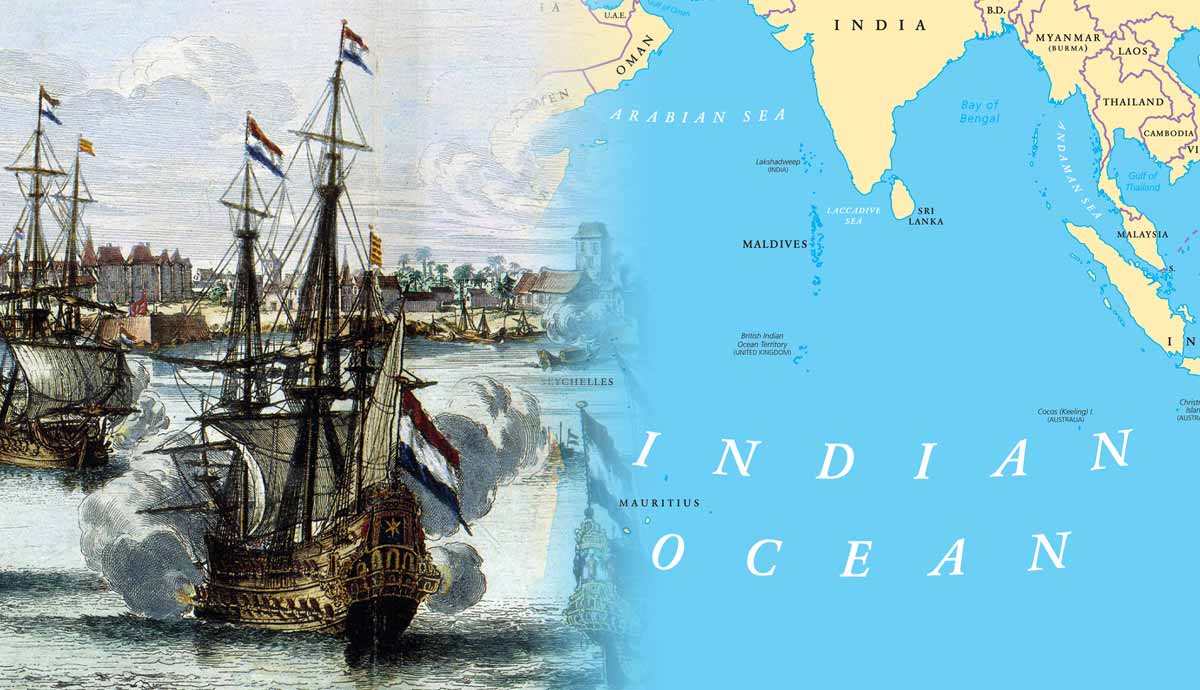
East Africa has historically had a South Asian presence since the 1st century AD, when Indian merchants arrived on the coast to trade with local communities. In the centuries that followed, more of them arrived to trade with and settle on the African coast, facilitating the thriving Indian Ocean trade.
When Britain colonized both the Indian subcontinent and large swaths of Africa, it sought to socially reorder the territories it controlled. South Asians were transported to Africa to work on building railways, serving as indentured servants for the British settler families, and working in the civil service. The bulk of them were from Gujarat in western India or the Punjab. Some were Sikhs or Ismailis. Many agreed to remain in Africa, hoping that they could build a living there even if India gained independence.
By the 1950s and 1960s in Africa, decolonization was in full swing. Tanganyika gained independence in 1961 (becoming Tanzania in 1964 after merging with Zanzibar), Uganda in 1962, and Kenya followed in 1963. An estimated 360,000 South Asians lived in these three countries. They were largely well-off and many had British, Indian, or Pakistani citizenship. Initially, the new heads of state in East Africa hoped that the South Asian diasporas would stay. They saw them as useful for keeping the economy together and hoped that their civil service records would ensure that their governments could operate smoothly. Additionally, many Asian-Africans were staunch supporters of African independence movements.
When the British began withdrawing, the White settlers faced two choices: remain and accept citizenship in their new countries or move back to Britain. Most went back to the UK, but some remained behind. Even though most South Asians did carry British (or other foreign) passports, they were largely eager to stay in their homes and retain their businesses. However, matters began to darken by the early 1970s.
Racial Hierarchies in East Africa: Where Did South Asians Fit In?
Notwithstanding that many South Asians who originally arrived in East Africa came from another part of the British Empire, they were not considered equal in stature to the native Africans. They occupied the middle tier of society, thus becoming a middleman minority. A term coined by the sociologist Hubert Blalock in the 1960s, middleman minority groups were not quite the ruling class, but were prominent in business and civil society. South Asians in Africa were more successful than most of their cousins in the subcontinent. They were also more successful than most native Africans.
Largely an urban population, the South Asians had large business holdings and were disproportionately represented in the bureaucracy. For instance, in Nairobi, a full third of the population was South Asian. In Uganda, 90% of the country’s tax revenue and 20% of its national income came from South Asian-owned businesses.
Much of the housing in Uganda was built by the Alam Group, which was founded by Manzur Alam in 1965. The Madhvani, Mehta, and Mukwano families were among the wealthiest families in all of Africa. While these families contributed an enormous amount of money to African economic growth, they also generated a lot of resentment, as many locals believed that they were only wealthy due to British machinations.
Many of these people did not just work in businesses or manufacturing. Britain had encouraged the growth of the Indian Civil Service as a way of encouraging local support for the empire. Some of the Indian civil servants subsequently went to work for the colonial civil service in Africa. When African states gained independence, most of the civil servants who did not leave for Britain stayed put. Many of them were happy to serve their new states but came under suspicion of secretly remaining loyal to Britain. Many Indians served in the police and became a target of resentment. This community was in the worst position possible leading into the 1970s: not fully respected by the British government and resented by local Africans.
Asians and Pan-Africanism
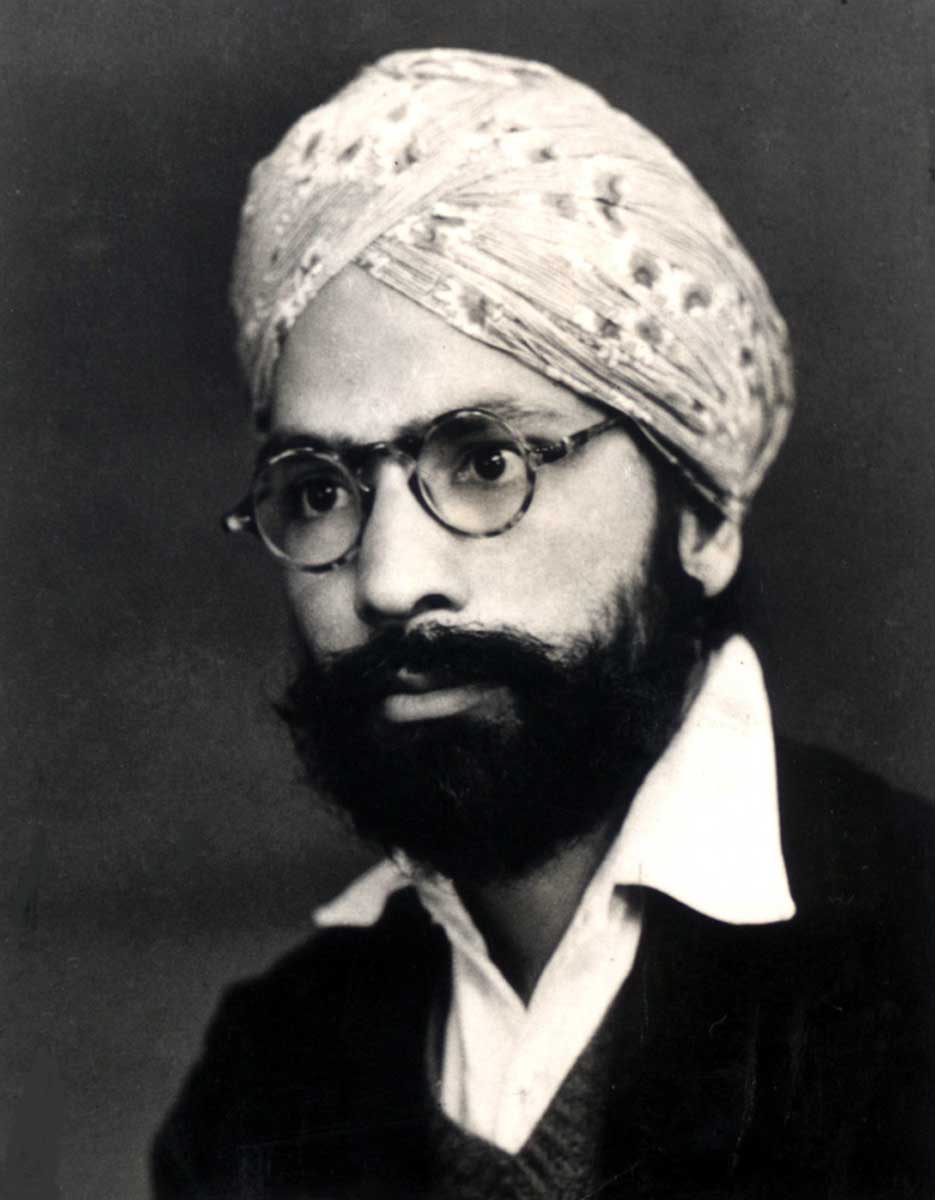
Despite the fact that there was a big gulf between the South Asians and native Africans, many South Asians in Africa were strongly supportive of local independence movements. In the 1950s, Makhan Singh, an Indian trade unionist in Kenya, formed a protest movement of Black and Asian Kenyans, for which he was imprisoned by the British authorities. Pio Gama Pinto, whose family came from Goa, was assassinated in 1965 while working for the Kenyan African Union. Many African leaders were grateful for support from South Asian activists and welcomed them into senior roles into their respective governments.
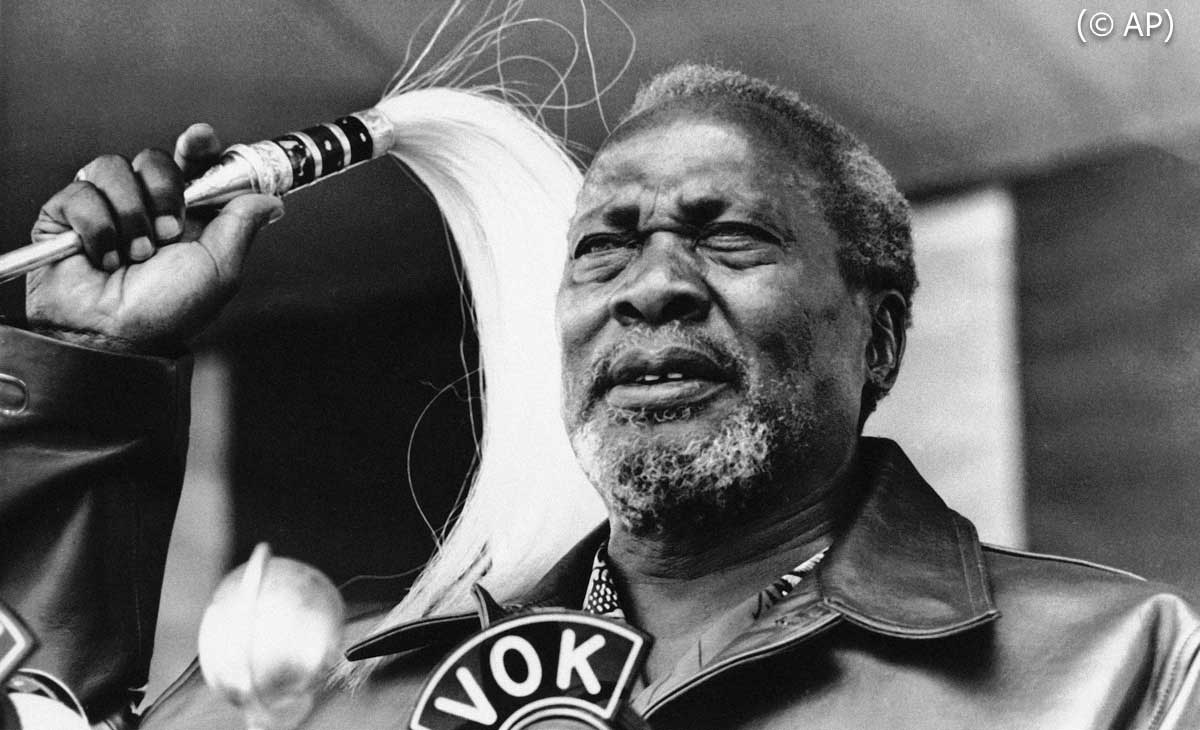
However, Pan-Africanism was often exclusionary and argued that Black people (native Africans) were the true owners of Africa and its property. Leaders like Jomo Kenyatta and Milton Obote insisted that Pan-Africanism was primarily for the benefit of “authentic” Africans. Anyone who did not fit this description had no place in the Pan-African project. Thus, even South Asians or Whites who supported decolonization were suspect.
Notwithstanding the desire by South Asians to live peacefully in the newly independent East African states, much of the community struggled to integrate. They largely married within their own circles, few learned native African languages, and they largely lived separately from the rest of their countrymen. In the minds of many African nationalists, this made the South Asians no different from the European colonists. It also made them easy targets when the economy started to struggle by the late 1960s.
Idi Amin and the Expulsions From Uganda
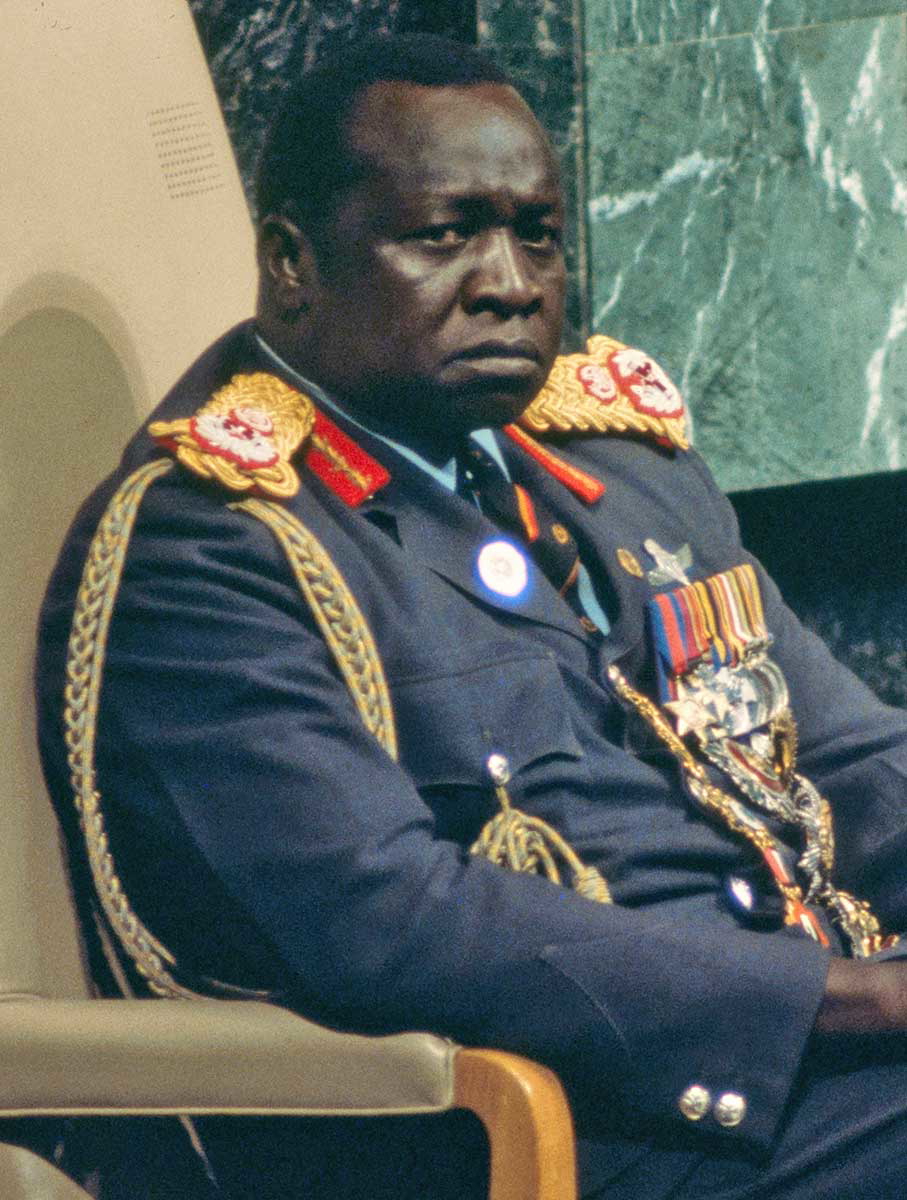
In 1971, the Ugandan Army’s commanding officer, General Idi Amin, overthrew President Milton Obote, claiming that Obote was planning on establishing a communist regime. Thus, many South Asians initially welcomed the coup on the grounds that Amin would protect their businesses. Obote had signed a law called the Trade Licensing Act, which prohibited much of the community from trading in certain parts of the country. People hoped that Amin would get rid of this law, especially as he had previously served the British authorities.
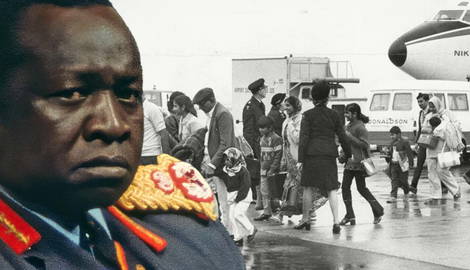
However, his takeover proved to be disastrous for the South Asian Ugandans. On August 4, 1972, Amin announced that God had visited him in a dream and told him to expel the “bloodsuckers.” He issued a decree that all non-citizen Asians in Uganda had to leave. On the 19th, he expanded this order to include all Asians in Uganda, even if they had citizenship. While he did rescind this last order under significant international pressure, the environment for South Asians became so dangerous that most fled Uganda regardless of their citizenship status.
For the expellees, the expulsions were barbaric. Most were limited to taking out $120 and a limited amount of personal belongings. The wealthier families could not sell off their businesses, making many of them poor instantly. As they were being expelled, Ugandan soldiers and policemen harassed and attacked the refugees, hoping to accelerate their departure. Over 5,600 businesses, farms, and properties were seized and given to Amin’s loyalists. After a mere 90 days, only 4,000 South Asians remained in Uganda, many of whom hung onto their property and homes by their fingernails. While many Ugandans welcomed the expulsions, the Ugandan economy was devastated by the loss of a successful community and never fully recovered.
Kenya and Tanzania: Softer Expulsions
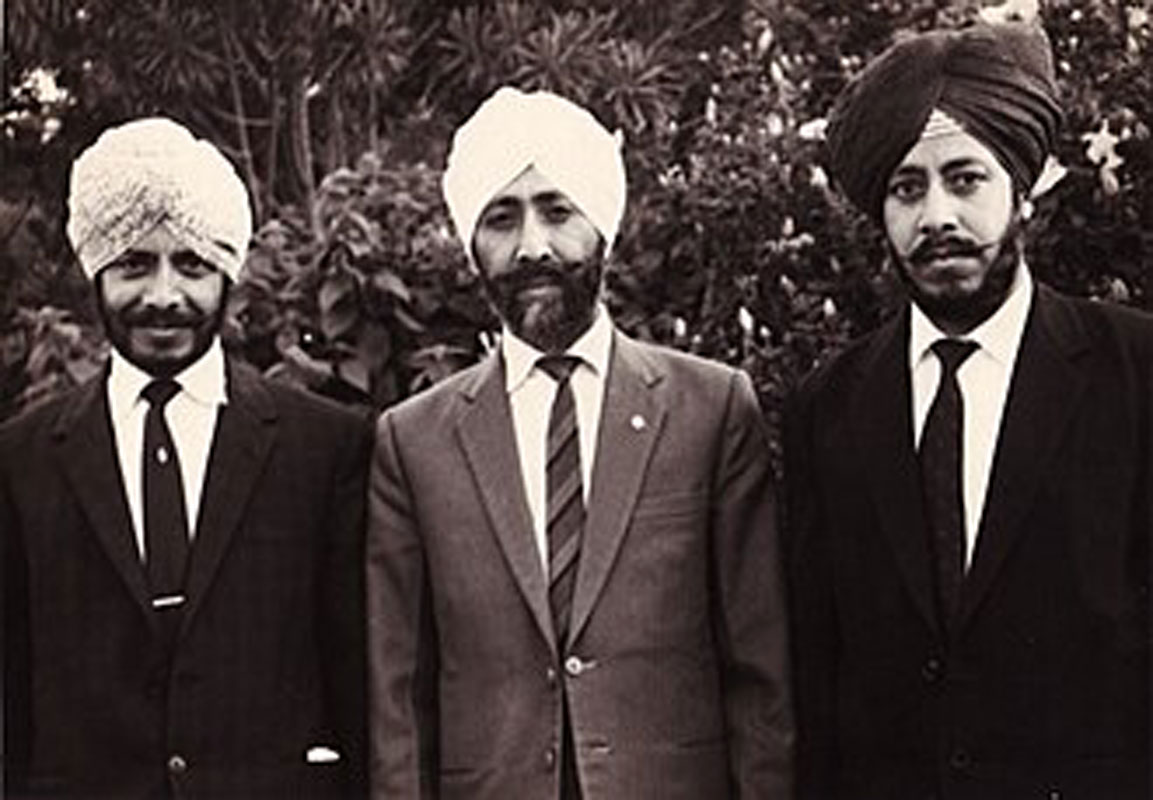
The Kenyan and Tanzanian governments did not attempt to forcibly expel their South Asian communities like Uganda did. However, they too pursued Africanization policies. In Kenya, the Trade Licensing Act pushed many Asian-owned businesses out of certain parts of the country, resulting in widespread unemployment. Subsequently, the Immigration Act of 1967 required all non-citizens to apply for jobs, which were frequently denied to South Asians. Jomo Kenyatta made it clear that anyone who objected to these policies was free to leave. Since 1963, over 100,000 Asian-Kenyans left the country, mostly for Britain.
Tanzanian policies were slightly different: instead of legal restrictions, Julius Nyerere’s government pursued a strict nationalization policy that saw many Asian-owned companies and enterprises fall under state control. The Arusha Declaration, issued in 1967, nationalized most banks, industries and trading firms. Subsequently, the government seized all rented properties valued over a certain amount. Like in Uganda, the state-controlled Tanzanian media claimed that South Asians were “leeches” who were stealing from Africans. By 1984, the population of Asian-Tanzanians dropped from 90,000 to 20,000.
Unlike in Uganda’s case, where the British government under Prime Minister Edward Heath established a special immigration program for Ugandan refugees, the Kenyan and Tanzanian refugees had a much harder time fleeing to Britain. In 1968, the Commonwealth Immigrants Act was amended to restrict automatic entry to those with a parent or grandparent born in Britain. A special voucher system was set up to bypass this but proceeded very slowly, while India and other South Asian states refused to accept the refugees.
What Happened to the Refugees?
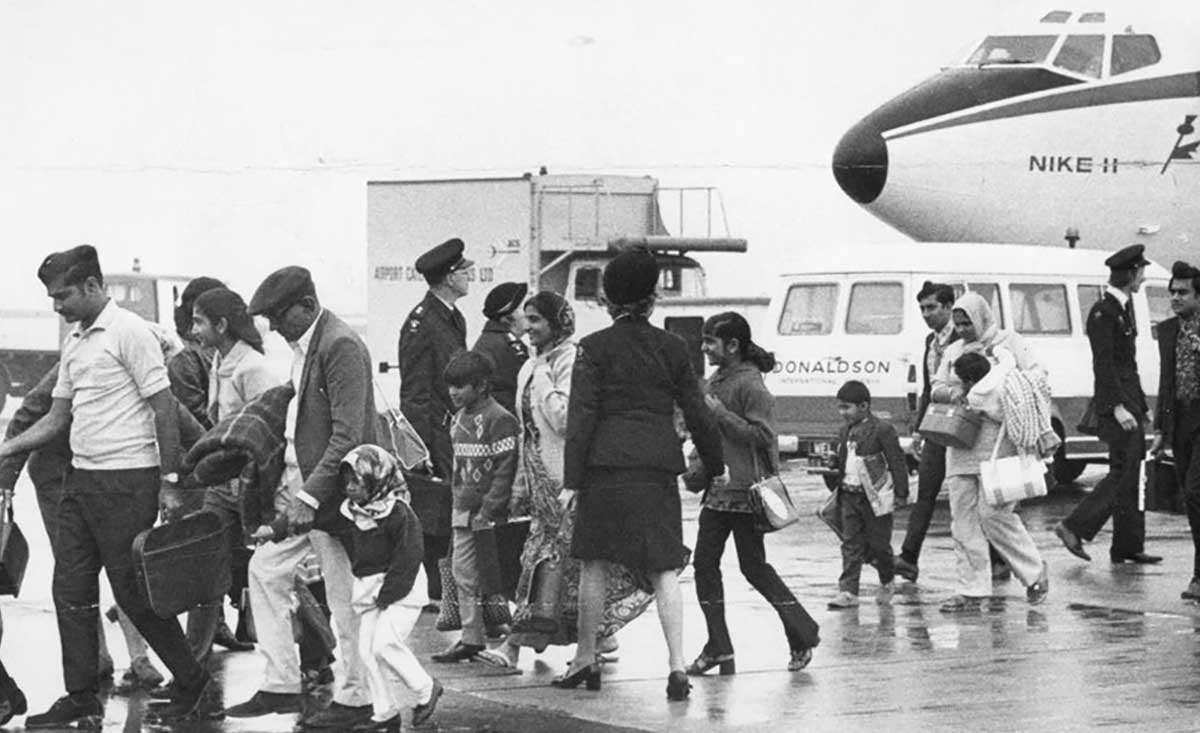
From the early 1960s to the 1980s, an estimated 200,000 African-born South Asians arrived in the UK. The arrival of so many people strained British resources and fed anti-immigrant sentiment. Several municipalities, including the city of Leicester, outright tried to deny housing to the new arrivals, claiming that local services were overstretched. The British military allowed many of the refugees to be housed in barracks until they could be given housing.
Much of the British public feared the impact of large numbers of nonwhite immigrants and this fed support to groups like the National Front, a white supremacist anti-immigrant organization. Refugees found themselves being attacked by these gangs and businesses often refused to hire them. Many had to take jobs far beneath their skill sets and former social stature. Because many of them had little money and few possessions when they arrived in the UK, most families had to start over, a difficult process in a country most had never seen despite having British citizenship.
However, the South Asian-African refugees turned out to be some of the most successfully integrated immigrant communities in the west. Many started small and medium businesses that grew quickly, often staying open later than British-owned businesses did. Some went into politics, while others managed to rebuild the wealth that they had when they lived in Africa. Despite the immense difficulties they faced, South Asian-Africans proved to be a resilient and successful community in their new homes.
South Asians in East Africa Today
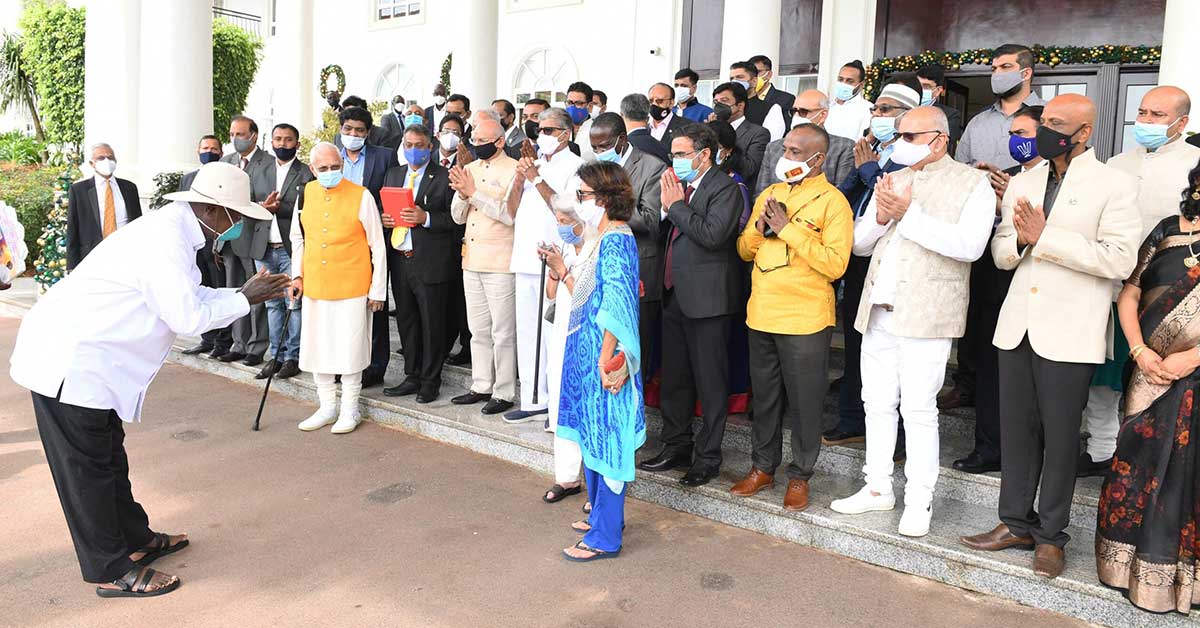
Despite the hostility shown by African governments towards their South Asian minorities, pragmatism ended up prevailing once the anger and resentment that fuelled the expulsions died down.
Amin’s invasion of Tanzania in 1978 was a disaster that led to his fall from power in 1979. Subsequent Ugandan governments, led by men such as Milton Obote (for the second time) and Yoweri Museveni, aimed to attract foreign investment and restart the private sector.
In the 1980s and 1990s, they passed legislation relaxing property and business ownership laws for foreigners. Museveni’s administration actively invited the displaced community to return and returned confiscated assets under the Expropriated Properties Act beginning in the 1980s and 1990s. Today, up to 35,000 South Asians live in Uganda, including descendants of those who arrived during British rule, and others who arrived in the decades after the expulsions.
While Kenya and Tanzania have not officially apologized for the legislation that forced many South Asians to leave their countries, they have reversed most of the “Africanization” policies and have sought to integrate their South Asian minorities. After Nyerere left power, Tanzania privatized much of its industry, allowing South Asian families to get involved in the economy again. By 2017, Tanzania started to expand ties with its diaspora, including South Asians forced to leave in the 20th century. Today, around 40,000 South Asians live in Tanzania.
Lastly, Kenya has the largest South Asian community in East Africa, with over 100,000 people. In 2017, President Uhuru Kenyatta, whose father had been responsible for the initial expulsions, formally announced that the South Asian population in Kenya was the country’s “44th tribe,” placing them alongside indigenous African tribes. Asian-Kenyans have once again become a prosperous community in Kenya.