
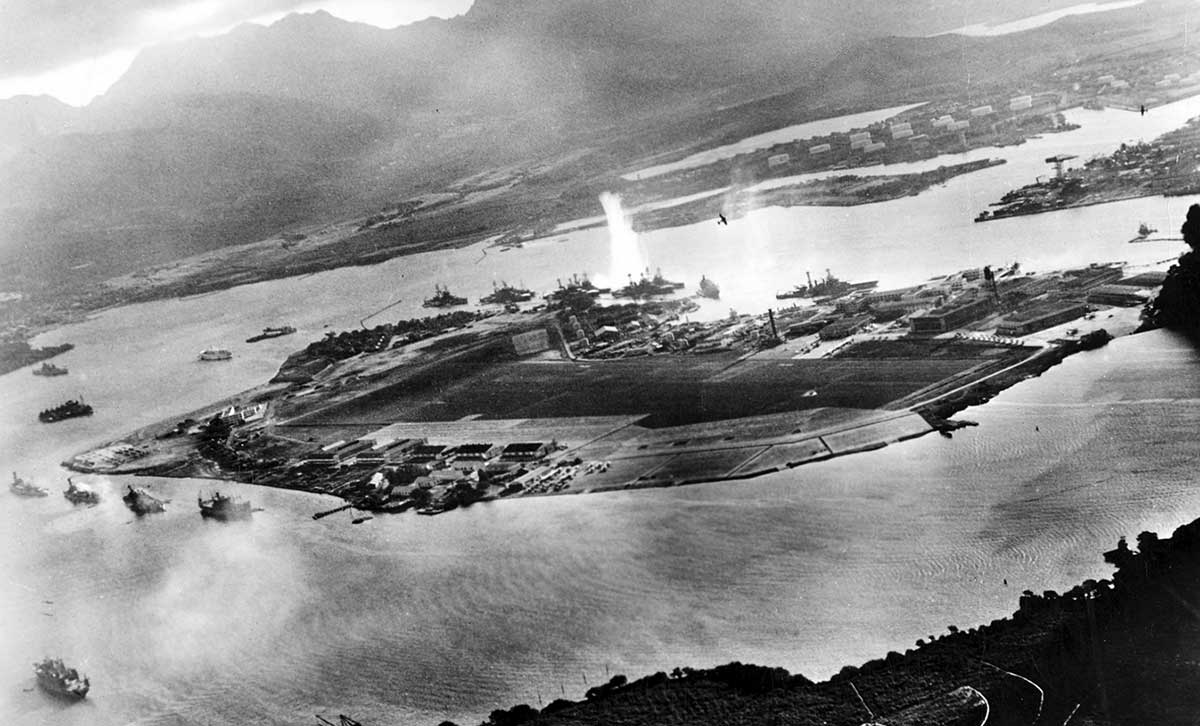
On December 7, 1941, Winston Churchill was at Chequers, the official country residence of the Prime Minister of the United Kingdom, when news of the attack on Pearl Harbor reached him. Amidst the world’s stunned reaction to the brutal onslaught, Churchill soon found himself feeling something that would have struck many as surprising – relief.
For about 18 months, Britain had stood mostly alone, its coffers depleted and its people subjected to regular bombings by the Germans. Churchill saw the attack on American territory as the end of Britain’s solitary fight.
Britain Faced Exhaustion and U-Boat Blockades Prior to Pearl Harbor
Churchill’s relief can only be understood by recognizing how close the British Empire had come to defeat by late 1941. While the Royal Air Force won the Battle of Britain and kept the islands from being invaded, the German Luftwaffe’s Blitz that followed badly damaged many British cities and killed about 42,000 civilians by May 1941.
Although the Lend-Lease Act had been passed in March 1941 to allow America to supply military equipment to Britain and Allied nations without requiring immediate cash payment, the island nation remained financially strained. This was partly because Germany’s U-boat campaign in the Atlantic (the Battle of the Atlantic) was sinking hundreds of thousands of tons of British shipping every month. Unless stopped, the U-boats threatened to starve Britain into surrender. The entry of the Soviet Union in June 1941 helped to open a second front against Germany, but the U-boat threat in the Atlantic remained serious.
Churchill Relied Heavily on Roosevelt and American Industrial Might
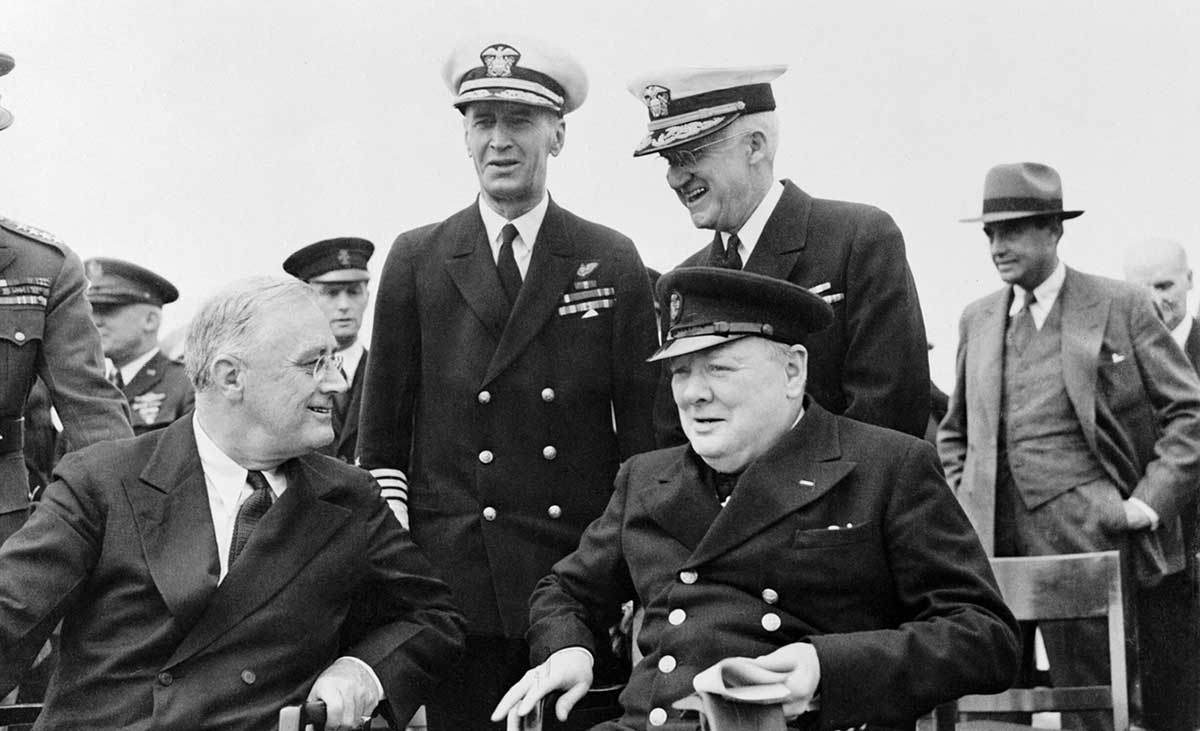
With his American mother, Jennie Jerome, always in his thoughts, Churchill maintained a profound personal and strategic attachment to the United States. Between 1939 and 1945, Churchill and US President Franklin D. Roosevelt exchanged hundreds of letters and cables to coordinate their global war efforts. Churchill knew that America was the “arsenal of democracy.” By the end of the war, American factories would be producing more military equipment than all the Axis powers combined.
But there was a major challenge. America was isolationist. Groups such as the America First Committee argued that America should never be dragged into Europe’s wars. While Roosevelt sympathized with Britain, an isolationist Congress and a public determined to avoid foreign conflicts held him back. Pearl Harbor fixed that issue.
Why Pearl Harbor Brought Churchill the Sleep of the Saved
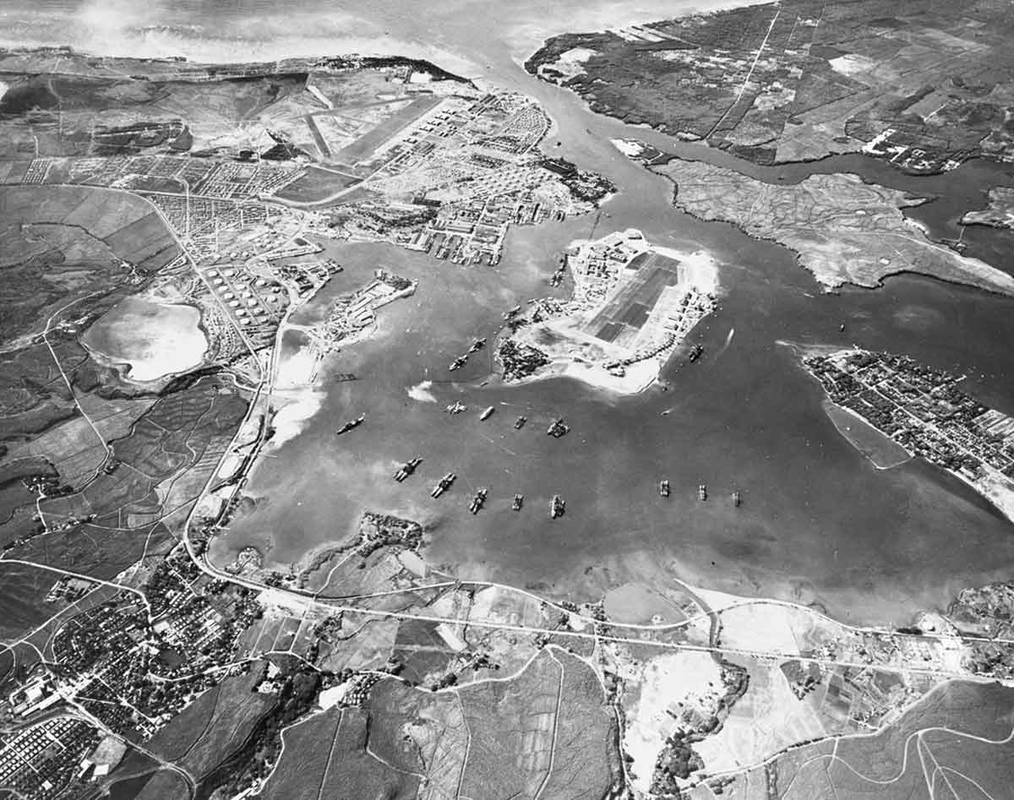
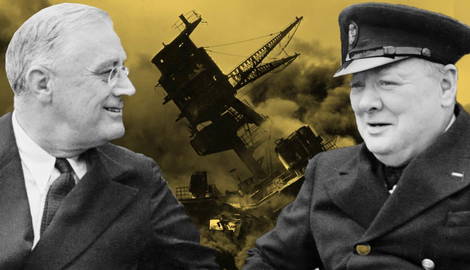
Churchill’s reaction to the Pearl Harbor reports was to telephone the White House to confirm the news. When he got through, he asked Roosevelt: “Mr. President, what’s this about Japan?”
“It’s quite true,” Roosevelt responded. “They have attacked us at Pearl Harbor. We are all in the same boat now.” In his later memoirs, The Second World War, Volume III, Churchill reflected on the night of the attack. He wrote that “Being saturated and satiated with emotion and sensation, I went to bed and slept the sleep of the saved and thankful.”
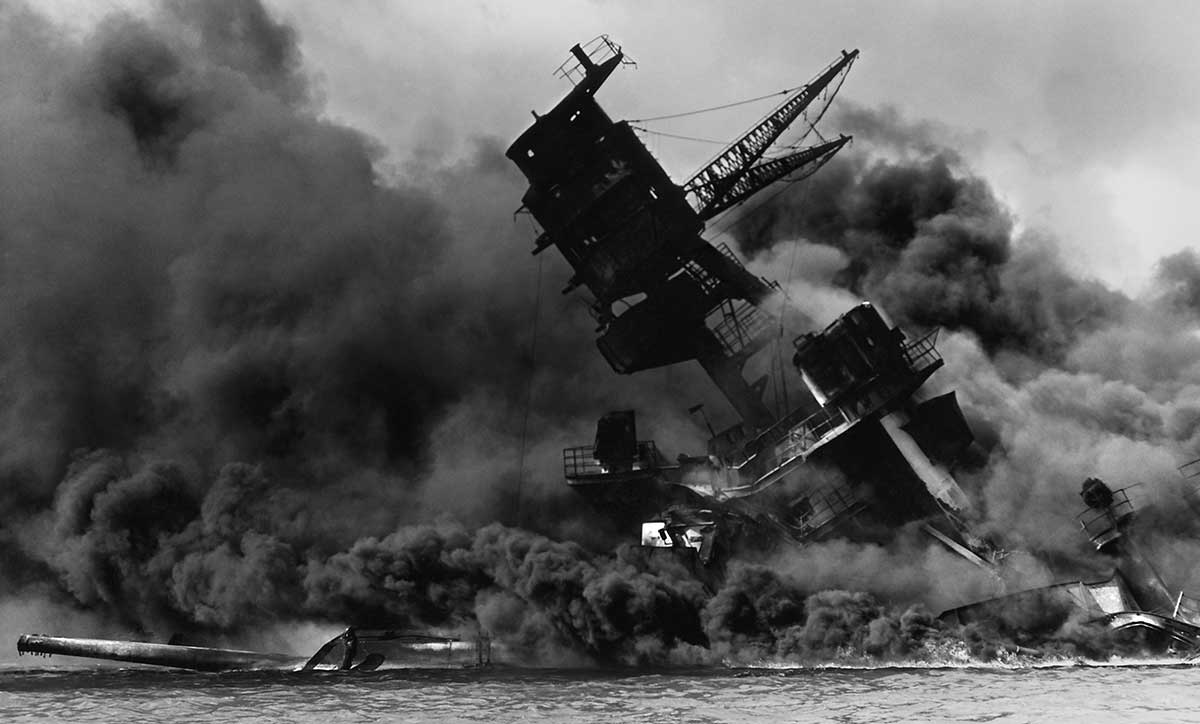
In his simple strategic thinking, once America joined the fight, the defeat of Germany, Italy, and Japan was inevitable, as Japan had provoked a nation with vast resource potential, effectively setting the stage for its own ultimate defeat. Statistics illustrate this vast disparity. By 1943, America was making over 85,000 airplanes a year, while Germany made about 25,000 that same year. By late 1942, America’s shipyards were already producing ships faster than German subs could sink them. Thus, with the entry of the US into World War II, Churchill knew that the British Empire would prevail and Hitler’s Nazi regime would be destroyed.
Hitler Voluntarily Expanded the Conflict by Declaring War on America
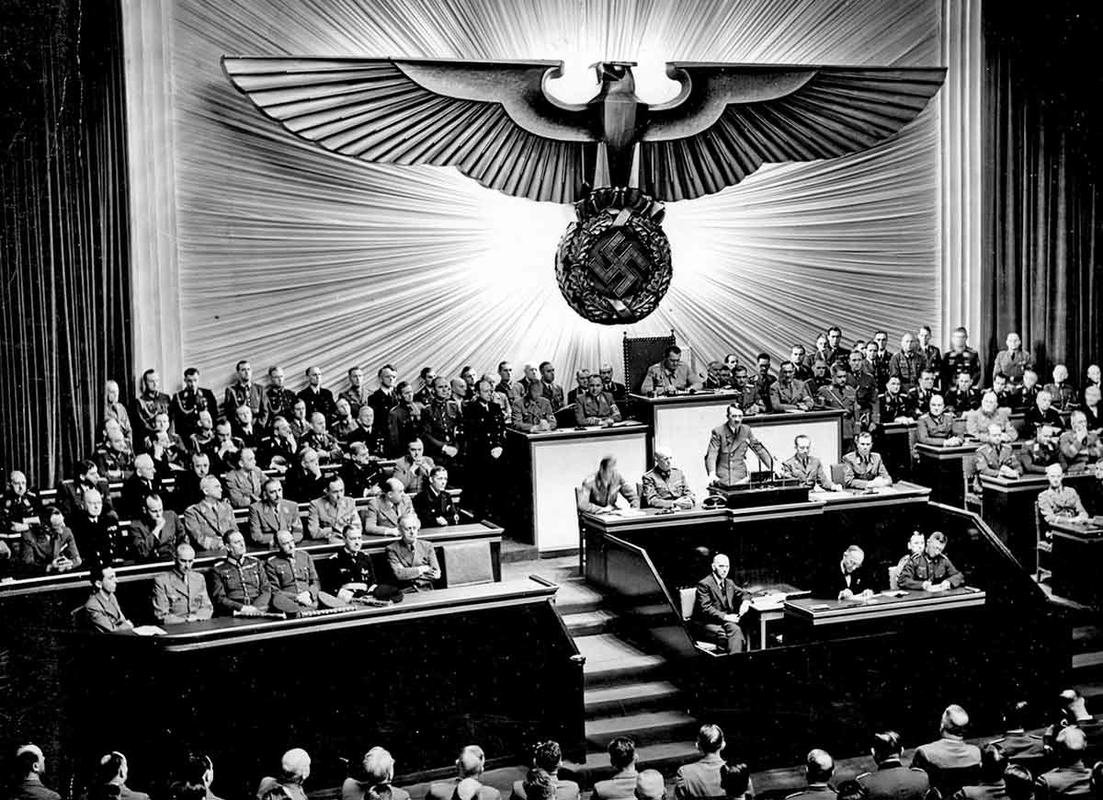
Pearl Harbor had brought America into war against Japan, but there remained one lingering question. Would America fight Germany as well? Churchill wanted a worldwide war against the Axis Powers, not merely a Pacific war against Japan. The last piece of the puzzle fell into place on December 11, 1941, when Adolf Hitler committed one of the biggest blunders in the history of Germany’s warfare by declaring war on the United States. Although Germany was bound by the Tripartite Pact to assist Japan if it was attacked, it had no legal obligation to join Japan’s offensive. Now that Germany had declared war, Churchill had no problem fully unifying the British and American strategy.
On December 22, 1941, Churchill traveled to Washington, DC, for the Arcadia Conference, where the “Germany First” strategy was confirmed. It was decided that Germany was the greater threat and should be defeated first. For Churchill, the future was ensured. With America fighting beside him, he knew that victory was certain.