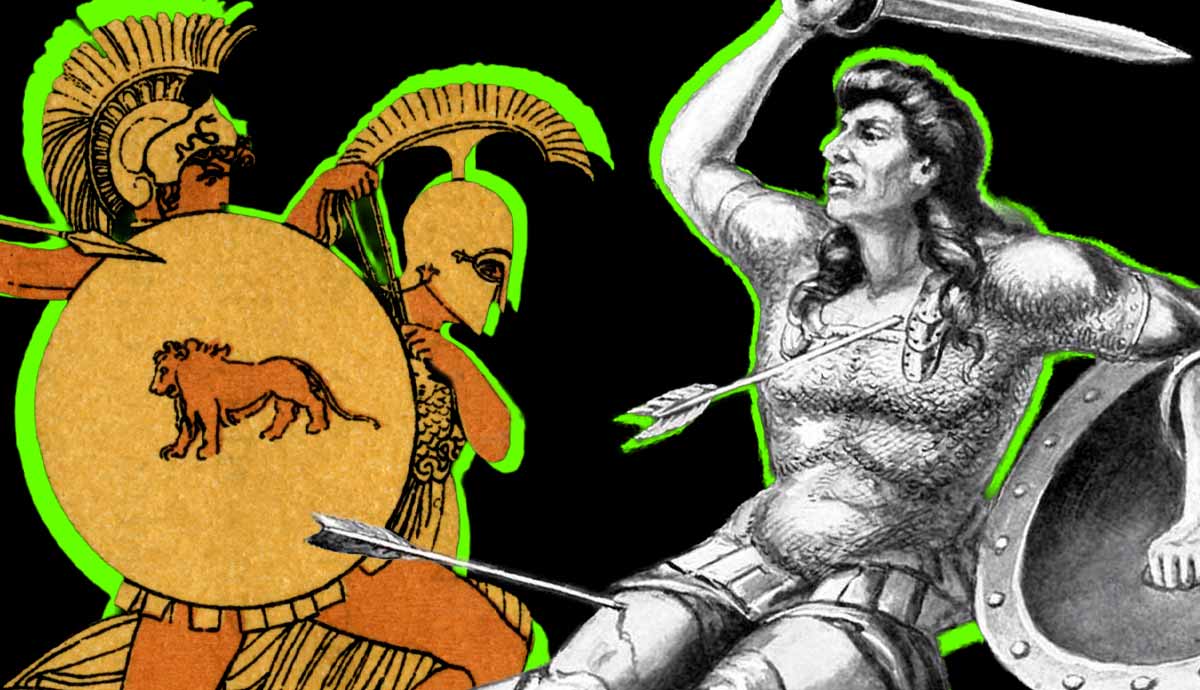

The year 1896 is commonly remembered as the year of the first modern Olympics, but well before that, there was a grassroots movement in Greece to revive the Games. These earlier events had highs and lows, but the organizers, from the newly refounded Greek nation, respected the ancient Hellenic cultural tradition and the intangible heritage of the games. But within a few decades, the movement was hijacked, creating a modern Olympic movement much less connected to the past.
The Neo-Hellenic Enlightenment and Romanticism
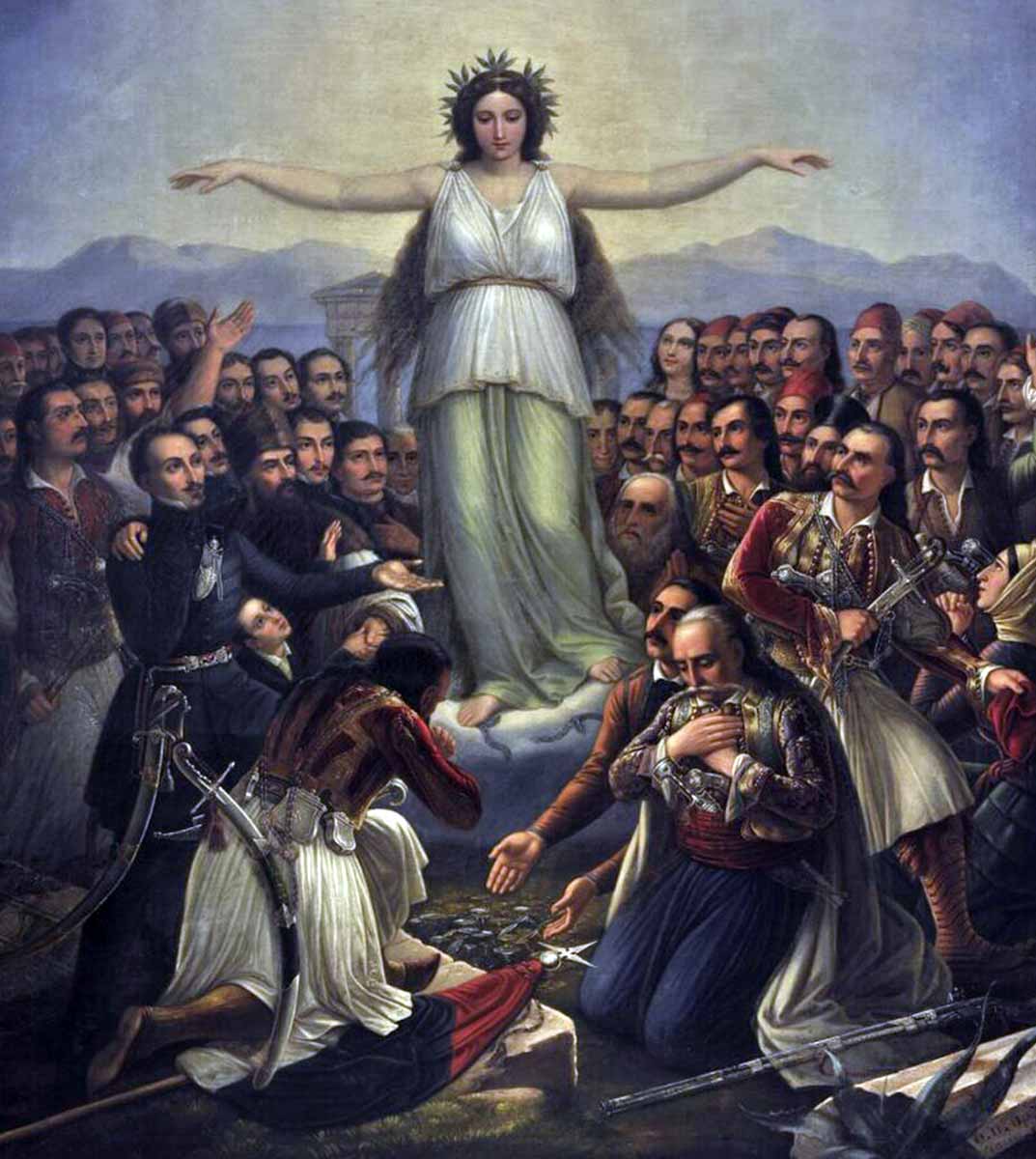
In the early 19th century, Greece fought for and gained its independence after nearly 400 years of Ottoman rule. A crucial leading movement in the War of Independence was the Neo-Hellenic Enlightenment, called Diafotismos. Greek-speaking scholars living abroad believed that educating the public and awakening a national consciousness would create the conditions necessary for Greece’s people to fight for their independence.
A key part of this movement was to raise awareness of the historical continuity of the Greeks, highlighting a continuity of classical heritage from classical antiquity that had been systematically oppressed and destroyed for centuries. In the revolutionary declaration, the leader of the secret society that instigated the uprising, Alexandros Ypsilantis, referenced famous ancient Greek battles and heroic figures, like the Battle of Salamis and Leonidas of Sparta.
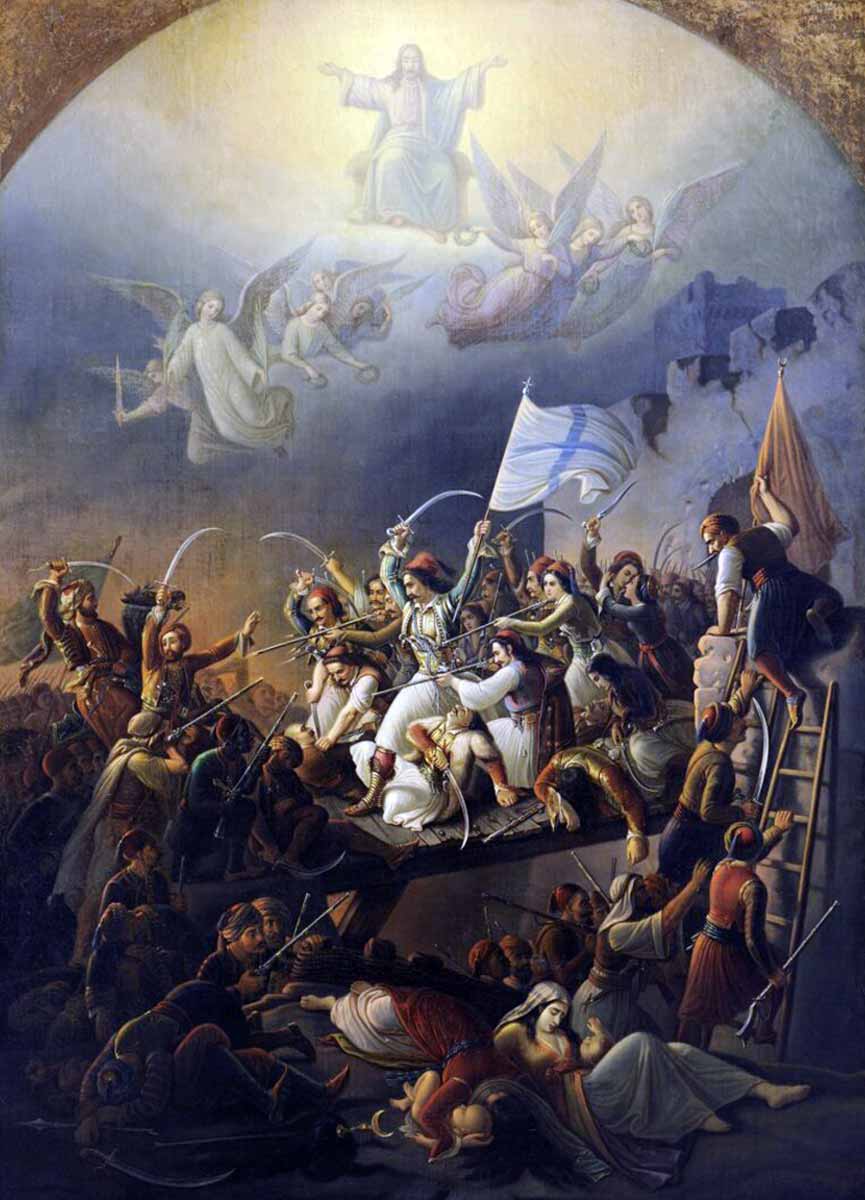
In the end, literacy, education, and the awakening of national identity led a small nation of 800,000 to successfully revolt against the massive Ottoman Empire. But after independence was gained, this newly found nation had a long and difficult road ahead. It was during this time that the artistic movement known as Greek Romanticism emerged, drawing on emotions and sorrows, contrasting the bleak present and the glorious past.
One poet of this movement was Panagiotis Soutsos, who would inspire the reestablishment of the Olympic Games with his poems “Dialogue of the Dead” and “The Ruins of Ancient Sparta.” There, the ghost of Plato asks in dismay: “Where are your Olympic Games?” The ghost of Leonidas states: “You have matched us ancients in bravery of battle. Now match the old times in education and culture… let the only contests you have be those national games, the Olympics.”
From Poetry to Reality: The First Modern Olympics of 1859
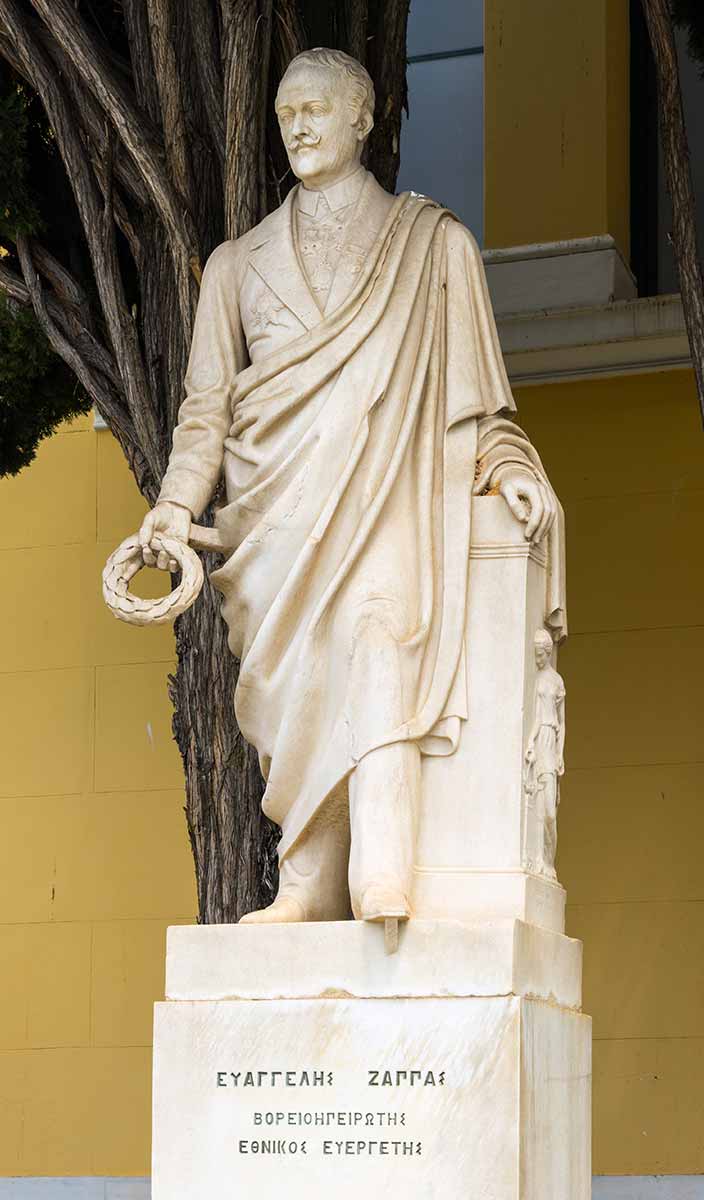
These early efforts by Panagiotis Soutsos, who also wrote to the Greek government for the revival of the Olympics, were not limited to poems. He wrote a detailed formal proposal for the revival of the Games in a four-year cycle, incorporating other cities that would reflect the locations of the ancient Panhellenic Games. Soutsos was the first to ask for the Olympics to take place in Athens, rather than Olympia, treating the name of the Games as a leading institution rather than simply the location of origin.
Although the interior minister accepted the proposal, his successor did not. But Soutsos was not alone in demanding a revival of the Games. The people of a village near ancient Olympia named Letrini (Pyrgos) also formally requested a reinstitution of the Olympics in ancient Elis, where the Games belonged.
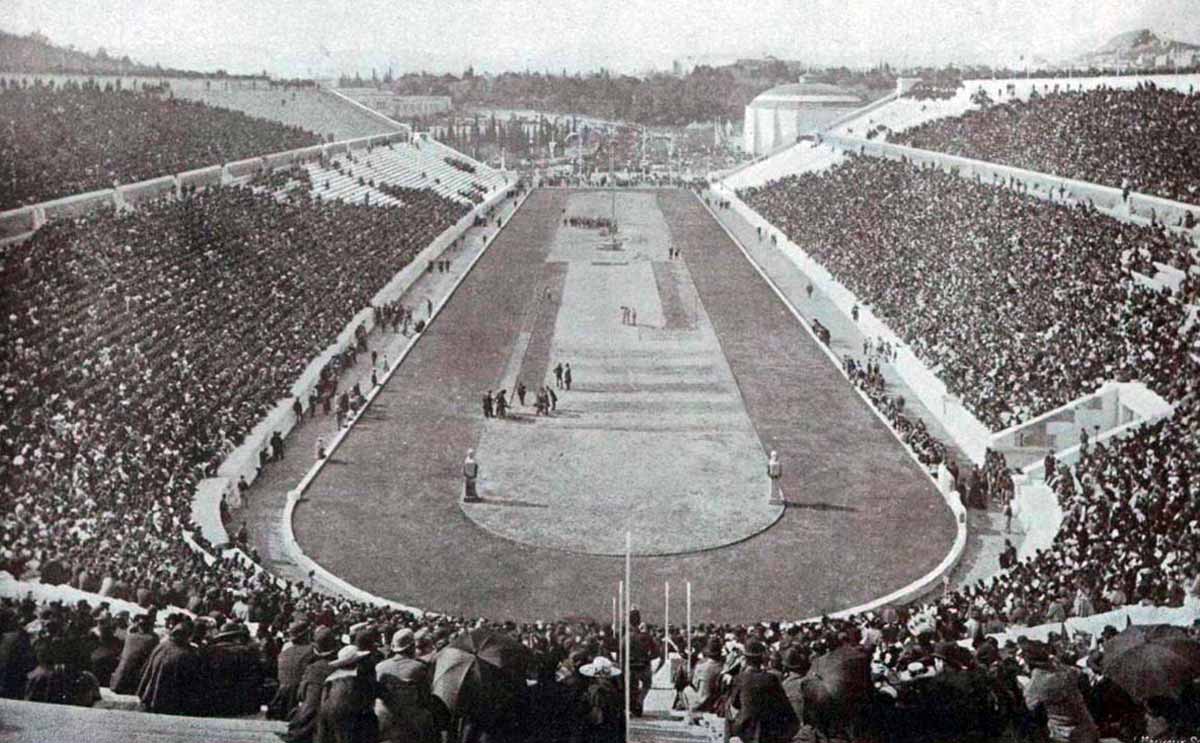
Soutsos never ceased his efforts to reinstate the Olympics. His writings eventually reached the eye of a veteran of the War of Independence with the rank of major, Evangelos Zappas. Zappas had become incredibly wealthy dealing with land and agriculture in Eastern Europe. He was so in favor of the reestablishment of the Olympics that he committed to funding them in their entirety, as well as the excavation and renovation of the Panathenaic stadium.
And after decades of effort by Soutsos and Zappas, the 1859 Olympics were finally held, though as a bit of an afterthought. The government and king of Greece, imposed on the nation by Britain, France, and Russia, wanted to hold athletic games as part of a larger industrial exhibition. The then foreign minister strongly opposed athletics and refused to buy or renovate the stadium. Hence, the limited Games took place in a town square with an extremely limited capacity rather than a stadium.
The Following Olympiads: Success, Turmoil, and Elitism
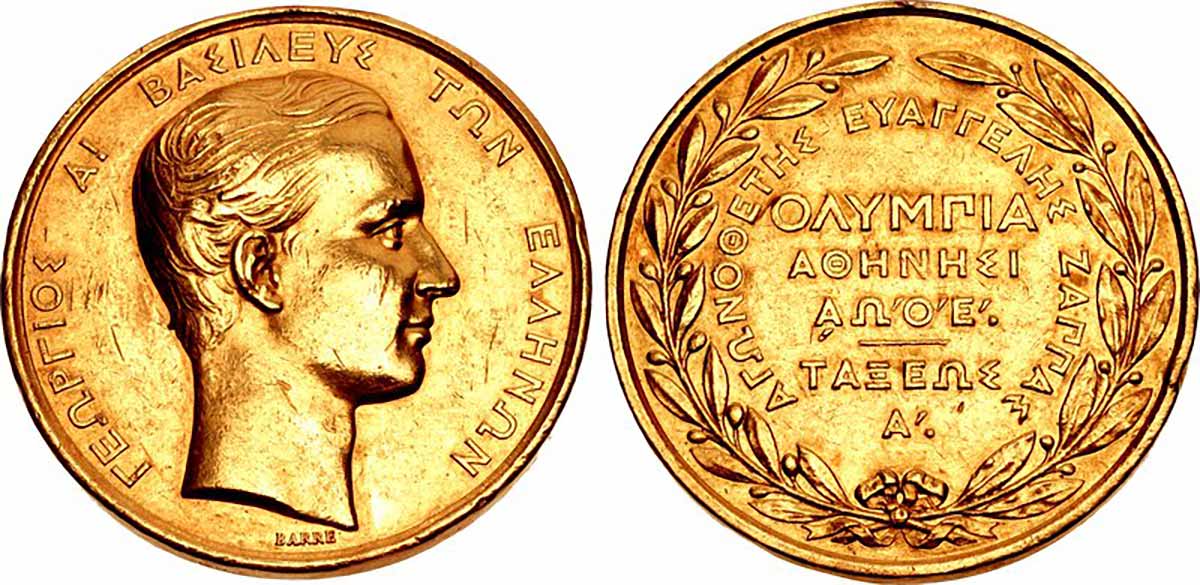
The 1859 Olympics were mostly a learning experience. Evangelos Zappas passed away in 1865 and, in his will, left a sizable portion of the immense wealth for the restoration of the ancient Panathenaic stadium and the continuation of the Olympic Games. It was these funds that made the next Olympiad possible, which would turn out to be the most successful of all the Zappas Olympics.
With lessons learned from 1859, like creating proper systematized rulesets for the sports and holding the Games in a proper venue, the 1870 Olympics proved worthy of their name. Over 30,000 spectators attended to watch 40 athletes from Greece and other areas then under Ottoman rule compete. Like in the ancient Games, athletes had to undergo supervised training before the event. Olympic Hymns were sung, and athletes had to swear an oath to uphold the integrity of the Games.
Furthermore, athletes who wanted to participate but did not have the financial means were offered paid travel expenses, uniforms, and room and board for the duration of the Games. Hence, with true respect to the cultural heritage of the ancient Olympics, the 1870 Athens Olympics were an unmatched success. Spectator numbers surpassing any Olympics held outside of Greece until the 1924 Olympics in Paris.
Olympic historian Professor David C. Young states that he did not find a single negative comment about the 1870 Olympics in any contemporary sources. The only criticism he found was of classical scholars of the time, who were vehemently elitist, displaying contempt for the fact that working-class people were allowed to attend. The sentiment, which likely found favor with the imposed monarchy, influenced the 1875 Olympics, from which the working class was banned from participating. These Olympics were an unmitigated disaster, as the 24 upper-class youth who participated were mostly untrained. The Zappas Olympic Committee refused to support this type of institution, and the 1888/9 Olympics were held in a private gymnasium with limited elite participation.
Hijacking the Olympic Movement
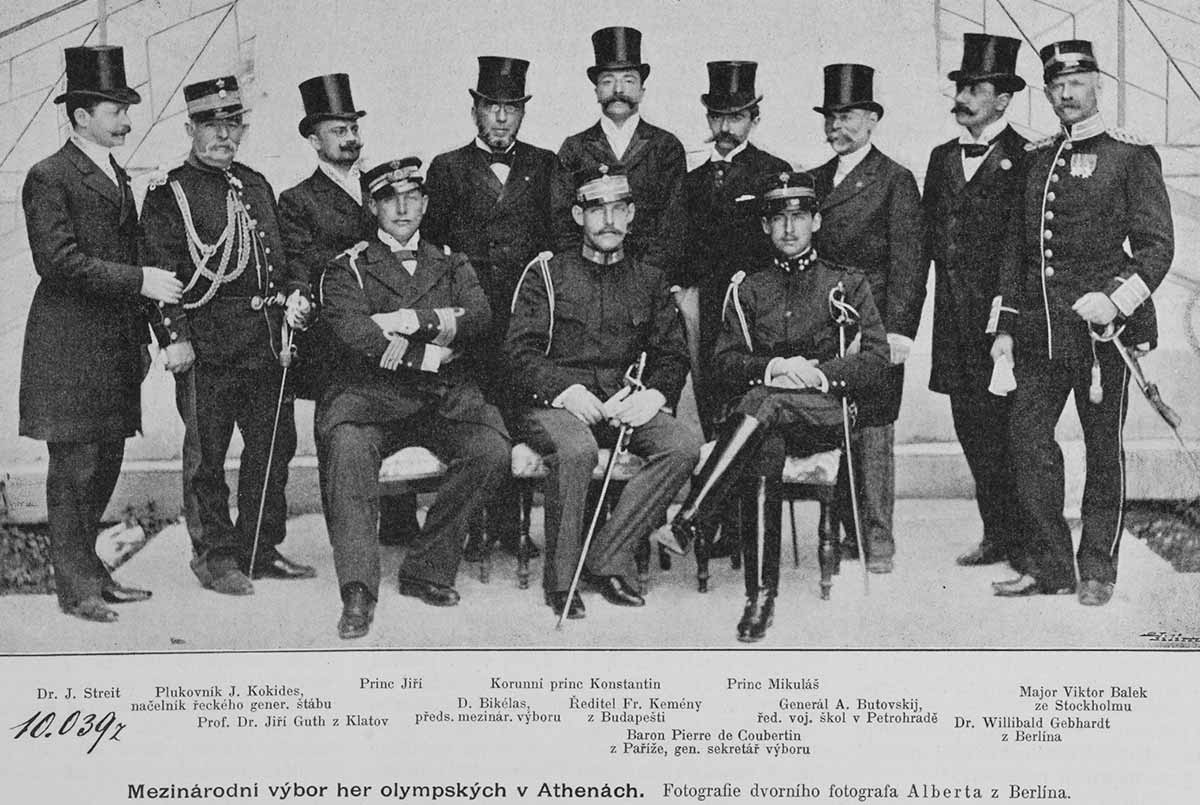
After the failures of 1875 and 1888/9, the Greek public was hungry for a new Olympiad like the one they experienced in 1870. The then crown prince vowed to make the Olympics a four-year recurring event starting in 1892, though these games were canceled, likely due to ongoing political turmoil at the time. The delay gave an opportunity to a new contender to ultimately hijack the ongoing Olympic movement and shape the Games to a vastly different image. The French aristocrat Baron Pierre de Coubertin created the first International Olympic Committee (IOC), including many from his inner circle.
After likely striking a deal with the then king and crown prince of Greece, the IOC appointed an ethnic Greek who lived in Britain and France most of his life as its president. Baron Coubertin championed the “Olympic idea” as his own; he did not recognize prior efforts to reinstate the Games, nor did he recognize the success of the 1870 Olympics, which took place when he was seven years old.
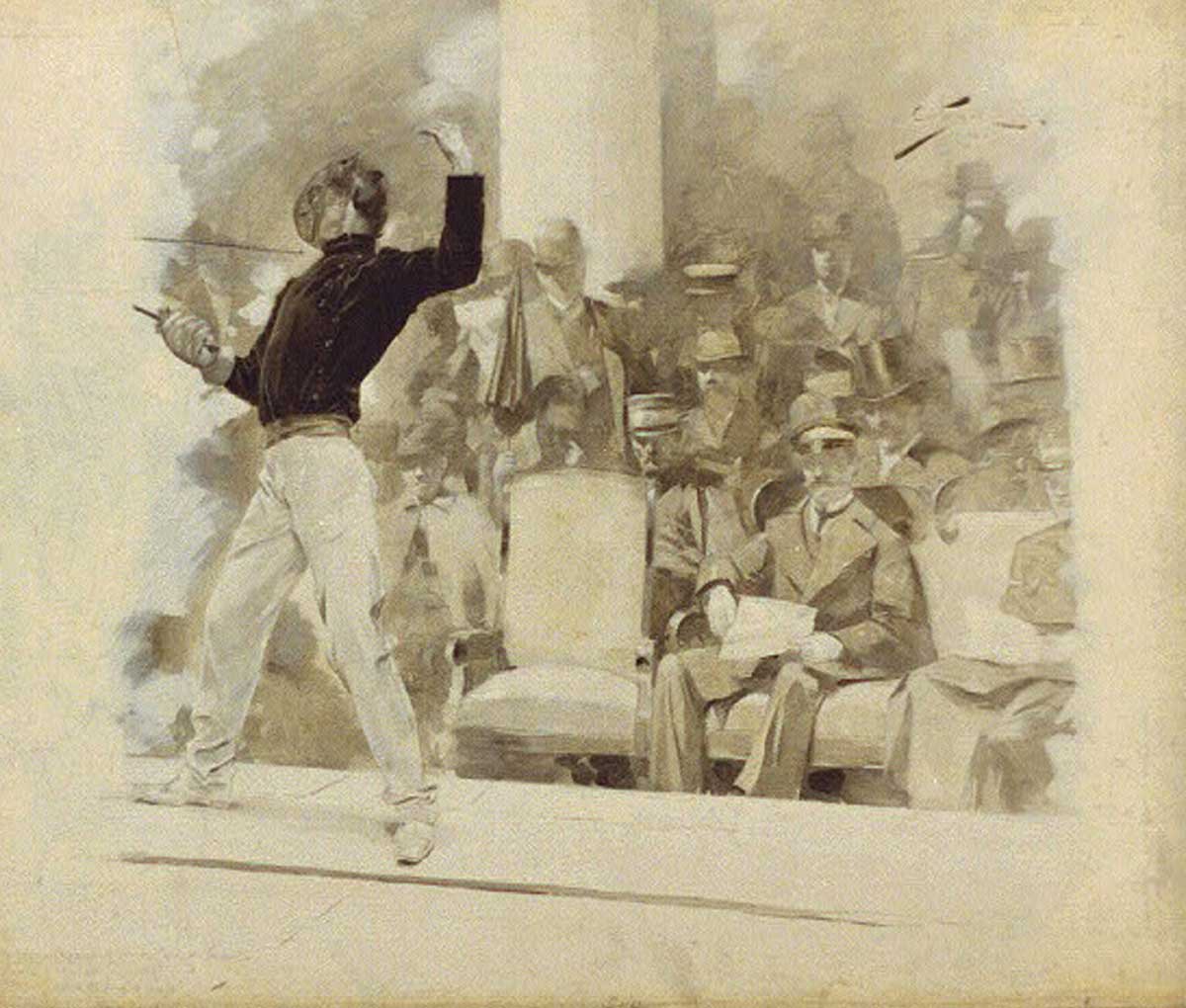
Together with Charles Herbert, the secretary of the British Amateur Athletics Association, he would completely erase all previous grassroots efforts made by Greeks, insert British and French sports and rulesets, and ultimately appropriate the ancient Olympics as property of the IOC, which still stands today. These 1896 Olympics were almost entirely funded by Greeks, yet paid no respect to their ancient origins and traditions. The IOC Olympics were again saved by Greece after the next two Games also failed. The IOC still does not officially recognize the 1906 Intercalated Games in Athens, despite their major popular success in saving the modern Olympic movement.
Palē: A Case Study of Cultural Colonialism
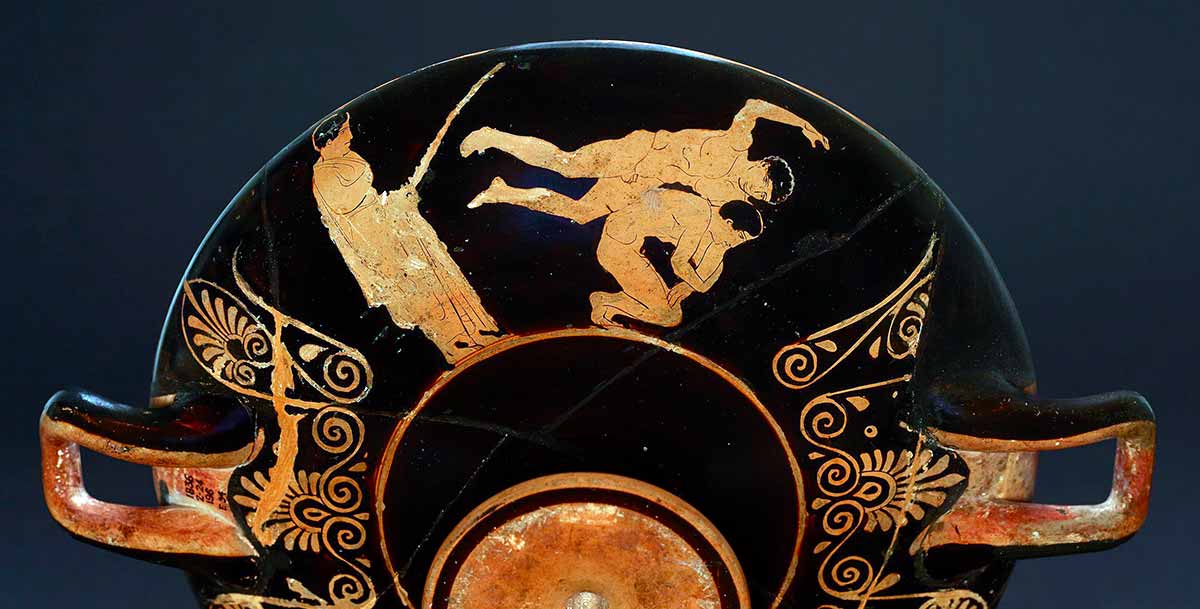
The only sport mentioned by the ghost of Plato in the poem of Soutsos is the “most glorious palē,” the ancient Hellenic form of wrestling. And special care was given to palē by the organizing commission of the Zappas Olympics. The 1870 Olympiad rulebook shows that significant historical and archaeological research was carried out to accurately reconstruct the ruleset of the ancient sport. There were a couple of omissions in the rules, but by and large, this was an incredibly well-made reconstruction of palē.
Palē was practiced in ancient Greece for well over 1,000 years, its longevity highlighting the success of its rules both in ensuring the safety of the athletes and in its entertainment factor. After its reconstruction in 1870, the rules of palē were reused exactly as they were in the 1875 and 1888/89 Olympics, indicating that there were no issues with them.
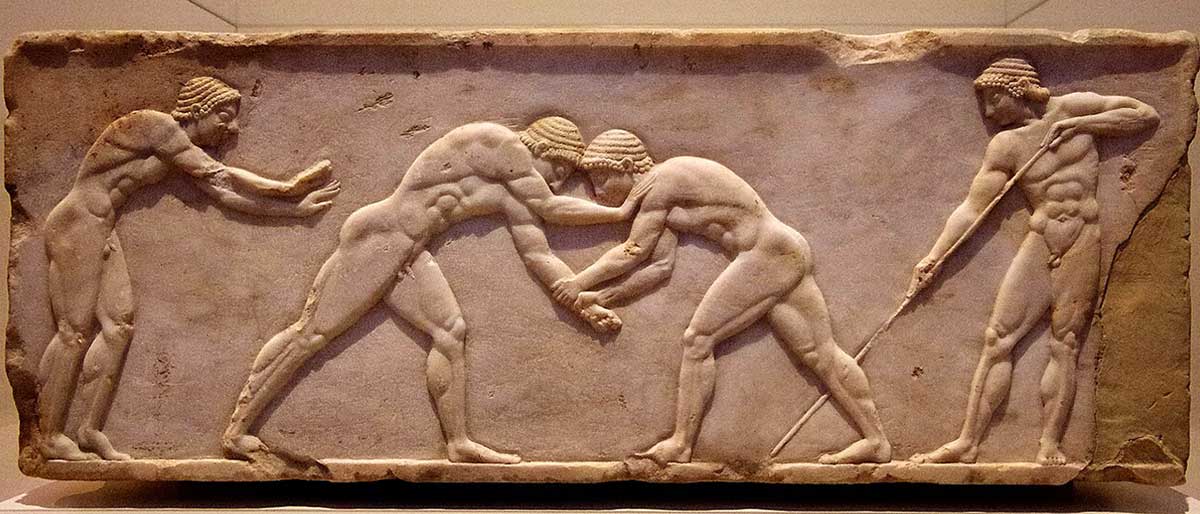
But in 1896, palē was completely discarded from the Olympic program without justification. In its place, the IOC instituted a new (at the time) form of French wrestling called “Greco-Roman,” which, of course, was neither Greek nor Roman. And this sport was so new that it did not yet have a proper ruleset. In fact, even more than a decade later, 1912 Olympic matches lasted upwards of nine hours and ended in a draw.
The only reason for giving it the name “Greco-Roman” was to express “by this name the renewed interest in the values of antiquity.” In other words, the IOC removed a well-made and historically accurate sport of wrestling, to replace it with a French version of wrestling that they thought was how ancient Greek wrestling should have been, rather than what it was. The excuse that all sports were removed and replaced with British and French sports for “practical reasons” collapses through the example of palē.