
After WWII, Austria held the contradictory position of being seen as both a victim and an accomplice. From the Anschluss in 1938 to 1945, Austria had been part of the German Reich. Thus, the Allied plans for the country were in many ways similar to those they wished to implement in Germany.
Austria would endure massive changes as it regained independence and transitioned into a new Europe. At the center of Austria’s upheaval was its capital, Vienna. What happened in the city would shape the future of Austria and provide a catalyst for change that would echo throughout Europe.
The Soviets Arrive in Vienna
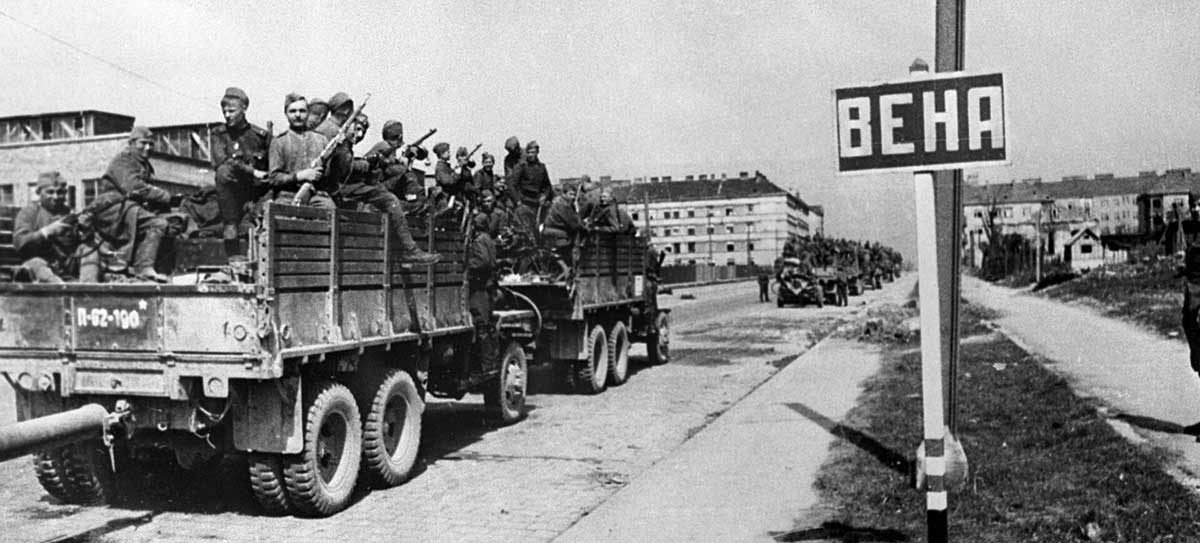
By 1945, the Soviet advance had become unstoppable. Buoyed by successive victories, the Soviets marched towards their final goal. Having suffered genocide at the hands of the Nazis, many Soviet troops were not in the mood to show compassion.
At the beginning of April, the 3rd Ukrainian Front surrounded Vienna and began the siege of a city that had been under aerial bombardment for months. Bitter street fighting ensued as the Soviets tightened the noose, and within days, Vienna fell to the Red Army. The last vestiges of German forces with any cohesive ability retreated northwest, making for new defensive positions. Vienna had fallen.
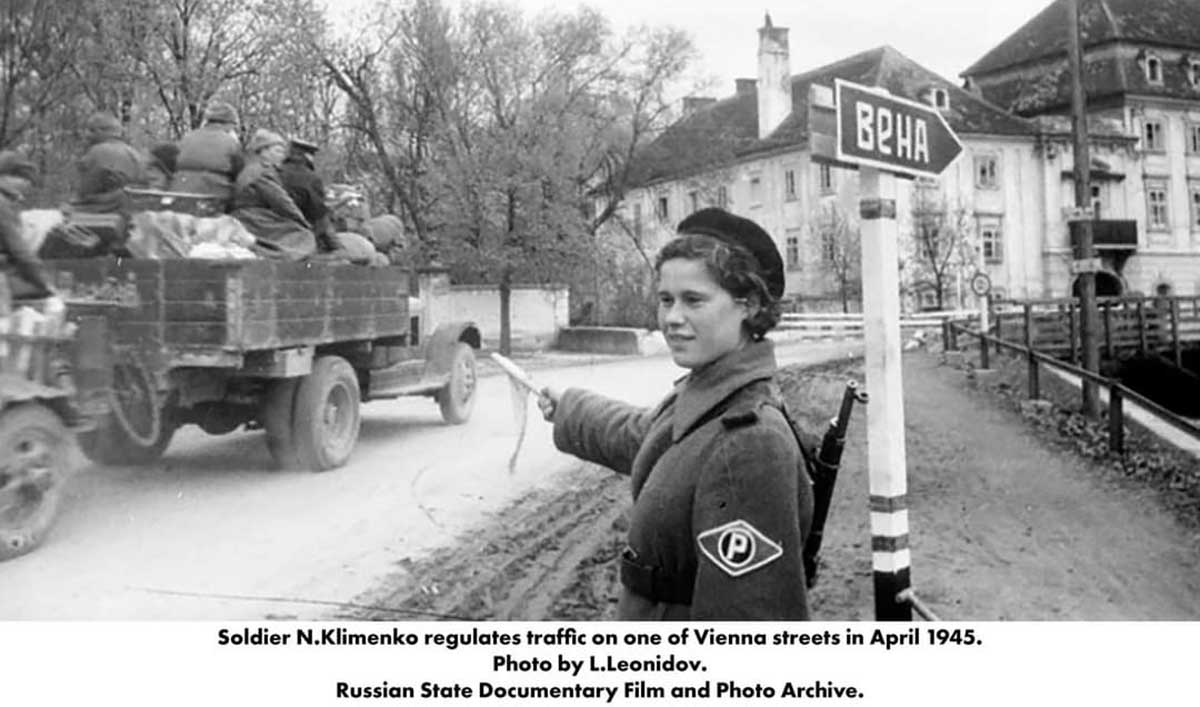
Of course, the offensive did not stop there. The Soviets were intent on pressing their advantage and continued pushing German forces completely out of Austria.
A City in Disarray
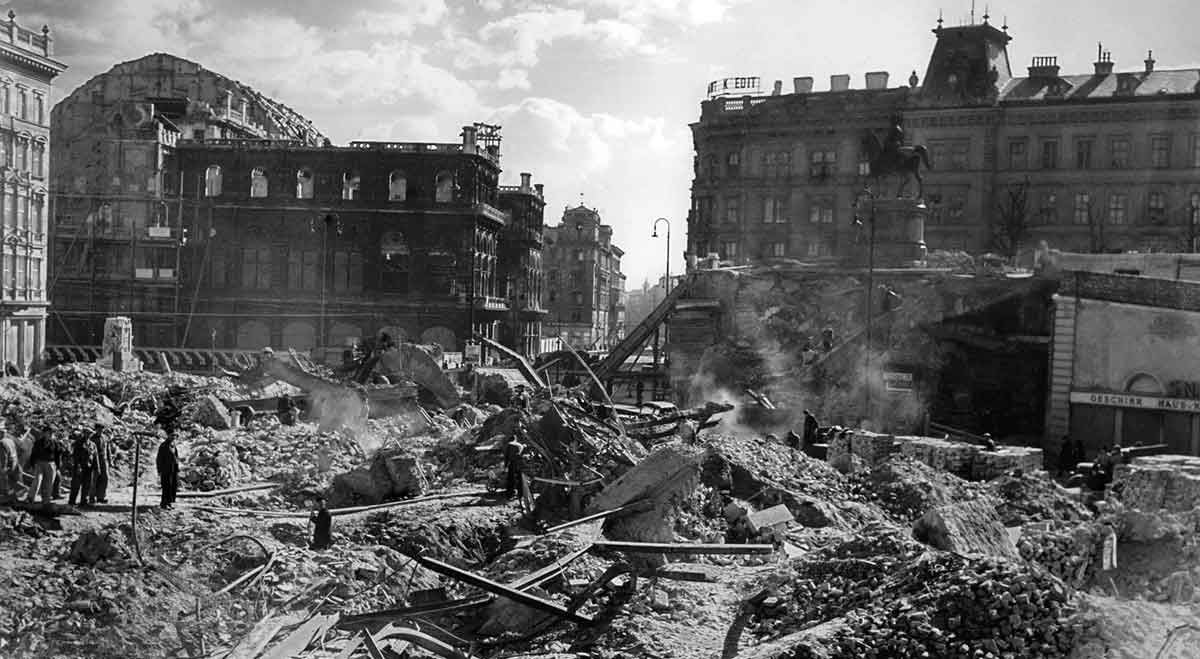
Unsurprisingly, by the end of the Battle of Vienna, Austria’s capital was in a significant state of disrepair. Lawlessness prevailed on streets devoid of any police presence. Services were nonexistent. There was no water, gas, or electricity. Eighty-seven thousand apartments had been rendered uninhabitable, and hundreds of thousands of Viennese people had been made homeless. The damage was so severe that it is estimated that 20 percent of the residences in Vienna were destroyed. So massive was the Allied bombing campaign that over 3,000 bomb craters were counted in the urban area. Many of the city’s historic and iconic buildings were little more than piles of rubble.
Driven to desperation, the Viennese looted their own city while an occupying force, full of vengeful intent, visited their retribution on the Austrian capital’s residents. While the initial occupying forces held a certain level of restraint, the second wave of Soviet troops was not so inclined to treat the Viennese people with respect. Nominal control of the situation was only attained after a week of violent assaults and rapes throughout the city.
With the fighting over, the immediate focus was to get the most basic services up and running again. This would require political and social coordination, the revitalization of a national government, and, most importantly, for Vienna, a city council ready to make decisions on behalf of the populace they represented.
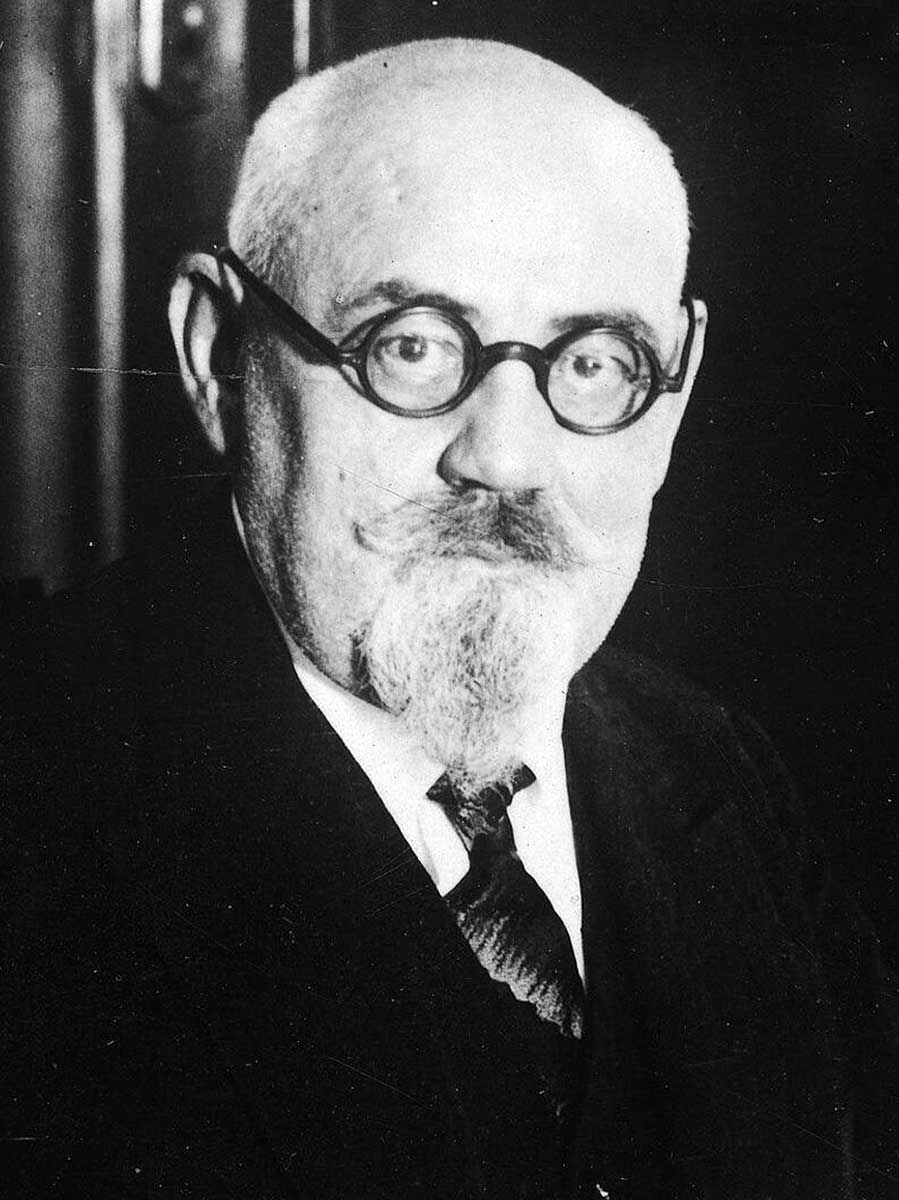
On April 20, 1945, the Soviets tasked Austrian politician Karl Renner with forming a provisional government. A third of Renner’s cabinet consisted of Austrian Communists. As a result, the Western Allies refused to acknowledge this government. They believed it to be a Soviet attempt to establish a puppet state.
Renner, however, had plenty of political experience and was well-respected in Austria. Despite the objections from the West, Renner and his government managed to set Austria on a path of restoration in record time.
Zones of Occupation
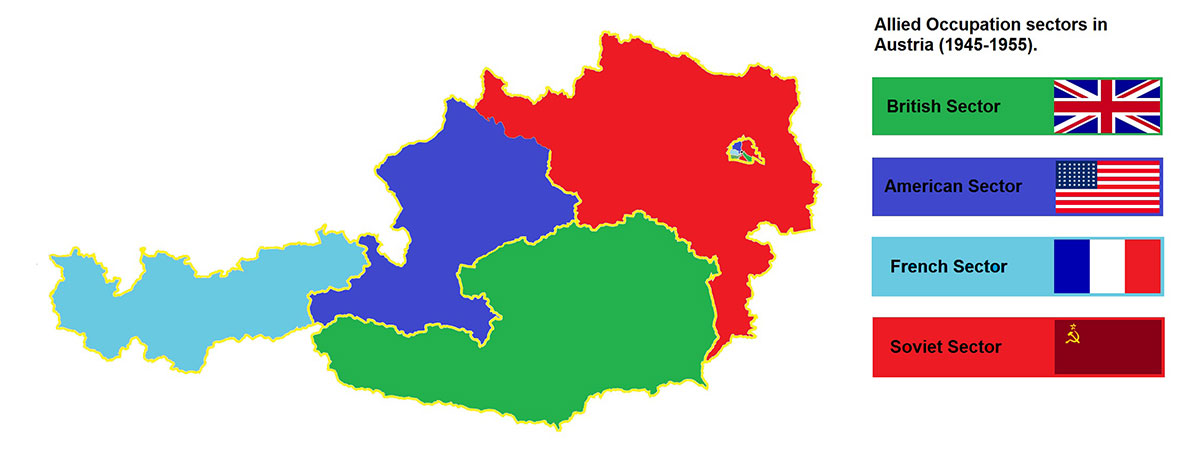
At the end of World War II, France, the Soviet Union, the United Kingdom, and the United States split Germany into four occupation zones. Deep within the Soviet zone, the city of Berlin resided, and this city was split into four occupation zones like the country around it.
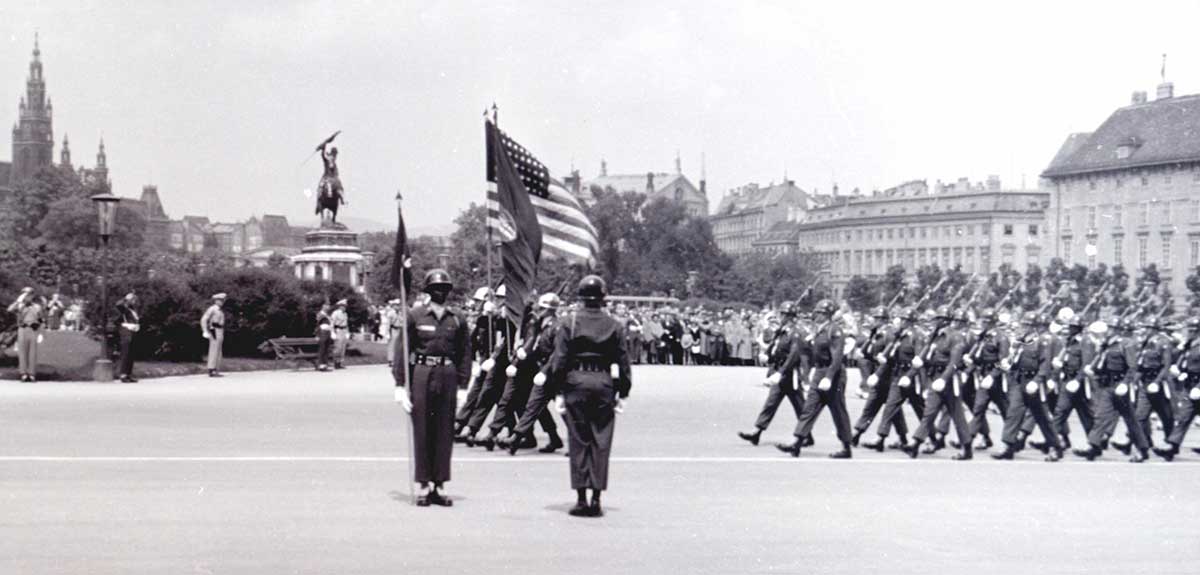
This dynamic was also employed in Austria. As in Germany, Vienna existed in the Soviet zone of control and was split into five occupation zones: one for each of the Allied powers and a zone in the center of the city that was patrolled by troops from all four occupying powers. The weeks following the end of the fighting also saw the creation of a new provisional government in Austria, and a new country was declared.
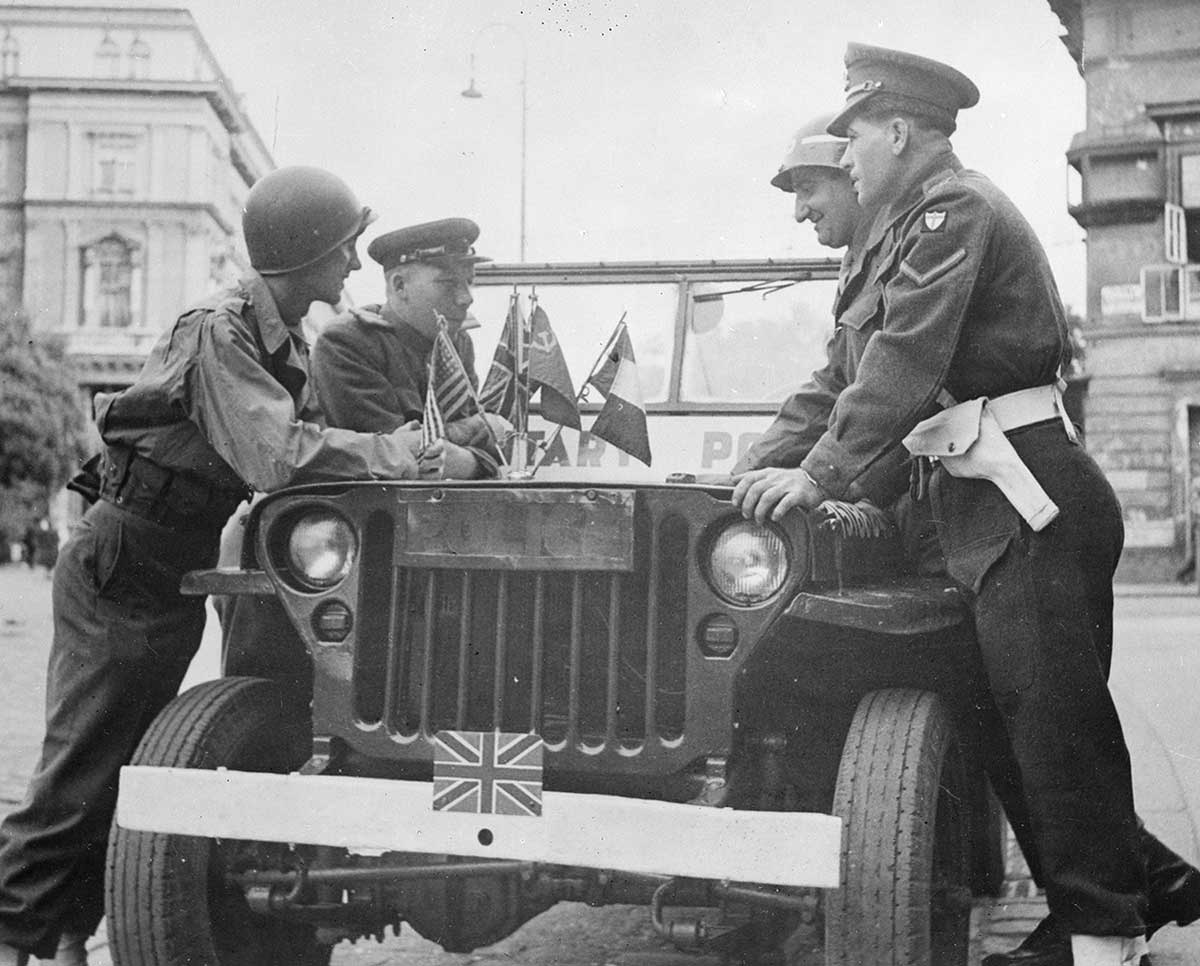
In Vienna, soldiers from the four Allied powers patrolled the streets, promoting an idea of cooperation in joint patrols involving Soviet, British, American, and French soldiers. While this show of a united front looked good on the streets, in the upper echelons of power, there were major hurdles to overcome, as the Western Allies and the Soviets had different designs for Vienna’s future.
A New Country
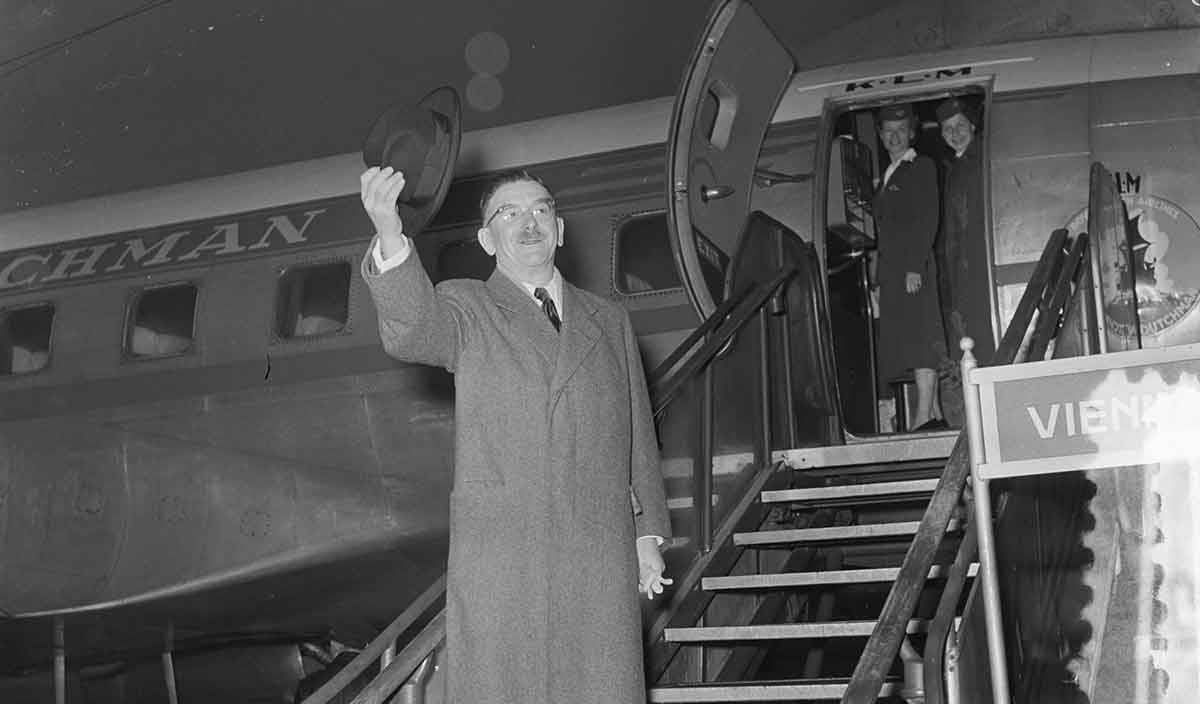
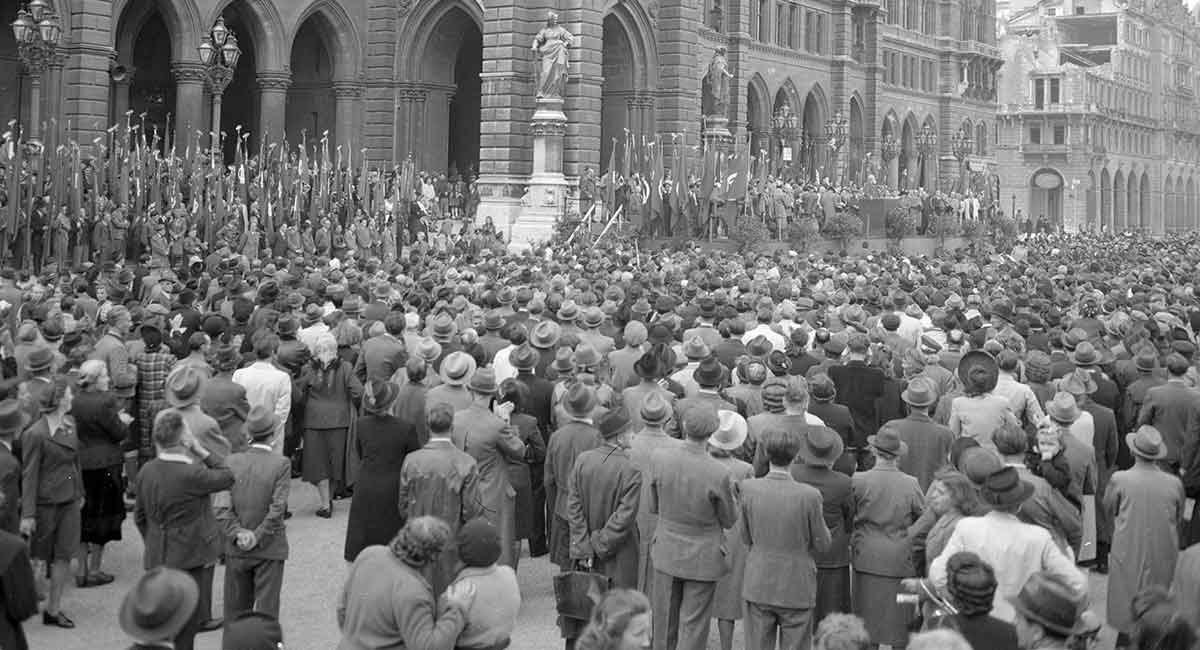
Democracy returned to Vienna in November 1945, with the first municipal and national elections. At stake in Vienna were the 100 seats of the City Council. The left-wing Social Democratic Party managed to garner the lion’s share of these seats, taking 58, while the conservative Austrian People’s Party won 36.
Leopold Figl was elected as the new chancellor, while Renner took up the role of president. The Communists managed to gain just six seats in the Vienna City Council and just over five percent of the national vote. This was not good news for the Soviet Union, which had wanted Austria to be more in line with a Marxist way of thinking.
Given the nature of relations between the Western Allies and the Soviet Union, the Cold War would come to dominate the geopolitical dynamics in the next chapter of European history. A divided Germany, with its divided capital of Berlin, and a divided Austria, with its similarly divided capital of Austria, played host to the machinations between the two blocs as they maneuvered for power and influence on a continent recovering from the horrors of war.
Austria was given some semblance of independence in 1946 when the Allies loosened their grip on control and decided that the Austrian government could make decisions without requiring the consent of the occupying powers. Decisions made in this way could only be overturned by a unanimous vote of all four Allied powers in Austria.
Austria and its capital, Vienna, had taken their first steps in the long road to reconstruction and rehabilitation.
Political Developments
Despite many countries in East Europe being liberated from Nazi control and being well on their way to becoming puppet states of the Soviet Union, Austria managed to escape this dynamic in that there was little support for communism. The Soviet Union was aware of this and did not press the issue very hard. Instead, the Soviets focused more on plundering the resources of Austria as a form of reparations.
This policy did not help the Austrian recovery after the war, and in the years that followed, the economic situation was dire. This was made worse by severe weather in 1946 and 1947, which caused widespread crop failure. With hunger on the doorstep of every home, Vienna was gripped by food riots.
The desperation was alleviated in early 1948 with the first shipments of aid made possible by the Marshall Plan. As a result, order was restored in Vienna and across the country. Nevertheless, with a situation that was almost a carbon copy of Germany regarding the location of its capital and the zones of control, the Americans feared the Soviets would attempt the same in Vienna as they had in Berlin.
The Berlin Blockade had seen the Soviets try to shut off the Allies’ access to Berlin, but the move ultimately failed due to the monumental efforts in supplying the city via the air.
Despite having been successful in Berlin, the Americans did not assume the outcome would be the same in Vienna, and they stored major caches of supplies throughout the city. The Americans also began training an underground military, which included former Wehrmacht soldiers and those with Nazi sympathies.
The Soviets, however, had no intention of trying to force the Western Allies out of Vienna, nor did they intend to create an East Austrian state as they had in Germany. These intentions were not altogether apparent to the Americans, who suspected the Soviets of engaging in political deception over the issue. The Americans even suspected the Soviets may launch an invasion.
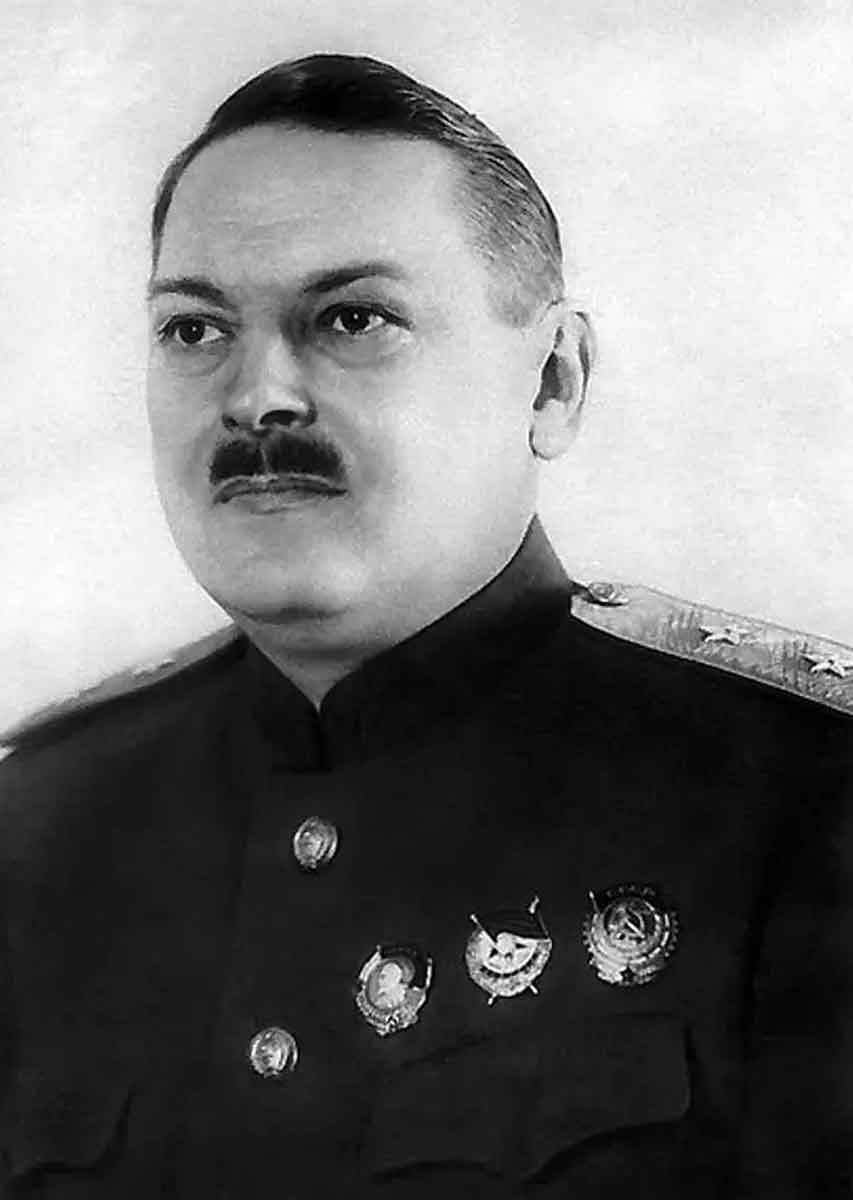
One of the Soviet Union’s most powerful politicians, Andrei Zhdanov, vetoed the idea of creating an East Austrian state. Exactly why he did this is subject to debate, but it is likely that Austria was more useful as a bargaining chip than an unstable client state with little communist support within its borders.
As the years passed, the Cold War intensified, but the death of Stalin in 1953 served to lessen the threat of a Soviet takeover in Austria. As a result of his death, there was a thaw in relations between the Western powers and the Soviet Union. Thus, dialogue and diplomatic action paved the way for a fully independent Austria, which emerged in 1955.
Building a Neutral City
By the end of the war, Vienna’s population had been drastically reduced. Hundreds of thousands had fled, while many others were killed or removed. Among the latter were 60,000 Jews who had been deported to concentration camps.
While the psychological trauma would take generations to heal, the Viennese people set about fixing their broken city almost immediately after the last bombs had fallen. Central to this effort were Theodor Körner, who served as mayor from 1945 to 1951, and Franz Jonas, who served from 1951 to 1965.
Both of these mayors also served as Austrian presidents after their tenures as mayor. From the immediate task of providing food and shelter to rebuilding the transport network and restoring the city’s buildings, Vienna rose from the rubble.
Austria’s path to survival was laden with promises of neutrality. For a country that leaned towards Western influence, these overtures sated the Soviet fears of another nation joining NATO.
What would ultimately happen in Berlin would not play out in the streets of Vienna. The city and Austria would be unified and independent.
After the Allied powers withdrew from Austria after a decade-long presence, Austria kept its promise and has remained neutral to this day. Although Austria joined the European Union and is recognized as being “Westernized,” it remains outside of NATO and continues to have good economic relations with Russia.
While this dynamic ensured Vienna had no obligation to either side, it also meant that the city was ripe for opportunities of a more clandestine nature. Spies were everywhere.
A Hotbed of Espionage
One of the major facets of post-war Vienna was that it became a place where spies could ply their trade. This was the result of the Austrian laws of neutrality, which did not extend to the regulation of espionage within the country as long as Austria was not the target of these covert operations. As such, spies from the West and the Soviet sphere of influence had, and still have, a free hand to spy on each other within Austria.
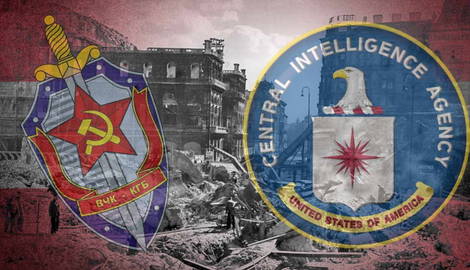
Vienna became the spy capital of the world, with agents from the CIA, KGB, MI6, and other organizations all operating freely without the fear of breaking their host country’s laws.
Today, the dynamic still exists. Although the Soviet Union collapsed and NATO’s supposed raison d’être disappeared, a new Cold War emerged, as Russia sought to regain much of its lost influence in Eastern Europe and NATO continued its expansion.
Vienna continues to be the main hub of activity for spy networks, and it seems unlikely to change any time soon.
The situation in Vienna, and in the rest of Austria, acted as an experimental lab for policymaking between the Americans and the Soviets. The decade following the end of the Second World War established the positions of these two superpowers, and much of this positioning happened in Vienna.
The people of Vienna got to work rebuilding their society and their city, one brick at a time, while navigating the choppy political waters and creating a stable government that was able to placate both the Americans and the Soviets.