
For centuries, soldiers from England, and later the British Empire, cast striking, recognizable figures wherever they went. Their red jackets became a symbol of authority and power worldwide.
While it is commonly believed that red was adopted for the desire to conceal blood, the truth is far more varied and pragmatic.
The “Red-Coats” of the New Model Army and Beyond
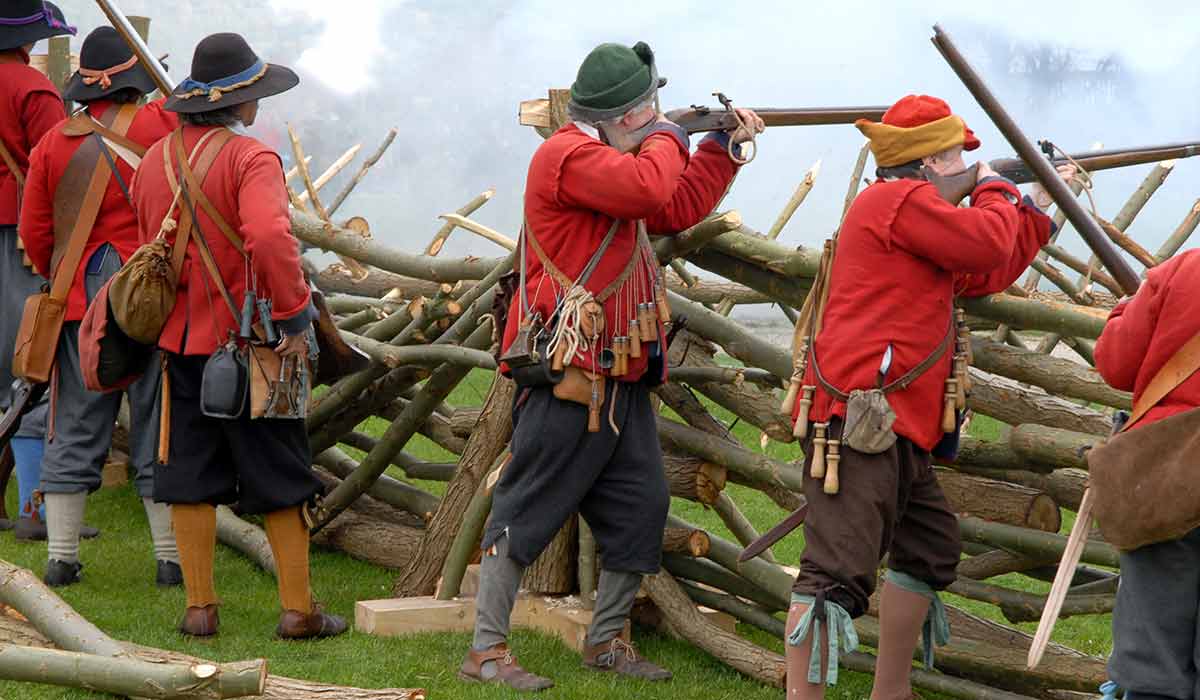
While some English units traditionally wore red, the story of red uniforms really begins in 1645 with the creation of the New Model Army during the English Civil War. This Parliamentarian army, consisting of over 20,000 men, was outfitted with coats dyed with Venetian Red.
After the English Civil War, British soldiers fought in battles in Ireland and on the continent, and the appearance of red-coated units stuck in the memory of those who recorded these engagements. Even before the color was officially adopted across the board, the English were becoming associated with it.
This association lasted for centuries and became a trademark of British military action.
Debunking the Popular Myth About Hiding Blood
16th-century military historian Julius Ferretus asserted that red was used because of the demoralizing effect of bloodstains on lighter-colored clothes. This, however, is likely nothing more than a fanciful tale. Blood is still noticeable on red fabric. It turns dark. The person unfortunate enough to be wearing the blood-stain is usually screaming and clutching their wounds, and often lying on the ground. This reality cannot be hidden. The real reasons for the red are varied and come from a sense of pragmatism. In short order, pragmatism turned into tradition.
From the era of the English Civil War, long overcoats became the norm, and the dyes required needed to be plentiful and readily available. Red was the color that presented itself in England’s context. And given the other advantages it provided, it practically nominated itself. It was cheap, and considerably less labor-intensive to apply. It also stood out. And in this period and for the next few centuries, soldiers needed to be identifiable on the battlefield, rather than hidden.
Cutting Through Black Powder Smoke on 18th-Century Battlefields
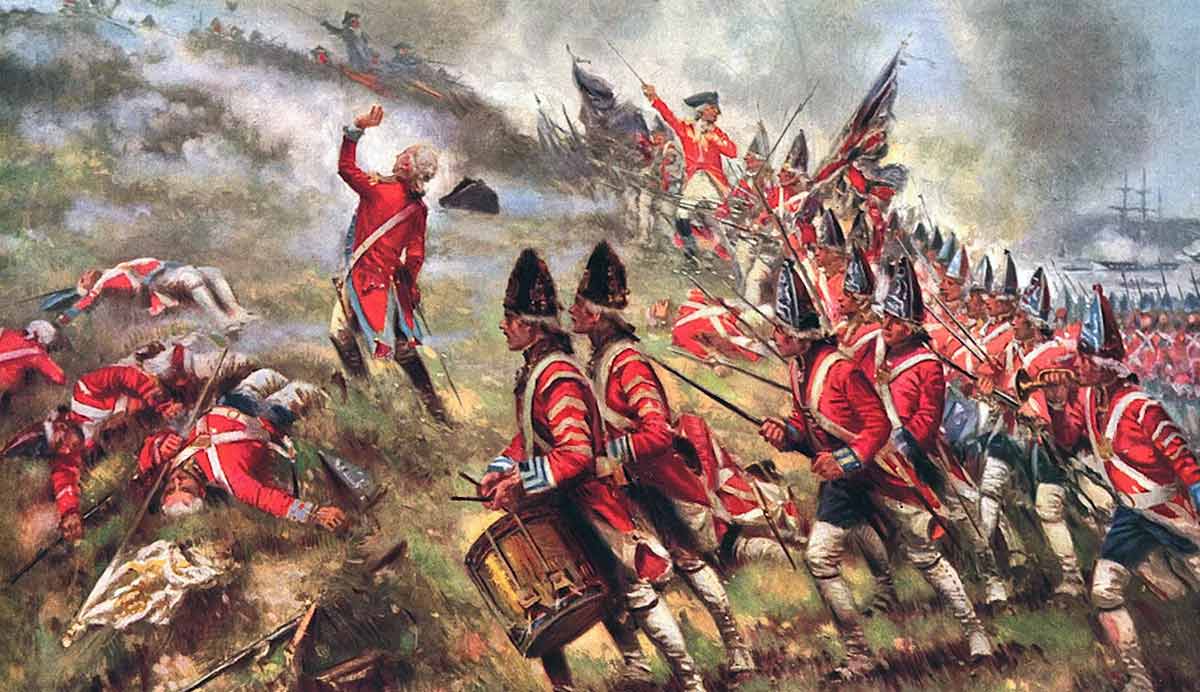
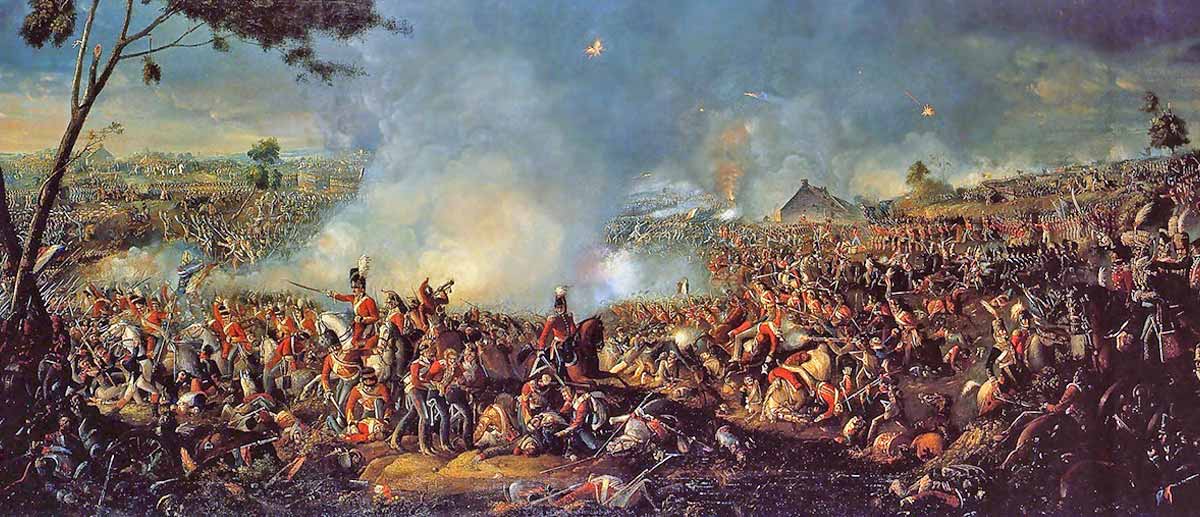
Through the clouds of gunpowder smoke, units needed to be identifiable. In an age of inaccurate musket fire, effect was created by massed volleys. The technology didn’t exist for soldiers to be effective otherwise. While skirmishers did exist, battles were won with massed ranks rather than with individual soldiers with specialized rifles.
There were no radios for units to check in with each other. There were no imaging techniques that gave commanders a bird’s-eye view of the combat zone. There was smoke and chaos. And commanders needed to know where their units were. Red, in this regard, stood out remarkably well.
Modern Rifles and the Death of the Scarlet Coat
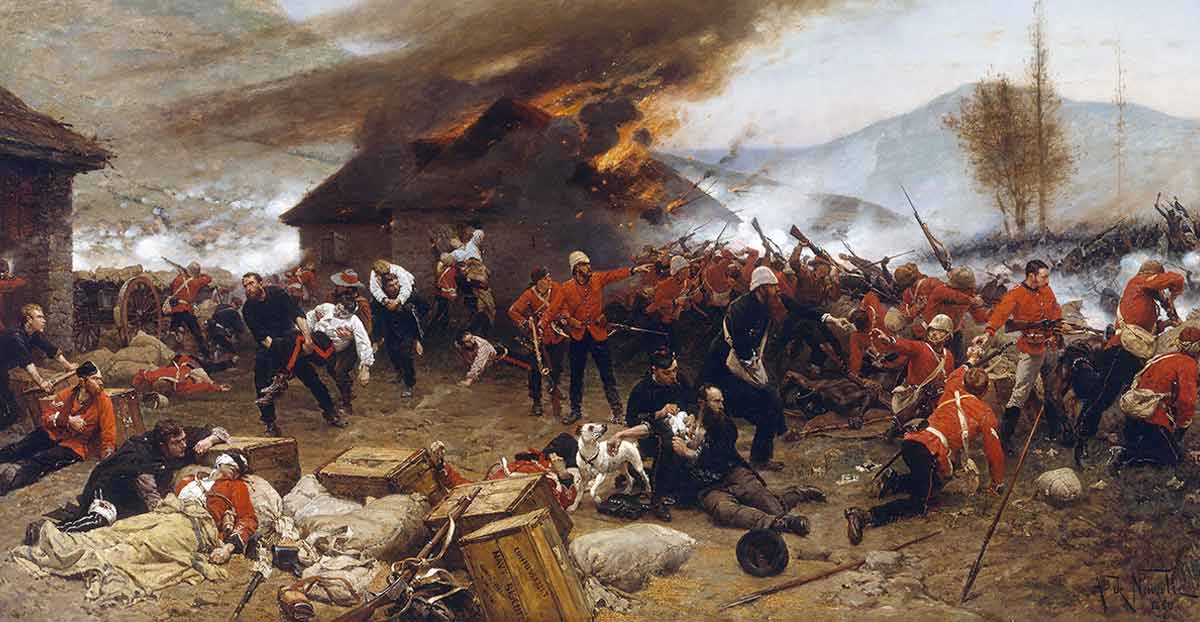
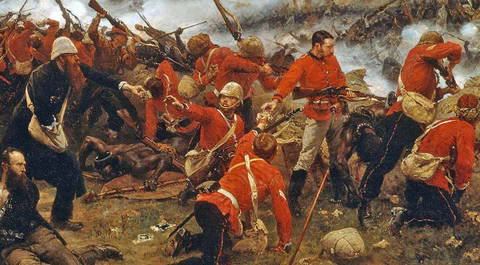
By the end of the 19th century, it became apparent that warfare had changed so significantly that the use of easily identifiable uniforms was a liability rather than an asset. In the First Anglo-Boer War, the British, in their bright red uniforms, were easy targets for the Boers, who used guerrilla tactics and remained unseen, firing from hidden positions.
Guns had also advanced so significantly that accuracy and rate of fire had increased to a point where massed ranks could simply be picked apart and mowed down. And while soldiers had learned to stand farther apart, one very apparent thing needed to change.
By the time the Second Anglo-Boer War broke out less than 20 years later, the British had recognized the value of camouflage, and centuries of tradition had to be ditched for the sake of practicality. Their new uniforms were khaki and were originally dyed with whatever was available, including tea.
The red uniforms weren’t completely forgotten, however. They may not feature on the battlefield anymore, but they are a permanent fixture around the king’s residence and in other ceremonial circumstances. The color is a source of pride and will likely be associated with the British for centuries to come.