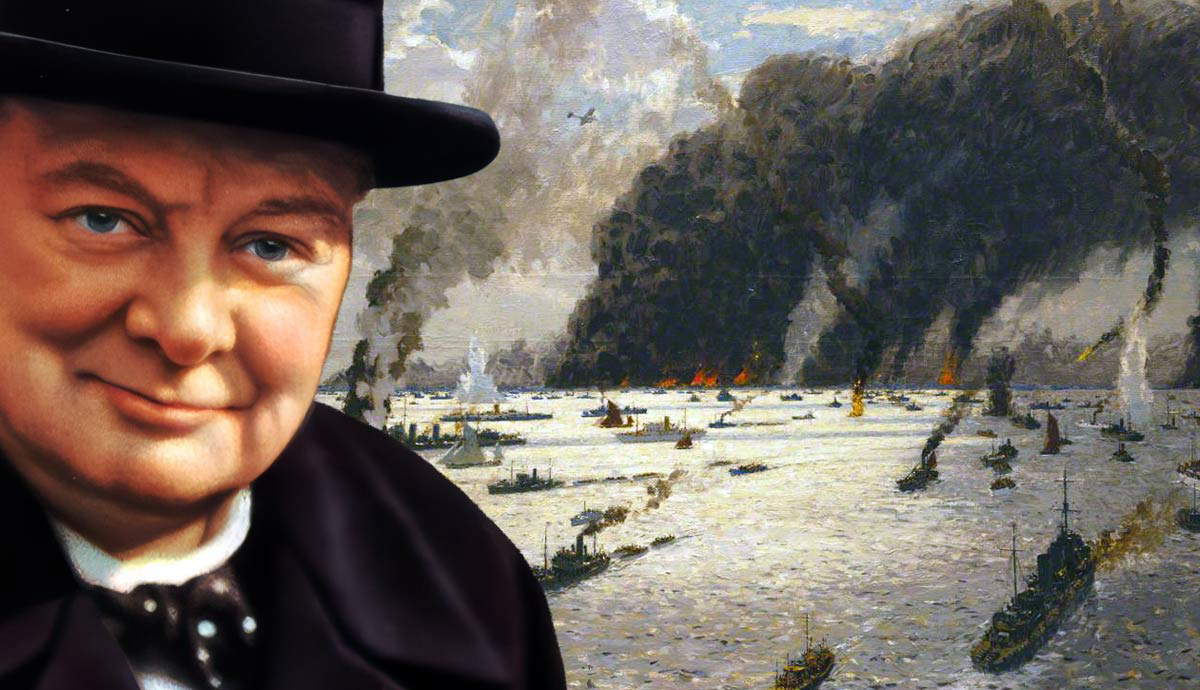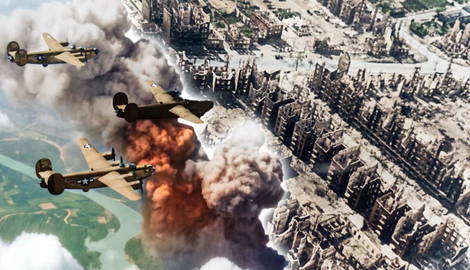

What was the objective of bombing Germany, and was this achieved? The bombing offensive lasted for virtually the entire war, and it killed approximately 500,000 civilians, while the RAF suffered over 55,000 dead, and the USAAF more than 30,000.
Avoiding the obvious moral question of civilian casualties, how effective were the attacks in reducing German output and destroying the Luftwaffe?
Taking the War to Germany
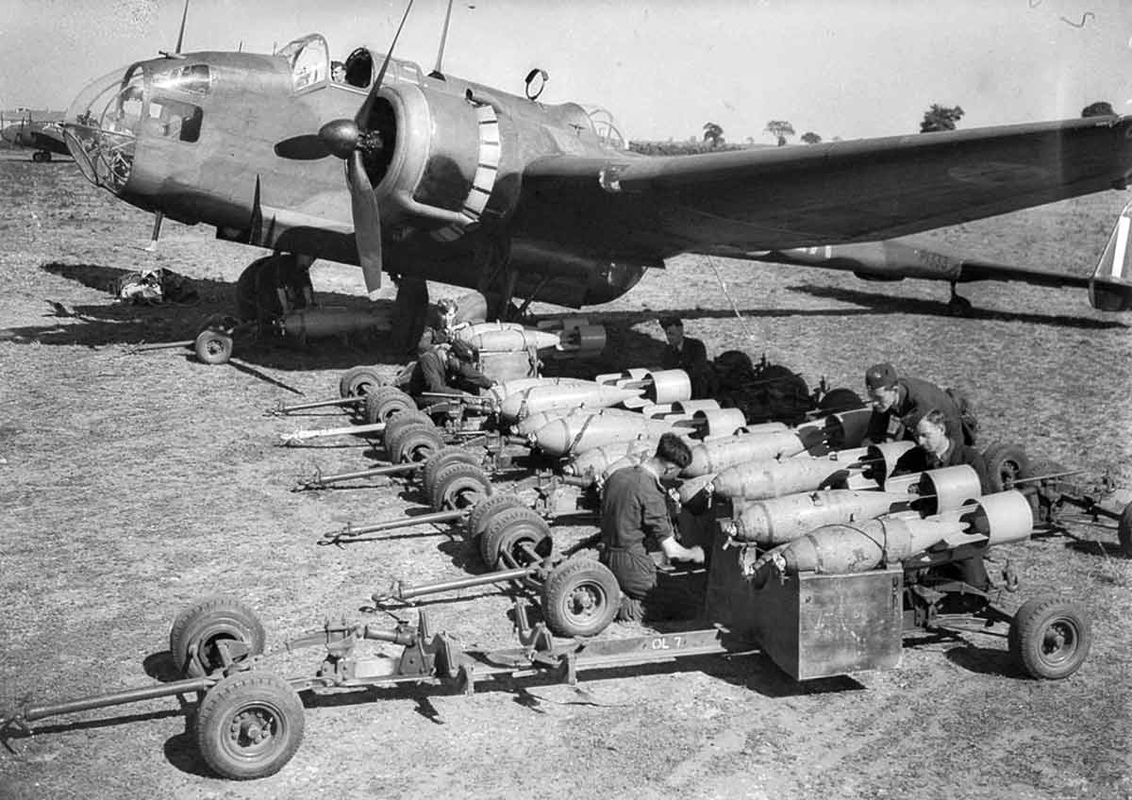
Early exponents of strategic bombing, such as Douhet, Trenchard, and Mitchell, believed that fleets of bombers could win the next war on their own. This was the background to the bombardment of Germany from the air in WWII. RAF bombing had begun a few days after the start of the war. The effect was minimal due to a combination of poor navigation, inability to hit targets, and small numbers of aircraft.
Although German defenses were far less than later in the conflict, they were enough, combined with the lack of fighter escort, to convince Bomber Command that their only chance of success lay with night attacks. Like the USAAF more than two years later, the RAF learned that daylight attacks would only succeed after air superiority had been achieved or with close fighter escort.
The Yanks Are Coming!
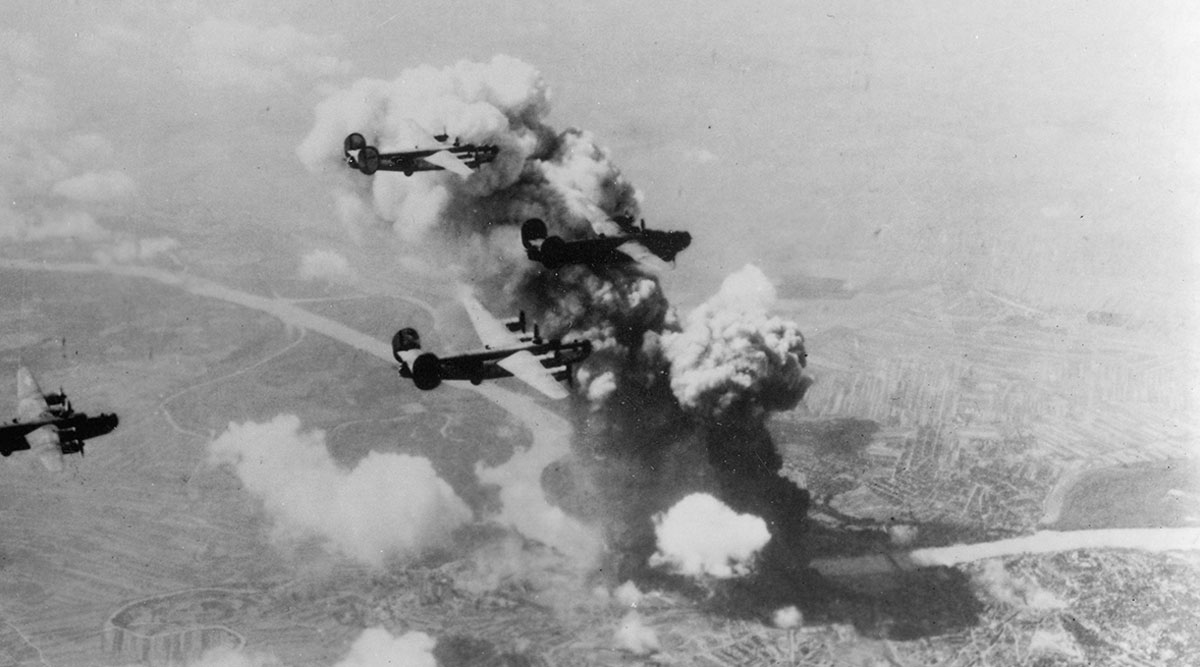
The RAF steadily increased its bombing of Germany, with strategic bombing commencing in May 1940 when 99 bombers attacked the Ruhr. Two years later, Cologne was hit by 1000 bombers.
After the fall of France, bombing was the only way for Britain to carry the war directly to Germany, and the bomber offensive absorbed a huge proportion of Britain’s war effort. By June 1942, the US 8th Air Force began to set up bases in Britain, and in July it carried out its first raid. At the year’s end, Germany had absorbed 50% more tonnage than the previous year, but tank production, for example, increased by 60% along with most other armaments.
During this period, Germany was moving from a “short war” economy to the understanding that it was going to be a long conflict. The Allies also realized that a far bigger effort was going to be required if the enemy economy was to be significantly damaged.
Reap the Whirlwind
During the Casablanca Conference in January 1943, the Allied Combined Bomber Offensive (CBO) was planned. It was expressly stated that bombing alone could not win the war. However, strategic bombing was required before a land invasion in France could be undertaken. Pointblank (codename for the CBO) called for “round the clock” bombing, with the USA attacking by day and the British by night.
In 1943, there was a fourfold increase in bombing by the Allies, along with heavy losses, especially on daylight raids. Escorts were needed, and in December 1943, the P-51 Mustang began to accompany the US bombers deep into Germany. Despite this, German production continued to rise. For example, twice as many single-engined fighter aircraft were produced in 1943 compared to a year earlier. Speer, the German minister for armaments, had begun to disperse manufacturing, locate factories underground, and massively increase productivity.
The Second Front in the Air
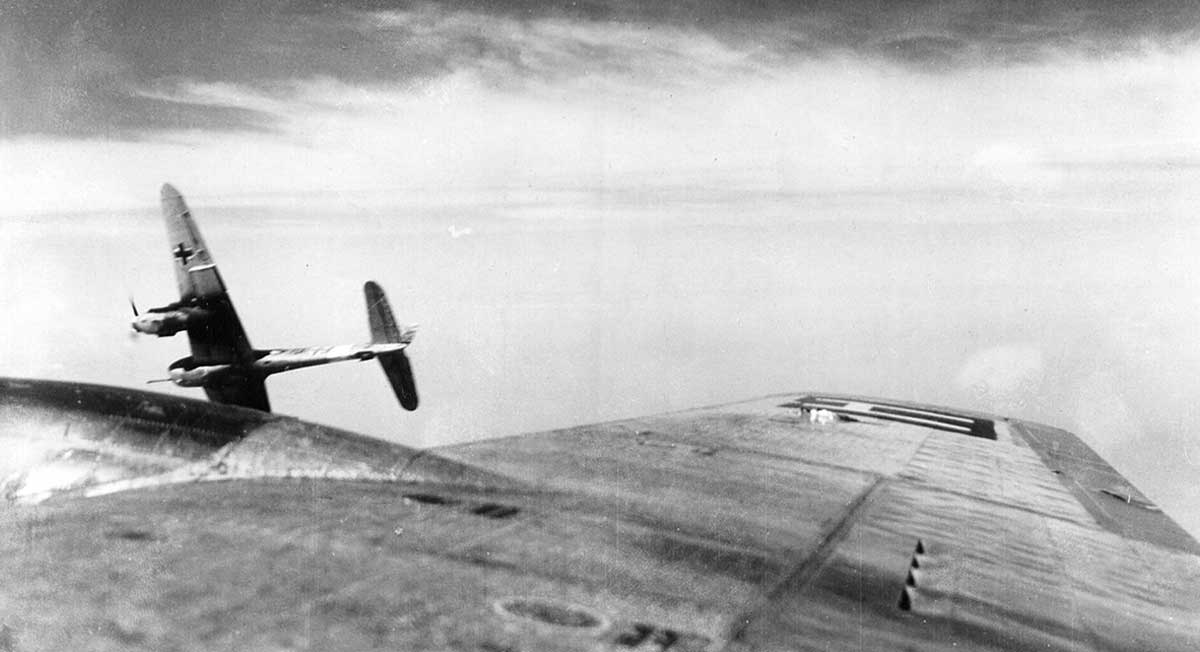
The ability of US fighters to escort bombers deep into the Reich changed the nature of the air war in 1944. It was not so much the enormous increase in bomb tonnage, up another fourfold from 1943, but the destruction of the Luftwaffe in the sky, that was decisive.
Germany was now producing over 2000 fighter aircraft per month, along with an increase in other armaments. But the strain of sending night-fighters against the RAF and trying to fight through the American fighter screens to attack the bombers was beginning to tell. Germany was running out of experienced pilots to fly its fighter aircraft.
The offensive was also absorbing huge numbers of German anti-aircraft guns, their crews, and enormous amounts of technology. As Speer explained, “The real importance of the air war consisted in the fact that it opened a second front long before the invasion of Europe. That front was the skies over Germany.”
Overwhelming Odds
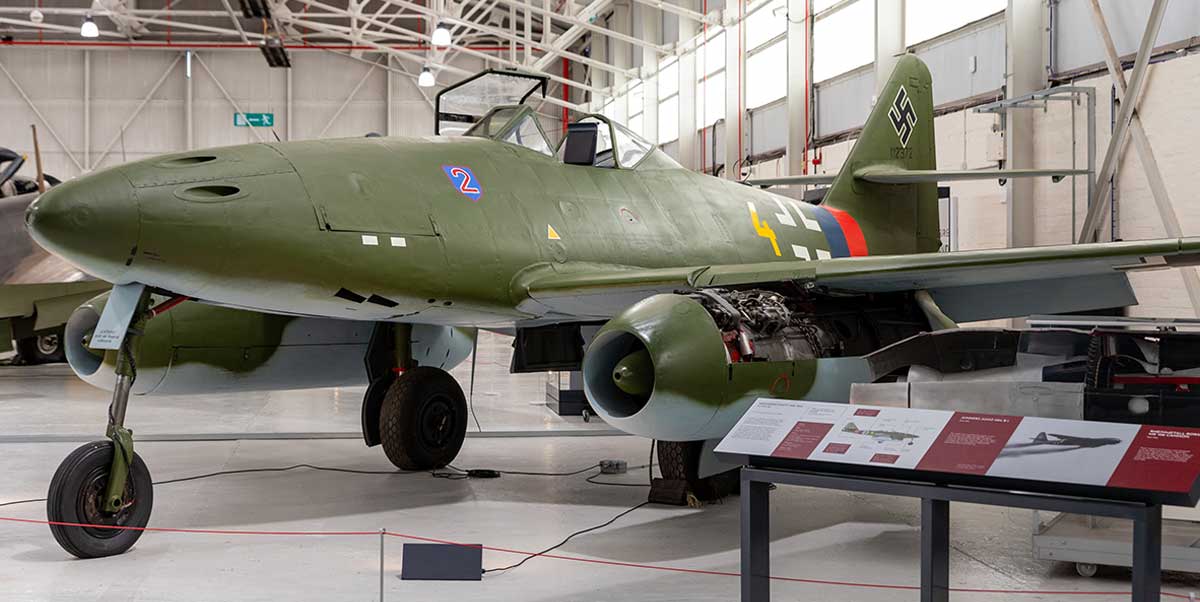
The air battles increased in intensity during 1944, along with the number of bombs. In the last year of the war, 83% of the total Allied tonnage was dropped. Despite the pounding of the German population and the attacks on industry, production of war material continued to rise.
However, in Germany, raw material output, such as steel and, most importantly, fuel, began to decline in 1944. The decrease in fuel was partly due to the intensification of Allied bombing of synthetic oil plants and also the Soviet army overrunning Romanian and Hungarian oilfields in August.
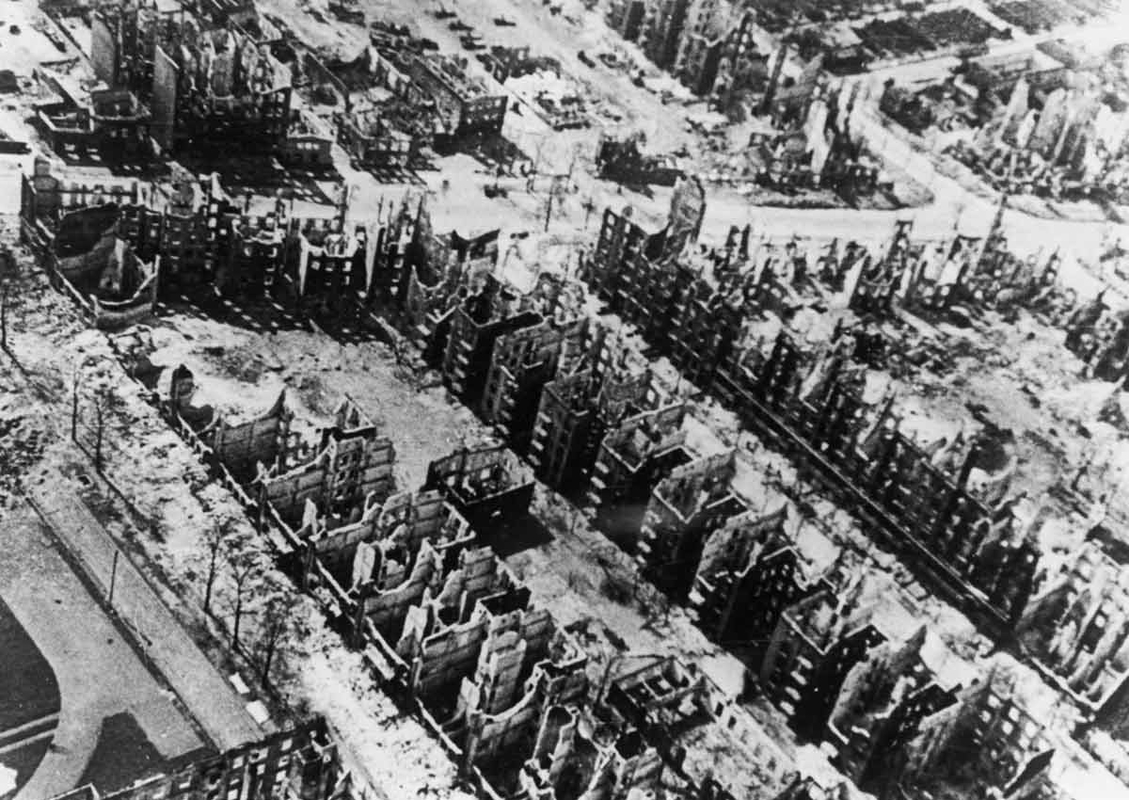
By the spring of 1945, most German cities were in ruins, and the Allies were beginning to run out of targets. Nevertheless, the offensive continued, with many raids involving over 1,000 bombers, day and night, and day escorts of hundreds of fighters. If German interceptors failed to appear, the US escorts would attack ground targets, such as airfields, thereby reducing the Luftwaffe’s capacity.
What Was Achieved?
The aviators’ dream of a land campaign being unnecessary was not realized, but the bombing played a vital part in the final victory. In summary:
- A Bombing campaign alone could not win the war, as was recognized at the Casablanca Conference.
- German arms production increased throughout the conflict until factories and resources were overrun.
- The Luftwaffe was defeated in the air battles over Germany. This enabled the D-Day landings and aided the Soviet war effort.
- The bombing campaign could have been more effective with greater concentration on a few high-priority targets.