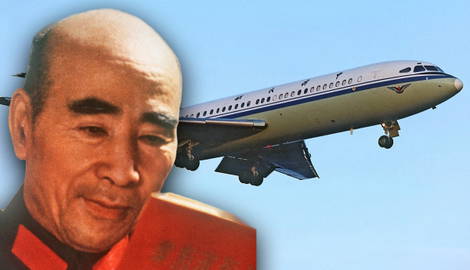

The death of Lin Biao, known to historians as the Lin Biao incident, was a pivotal moment in modern Chinese history that not only marked a turning point for the Chinese Communist Party but also set the country on a new trajectory during the Cultural Revolution. In September 1971, Mao Zedong’s close confidant, Lin Biao, died in a plane crash while fleeing China under disputed circumstances. The incident exposed fractures within the leadership of the Chinese Communist Party and fueled political purges that reformed Mao’s inner circle of advisors.
The Life of Lin Biao
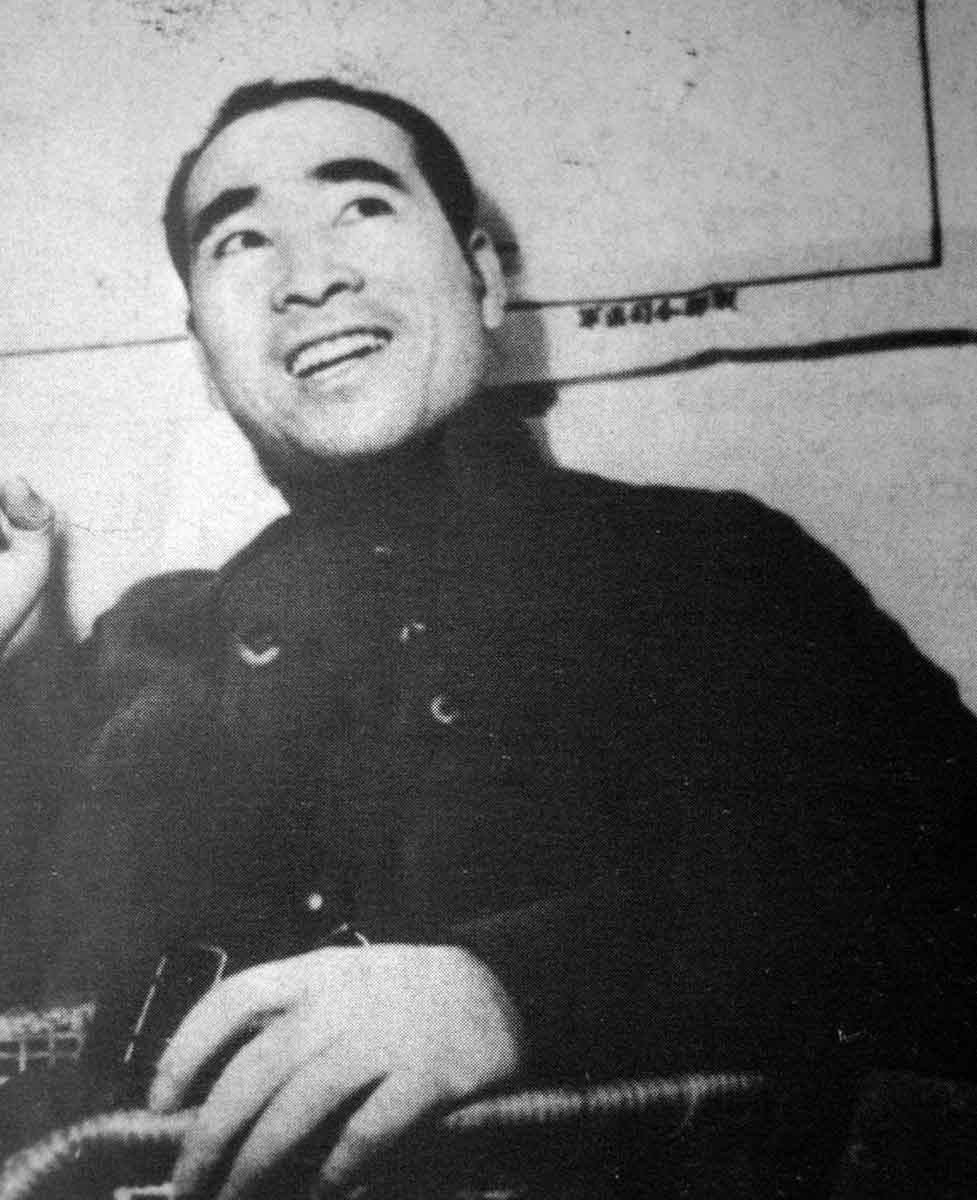
Born on December 5, 1907, Lin Biao was one of China’s most decorated military leaders and a skilled politician who played a critical role in the rise of Mao Zedong. Biao joined the Chinese Communist Party during the 1920s where he quickly made a name for himself as a keen military strategist and political operator. During his time as Marshal of the People’s Republic of China, he was instrumental in securing the Red Army’s victory during the Chinese Civil War. Lin Biao’s military expertise helped the Red Army defeat the Kuomintang in the Liaoshen and Huaihai campaigns, victories that effectively routed Chiang Kai-shek’s forces from Southeast China.
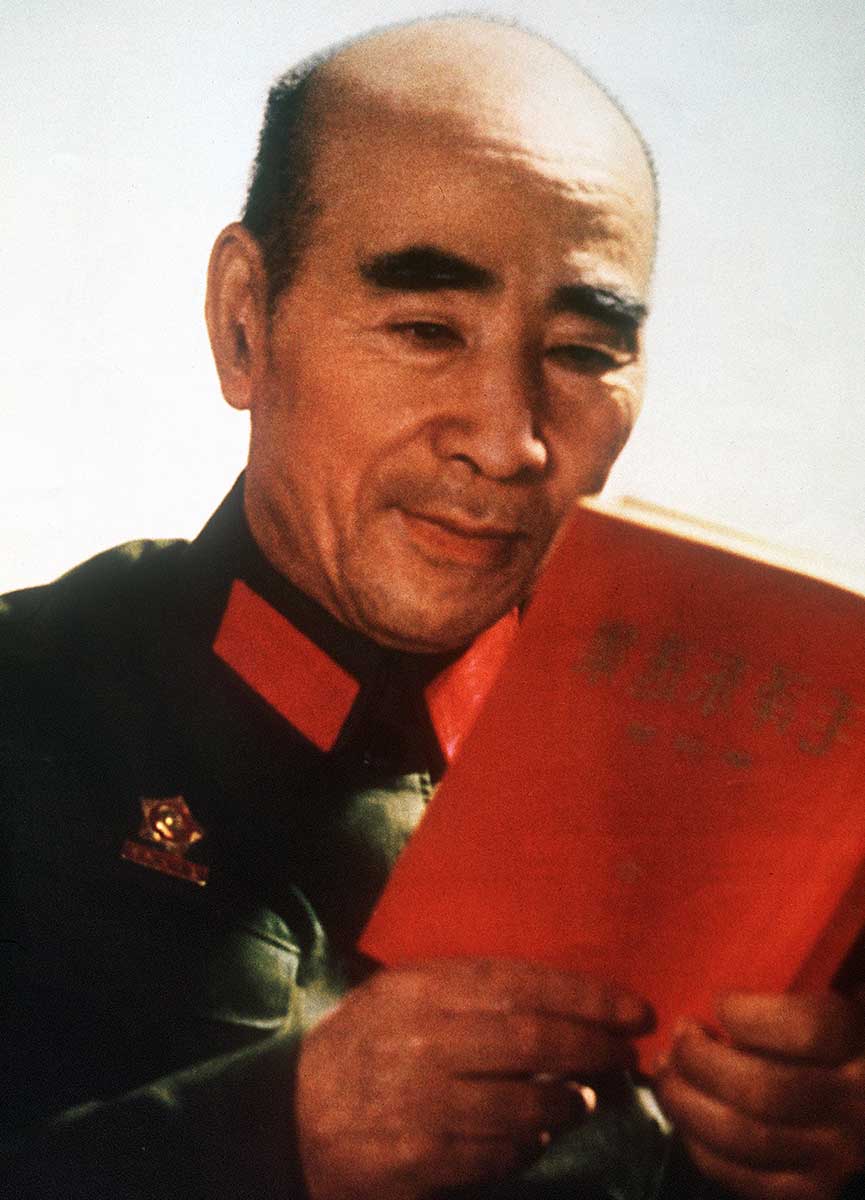
After the People’s Republic of China was established in 1949, Lin Biao became a key member of the Chinese military. Biao’s loyalty to Mao Zedong was further demonstrated by his support of the revolutionary changes that took place during the Cultural Revolution. For his loyalty, Lin Biao was appointed to the position of Vice Chairman of the Chinese Communist Party in 1966, and he was named the official successor to Chairman Mao. During the Cultural Revolution, Biao made great efforts to spread Mao’s cult of personality throughout the country and disseminated the Little Red Book of Mao’s revolutionary quotations to members of the Chinese Red Army.
However, as ideological disagreements began to grow within the leadership of the Communist Party, Lin Biao’s relationship with Mao deteriorated significantly. In September of 1971, Biao was allegedly a key player in a plot to wrestle the leadership from Mao Zedong, a plot which eventually ended in Biao’s death in a plane crash in Mongolia. While the official government narratives have accused Lin Biao of attempting to overthrow Mao, numerous conflicting reports remain about what actually happened during the Lin Biao incident.
The Communist Party of China’s Account of the Lin Biao Incident
According to the official accounts of the Chinese government, Lin Biao began to organize a plot to overthrow Mao Zedong after a meeting of the Ninth Central Committee revealed that Mao had begun to lose faith in his trusted advisor. Allegedly, in the first months of 1971, Lin Biao and his wife Ye Qun, also a high-ranking government official, began to plot the assassination of Mao. In March of 1971, Lin Biao’s son Lin Liguo, also a senior military officer, is alleged to have held a covert meeting at a Shanghai Red Army base. During this secret meeting, Liguo is said to have drafted a plan for a fully-fledged coup d’etat that was named “Project 571” which in Chinese Mandarin sounds similar to “armed uprising.” Lin Liguo and his fellow plotters are alleged to have met again in late March to formalize the structure of the plan.
Apparently unaware of the coup being plotted against him, Mao scheduled a conference in September to determine the future of Lin Biao’s role within the Communist Party. Allegedly, word reached Lin Biao on September 5 that Mao intended to purge him and his family. In response to this news, Lin Biao ordered that the coup plan be carried out on September 8. The assassination plot was to sabotage Mao’s personal train as it traveled through the country. However, on September 11, Mao changed his travel itinerary, and the plot failed. The plotters of “Project 571” subsequently attempted a number of other assassination attempts, all of which failed too. Mao’s train arrived at Beijing Central Station on September 12, and Lin Biao’s ambitious coup attempt was foiled.
The Plane Crash In Mongolia
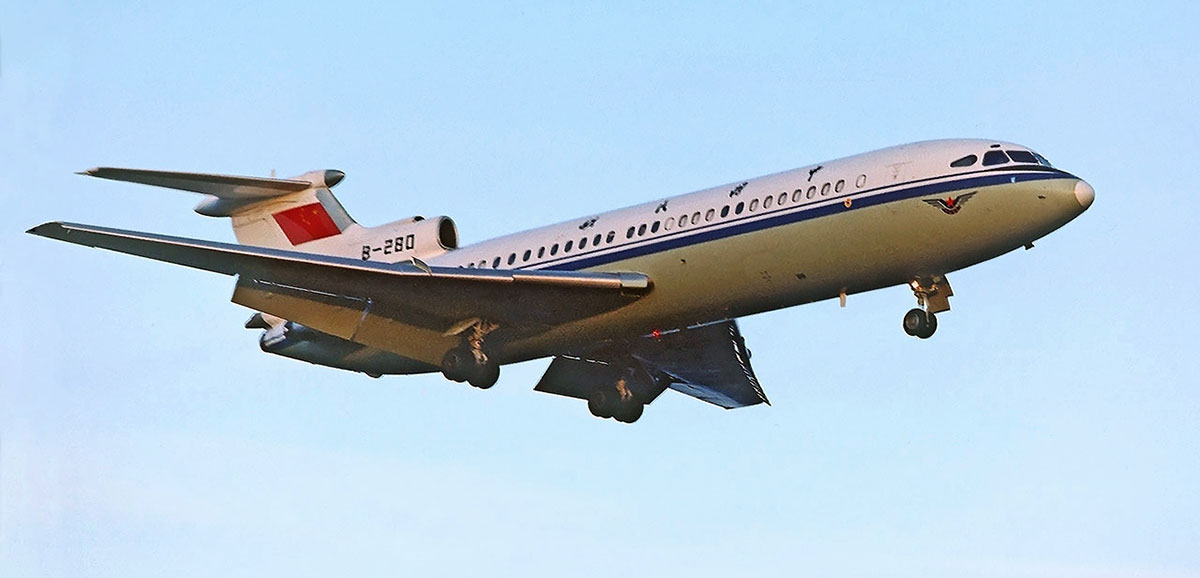
Upon receiving news that Mao was aware of the assassination plot, Lin Biao and his family allegedly intended to regroup and flee to the city of Guangzhou, where they planned to gather their allies for another coup attempt. However, as the seriousness of their actions hit home, the key players of “Project 571” decided to flee to the Soviet Union, where they would have sought political asylum.
On September 13, Lin Biao, Ye Qun, and their son Lin Liguo boarded a private Trident 1E aircraft and set off for the USSR. According to the Chinese government, the plane departed the runway without enough fuel to reach the Soviet Union and crashed in Mongolia, where all passengers and crew were killed. The death of Lin Biao and his family ended his alleged bid for power and remains one of the most unexplained and controversial events in modern Chinese history. While the official government narrative remains widely accepted in China, there remain several questions that cast doubt on the veracity of the events.
Criticisms of the Official Narrative
Since 1971, a lack of substantial evidence surrounding the actual circumstances leading up to the Lin Biao incident has kept Lin Biao’s death shrouded in mystery. In the wake of the incident, a great deal of official government records, telephone recordings, meeting reports, and personal diaries were intentionally destroyed when Hua Guofeng became the leader of the politburo after Mao’s death in 1976. These documents would have shed light on the actions of Mao Zedong and the security forces of China in the lead-up to the Lin Biao incident. Without these official documents, the Chinese government instead used the alleged confessions of individuals close to Lin Biao to build their narrative.
Critics of the official government narrative have called into question the logic that Lin Biao, a formerly loyal supporter of Mao and decorated military leader, would hastily put together an assassination plot with his wife and son as the co-conspirators. Moreover, critics have called into question Lin Biao’s motives for flying to the Soviet Union when nations opposed to China, such as Taiwan and the United States, would have more readily accepted his asylum.
Historians outside of China have proposed that Lin Biao lacked the proper motivation or backing to stage a coup attempt against Mao. Some historians have suggested that Biao’s death was connected to his disagreement with China’s policy of rapprochement with the United States, which Zhou Enlai had begun with Mao’s blessing. Some claim that Lin Biao may not have actually been on board the flight to Mongolia. Instead, Lin and his wife were assassinated in Beijing while their son, Lin Liguo, was the only one to make an escape by airplane. Opposing theories also suggest that Mao ordered Lin’s plane to be shot down by the Chinese Air Force.
The 1994 Investigation Into the Lin Biao Incident

After the fall of the Soviet Union, a six-month investigation into the Lin Biao incident by Western historians reviewed newly declassified evidence from Russia, Mongolia, and the United States that directly challenged the Chinese government’s official narrative. The 1994 investigation directly confirmed that Lin Biao, his wife Ye Qun, and their son Lin Liguo died when their plane crashed in Mongolia. However, new details revealed in the evidence raised even more questions about what actually took place.
Lin’s plane was shown to have been flying away from Soviet airspace when it crashed, which casts doubt on the official narrative that he had sought asylum in the USSR. According to some evidence, Lin Biao may have been reluctant to board the flight and only did so at the behest of his wife and son. Furthermore, the 1994 investigation also revealed that Lin had attempted to contact the government of Taiwan twice before his death. This lends credence to the theory that he may have sought to restore the Kuomintang to power in China in exchange for a position in the new government.
Newly released witness reports have also cast doubt on the official story. According to Lin Liguo’s fiancé, Zhang Ning, Lin became fearful of a political purge in 1971 and devised plans to escape the country. Their daughter opposed the plan and made an attempt to alert Zhou Enlai to her father’s intentions. The 1994 investigation also revealed that the Soviet Union exhumed the remains of Lin Biao and his wife and confirmed they had died in the plane wreckage. However, the exact cause of the crash remains unknown.
Consequences of the Lin Biao Incident
The Lin Biao incident resulted in a number of consequences for the Chinese government. Politically, the death of Mao’s chosen successor greatly disrupted the internal workings of the Communist Party of China. Mao was left reliant on the more radical Gang of Four and became more isolated within the party. The incident also prolonged the Cultural Revolution and political purges of Lin’s alleged co-conspirators. This spread fear and distrust throughout China.
In the long run, the Lin Biao incident emphasized the danger of a centralized government run with unchecked power by a ruler placated by a cult of personality. After Mao’s death, the Communist Party implemented a number of reforms that emphasized institutional authority over direct rule.