
The Chernobyl nuclear disaster is one of the most significant events in modern history, but the full extent of its impact has remained shrouded in secrecy until relatively recently. Alla Yaroshinskaya, a journalist, politician, and activist, dedicated her life to uncovering the hidden truth about the catastrophe. Her extensive investigative work, from exposing suppressed health reports to challenging Soviet-era censorship, revealed the hidden truth behind the nature of the Chernobyl fallout. What she discovered was shocking.
The Chernobyl Disaster: An Overview
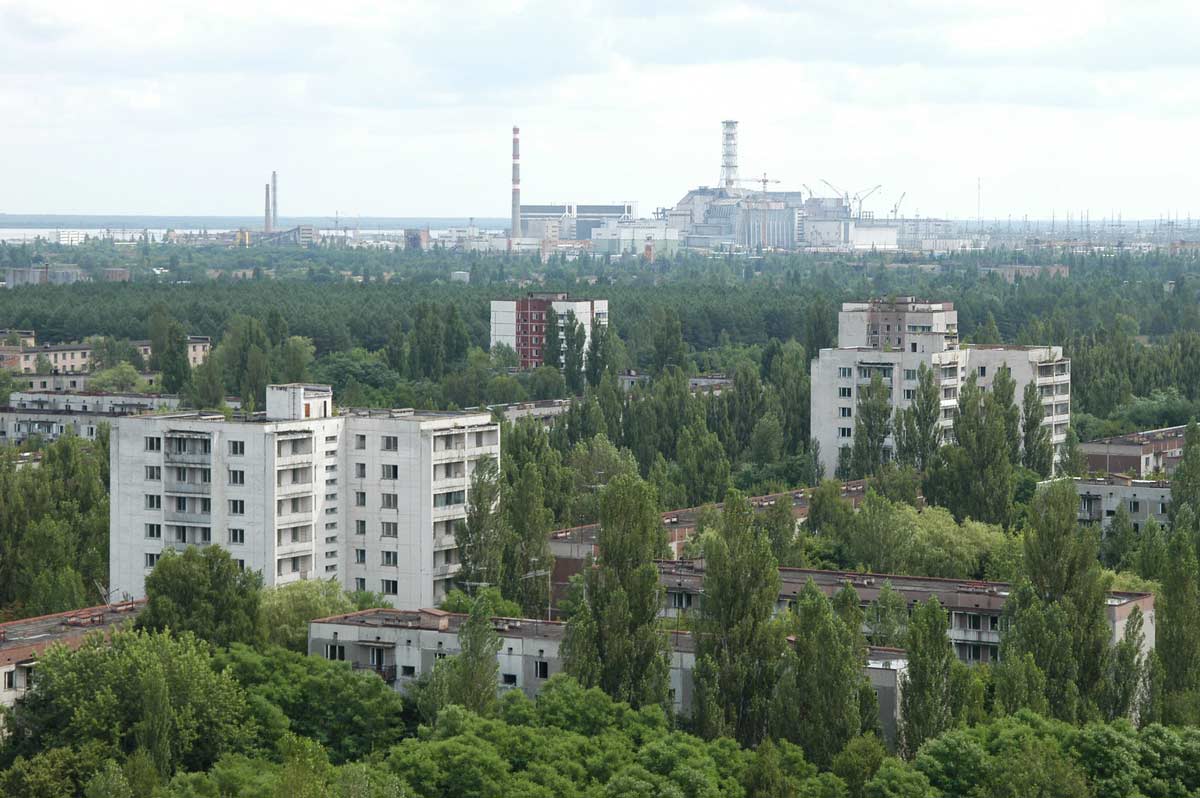
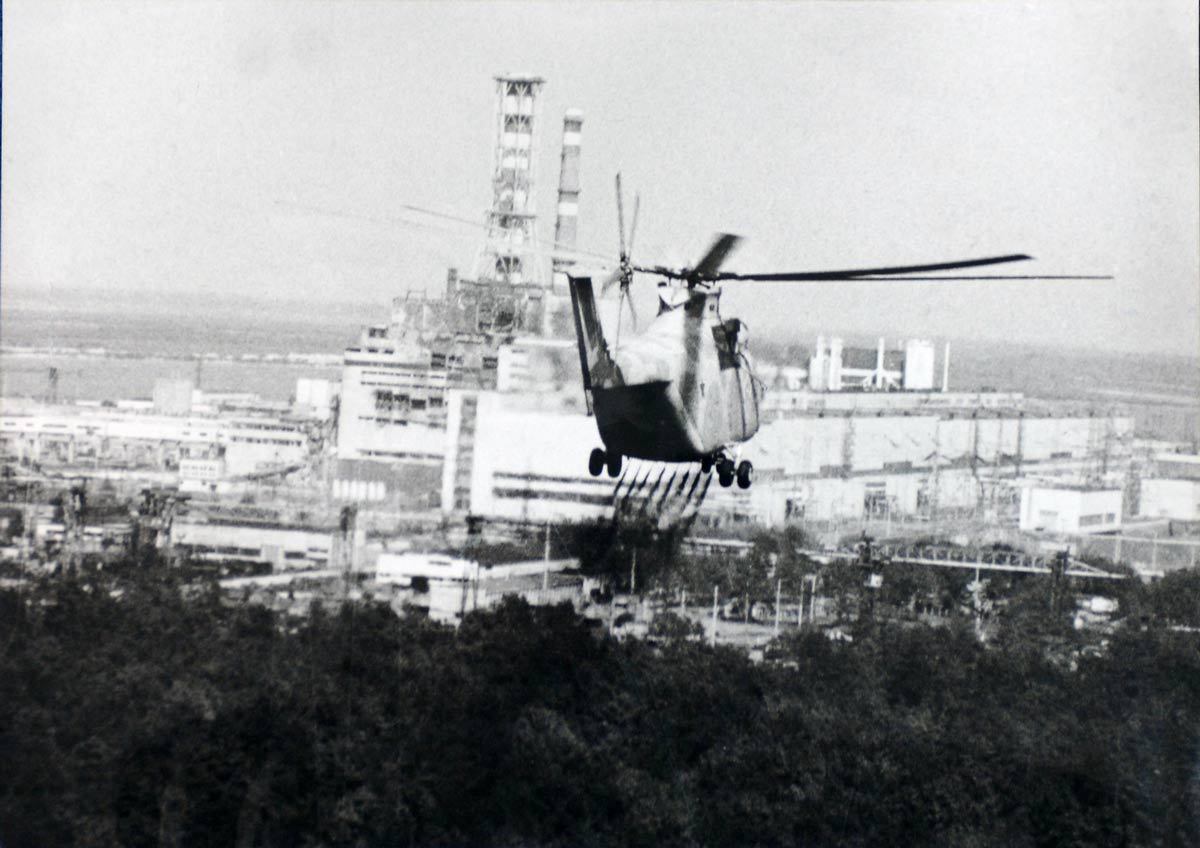
Under increasing pressure to increase power output and improve efficiency, engineers working at the Chernobyl nuclear plant in the Soviet Republic of Ukraine performed an unorthodox safety test on April 26, 1986. Due to an unseen flaw in the reactor’s design, the test triggered a chain reaction that caused a catastrophic meltdown. The ensuing steam explosion and nuclear inferno destroyed much of the reactor building, littered radioactive graphite, and spread a cloud of contaminated material over a wide area. Firefighters were called to put out the blaze, but due to the exotic nature of the materials inside the reactor, the fire kept burning, pumping radiation into the air.
After a brief period of radio silence from the Kremlin, Mikhail Gorbachev announced to the world that a nuclear incident had indeed occurred at Chernobyl. What followed was the largest peacetime military operation in Soviet history. Thousands of Red Army reservists were called up to become “liquidators.” These individuals were tasked with cleaning up the radioactive debris, extinguishing the blaze within the damaged reactor, and building a containment unit to seal off the radioactive material still inside. The clean-up cost the USSR an estimated $235 billion at a time when its economy was far from flourishing.
Despite the costly clean-up process, considerable amounts of radioactive isotopes permanently contaminated the soil, buildings, and inhabitants of the surrounding area. As a result, an exclusion zone was created to prevent further contamination. Dogs and cats were left behind, and entire families lost their possessions.
With Gorbachev’s new policy of Glasnost, the real truth about Chernobyl started to come out. However, the true extent of Chernobyl remained hidden in Soviet archives until Alla Yaroshinskaya began her work uncovering the truth.
Systemic Failures and Bureaucratic Inaction
The response to the disaster on April 26 was typical of the Soviet nuclear industry and demonstrated the government’s inherent disregard for the well-being of its citizens. In the Ukrainian SSR, the people were unaware of the radioactive cloud hanging above their heads until a Swedish monitoring station in Stockholm, intended to detect a leak inside their own nuclear plant, discovered a radioactive cloud spreading across Eastern and Western Europe. Upon the discovery, the Soviet Union was forced to confess that a nuclear disaster had occurred, and for the citizens of the Ukrainian SSR, it was their first information about the disaster unfolding in their own republic.
By May 7, 1986, almost two weeks after the initial explosion at Chernobyl, the Soviet government passed its first decree that addressed the need for Chernobyl cleanup workers to be adequately compensated for their work. However, these measures fell short of addressing the broader societal and environmental consequences of the disaster. Over the following years, a number of new decrees were set out by the Soviet government that sought to manage issues related to the cleanup process. These measures also failed, and the long-lasting consequences of the disaster were inadequately dealt with.
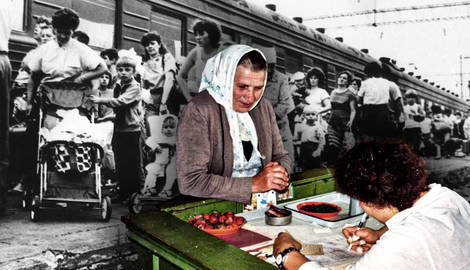
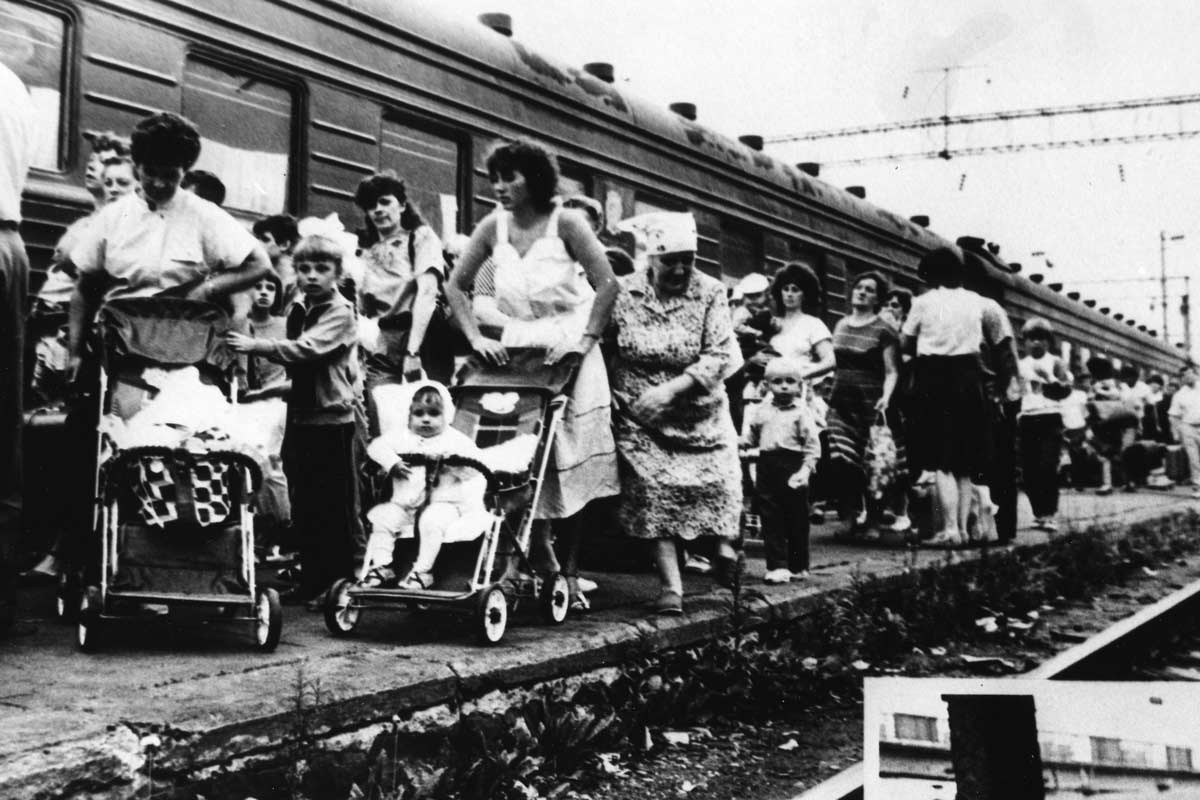
Outside the directly affected area, the wider Soviet public remained unaware of the scale of the Chernobyl disaster. It wasn’t until three weeks later that Gorbachev made a public statement about the situation. After the cover-up campaign was lifted and the authorities acknowledged that a nuclear incident had occurred, a zone surrounding Chernobyl was designated an ‘exclusion zone,’ and the inhabitants were evacuated. The nature of the evacuation from this zone was highly chaotic, leading to cases of people being left behind after the area had been cleared out and those who were evacuated being separated from their families or unable to find housing.
Changes to Soviet Law
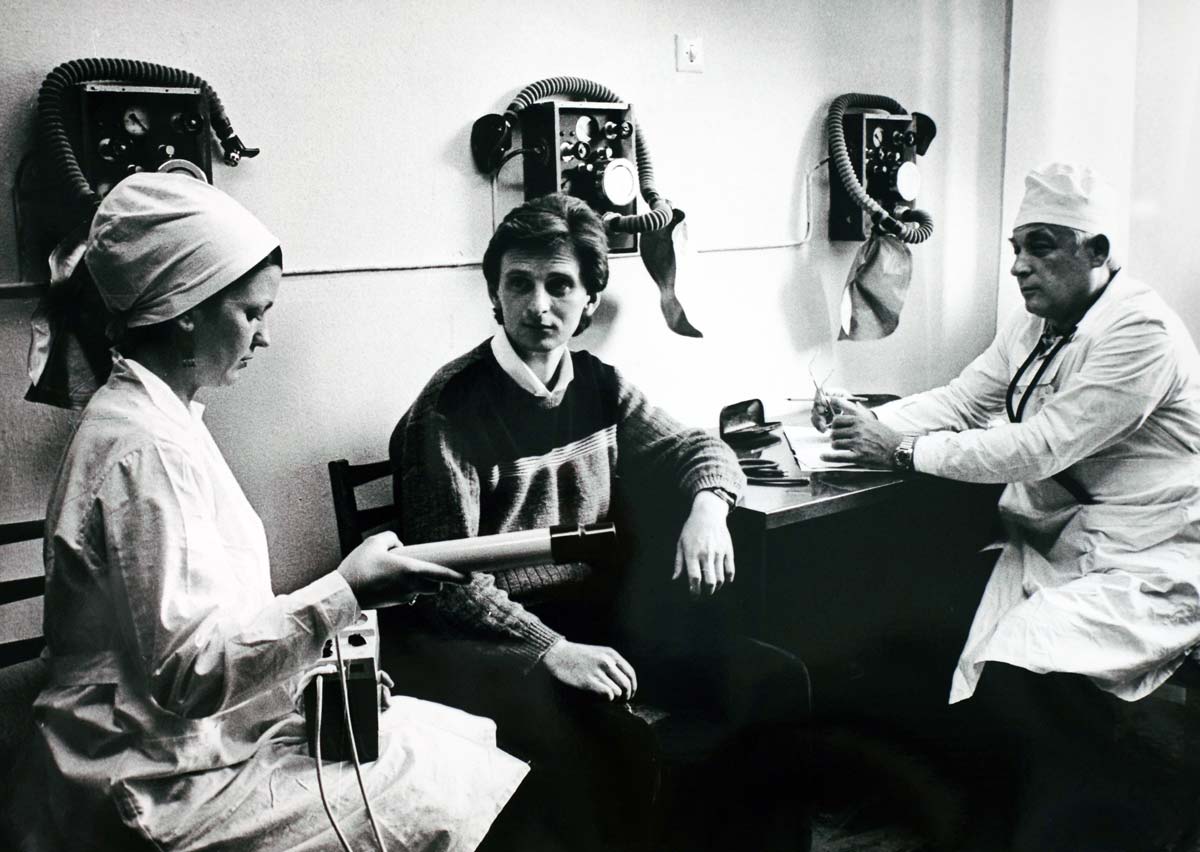
In 1990, the Supreme Soviet of the USSR officially acknowledged the profound ecological, social, and moral challenges posed by the Chernobyl disaster. In their pronouncement, the Supreme Soviet called for the drafting of a new law that would define the rights of the affected populations, regulate the exclusion zone, and formalize the government’s responsibility for the disaster. However, when the Soviet Union collapsed in 1991, it was left to the newly independent governments of Ukraine, Belarus, and Russia to provide social and economic support to the victims.
The governments of each nation drafted new laws that effectively fulfilled the Supreme Soviet’s promise. However, they were immediately criticized for their inadequacy. Issues were raised regarding discrepancies in radiation dose calculations and insufficient compensation for the disaster victims. Moreover, the laws did not account for the long-term medical and environmental consequences caused by the radioactive fallout.
Alla Yaroshinskaya Begins Her Research
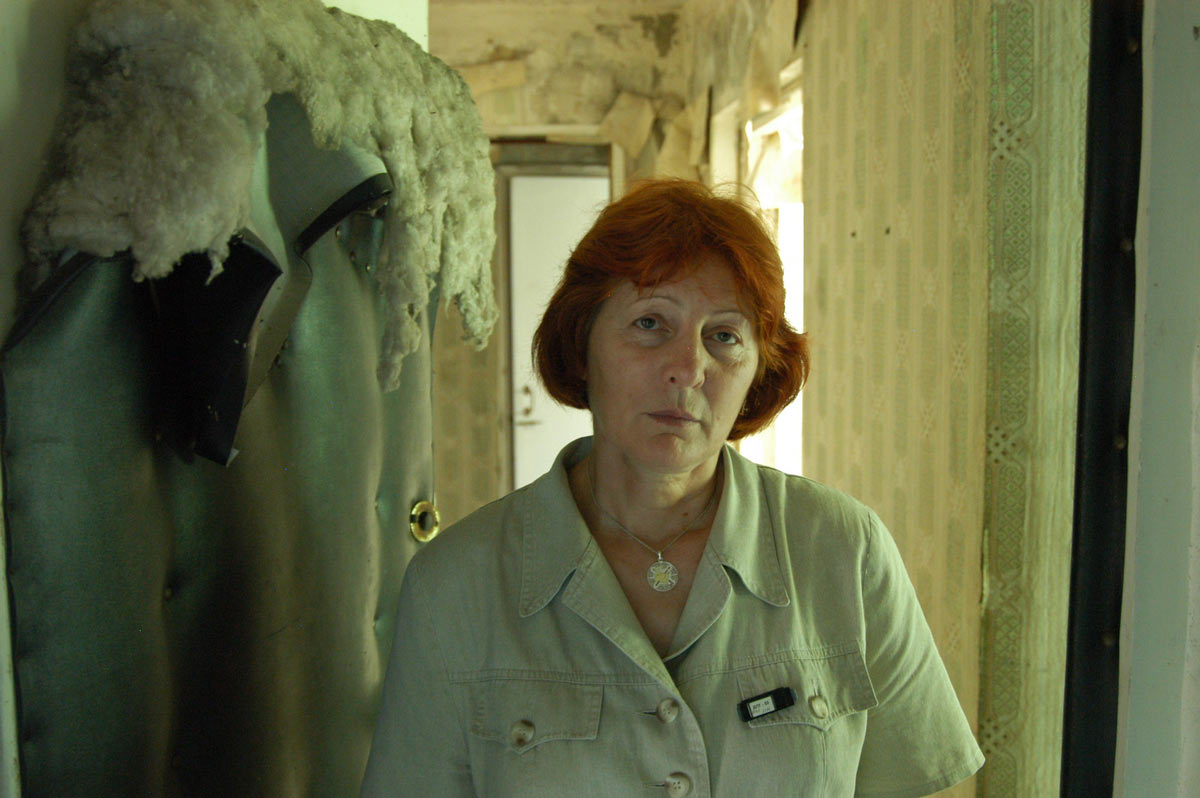
Alla Yaroshinskaya is a Ukrainian-Russian journalist, politician, and human rights activist. During her student years at the National University of Kyiv, she was a known political dissident who was arrested by the KGB and forced to comply with Soviet norms. After Mikhail Gorbachev became leader of the Soviet Union, she founded a political club that supported his reforms of Perestroika and Glasnost.
After the Chernobyl nuclear disaster in 1986, Yaroshinskaya traveled secretly into contaminated areas as part of her work for the Samizdat newspaper Stenogramma. While visiting these areas, she met refugees from contaminated villages who had been relocated to places that were not safe for human habitation. She also discovered that the only food available to these refugees was highly irradiated. Her initial reports were suppressed by Soviet censors and only found an audience through the Samizdat underground publishing networks.
In 1989, Yaroshinskaya ran in the Soviet parliamentary elections. Despite an intense smear campaign against her by Soviet hardliners, she won with ninety percent of the vote. As a newly elected member of Gorbachev’s parliament, Yaroshinskaya continued her work investigating the consequences of the Chernobyl disaster. By 1990, Yaroshinskaya used her government connections to make copies of top-secret Kremlin documents that revealed the truth about the levels of contamination present in the areas surrounding Chernobyl.
The Forbidden Truth
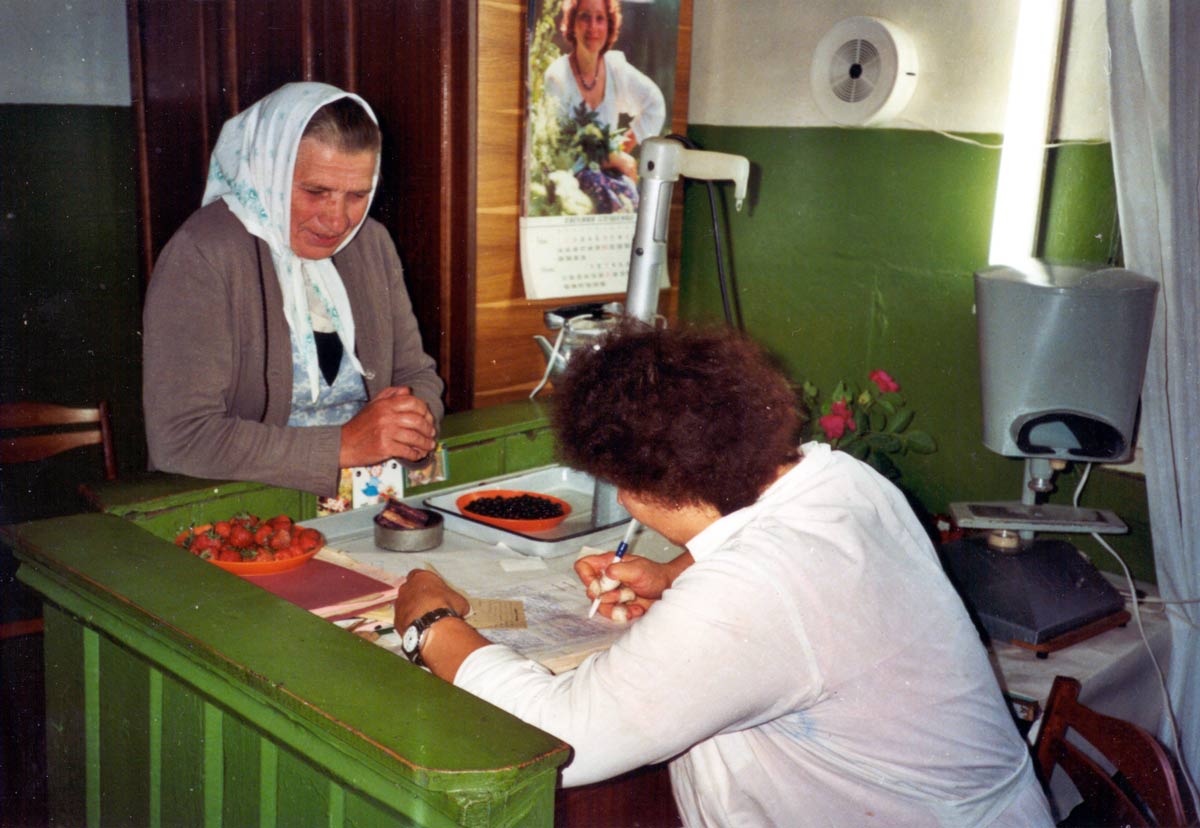
The documents discovered by Alla Yaroshinskaya revealed that by May 12, 1986, nearly ten thousand people had been hospitalized in the affected areas as a result of acute radiation exposure. Official reports had only disclosed that a handful of individuals had entered the hospital with symptoms of radiation exposure. The documents went on to reveal that to reduce the number of reported cases of radiation sickness, the Soviet government ordered that the levels of safe contamination be arbitrarily raised to remove these patients from the official records.
One of the most striking revelations from these documents is that the Soviet government deliberately manipulated radiation safety standards to downplay the effects of the Chernobyl disaster. Shockingly, in the days following the reactor meltdown, the acceptable radiation dose was increased to fifty times higher than what was previously in place. This drastic change allowed Soviet doctors to justify discharging thousands of patients who had been hospitalized due to symptoms caused by acute radiation syndrome.
This deliberate manipulation of the radiation standards had profound consequences for the people of the Soviet Union. A large number of individuals who were declared to be healthy under the new standards continued to suffer from the long-term health effects of radiation exposure. These included cancer and genetic disorders. Moreover, as they were not officially recorded as victims of radiation sickness, these individuals were not eligible for government assistance.
Impacts of the Secret Protocols
The documents discovered by Yaroshinskaya also revealed that the Kremlin had instructed agricultural producers to conceal the true contamination within their meat and milk. One protocol called on farmers to simply wash their cows with water before slaughtering them, and if meat was particularly contaminated, it was to be mixed with uncontaminated meat to reduce the overall level of radioactivity. According to the secret protocols revealed by Yaroshinskaya, approximately 7.5 thousand tonnes of contaminated meat and 2 million tonnes of contaminated milk were produced between the years 1986 and 1989.
Once the realities of government negligence came to light, the Chernobyl disaster became a significant turning point in the relationship between ordinary Soviet citizens and their leaders. Before Chernobyl, people broadly supported the regime. They accepted its flaws and looked forward to a future within the Soviet system. However, after Chernobyl exposed to the public how broken the system was, many became aware that such a system posed a direct threat to their well-being and that a future under such a system was not possible. While Glasnost may have brought the worst of Stalin’s crimes to light, for many, these events felt distant from everyday life. In contrast, Chernobyl made the safety of every individual a personal concern.