
For the USSR, the Soviet space program was largely a source of national pride, boasting achievements such as the first artificial satellite, Sputnik, and the first human in space, Yuri Gagarin. However, these historical milestones were interspersed with catastrophic errors, technical malfunctions, and devastating rocket explosions.
1. The R-16 Rocket Explosion That Claimed Hundreds of Lives
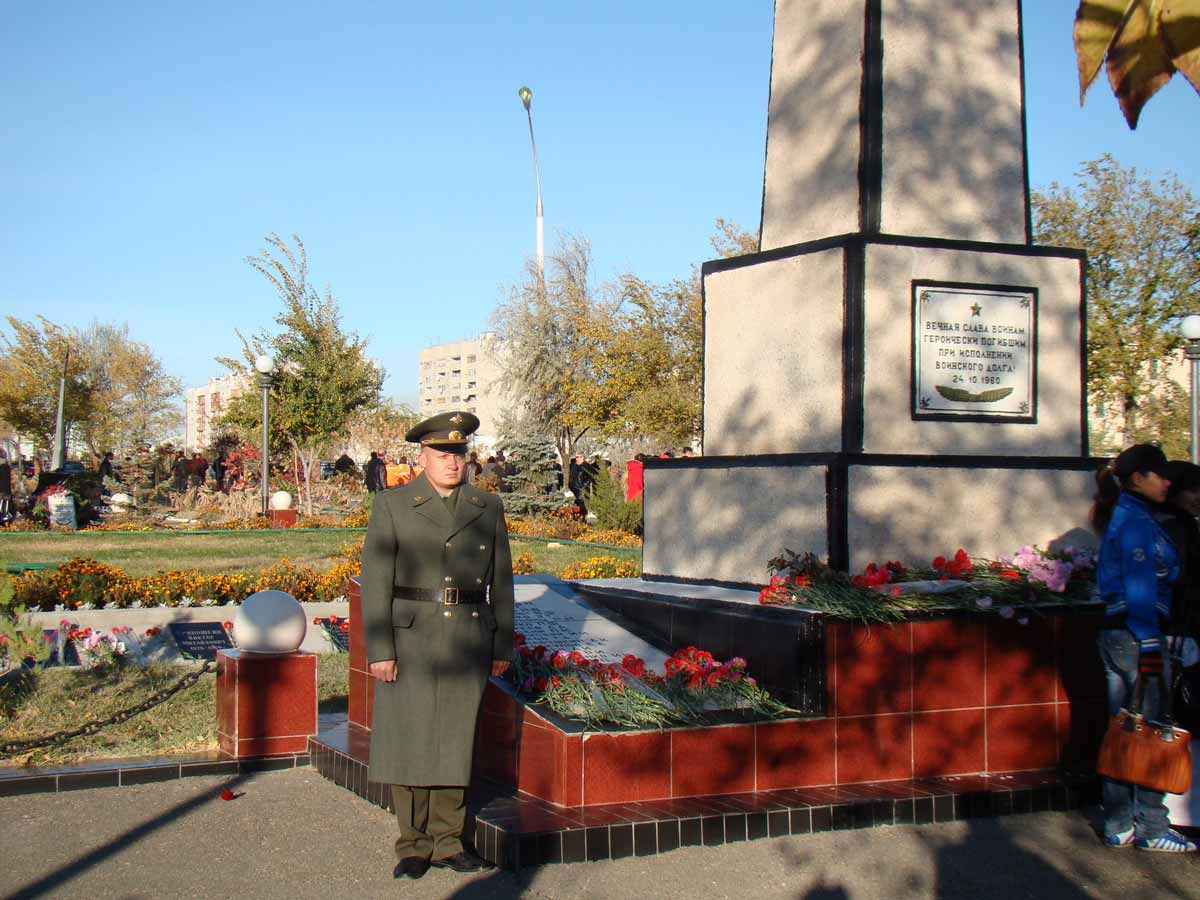
In the early years of the space race, the USSR strove to construct more powerful rockets that could not only send people into space but also launch a lethal nuclear payload into orbit. The R-16 intercontinental ballistic missile was a colossal device designed for military applications but was also closely associated with the Soviet space program. One of the most costly failures of the USSR’s space program occurred on October 24, 1960, when a test version of the R-16 rocket exploded on the launch pad at Baikonur Cosmodrome during a pre-flight test.
Despite growing concerns among those involved in the test that technical issues were being ignored, Marshal Mitrofan Nedelin, the chief director of the R-16 test, accelerated the schedule and disregarded safety warnings. When the test began, the second stage of the R-16 rocket caught fire. This led to a huge fireball that engulfed the test center and killed approximately 150 engineers, technicians, and military personnel. The Soviet government covered up the initial tragedy for decades, and Nedelin himself perished in the blast. Despite government secrecy surrounding the incident the Soviet space program did re-evaluate safety measures during the following test flights to ensure the R-16 explosion was never repeated.
2. The Vostok 2 Incident: A Near-Fatal Catastrophe
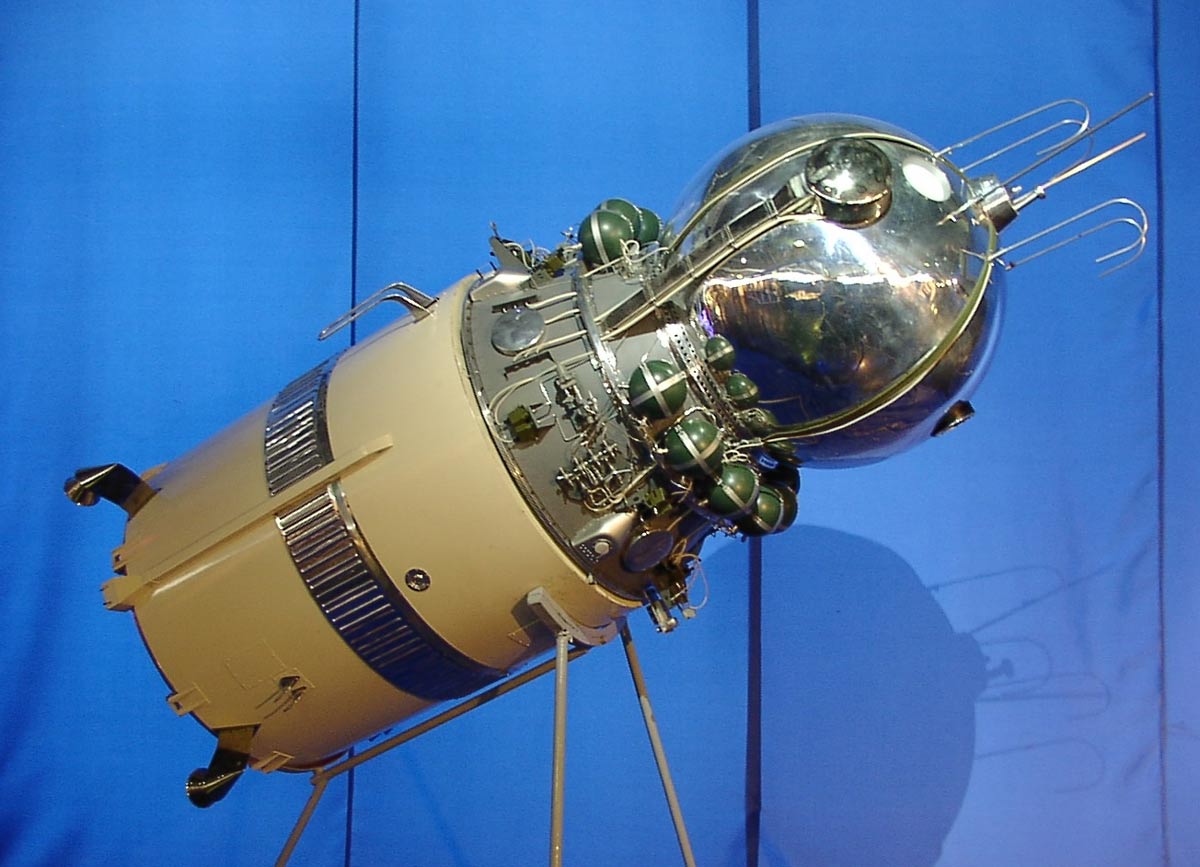
After the huge success of the Vostok 1 mission, which saw Yuri Gagarin become the first human in space, the Soviet Union sought to follow up on this achievement quickly. The historic Vostok 2 mission was planned to launch just a few months later. It would have seen cosmonaut Gherman Titov orbit the Earth for an entire day, which is considerably longer than Gagarin’s brief flight. However, Titov’s experience was far more uncomfortable than that of Vostok 1’s.
Almost immediately after Titov entered Earth’s orbit and experienced the free fall, he began to feel violently ill. Titov suffered from acute space sickness, a condition caused by zero gravity, and was unable to consume his allocated meals. After a brief rest, Titov’s condition improved slightly, and he was able to broadcast part of his mission to the USSR. The ill-fated Vostok 2 mission almost ended in disaster when the reentry module failed to detach from the service module, and both spacecraft began to enter Earth’s atmosphere. The two modules shook violently upon reentry until the intense heat of the aerodynamic friction caused the straps holding the two modules together to burn up. Titov was ejected from the module and parachuted to safety but suffered a broken nose, among other minor injuries.
3. Soyuz 1: Vladimir Komarov’s Fatal Mission
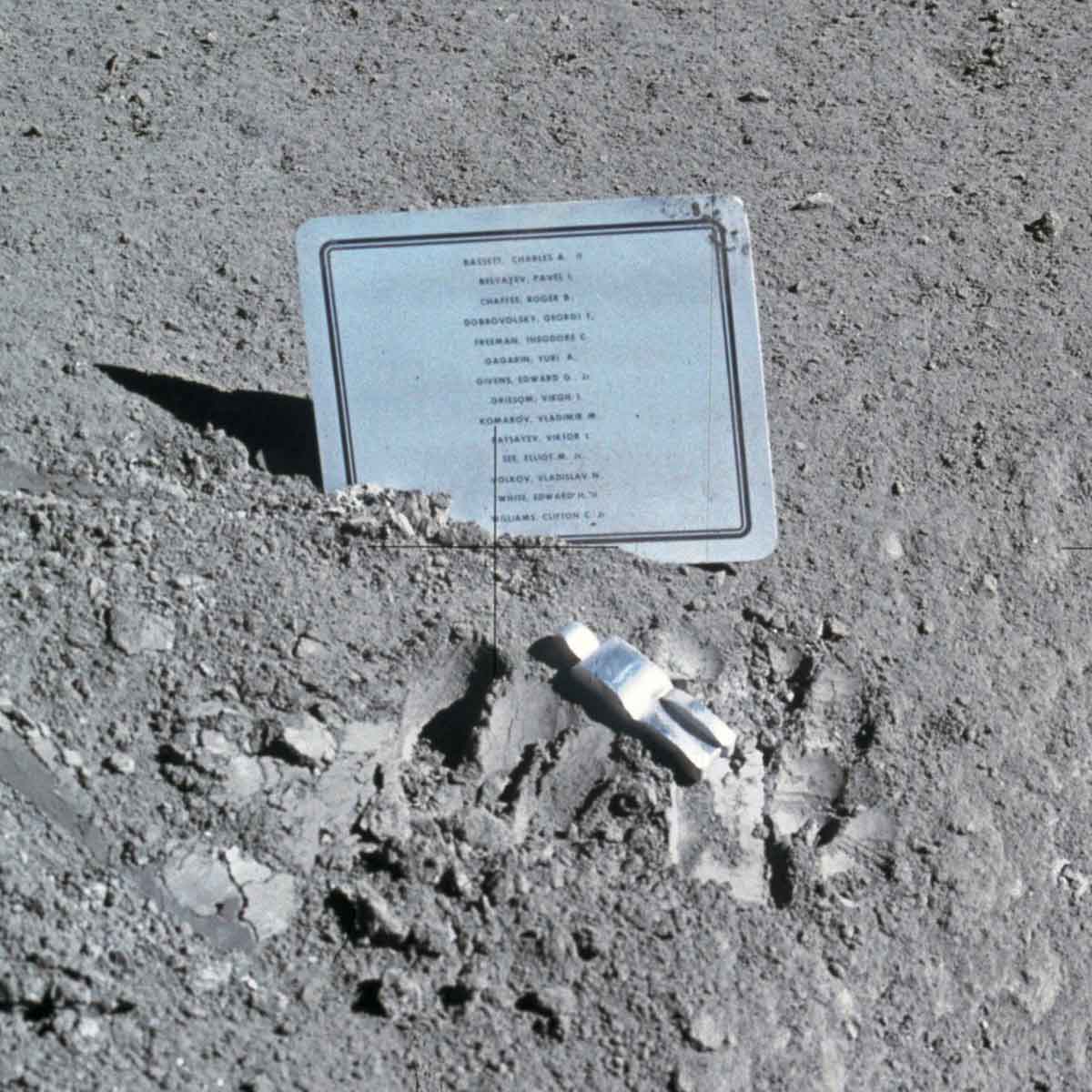
The revolutionary Soyuz 1 spacecraft launched on April 23, 1967, intended to usher in a new era of Soviet space exploration. However, the mission ended in tragedy. Despite several unresolved technical difficulties leading up to the launch, veteran cosmonaut Vladimir Komarov was assigned to pilot Soyuz 1. Problems plagued the mission shortly after it launched, as a faulty solar panel mechanism meant that most of the spacecraft was underpowered and unable to perform basic functions in orbit.
After Komarov reported the numerous technical difficulties that he experienced on board the Soyuz 1, Soviet mission control decided to abort the mission and ordered Komarov to begin the reentry procedure. Tragically, as Komarov began entering the Earth’s atmosphere, the main parachute designed to slow the descent became tangled in the secondary parachute, and the Soyuz 1 spacecraft fell to Earth almost entirely unimpeded. The capsule crash-landed just outside the city of Orenburg, where a rescue team found the burned remains of Komarov and the reentry module. He was given a state funeral, and his ashes were interred at the Kremlin Wall cemetery on Red Square.
4. Soyuz 11: The First Deaths in Orbit
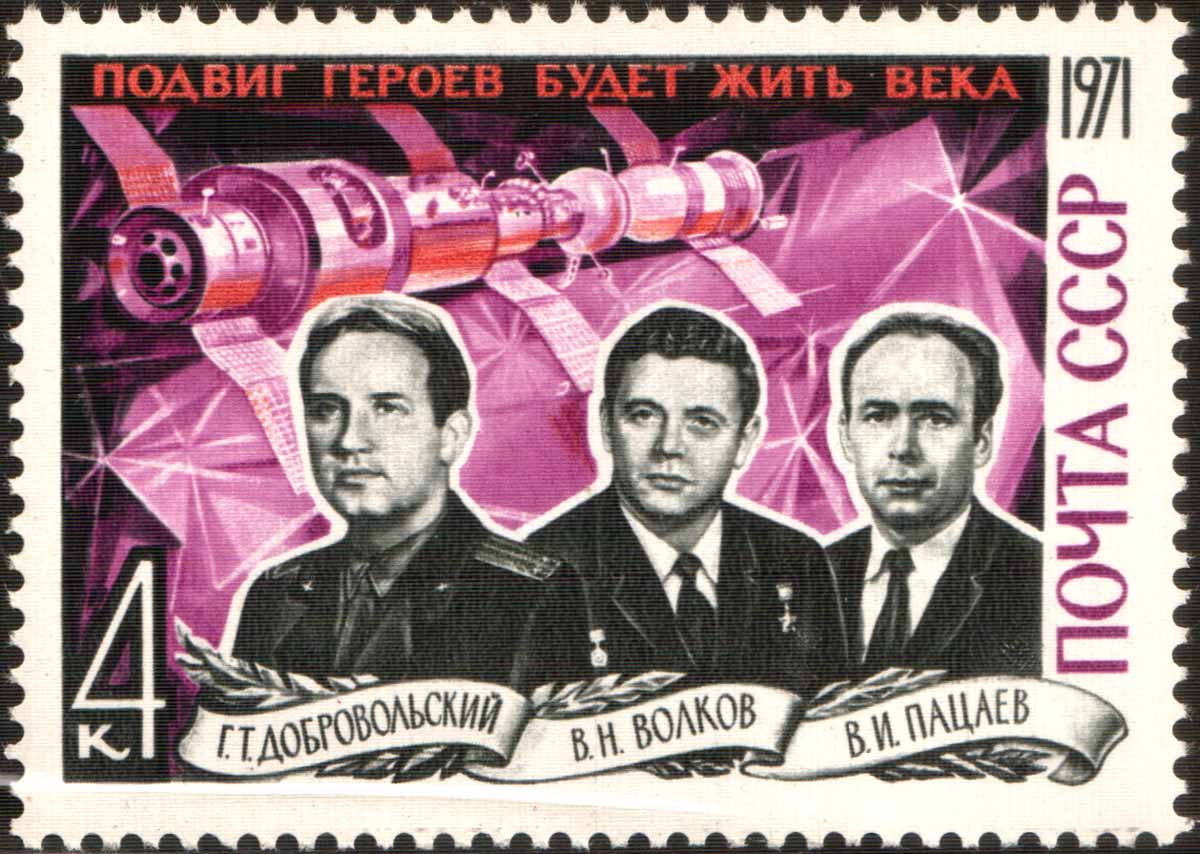
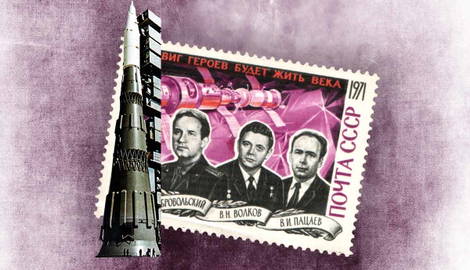
The Soyuz 11 mission began as a historic moment in the history of space travel. The spacecraft had successfully entered Earth’s orbit and docked with the Salyut 1 space station, the first manned outpost in space. The crew of the Soyuz 11, Georgi Dobrovolski, Viktor Patsayev, and Vladislav Volkov, had completed a 23-day stay at the station where they conducted various experiments on how the human body adapts to prolonged periods in space. However, on June 29, 1971, tragedy struck the three-man crew of the Soyuz 11 as they prepared to return home.
According to the mission logs, when the work compartment was jettisoned from the service module prior to reentry, all radio communications between the craft and the surface ceased. Because the Soyuz 11 spacecraft continued the reentry process without any apparent malfunction, the ground crew assumed the mission was proceeding as planned. The craft landed successfully in Karazhan in Kazakhstan, but there was no word from the crew on board. When the recovery team opened the crew module, they found all three cosmonauts deceased inside.
After an initial investigation, it became apparent that the men had asphyxiated inside the craft before re-entry. The cause was a loss of cabin pressure due to a faulty valve mechanism that had been opened after the explosive bolts separating the reentry module from the command module had fired simultaneously. After Soyuz 11, the valve system was completely redesigned, and all subsequent manned missions required cosmonauts to wear pressurized spacesuits during reentry in case of another depressurization incident.
5. Stranded in Siberia: The Voskhod 2 Incident
In many ways, the Voskhod 2 mission in March 1965 was a huge success. During the mission, cosmonaut Alexei Leonov performed the first spacewalk, a feat that stunned the world. However, the problems began soon afterward as Leonov struggled to return to the craft as his suit had expanded considerably during the spacewalk. After trial and error, the crew of the Voskhod 2 managed to get Leonov into the reentry module.
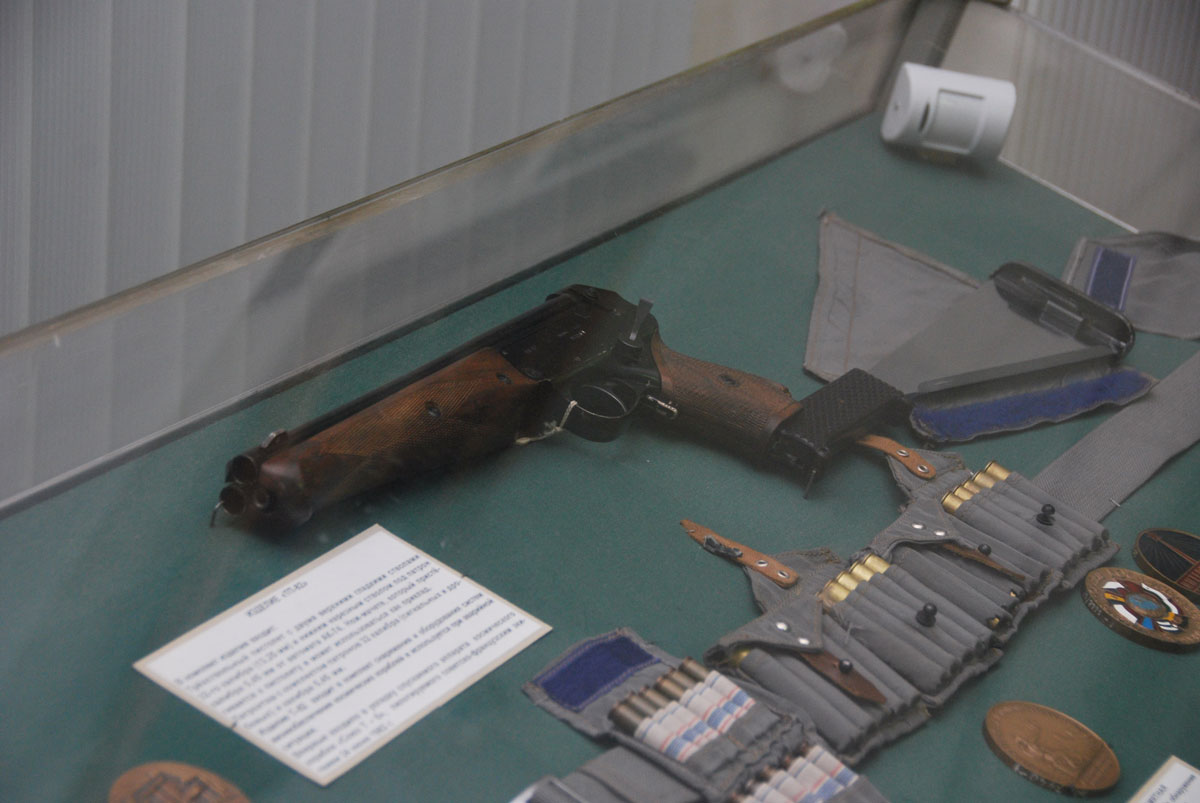
The problems didn’t end there. During the re-entry procedure, a navigational error caused the Voskhod 2 capsule to veer off course. This meant that the spacecraft landed in the Siberian wilderness, some 1,000 miles away from the intended landing site. While they were unharmed during reentry, Leonov and his crewmate, Pavel Belyayev, were forced to fend for themselves in the dense Siberian wilderness until rescue crew arrived two days later. The importance of emergency preparation was highlighted by this incident, and a new type of survival pistol was developed for Soviet space crews in case they found themselves in the Siberian wilderness.
6. The N-1 Rocket: The Failed Soviet Moonshot
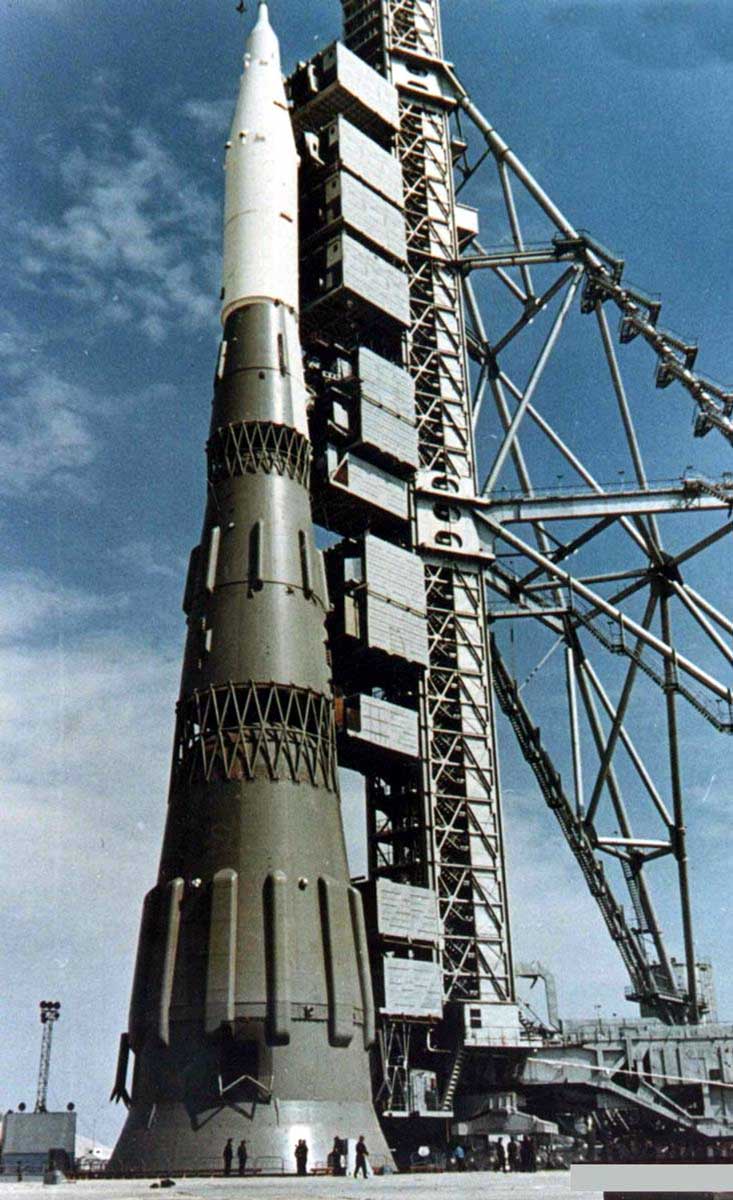
The Soviet Union’s response to NASA’s Saturn V rocket, the N-1, was designed to carry a crew of cosmonauts to the moon and back. The program was plagued by a number of disastrous setbacks, none more serious than the incident on July 3, 1969, which saw an explosion occur during a second test flight.
After initially lifting off from the launchpad, a pump malfunction onboard one of the rocket’s engines caused an automatic shutdown just a few seconds after launch. The entire vehicle loaded with 2,000 tons of rocket fuel exploded as it crashed down onto the launchpad. The explosion was so severe that it crippled the Soviet lunar program and severely damaged the launch site. Several years later, the N-1 program was discontinued following a number of unsuccessful launches, effectively ending the Soviet Union’s moonshot hopes. As a result, it was the Americans who got to the moon first.
7. The Mars 96 Probe
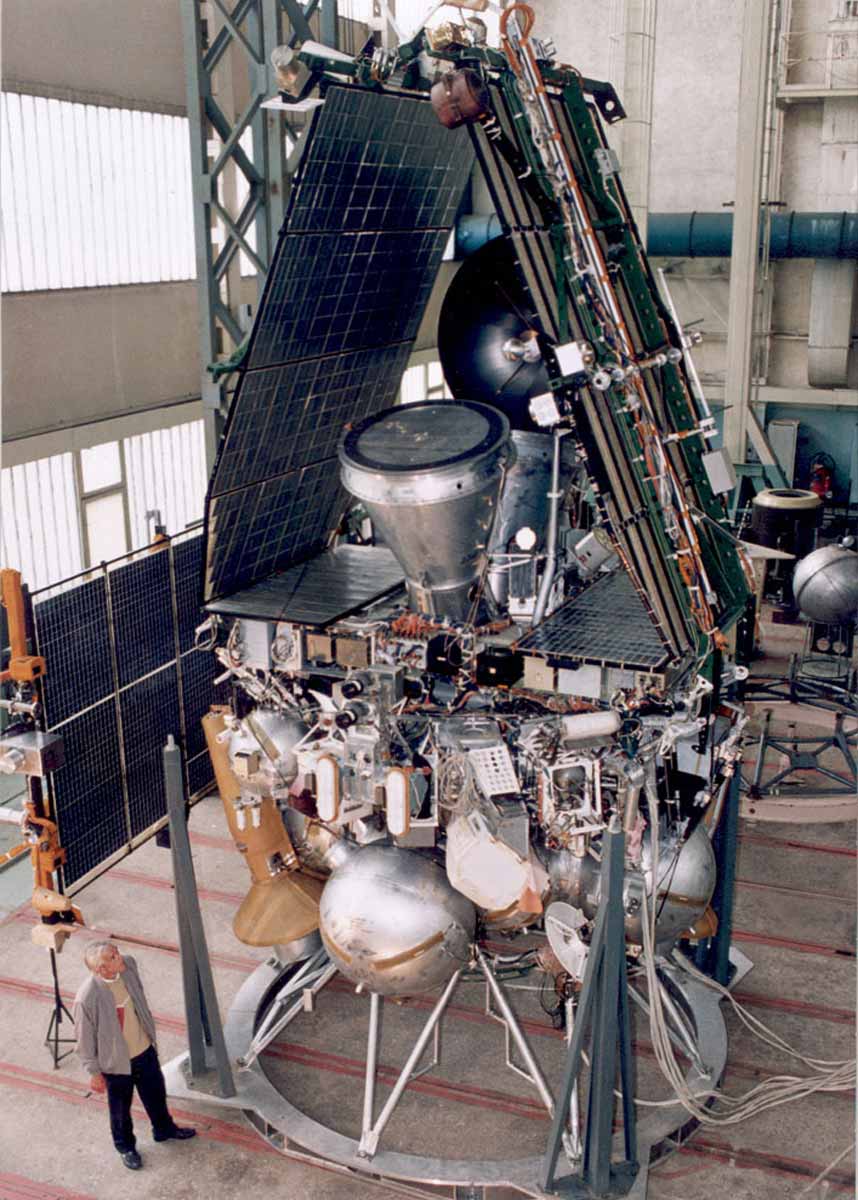
The Soviet Union’s many Mars missions were beset with failure, with the most disastrous being the Mars 96 probe. With the collapse of the Soviet Union, the Russian Federation sought to re-establish its dominance in space exploration by completing a number of ambitious missions in the 1990s.
Mars 96 was one such mission that sought to use cutting-edge scientific equipment to investigate the Martian surface and atmosphere. Launched on November 16, 1996, the probe’s booster state malfunctioned soon after launch, and it crash-landed in the Pacific Ocean shortly afterward. Due to increasing political and economic pressures, this was one of the last significant attempts Russia made to launch a Martian probe.
8. The Phobos-Grunt Mission
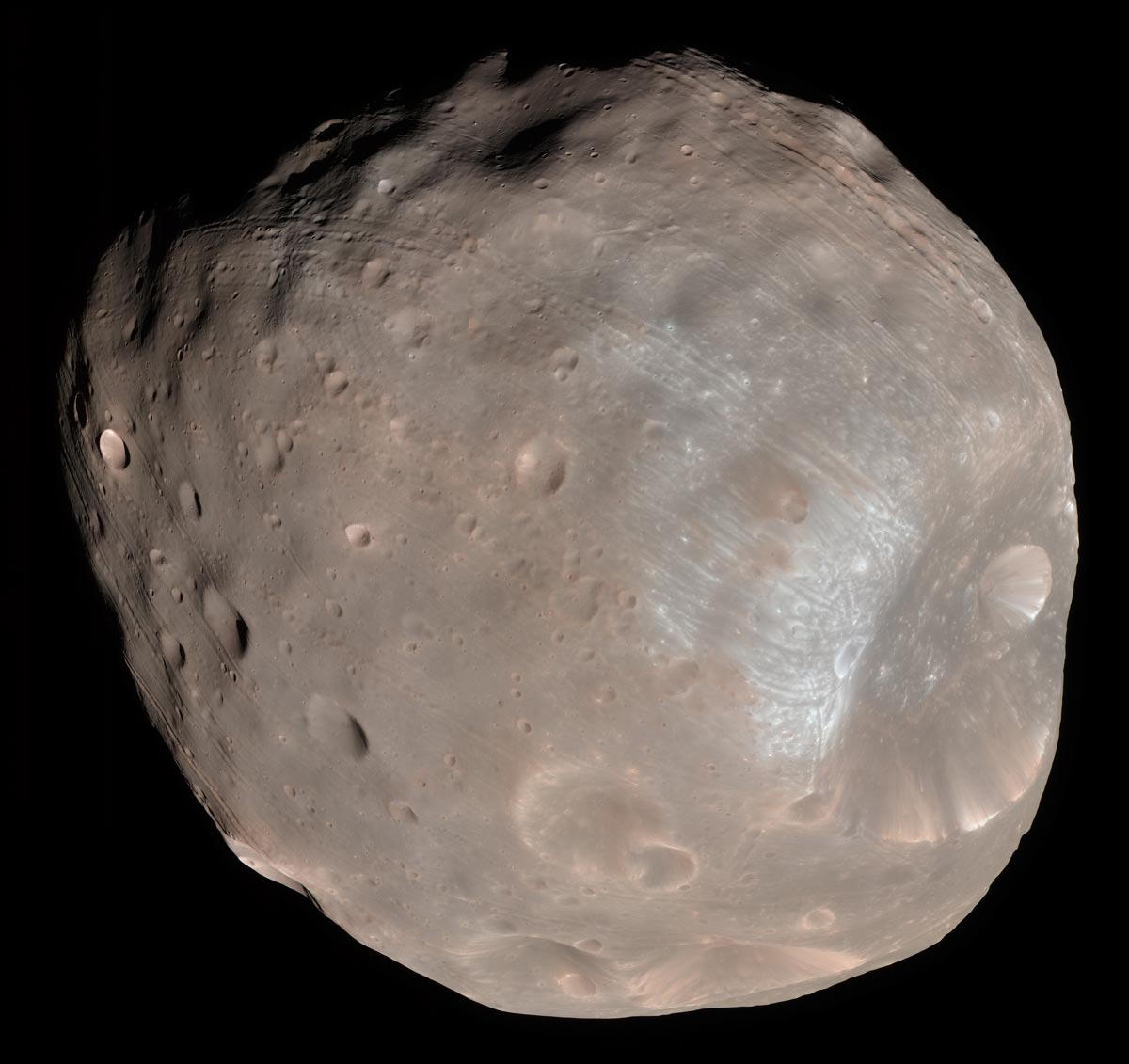
Several years after the failed Mars 96 probe mission, Russia launched the Phobos-Grunt spacecraft in 2011 with the ambitious goal of collecting samples from Phobos, one of Mars’s moons. Initially, it was heralded as an ambitious mission that would signal the return of the Russian space program to its former glory.
However, in a similar fashion to the Mars 96 probe, the spacecraft propulsion system malfunctioned soon after launch, and it failed to exit Earth’s gravitational pull. After several unsuccessful attempts to save the mission, the spacecraft fell back to Earth and burned up in the atmosphere. A lack of quality control, a common problem during the post-Soviet era of Russian space exploration, was blamed for the Phobos-Grunt failure.