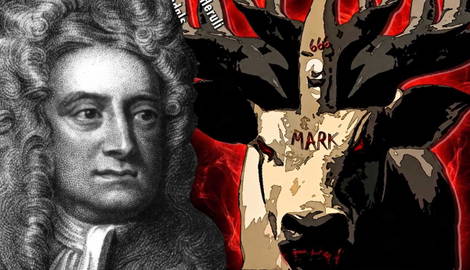

Sir Isaac Newton (1642–1726) is considered by many to be the greatest mind of the Scientific Revolution. In his private notes, Newton wrote mathematically what he thought the end times of the world order, or apostate Church, as it existed at the time, would look like. Instead of studying astronomic data to calculate this, he spent a lot of time on biblical scripture and alchemy in an attempt to work out when the corrupt church would fall, pointing to the calendar year 2060.
The Hidden Archives and Decades of Study
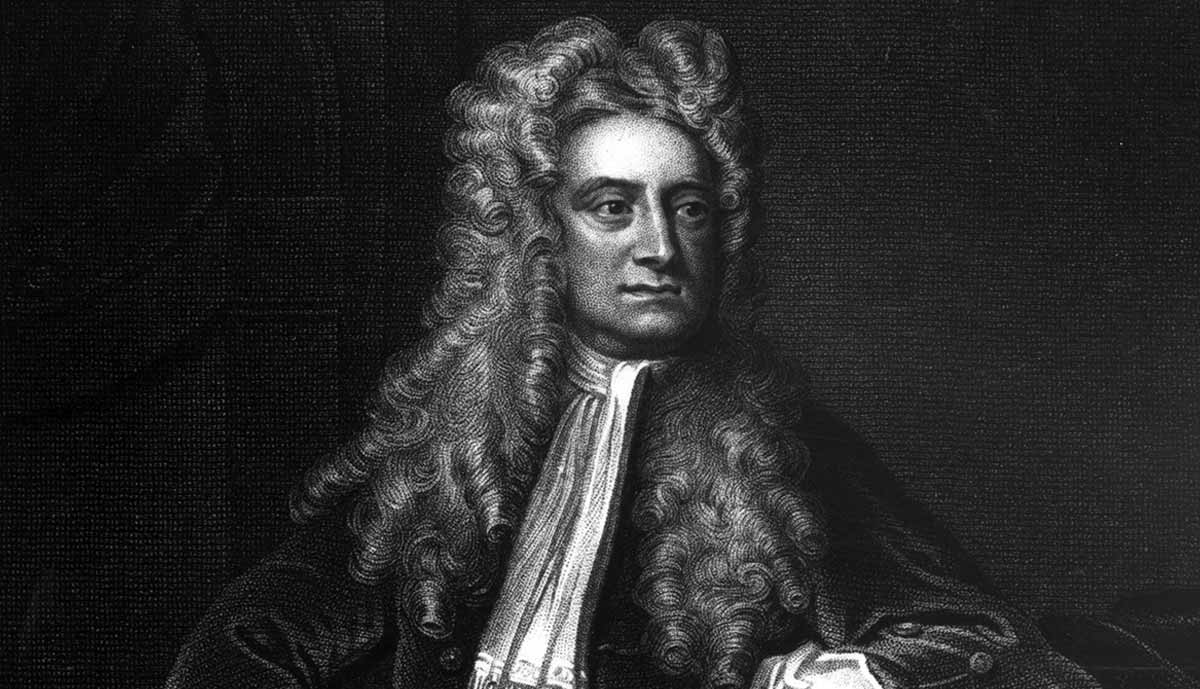
The idea that Isaac Newton, a devout rationalist and student of empirical science, believed he could calculate this future event seems strange at first glance. And that’s why Newton never published these findings during his lifetime. He kept them hidden because he feared being ridiculed or losing his job. His calculations first came to light when a collection of private papers was sold at an auction in 1936. A British economist named John Maynard Keynes, in turn, bought them from dealers who had purchased them at the event. The papers are now digitized and archived at King’s College, Cambridge, and the National Library of Israel, among other institutions.
Newton is believed to have spent decades studying and analyzing everything from alchemy recipes to the Book of Revelation, in an attempt to also unlock when Jesus would return to Earth. He became completely absorbed in secretly calculating the fall of the corrupt church.
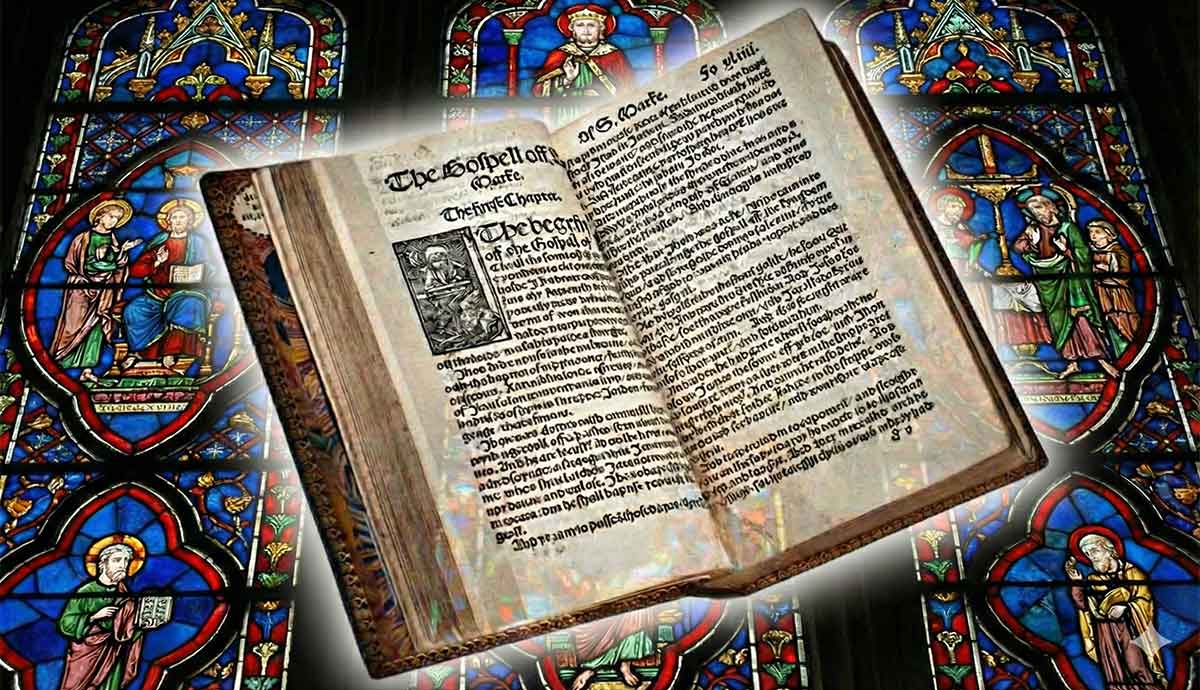
The papers were initially discovered in a portion of the archives that belonged to Newton’s family, before eventually being donated to various institutions. They represented the life’s work of a man who believed every part of the universe operated under a divine set of instructions, and that somewhere within the Bible was a formula for figuring out when the corrupt powers would end. Newton searched the Bible for these prophetic clues throughout his life, with the same intensity he used to calculate the effects of gravity.
The Mathematics of the Apocalypse
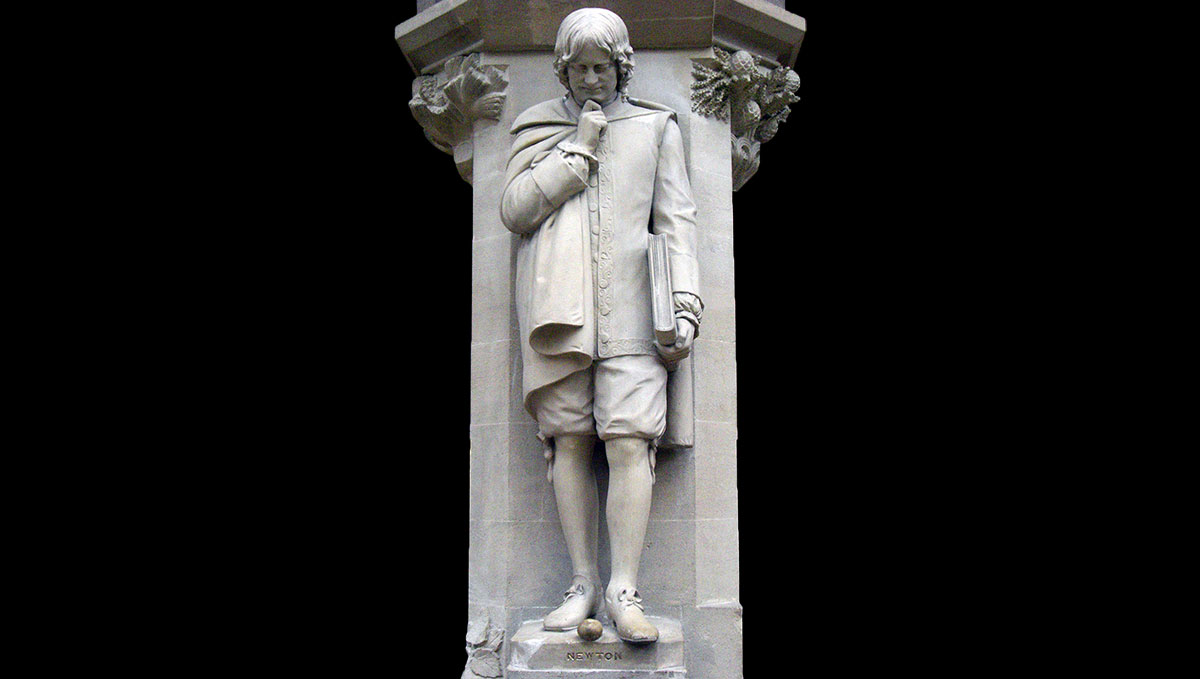
One of the timestamps which Newton took from the Book of Daniel was the cryptic phrase “time times and half a time.” The phrase refers to a period of suffering for the Jewish people. Newton believed it also pointed to a future time when the Christian church would be corrupted. Newton calculated this phrase to mean a period of 1260 days or roughly three and a half years. He used a popular method among 17th-century Bible scholars called the day-for-a-year principle. The principle assumed that one day in the text stood for one real year in history in prophecy.
He interpreted these 1260 days as 1260 literal years using the day-for-a-year principle. This way, he would arrive at his centuries-long deadline by setting the start date of this prophetic era to 800 AD, when both Charlemagne became Roman Emperor, and papal supremacy over world politics was solidified in Rome.
The Timeline of the Little Horn
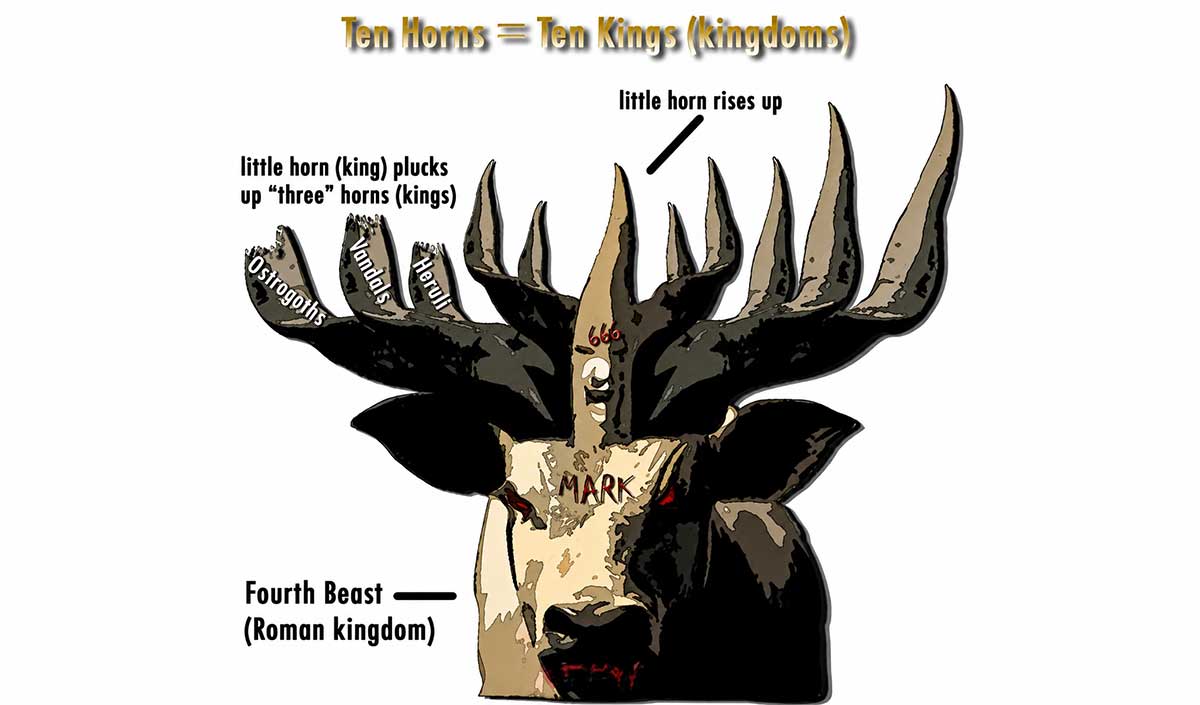
Newton also chose 800 AD as the starting point because he believed that was the year that the Pope’s political power became corrupt. He believed that the corruption was the Little Horn described in the Bible. According to Newton, the year 800 marked the beginning of the Little Horn of the papacy, and he believed that key parts of Christianity had become corrupt because of political power ever since.
Adding 1260 years to 800 equaled 2060, the result of his calculation. Newton wrote down this calculation around the year 1705, which is confirmed by the original manuscript. He did not mean that he thought the world would suddenly cease to exist in a fiery explosion when he referred to the end of the corrupt age.
A Vision of Global Renewal
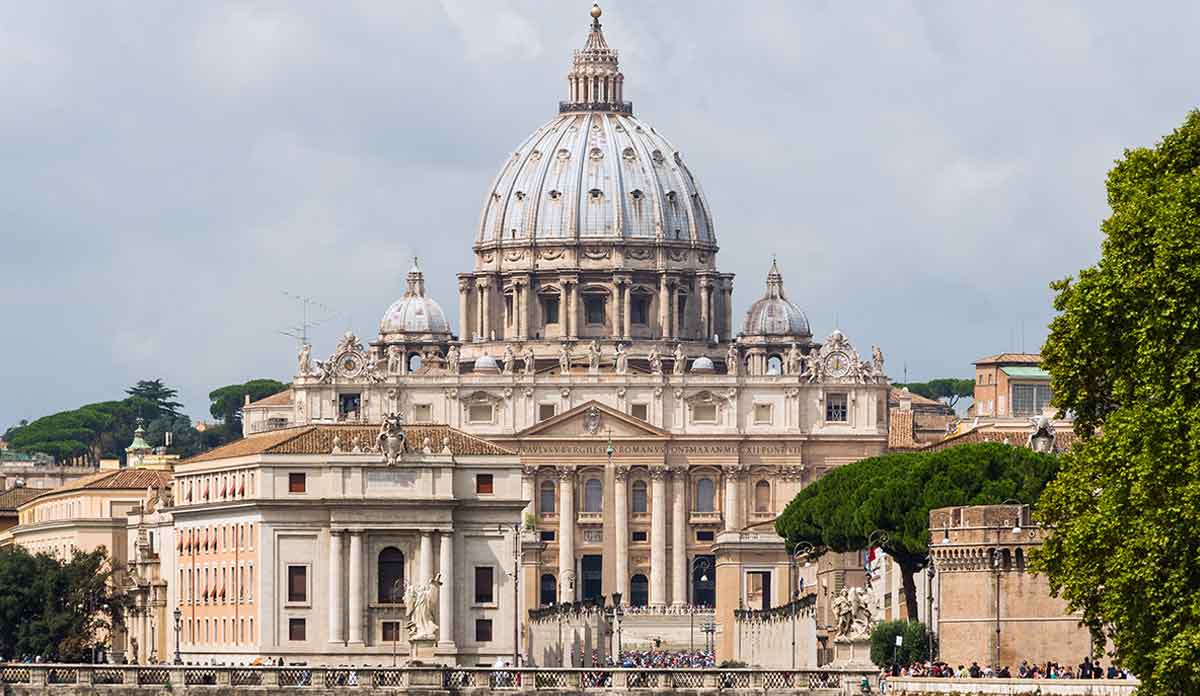
Newton believed that there would be a reset of worldly powers. He believed in a global removal of the corruption of the Catholic Church, a revelation of spiritual truths, and a return of Christ to usher in a new period of peace and prosperity. He believed that corrupt governments and false religious leaders would be removed and a new, peaceful 1000-year Kingdom of God would begin after the Battle of Armageddon. Newton stated that he knew the events were unlikely to begin before 2060. He saw no reason for them to begin sooner. He set 2060 as the earliest possible date. 2060 symbolized progress and renewal, not literal extinction.