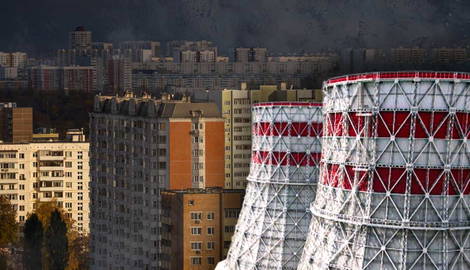

Amidst the secretive atmosphere of the Cold War, the Soviet Union closed off entire cities to the outside world. These settlements were hidden from maps and road signs and were largely inaccessible to outsiders. Closed cities in the USSR were home to centers of military, scientific, or industrial activity that were often tied to the Soviet nuclear weapons program. While many of these closed cities have been opened to the outside world, their history and purpose remain shrouded in mystery.
1. Arzamas-16 (Present-day Sarov)
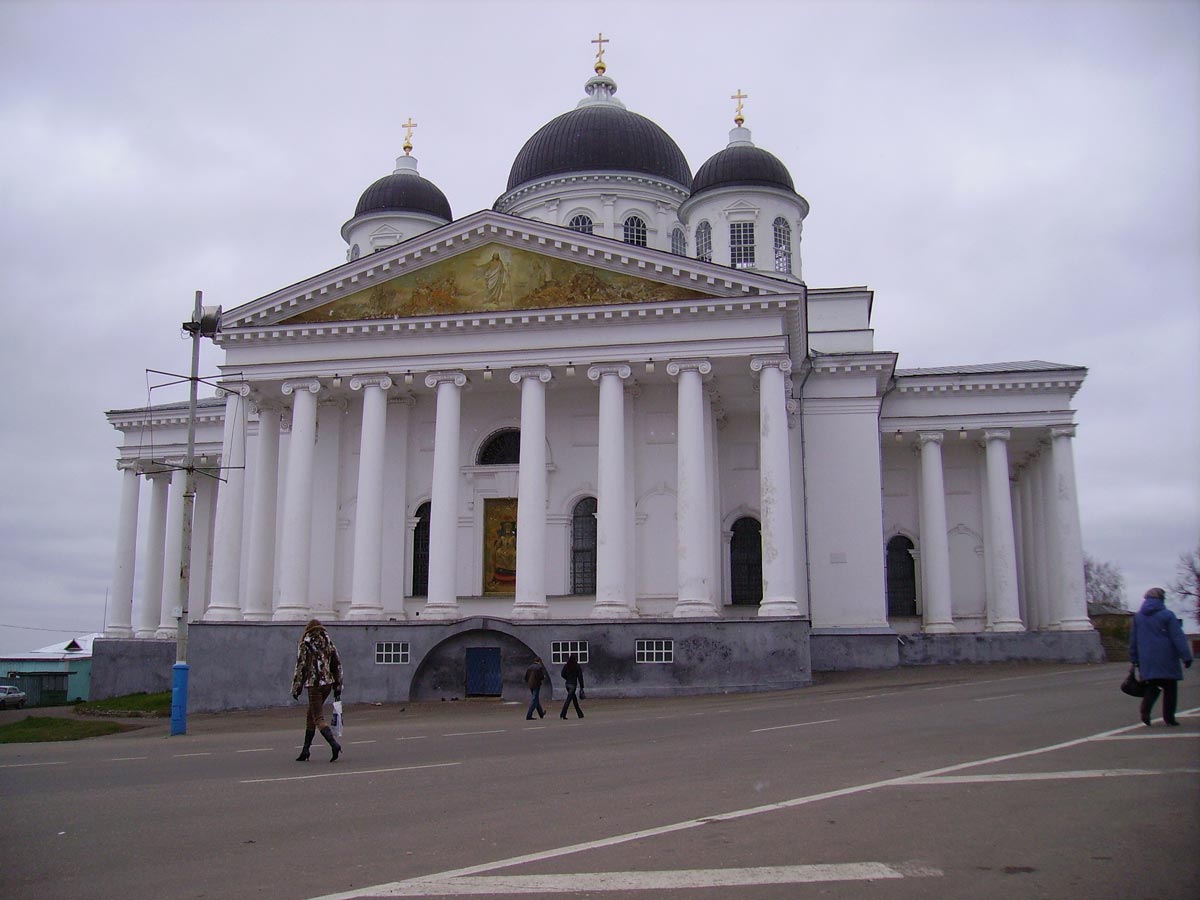
Arzamas-16, known today as the city of Sarov, was the Soviet Union’s primary nuclear weapons research center. As such, it was the USSR’s equivalent to Los Alamos in the United States. First established in 1946, the city played a critical role during the development of the Soviet Union’s first nuclear bomb, which was successfully built in 1949. Arzamas-16 is located in the Nizhny Novgorod Oblast and was completely sealed off from the outside world. To make sure that no outsiders got a glimpse of what was taking place inside the city, it was surrounded by barbed wire and heavily guarded by soldiers.
The legion of scientists and engineers who lived and worked in Arzamas-16 enjoyed a quality of life that was considerably better than those in the rest of the USSR. Despite its isolation, the city boasted modern comforts, frequent cultural events, and higher wages, which made it an attractive destination for anyone lucky enough to be granted access to live there.
After the collapse of the Soviet Union, Arzamas-16 was renamed Sarov by Boris Yeltsin in 1995. Today, the town of Sarov remains a closed city and is under the control of Russia’s state nuclear corporation, Rosatom. All visitors to the town require special permission, and their movements are closely monitored.
2. Krasnoyarsk-26 (Present-day Zheleznogorsk)
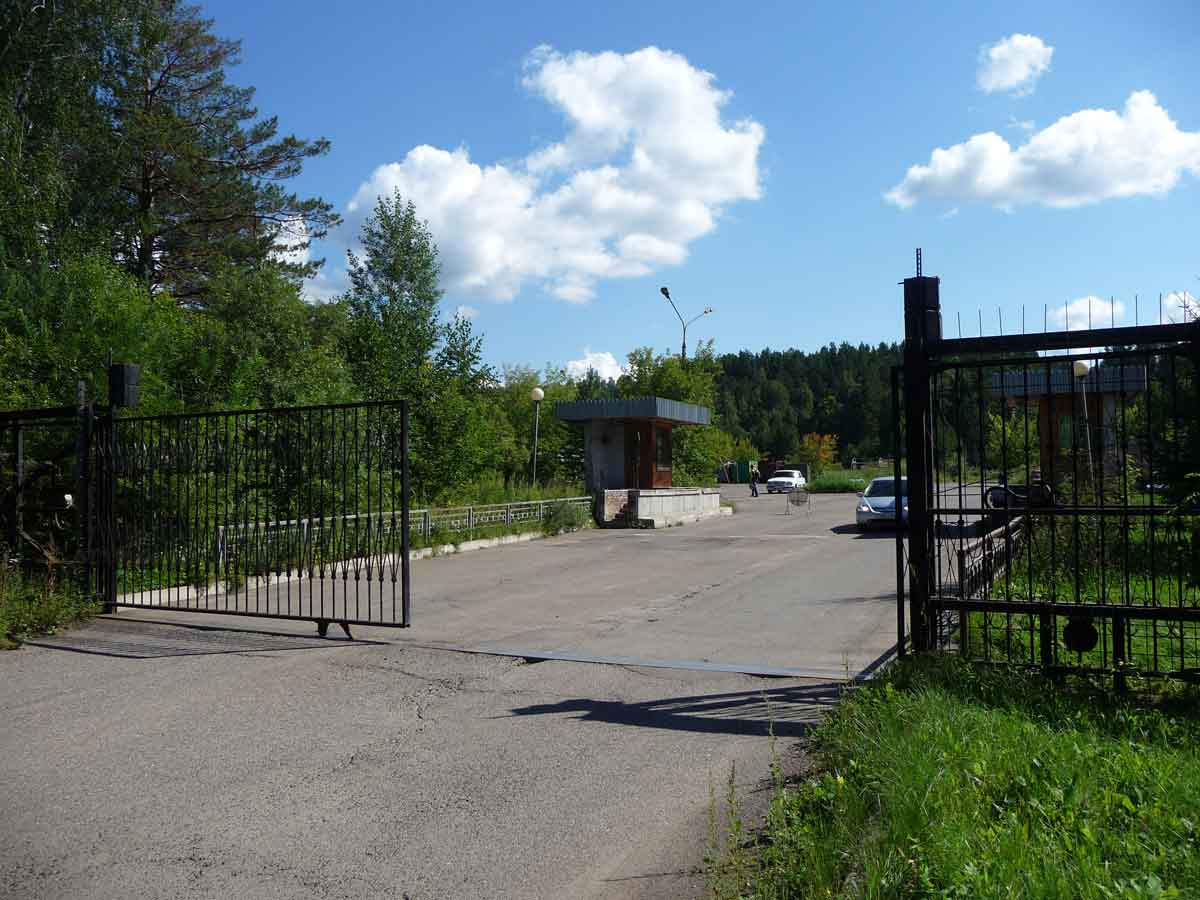
Krasnoyarsk-26, today known as Zheleznogorsk, was a closed city in the Soviet Union established in 1950 for the production of weapons-grade plutonium. Located in a remote Siberian forest region of Yenisei, the underground facilities of the city were kept hidden from aerial surveillance and potential enemy attacks. Built to produce the materials necessary to create the Soviet Union’s nuclear arsenal, the city was built around the Mining and Chemical Combine, which housed a number of nuclear reactors and reprocessing plants that were buried underground. For decades, these facilities produced the plutonium necessary to fuel the Cold War arms race.
While those living and working in Krasnoyarsk-26 were closely monitored, they enjoyed a quality of life that differed greatly from that of their Soviet comrades. While some towns in the USSR struggled to supply even the most basic goods to their residents, the shops and leisure facilities of Krasnoyarsk-26 were kept fully stocked. After the collapse of the Soviet Union, Krasnoyarsk-26 became Zheleznogorsk, a town that specialized in the treatment and storage of nuclear waste. However, it still remains a closed city, and no unauthorized access is allowed.
3. Molotovsk (Present-day Severodvinsk)
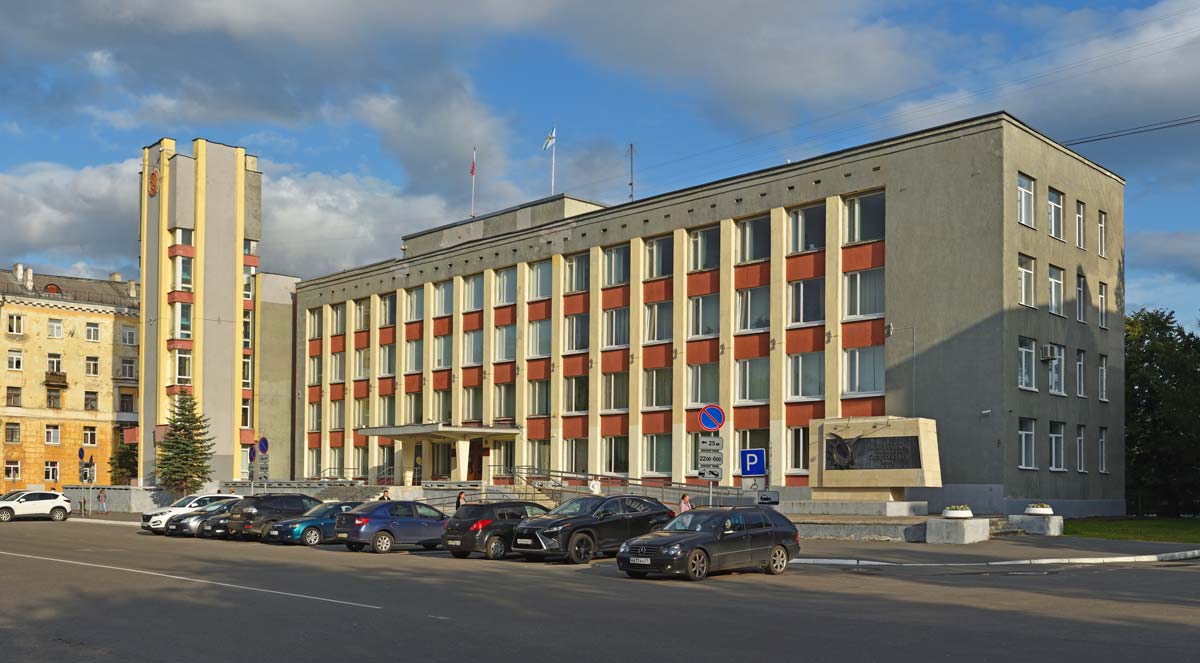
Molotovsk, known today as Severodvinsk, was a closed city that played an important role in the Soviet Navy. Established in 1938, Molotovsk was primarily home to the various construction facilities that built and maintained the fleet of Soviet nuclear submarines. As a result, the city became one of the most important hubs for the Soviet Navy and played a key role in the development of the USSR’s strategic submarine fleet during the Cold War arms race.
The shipyard at Molotovsk was the largest in the Soviet Union and was responsible for building nearly all of the USSR’s nuclear-powered submarines. Because of its sensitive facilities, the city was heavily guarded by the Red Army and kept off-limits to outsiders. Today, the city of Molotovsk, now known as Severodvinsk, remains largely closed to unauthorized individuals as it continues to play a vital role in the production and maintenance of the Russian Federation’s nuclear submarine fleet.
4. Chelyabinsk-40 (Present-day Ozyorsk)
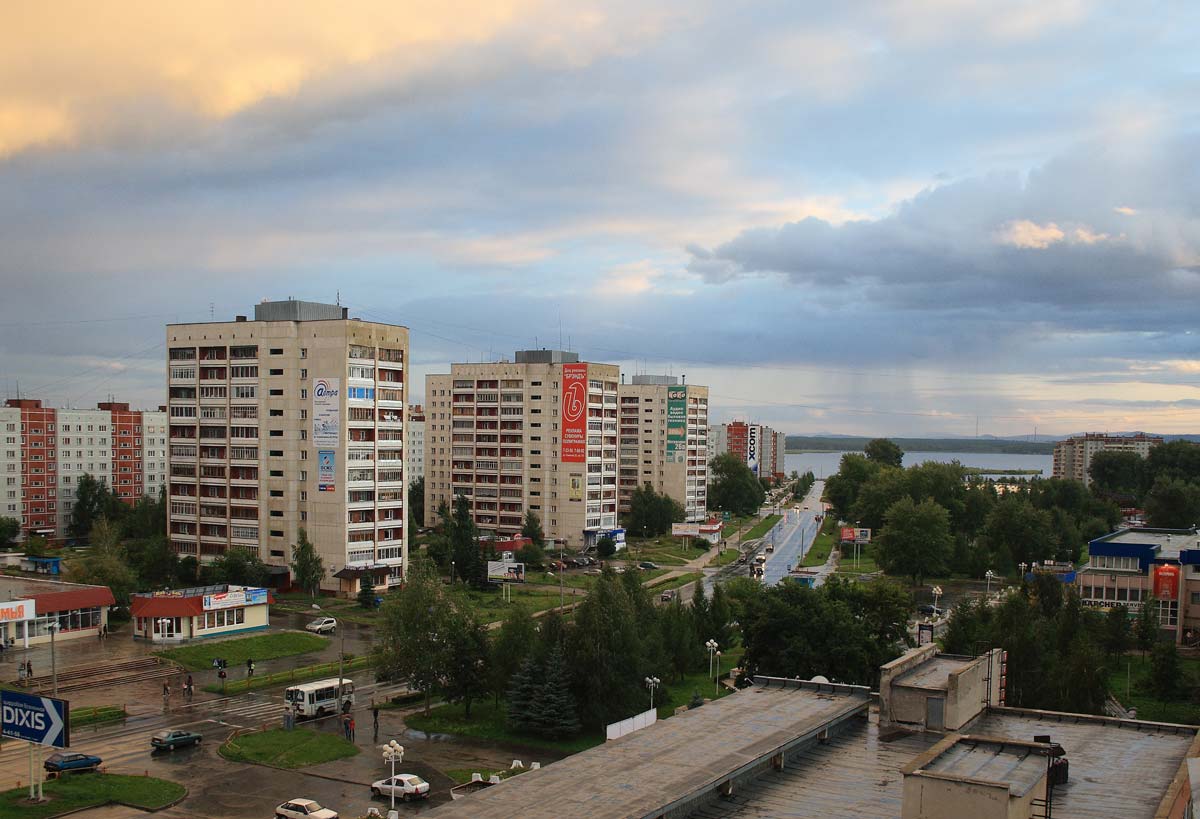
Chelyabinsk-40, known today as Ozyorsk, was one of the most notorious closed cities of the Soviet Union due to its role in the production of weapons-grade plutonium and its proximity to the Mayak Production Zone. Founded in 1945, the town of Ozyorsk was vital in the development of the Soviet Union’s first nuclear weapon. Notably, the town was also the site of one of the world’s worst nuclear incidents, the Kyshtym disaster of 1957.
The Kyshtym disaster took place in 1957 when a large blast rocked a nuclear waste storage area near the Mayak nuclear facility and released huge amounts of radioactive material into the surrounding area. While there remain conflicting reports surrounding the nature of the incident, the Soviet government has publicly admitted that the explosion was caused by a failure in the cooling system at a nearby open-air nuclear waste storage area. This resulted in a chemical explosion that was equal in size to several tons of conventional explosives. The fire was so severe that it produced a column of radioactive debris that spread high into the atmosphere and distributed radioactive fallout across an area of thousands of square kilometers. To cover up the incident, the Soviet government designated the most contaminated areas as a new nature reserve. Today, the area is known as the Eastern Ural Radioactive Trace region.
After the initial explosion, the immediate contamination affected local infrastructure, residential areas, agriculture, and all buildings in the nearby city of Ozyorsk. Notably, workers who were dispatched to the Mayak facility to put out the blaze unknowingly brought back radioactive material in their clothing and spread fallout across the entire city as they returned home.
5. Norilsk
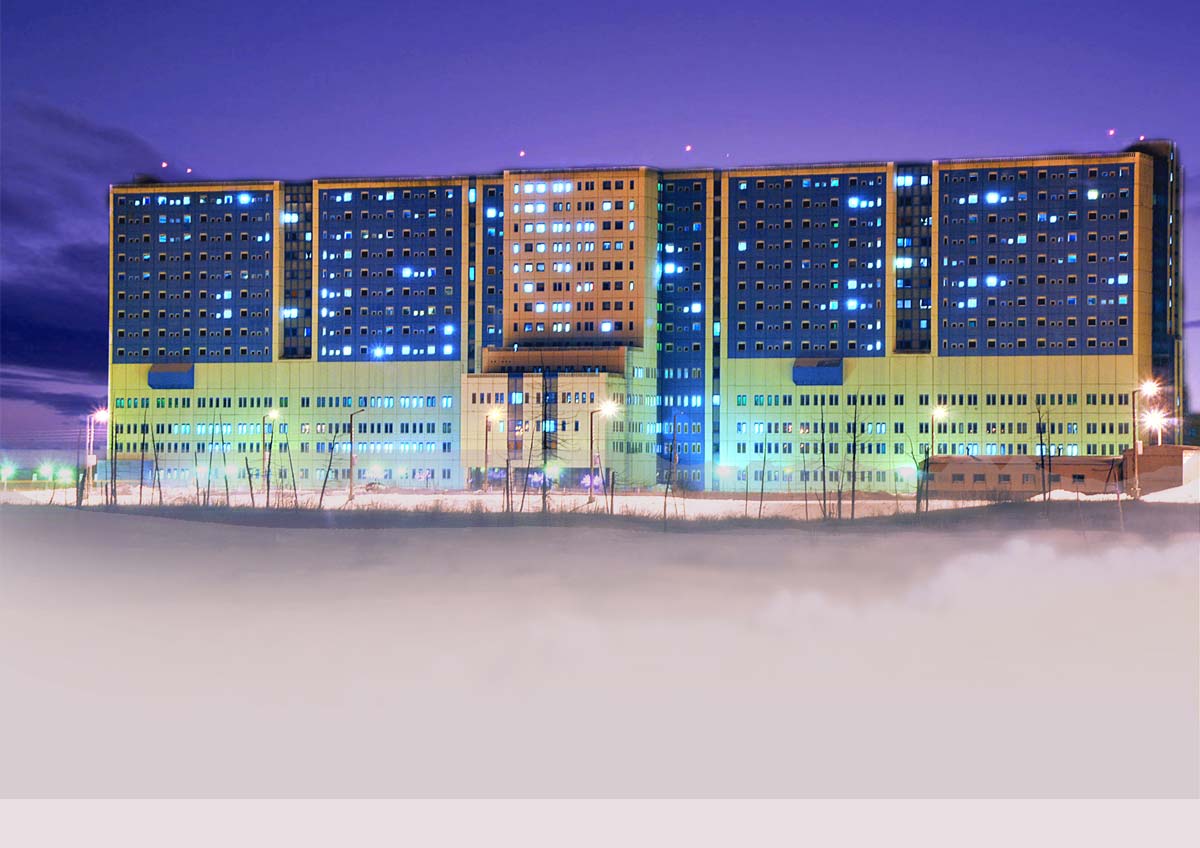
Norilsk, originally established as a Gulag labor camp during Stalin’s Great Purge, is a unique Soviet closed city in that it was primarily an industrial hub and not related to the Soviet nuclear weapons program. During the Soviet Union’s rush to rebuild after World War II, the vast mineral resources located in and around Norilsk made it a strategically important city.
Even after Stalin’s death, Norilsk remained largely closed off to the rest of the Soviet Union due to its industrial significance and strategic location. While the residents of Norilsk enjoyed modern amenities, the environmental impact of the decades of mineral mining has led to Norilsk becoming one of the most heavily polluted places on Earth. Today, Norilsk is no longer a closed city but access to the town is still highly restricted, and non-Russian residents are largely prohibited from entering.
6. Zvezdny Gorodok
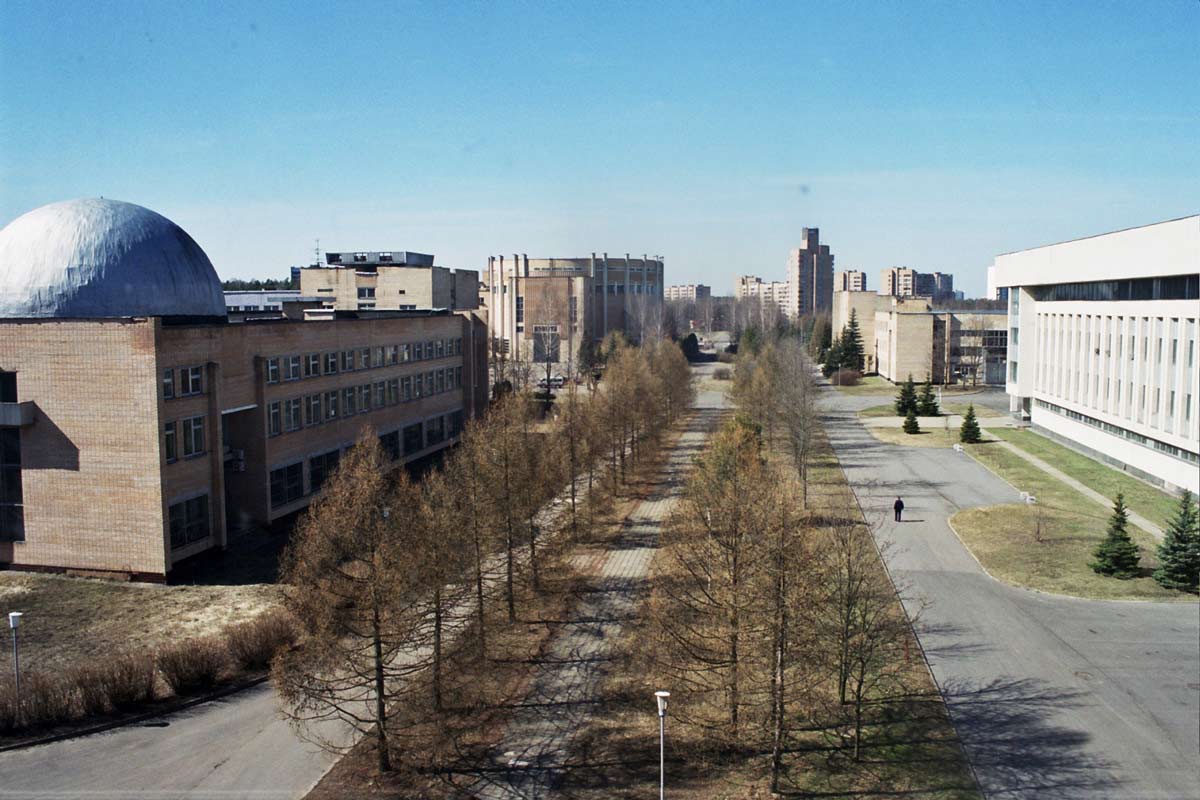
Zvezdny Gorodok, also known as Star City, is a unique closed city that served as the heart of the Soviet space program. Star City was established in the Moscow region in the 1960s as a base to train, house, and observe the cosmonauts and engineers who made the Soviet space program possible. Notably, Star City was the training ground that Yuri Gagarin used to prepare for his historic flight into space. Today, the Gagarin Cosmonaut Training Center remains one of the world’s most prestigious cosmonaut/astronaut training facilities.
During the height of the Cold War, the city was shrouded in secrecy, and its exact location was kept secret from the rest of the USSR. Today, Zvezdny Gorodok is no longer a closed city and even hosted contingents of NASA astronauts as they trained to fly on board a Russian Soyuz capsule to the International Space Station.
7. Pripyat
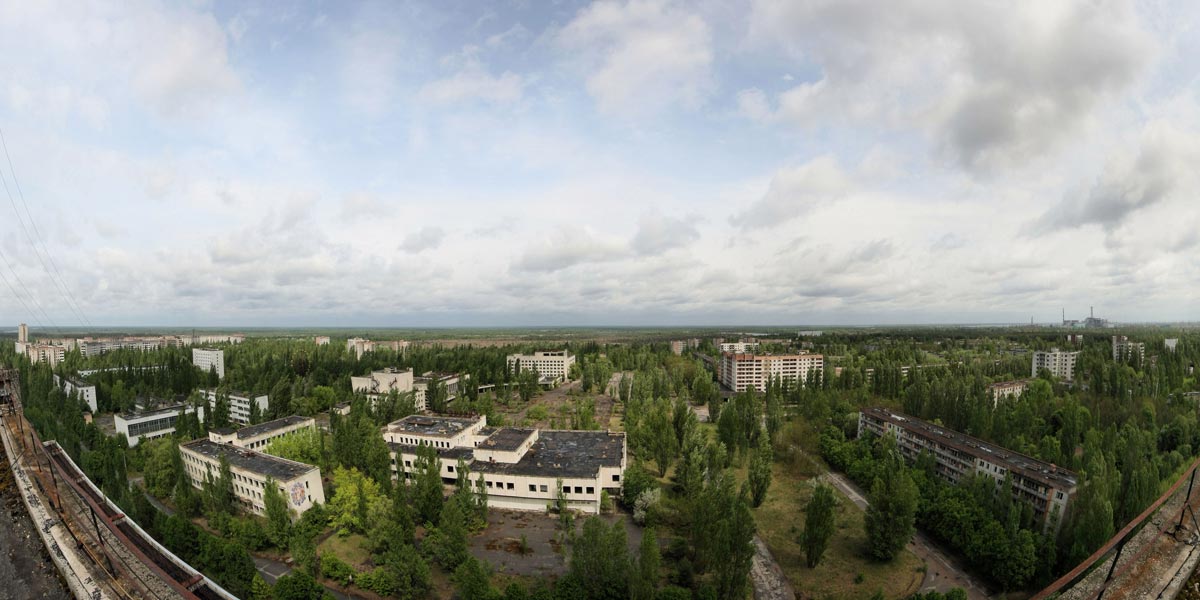
Pripyat is perhaps one of the most tragic closed cities in the history of the USSR. Originally established in 1970 to house the engineers and workers of the nearby Chernobyl Nuclear Power Plant, the city had a growing population of almost 50,000 people until April 26, 1986. On that day, reactor number 4 at the Chernobyl Nuclear Power Plant exploded during testing of the reactor’s safety mechanisms.
The explosion released huge quantities of radioactive material into the atmosphere that contaminated large areas of the Soviet Union. The contamination released by the explosion of reactor number 4 and the ensuing blaze was equivalent to approximately one hundred Hiroshima bombs. In response, the Soviet Union established an exclusion zone around the power plant, and Pripyat was permanently evacuated. Today Pripyat is a pseudo tourist attraction and an impromptu nature reserve, with the crumbling concrete tower blocks providing a permanent reminder about the dangers of radiation.
8. Chelyabinsk-70 (Present-day Troitsk)
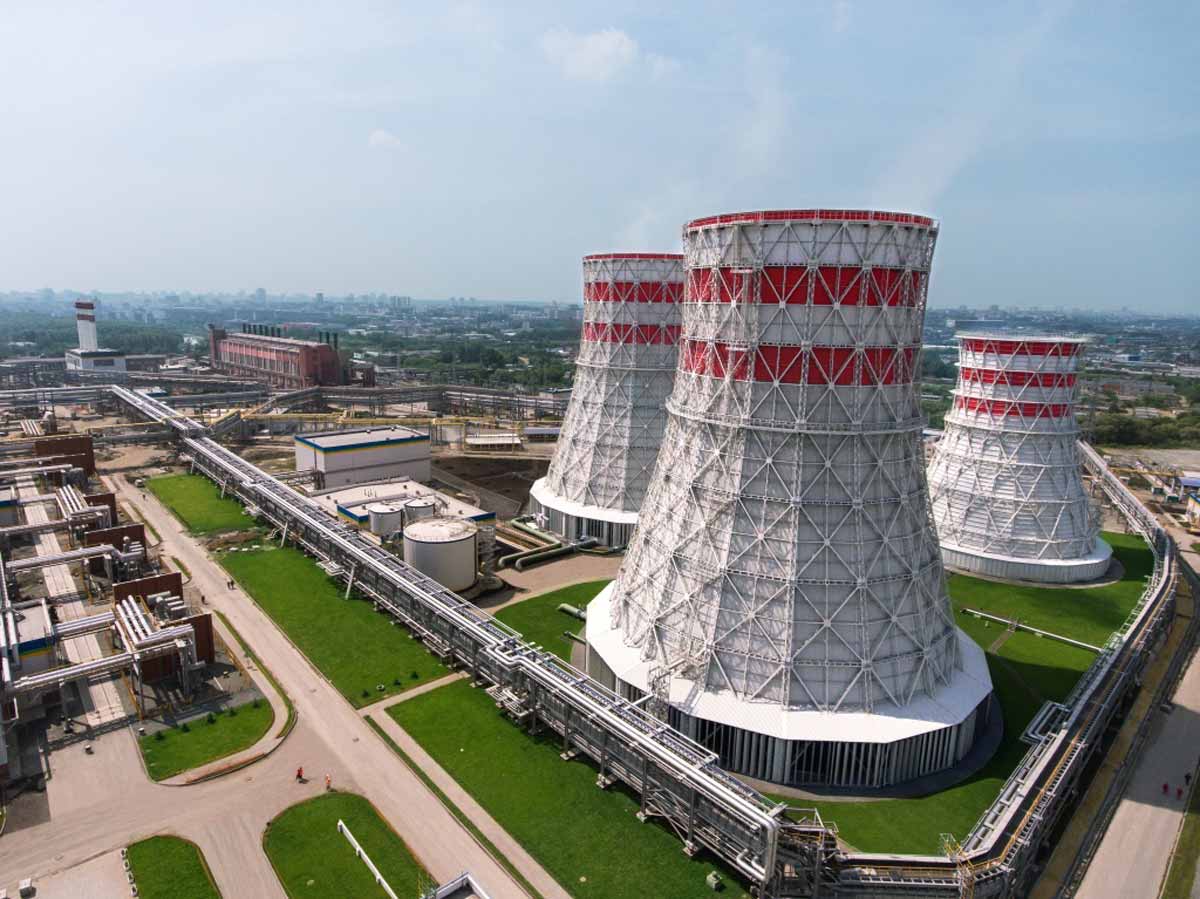
Chelyabinsk-70, known today as Troitsk, was a secret Soviet city established in the late 1940s as a part of the Soviet Union’s race to build a nuclear weapon. Located in the remote Siberian region of Chelyabinsk, the city served as a center for the design and manufacture of nuclear weapons in parallel to the closed city of Arzamas-16. The city attracted some of the Soviet Union’s most brilliant scientific minds.
The residents of the closed city worked in absolute secrecy on advanced nuclear technologies such as the hydrogen bomb. However, similar to many other closed cities, their tightly controlled environment afforded them higher living standards, modern housing, prestigious schools, and leisure facilities. Since the collapse of the Soviet Union, the city has been known as Troitsk. The area remains closed to the outside world and continues to play a role in research and development.