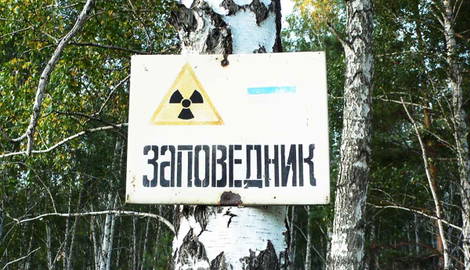

The Kyshtym disaster was one of the world’s most serious nuclear incidents. The accident occurred in 1957 at a secret Soviet facility in the Urals that produced weapons-grade nuclear material. The disaster was kept hidden from the rest of the world for decades, and Soviet citizens were unaware that a level six release of nuclear material had occurred across a vast area of their country.
The Kyshtym Disaster: Overview of a Forgotten Nuclear Catastrophe
The Kyshtym disaster, which has also been referred to as the Mayak or Ozyorsk nuclear incident, is considered by many to be one of the most serious nuclear incidents in history. The disaster took place on September 29, 1957, within the plutonium production site in the closed city of Chelyabinsk-40, modern-day Ozyorsk in the Chelyabinsk region.
While it was largely kept secret from the rest of the world, the incident marked a turning point in the Soviet Union’s relationship with nuclear safety. Once the scope of the incident became known to the wider international community, the Kyshtym disaster was designated as a level six event on the International Nuclear Event Scale and remains the only incident to be given this ranking. The disaster is the third most serious to occur in history, with the Chernobyl nuclear catastrophe and the Fukushima Daiichi meltdown being the only two level seven incidents on the INES scale.
Context of the Kyshtym Disaster
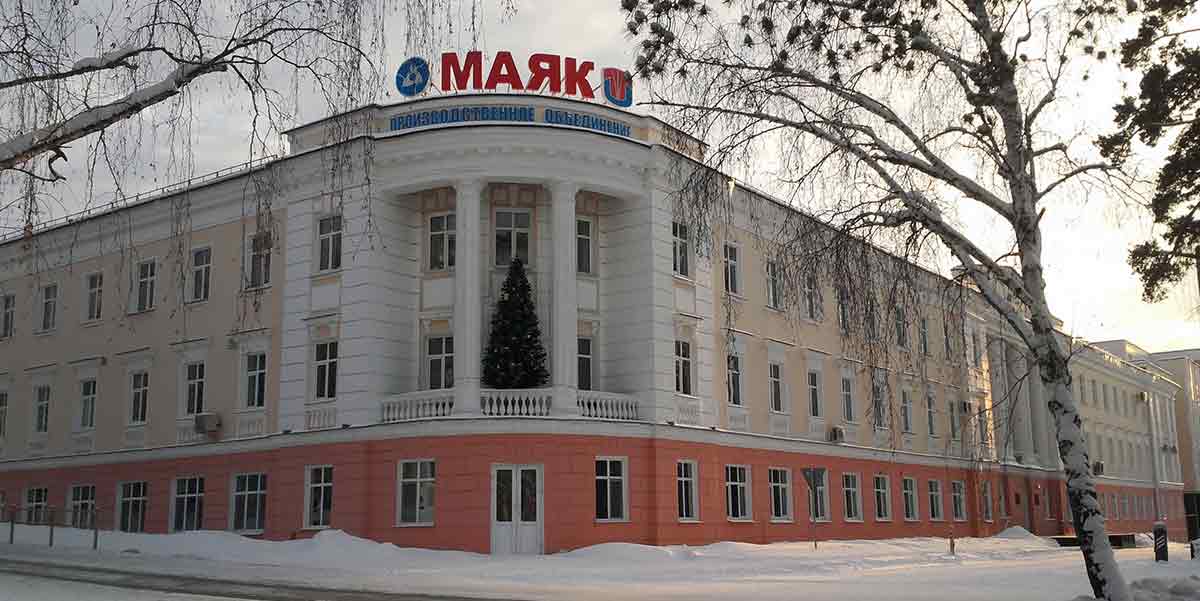
In the years following the end of World War II, the Cold War between the United States and the USSR began in earnest. In response to America’s growing nuclear arsenal, the Soviet Union began to prioritize the production of nuclear weapons in an attempt to close the gap with the US. The Mayak Nuclear Facility was built between 1945 and 1948. However, as Soviet engineers possessed only limited knowledge about the dangers of weapons-grade nuclear material, a number of safety measures were overlooked. Moreover, serious environmental considerations were largely ignored in the plant’s early operations and design.
The aim of the Mayak Production Association was to create weapons-grade plutonium that would be used to build the first Soviet nuclear weapons. From the start, safety procedures were largely absent at the Mayak facility, and highly radioactive waste was dumped into a nearby river that flowed into the Arctic Ocean. Moreover, the six reactors that produced the plutonium at the Mayak facility used an open-cycle cooling system that took in water from Lake Kyzyltash and released the contaminated water straight back into the same lake. When the nearby Lake Karachay also became heavily polluted, it was used as an additional site for waste storage. Over many years, the lake became one of the most heavily polluted places on Earth due to the intense concentration of nuclear waste.
In 1953, an underground waste storage facility was built to prevent further contamination. The facility was equipped with steel tanks buried underground and cooling systems designed to combat the heat produced by radioactive waste. However, without adequate monitoring systems in place, the steel drums began to decay over time, creating a situation that meant a catastrophic failure was inevitable.
The Kyshtym Disaster
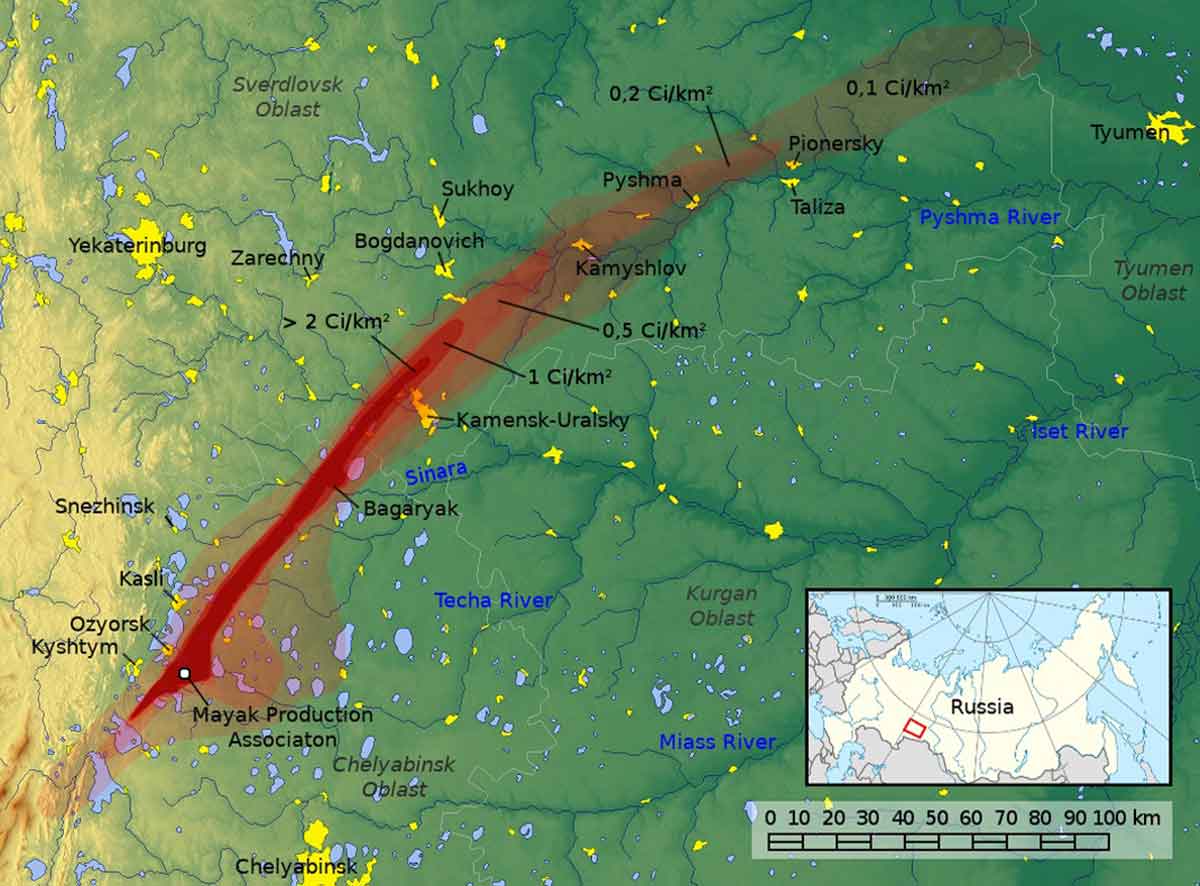
On September 29, 1957, a huge explosion occurred at the Mayak nuclear facility, releasing massive amounts of radioactive material into the surrounding area. The explosion was caused by a failure in the cooling system of the nuclear waste tank storage area, which resulted in a chemical explosion equal in size to seventy tons of TNT. The blaze sent a column of radioactive dust into the atmosphere that dispersed fallout across thousands of square miles, an area now known as the Eastern Ural Radioactive Trace region.
The explosion destroyed one of the fourteen underground storage tanks at the Mayak facility. This spread radiation over an area that was home to over a quarter of a million people. The immediate contamination affected local infrastructure, residential areas, agriculture, and all buildings in the nearby city of Ozyorsk. Workers from the Mayak facility unknowingly spread radioactive material across the entire city as they returned home from work. Once the level of contamination was discovered, precautionary measures were taken to curb the impact of the fallout that had spread across the region.
The radioactive cloud that was released in the explosion resulted in the long-term contamination of almost eight thousand square miles, an area more than ten times the size of the Chernobyl exclusion zone. Highly dangerous radioactive isotopes such as cesium-137 and strontium-90 were found in water sources, forests, and agricultural facilities. Despite the immense scale of this disaster, the consequences were shrouded in Cold War-era Soviet secrecy that was only lifted during Mikhail Gorbachev’s reforms in the 1980s.
The Long-Term Consequences
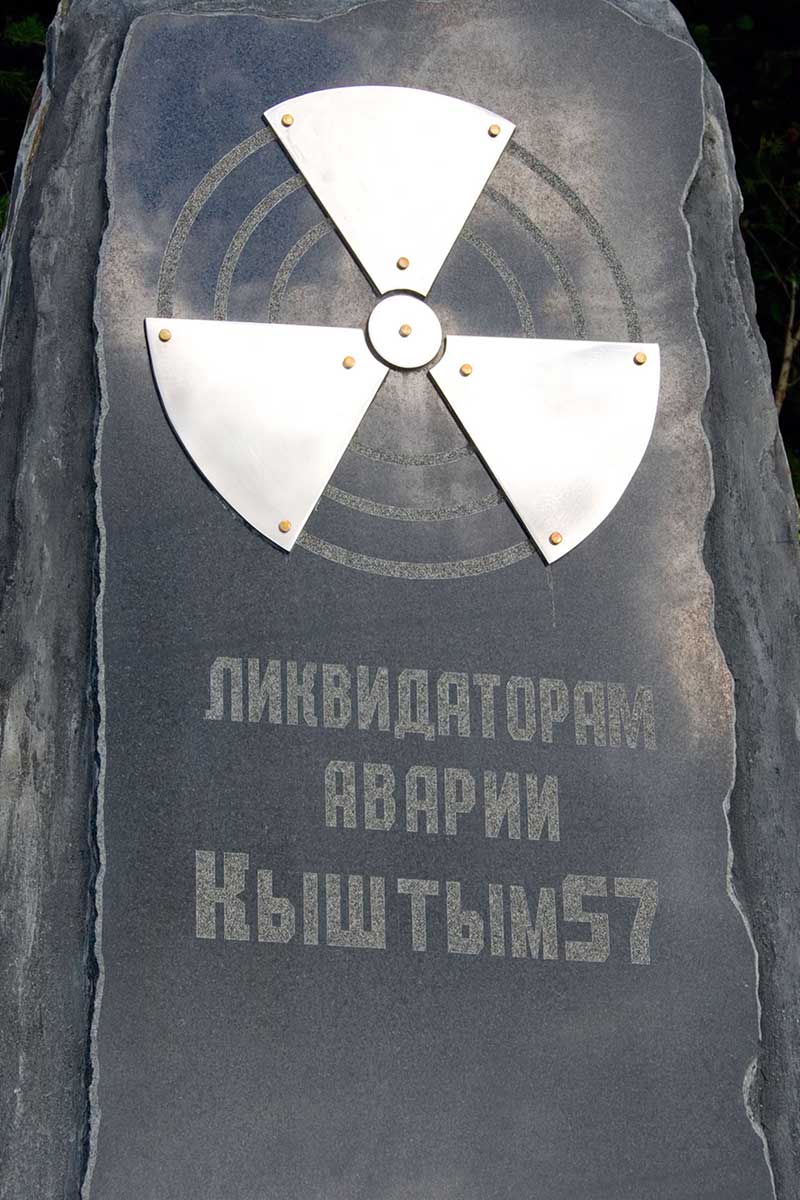
Due to the initial cover-up of the disaster and the delayed onset of radiation-induced illness, the immediate human toll of the disaster was not evident until some time afterward. Some 22 villages with a combined population of ten thousand people were evacuated in the aftermath, although the process of moving those affected took almost two years in some instances. Most residents were not adequately informed about the reason behind their displacement and were simply ordered to move elsewhere. The contaminated area included fertile farmlands, and freshwater sources that were rendered unusable for decades.
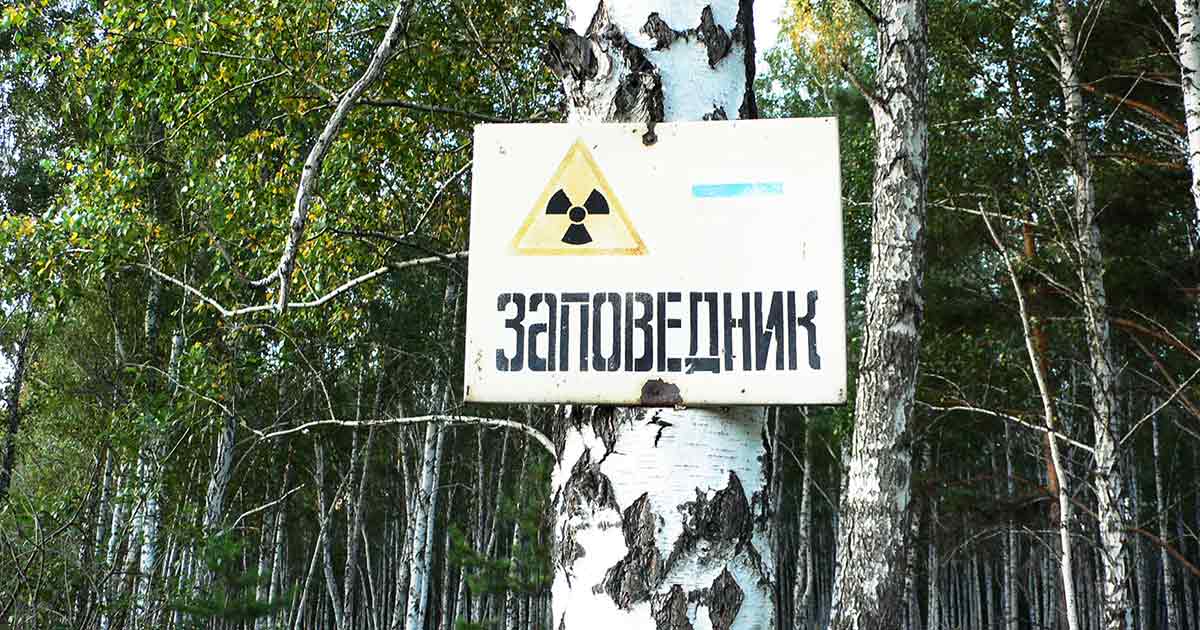
Some measures were taken to reduce the impact of the nuclear contamination, such as excavating radioactive topsoil and placing it in special fenced enclosures that were dubbed earth graveyards. To more effectively conceal the motive behind the mass evacuations from the West, the Soviet Union created the East Ural Nature Reserve in 1968, effectively shutting off the region from the rest of the world. However, the establishment of the reserve was not effective in addressing the long-term health impacts of those affected.
Environmental Impact
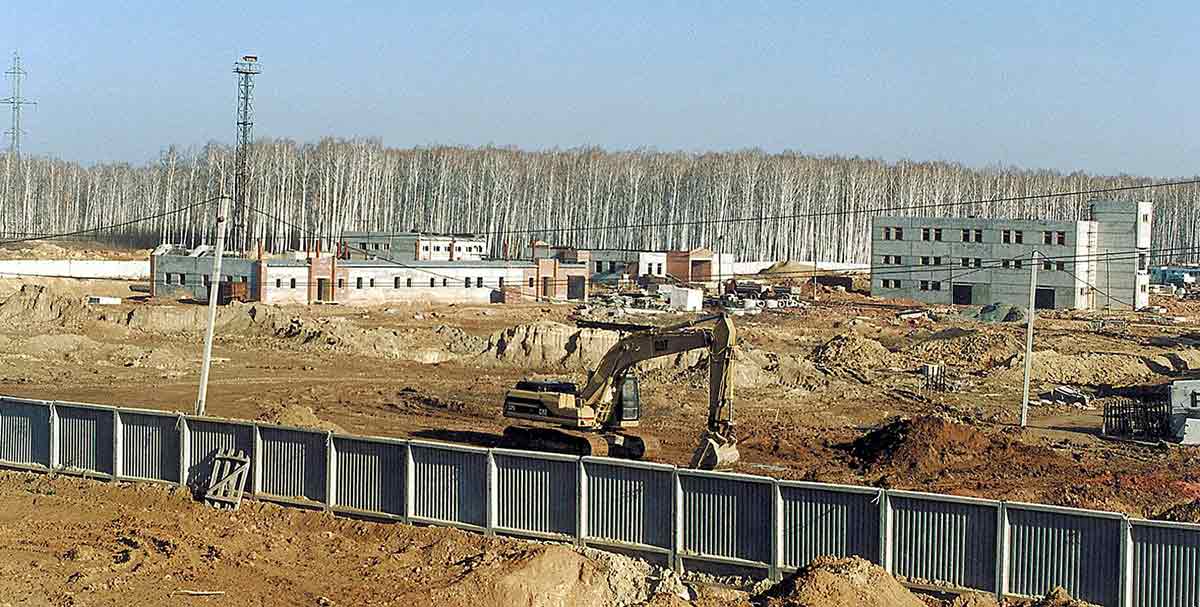
Before the 1957 Kyshtym disaster, the Mayak production facility had already inflicted significant environmental damage on the surrounding area. For years, highly radioactive waste had been dumped into the Techa River, contaminating the water and the riverside communities downstream, which relied on the river for drinking, washing, and irrigation. After the explosion, the act of dumping waste in the river was officially stopped, but waste continued to be stored in shallow lakes near the plant, particularly Lake Karachay.
To this day, Lake Karachay is widely recognized as the most radiologically contaminated place on earth, and it still acts as an open-air storage facility for nuclear waste. Since the inception of the Mayak facility, the lake has accumulated roughly the same amount of radioactive material that was released during the Chernobyl nuclear disaster. According to some nuclear scientists, simply standing at the shore of the lake is enough to deliver a lethal dose of radiation. Today, the East Ural Nature Reserve is designated as an official “radiation reserve” that is maintained to protect against further contamination and to observe the effects of long-term radiation exposure upon the natural environment. Since the collapse of the Soviet Union, the state-run nuclear energy company Rosatom has taken control of the area.
The Government Cover-Up
Due to the secret concerning the goings on at the Mayak facility, the local residents were not properly informed about the explosion in 1957. While Western media did report on a catastrophic nuclear incident at the facility during the following year, it wasn’t until 1959 that a Viennese newspaper reported on the explosion in more detail. However, the full scope of the radioactive contamination was only discovered in 1976 when a Soviet dissident, Zhores Medvedev, published a paper in the journal New Scientist that exposed the disaster. Key figures in the international nuclear regulatory body dismissed the paper as impossible as such a large leak of radiation would have surely been detected by the West. It wasn’t until the account was corroborated by several other Soviet dissident scientists that the reality became clear.
The exact death toll of the explosion and its aftermath remain unclear, as cancer caused by radiation poisoning remains almost impossible to distinguish from other types of cancers. Some studies have estimated that nearly one hundred cancer-related deaths that occurred among the residents along River Techa may have been linked to fallout from the Kyshtym disaster. Moreover, the column of radioactive debris is said to have caused chronic radiation syndrome in approximately 66 individuals who were present at the Mayak facility.
According to recently declassified CIA documents, the United States government was aware that the Kyshtym disaster had occurred since 1959. However, they chose to keep the nature of the incident secret from the general population to protect the American nuclear industry and the development of nuclear weapons from negative public opinion. In the wake of the Chernobyl nuclear disaster, the Soviet government began to slowly declassify documents on the incident.