
History often judges kings by their prowess in warfare or their ability to secure peace within their kingdoms. But who were the women who stood beside them? While figures such as Eleanor of Aquitaine dominate discussions of medieval queenship, many others remain in the shadows of the past. These five lesser-known, forgotten medieval queens demonstrate that the course of English history was shaped not only by kings, but also by the women too often overlooked.
1. Queen Emma of Normandy and the Anglo-Viking Dynasty
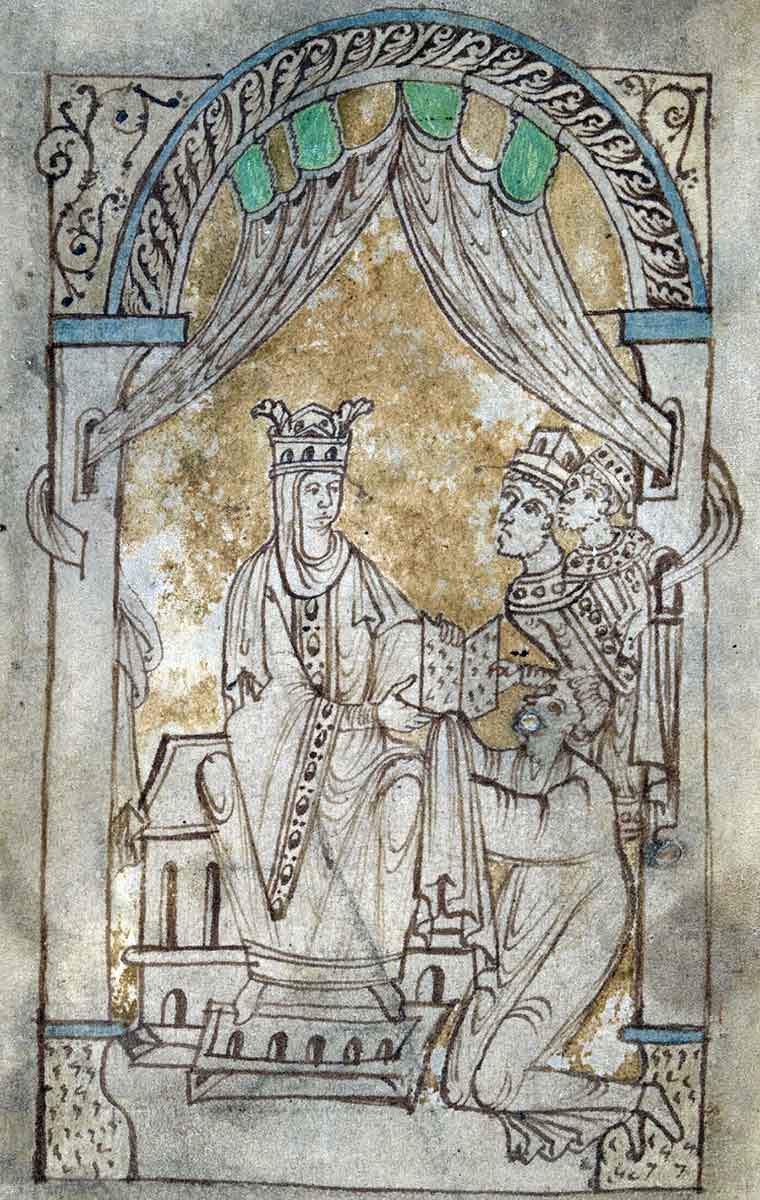
A descendant of Rollo, the Viking warlord who established the duchy of Normandy, Emma was the daughter of Richard I, Duke of Normandy. Her marriage to the Anglo-Saxon King, Aethelred II, in 1002 was designed to protect English shores from persistent Viking invasions. In this regard, the marriage was not completely successful, but the union did produce three children, Edward, later known as the Confessor, Alfred Atheling and a daughter, Godgifu.
When Swein Forkbeard, King of Denmark, invaded England and seized the English throne in 1013, Emma and her children retreated to Normandy but soon returned after Swein’s death in early 1014. Aethelred’s restoration was short-lived, and he died in 1016. This left Emma in a vulnerable position, and she fled once again to Normandy. Her children Alfred and Edward were far too young to launch a successful bid for the English throne. Following a second Danish invasion, Swein’s son Cnut seized the English throne.
To legitimize his kingship, Cnut had Emma fetched from Normandy to be his wife. In a chronicle later commissioned by Emma entitled the Encomium Emmae, she suggests she had some agency in the matter. The couple appear to have ruled as a partnership, suggesting Cnut needed Emma as much as she needed him.

Emma and Cnut had one son, Harthacnut, for whom Emma attempted to seize the throne upon the death of Cnut in 1035. Harthacnut’s succession was contested by Cnut’s eldest son from his first marriage, Harold Harefoot, who ruled until his sudden death in 1040.
Emma found herself queen once again, ruling alongside Harthacnut, but their rule proved to be unpopular. To appease the English nobility, Emma recalled her eldest son, Edward, who had been raised in the Norman court since his mother’s marriage to Cnut, to rule with them. Edward evidently considered himself to have been abandoned by his mother, and when he became king following Harthacnut’s death in 1042, he seized his mother’s lands and forcibly retired her from political life.
Emma died in 1052 and was buried alongside Cnut in the Old Minster at Winchester.
2. Matilda of Scotland and the Unification of Norman and Saxon Blood
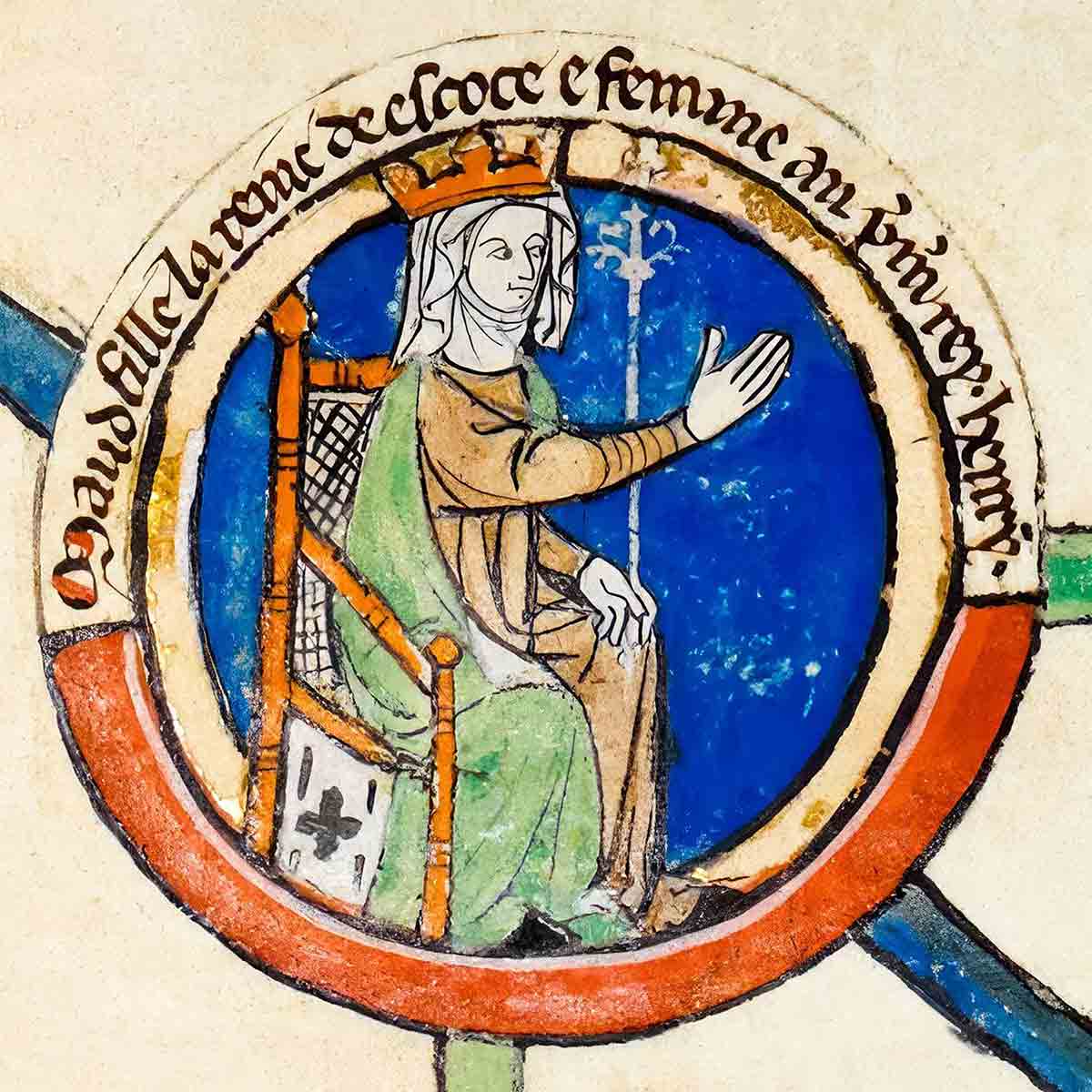
Queen Matilda of Scotland, sometimes referred to as Edith-Matilda, is another forgotten medieval queen of England who nevertheless played a pivotal role in the course of English history. The daughter of St Margaret of Scotland and King Malcolm III of Scotland, Matilda was descended from both the English and Scottish royal dynasties.
Her piety from an early age was shaped by her mother, later canonized as a saint, and there were contemporary rumors that she had taken vows and become a nun. Such rumors almost impeded her marriage to King Henry I of England, the youngest son of William the Conqueror. Wed shortly after his accession to the throne in 1100, the couple had two children, a daughter named Matilda and a son, William Adelin. The younger Matilda was chosen by Henry V, Holy Roman Emperor, to be his wife and left her mother’s care to be raised in Germany at the age of nine in 1110.
Together, Henry and Matilda united the Anglo-Saxon and Norman dynasties. Matilda offered her husband legitimacy to his precarious grip on the throne, but she was more than just symbolic. She was a politically active consort who attended and sometimes chaired meetings of the king’s council in his absence. She issued charters in her own name, undertook the role of peacemaker and mediator and persuaded her husband to change unjust laws. Henry both respected and valued his wife’s advice and sought her counsel throughout their marriage.
Matilda was driven by religious devotion and was renowned for her works of piety, such as washing the feet of lepers. Matilda died on May 1, 1118 and was buried in Westminster Abbey.
3. How Matilda of Boulogne Saved the Throne for King Stephen
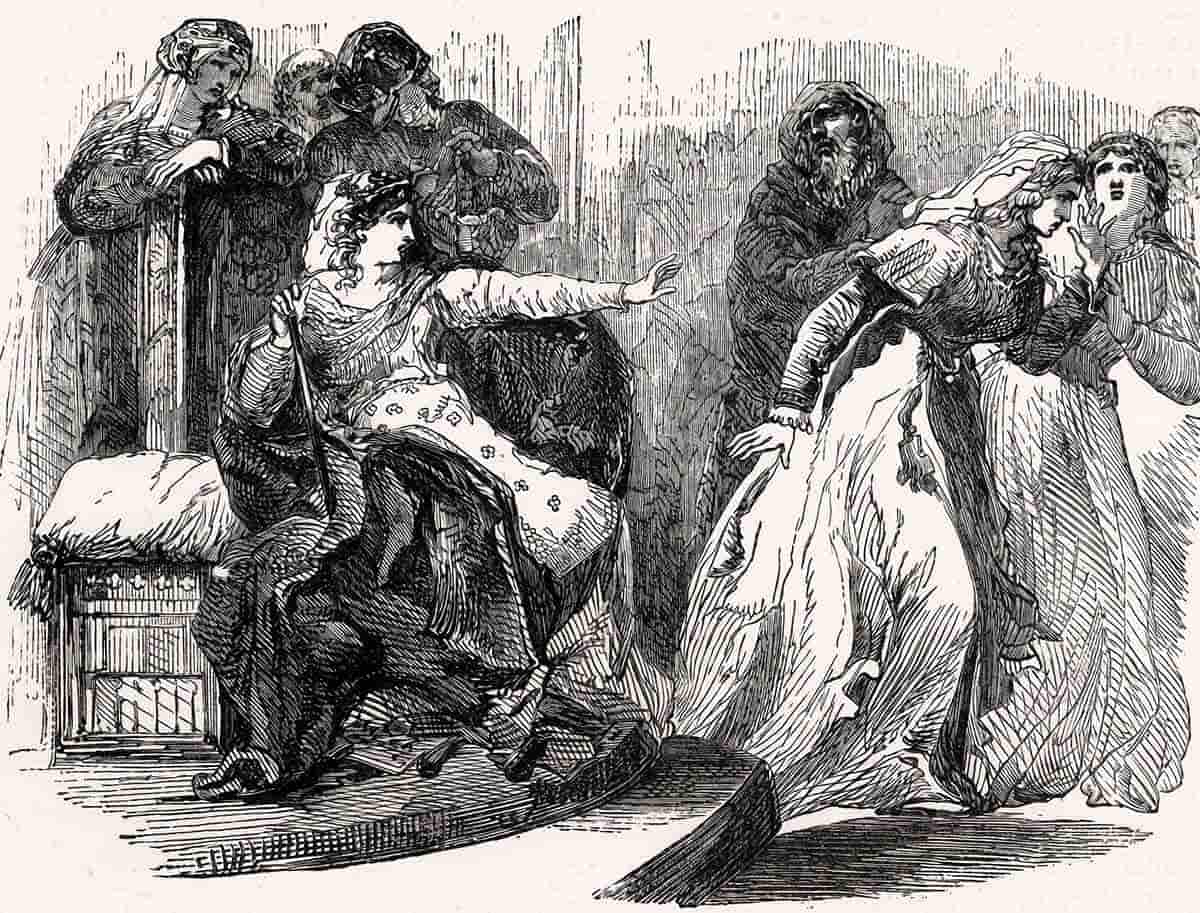
The life of Matilda of Boulogne is often overlooked in favor of her cousin and rival, Empress Matilda. But Queen Matilda’s role in the Civil War, known as the Anarchy, was pivotal to her husband King Stephen’s ability to claim and retain the English throne.
Matilda was the niece of the famous First Crusader and first ruler of Jerusalem, Godfrey of Bouillon. Her maternal grandmother, St Margaret of Scotland, gave her a blood connection to the ancient Anglo-Saxon dynasty and Alfred the Great himself. The wealthy heiress of the County of Boulogne, Matilda, married Stephen of Blois, the favorite nephew of King Henry I and grandson of William the Conqueror, in 1125. The couple ruled Boulogne together, and Stephen regarded his wife as a valuable political ally throughout their marriage.
The couple’s fortunes changed in 1135 when King Henry I died, leaving his daughter, Empress Matilda, as his successor. The uncertainty around the succession of a woman provided Stephen with an opportunity to seize the throne for himself. His gamble paid off, and he was duly crowned on Christmas Day 1135, and then again alongside his wife at his Easter court in 1136.
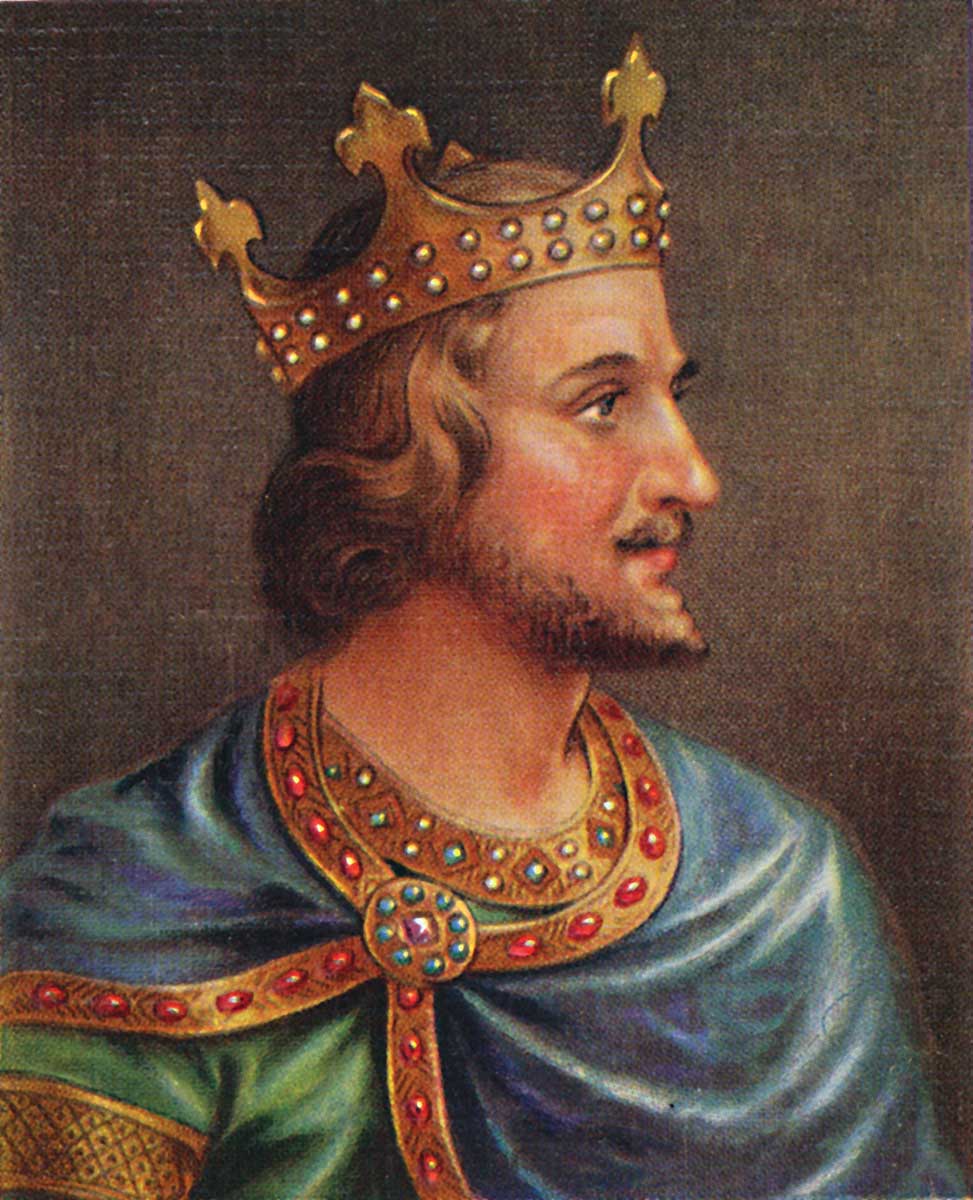
Empress Matilda challenged Stephen for the crown and a bitter civil war ensued which engulfed the entirety of England. After Stephen was captured at the Battle of Lincoln in February 1141, Matilda took command of his armies. What became known as the “Matildine War” began as both women directed their troops in the field.
Queen Matilda was more popular than her counterpart and gained the support of the Londoners, who refused to allow Empress Matilda to be crowned. Matilda of Boulogne was able to negotiate the release of her husband in November 1141.
For much of his reign, Stephen left Matilda as his regent to rule in his stead. With the continued support of his wife, Stephen continued the war, but her death in 1152 left him a broken man. In August 1153 he came to terms with Empress Matilda by agreeing to name Matilda’s son Henry as his heir, after the sudden death of his son Eustace.
4. How the Scandalous Marriage of Isabella of Angoulême Toppled an Empire
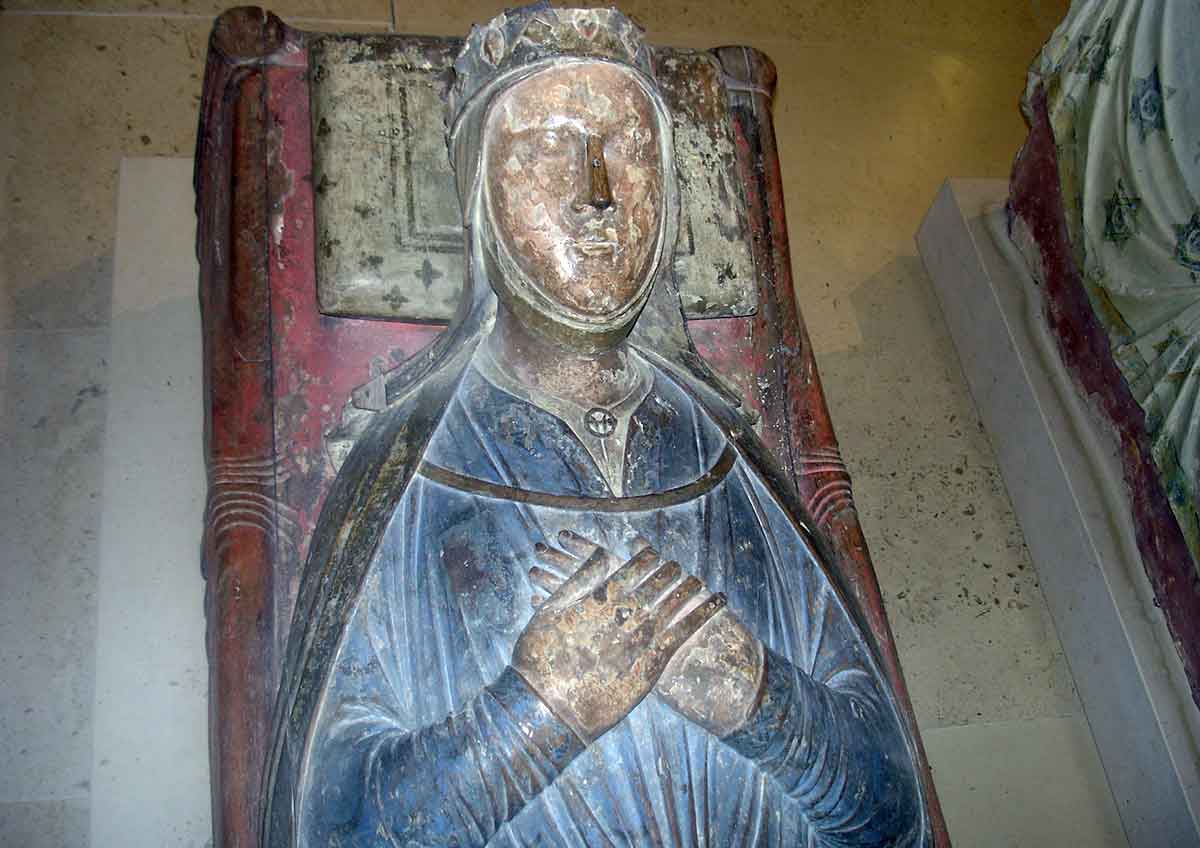
King John succeeded to the English throne following the death of his elder brother, Richard the Lionheart. Thanks to his mother, the indomitable Eleanor of Aquitaine, the transition from one brother to the next was a smooth one, despite John’s lack of political ability.
In one of his first acts as king, John had his marriage to Isabella of Gloucester dissolved, leaving him free to choose a second wife. John wasted no time in selecting a bride. But in a style true to John, his selection was unpopular, costly and had catastrophic ramifications for his realm.
The twelve-year-old Isabella of Angoulême, sole heiress to her father’s county of Angoulême, which lay close to John’s lands in Aquitaine, was noted for her beauty from an early age. The soon-to-be wealthy Countess of Angoulême was betrothed to Hugh IX de Lusignan, lord of Lusignan and Count of La Marche. John feared the unification of Angoulême with neighboring counties so close to his own borders. John’s actions were swift and decisive. Robbing Hugh of his bride, John made an alliance with Isabella’s father and wed her in 1200.
John spent little time considering the consequences of such a bold assertion of his dominance in the region. Hugh, not content to permit such an insult, pleaded his case to Philip Augustus, King of France. Philip, looking for any pretext to make trouble for the English monarchy, swiftly invaded John’s lands in France by 1204, depriving him of Normandy, Anjou, and parts of Poitou. John’s only remaining Continental lands lay in parts of Aquitaine.

Searching for a scapegoat for the loss of these lands, many contemporaries pointed to Isabella, even though she had no agency in the matter. John did not permit Isabella to enjoy the political freedoms of many of her predecessors, and the cold, sometimes cruel treatment she received from John indicates she probably hated her husband just as much as his subjects did.
John’s reign was defined both by his failed efforts to reclaim lost continental lands and by ongoing unrest among his barons. When he died in 1216, Isabella was finally free to choose her own path in life and went on to have nine additional children with her second husband, Hugh X de Lusignan, a man of her own choosing.
5. How Eleanor of Provence Turned Court Politics Into Power
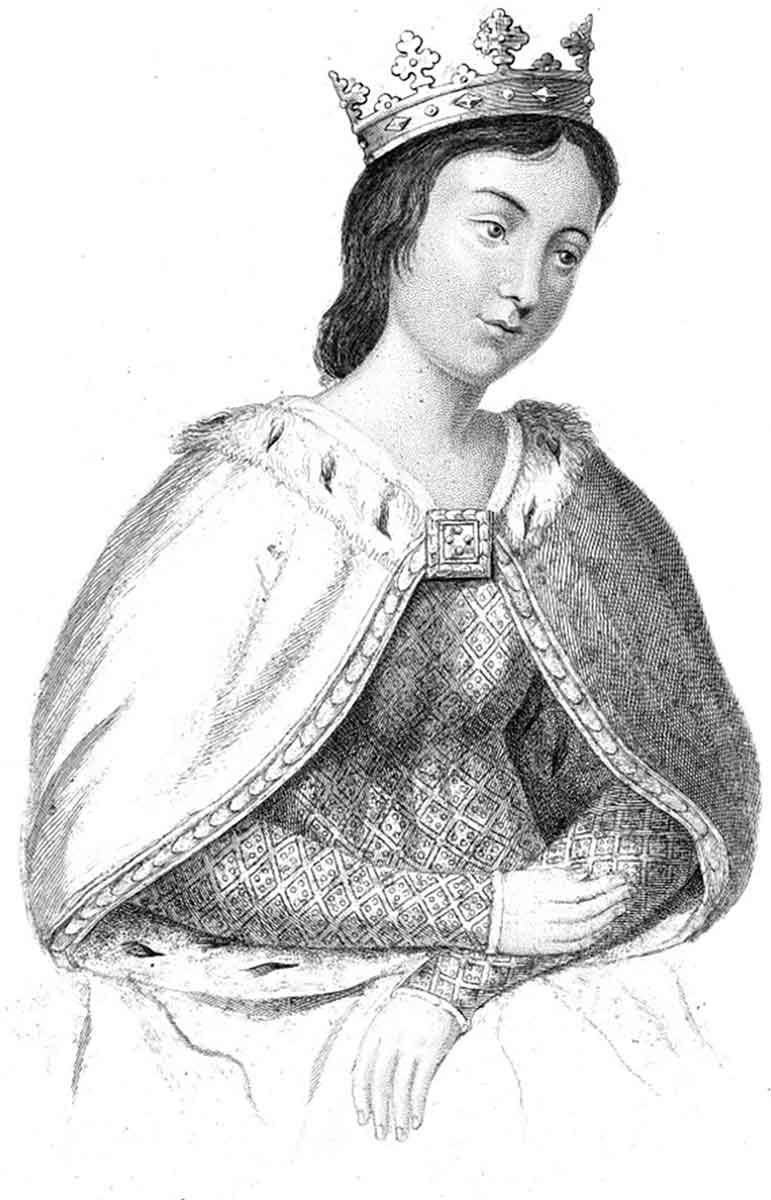
Born in the French kingdom of Provence around 1223, Eleanor and her sisters were all consorts to reigning monarchs. Eleanor’s spouse was King Henry III of England, whom she married at the age of twelve in 1236. He was some 16 years her senior. Despite the difference in age, Henry was attentive to his young bride from the beginning of their marriage and took care to properly educate his consort and lavished her with luxurious gifts.
Eleanor arrived at the English court with her numerous relations, known as the Savoyards. These included several of her uncles as well as extended family members. Henry welcomed these in-laws into his court, and they became firm favorites of the king. One of Eleanor’s uncles, Boniface, was elected Archbishop of Canterbury, the highest ecclesiastical office in the realm. His swift promotions, as well as Henry’s generosity towards other Savoyards, enraged the English barons, many of whom had rebelled against Henry’s father, John.
Eleanor quickly became the head of the Savoyard faction as another group appeared at court—the half-brothers of Henry III, the Lusignans. They also placed a huge amount of pressure on the limited resources of the king. In 1258, Eleanor supported a revolt headed by a group of barons to expel the Lusignans from court. Despite her initial support for the rebels, Eleanor later objected to the restrictions placed upon her husband by a document known as the Provisions of Oxford, which also limited her power.
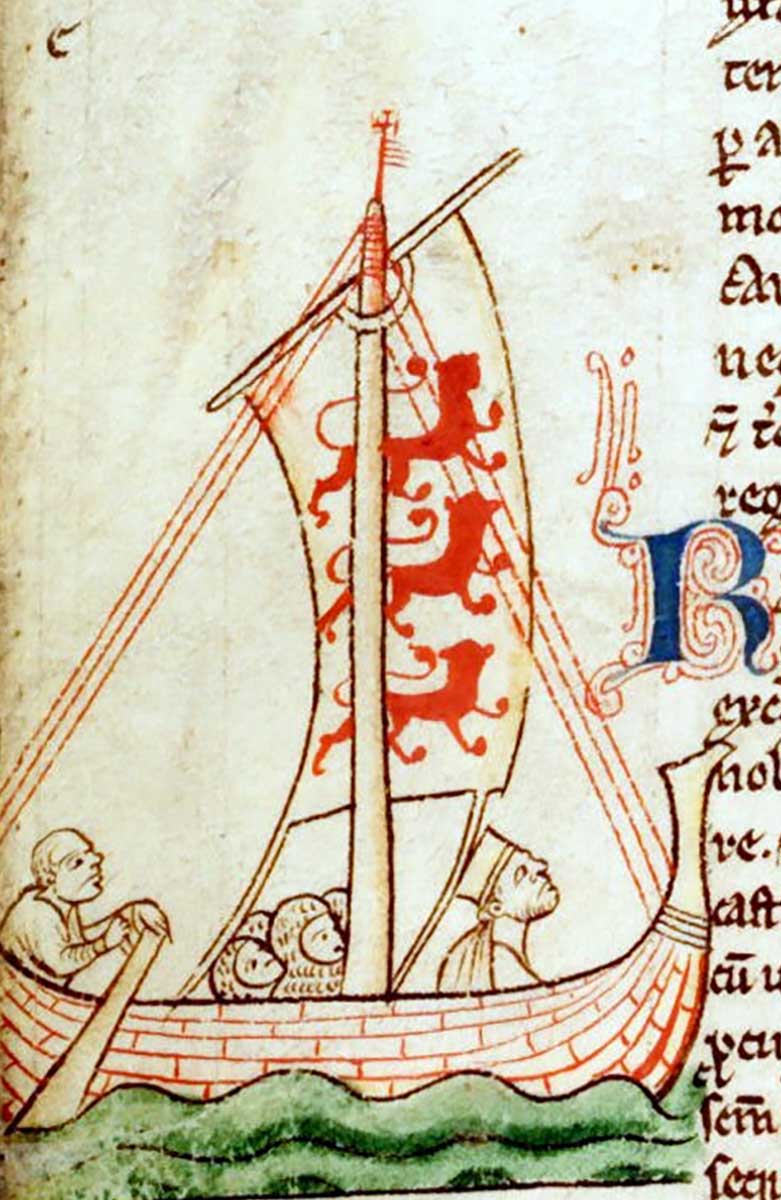
Henry entrusted the kingdom to his wife during his extended absences on the Continent. She frequently acted as his regent, and some of the most significant decisions of the reign were seemingly made in concert with his wife.
Considered to be a drain on royal finances and recognized as a political leader of an unpopular faction, Eleanor was hated by the Londoners, who attacked her in 1263 during the Second Baron’s War as she tried to flee their clutches by sailing down the Thames. Locals threw stones, rotten eggs and vegetables at her and hurled curse words at her.
Eleanor continued to influence English politics following the death of her husband in 1272 and the accession of her son, King Edward I, also known as Longshanks in reference to his exceptional height. Eleanor was hostile to the Jewish community and received permission from her son to expel Jews from all of her lands. In 1290, Edward expelled all Jews from his realm. In 1286, Eleanor retired from political life and became a nun. She died in 1291 at Amesbury Priory and remains one of the forgotten medieval queens of England.