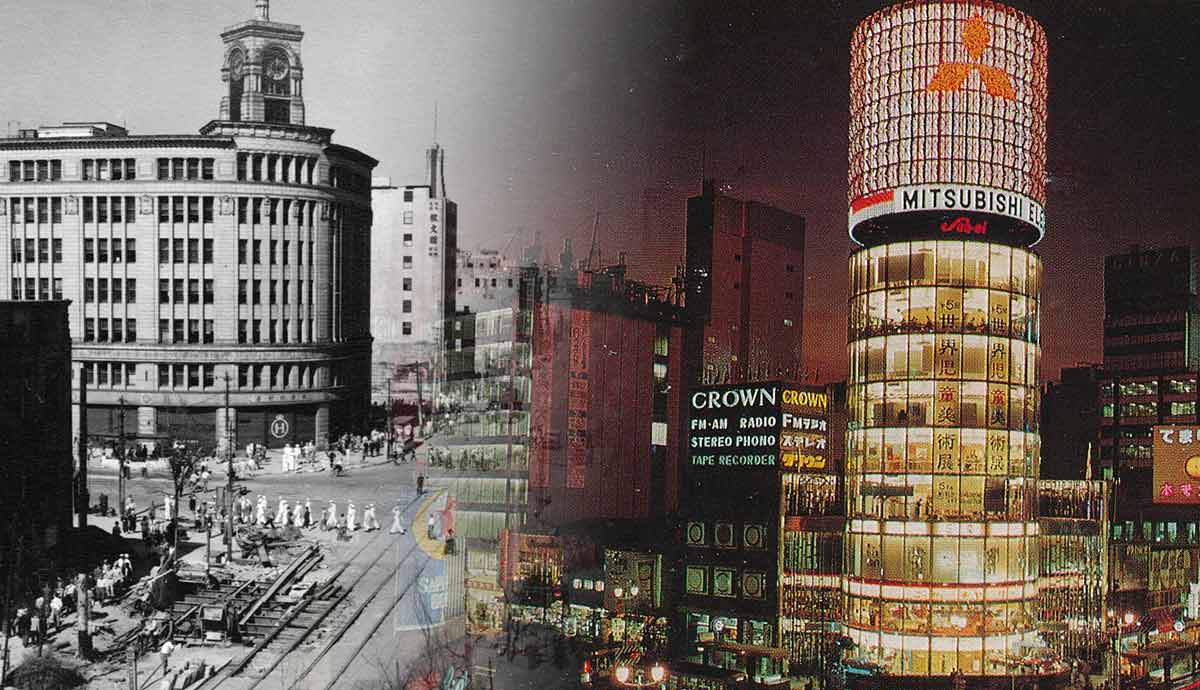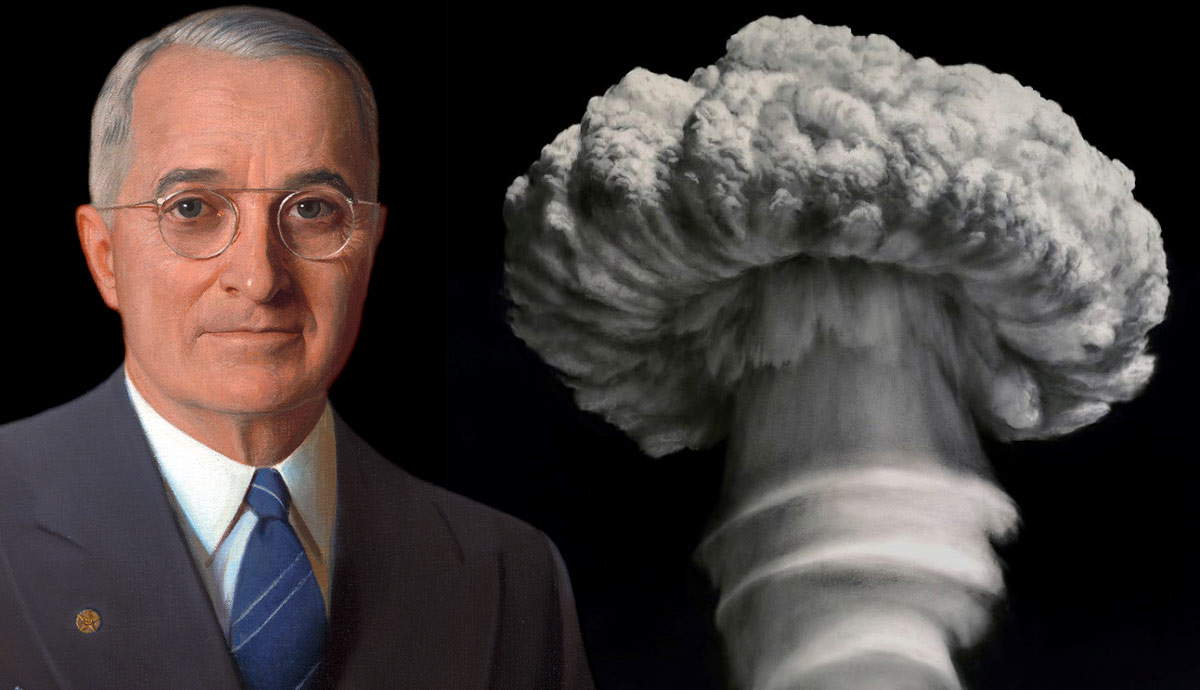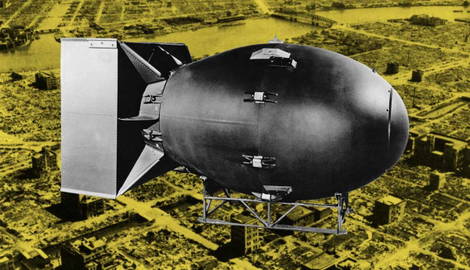

As summer 1945 approached, America’s military leaders were preparing for the potential use of a nuclear weapon that could wipe out whole cities instantly, and they needed to choose a target in Japan, as the East Asian nation was the last remaining major Axis power following Germany’s surrender in May 1945. Tokyo, Japan’s dense Imperial capital, was not a practical choice for several reasons.
The Criteria the US Target Committee Used to Pick Atomic Targets
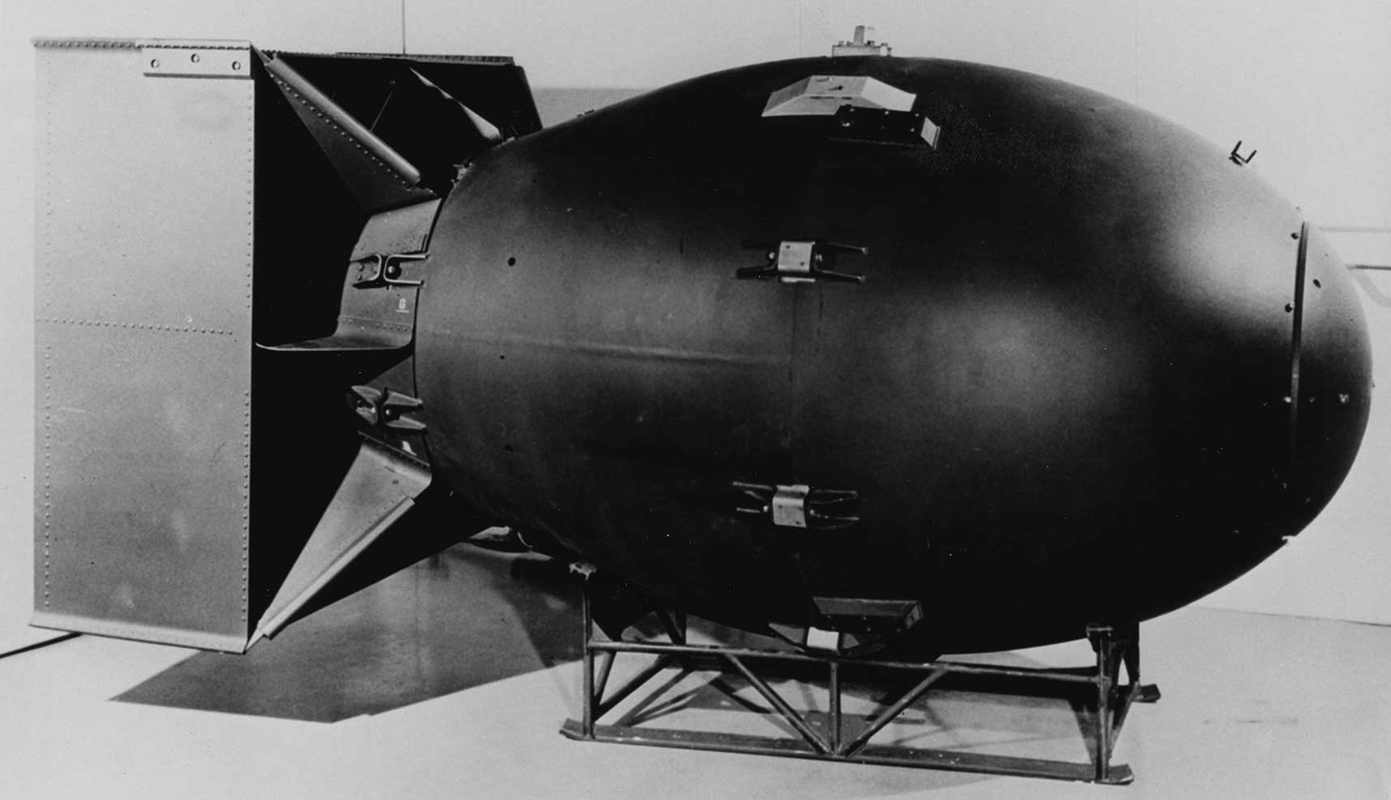
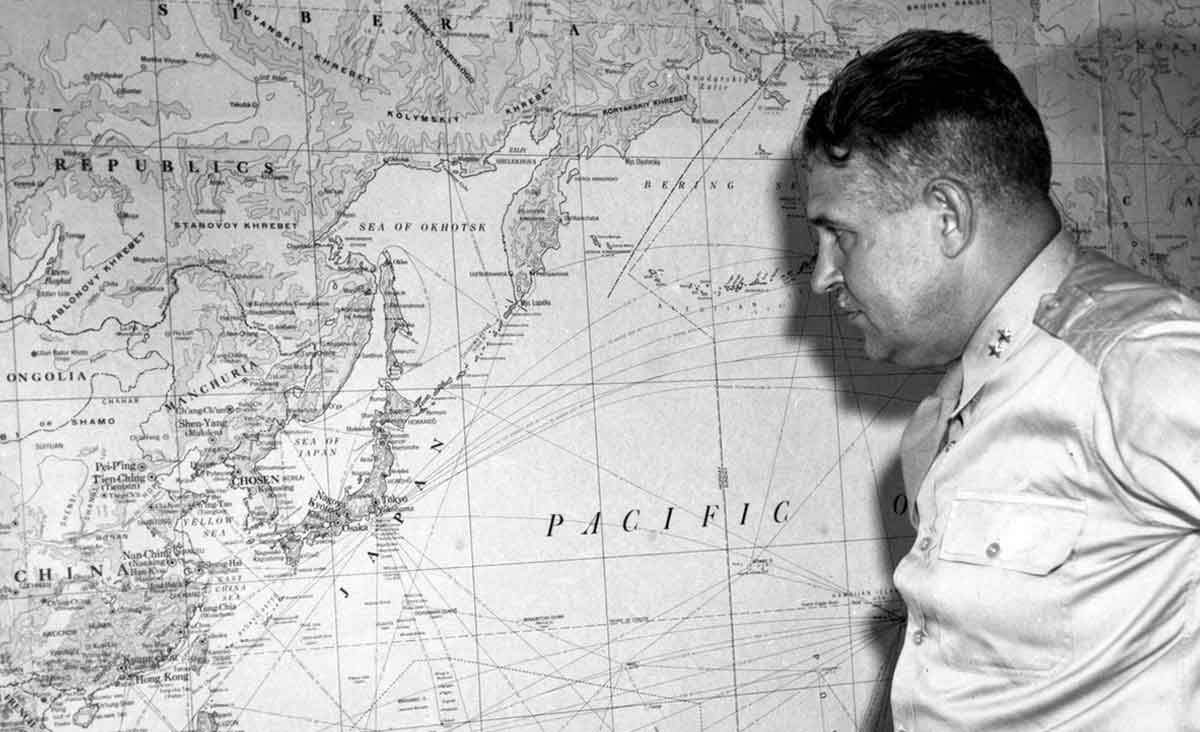
The initial selection of that first target commenced in the spring of 1945. While the Manhattan Project‘s scientists were still working to perfect the complex implosion design for the Fat Man nuclear bomb (Little Boy’s gun-type design was much simpler and ready sooner), a group of scientists and military officials were meeting in Los Alamos and Washington, DC. Formed under the direction of General Leslie Groves and consultants such as J. Robert Oppenheimer, the committee convened on multiple occasions, but the most important meeting came on May 10 and 11, 1945. The committee determined that the target in Japan needed to meet three key criteria.
It had to be an important target in a large urban area of more than three miles in diameter. It also had to be largely unattacked by August so that the full effects of the bomb could be measured. That way, American physicists could evaluate the precise extent of the blast wave and structural damage that could be inflicted by one bomb’s nuclear capability and thermal radiation. Tokyo was kept off the primary target list in these initial meetings mainly because it was already heavily damaged by firebombing, and the US hoped to preserve the government for negotiations.
Why the US Spared Tokyo and Emperor Hirohito from the Atomic Bomb
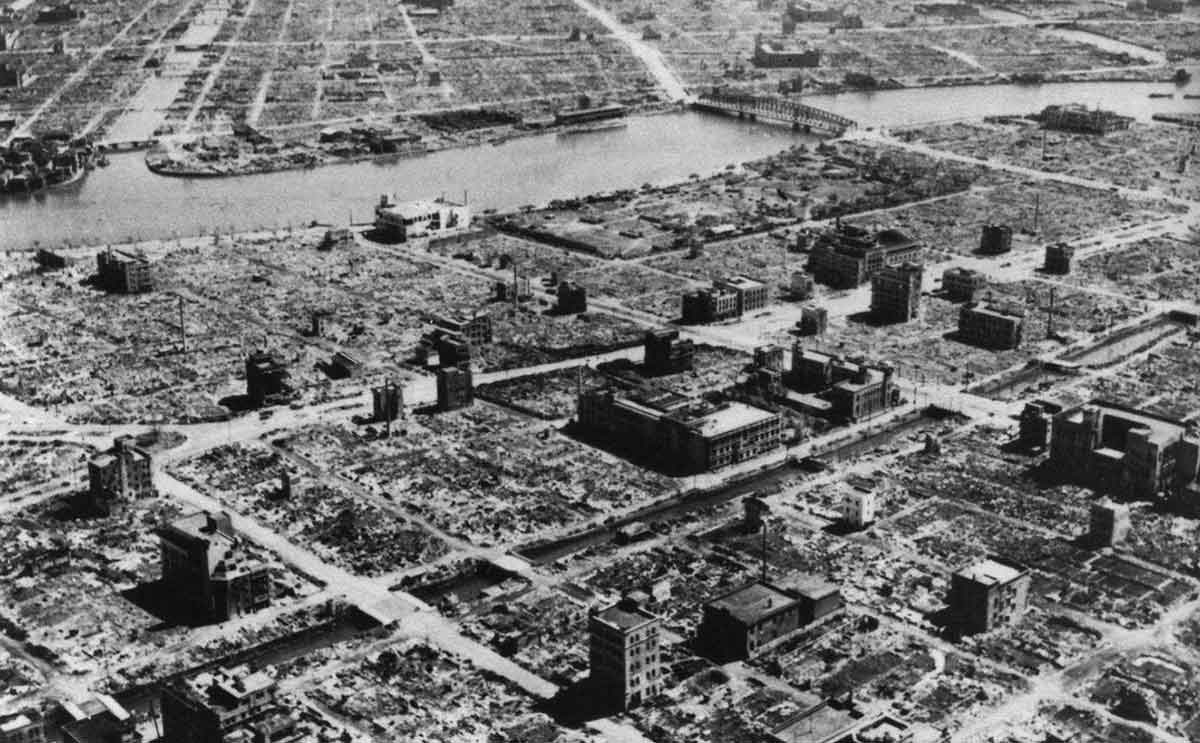
Tokyo was no longer considered a practical option for deploying the atomic weapon, as just two months prior, in March 1945, the US had destroyed roughly 16 square miles of the city in an air raid known as Operation Meetinghouse. During that raid, about 300 B-29s took off, and 279 of them dropped around 1,600 tons of incendiary bombs containing mostly napalm. The resulting firestorm had killed roughly 100,000 people and left more than one million homeless, leaving insufficient urban area to assess the bomb’s blast effects.
There was also concern about the Japanese command structure. American military leaders knew that killing Emperor Hirohito could make surrender harder. To the Japanese people, Hirohito was a sacred sovereign. Hence, some American leaders feared that if Hirohito were killed in an atomic explosion, the Japanese would fight even harder. If the United States were to get an unconditional surrender, they needed to keep a working Japanese government, including the Emperor.
How Hiroshima’s Topography and Army Headquarters Made It Target Number One
Tokyo was the political capital of Japan, but Hiroshima was critically important from a military and industrial standpoint. Hiroshima served as headquarters for the Japanese Second General Army and helped coordinate defenses in southern Japan. It also had storage facilities for military equipment and a shipping port. Besides this, it held key troop depots and military supply hubs for the Imperial Japanese Army. By striking Hiroshima, the US would not only disrupt the command’s ability to communicate and coordinate a response, but it would also hurt production of the war effort.
Geography also played a key role in the decision. The city of Hiroshima, built on a flat delta, was bordered by a series of hills. Topographically, the scientists on the Target Committee recognized that the surrounding hills were likely to focus the blast wave and increase damage. This effect was needed to convince Japan’s leaders that further conflict would only result in utter destruction. True to the estimations, Hiroshima’s geography enabled Little Boy’s roughly 15-kiloton blast to annihilate approximately 4.7 square miles of the city when the weapon was dropped on August 6, 1945.
How the Hiroshima Strike Forced Surrender While Preserving Japan’s Leadership
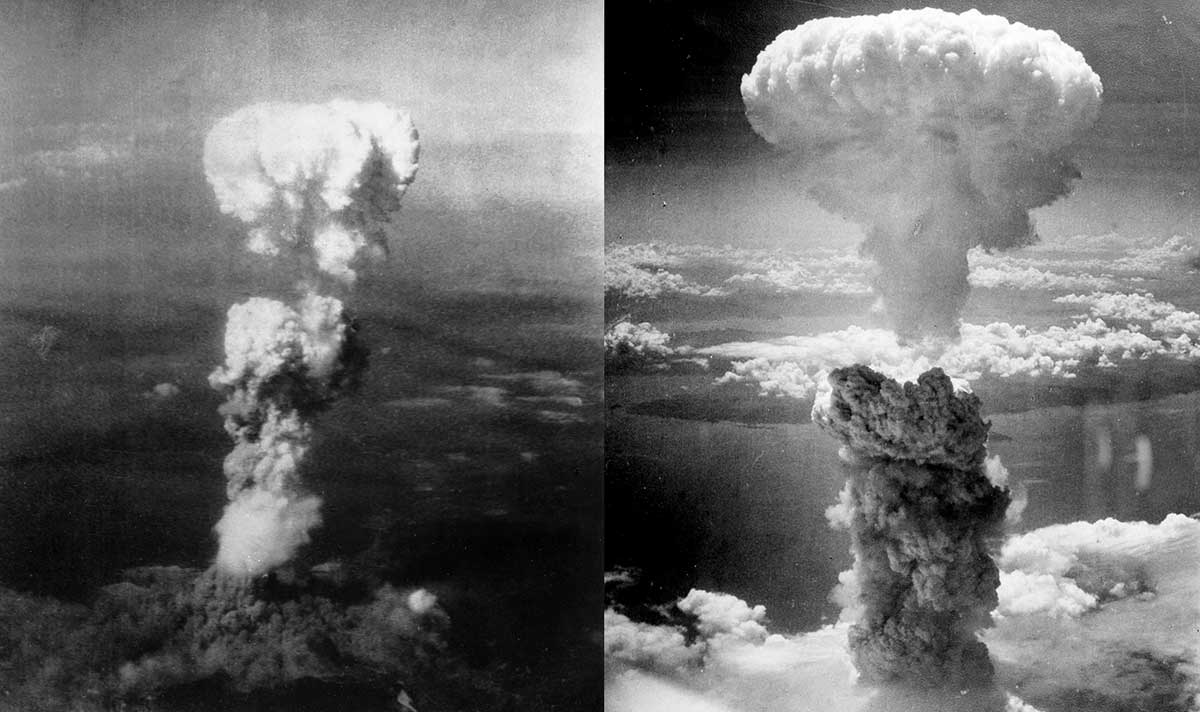
By choosing to bomb Hiroshima instead of Tokyo, America was able to take out an important army headquarters while still leaving the Japanese government leadership intact. And so, on September 2, 1945, Japan signed the surrender document called the Japanese Instrument of Surrender on the USS Missouri. Because the United States spared Tokyo and the Emperor, an organized surrender was achieved. Japan later recovered and became a constitutional democracy under Allied occupation after the war.