
During the Industrial Revolution in the United States in the late 1800s, Irish mineworkers brought with them a revolutionary attitude from their homeland, often leading to violent conflict with mine owners.
The Molly Maguires were one of the many Irish “secret societies” that originated in Ireland in the 1800s. These societies were formed in Ireland over various grievances or feuds between landlords and tenant farmers. Some Molly Maguires who came to America settled in the anthracite coal region of northeastern Pennsylvania and became miners. Because the members of the Molly Maguires were sworn to absolute secrecy, the definite presence of the group in the area is under some dispute.
How Deadly Coal Mine Conditions Sparked Pennsylvania Labor Violence
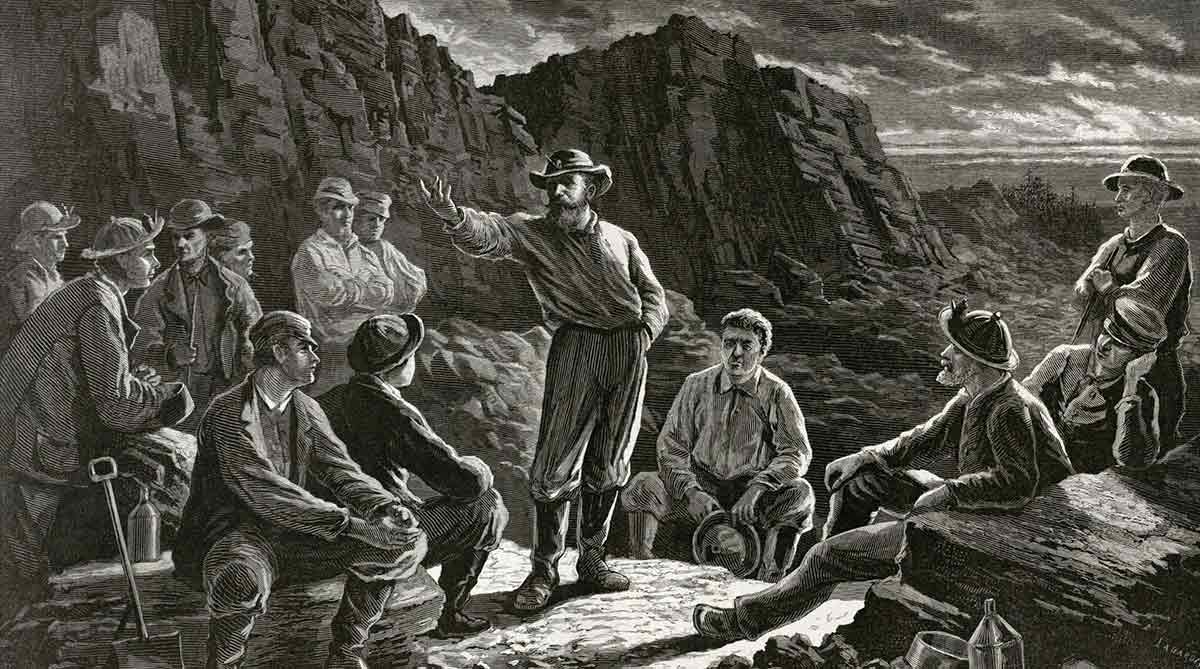
In the 1860s, mine owners had near-absolute control over the miners and their working conditions. Children as young as six worked in mines with poor ventilation and minimal safety standards. The problems came to a head on September 6, 1869, at the Avondale Colliery near Plymouth Township, Pennsylvania. A fire started in the mine shaft, and the workers were unable to escape through the single entrance into the mine, killing 110 people. The disaster prompted legislative action, and many miners joined the Workingmen’s Benevolent Association labor union. Confrontations often resulted in violence between management and workers.
How a Peaceful Fraternal Group Was Linked to Coal Country Violence
As early as the 1860s, the Maguires were suspected of attacking and killing various mine foremen and superintendents. The Maguires also attacked “scabs,” workers who would cross the picket line of striking workers. After the Avondale Mine disaster, their activities increased, apparently under the guise of the Ancient Order of Hibernians, an Irish Catholic fraternal organization formed in the 1830s. While the AOH declared itself peaceful, it was suspected that the group was a cover for the Molly Maguires.
The Undercover Pinkerton Agent Who Infiltrated the Molly Maguires
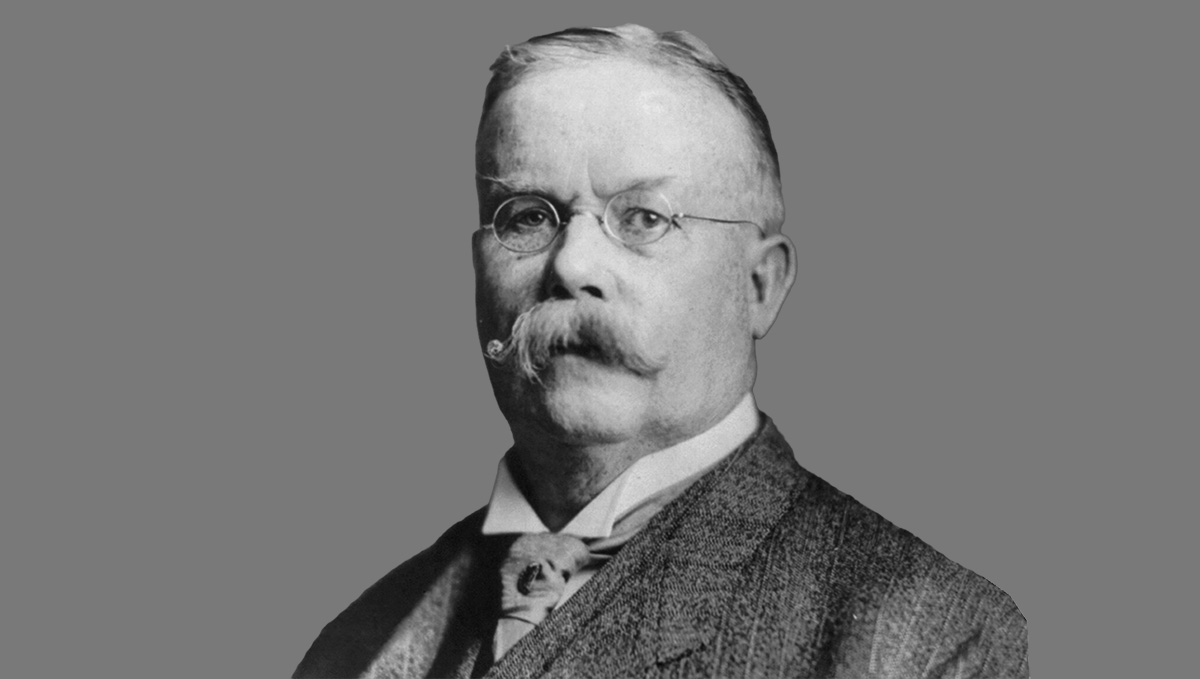
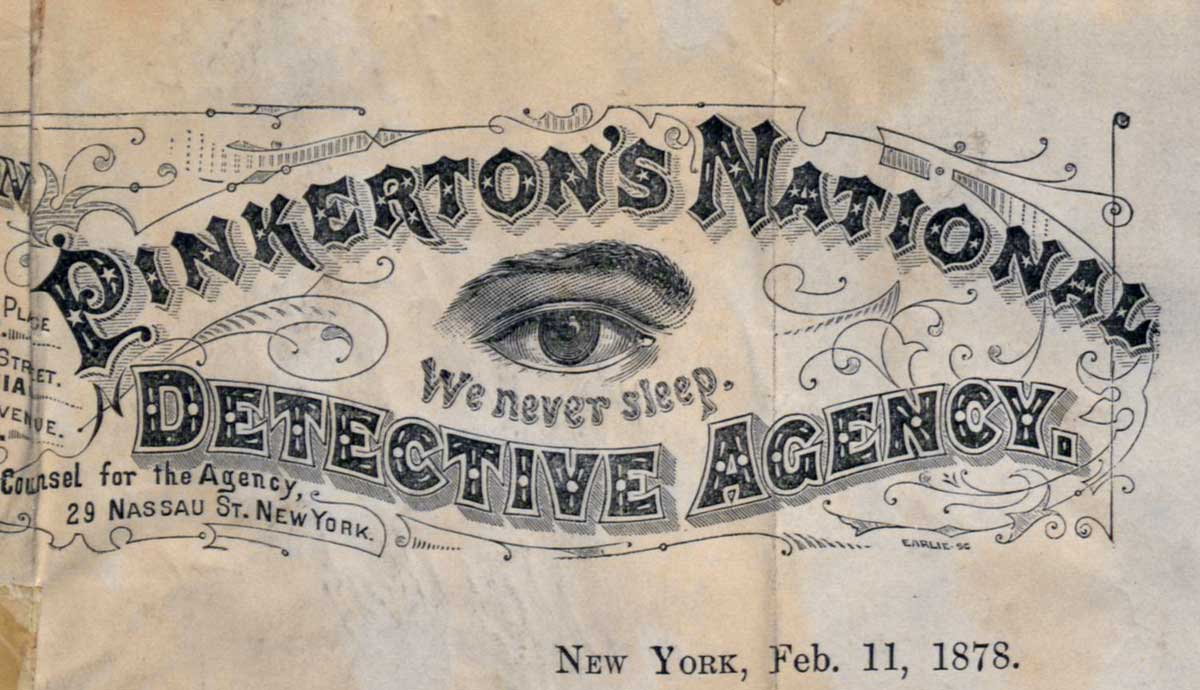
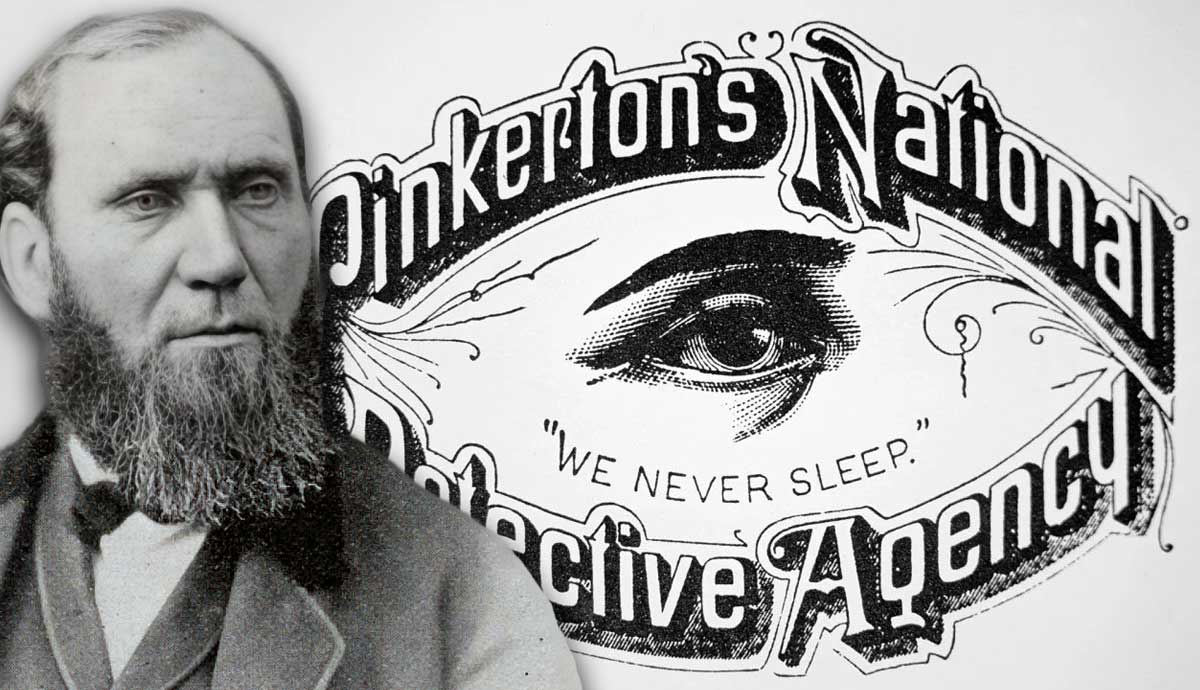
James McParland was an agent for the Pinkerton Detective Agency in the 1870s. Franklin B. Gowen, president of the Philadelphia and Reading Coal and Iron Company, hired the Pinkerton agency to infiltrate the Molly Maguires for murders in the 1860s. McParland was selected for the assignment and took the name James McKenna. He joined the Workingmen’s Benevolent Association and the Ancient Order of Hibernians, seeking out information regarding the various murders that happened in the 1860s attributed to the Molly Maguires. McParland’s investigation resulted in 20 members going to trial, with 10 convicted and sentenced to death.
Much of McParland’s testimony may not meet modern standards of evidence. He found no physical evidence of the existence of the Molly Maguires, and little to no physical evidence of the murders was found that incriminated anyone. Much of McParland’s testimony was based on conversations he heard or had with members. None of the condemned men McParland accused confessed to any of the murders – all were convicted on the word of McParland and the testimony of the members who were trying to avoid their own conviction for their participation.
Black Thursday Executions and the Aftermath of the Trials
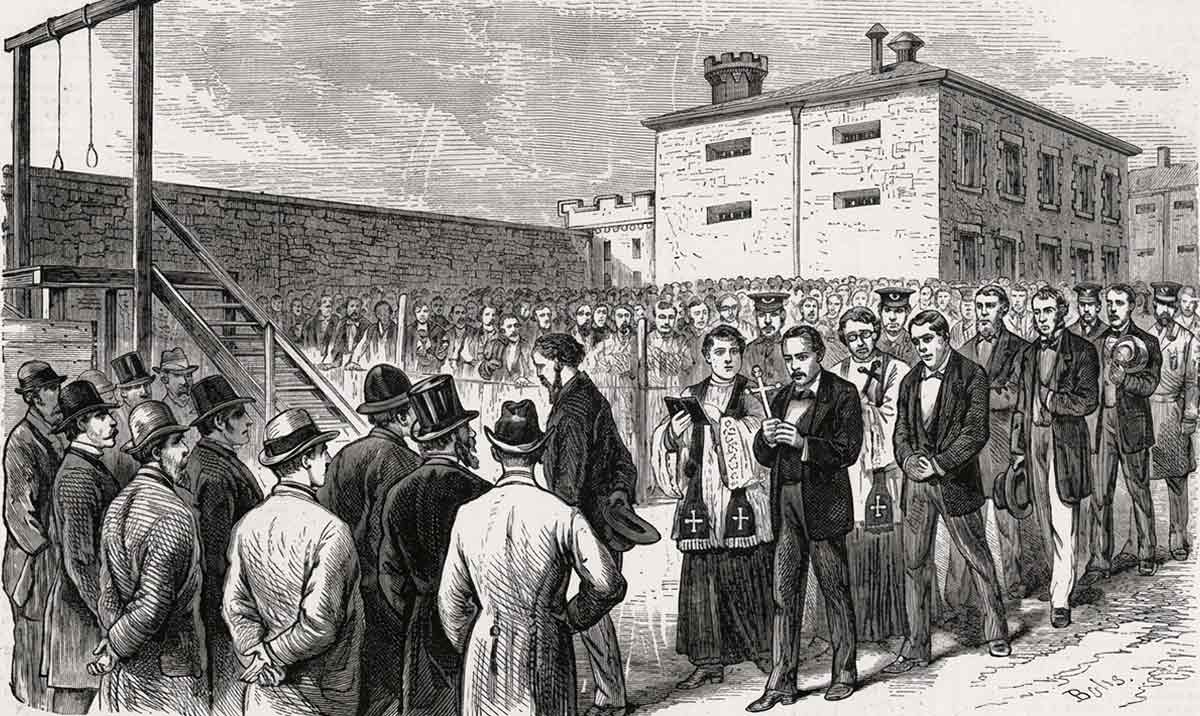
10 of the men convicted were hanged on June 21, 1877. The day, known as Black Thursday, became significant in the history of labor disputes in the United States. Ten other men would be hanged later. McParland later continued undercover operations with Pinkerton and even met Arthur Conan Doyle, who based a character on him in his story The Valley of Fear.