
The Viking Age, which lasted from roughly 800 to 1100 AD, was a time when Norse warriors dominated Western Europe. A culture defined by the warrior spirit, they raided for treasure, claimed desirable territories, and explored the far reaches of the known world. Many Viking warriors and Norse shieldmaidens made names for themselves for their courage, ferocity, and daring. But if you had to pick just a few people who embodied the Viking spirit, these fifteen defined the Viking age. From the legendary Ragnar Lodbrok to Harald Hardrada, often called the “Last Viking,” meet fifteen influential figures from the Viking world.
The Mythic Archetypes of the North

The Vikings had a firm idea of what constituted the ideal Viking warrior. Even in the Viking age, they looked to figures from their own history and elevated them to the status of legends, crediting them with incredible deeds and unshakable courage.
1. Ragnar Lodbrok

Ragnar Lodbrok shot to fame in recent years after featuring in the History Channel’s Vikings, but he was already legendary in the Viking age. Sagas were written about Ragnar and his sons in the 12th and 13th centuries, about 300 years after he was supposed to have lived. While there was probably a historical Viking warrior named Ragnar, mythical stories of him slaying dragons were already told in the Viking age.
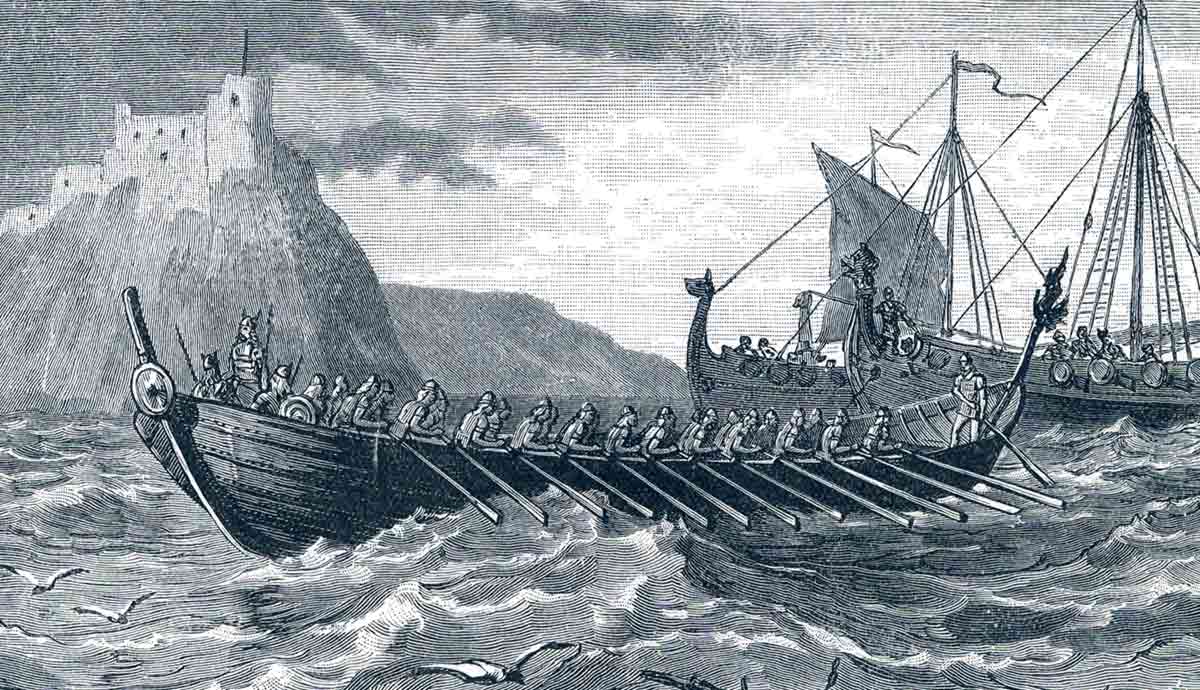
The historical Ragnar is probably the “Reginheri” who led 120 longships up the River Seine to attack Paris in 845 CE. The Vikings had been raiding West Francia since 820, but Paris, inland along the Seine, was believed to be safe. The French did not count on the Vikings being able to sail their unique shallow longships up the Seine in a surprise attack. When Ragnar attacked, with 5,000 ferocious Vikings, most of the population had fled with what they could carry, leaving the Vikings to ransack the city.
In possession of Paris, Ragnar sent a messenger to King Charles the Bald, offering to leave Paris in exchange for 7,000 livres in silver and gold, which the king foolishly paid. This set a precedent for demanding danegeld for mercy, a strategy that the Vikings used successfully across England and France for the next 200 years. While the French Chronicle suggests that Ragnar died of plague shortly after the sack of Paris, he appears in other sources in Scotland, Ireland, and England.
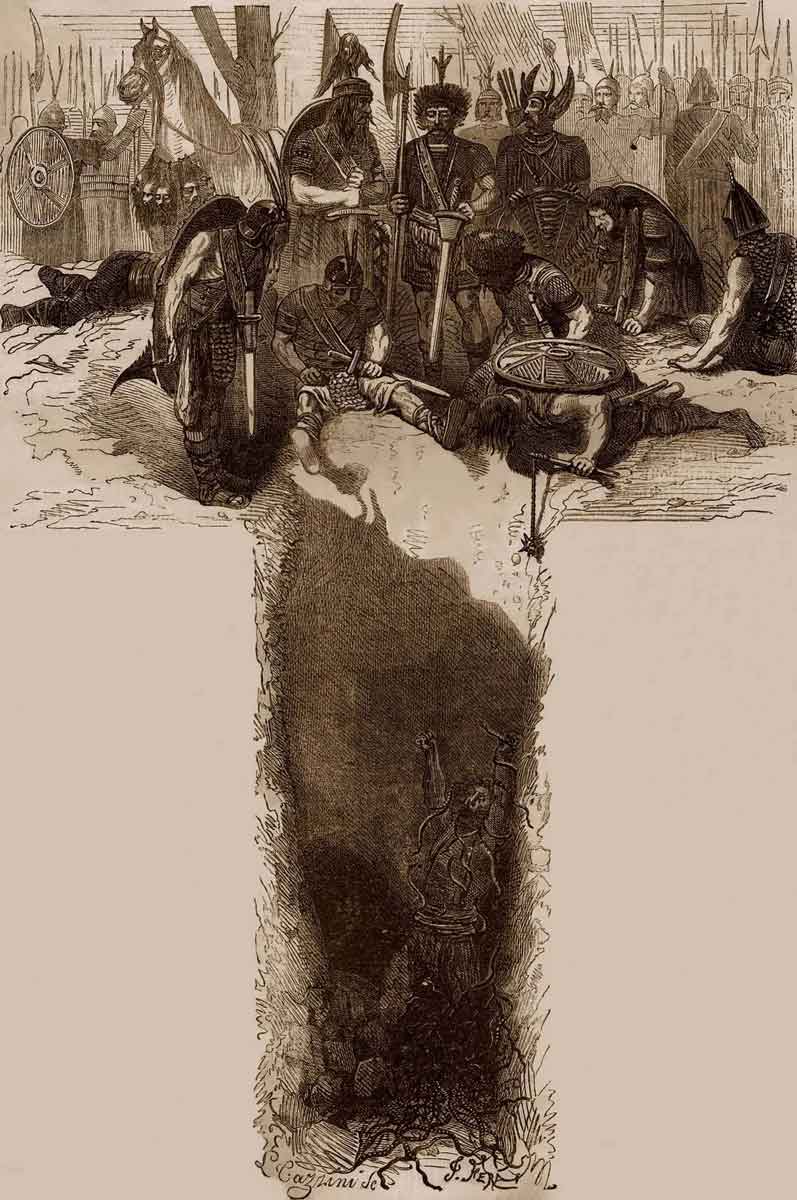
In the Danish historian Saxo Grammaticus’ Gesta Danorum, Ragnar is the son of King Sigurd Hring of Norway. This Ragnar, King of Denmark and Norway, features in the sagas. He marries Lagertha and then Aslaug, among others, and is the father of the many famous sons we meet in Vikings. In one version of this story, an aged Ragnar, having conducted several successful raids on England during his life, grew jealous of his sons and resolved to prove himself by taking England with just two ships. He was defeated by King Aella of Northumbria, who executed him by throwing him into a snake pit.
An incredible Viking chief named Ragnar pops up across the surviving sources everywhere from Ireland to Ukraine. Whoever the real Ragnar Lodbrok was, even in the Viking age, he was considered larger than life.
2. Lagertha

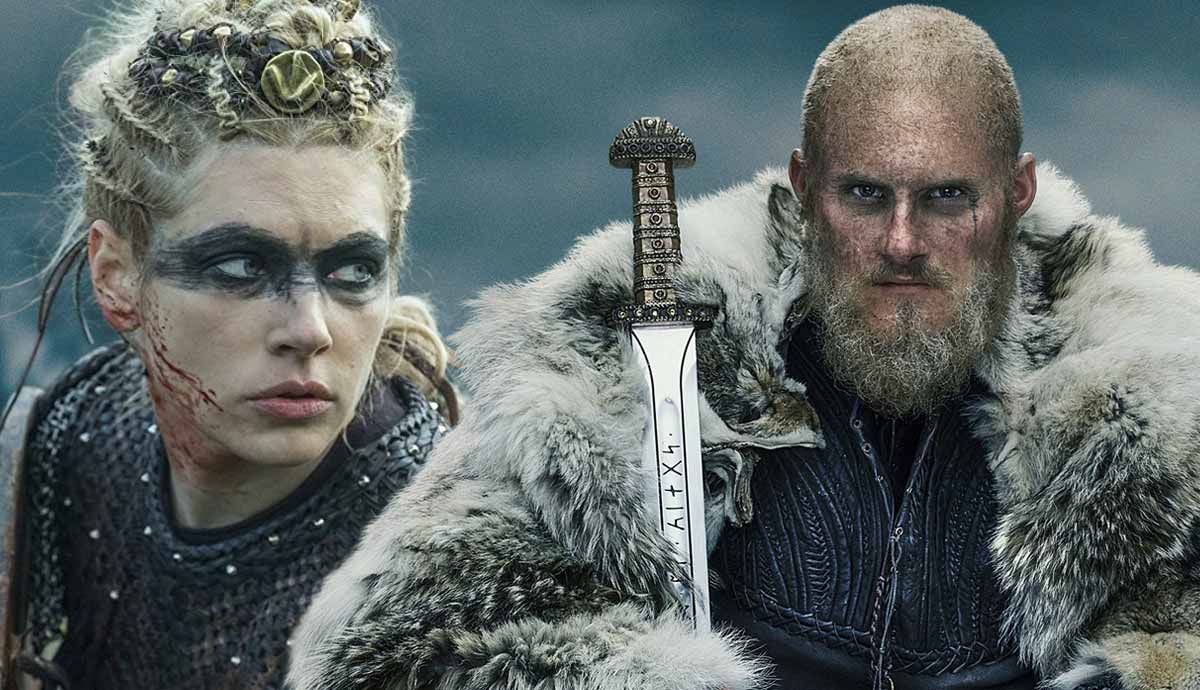
Closely connected to Ragnar is one of his many wives, the shieldmaiden Lagertha. According to the sagas, Ragnar attacked King Fro of Sweden in retaliation for killing his grandfather, King Siward of Norway. King Fro had also banished the women of Siward’s royal household to a brothel. Outraged at their treatment, the women dressed as men to join Ragnar in the fight against Fro, including Lagertha.
According to Saxo Grammaticus, Lagertha fought so courageously that her bravery turned the tide of battle, and Ragnar credited her with winning the day. Of course, he then decided to pursue her romantically.

While Ragnar was based in Jutland, she lived in the Gaulardal Valley, so Ragnar courted her from a distance, sending messages. She pretended to be interested in his advances, while simultaneously setting up defenses around her home in preparation for his arrival. When he arrived, he found a bear and a ferocious dog defending her home, both of which he slayed to make Lagertha his wife.
Together, the pair had three children: two daughters, who remain unnamed in the sources, and a son, Friedlief. But before long, Ragnar had to return to Jutland, and the two apparently divorced, as on the return journey, he married Thora, princess of Gotland. Nevertheless, the two remained friendly, and when Ragnar called for support to deal with issues in his homeland, she arrived personally with 120 ships and again fought ferociously to ensure Ragnar’s success. When she returned home, Saxo Grammaticus says that she killed her then Jarl husband, usurped his name, and ruled in her own right.
3. Rollo of Normandy
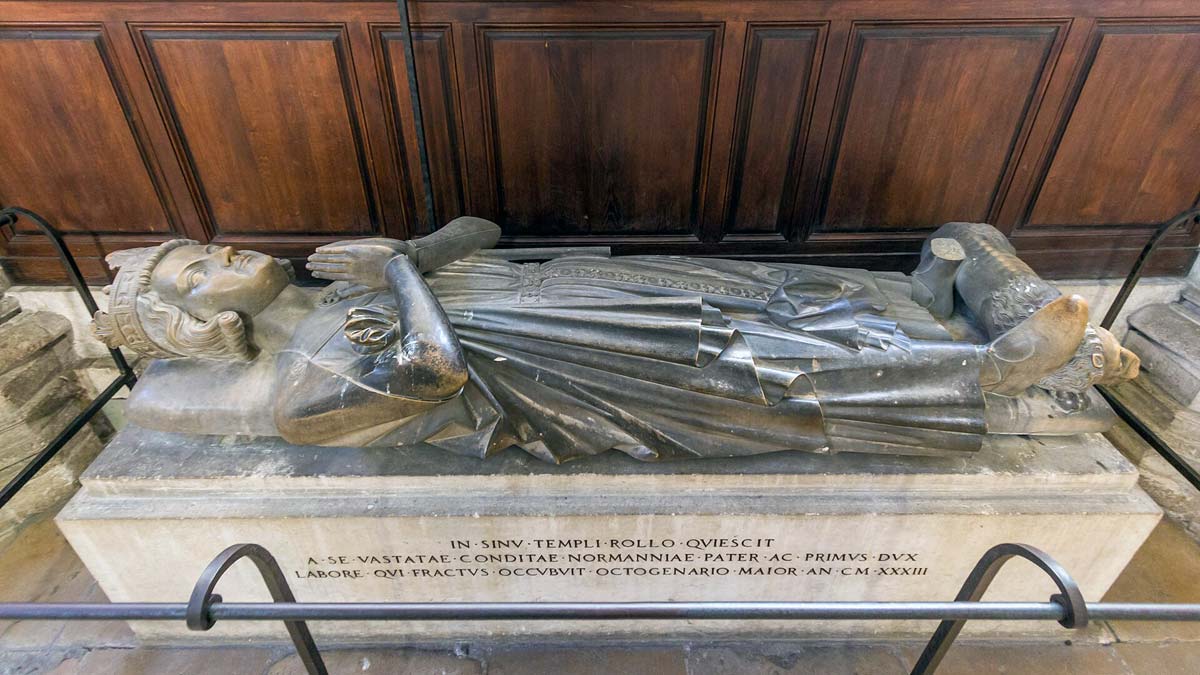
Rollo is one of the Danish Vikings who made a name for himself in France, leading a siege on Paris between 885 and 886, a few decades after Ragnar. The sources suggest that he was off raiding due to a conflict between his noble father and the king of Denmark. He was active in England, where he earned the name Rollo the Walker, because he was apparently too big and strong to ride a horse. It was in England that he made friends and joined an expedition to France in 876.
He successfully raided around the countryside for a decade, taking control of the Bayeux region. In November 885, Rollo set his sights on Paris. He arrived with hundreds of ships and tens of thousands of warriors demanding danegeld, which was denied by Count Odo of Paris. Despite few defenders, the siege carried on for months, until King Charles the Fat arrived with his army in October 886. However, instead of attacking the Vikings, he let them raid further up the Seine in Burgundy and then paid them 700 livres of silver to leave.
This pattern continued, and Rollo’s territory expanded. It soon became necessary to come to terms. In 911, Rollo was offered Normandy, which was already under his control, if he agreed to be baptised and swear his allegiance to the French king. To seal the deal, he was betrothed to a five-year-old Gisela, the daughter of King Charles the Simple of Francia. Rollo then ruled his new territory, mixing Norse and Frankish customs to make it the strongest duchy in the region. He created a strong dynasty through his son William Longsword, with his previous wife, Poppa. Five generations later, his direct descendant, William, would conquer England.
The Commanders of the Great Heathen Army
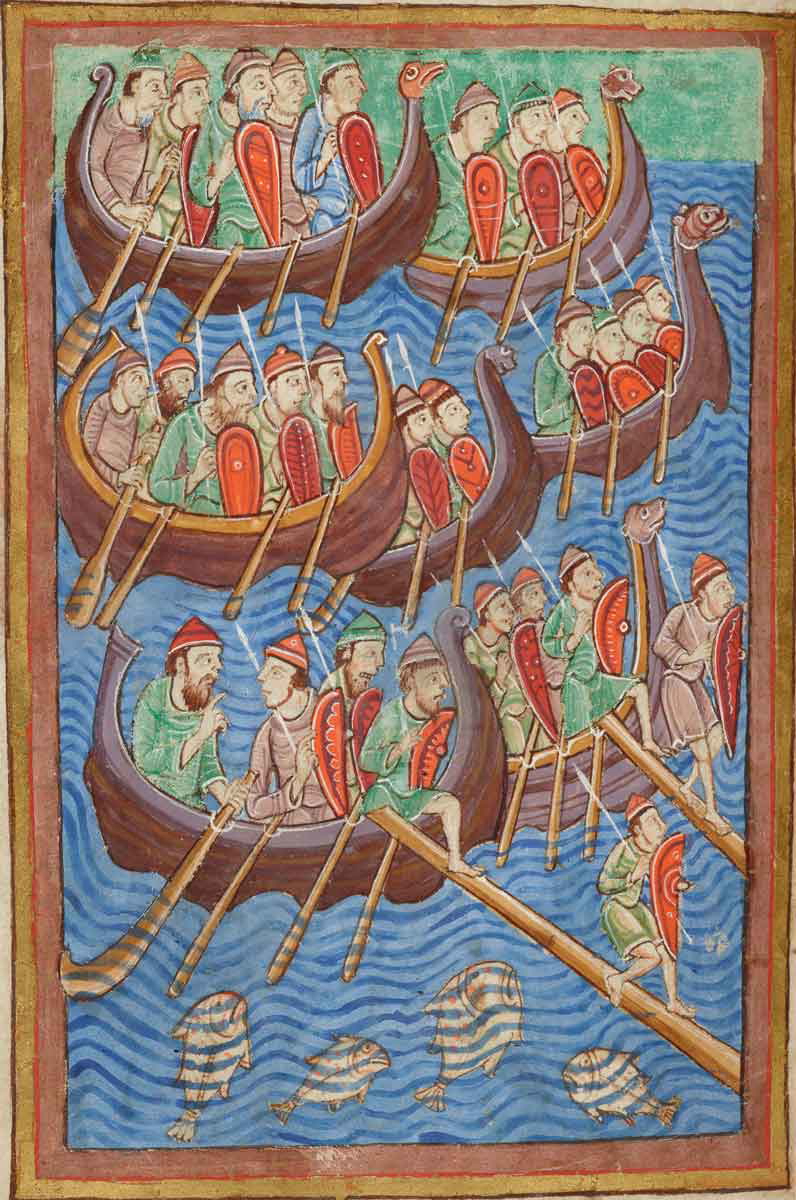
According to legend, the sons of Ragnar assembled the Great Heathen Army to avenge the death of their father at the hands of Aella. While this cannot be verified, the Great Heathen Army certainly terrorized England for more than a decade starting in 865, and its leaders included some of the most famous Viking warriors.
4. Ivar the Boneless

Ivar the Boneless is probably the most famous of Ragnar Lodbrok’s many sons. It is unclear why he was called boneless, but it is unlikely that he was a cripple. Ragnar had a son, Friedlief, with Lagertha, who seems to have stayed with his mother, and then two sons with Thora, Eirik and Agnar. He then had a group of sons with his next wife, Aslaug, and Ivar was the eldest.
According to the sagas, and as seems to have been the custom, this group of sons was sent away with ships and men to make their way as raiders, reducing inheritance conflict with the elder sons. The brothers, Ivar, Bjorn, Halfdan, Rognvald, and Sigurd Snake-in-the-Eye, formed a successful raiding band led by Ivar, as the eldest and reportedly a keen strategist. When their older brothers Eirik and Agnar were killed, the band was recalled by Ragnar, who left the skilled Ivar in charge when he set off on his ill-fated trip to England.

The brothers reportedly gathered a fleet of as many as 400 ships and set sail for England in 865. While his brothers rushed into battle and suffered humiliating defeats, Ivar was making strategic alliances. This allowed him to establish a new Viking stronghold at York and carve out a foothold in England. From there, he was able to defeat the Northumbrian king, reportedly executing him using a torturous technique called the blood eagle (though this exact method of execution is likely an embellishment). This involved carving an eagle on a man’s back and salting the wound, then extracting the ribs in a way that they pulled out the still-breathing lungs, letting the man die slowly.
Following this victory, many of his brothers left, but Ivar remained in England and established himself as a warlord. Christian sources suggest that he remained a staunch pagan and executed Edmund, King of East Anglia, when he refused to renounce Christ. He exposed his body and denied him burial as a final insult. Some sources suggest that he also used his York base to raid the coasts of Ireland, eventually setting himself up as the King of Dublin, dominating territory on both sides of the Irish Sea.
5. Bjorn Ironside

One of Ivar’s younger brothers, Bjorn, earned the name Ironside because of his ferocity in battle alongside his brothers during their early raids. However, even at this early stage, Bjorn seems to have had an appetite to strike out on his own. It is believed that Bjorn is the Berno mentioned in the French Annals who was raiding in West Francia in 855 and plundered Paris in 861. According to the Albeldense Chronicle, he was also raiding in Spain and Portugal in 858, apparently looking for passage into the Mediterranean.
Most famously, Bjorn sailed to Italy in pursuit of the riches of Rome. Upon landing in Italy, they sacked Pisa and then stopped at Luna, assuming that the wealthy, well-fortified city was Rome. While the Vikings were besieging the city, they sent word to the Bishop of Luna that their leader, Bjorn, was either dying or dead and had requested a last-minute conversion to Christianity and wanted to be buried on sacred ground. The bishop let a small group carry his body into the city, but as soon as they passed the city gate, Bjorn jumped up from his sickbed or coffin and opened the gates for his army. While they took Luna, they abandoned the quest for Rome, assuming it would be too heavily fortified.
According to the sagas, after these adventures, Bjorn joined his brothers in avenging Ragnar as part of the Great Heathen Army. He then returned to Sweden, which he had inherited from his father. There, he established the House of Munso, which ruled from the 860s until 1060.
6. Halfdan Ragnarsson

Another son of Ragnar and brother of Ivar and Bjorn, Halfdan was one of the leaders of the Great Heathen Army that invaded England in 865 and was largely responsible for many of the Viking conquests in England. He can sometimes be difficult to trace in the sources, as he seems to be the same person as Hvitserk, as the two are never mentioned together.
While Halfdan seems to have taken a back seat to his older brothers during the initial activities of the army, sources suggest that Halfdan took control of the army in 870. Coins were minted in his name, identifying him as the leader of the army in 871. This was the start of a successful campaign. He invaded Wessex in 870 and reportedly faced the West Saxons in battle nine times. The conflict remained inconclusive, and he accepted a truce with Alfred, the new king of Wessex, in 871. He then invaded Northumbria in 872 and conquered Mercia in 874.

At this point, the Vikings were in control of East Anglia, Mercia, and Northumbria, and would go on to control these territories legally under Danelaw. But this does not seem to have been enough for Halfdan. In 874, he reportedly took a portion of the army and stayed in Northumbria, from where he raided into Scotland and battled with the Picts.
Halfdan is then said to have killed Eystein Olafsson, King of Dublin, who had taken the position following Ivar’s death in 873. He reclaimed his brother’s lost kingdom but then returned to Northumbria to claim York in 876, another territory that had once belonged to Ivar. While in York, he lost control of Dublin, so returned there in 877, where he was slain at the Battle of Strangford Lough.
Architects of Empires

At the start of the Viking age, different areas of Scandinavia were ruled by individual chiefs, but as they battled for power, they built larger territories and eventually great empires.
7. Harald Bluetooth

Harald was the son of Gorm the Old, king of Denmark, and succeeded him in 958. He then expanded his territory by consolidating his rule over Jutland and Zealand. He also claimed large parts of Norway following the death of King Harald Greycloak.
While his father was a pagan, as indicated by some of the monumental stones he set up, Harald converted to Christianity around 963, making him the first Christian king of Denmark. This was probably a political decision. Otto the Great, the East Frankish king and Holy Roman Emperor, was threatening to expand into Danish territories. Conversion forestalled these plans.
Harald took the opportunity to promote an independent Danish Church with its own bishoprics. He also established a network of round-shaped fortresses across Denmark and southern Sweden to protect his territory. Harald also moved his seat of power from Lejre to Roskilde on the island of Zealand, marking the start of a new era in Denmark’s history.
8. Sweyn Forkbeard

Sweyn Forkbeard was Harald’s son and succeeded his father as king of Denmark. Ambitious, he allied with other chiefs to overthrow King Olaf Tryggvason of Norway and took some of his territory. Not long after that, he turned his attention to England.
Vikings had settled and self-governed themselves in England since the treaty with Alfred in the wake of the Great Heathen Army, but raiding activity had intensified again in the 980s. This culminated in the new king of Wessex, Aethelred, ordering his army to slay all the Danes in England in what became known as the St Brice’s Day Massacre in 1002. While they did not kill all the Danes, the sources suggest that they provoked the anger of Sweyn because his sister, Gunnhilde, and her husband were killed in the massacre. However, it may just have been an opportune moment. Before starting his campaign, Sweyn organized the right to sell the spoils of his raids to the Duke of Normandy, a successor of Rollo.
Sweyn and his men raided Wessex and East Anglia in 1003-1004, again in 1006-1007, and 1009-1012, exporting large amounts of danegeld each time. He launched a full-scale invasion in 1013. His successful attack forced Aethelred and his two sons, Alfred and Edward, into exile in Normandy, while Forkbeard was proclaimed the new king of England with his court at Gainsborough in Lincolnshire. But his rule was short-lived, as he died in unknown circumstances on February 3, 1014. Nevertheless, he is remembered as the first Viking king of England.
9. Cnut the Great

After Sweyn’s death, Denmark went to his eldest son, Harald II, and England went to his second son, Cnut. But the English used Sweyn’s death as an excuse to recall Aethelred, and Cnut was pushed out. However, he gathered a significant fleet and, in 1015, landed in England with 200 ships and 10,000 men. Following 18 months of intense warfare, the English found themselves with another Viking king. When he sent a big portion of his army back to Denmark, Cnut also sent 26,900 kilograms of silver.
Cnut protected England against further Viking raids but also exploited its resources to expand his territory in Scandinavia. He got Denmark when his brother died in 1018, though it took him two years to secure his claim. He took on his enemies in Norway and Sweden at the Battle of Helgea in 1026, and victory left him the dominant leader in all of Scandinavia. He was officially crowned king of Norway in 1028, and even the Slavic Wends paid tribute to him. He also made vassals of several of the high kings of Scotland and received danegeld from the Welsh and Irish.
Cnut was now sufficiently powerful that he was invited to Rome in 1027 to witness the coronation of Conrad II as Holy Roman Emperor. He remained the ruler of what he called the North Sea Empire until his death in 1035.
The Explorers

The Vikings weren’t just conquerors; they were also explorers. Their curiosity led them to discover previously unknown lands and even set foot in the Americas 500 years before other Europeans.
10. Erik the Red

Erik the Red was the Viking outcast. In societies without the infrastructure to imprison lawbreakers, the Vikings outlawed people who crossed lines, usually for a set time. Erik was born in Norway, but his father was outlawed for killing another man, so they moved to Iceland, which was first settled in 874. Erik built a successful life in Iceland, but a family blood feud saw Erik accused of an unjust killing (just killings also existed), and he was banished from Iceland for three years in 982.
With few other options, Erik and some other exiles set sail for an island they had heard stories about. They found the large island, but encountered extreme conditions, with 75% of the island covered in ice. When his three years were up, Erik returned to Iceland and convinced around 300 people to migrate to the new territory with him, calling it Greenland to make it seem more attractive.
As the leader of the expedition, Erik chose the best land for himself and became the leader of the small colony.
11. Leif Erikson
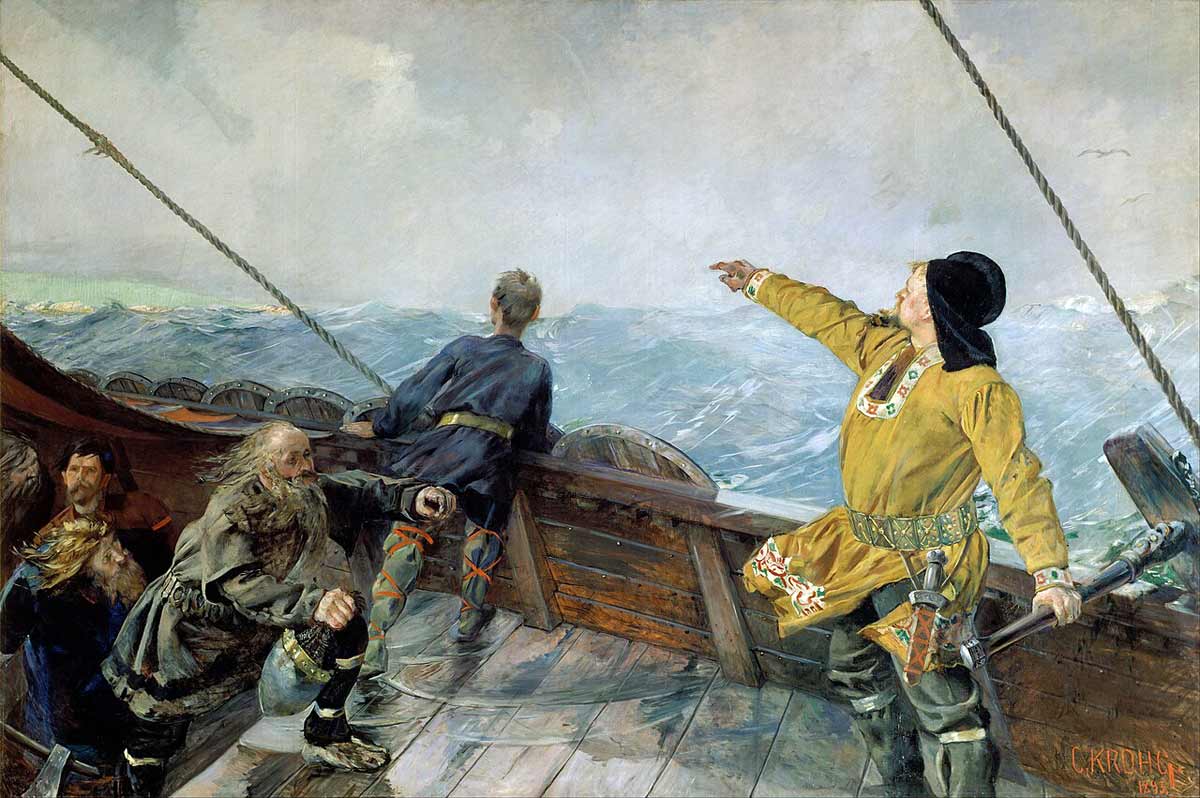
Leif Erikson was one of the children of Erik the Red and is known as the first European to visit the New World. Living in Greenland with his father, he heard reports from a sailor called Bjarni Herjólfsson of a great and fertile land in the west that he had stumbled across by accident. In around the year 1000, Leif set sail to find this new land, following the instructions he received, as there is no evidence that the Vikings used maps.
Reconstructions of his journey based on the accounts in the sagas suggest that he sailed past inhospitable territories around Baffin Island and the northern coastal regions of Canada before discovering lush green pastures, dense forests, and huge salmon. This is now believed to be Newfoundland, based on the discovery of a Viking settlement at L’Anse aux Meadows in the 1960s. He called this new land Vinland because wild grapes grew in the region. He returned home with news of this new land, and others visited in the following decades.
After his return, Erik sent Leif to take some gifts to King Olaf of Norway. The king was taken with the young man and invited him to stay, and during that time, converted him to Christianity. Leif took the faith back to Greenland with him and spread the word, but his father remained a staunch pagan. Leif’s mother, however, built the first church in Greenland, and when he became chief following his father’s death, Leif encouraged widespread conversion.
12. Freydis Eiriksdottir
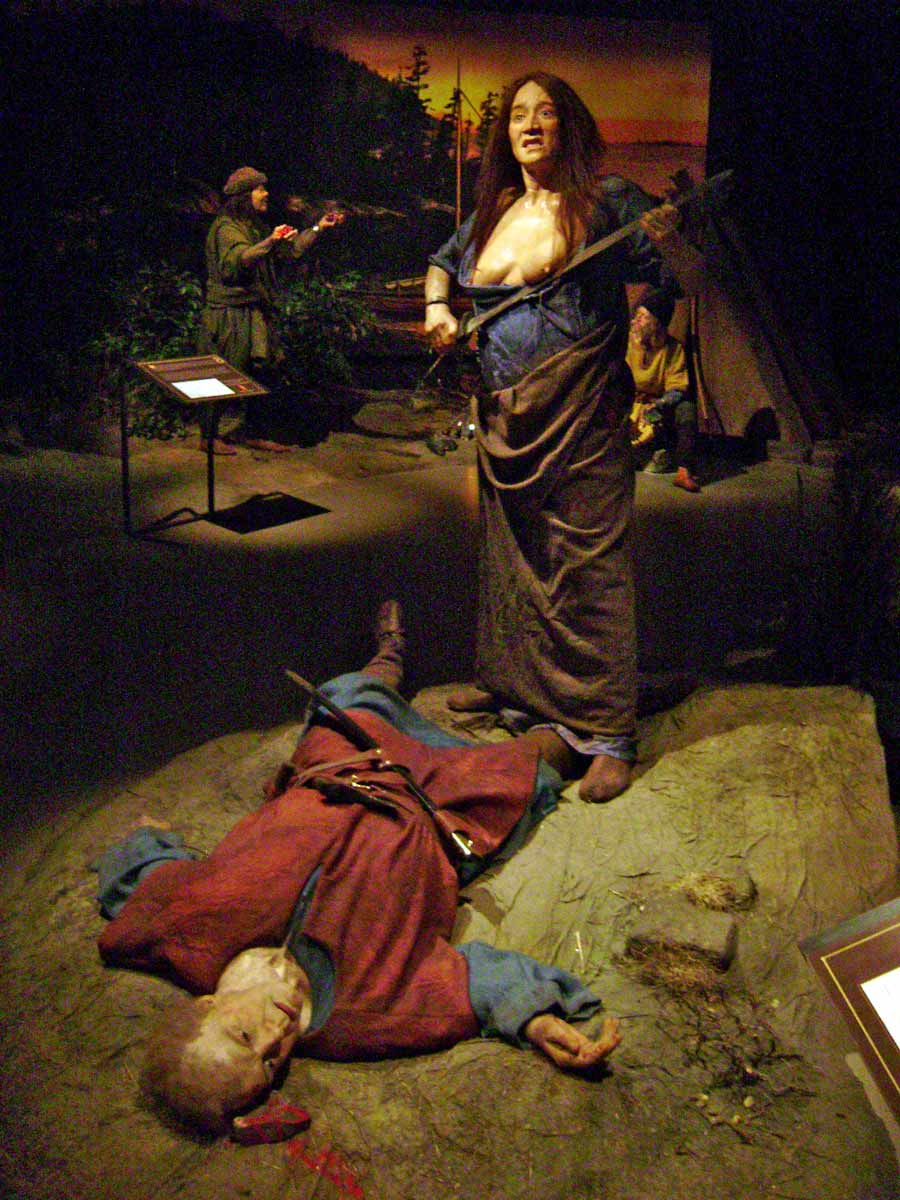
Freydis was the sister of Leif and was one of several family members who also visited the New World. She joined one of the first expeditions after Leif’s initial discovery, during which they found themselves in conflict with the natives, known as Skraelings. After a failed trade negotiation, the Skraelings attacked the Viking camp at night, using handheld catapults that threw the Vikings into a panic. According to legend, as others were fleeing, an eight-months-pregnant Freydis grabbed her sword and started beating her chest and screaming bloody murder. This was such a terrifying sight that the Skraelings fled.
While this anecdote from the sagas seems to cast Freydis as courageous, she is generally portrayed as someone who cannot be trusted. Freydis was reportedly disappointed with the failure of her first trip to the New World and so organized another venture, partnering with two brothers from Iceland to share the expense. But from the outset, Freydis was dishonest. She let the brothers sail first so that she could ensure she sailed with more men to secure the upper hand. When she arrived, the brothers were settled in the camp set up by Leif, and she expelled them, claiming priority. Nevertheless, they still managed to work together to gather valuables to take back home.
Shortly before the expedition was due to return, Freydis beat herself to make it appear that the brothers had mistreated her. She then told her husband, who had joined her, and demanded that he and the men kill the Icelandic brothers. They did, but left five women in the Icelandic party alive. This enraged Freydis, who went back and killed the women herself to ensure that there were no witnesses. She told her own men that if anyone shared what happened, they would face the same fate.
13. Gudrid the Far-Traveled
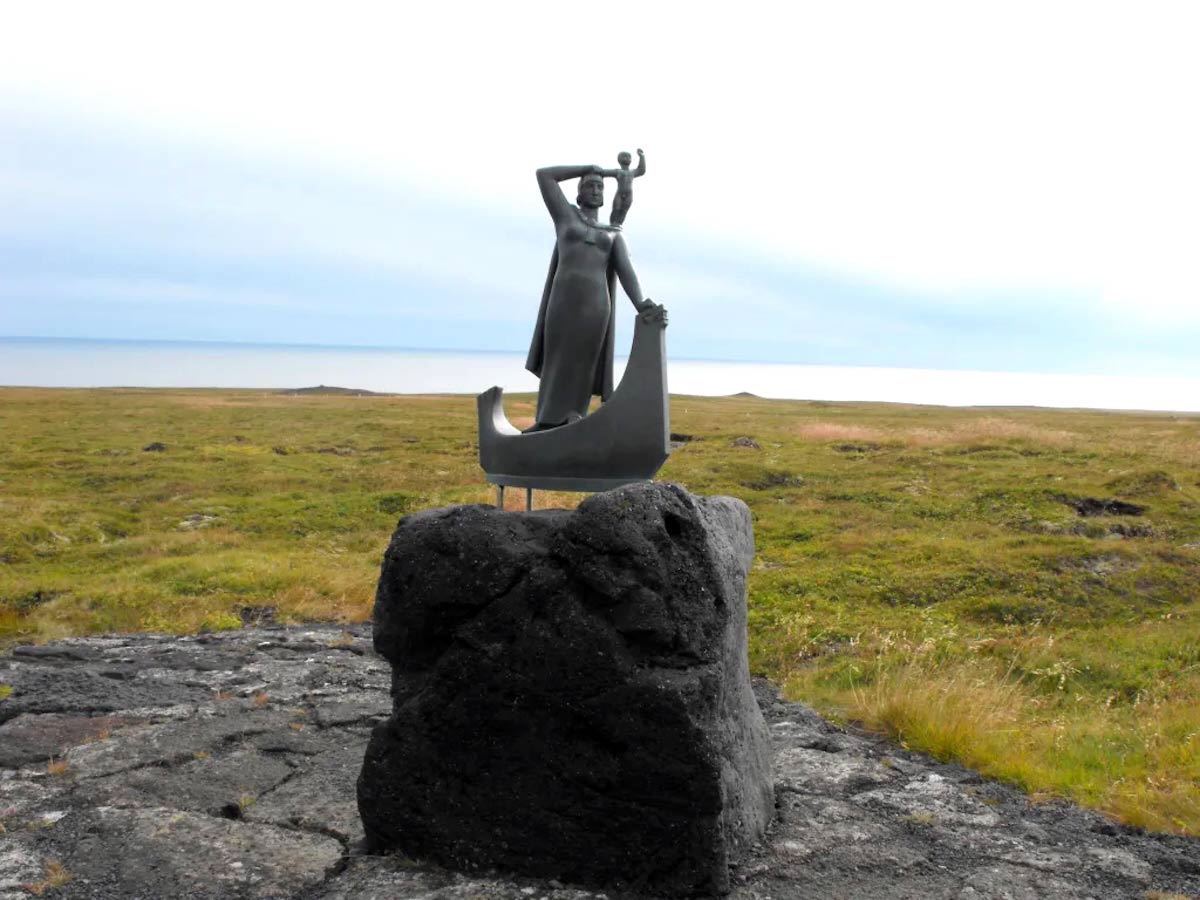
Freydis was not the only Viking woman to make a name for herself through her travels. Gudrid was born at the end of the 10th century in Iceland as the daughter of a powerful chieftain. As was often the case, her father utilized her to make political alliances. She was first married to a Norwegian merchant named Thorir, with whom she sometimes travelled to Norway.
The couple then joined Erik the Red’s new settlement in Greenland. Traveling with 30 other settlers, they were blown off course and stranded on a small island. They were eventually picked up by Leif Erikson and taken to Greenland, but her husband Thorir died of sickness shortly after their arrival. This allowed Gudrid to marry Thorstein Eriksson, one of Leif’s brothers. She accompanied him on at least one of his expeditions to the New World.
When they returned, the couple travelled to Norway, where her second husband also succumbed to disease. She returned to Iceland and married her third husband, Thorfinnur Karlsfeni. They also travelled to the New World, and on this journey, she gave birth to their son Snorri, the first confirmed Viking birth in Vinland.
At some point after their return to Iceland, Gudrid converted to Christianity and decided to make a pilgrimage to Rome to mark the engagement of her son. While there, she chose to become a nun.
The Final Stand of the Viking Age
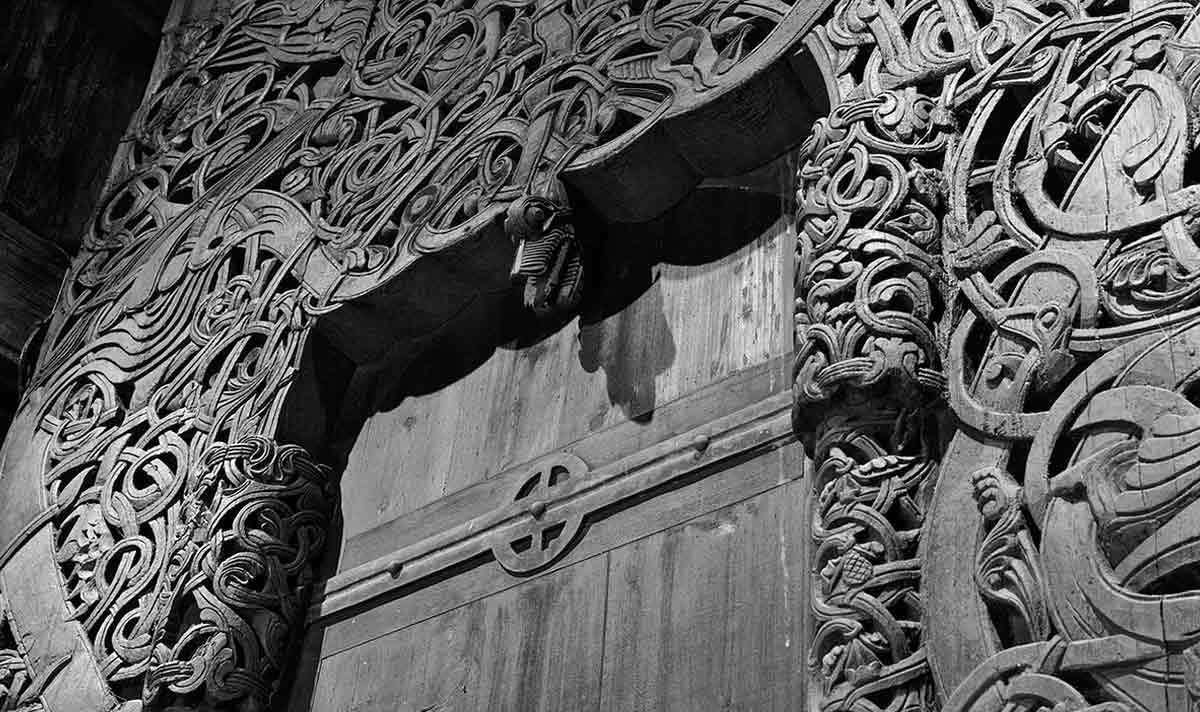
The Viking Age ended as the Vikings converted to Christianity and became more like their European neighbors, and when changing technologies made raiding less profitable. But as the Viking age faded, a few warriors still left their mark.
14. Harald Hardrada

Harald was the son of a Norwegian chieftain whose territory had been seized by Cnut the Great. While he and his half-brother Olaf tried to reassert their claim at the Battle of Stiklestad in 1030, this was a devastating loss, and Harald was forced to flee. He made his way east and joined the Kievan Rus, where he was welcomed at the court of King Yaroslav the Wise as a foreign mercenary.
After serving Yaroslav for a number of years, he made his way to Constantinople and entered the service of Emperor Michael IV as a member of the Varangian Guard, the emperor’s personal militia. He had a successful career, reportedly engaging in 18 major battles and conquering 80 Arab strongholds, all of which allowed him to accumulate a great amount of wealth. Confusion following the death of Michael saw Harald thrown in prison for embezzlement. He was freed in a palace revolt and decided that now was the time to return to Scandinavia and reassert his claim.

Returning to Sweden and allying with other discontents, he pressed his claim against the current king, Magnus Olafsson. Magnus chose to make a deal with Harald, agreeing to become co-rulers in exchange for a portion of his wealth. Harald inherited full power on Magnus’ death in 1047, but found himself in conflict with a former ally, Svein Estridsson, who had since inherited the Danish throne. Hardrada considered the Danish throne his as the successor of Cnut the Great, so he fought for possession of the Danish throne for almost 20 years until 1064. Harald’s brutal methods earned him the name Hardrada, meaning “hard ruler.”
His connection to Cnut meant that Harald also considered himself to have a claim to the English throne. When Edward the Confessor died childless in 1066, Harald assembled a force and sailed to England to assert his claim. Despite initial successes, he was defeated by the English leader, Harald Godwinson, at the Battle of Stamford Bridge, where he was killed. However, this proved a sufficient distraction and drain on English resources that, shortly after, the English were defeated at the Battle of Hastings, ushering in Norman rule.
15. Egil Skallagrimsson

Egil Skallagrimsson was a formidable Icelandic warrior and a famous poet in the early 10th century whose life was recorded in the farcical Saga of Egil Skallagrimsson.
According to his story, even as a child, Egil was extremely ugly, large for his age, violent, and aggressive. One day, a three-year-old Egil was upset that his parents didn’t take him to a party because the infant was a terrible drunk. He steals a horse and goes to the party anyway, and is allowed to stay because he composed a fantastic verse for the host.
At the age of seven, Egil was humiliated by an older boy for beating him at a game, so Egil struck him with an axe, killing him. A brawl ensued in which seven men died at the young Egil’s hands.
As an adult, Egil sailed to Norway and found himself in conflict with King Erik Bloodaxe and his wife due to a misunderstanding in which he killed several of the queen’s family members. Egil was outlawed, and he erected a curse pole to drive the royal couple out of Norway. Egil himself went to Britain, where he fought for King Athelstan. In due time, King Erik and his wife were driven out of Norway by his brother Hakon and landed in England. When they crossed paths with Egil in York, Erik imprisoned Egil, planning to execute him in the morning. But that evening, Egil composed a 22-stanza poem praising Erik, which he recited for the king, earning him freedom.

This allowed Egil to return to Norway and enter the service of King Hakon. Along the way, he had some adventures, such as defeating a berserker warrior to save a woman, tearing out a man’s throat with his teeth, and beheading a man for giving him poor hospitality. As he became too troublesome, King Hakon tried to have him killed several times, but Egil always beat the odds, killing scores of the king’s men singlehandedly.
While this seems like a triumph, for a Viking, it was bittersweet. Instead of dying in battle and earning a place in Valhalla, he would outlive both of his sons, for whom he composed poems to Odin complaining, and died blind, deaf, and feeble of natural causes at the age of 80.