
France has faced many accusations of cowardice and ineffectiveness regarding its military history. Most of this stems from modern history over the past 150 years.
French military history, however, goes back over two thousand years, and the reality stands in stark contrast to modern beliefs of the French being incapable of winning wars or being quick to surrender, with no heart for the rigors of war.
While the word “surrender” did enter the English language from French, so too did the words “courage” and “victory.”
Difficulties With Definitions and Problems With Data
Compiling statistics of wars or battles won is a tricky business. There is certainly no historical consensus and no official database of all the wars fought in history. Nor is there a strict definition of what differentiates a skirmish from a battle or a battle from a war. Neat lines of distinction rarely exist in real history.
To make matters worse, countries, nations, and other political entities shift over time, and considerations on this matter open the debate up to far more questions than they answer. Can Italy, for example, claim credit for the victories of Rome 2000 years ago?
The Statistical Record of History’s Most Successful Military
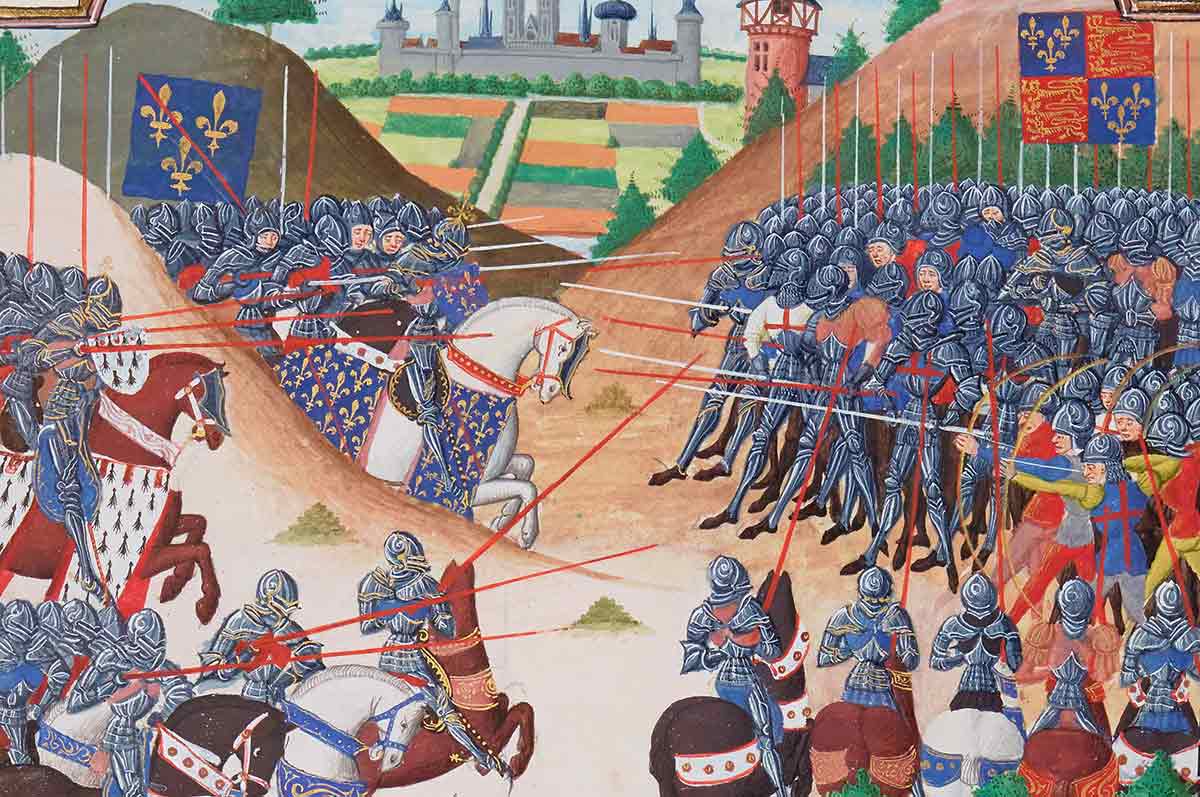
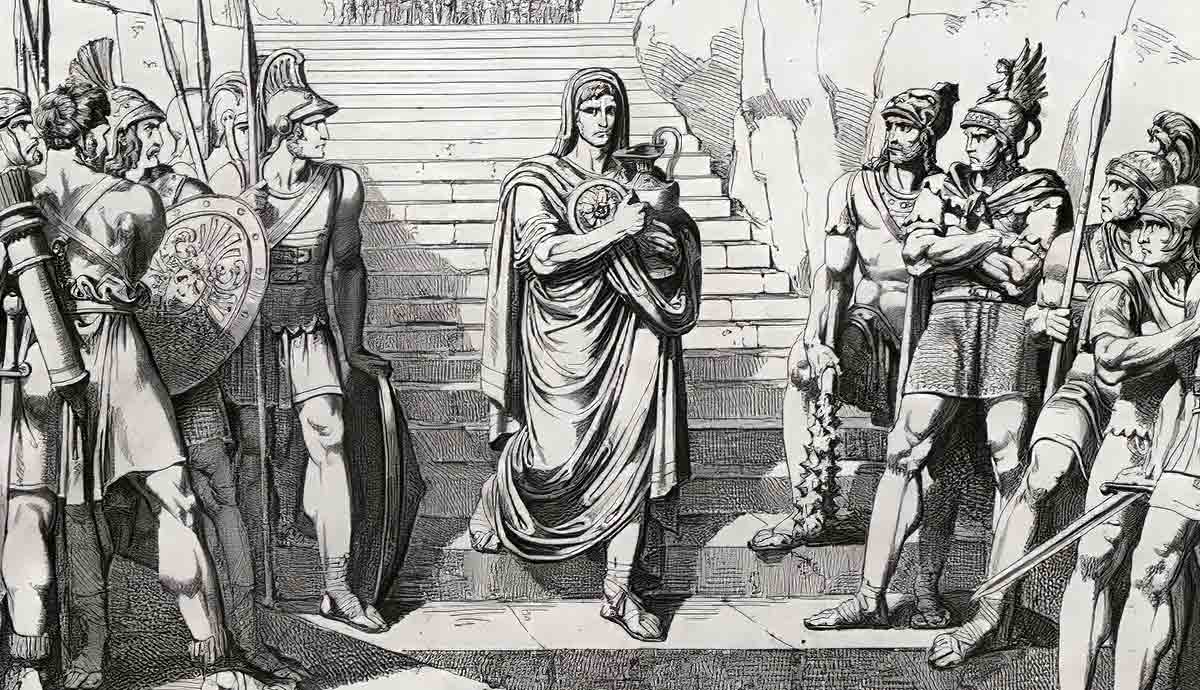
Despite the difficulties in tallying such data, when the same metrics are applied across the board, it becomes clear that French military history has been unfairly stereotyped. French military history dates back over two millennia, to the Gallic age, when the Gauls sacked Rome.
Much of the data comes from historian Niall Ferguson’s work on the subject. He is commonly quoted as saying that, of the 168 most important battles in French history since 387 BC, the French won 109, lost 49, and drew 10. That’s a 65% win rate. France has also been the most belligerent nation in European history, having taken part in 50 of 125 wars since 1495—more than any other nation.
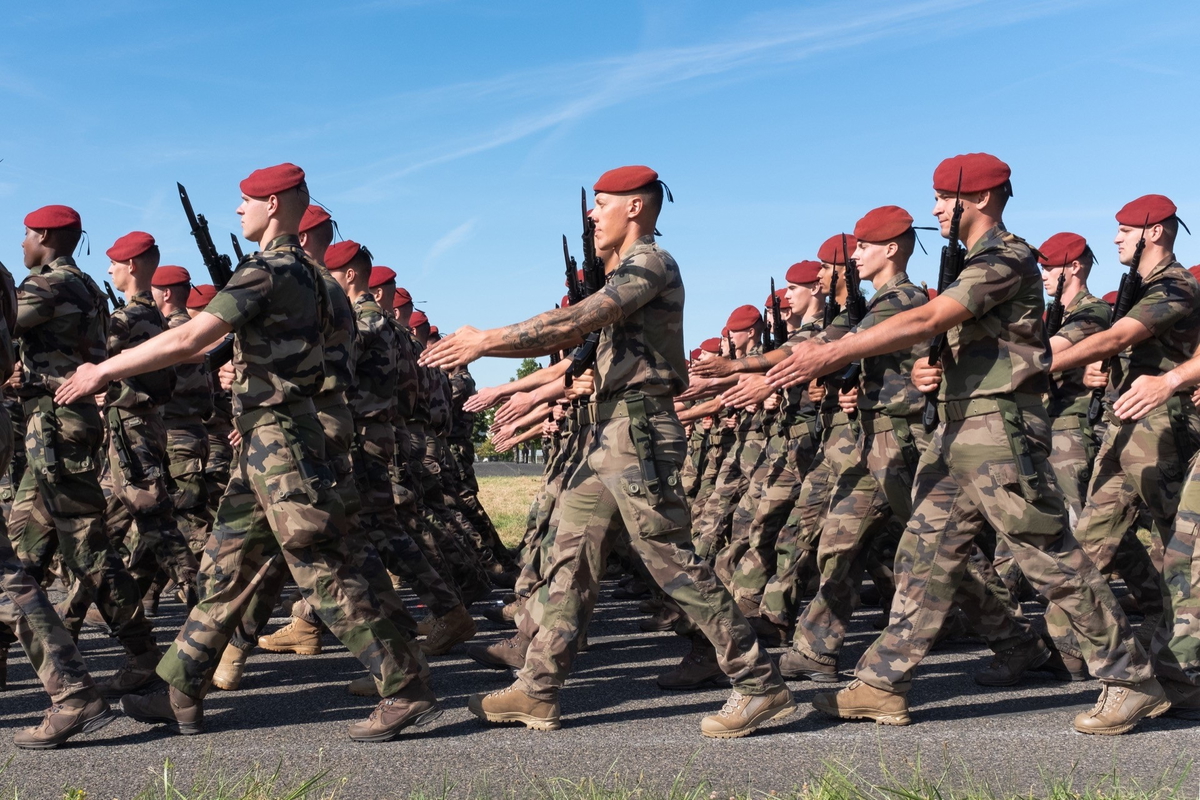
A total count, sourced from a video, Timelapse Map of Every Battle in History, created by data content creator “Cottereau” on YouTube, shows France’s total count of battles won at 1115, England/UK at 1105, and the US at 833. While this sort of source is generally discounted from a strictly academic perspective, the methodology for data collection is explained and is reasonable.
There are many sources on the internet detailing win/loss records, and few of them, if any, can be considered to be totally accurate. The ballpark figures, however, present a common theme of French competency. It seems likely that the UK/England and US ratios are generally in the region of around 70% to 74%. Despite the military success of these nations, using them as an aggregate to throw shade on France’s 65% would be unfair, since the French record is actually very good in its own right.
Why So Much War?
France sits in a central, strategic location in Europe. This geographic factor has forced the French to adopt more of a defensive posture against rival nations on many sides, including the coastal areas, especially the Channel region, which, as history attests, has been the focus of several invasions or incursions. Surprise invasions certainly contributed to some of the French losses.
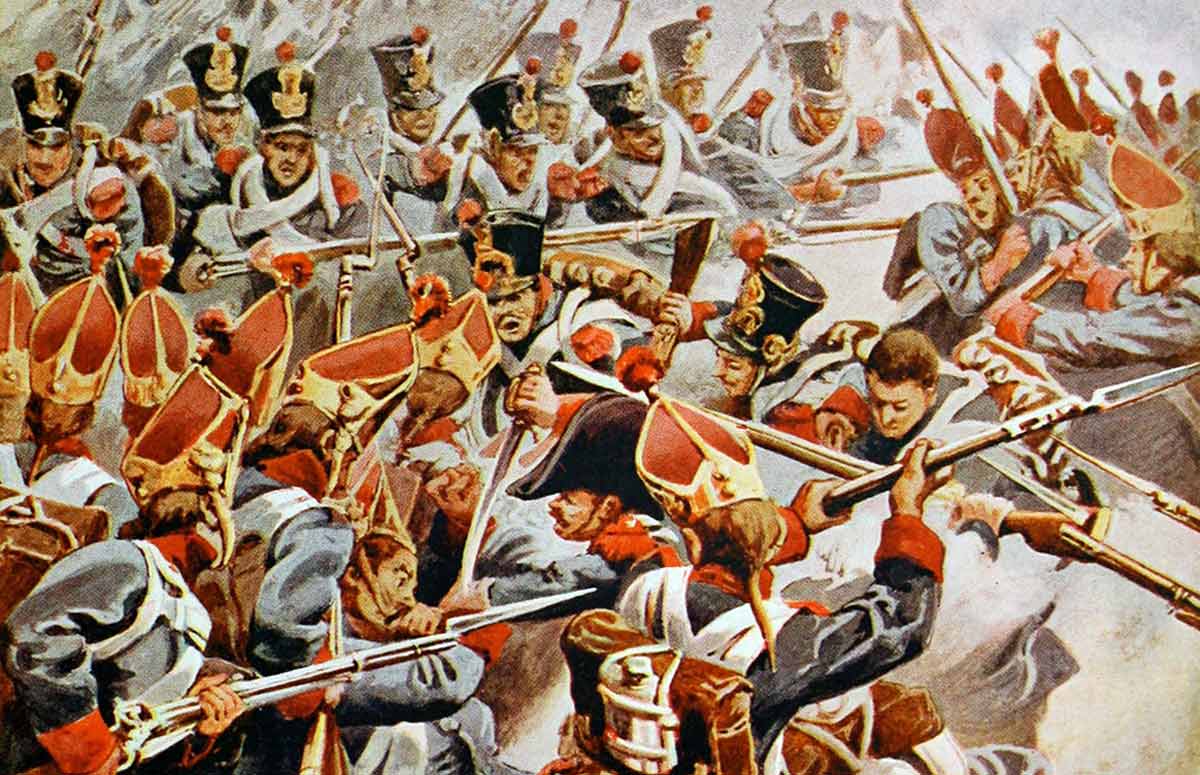
As such, the French military has, through the ages, been a pioneer of innovation. It created a state-funded standing army in the 15th century, providing a rough blueprint for military structure that still influences modern armies. Later, Napoleon further implemented the corps d’armée structure to great effect, which gave armies far more flexibility. France was at the forefront of artillery standardization, methods of mass conscription, combined arms, and military districts, among many other things.
Why Modern Myths Misrepresent Two Millennia of Triumph
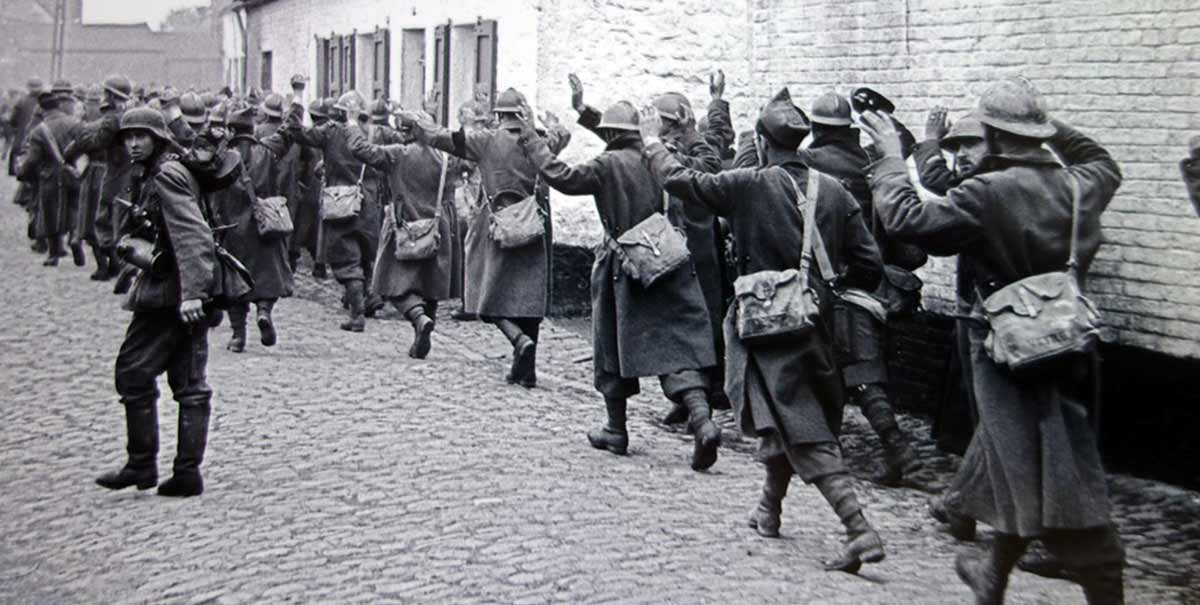
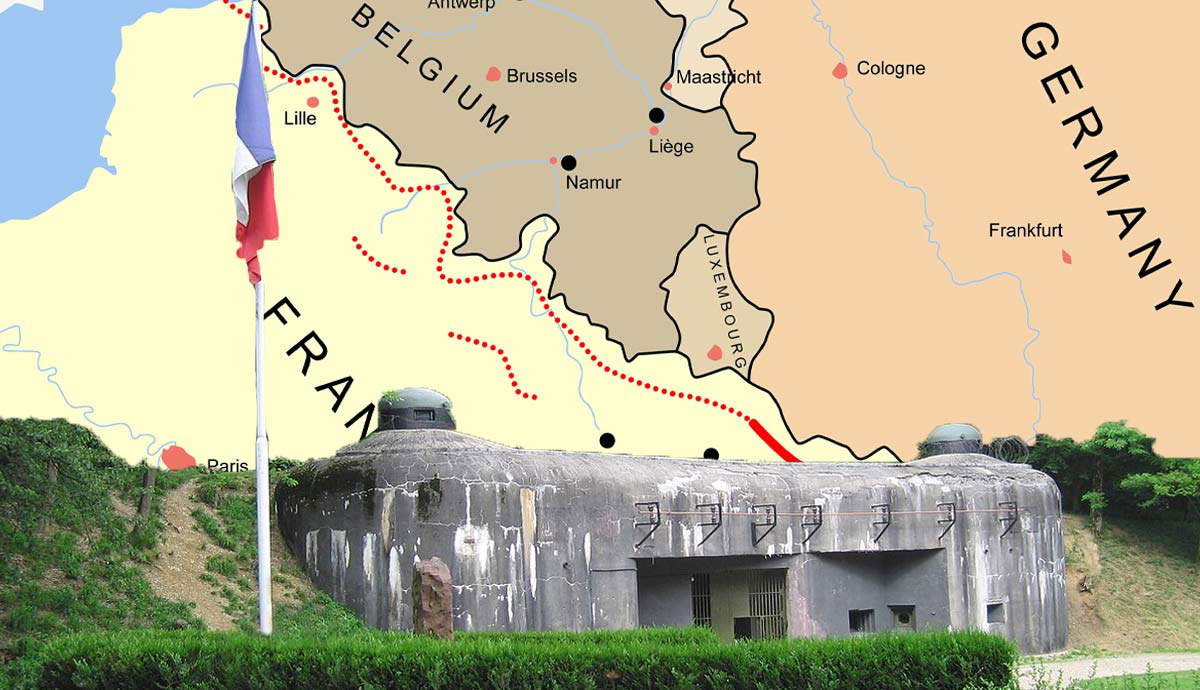
Modern history has not been kind to France’s military standing in the eyes of the world. From 1870 to 1871, France was humbled by Prussia during the Franco-Prussian War. In the Second World War, France was touted as having the most powerful military in Europe before it fell in mere weeks. The defeat was complete and utterly humiliating. After the war, France faced colonial problems, losing to revolutionary armies in Algeria and Vietnam. By this time, the stereotype had fully taken hold.
It did not take into account the millennia of military tradition, resounding victories, courage, strength, and innovation that had been shown before. It did not honor the brave soldiers who stood when they could have run, nor the grit and determination shown by their Gallic ancestors.