
Chinese civilization is almost as old as that of the Mediterranean, with written records dating back as far as 1600 BC. Over the millennia, Chinese society was the first to develop many technologies that paved the way for modern living. This includes everything from tools for detecting earthquakes, industrial innovation, and, like most civilizations, better ways to wage war.
1. Zhang Heng and the World’s First Seismograph
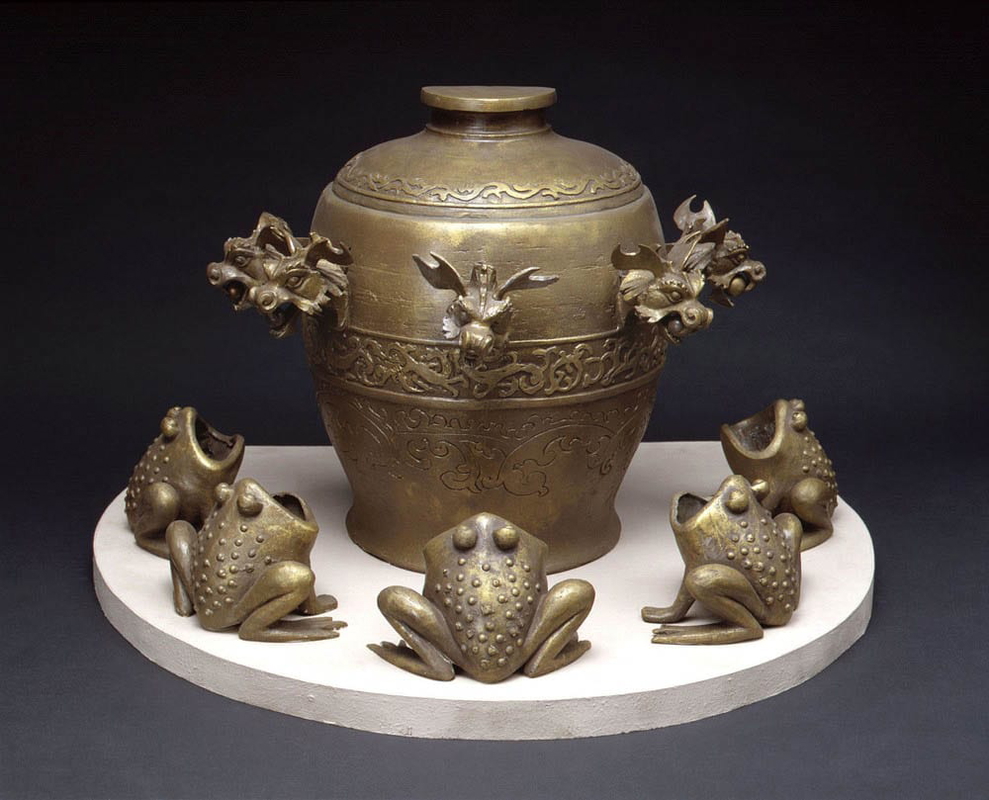
Chinese records list many historical earthquakes that shook the ground, saw tall mountains slide away, and left the surrounding area temporarily uninhabitable. Sima Qian (司马迁), ancient China’s famous Grand Historian, recorded how centuries earlier, in 780 BC, a powerful earthquake diverted the course of three rivers. The 10th-century text of the Taiping Yulan (太平御览) records over 600 earthquakes.
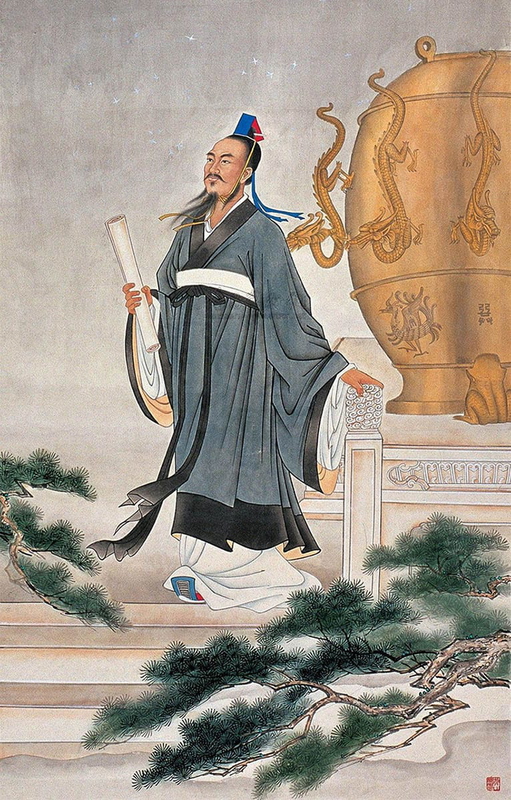
Imperial governments tried to minimize destruction and provide relief, both for humanitarian reasons and to prevent a desperate population from rebelling. Being able to predict seismic events in the capital was a useful tool, so scientist, mathematician, and inventor Zhang Heng (张衡- AD 78-139) came up with a way to measure earthquakes: a seismograph.
The seismograph was a large fine cast bronze vessel with a lid. Around the vessel, eight dragon heads are equally spaced out with bronze balls in their mouths. Around the base of the vessel, eight corresponding bronze toads were placed with their mouths wide open. Shaking and rumbling in the earth caused the ball to fall into the mouth of its corresponding toad.
The seismograph, known as the Houfeng Didong Yi (候风地动仪), is roughly translated as the “instrument for measuring seasonal winds and earth movements,” as the inventor believed that earthquakes were caused by the movement of air, or wind. While it is sometimes referred to as an “early warning system,” the seismograph detected live earthquakes and could indicate a direction. Nevertheless, it meant that the capital did not have to wait for word before it could start preparing relief.
2. Hydraulic Waterwheels and Industrial Automation
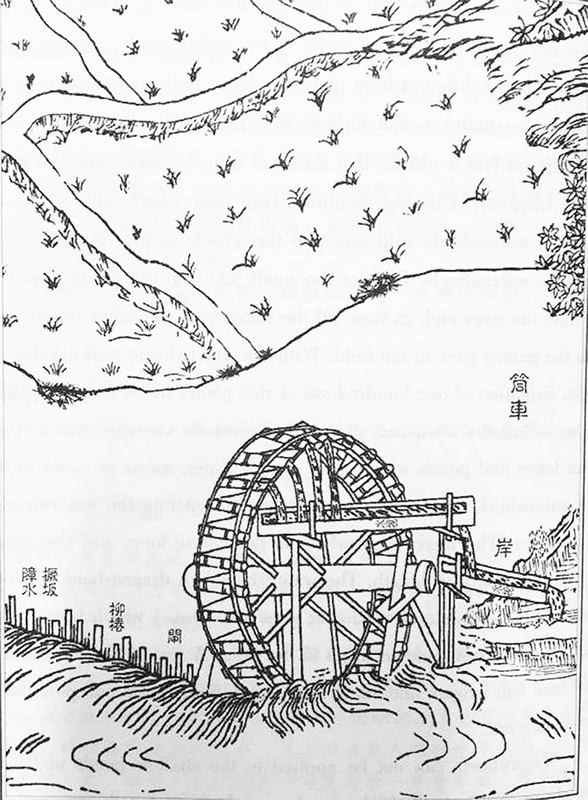
Before the steam engine, the internal combustion engine, or the electric battery, machines were powered by people, animals, wind, and water. In the riverine culture of ancient China, people sought to harness the natural forces surrounding them. The waterwheel, either used horizontally or vertically, was an important Chinese invention and a leap forward in the industrial capabilities of Han dynasty China.
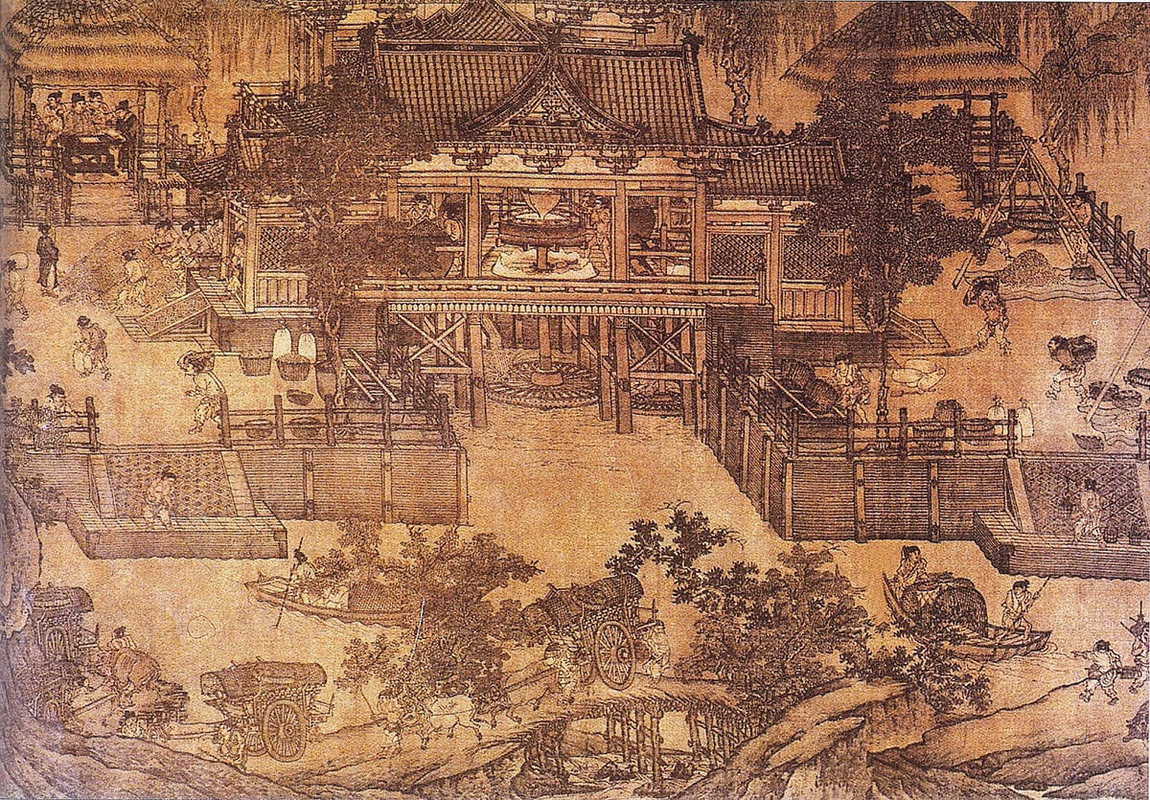
Du Shi (杜詩), an engineer during the Han Dynasty, first designed it to operate bellows for smithing as it improved the foot-powered lever-and-fulcrum tilt hammer for hydraulic-powered pounding and polishing. The horizontal waterwheel usually operated with chain pumps rotating on gears and a horizontal beam; however, vertical examples are known which were used to operate trip hammers to hull rice or crush ores.
3. An Ancient Script Still Readable Today
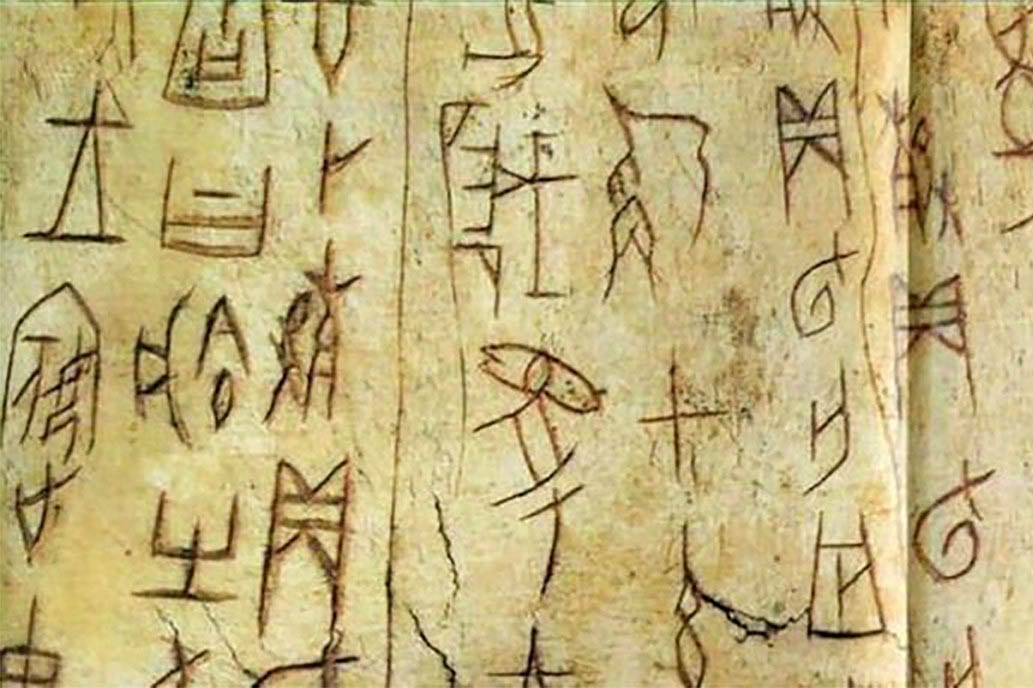
Compared to simpler phonetic alphabetic scripts, like Greek, the Hanzi (汉字 – Chinese Script) is a logographic script. The particularity of the Hanzi is that learning it is a lengthy process, but once acquired, it overcomes fundamental linguistic and dialect barriers. A highly literate form of writing, it formed a textual lingua franca whereby the speech and pronunciations between regions and societies may have been mutually unintelligible. Literate people could nonetheless read and understand the same meaning from classically written Chinese.
The Chinese invention of the characters is traditionally attributed to the mythical minister of the Yellow Emperor, Cang Jie (倉頡), who created them in imitation of bird footprints. Cang Jie was said to have four eyes, giving him the ability to see and know more than others.
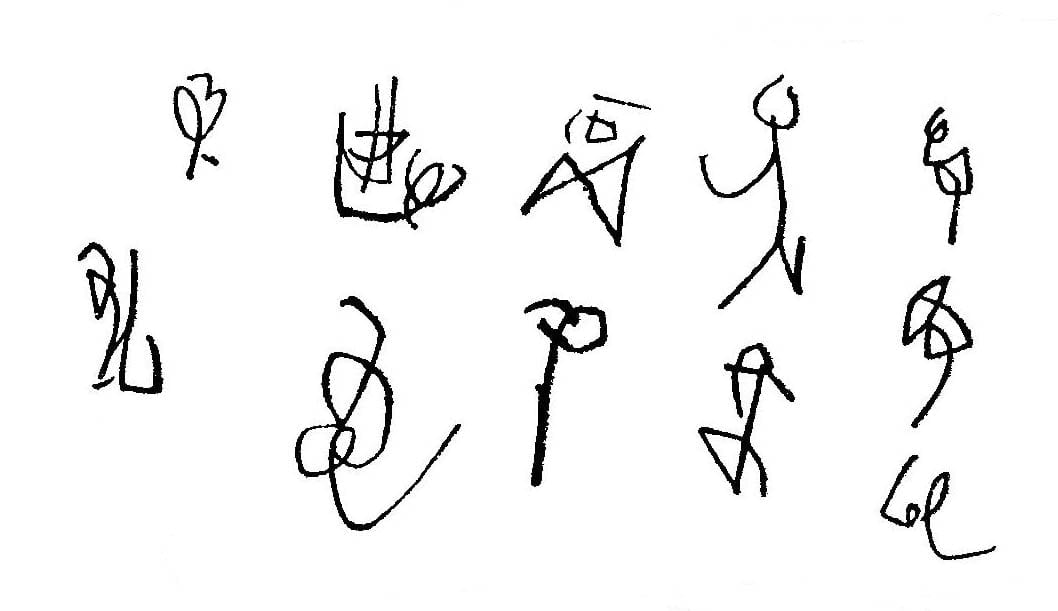
The earliest complete Chinese texts first appear on hard materials, such as bones and bronze vessels. One can assume, however, that archaic forms of the Chinese characters were originally used on wooden slips or other perishable materials. Some precursors to those characters are found on Neolithic Erligang period pottery of the Dawenkou culture.
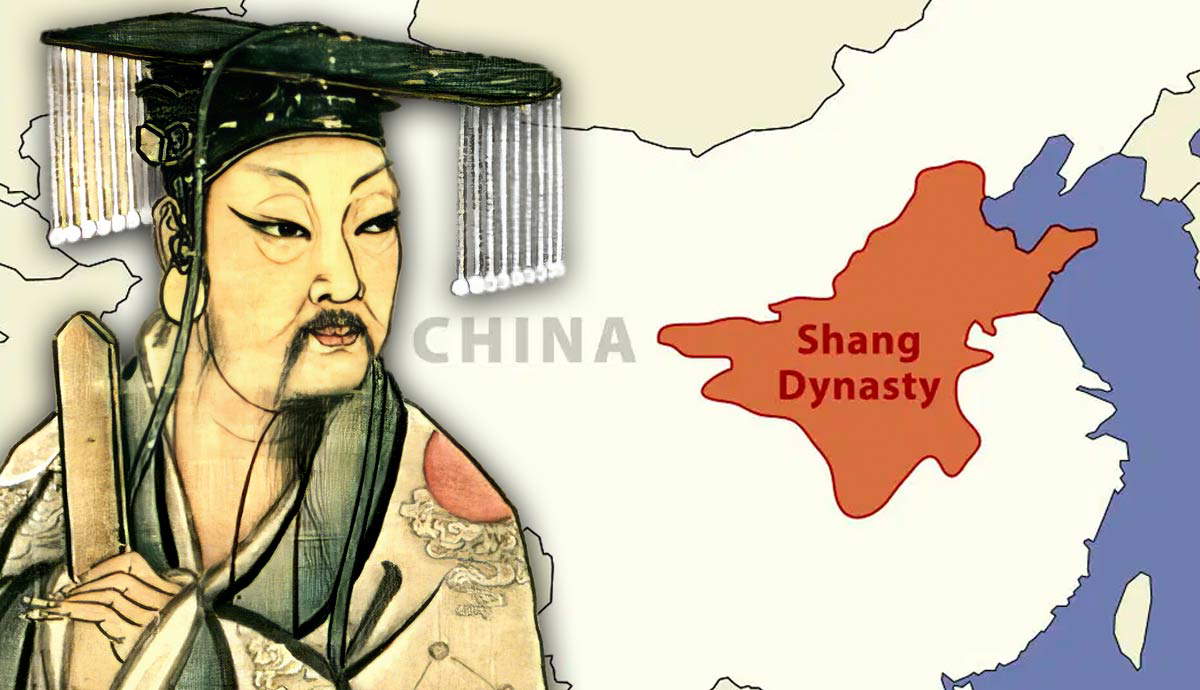
As such, the earliest evidence of Chinese writing appears in King Wu Ding’s reign (1324-1266 BC) of the Shang Dynasty, although it likely is older than that. Mostly found in the ruins of Yin (Anyang, Henan), the earliest examples record the outcome of divination. As the surviving examples of script primarily record divination in a political context, there is a debate over the original functional use of writing. Was it a political tool used for record keeping, or was it developed specifically for divination and communicating with dead ancestors?
4. The South Pointing Chariot and Ancient Mechanical Engineering
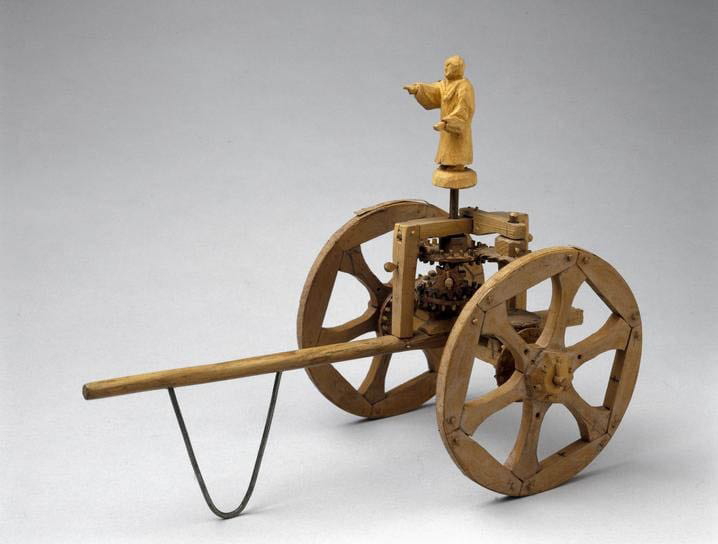
The South Pointing Chariot (指南车) was a mechanical device that used the rotation of a chariot’s wheels to enable a statue to always point south, acting as an early compass. It is probably one of the most complex devices of ancient China. It was a large carriage with a statue mounted on top with its arm raised and pointing south.
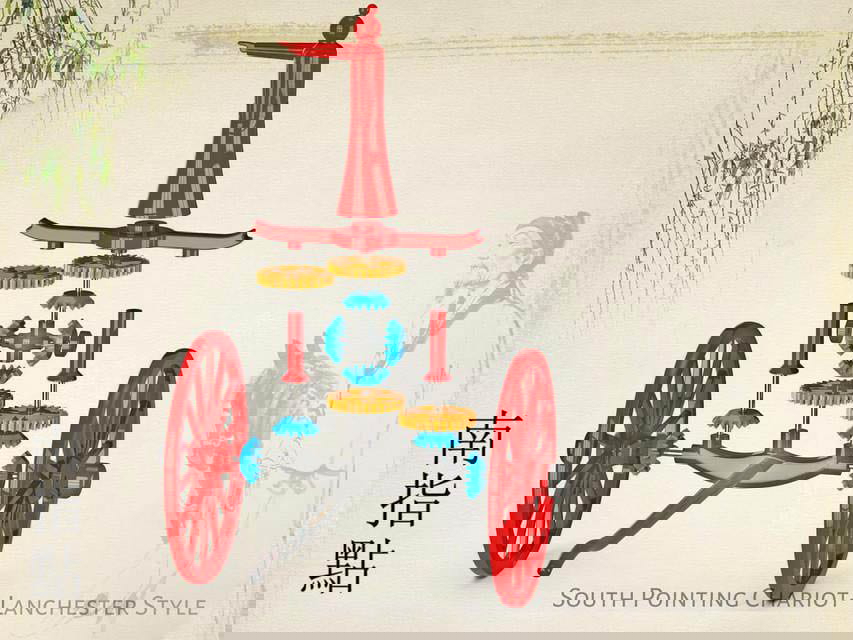
According to legend, the south-pointing chariot was first constructed by the Duke of Zhou to facilitate travel. Central China was a boundless plain, making it easy for one to lose their bearings. The Duke had this vehicle made so that, in any weather conditions, one could distinguish the cardinal directions. It used differential gears, like those of a car. When the wheeled vehicle would turn, the wheels on its opposite side would turn at different rates.
If you are inclined to believe the legend, this complex mechanical device may date back as far as 1030 BC. The more credible evidence is that it was invented in the 3rd century AD by Ma Jun (徳衡), a famous builder and engineer.
5. Lacquer as a Natural Shapable Plastic
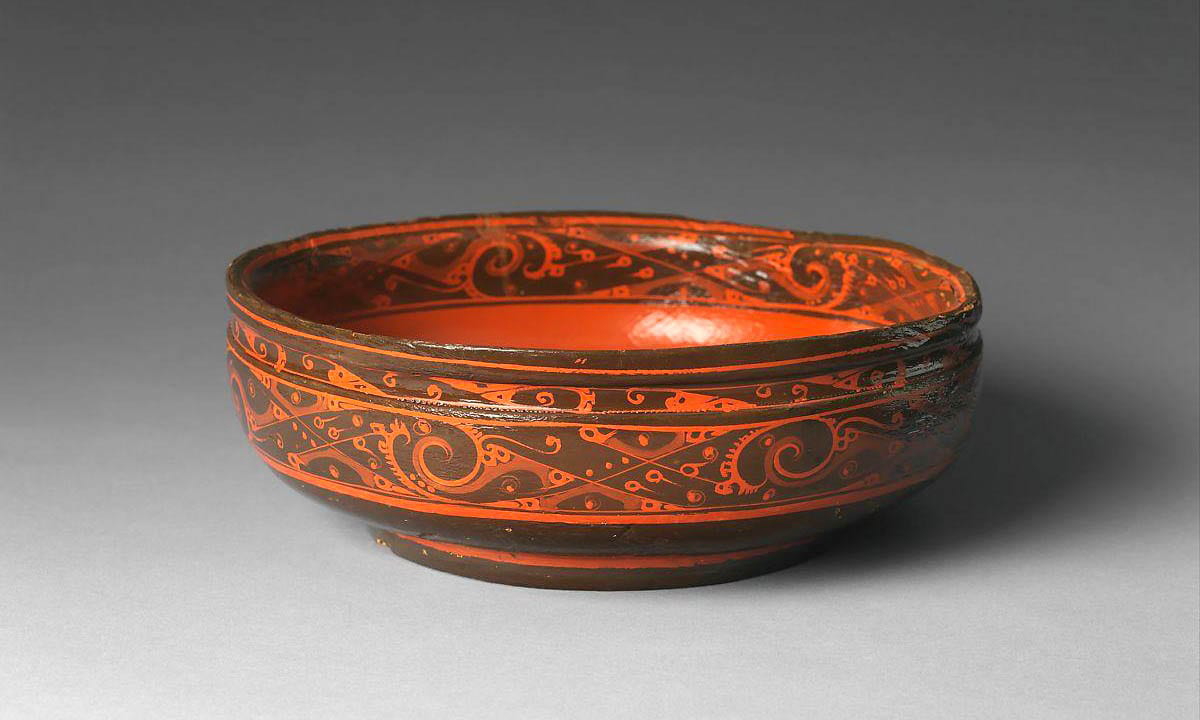
The use of lacquer is a purely Chinese invention. This natural plastic is obtained by tapping the sap from the trunks of the indigenous and common lacquer tree (Rhus vernicifera) in central China. Its use as a varnish is due to its particular properties, such as lightness, durability, resistance to acids and alkalis, modest resistance to heat, water resistance, and bacterial resistance.
Evidence of lacquer goes back to the Shang Dynasty, when it was used to coat sculpted wooden objects and to preserve the walls of Zhou funeral chambers. It is possible that lacquer was also used to decorate the grooves of bronze vessels. The tomb of the Shang “queen,” Lady Fu Hao, discovered in the 1970s in Anyang, China, contained a rich collection of lacquer. However, the oldest evidence of lacquer is from the 17th century BC at the site of Erlitou. It was produced in much greater quantities thereafter during the Eastern Zhou period (771-256 BC) and reached its apex during the Han Dynasty.
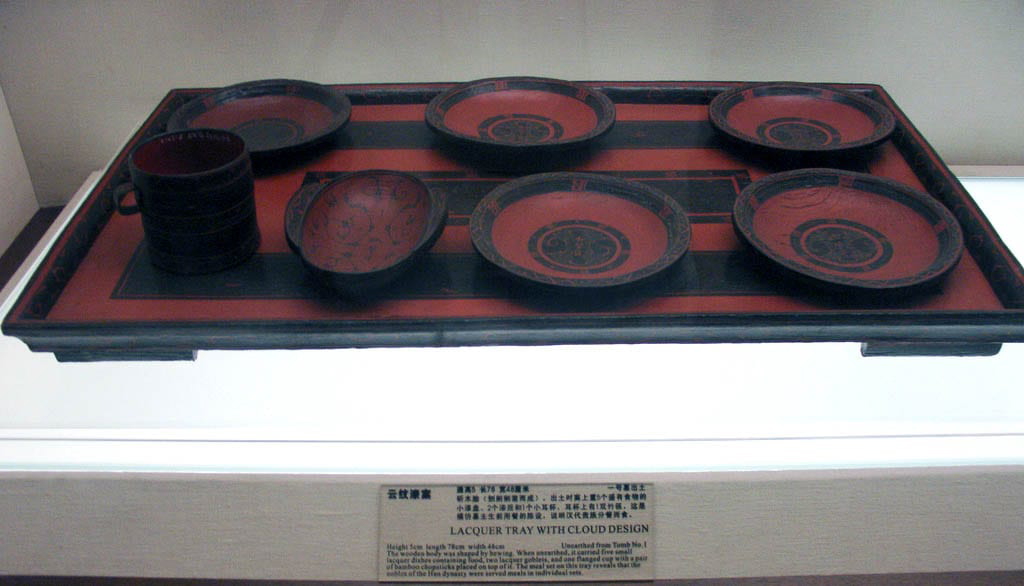
By the 3rd century BC, truly remarkable craftsmanship of lacquer was used to decorate boxes and dishes with motifs of people and animals, often in imitation of bronze motifs. During the Han Dynasty, it became prized as funerary ware. Just three graves of the Marquis of Jai at Mawangdui contain over 400 lacquer objects.
The lacquer industry was a tightly regulated affair. A highly prized material, a single lacquered wooden wine cup might involve seven artists and five officials. It was used for kitchen utensils, cooking and serving warm food, and was considered a much more valuable material than bronze. It was also used for furniture, screens, pillows, boxes, worn as bonnets and shoes, and decorating weapons. The highly malleable material could be made into any shape, leading to freedom of artistic expression through this medium.
6. Bronzes with Piece Mold Casts
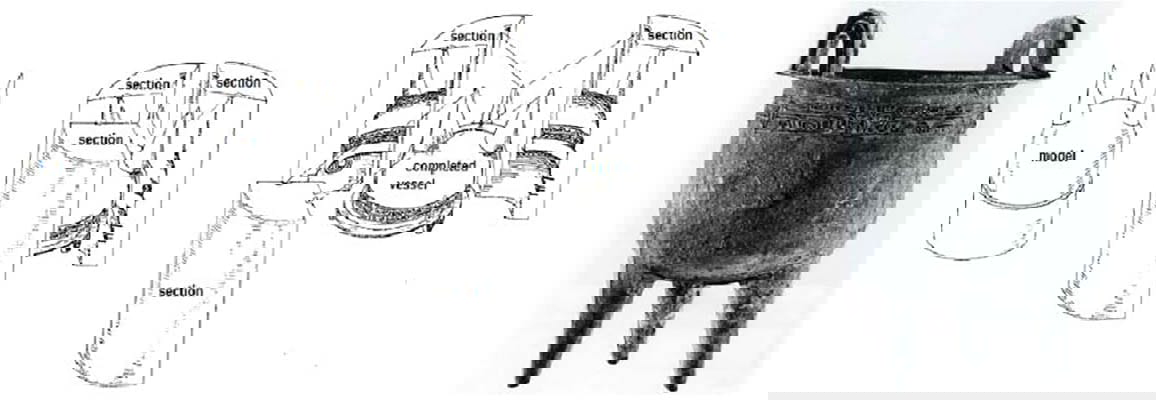
Bronze casting is a technique particular to Chinese bronze manufacturing. The first Chinese bronzes appeared comparatively late around 3000 BC. The appearance of tin- or lead-alloyed bronzes coincides with the emergence of the Shang Dynasty. By about 1500 BC, ornate ritual cast bronzes were produced at central China’s Erlitou site. Produced in great quantities, bronzes were made using the piece mold process.
This technique involved carving clay molds with surface decorations incised into them before the molten bronze was poured into the clay cast. Substantial bronze casting industries were discovered in many sites of the Shang Dynasty, including elaborate molds with interchangeable parts. This method enabled them to produce elaborate bronzes in great quantities, as the copper-tin-lead alloys used to make bronze could not be hammered out to sheet.

The reason for favoring piece mold techniques over other casting methods, such as the lost wax method, was likely the poor malleability of the bronze alloys in ancient China. Nevertheless, the preference for this may not have been accidental, as different ratios of arsenic or tin could achieve different colors of bronze.
7. Kites in Ancient Military Strategy and Reconnaissance
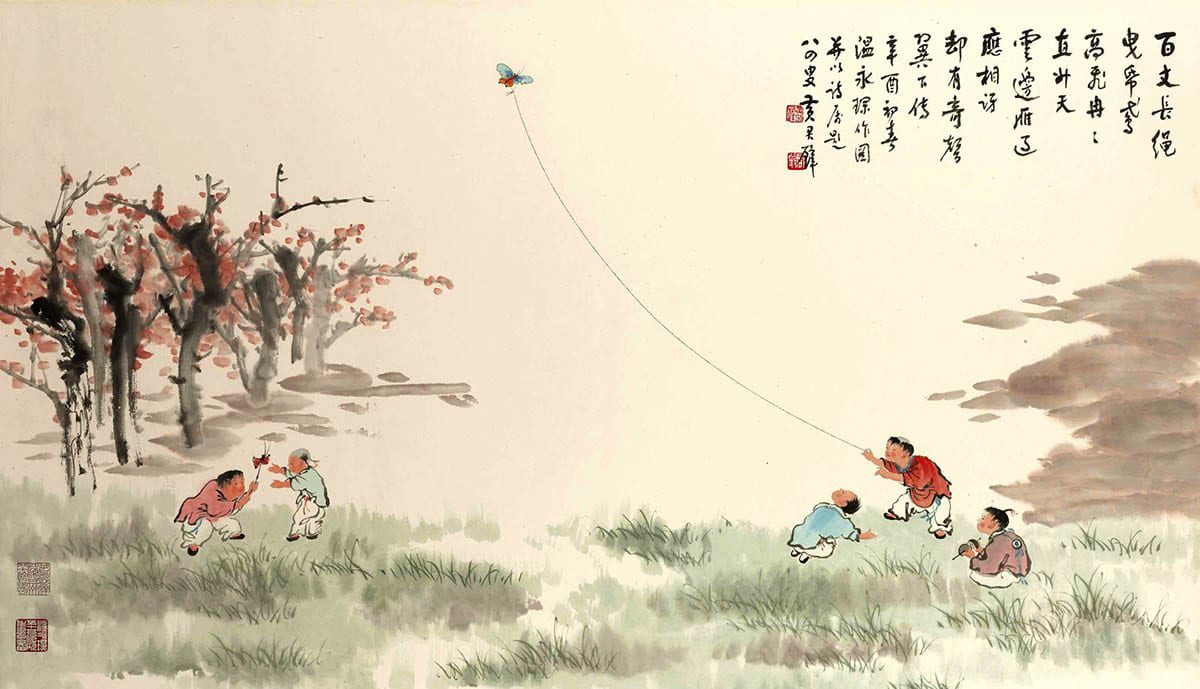
A popular sport and pastime today, the Chinese invention of flying kites goes back thousands of years. Reportedly as far back as the 5th century BC, the semi-legendary figure of Lu Ban (鲁班) made bird-like kites that could fly for days and do somersaults. The philosopher Mozi (c. 4th century BC), the founder of the Mohist philosophy, is said to have spent three years building a kite. The Mohists, an important rival to the Confucianists, were adept at physics and mathematics, plus they had an interest in siege weapons.
The high-tensile strength of silk and the strength and lightness of bamboo were likely the materials used to make kites until paper was invented. Stories mention kites being used for communication, measurements, and testing the wind. General Han Xin (00) of the Han Dynasty used a kite to measure the distance his soldiers had to dig to reach the city’s palace from their camp. Beyond war, kites fitted with hooks would be used for fishing.
8. Han Dynasty Crossbows and Mass-Produced Military Power
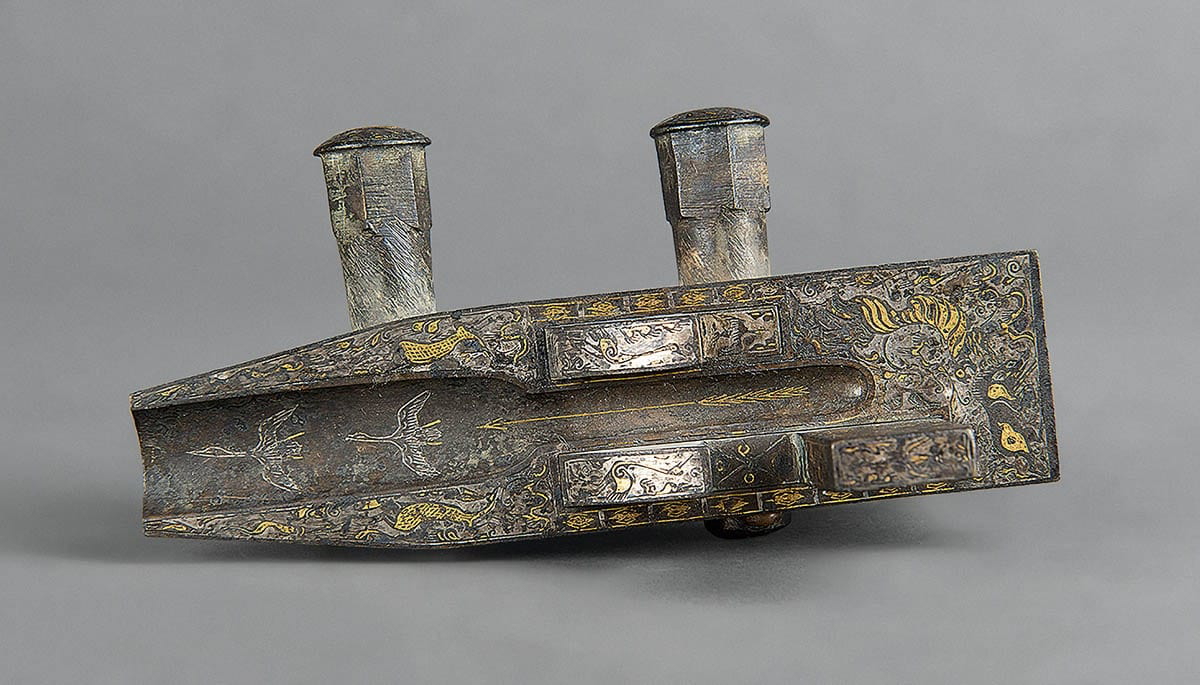
Found among the weapons of the Terracotta Army in the tomb of the First Emperor of China, crossbows have been one of the most ubiquitous Chinese inventions used in military warfare for centuries.
Its earliest descriptions are found in Mohist treatises of the 4th century BC and Sun Tzu’s Art of War. However, cast bronze crossbow locks dating back to 650 BC have been found in many parts of central and northern China. Mentions are found in later texts, such as the Huainanzi, advising readers that crossbowmen are ineffective in soft marshlands.
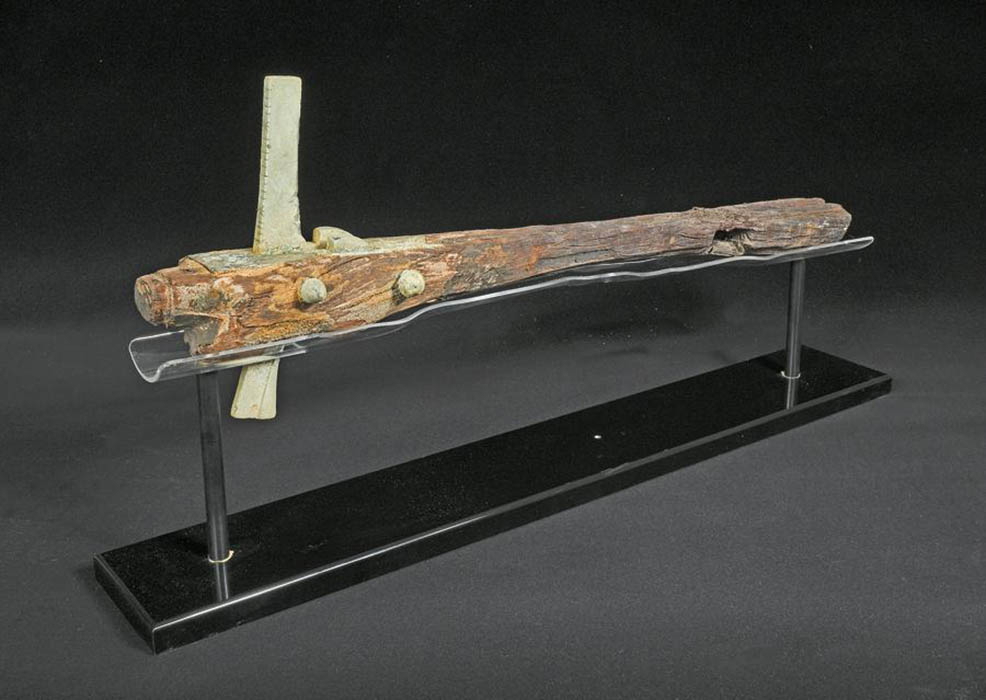
The crossbow, a relatively small but complex projectile weapon, was a favorite of the Han Dynasty. It became a standard issue for the Han armies. Crossbows were mass-produced. Firing bronze-headed arrows, these weapons were extremely powerful at close ranges. Yet, as they were slow to reload, they were restricted to stationary or defensive uses.
The crossbow is largely credited for the success of the Qin and Han empires and spelled the end of the archaic chariot warfare of previous dynasties. It gave them distinct advantages over their enemies, as their production required specialized knowledge and so did its effective use in battle.
9. Blast Furnace Cast Iron and Early Metallurgy
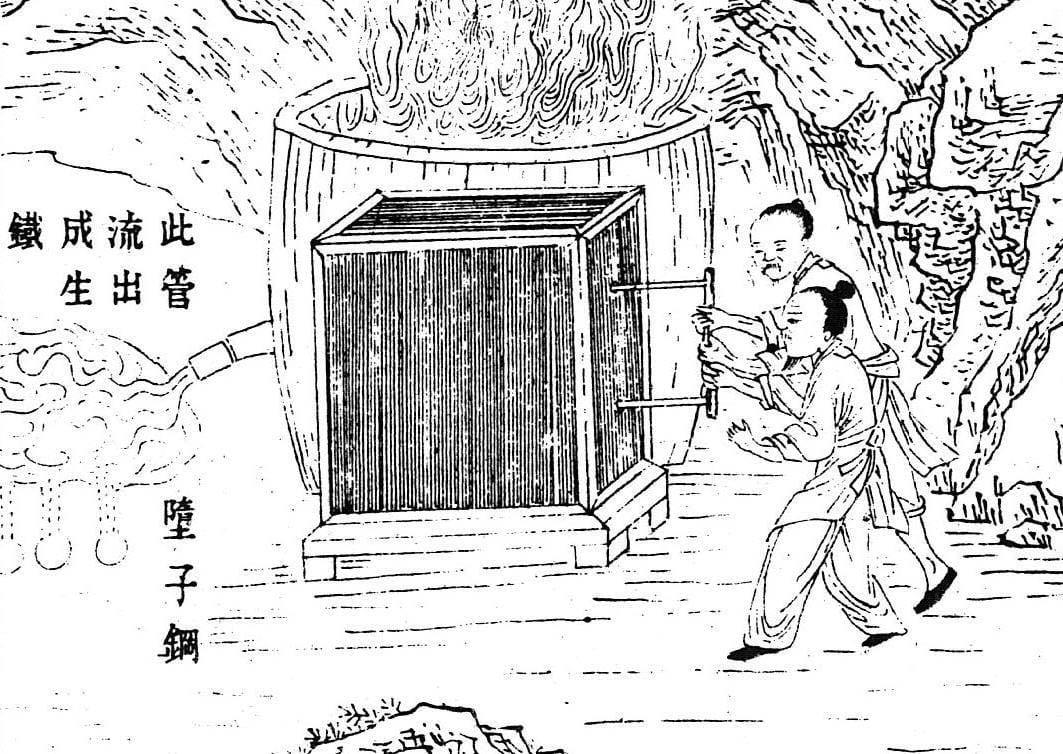
The Chinese invention of cast iron technology led to many important developments. Casting iron requires a higher temperature than blooming, but is less labor-intensive than forging each piece individually. First produced during the Spring and Autumn Period (770-473 BC), cast iron has been produced for thousands of years. Made possible with the hydraulic power of the waterwheel, the primitive cast iron is, however, brittle, inflexible, and difficult to sharpen.
The melting point of iron is 1535 degrees Celsius, which early smiths were unable to produce in the forge. So, the earliest techniques of blacksmiths consisted of smelting iron ores at lower temperatures, but not to melt them, thus creating a lump of iron mixed with other materials known as bloom. The impurities were pounded out almost entirely, but the method was laborious and could only yield simple designs.
However, the Chinese ironworkers learned that iron ore mixed with charcoal could melt the iron into a liquid instead. The melting temperature of an iron-carbon combination is 1130 degrees Celsius, but the workers used phosphate-rich “black earth,” which reduced the melting point to 950. The liquid iron could then easily be poured into a mold to produce a hard but brittle iron. This technique became widespread by 300 BC, and by the Han Dynasty, they had learned how to produce steel.
The cheaper cast iron methods were continuously used, especially for implements that do not require sharpness or resistance to shock. The more laborious and expensive process of wrought iron or steel was typically used for producing weapons.
10. Bianzhong Tuned Bells and Acoustic Mathematics
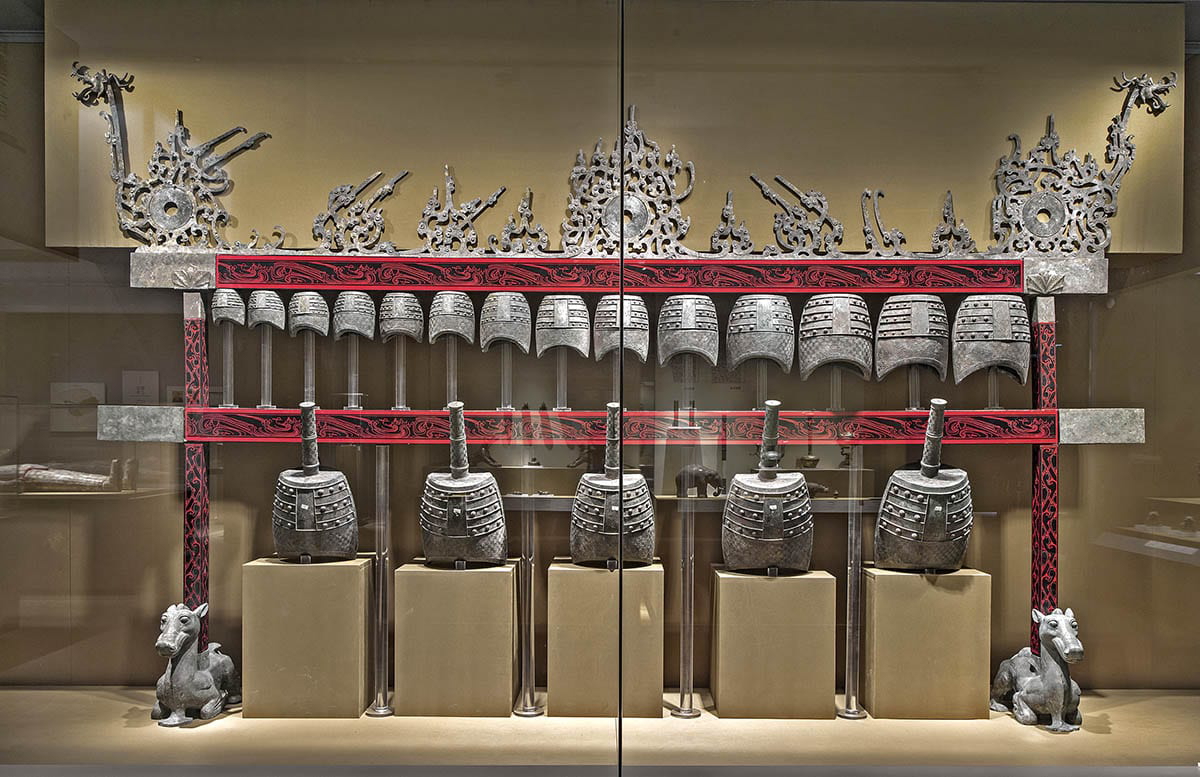
An ancient Chinese musical instrument, the Bianzhong (编钟) is a melodious ensemble of bronze bells suspended on a wooden frame. Made from L-shaped flat stones suspended on a wooden frame, the carillon of bells is one of ancient China’s most religious instruments. Likely evolved out of jade bells, tuned bells are a hugely impressive feat of musicality, metallurgy, and mathematics. First appearing in 2100 BC as bells (without a clapper), they were arranged during the Zhou Dynasty into an ensemble of bells with sizes ranging from 153 to 9 centimeters in height. With their lens-shaped, distinct mouth shape, and 36 symmetrical bosses on the outside, each bell could produce two different tones.
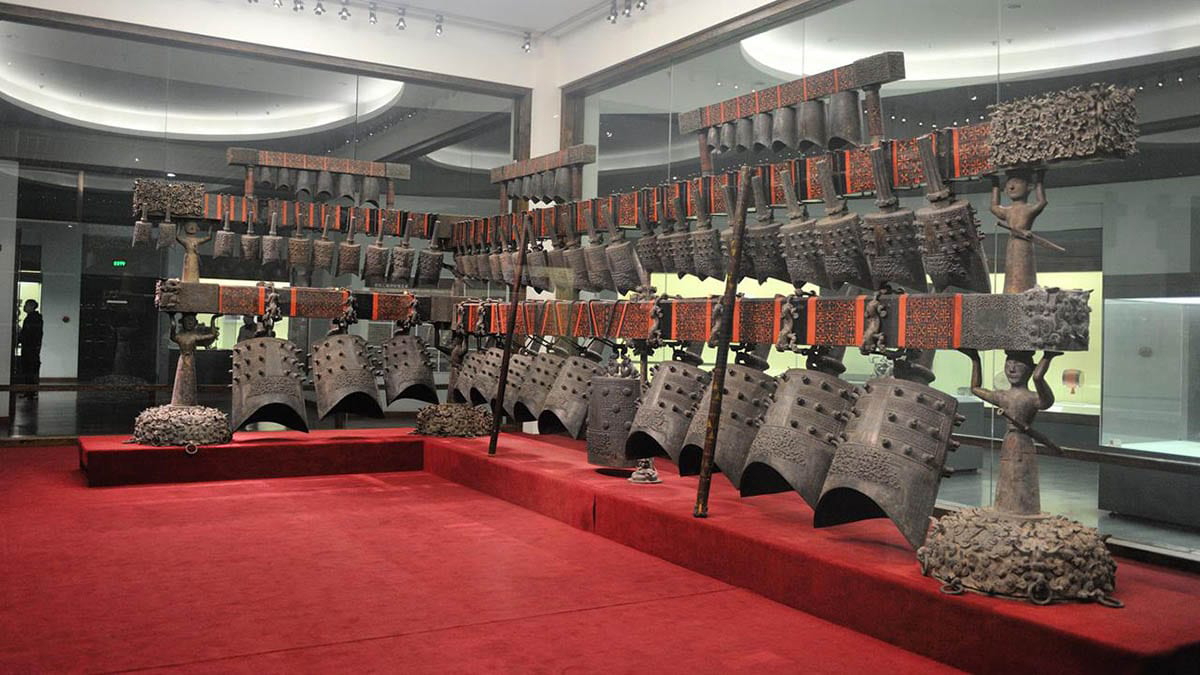
A complete set of 65 ceremonial bells was discovered in the tomb of Marquis Yi (died c. 430 BC), ruler of Zeng in the state of Chu. The set’s musical range was five octaves, with three fully chromatic ones. This particular set is still playable today. By the 6th century BC, fine-tuning them to achieve precise notes was a particular concern. The music bells indicate that ancient China had a sophisticated understanding of music and tonality, and the mathematical principles behind it.
The manufacturing of musical bells was a very meticulous affair requiring a precise mixture in the alloy, advanced casting techniques, and a good pitch. Some bells show evidence of shaving when the cast bell was a little off. The precise distance between notes requires precise dimensions of the bells, which form part of a wide and complex system of measurements and standards. Thus, it is no surprise that the bell carillons were a prized and highly symbolic possession of the elite.