
Roman poet Publius Vergilius Maro, known as Virgil (70–19 BC), is probably best-known for writing The Aeneid, an epic poem about the heroic Trojan Aeneas and his founding of Rome. However, earlier in his career (40 BC), he wrote 10 pastoral poems entitled The Eclogues (also called The Bucolics) inspired by the countryside near his home outside of Mantua in northern Italy.
The fourth eclogue predicted the coming of a remarkable child who would grow up and usher in a time of peace and prosperity for the Roman Republic. Because of its similarities with prophecies about Jesus, some Christians believed it to be a pagan version of them. But was it? Or was it just a piece of political propaganda aimed at a Roman world overwhelmed and tired of constant chaos and upheaval?
The Battle-Weary World of Late Republican Rome
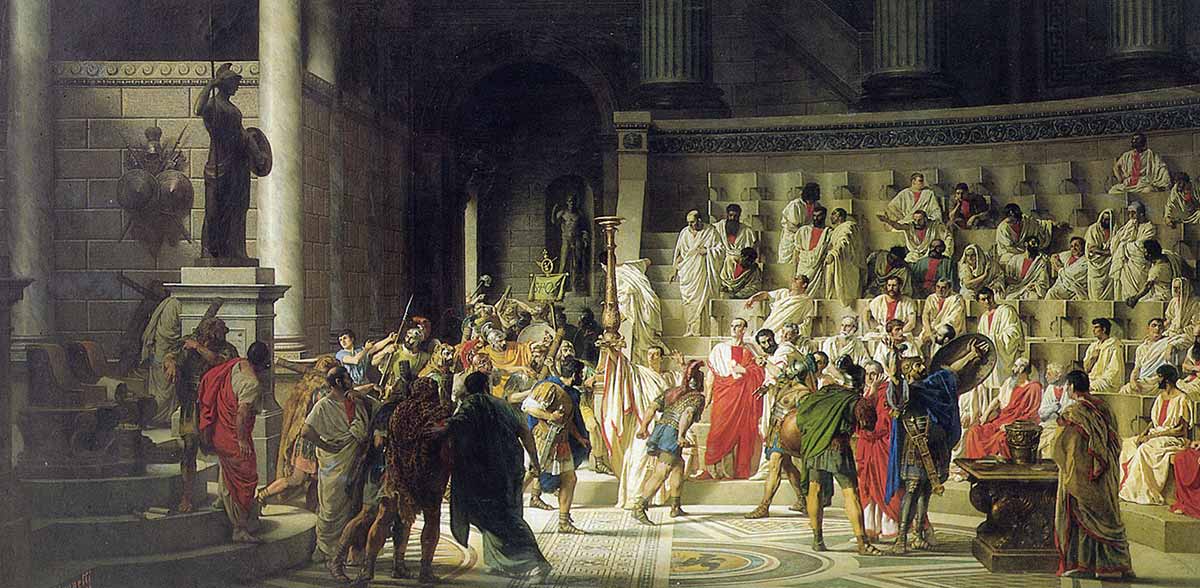
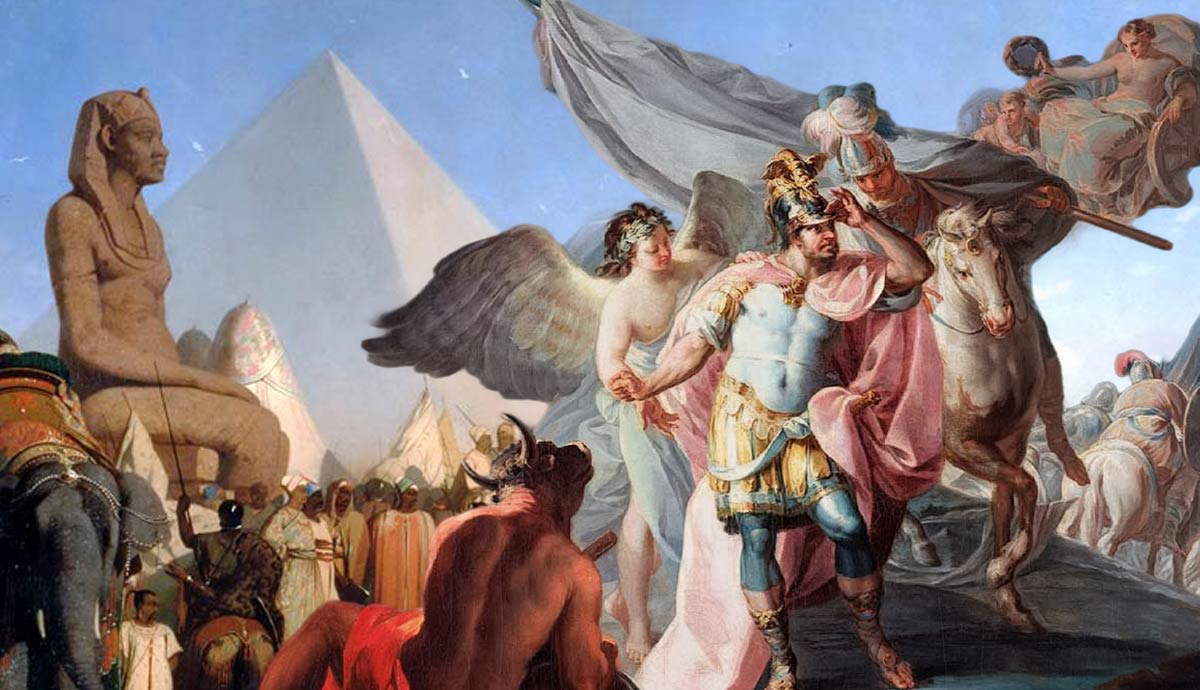
When Julius Caesar came to power in 44 BC, the Roman Republic was already in decline. Social inequities, economic hardship, political in-fighting, and civil wars had weakened it considerably. Caesar, hailed as “dictator for life,” bypassed the Senate that had declared him such so often that some 60 of the Senators, led by Marcus Junius Brutus, assassinated him. This only brought more chaos, and the people longed for a leader who would bring peace.
Virgil’s fourth eclogue seemed to address this need with its prediction of a divine savior.
The Mysterious Savior Child of the Fourth Eclogue
Scholars have long debated the identity of this child. Even in Virgil’s day, people disagreed about it. Servius the Grammarian, writing in the late 4th century, noted that Asinius Gallus, the son of Roman soldier and political leader Gaius Asinius Pollio, declared himself to be the special young man in what was obviously a political ploy.
Others have speculated that the poem referred to the expected child of future emperor Augustus and his wife, Scribonia, but their child turned out to be a girl. Some have suggested the poem was referring to the god Mithras. Still others said that the child was merely symbolic of the Golden Age to come and not a real person at all.
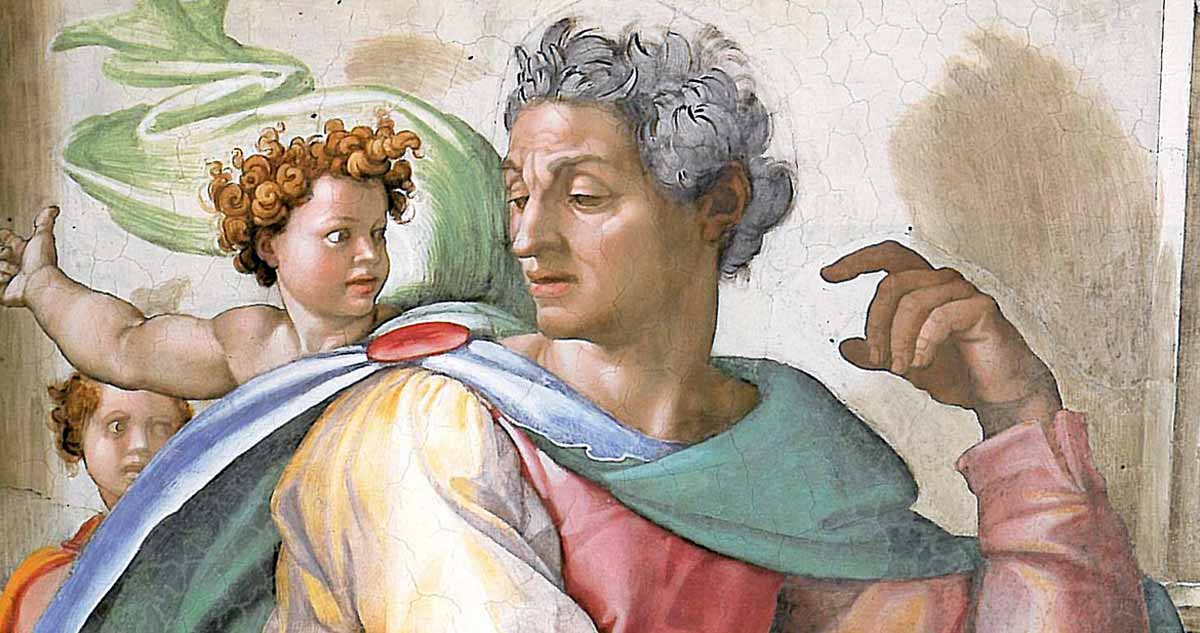
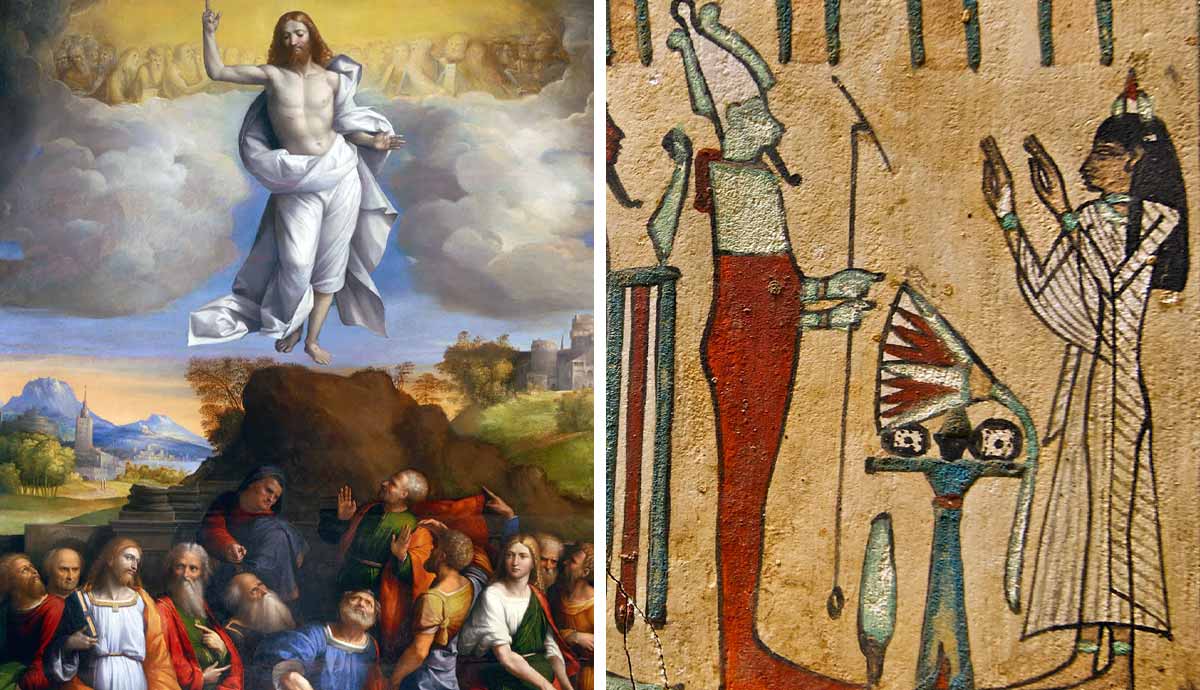
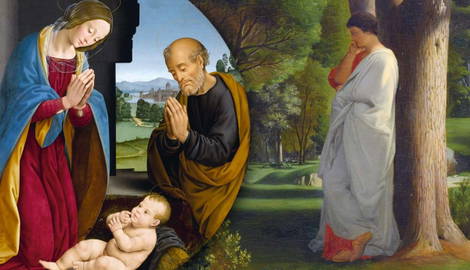
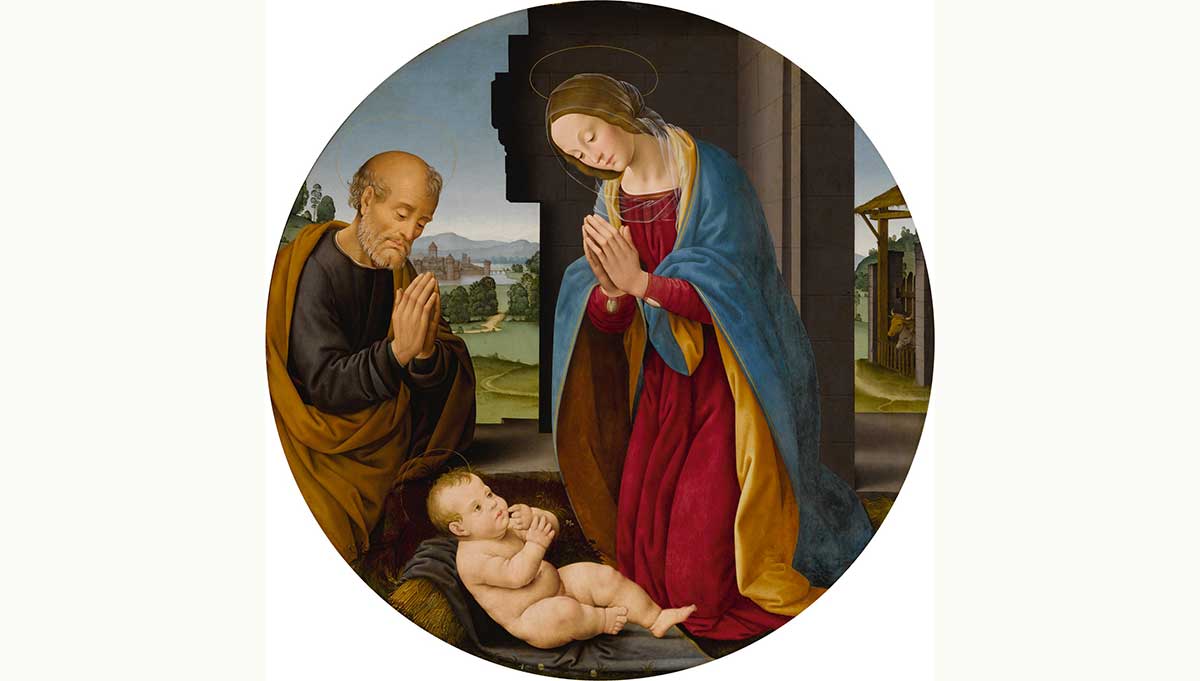
Some Christians, however, believed that the pagan poet might actually be predicting the birth of Jesus because of the similarities between his work and Old Testament prophecies about the coming of the Messiah, most notably, those in Isaiah. A few even speculated that Virgil may well have read that book and borrowed from it, although the idea is debatable. Here are the key parallels between the two:
Virgil writes of a child that is born “under whom the first race of iron shall end, and a golden race rise up throughout the world” (lines 8, 9, 10). He continues, saying, “He will take on divine life, and he will see gods mingled with heroes, and be seen by them, and rule a peaceful world with his father’s powers” (lines 15, 16, 17).
This parallels what Isaiah writes about the upcoming birth of one who is both human and divine. “For to us a child is born,” he predicts, “to us a son is given, and the government will be on his shoulders. And he will be called Wonderful Counselor, Mighty God, Everlasting Father, Prince of Peace” (Isaiah 9:6).
Virgil speaks of a virgin’s return to Earth (Line 6) while Isaiah speaks of the child being born of a virgin (Isaiah 7:14).
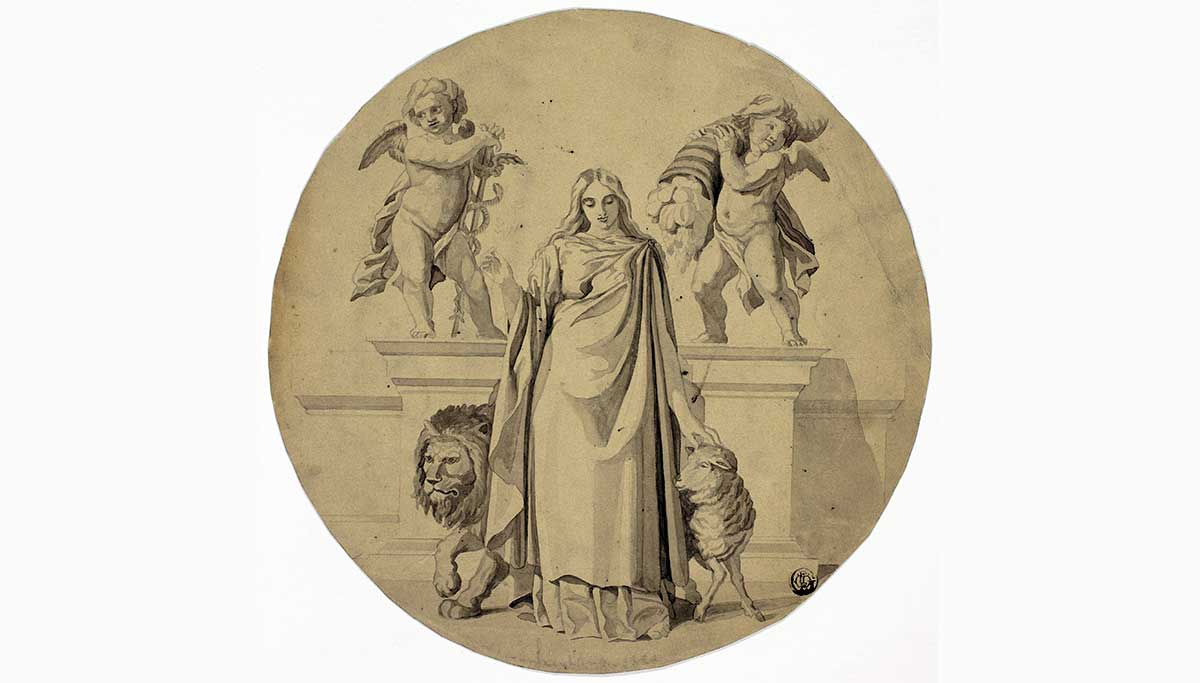
Virgil describes the peace in the new golden age in terms of the animal kingdom, writing, “cattle will have no fear of fierce lions” (Line 22).
Isaiah’s words are similar as he says, “The wolf will live with the lamb, the leopard will lie down with the goat, the calf and the lion and the yearling together; and a little child will lead them” (Isaiah 11:6).
Virgil goes on to write of the elimination of dangerous elements in the world, noting that “the snakes will die; and deceitful poisonous herbs will wither” (lines 24, 25).
Isaiah writes of the eradication of danger in much the same terms: “The infant will play near the cobra’s den, and the young child will put its hand into the viper’s nest” (Isaiah 11:8).
Virgil also notes that this child, when grown, will usher in a time of prosperity in terms of crops and the fecundity of the earth. He writes, “And for you, boy, the uncultivated earth will pour out her first little gifts, straggling ivy and cyclamen everywhere, and the bean flower with the flowering acanthus” (lines 18, 19, 20). Later in the poem, he adds, “The plain will slowly turn golden with tender wheat, and the ripe clusters hang on the wild briar, and the tough oak drop with dew-wet honey” (lines 28, 29, 30).
Isaiah also writes of a land of plenty following a time of drought and barrenness. He prophesies that “the desert and the parched land will be glad; the wilderness will rejoice and blossom. Like the crocus, it will burst into bloom; it will rejoice greatly and shout for joy” (Isaiah 35:1, 2).
The Influence of the Sibylline Oracles
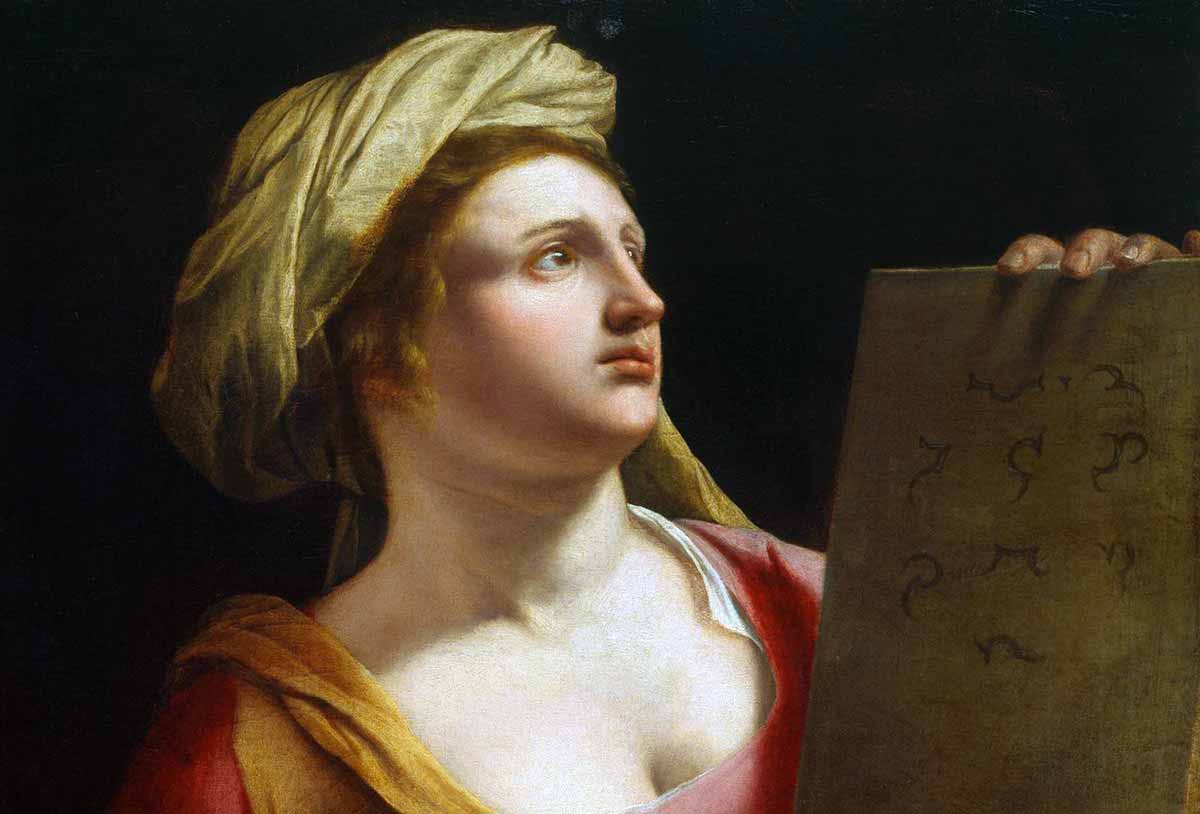
Prophecies from the Sibyls also played a role in Virgil’s fourth eclogue. The Sibyls were prophetesses found in Greek and Roman mythology. They were named according to their locations. For example, there was a Persian Sibyl, a Libyan Sibyl, and a Delphic Sibyl. Virgil refers to the Cumaean Sibyl from Cumae in Italy in his eclogue (line 4).
There were two collections of Sibylline prophecy. The first was the Sibylline Books. These were ancient writings that belonged to the government. They were hidden from the public, and their contents were known only to a group of priests who consulted the texts in times of trouble. Virgil would have been aware of their existence, but he would not have known their contents.
Therefore, we know that his reference to the Cumaean Sibyl stemmed from a different collection called the Sibylline Oracles. These were prophecies from Hellenic, Jewish, and, later, Christian sources. One of them predicted the upcoming arrival of a miraculous child. Some scholars believe this is where Virgil may have gotten his ideas for the fourth eclogue.
How Early Church Leaders Employed Pagan Literature
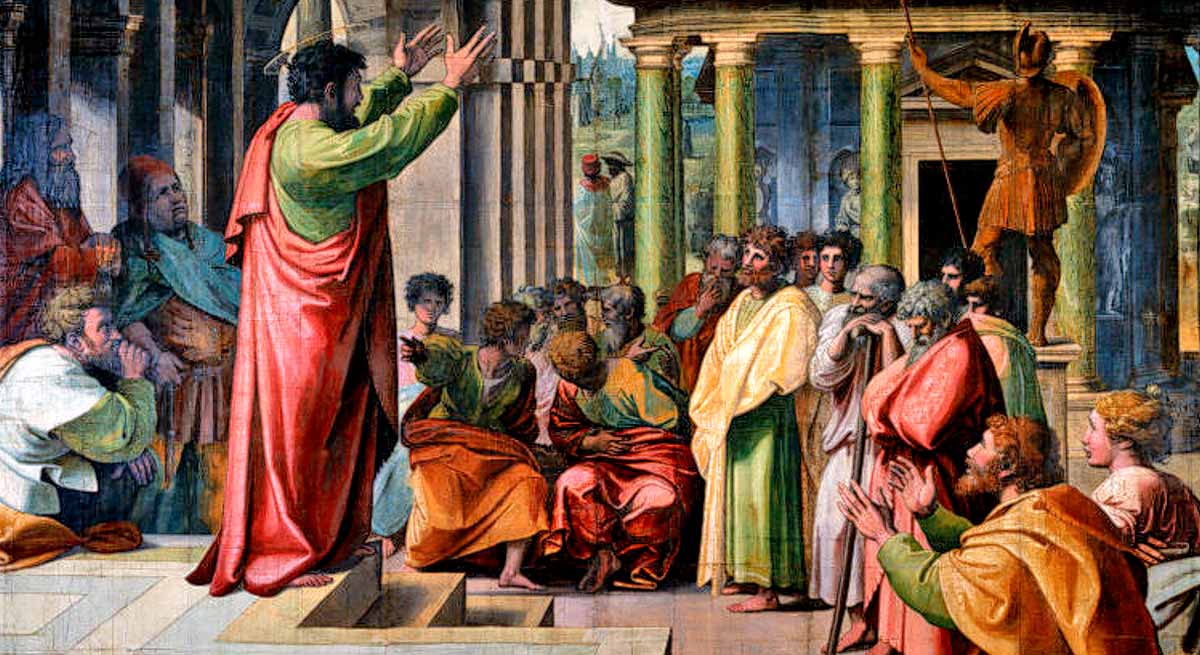
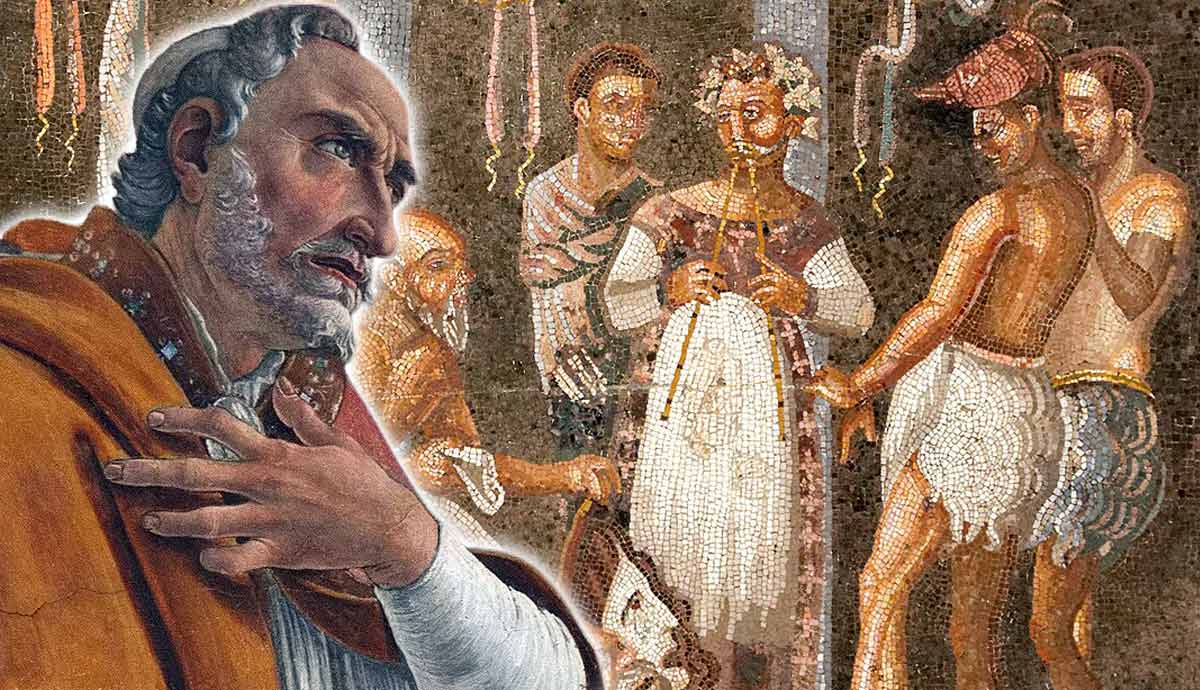
The apostle Paul offers us the first record of a Christian using pagan literature to initiate a discussion about Jesus as documented in Acts 17:22-31. At the Areopagus (also called Mars Hill) in Athens, he struck up a conversation with the scholars and philosophers gathered there by talking about two well-known pagan poets.
He quoted the Epicurean Epimenides (“for in him, we live and move and have our being,” verse 28) as well as the Stoic Aratus (“for we are also his offspring,” verse 28). He then moved into a dialogue about Jesus as the fulfillment of those statements.
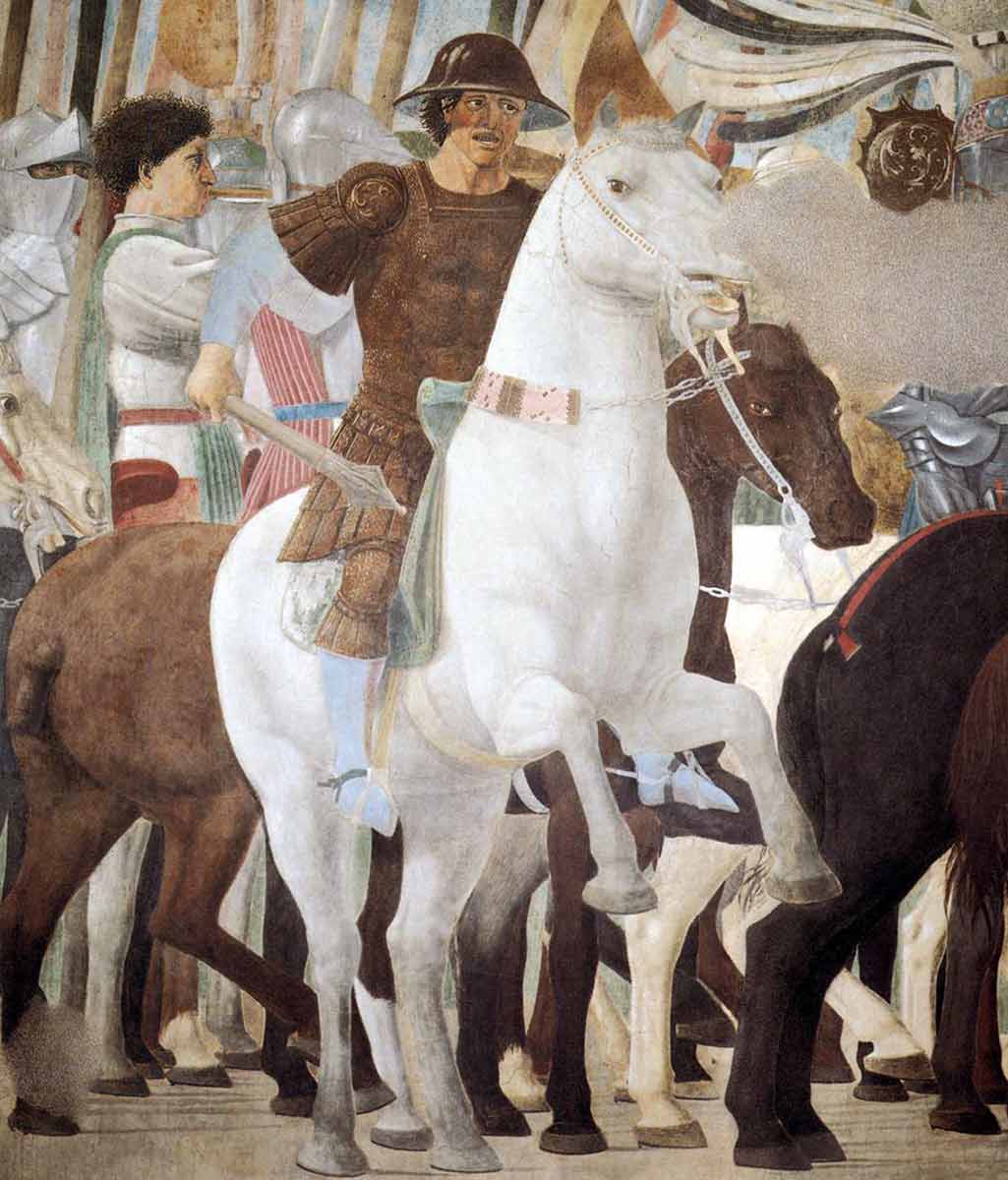
Emperor Constantine is said to have given the fourth eclogue official sanction in an address entitled Oration to the Assembly of Saints that he delivered to church leaders in 312 or 313 AD. He omitted the lines that referred to political or divine figures and focused on those that seemed to indicate the coming of Jesus, thereby fostering belief in “an all-knowing” Virgil who had been divinely inspired without the poet even realizing it.
One of Constantine’s advisors, Lactantius, also saw the prophecy of God in the fourth eclogue. However, he did not see the birth of Jesus as the fulfillment of it. He believed the poem pointed to Christ’s second coming and the new heavens and new earth that would be established at the end of the age as described in the Book of Revelation.
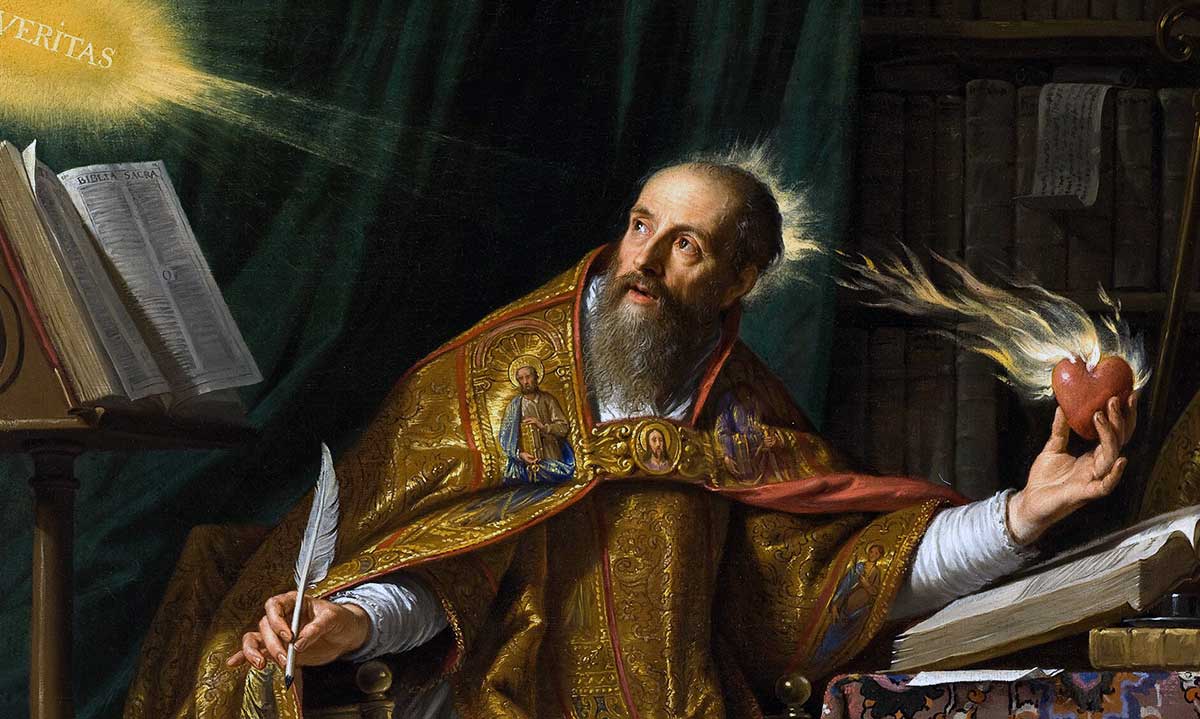
Augustine echoed Constantine in his endorsement of the poem as a prophecy of Christ’s entrance into the world. In his Commentary on the Book of Romans, he stated that “there were pagan prophets who sang about Christ.” He pointed, not just to Virgil as one such pagan, but to the Sibylline Oracles as well, saying, “Perhaps the Sibyl had heard something in spirit about the one Savior which she had to confess.”
Other early Church Fathers, however, saw no link between them at all. The 2nd-century Syrian saint Theophilus of Antioch discarded Virgil’s work along with all Roman literature which he saw as corrupting. Jerome (c. 342–420 AD), best-known for translating the Bible into Latin, concurred, saying that they could not call Virgil a Christian since he never knew Christ.
The Enduring Legacy of an Accidental Christian
Throughout the centuries, the influence of Virgil’s work manifested itself in various ways. For example, an untitled 11th-century miracle play in which the prophets of Christ, including Isaiah and Jeremiah, were summoned to give testimony regarding Jesus Christ counted Virgil among them.
Poets such as Jacopo Sannazaro (16th-century, Italy), René Rapin (17th-century, France), and Alexander Pope (18th-century, England) were heavily influenced by Virgil’s work. In fact, Pope, in the preface to his Messiah, labeled it “A Sacred Eclogue in Imitation of Vergil’s Pollio.”
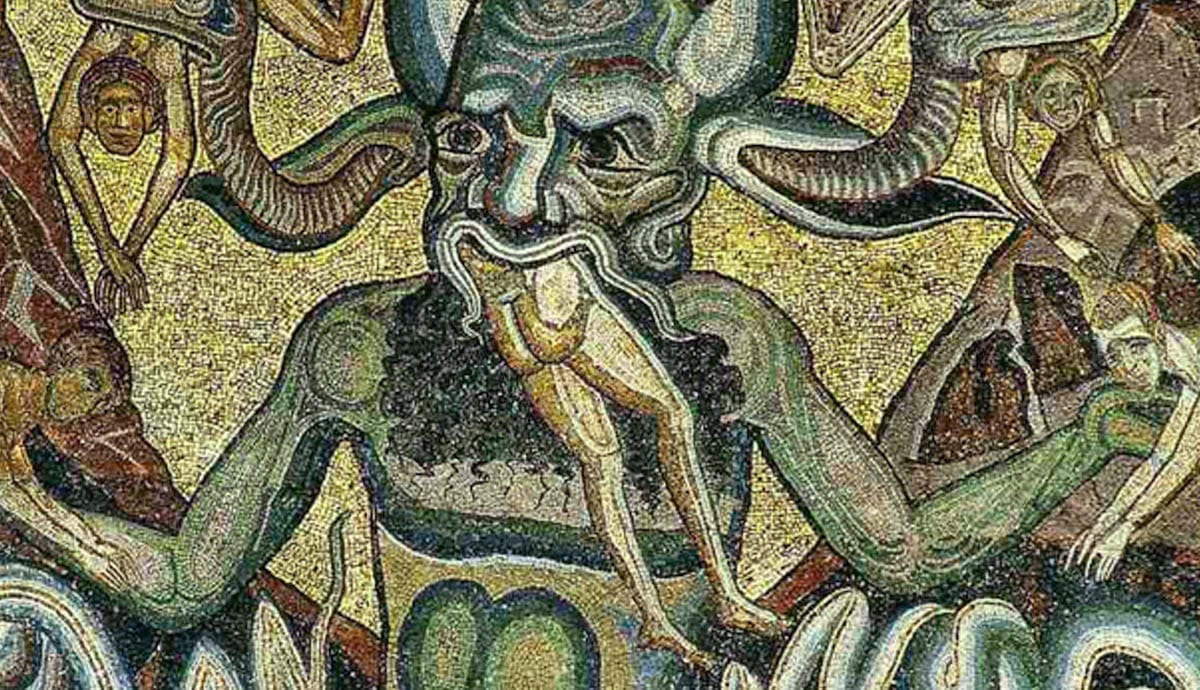
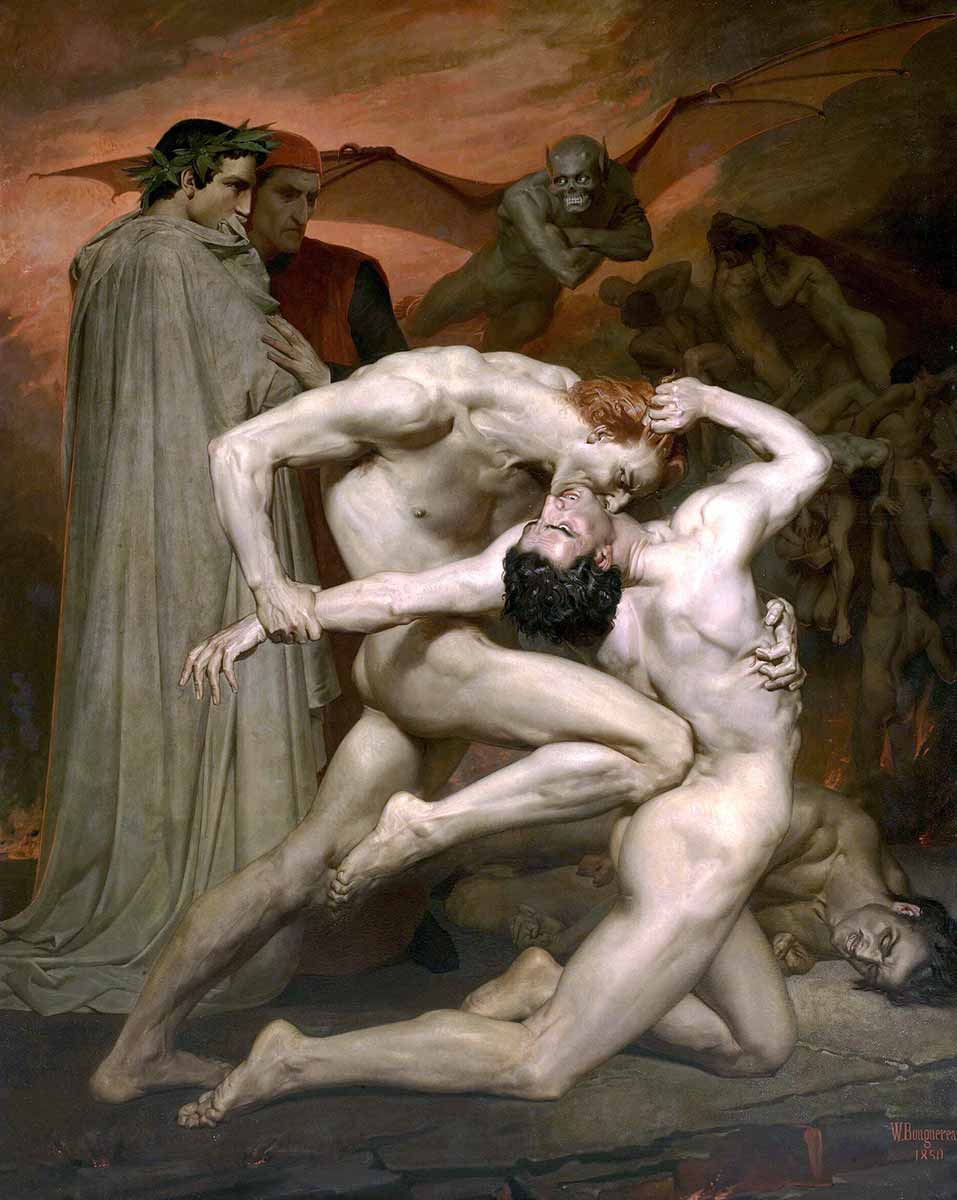
However, the most well-known example of Virgil’s influence on future poets lies with the Italian Dante Alighieri (c. 1265 – 1321). In his Inferno, Dante presents Virgil living in Limbo with other virtuous souls unable to enter Paradise because they died before the arrival of Christ. Dante chooses the Roman poet as his guide through the afterlife.
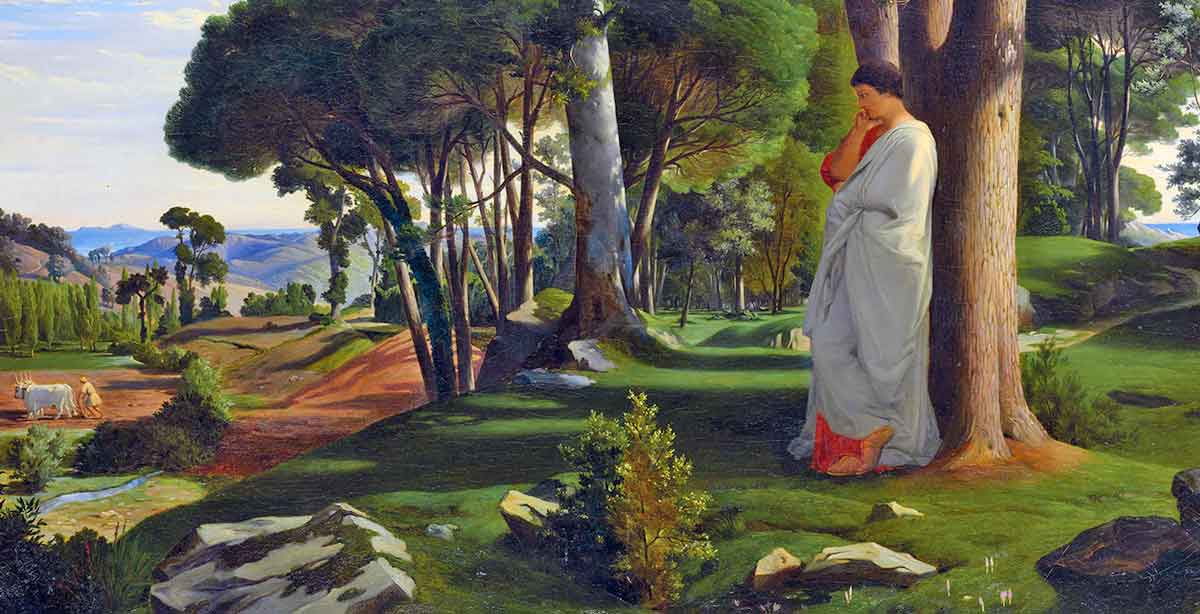
Virgil’s work still held sway with Christian scholars in the 20th century. The German philosopher, translator, and cultural critic Theodor Haecker (1879–1945) authored a book entitled Vergil: Father of the West, in which he declared that the Roman poet was foundational in forming Western values, especially with regard to devotion to country and family. Haecker even went so far as to say that he had “a naturally Christian soul” even though he lived and wrote before Christ’s birth.
Noted British apologist C. S. Lewis (1898–1963) took much the same view of Virgil, saying that he “was almost a Christian poet,” and it has been said that Lewis read the fourth eclogue each Christmas in celebration of Christ’s birth.
English poet T. S. Eliot (1888–1965) thought highly of Virgil as well, ranking him alongside Shakespeare, in fact. In 1951, he wrote an essay entitled Virgil and the Christian World in which he remarked that the Roman poet’s fourth eclogue was an “accidental” prophecy about Christ that provided a link between the pagan and Christian worlds.
Conclusion
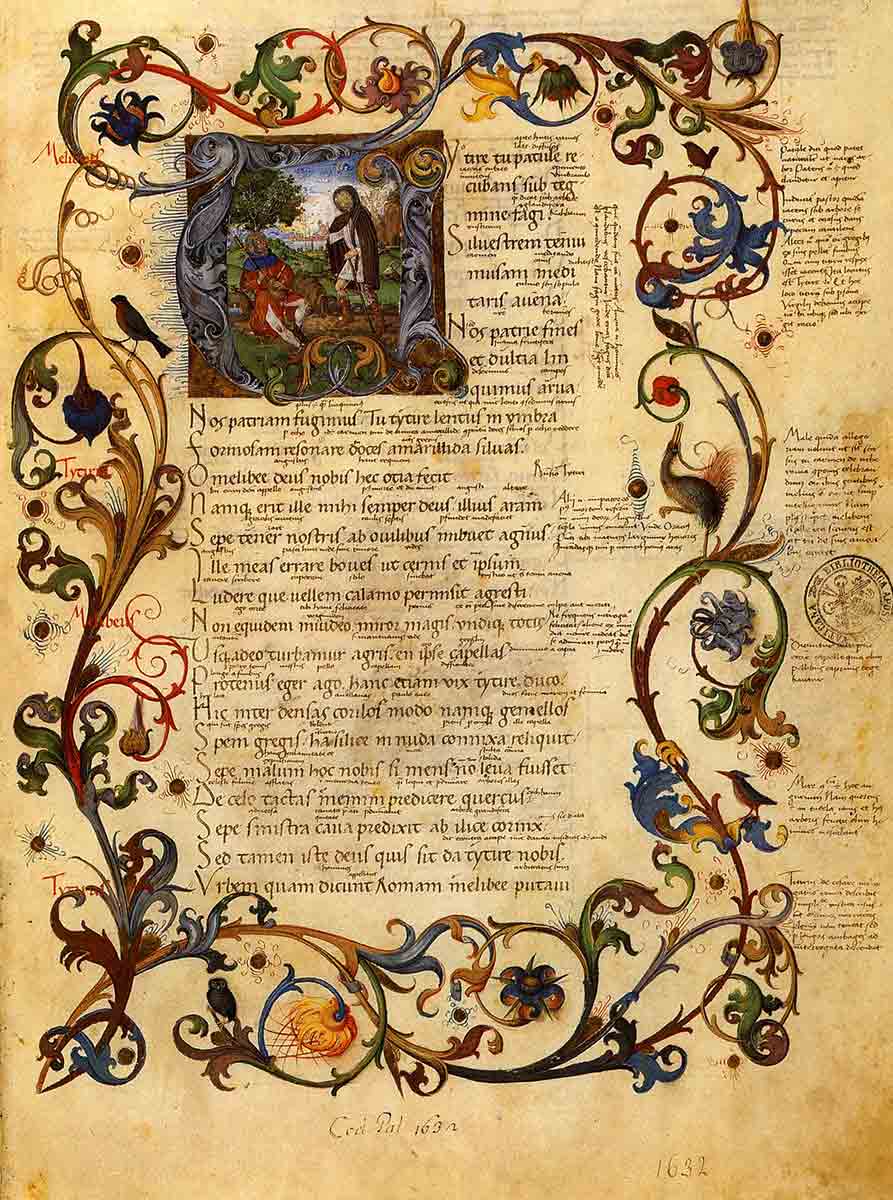
Of course, the eclogue may well have been a piece of propaganda meant to bolster a sagging empire’s view of itself. It is noteworthy that Virgil dedicated it to Pollio. The Treaty of Brundisium, a treaty meant to end the civil wars that plagued the Romans, had been brokered under Pollio’s consulship. The poem may also have been meant to celebrate this step toward peace.
But Virgil might have had a more personal reason for mentioning Pollio in his poem, as the political leader had been instrumental in helping the poet keep his land when people’s properties were being confiscated around him. And Pollio was also a patron of the arts in general and of Virgil in particular. So we could say that Virgil was merely penning his words in gratitude.
One way or the other, the fourth eclogue has had a lasting impact on its readers right up to contemporary times.