
Long before we had cities or writing to record history, our ancient ancestors had music. Thousands of years ago, our ancient ancestors carved flutes from bone, stretched animal skins over drums, and sang melodies.
Today, archaeologists, historians, and musicologists are bringing these sounds back to life. Through the study of ancient instruments, damaged clay tablets, mathematical patterns, and surviving traditions, researchers are decoding the oldest music in history. Music has always been part of our history—from prehistoric caves to the ancient traditions still alive today.
Is Music Older Than Language Itself?
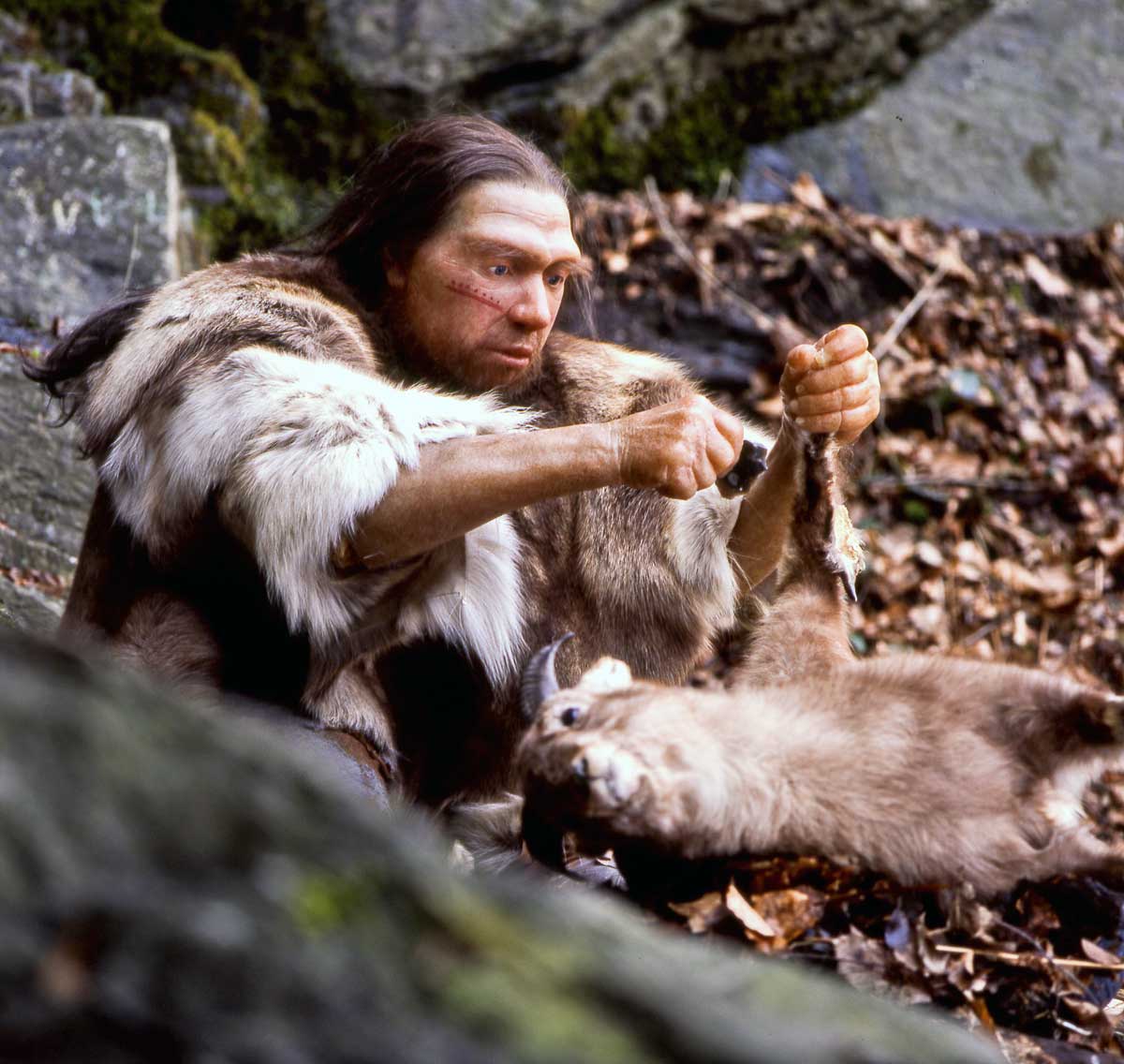
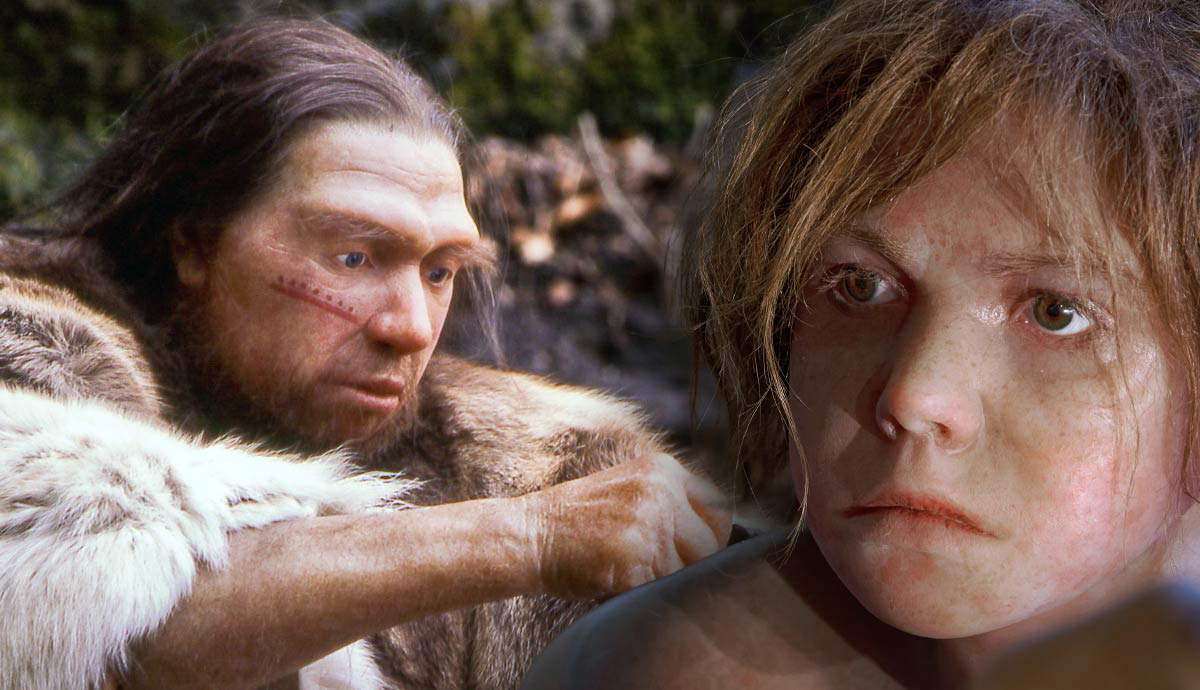
It is possible that our evolutionary cousins, the Neanderthals (Homo neanderthalensis), may have possessed the ability to speak, albeit not with the complexity we do today.
Speech is dependent on having the “right equipment,” and our humanoid ancestors did have the features required for speech. Neanderthals may have been capable of producing different pitches and timbres. Extending this idea, they may have chanted or hummed melodies in some form of proto-music.
Early people may have communicated through chanting (or their version of it), rhythm, and vocal calls. Creating sounds helped hominins to bond socially and cooperate as groups. Music, however primitive, offered humans survival advantages. Singing together can help build trust between people in a group. Rhythmic movement helps to coordinate actions while working towards a common goal, e.g., hunting or gathering food.
Across the globe, different groups across Europe, Africa, Asia, Australia, the ancient Near East, and the Americas all developed a form of music independently. Yet, all these nations share common characteristics; although they are separated by thousands of miles and oceans, they all created flutes, drums, rattles, and songs.
How Do You Decode Ancient Music?
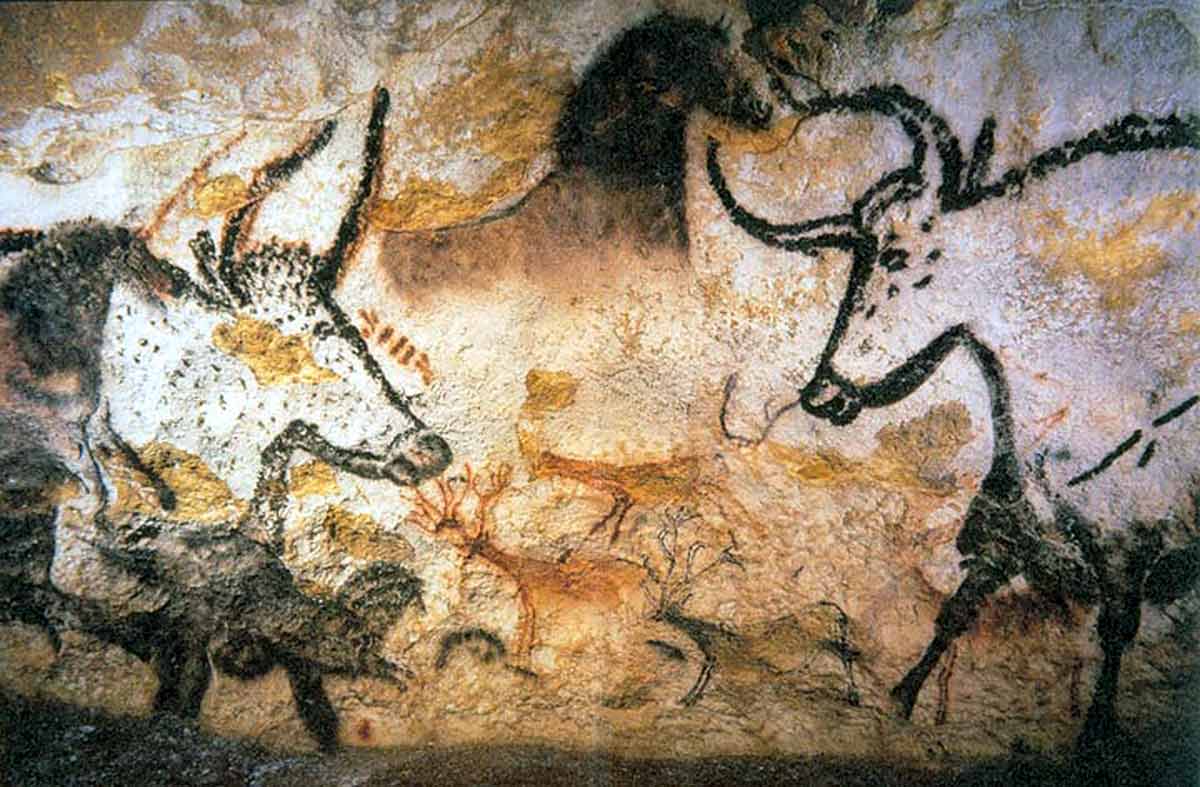
Reconstructing ancient music is almost impossible, but not entirely. When archaeologists uncover an instrument, it never comes with instructions. Sometimes they may uncover written music or lyrics, but the symbols are often incomplete or difficult to understand.
Say an archaeologist discovers an ancient flute, they can measure the spacing between the holes, examine whether it was man-made or by an animal, and calculate the pitches it produces. Musicians can play replica instruments to get an idea of what it may have sounded like. This process is called experimental archaeology; instead of displaying objects in museums, researchers actively seek to understand how ancient people used them.
Written music poses even more problems because ancient systems operated differently from our modern notation. For example, some clay tablets like the Hurrian hymns found in Mesopotamia indicate instructions and intervals (distance between notes) but no actual music. In many cases, scholars disagree on what the music should sound like, and many reconstructions exist for the same songs.
Six Examples of the World’s Oldest Music
Europe
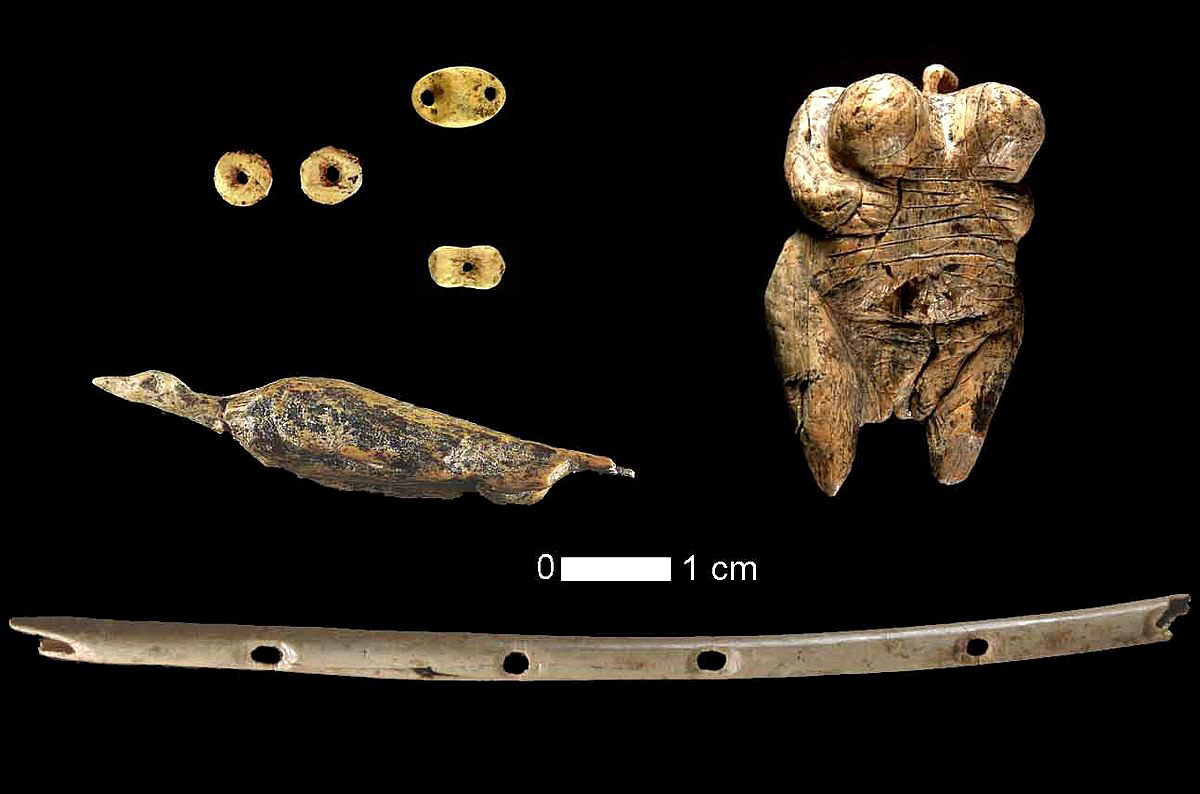
Europe is where archaeologists have found one of the oldest instruments in the world. In 1995, archaeologists discovered a bone fragment from the left thigh of a young cave bear with holes drilled into it. It was in a cave called Divje Babe (Witch’s Cave) in Slovenia, and the discovery stopped the scientific world in its tracks. Arguments arose that carnivores had bitten into the bone. Some opposed the idea that the holes were man-made by one of our Neanderthal ancestors. At around 60,000 years old, it is our first piece of tangible evidence that the Neanderthals were more sophisticated than previously thought.
According to the musicologist Bob Fink, the positions of the four holes match notes from our diatonic scale. But he was dismissed, and the popular belief was that a carnivore was responsible for the holes. But using X-ray computed micro-tomography (mCT), scientists provided additional evidence that a Neanderthal may have been responsible for making the flute. The holes were likely made with pointed stones and bone tools. Additionally, a thin layer was removed around one hole to create a flat surface, perhaps to help with making it.
Our oldest proof of art and music made by modern humans comes from a cave in Germany. In 2008, archaeologists found the “Venus of Hohle Fels,” which depicts a headless woman, measuring 5.97 cm (2.35 inches). But the more startling discovery was proof of music being made: twelve fragments of a flute, crafted from the bone of a griffon vulture, were found. The V-shaped mouthpiece was intact, and it had five finger holes.
The flute is the best-preserved example of Aurignacian instruments crafted by modern humans (Homo sapiens). This example is around 40–53,000 years old.
Australia
In Europe, tangible proof is available at archaeological sites, but Australia boasts a living musical tradition that stretches back around 60,000 years.
In 2011, Professor Eske Willerslev confirmed a claim by the Australian Aboriginal and Torres Strait Islander people that they are the oldest continuous culture on Earth. For over 58,000 years, they lived in their territories without interruption. With such a long history comes a musical legacy unlike any other, too.
At the heart of Australian music lies the didgeridoo, a long wooden instrument made with the help of Mother Nature (this video illustrates the process of making a traditional didgeridoo). Traditionally, the player selects a eucalyptus tree hollowed out by termites, and the instrument produces a deep, droning sound.
Archaeologists have found evidence of rock art suggesting people were playing the didgeridoo at least 1,500 years ago in the Kakadu region of Australia’s Northern Territory. But oral tradition suggests the instrument is far older.
Playing the didgeridoo is no easy task. Skilled players, like modern double reed players, use a technique called “circular breathing.” The technique involves inhaling through the nose while exhaling through the mouth to make the sound continuous.
The Aboriginal Australians view music as the fabric of the world. They use “Songlines”—an oral tradition that functions as a “living archive.” The Marlaloo Songline in the video above tells the story of two snakes traveling from different places and their interactions. Along the way, they create water holes, rivers, and the landscapes they travel through.
But a Songline is more than just a song. It acts like a musical GPS where narratives link to specific landscape features, e.g., a bend in the river or a shift in vegetation. It allows people to navigate vast terrains without maps but also activate knowledge about the environment, seasons, and sacred sites. In essence, they ensure they maintain a relationship with the land. Survival skills, their spiritual connection, and ecological memory all become inseparable and are kept alive.
Our next stop in the ancient world is China, although the music is much younger, it is no less extraordinary.
Asia
Again, like in Europe, the preferred material for ancient instruments was bone—this time the hollow bone from a bird in the crane family. The oldest known flutes are between 8,000 and 9,000 years old, placing them in the Neolithic Period.
The flute is shaped like a curved pipe with a series of seven holes drilled in a straight line along one side. A total of 25 flutes were discovered at the Jiahu Cun site. Great care was taken before drilling the holes: first, evenly spaced markings were determined and applied; then the finger holes were bored with a sharp drill-like object. Like any good instrument maker, the flutes were tested, and adjustments and corrections were made before creating a new flute.
The flutes can play a six-note scale and are probably an adjustment of an ancient seven-note scale. The collection of flutes has a five-octave range and includes the first, second, third, fifth, and sixth notes of the Chinese musical scale. It is possible to make combinations to include the fourth and seventh notes, which possibly led to the basis of the seven-note scale found in Chinese music.
Africa
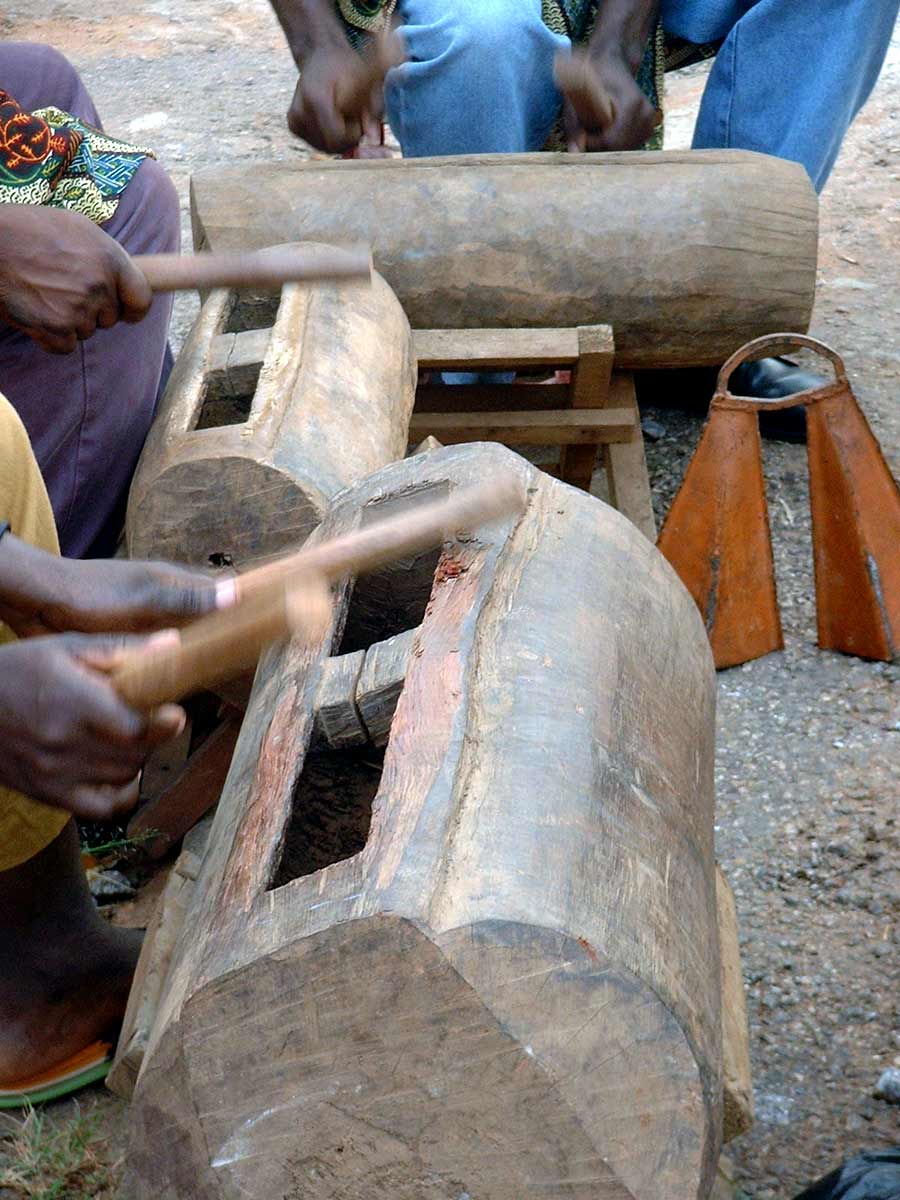
Many African musical instruments are made from organic materials like wood, animal skins, and natural fibers. For the archaeologist, this poses a huge problem; finding archaeological remains is nearly impossible. Yet the evidence exists in other forms. Ancient paintings, terracotta figurines, carvings, and above all, unbroken living traditions passed from one generation to the next hold millennia-old musical knowledge.
In West Africa, drums have played an important role in the lives of the Yoruba people for thousands of years. The dùndún, or “talking drum,” is a double-headed drum that “speaks” when you squeeze the drum lacing. In essence, the drum’s “speaking” is due to the tightening and loosening of the skin. This is an example where music and language emulate each other: most sub-Saharan languages are tonal, i.e., the same word spoken at a different pitch will have a different meaning. Thus, skilled drummers can communicate messages with their drums across miles to other communities.
Further, professional musicians known as griots carried the mantle of historian, keeper of memory, and storyteller in West African communities. Their song was not entertainment only; it preserved the history of families and kingdoms in melodic form—they were living archives. In nations where written records were not widely used, music was the backbone of records. We could compare this to the Aboriginal peoples of Australia’s songlines.
Central Africa’s communities also use slit drums to communicate with each other over vast distances in the dense rainforests. Communities are connected not only by spoken language but also by instruments that emulate human speech.
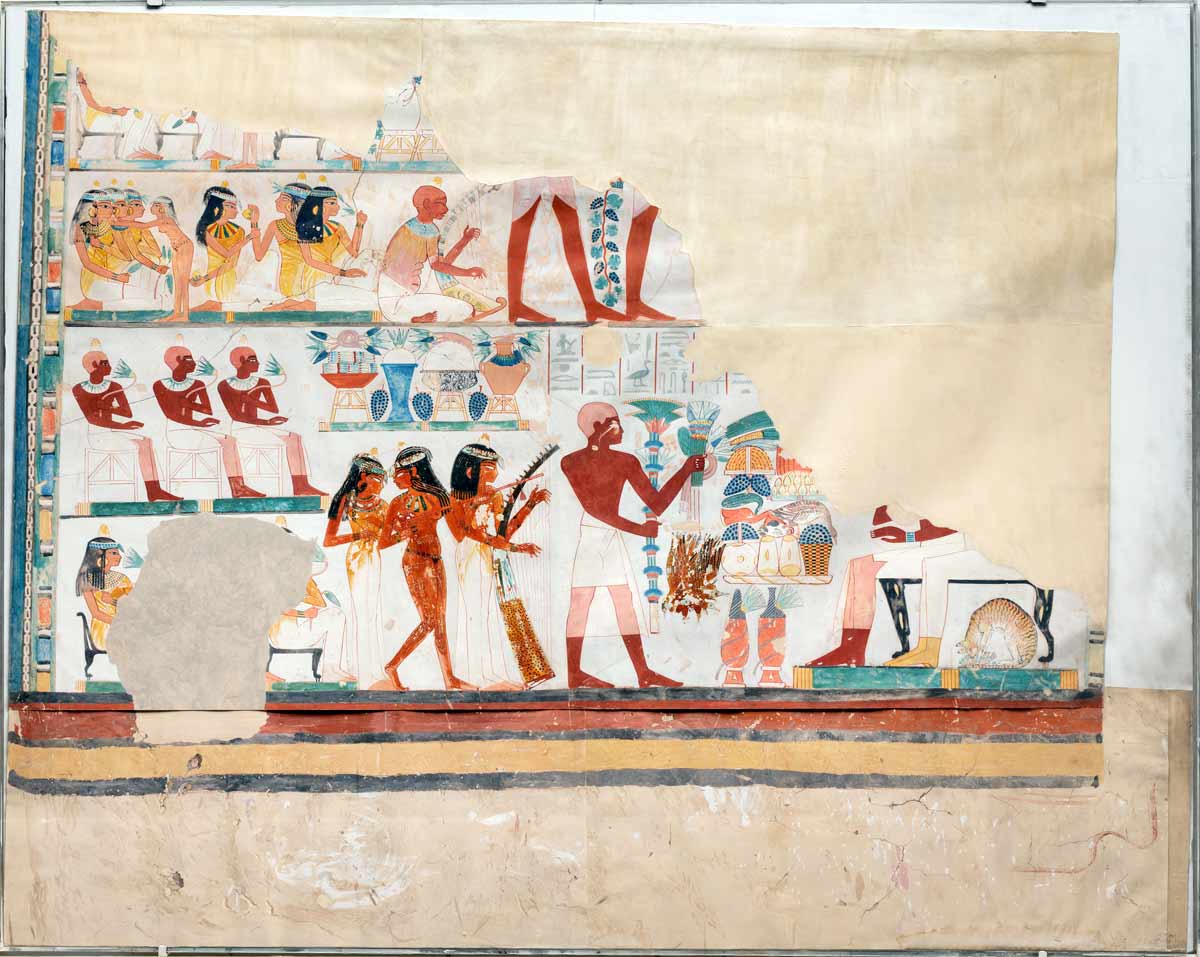
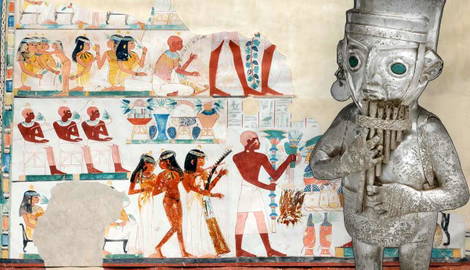
In ancient Egypt and Nubia, music was at the heart of religious life. Inscriptions and tomb paintings show various instruments like flutes, harps, and rattles called sistra. Although the ancient Egyptians didn’t write their music down (as far as we can tell), the depictions give archaeologists a good idea of the importance of music to this ancient nation. Paintings of the harp date back to 3000 BC, giving it an honorary place as one of the oldest instruments shown in art.
Mesopotamia
The oldest form of music we have on record in Mesopotamia is a set of instructions dating from around 2000 BC.
Nippur N 3354 is a fragment of a larger clay tablet found in Nippur in Sumer, Mesopotamia (modern-day Iraq). The tablet sets out instructions for performing music composed in harmonies of three notes apart (thirds). What’s more, the scribes wrote it using a diatonic scale—the same fundamental scale we use in Western music today. But a set of instructions hardly qualifies as a written song.
The Hurrian Hymn to Nikkal, on the other hand, dates to around 1400 BC. Although it is still partially incomplete, it is our first record of music being written down, albeit in cuneiform. The fragments were discovered during the 1950s among the ruins of the ancient Syrian city of Ugarit. Apart from the music, there was also a set of instructions on how to perform it on a nine-stringed lyre.
The hymn is an invocation to the goddess Nikkal, goddess of the orchards, to grant fertility to sterile women. Hans-Jochen Thiel’s translation is considered to be one of the most faithful to the original intention of the hymn. An approximate translation of the lyrics reads as follows:
“[Once I have] endeared [the deity], she will love me in her heart,
the offer I bring may wholly cover my sin,
bringing sesame oil may work on my behalf in awe may I…
The sterile may they make fertile.
Grain may they bring forth.
She, the wife, will bear [children] to the father.
May she who has not yet borne children bear them.”
The Americas
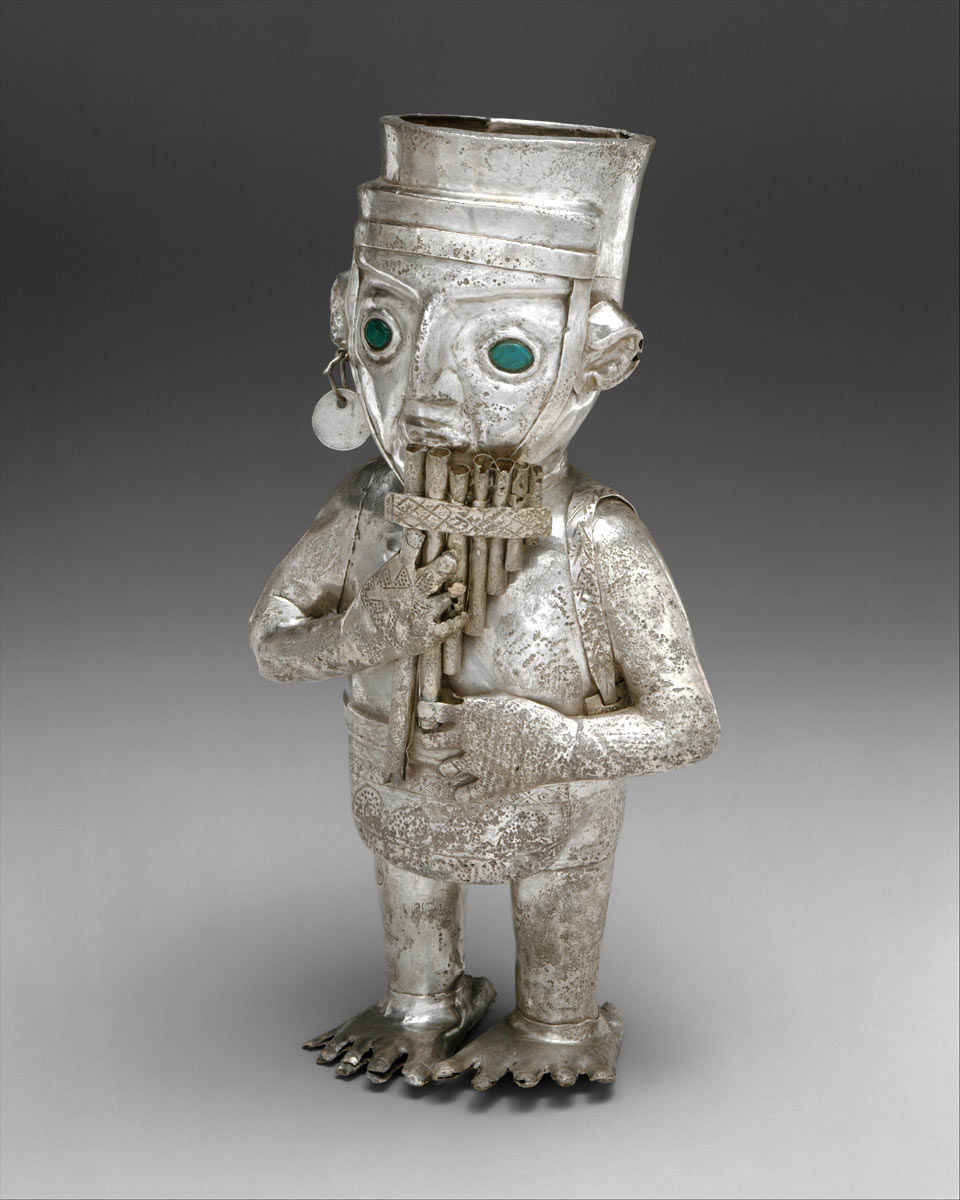
Ancient Andean life (long before the rise of the Incas) was inseparable from music. From intimate domestic rituals to grand public ceremonies to wars, music played an important role.
At the Caral-Supe, Peru, dated to 3000 BC, archaeologists found 32 carved bone flutes made from pelican and condor bones. Later cultures like the Chavín, Nazca, Moche, and Chimú all had rich musical traditions that included instruments like ceramic drums, flutes, panpipes, rattles, shell trumpets, and whistles. Their instruments were objects of art, and they decorated their instruments with supernatural creatures.
The Moche, living relatively concurrently with the Nazca, placed a strong connection between music and death.
Artworks depict human priests and warriors alongside skeletal figures who are walking and dancing in processions. Some instruments include drums, flutes, panpipes, trumpets, and rattle poles. There are even some erotic scenes involving skeletons.
Across the various Andean cultures, music bound communities together, whether in peace or war; music was everywhere. It was the glue that held the worlds of the living and the dead together.