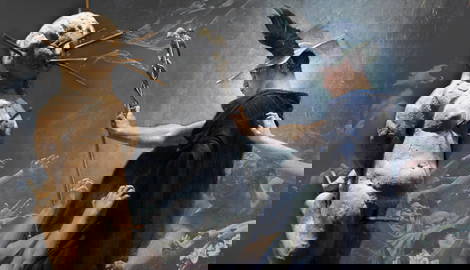

Deep beneath the soil of ancient Mediterranean cities lay thousands of folded lead tablets, pierced with iron nails and inscribed with desperate curses. This is just one example of many magical practices embraced by the ancient Greeks and Romans to manipulate the world to their advantage. While magic was considered a religious practice, and the gods were invoked to achieve the practitioner’s desired outcome, it sat in a gray area within the broader religious context. Both the Greeks and Romans passed laws to control magical practices, but these laws focused on the potentially harmful purposes of practitioners rather than magic itself. Discover some of the fascinating magical practices that were relatively commonplace in ancient Greece and Rome.
Curse Tablets And Binding Spells
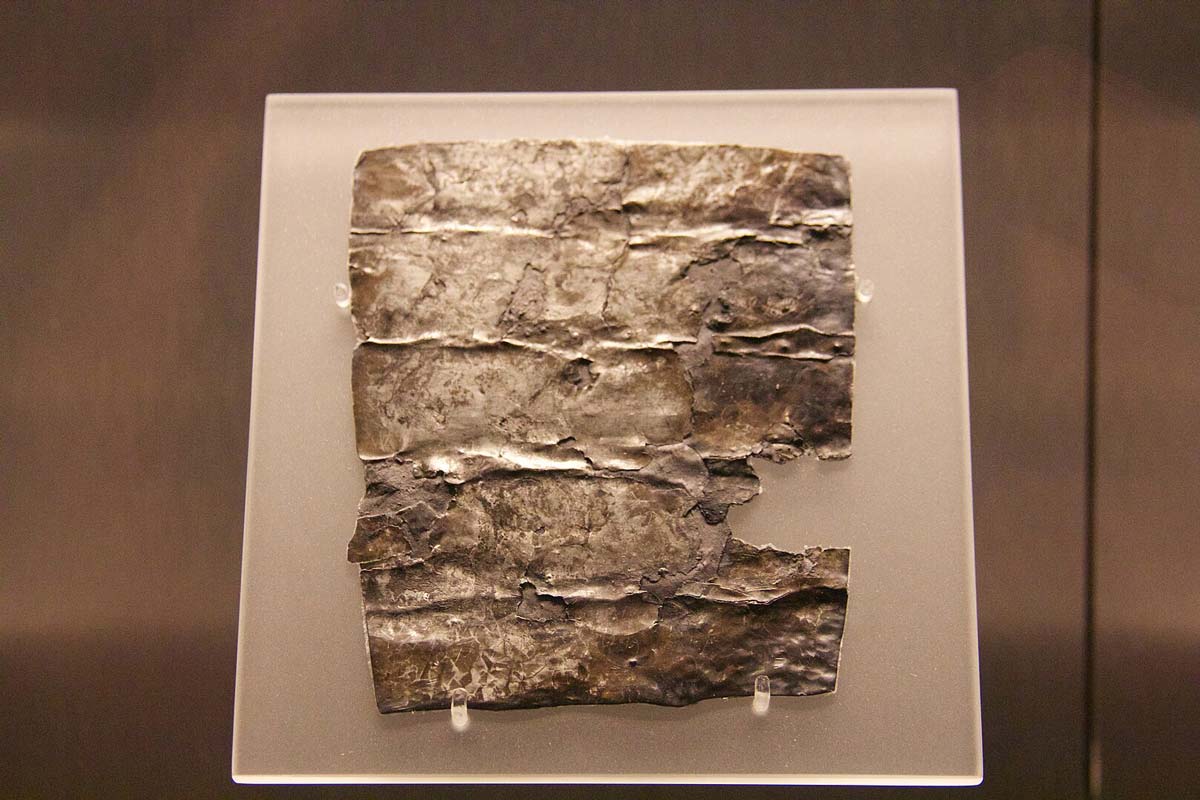
Curses were one of the most common magical practices in the ancient world. Many survive today because they were often inscribed on curse tablets, discovered by archaeologists. These tablets were normally thin pieces of lead, inscribed with a curse against an enemy, which could then be folded and often sealed and pierced with a nail. The curses were then buried, commonly in bodies of water or wells, but also in graves and other locations connected with the underworld. This was because the gods and goddesses of the underworld, such as Hades, Hecate, and Hermes, were believed to be able to assist in fulfilling the curses.
The earliest curse tablets come from 5th-century BC Athens. The language used in these tablets includes many examples of people asking the gods to “bind” their intended target. The origin of this concept of binding is unclear, but it seems to have been a way to restrict or harm someone without killing them. There were many different motivations for curses, including unrequited love, high-profile lawsuits, and rivalry among tradesmen. All levels of society are involved. One Greek tablet even includes a reference to the famous orator Demosthenes.
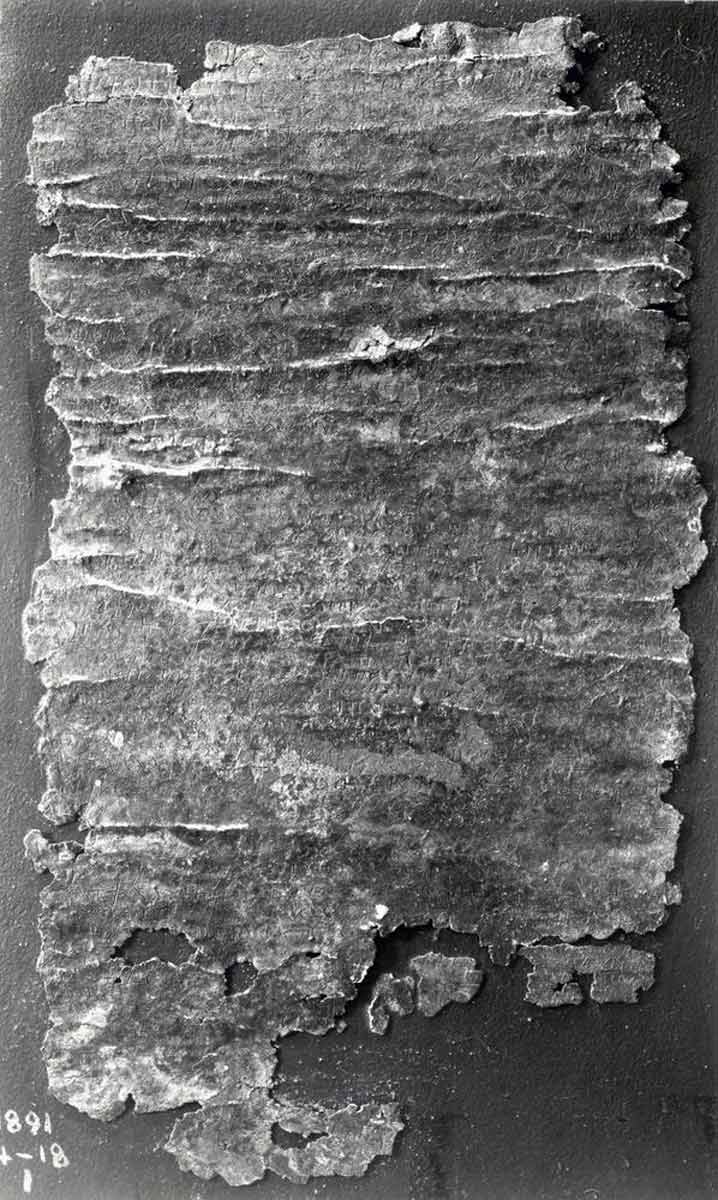
Over 130 curse tablets have been recovered from the sacred spring at Bath in Roman Britain, mostly directed to the local goddess of the spring, Sulis Minerva. Many asked the goddess to punish people who stole from them while they were using the facilities. For example, one man wanted the person who stole his gloves while he was bathing to lose his mind and his eyes. Another saw a woman ask that a love rival find no peace or pleasure until she had won back her lover.
In Rome itself, chariot racing was taken very seriously. Street brawls between the supporters of the different teams were common. It is therefore perhaps unsurprising that some people chose to curse the horses of the opposing team to ensure their victory. It is likely that there were professional “curse tabley writers” that people could pay to produce their curses, who would have been both literate and familiar with the “correct” wording for an effective curse.
Voodoo Figurines
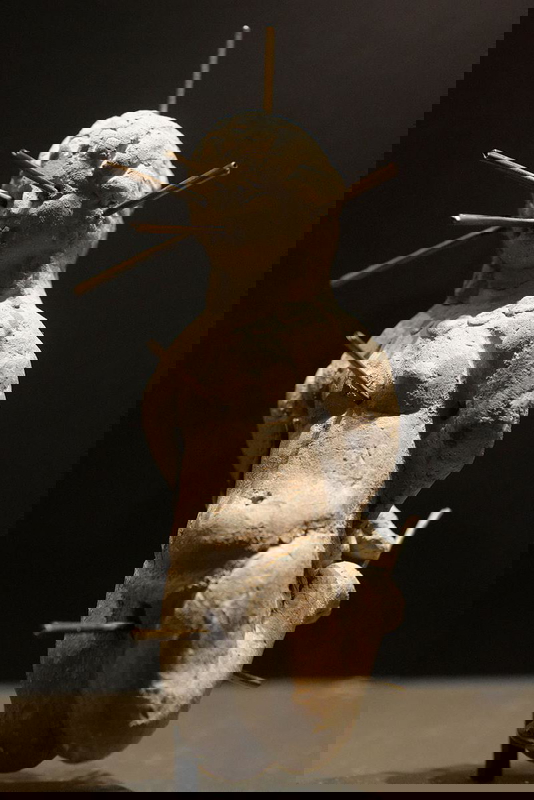
Voodoo figurines or dolls sometimes accompanied curse tablets. The Egyptians are thought to have first used such dolls as early as 2000 BC. Made of wax, in the likeness of an enemy, figurines were buried in graves so that they might receive harsh treatment from the god of the afterlife, Osiris. This was known as sympathetic magic.
In Greece, examples have been discovered dating from the 4th century BC. The dolls are mostly made of mud, wax, or lead. Many of the figures have their arms bound behind their backs, presumably to emphasize the binding process referred to in many curse tablets.
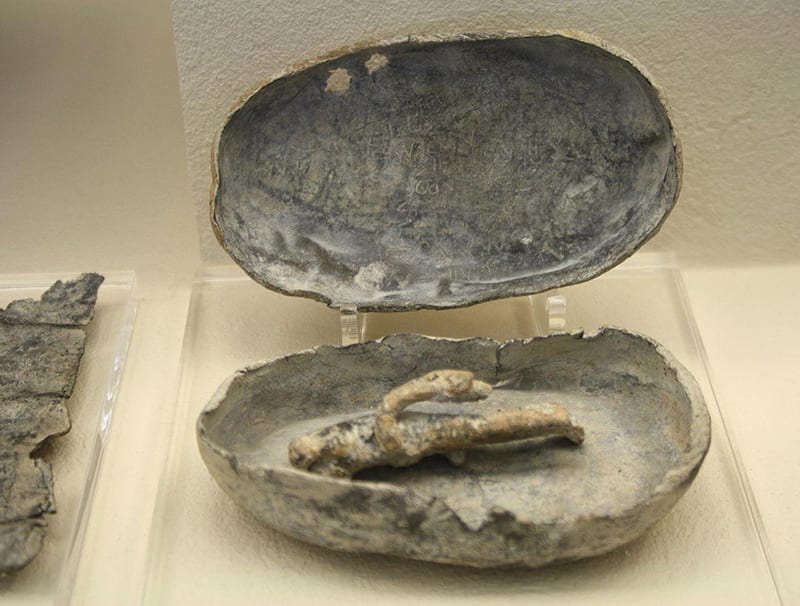
The name of the intended target was often engraved on the figurine. Needles were then placed at strategic points on the body. A famous 3rd-century AD artifact found in Egypt features a naked terracotta female figure kneeling with her hands tied, pierced by 13 bronze needles in her eyes, mouth, throat, heart, and genitals to force her to pine for the spellcaster.
The two most common types of dolls are those aimed at a love interest and those aimed at a personal enemy. For those aimed at a potential lover, needles were often placed at the eyes, mouth, and sexual organs, not to induce harm but to encourage arousal. For those aimed at personal enemies, the figurines were often placed within miniature coffins, perhaps to formalize their journey to the underworld.
Protective Amulets
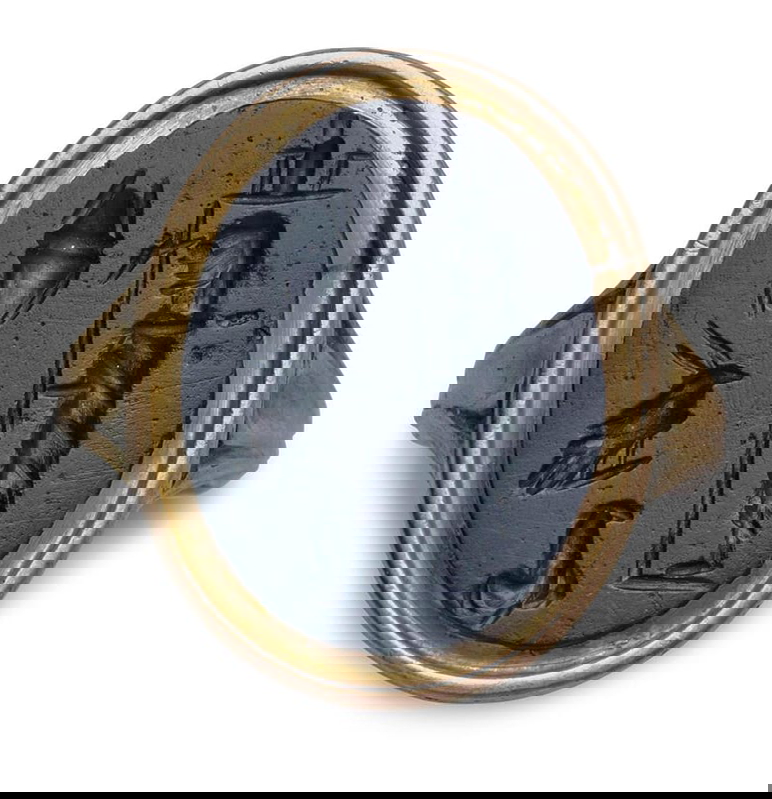
Amulets were widely used across the Classical world. These objects provide a prime example of “white” magic since they were believed to cure ailments and offer protection to the user. In Rome, intaglios carved into jasper, hematite, or bloodstone featured protective hybrid monsters like Abraxas or Chnoubis (a lion-headed snake). These were worn as rings, functioning simultaneously as personal seals, medical remedies, and spiritual shields. Wealthier citizens bought razor-thin foil sheets called Lamellae inscribed with secret divine names or prayers, which were rolled into tiny gold tubes and worn around the neck.
Because infant mortality was high, children were given specialized protective lockets shortly after birth. Roman boys wore a locket made of gold, bronze, or leather around their necks known as a Bulla. Inside, parents stuffed protective herbs, organic matter, or written spells. A boy wore his bulla until he officially entered manhood. Roman girls wore crescent-moon-shaped pendants associated with lunar goddesses and female development. They wore their Lunula until the eve of their wedding.
Practitioners of magic would often prescribe charms or spoken spells to be used with the amulet. Plato tells us of a remedy used by Socrates to cure headaches, which consisted of acquiring a special type of leaf followed by a spoken spell.
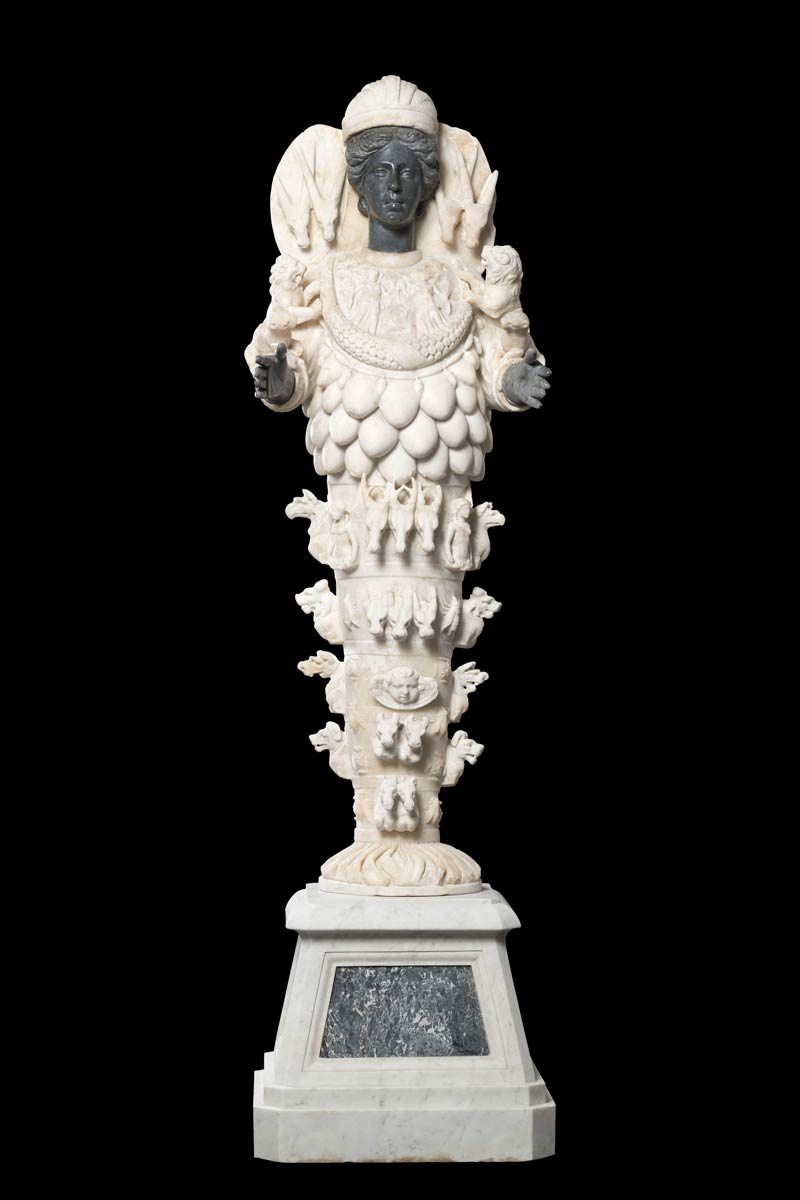
The Ephesia Grammata were a special type of amulet used by the Greeks and Romans. They originated as a mysterious set of letters, with no grammatical meaning, allegedly engraved on the cult statue of Artemis of Ephesus. The core formula usually ran: Askion, Kataskion, Lix, Tetrax, Damnameneus, and Aision. To modern scholars and ancient observers alike, the words read like untranslatable gibberish. However, early writers noted that their magic depended entirely on precise phonetic pronunciation—mispronouncing a single syllable completely neutralized the spell.
People wore objects engraved with the letters to protect themselves from evil spirits as well as plagues. Some athletes also had the letters stitched into their clothing or leather sandals to improve their chances of victory. According to one story, during an Olympic wrestling match between a Milesian and an Ephesian athlete, the Milesian found himself inexplicably unable to throw or trip his opponent. Suspicious officials halted the bout and discovered the Ephesian had secretly wrapped a leather pouch containing the Ephesia Grammata around his ankle. Once judges stripped the amulet away, the Ephesian wrestler was repeatedly thrown to the dirt.
Sacred Plants, Herbs, And Roots

Sacred plants can also be classed as a type of amulet since they were mostly used in potions and recipes to cure ailments and prevent diseases. Sick or injured people would often pray to Asclepius, the Greek god who was believed to understand the secrets of plant-based medicine. They could also be used to create poisons, a common tool for murder and euthanasia in the ancient world.
Around 300 BC, Theophrastus of Eresus (c. 370–288 BC) wrote the seminal work Inquiry into Plants, which was used by doctors and magical practitioners throughout the following centuries. Theophrastus described hundreds of plants and their supposed magical properties. For example, Pennyroyal was used as a contraceptive for women, Squill was used for getting rid of a plague or disease, Marsh Mallow was used on fractures, and the Early Purple Orchid was used as an aphrodisiac. Following Theophrastus, the Greek Magical Papyri, which date from around 30 BC-AD 600, mention over 450 plants, herbs, and minerals in ancient recipes for plant-based remedies and potions.
The Greek Magical Papyri
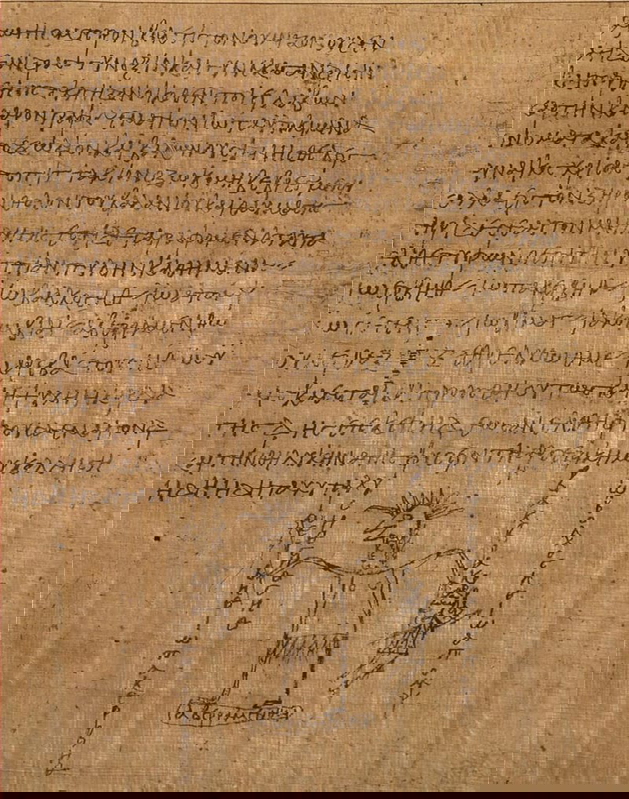
The Greek Magical Papyri are a large collection of papyrus texts found in Egypt, produced over a period of around 600 years. The texts are written by many different people and, as well as recipes for plant-based potions, they include lists of magical formulae, hymns, and names of gods and demons who could be invoked to assist a practitioner. Written in Greco-Roman Egypt during a period of Christianization, spells seamlessly blend Egyptian gods, like Osiris and Thoth, Greek deities, like Apollo and Hecate, Jewish sacred names, such as IAO/Yahweh and Adonai, and Persian astrology into single rituals.
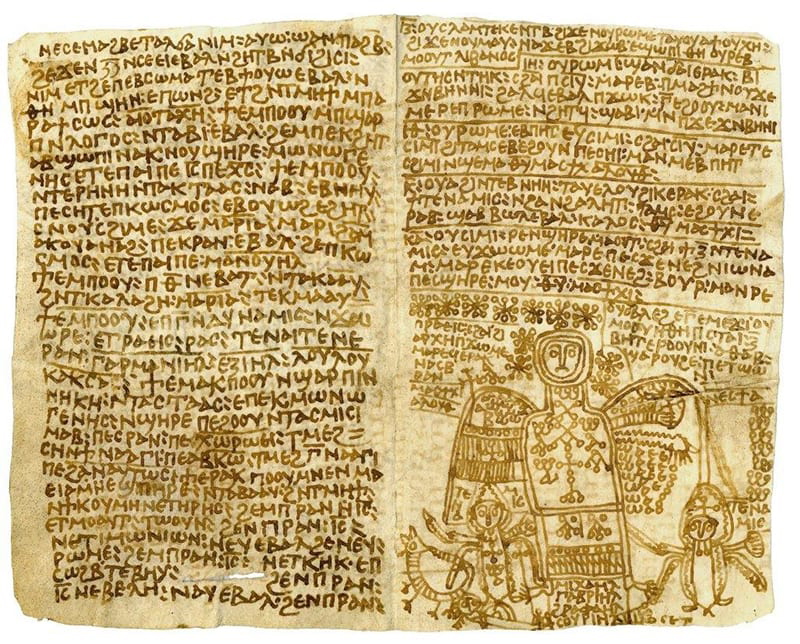
There are also examples of instructions for making voodoo dolls. Some of the texts were found folded around locks of hair and fragments of clothing, perhaps implying that the papyri were seen as amulets in themselves. Modern-day scholars are undecided as to how secret or public these texts were, but references to priests in some of the later papyri perhaps suggest that magic was beginning to occupy a similar status to more formal religious practices in the latter centuries of the Roman Empire.
Magic in the Classical World
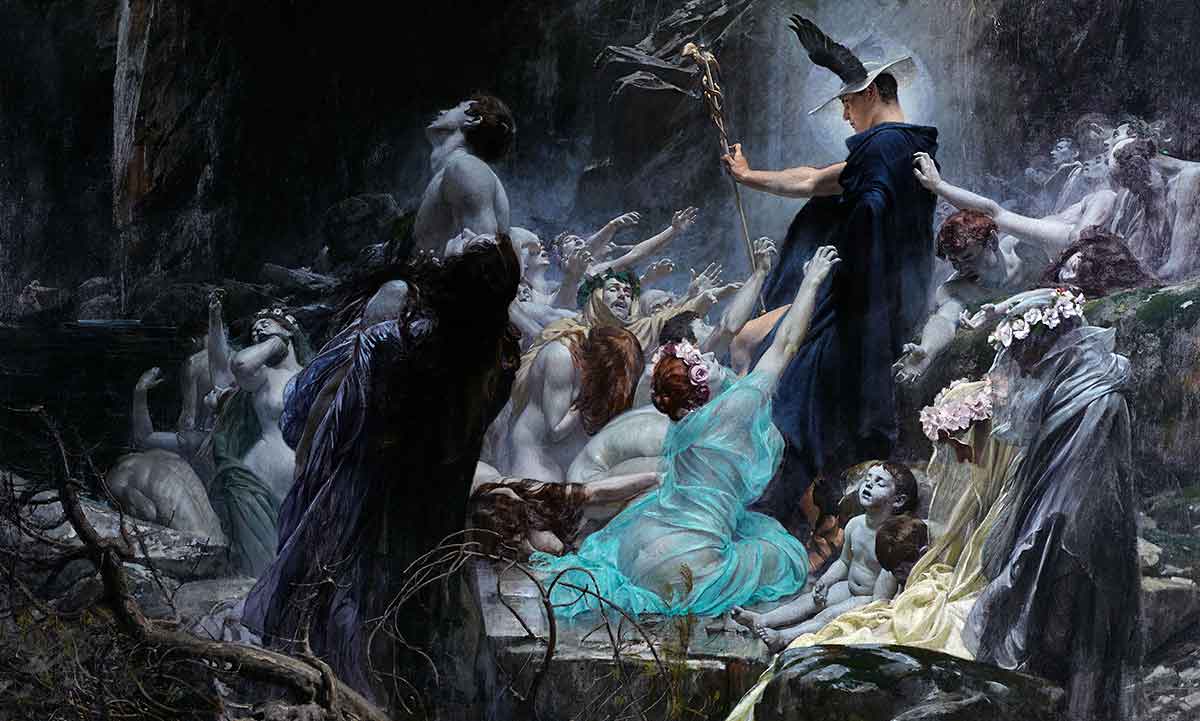
We will probably never know the real position held by magic in the ancient world. But from the examples we have today, what is clear is that it transcended boundaries of gender and social status. Ancient magic seems to have been a particularly personal practice and, as a result, it gives us a fascinating insight into the everyday fears, loves and hopes of the people of ancient Greece and Rome.