
The history books remember Nero as the mad tyrant who fiddled while Rome burned, murdered his closest kin, and persecuted Christians and political scapegoats. While ancient accounts of his reign are clearly colored by bias, they nevertheless reveal a far more multifaceted figure. From a teenage proxy controlled by an overbearing mother to a populist hero adoringly acclaimed in Greece, Nero navigated his reign through vastly contrasting roles. Discover the complexity of Nero, his reign, and his character through five distinct personas revealed by the sources.
1. Nero the Youthful Prince
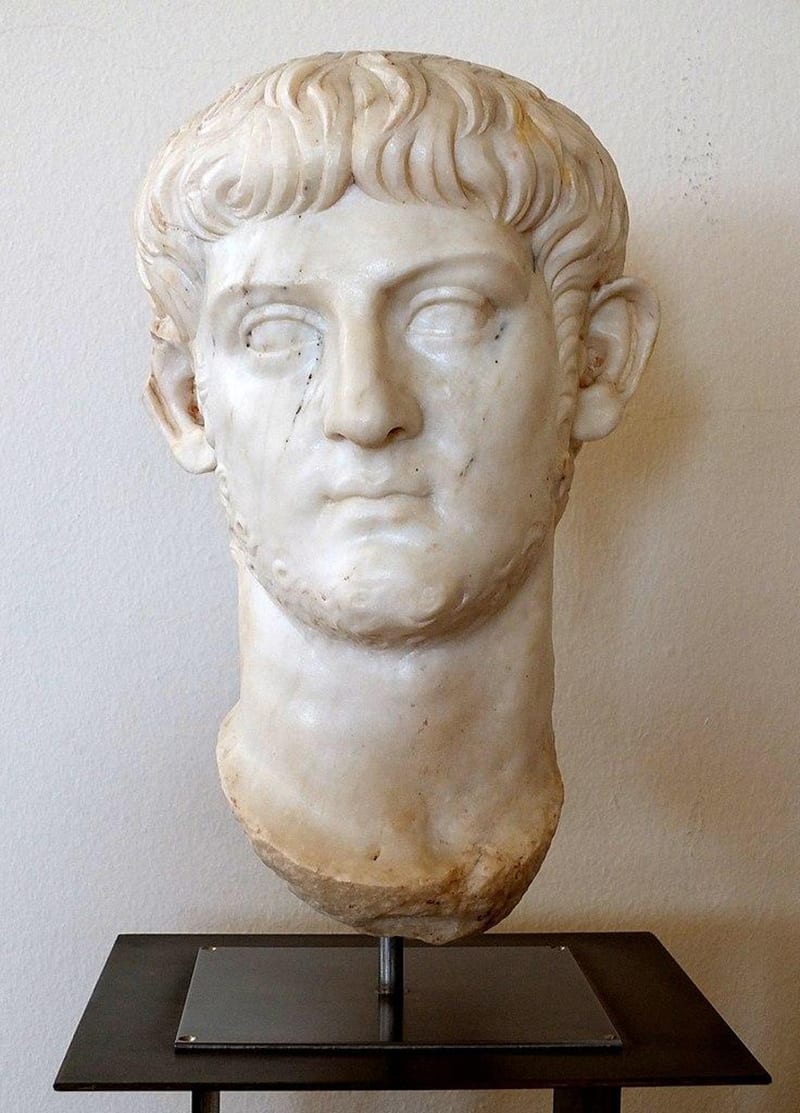
Born Lucius Domitius Ahenobarbus in AD 37, the future emperor Nero was the son of Agrippina the Younger, sister of the emperor Gaius Caligula. A blue-blooded Julio-Claudian, as a youth he was pushed out of the imperial inner circle when his mother was exiled for conspiring against her brother. But when Caligula was assassinated and Claudius became the new emperor, she was recalled. Within a few years, Agrippina married her uncle Claudius, who adopted Nero as his heir, ahead of his own younger son Britannicus. Nero was allowed to take the toga virilis of manhood early and was hailed as princeps iuventutis, which marked him out as the heir to power.
Claudius died in AD 54 under suspicious circumstances, potentially murdered by Agrippina, who may have suspected that Claudius intended to change his succession plans. The 16-year-old was enthusiastically hailed as the new emperor. Ancient commentators, including both Tacitus and Suetonius, describe the early years of his reign as excellent. This was largely due to the influence of his mother, as well as his tutor and advisor, Seneca, and the Praetorian Prefect, Burrus. He is credited with tax reforms that reduced taxes and improved transparency, ended treason trials and improved judicial proceedings, and also invested in spectacles and handouts to please the public.
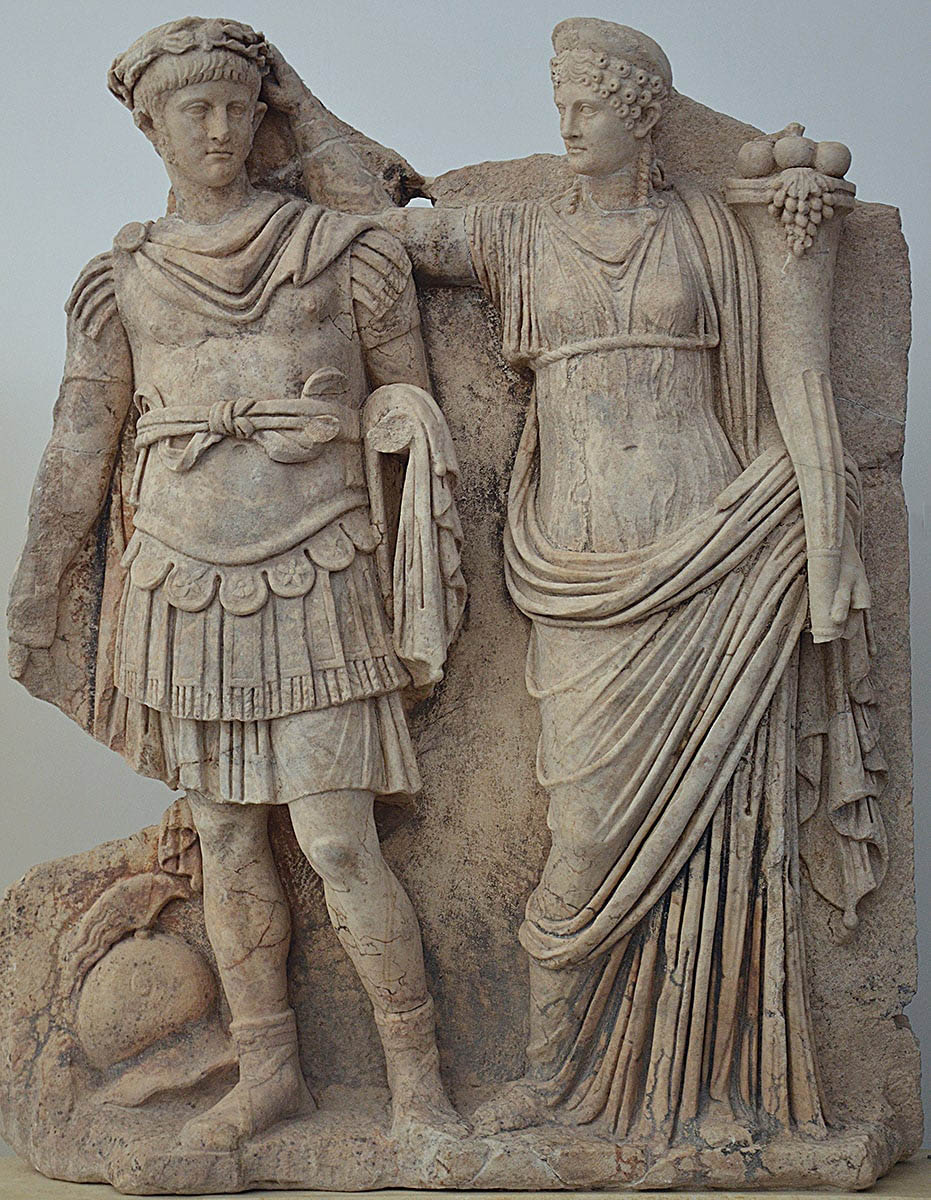
But as Nero grew into manhood, he wanted more independence, especially from his mother. Hostility grew between them. She was exiled from the palace and then assassinated by Nero in AD 59. A few years later, Burrus died in AD 62, and Seneca the same year. He was later forced to commit suicide in AD 65 when he was implicated in the Pisonian Conspiracy. Nero was free to rule as he wished.
2. Nero the Liberator of Greece
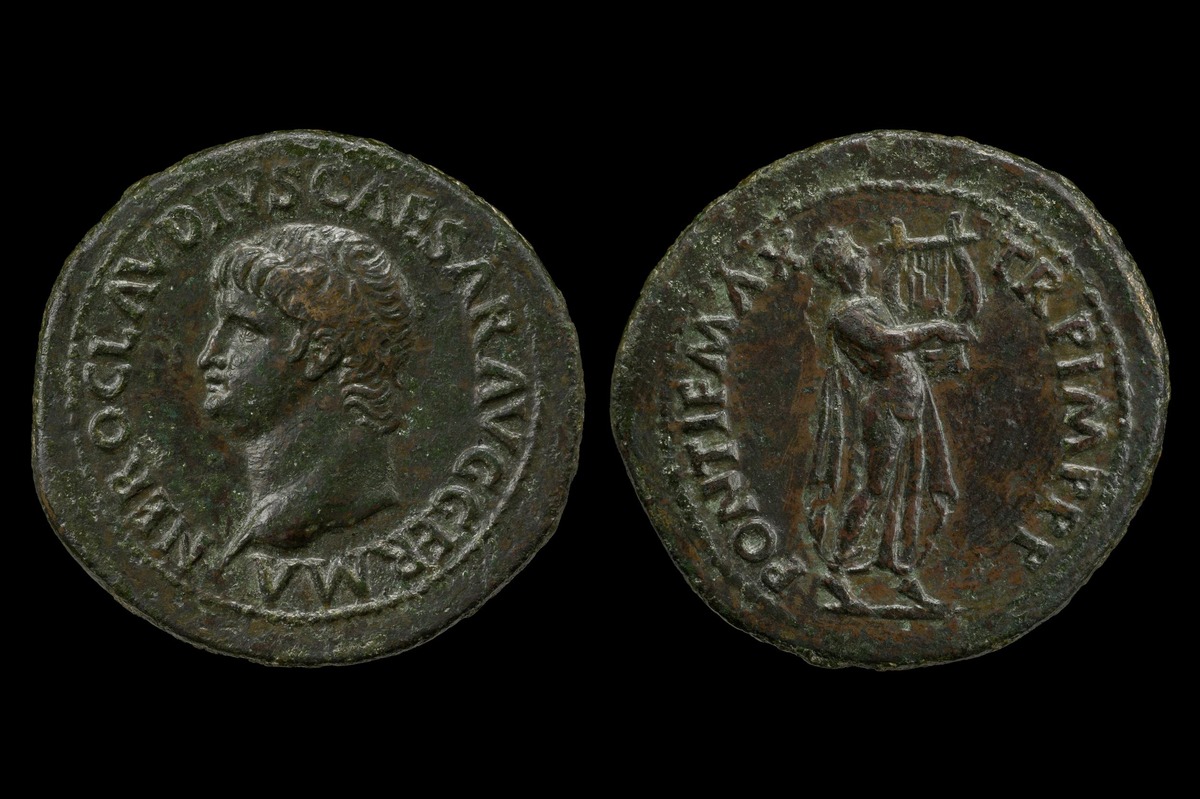
From a young age, Nero had a passion for poetry and performing, and the sources suggest he had a talent for it. But at a time when actors were considered on a similar level to prostitutes, the idea of Rome’s emperor performing on stage was distasteful to most. But this did not stop Nero from pursuing his passion. He performed on stage in Rome, introducing the Neronian Games in AD 60 based on the famous games of Greece.
In AD 67, he embarked on a tour of Greece. There he performed and competed in all the Panhellenic tournaments, rescheduled for his benefit, which included both athletics and performances. With the odds stacked in his favor, he won 1,800 victory crowns.
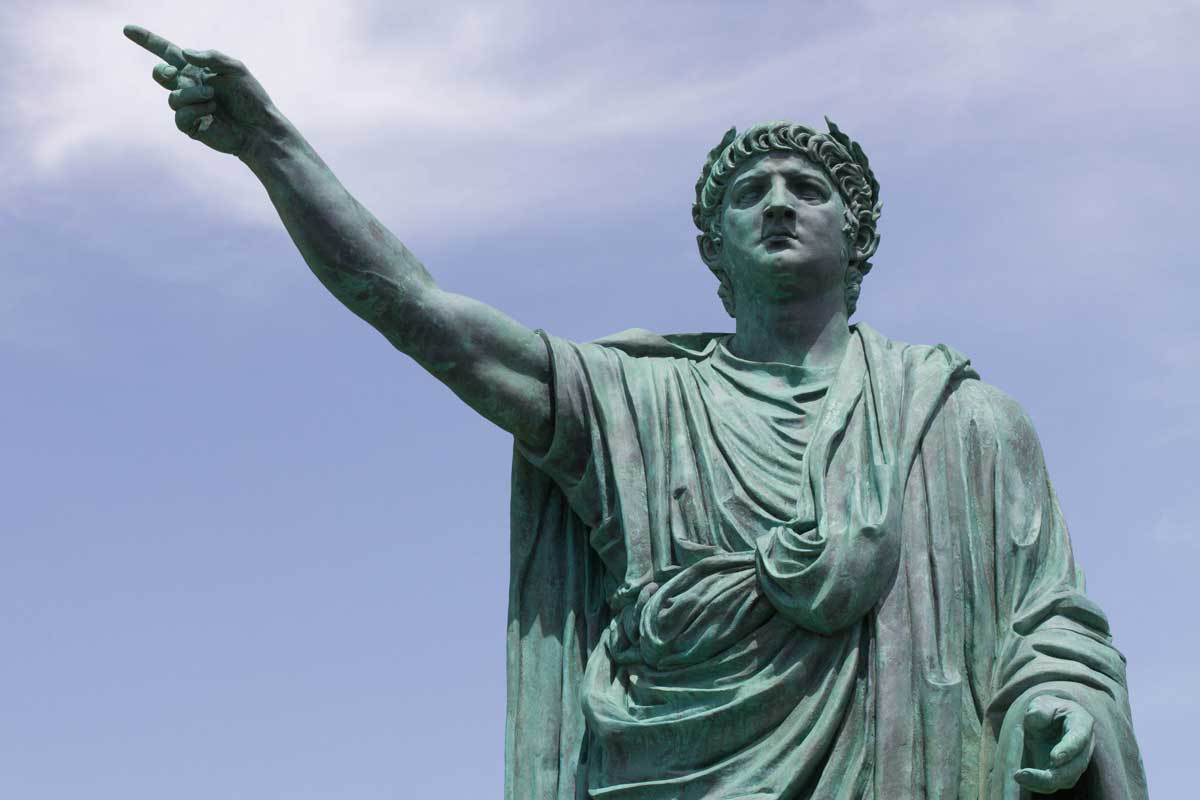
While attending the Isthmian Games, Nero declared freedom from Roman taxes and administration for the entire province of Greece, which had been under Roman rule since the fall of Corinth in 146 BC. As a result, Nero was adored by the Greek people. An inscription has been discovered in Boeotia referring to him as “Zeus the Liberator.” While this won him popularity in Greece, the Senate back in Rome and the military elite viewed his activities with hostility. Revolts were brewing, and Nero was forced to return to Rome in early AD 68 to attempt to secure his position.
While Nero was unpopular with the elites, he was much loved by the common people of Rome, especially the lower classes. Not only did he win them over with “bread and circuses,” but his personal appearances made him feel like a more accessible ruler than many of his predecessors, increasing his already considerable celebrity.
3. Nero the Philanthropist
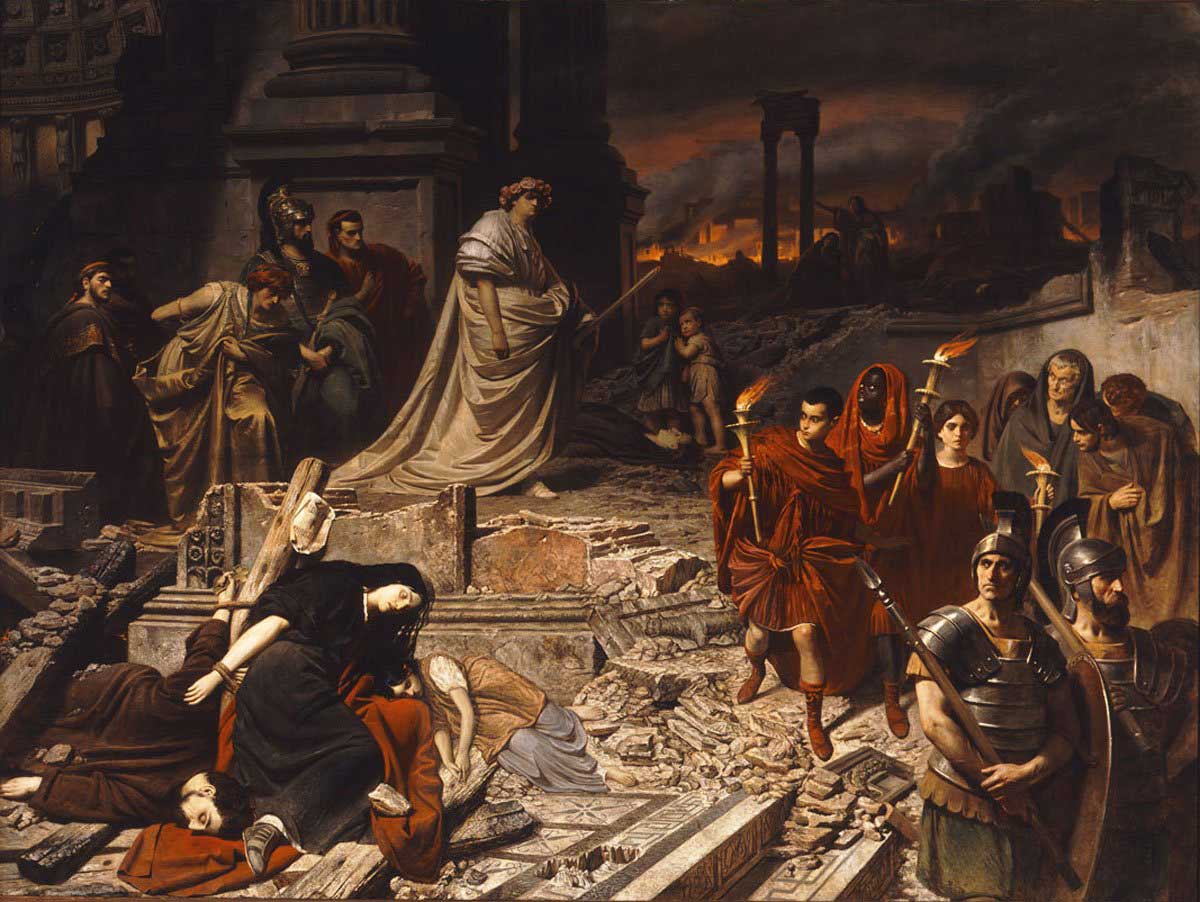
Nero’s persona as a performer was so central to his character that when a devastating fire burned much of Rome in AD 64, rumors circulated that he played his lyre as he watched Rome burn. Rumors also spread that he started the fire himself, but Nero was not in Rome when the conflagration began. However, as soon as news reached him, he returned to Rome and spearheaded the recovery efforts personally. He organized shelter for those left homeless, secured an affordable food supply, and introduced rules to improve fire safety.
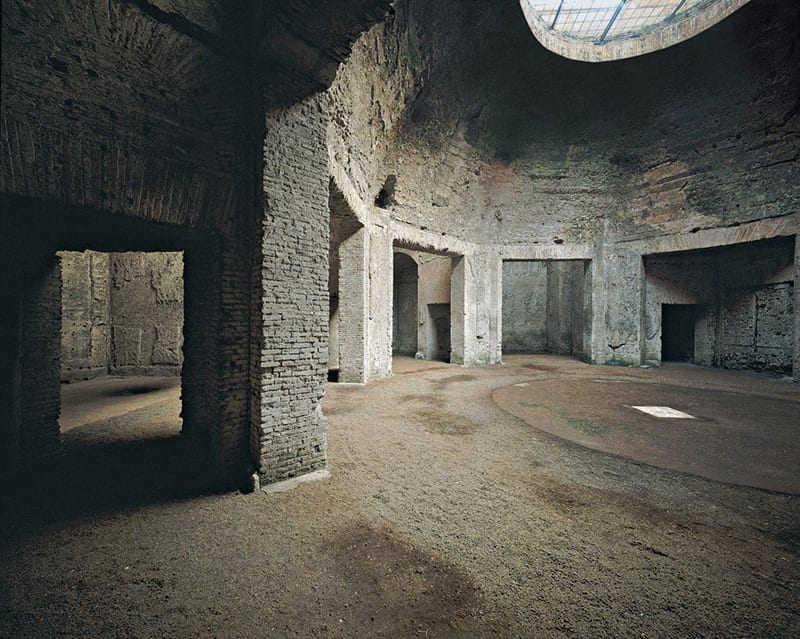
However, one of the reasons that Nero was accused of starting the fire is that he claimed a large swath of previously public land that had been cleared by the fire to build an enormous Golden House, or Domus Aurea, an extravagant imperial palace. It reportedly included a large circular, revolving dining room with a ceiling from which panels opened to shower dinner guests with gifts. While this is often pointed to as a sign of his selfishness, evidence suggests that the Domus Aurea was never meant to be a private home for the emperor, but rather a “performance space” where the ruler could connect with his people; a plan very much in line with Nero’s character.
But Suetonius provides other examples of Nero as an excessive spender. He claims that Nero never wore the same clothes twice. When he went fishing, he used a golden net strung with purple strings. Nero rarely traveled with a train of fewer than 1,000 carriages, and even his pack mules had their hooves shod with silver shoes. Apparently, Nero often declared, “true gentlemen always throw their money around.” It is unclear how true these accusations were, and to what extent big spending was expected to redistribute wealth.
4. Nero the Brutal Tyrant
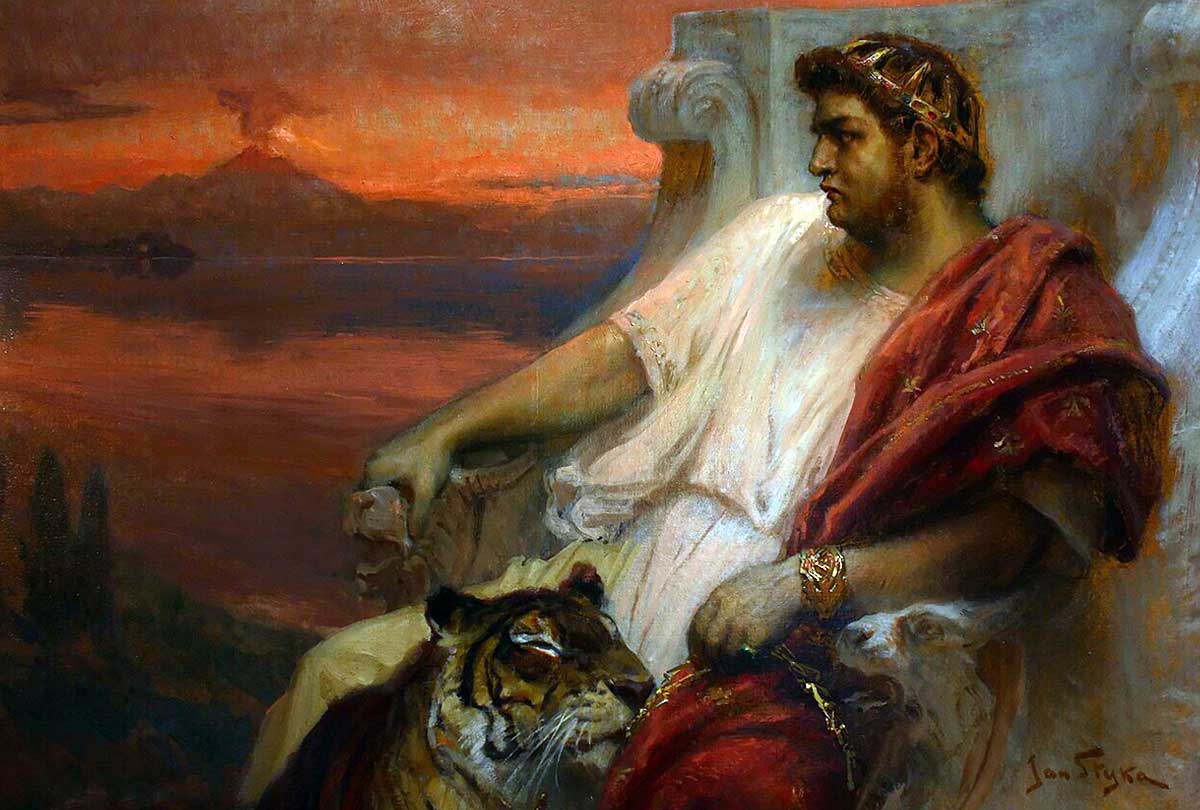
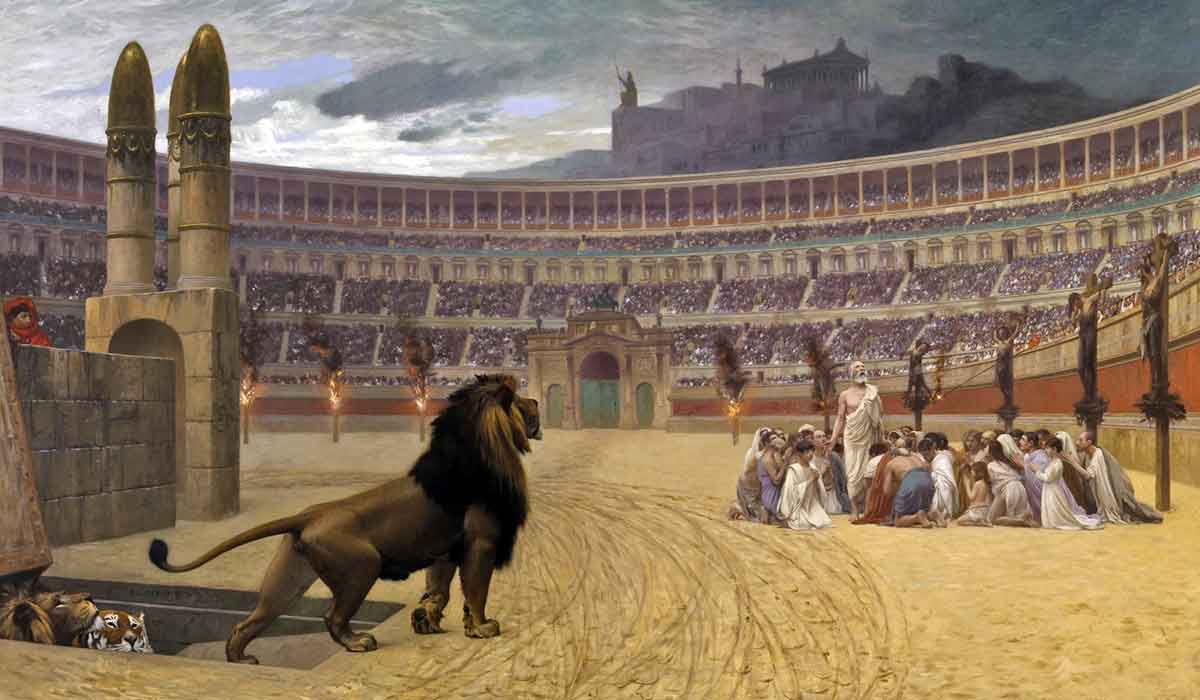
Nero is perhaps best known for his cruelty and brutality. After the fire, when Rome was looking for someone to blame, Nero reportedly made an unpopular growing religious sect his scapegoat: Christians. Their punishments were shockingly violent. Tacitus tells us that, under Nero’s orders, Christian prisoners were either crucified, torn to pieces by dogs, or set alight and used as torches at night. These terrifying executions were often held as public events in Rome’s Circus Maximus.
In the later years of Nero’s reign, there were at least two plots by the nobility of Rome to murder him, both of which he discovered before they came to fruition. Paranoia soon set in and Nero began a targeted and ruthless massacre of various noble families, whom he believed to be a threat to his life. Even the children of these families were exiled and later murdered.
Nero’s murder of his mother, brother, and sister-wife have already been mentioned. When he was free of Octavia, Nero married Poppaea in AD 62. He then reportedly kicked her in the stomach in AD 65, resulting in her death and that of her unborn child. This is another story that was probably invented after the fact and is untrue. It is much more likely that Poppaea died due to complications in childbirth. But it is telling that this is the type of behavior of which Nero was considered more than capable.
5. Nero the Damned
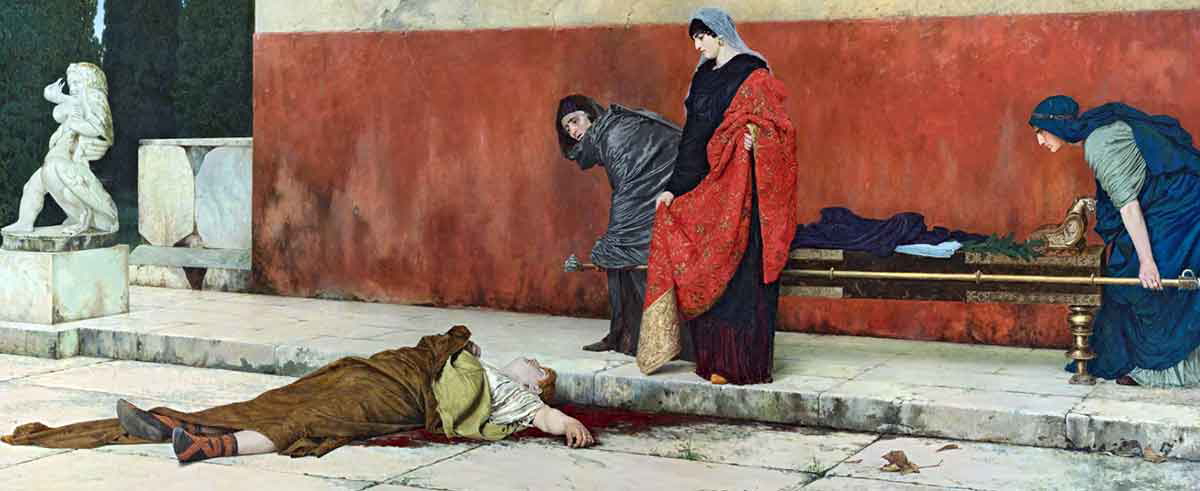
When Nero returned from Greece, he could not recoup his position. In AD 68, the governor of Gaul rebelled against Nero, declaring his support of Galba, the governor of Spain, as an alternative emperor. The Gallic troops were defeated, but the idea of replacing Nero gained favor. When legions in Egypt halted vital grain fleets, Nero lost all support, and the Senate declared him an enemy of the state. Finally, on June 8, AD 68, the Praetorian Guard, bribed with massive payouts promised by Galba’s allies, deserted the palace.
Nero woke up at midnight to find his guard posts empty. When he sent messages to his friends’ apartments asking for help, no one answered. He returned to his bedroom to find even his chamberlains had fled, taking his gold bedding and his vial of poison with them. Nero fled the capital, ending his life with suicide. Suetonius tells us that the last words of the hapless emperor were: “What an artist dies in me!”
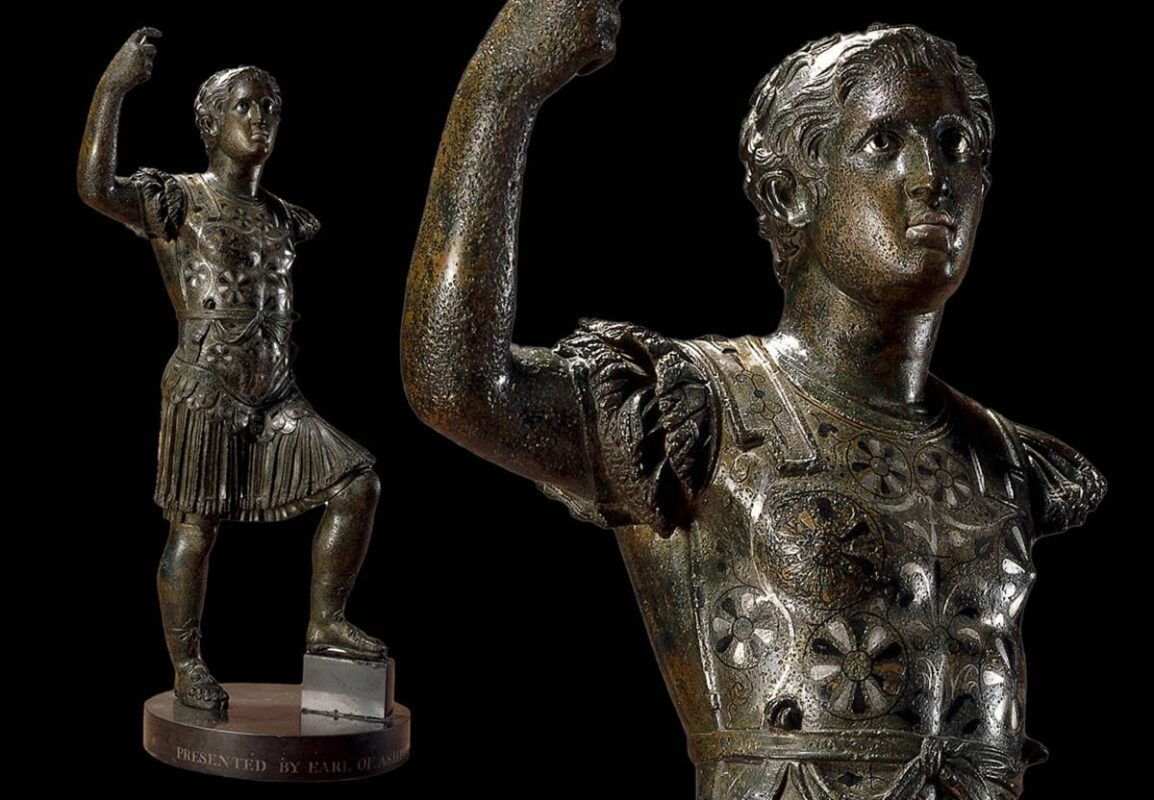
Since Nero left no heir, civil war followed with four successive men proclaiming themselves the new Augustus in AD 69. Ultimately, Vespasian, who was commanding Roman armies in the east to put down a Jewish revolt, emerged victorious and established the Flavian dynasty. To justify replacing the Julio-Claudians, Nero had to be slandered so that his removal could be characterized as just and necessary. He underwent a damnatio memoriae. His statues were toppled and his name removed from inscriptions. The Colosseum was deliberately built on the site of the drained artificial lake within Nero’s former palace, symbolically returning the land to the public.
The extremely negative view of Nero that appears in the ancient sources also emerged at this time. It is telling that descriptions of Nero and his reign repeat themes typically associated with Roman tyrants. The first five years of his reign were positive before taking a turn for the worse, just like Caligula. He was sexually perverse, reportedly sleeping with his own mother and then becoming the “wife” of a freedman in a mock wedding ceremony. Because these stories are clearly meant to cast Nero as a terrible and tyrannical emperor, it is challenging to determine where the history stops and intervention begins. For this reason, we will probably never know the real Nero.