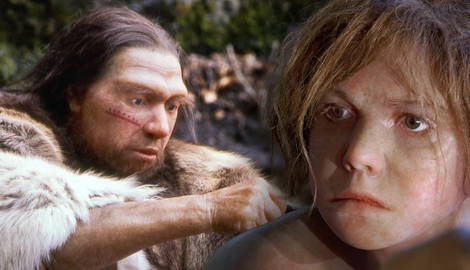

Many tens of thousands of years ago, two human species lived in Europe. They were both distinct species of the Homo genus, but with noticeable visual differences.
Homo neanderthalensis was short and stocky, made for a life of tough, confrontational hunting and surviving in the bitter cold of Europe’s ice age. Homo sapiens was tall and lithe, better suited for persistence hunting, tiring out their prey over the open plains of Africa.
A comparison of these two species, however, reveals striking differences and similarities and offers valuable insight into our extinct cousins and ourselves, both in body and mind.
Neanderthals and Us: Diverging and Coming Together
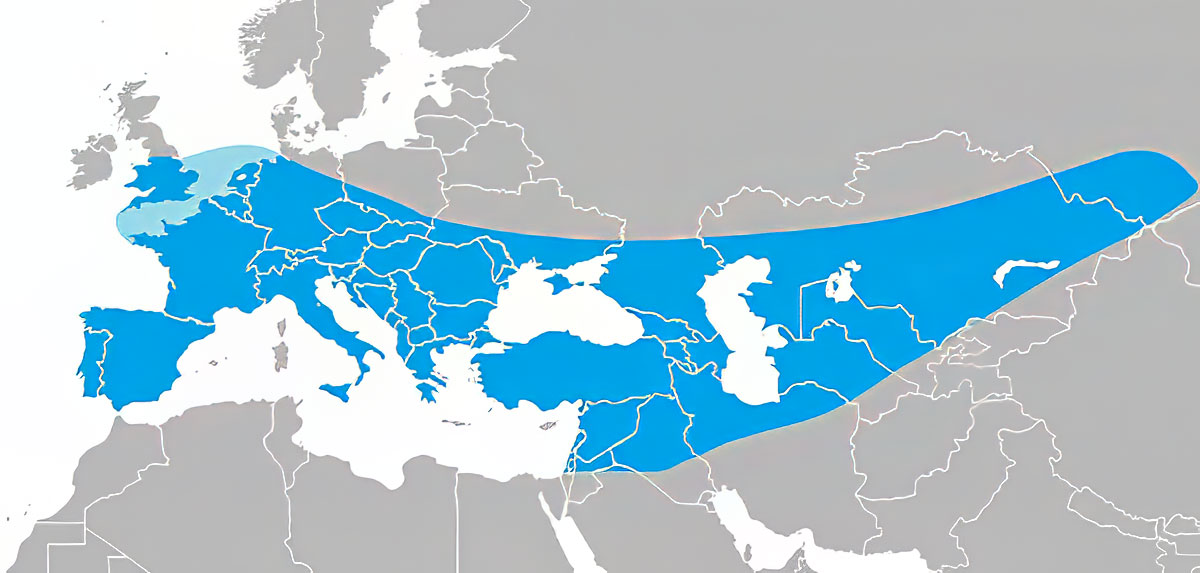
The earliest known Neanderthal fossils have been dated to around 430,000 years ago, although it is certain they evolved before this. Likely evolving from Homo heidelbergensis, their lineage diverged from ours around 500,000 years ago, although some evidence points to it happening as far back as 650,000 years ago, or even as far back as 800,000 years ago, according to research using mtDNA calibrations and fossil morphology.
The current scientific consensus is that Homo sapiens emerged as a distinct species around 300,000 years ago. There is some evidence suggesting that around 200,000 years ago, the two species encountered each other, but this is a debatable range that requires much deeper investigation. Periods of intimate intermingling occurred 105,000 to 120,000 years ago and 45,000 to 60,000 years ago, suggesting waves of migrations, with the latter being the most dominant phase of genetic exchange.
Around 40,000 years ago, Neanderthals disappear from the fossil record. The reasons are a subject of fierce debate and include suggestions of being bred out, being outcompeted, and even genocide, although the latter lacks any significant academic support. Other factors could have been climate instability or pathogens introduced by Homo sapiens. What is certainly true is that, compared with Homo sapiens, the Neanderthal population was small, and modern humans have inherited some of the Neanderthal genome, with individuals outside sub-Saharan Africa having 1%-4% Neanderthal DNA.
The two species were not sufficiently different that they couldn’t interbreed, and although there were genetic challenges to the offspring’s fertility, interbreeding was possible and did occur.
Different Bodies for Different Purposes
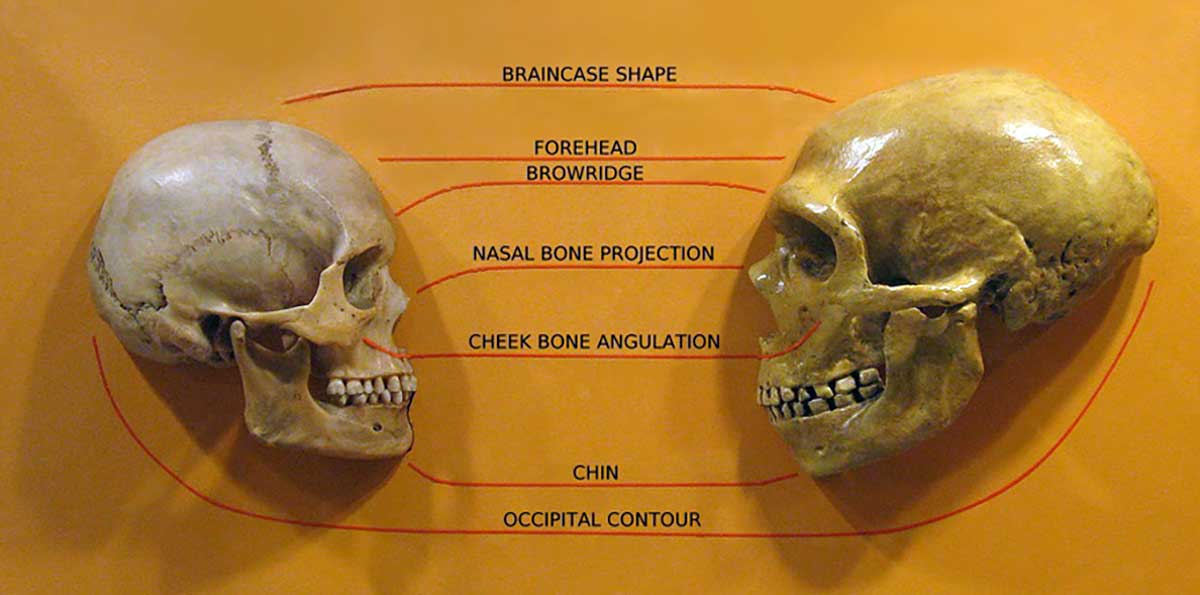
Just by looking at the skeletal frame, it becomes clear that Neanderthals were built differently. Their skulls were elongated, and they had smaller foreheads, significantly more brow ridging, smaller chins, and bigger teeth. Their noses were also broader and taller than modern human noses, likely an adaptation that helped to humidify the dry ice-age air, and to draw enough oxygen in for their extremely physical lifestyles and the theoretically high energy demands of the Neanderthal body. Some research suggests the average Neanderthal required 5,000 calories per day, which is roughly the same as a cyclist training for the Tour de France!
Their skulls were larger, and their cranial capacity was also slightly bigger on average. This does not necessarily mean they were smarter than Homo sapiens, but it does go some way to dispelling the myth of them being primitive brutes of low intellect.
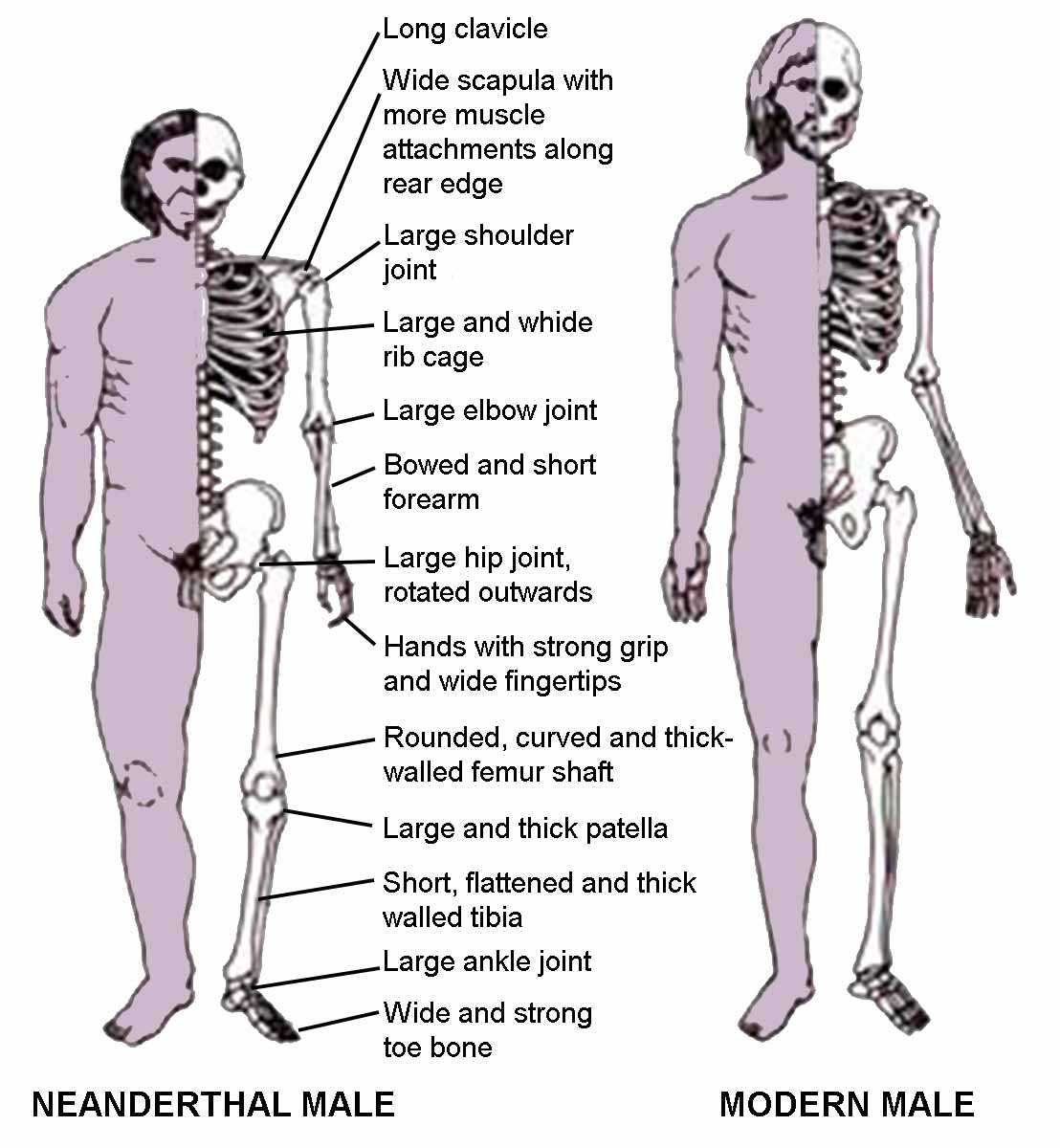
Overall, the Neanderthal frame was slightly shorter, but stockier and more robust. Their barrel-chested ribs encased lungs that had an estimated 20% more capacity than modern Homo sapiens. Their lower legs and arms were also shorter, enhancing their stocky appearance. This was likely an adaptation to the cold, as examples of these adaptations, including the wider thorax, are observable in Yupik and Inuit populations that live in arctic conditions. By comparison, it seems the narrower thorax and longer legs evident in Homo sapiens were an adaptation for endurance running.
Given the difference in lifestyles, these evolutionary differences make perfect sense.
Strategies for Survival
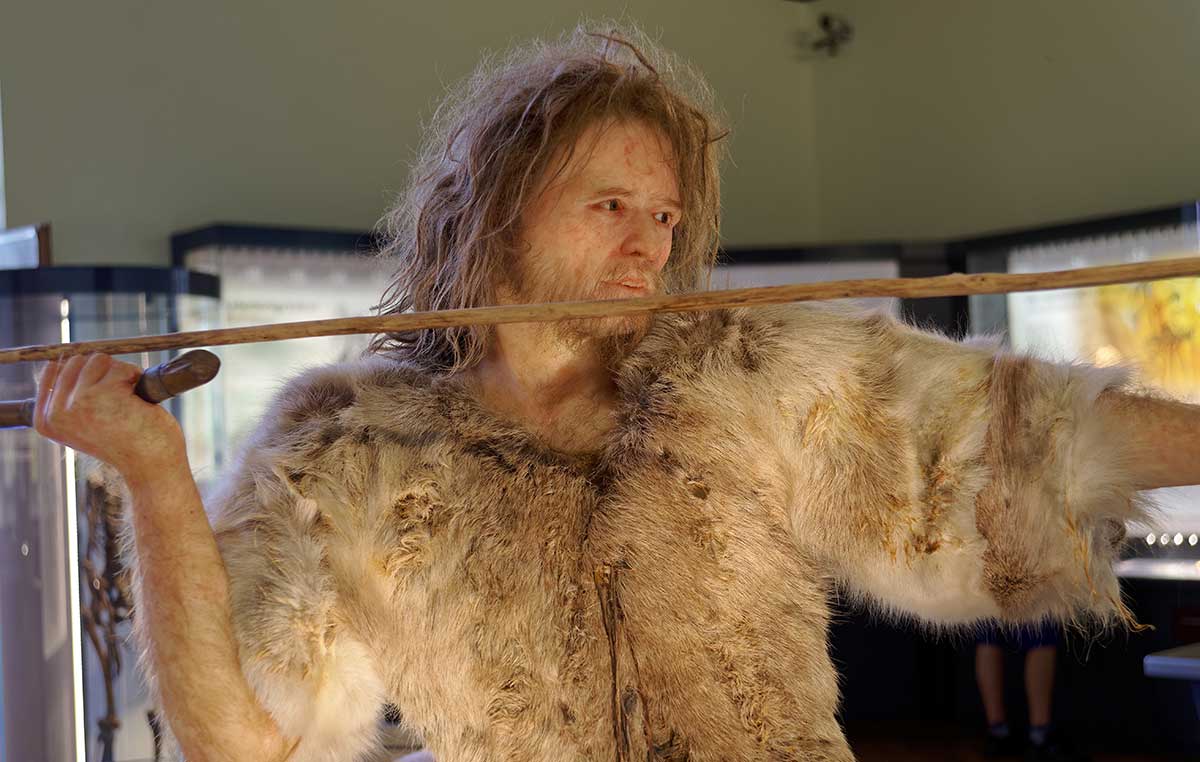
Homo sapiens and Neanderthals evolved in completely different climates with varying geographical and biological dynamics that shaped the evolution of each species. Of primary note are the very different hunting strategies employed by each species. Neanderthals were confrontational hunters. They got in close and thrust with spears designed for close-quarters hunting. Given their prey consisted of bison, horses, aurochs, red deer, and even woolly rhinos and mammoths, it is unsurprising that Neanderthals sustained many injuries over the course of their (probably shorter) lives. They were also ambush predators, hiding in the foliage and behind rocks until the prey was in striking distance. Neanderthals often employed herd mentality and geographic features to drive large numbers of prey into areas where they could be picked off with ease.
Like Neanderthals, Homo sapiens hunted in groups, but preferred (and still do) to keep their distance, favoring projectile weapons rather than getting up close and personal. This perfectly suited their (our) evolution, as their upper bodies were far better adapted for throwing spears. While Neanderthal shoulder and arm construction favored strength and stability, Homo sapiens was far better suited to overhead throwing and a host of other arm movements facilitated by a more mobile scapula. This was (and still is) significantly aided by joints and muscles conducive to storing and releasing elastic energy necessary for effective projectile use.
Being ambush predators meant that Neanderthals were built for fast bursts of speed, after which they used their considerable strength against their prey. Homo sapiens, on the other hand, were adapted to long-distance running, tiring their prey out over the African savannah in incredible feats of endurance. They did, however, use other hunting strategies depending on the context. Persistence hunting was not exclusive in the repertoire of Homo sapiens techniques.
Behavior and Culture
Speech is a defining feature of modern humans, and there are academics who argue that language was developed suddenly around 40,000 years ago. Other academics believe that language was a slow development that began as far back as 2 million years ago.
While there are no remains of actual languages, genetic and anatomical research provide strong evidence to suggest Neanderthals were capable of speech. Of note is the FOXP2 gene, which is vital for human speech. While other animals also have this gene, the derived version found in modern humans was also found in Neanderthals, strongly suggesting that Neanderthals at least had the capability for advanced speech and language.
This is supported by anatomical research, which shows Neanderthals had the physical abilities to produce speech and to distinguish the complex features of it aurally.
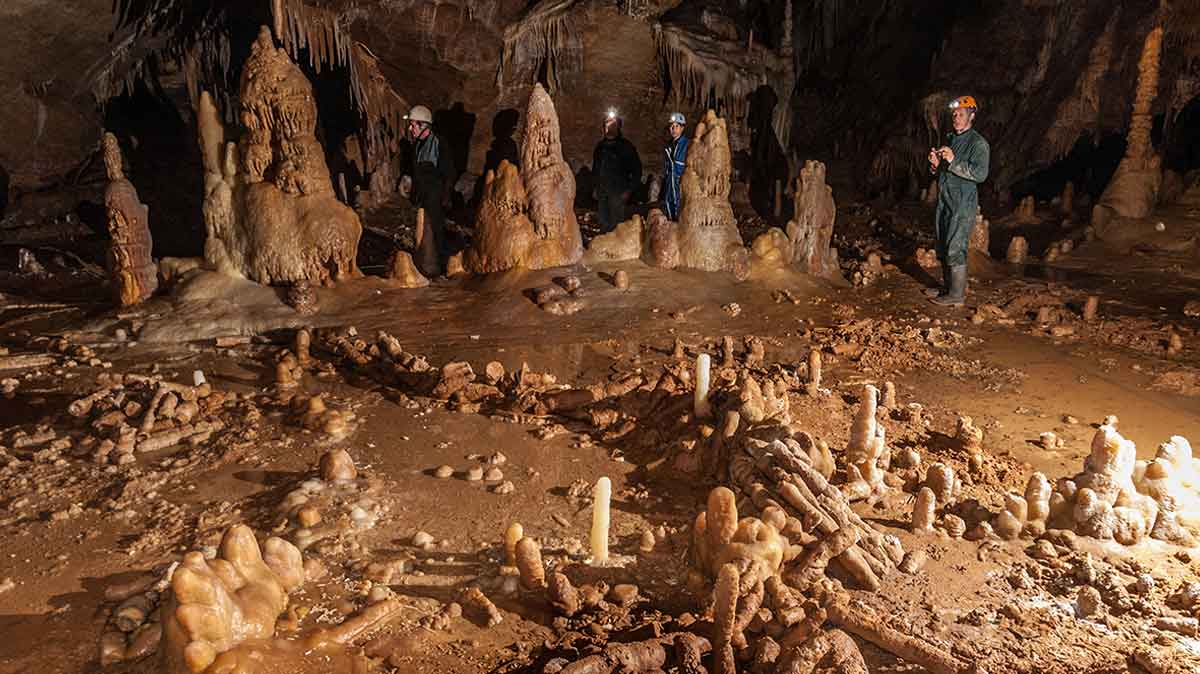
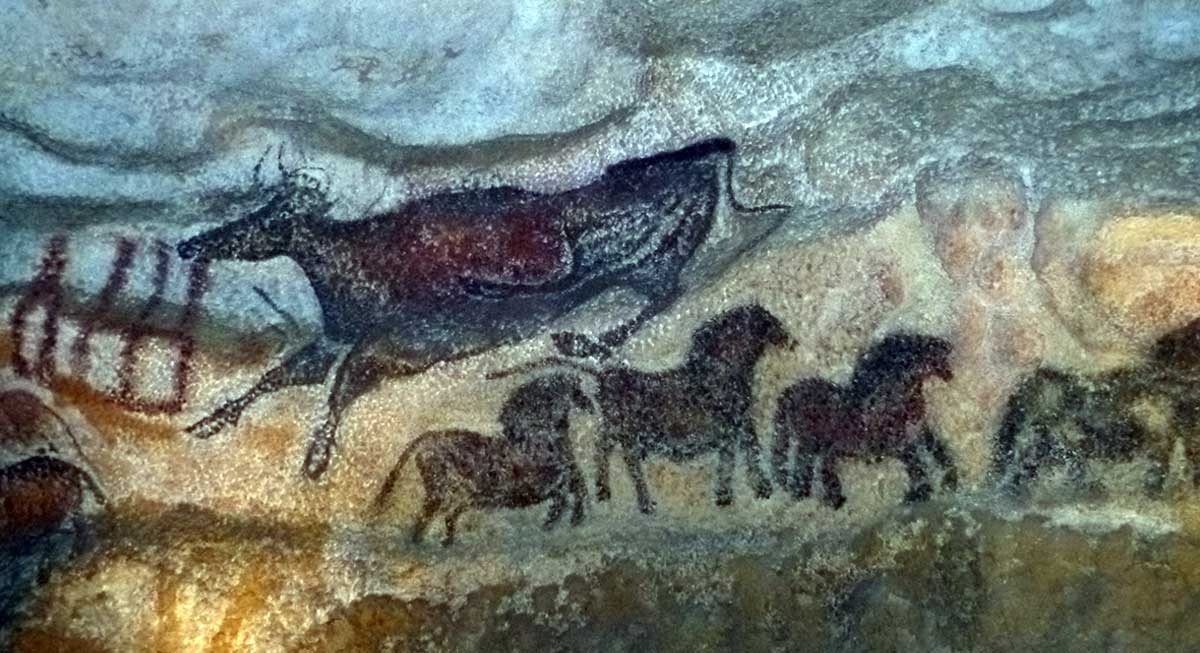
Another overt feature of humanity is the ability for abstract thought and the creativity that is born as a result. While Lascaux, Altamira, Chauvet, and numerous other cave sites are famous for their depictions of animals and hunting scenes, there are also several places associated with Neanderthal creativity that, until recently, have gone largely unrecognized. La Pasiega cave in Spain features a scalariform idiomorph (a ladder-shaped image) that has been dated to at least 64,800 years ago, strongly suggesting it was made by Neanderthals. In Bruniquel cave in France, a circular structure made from stalagmites has been dated to 175,000 years ago, predating Homo sapiens in the region by more than 100,000 years. This represents the oldest structure ever discovered.
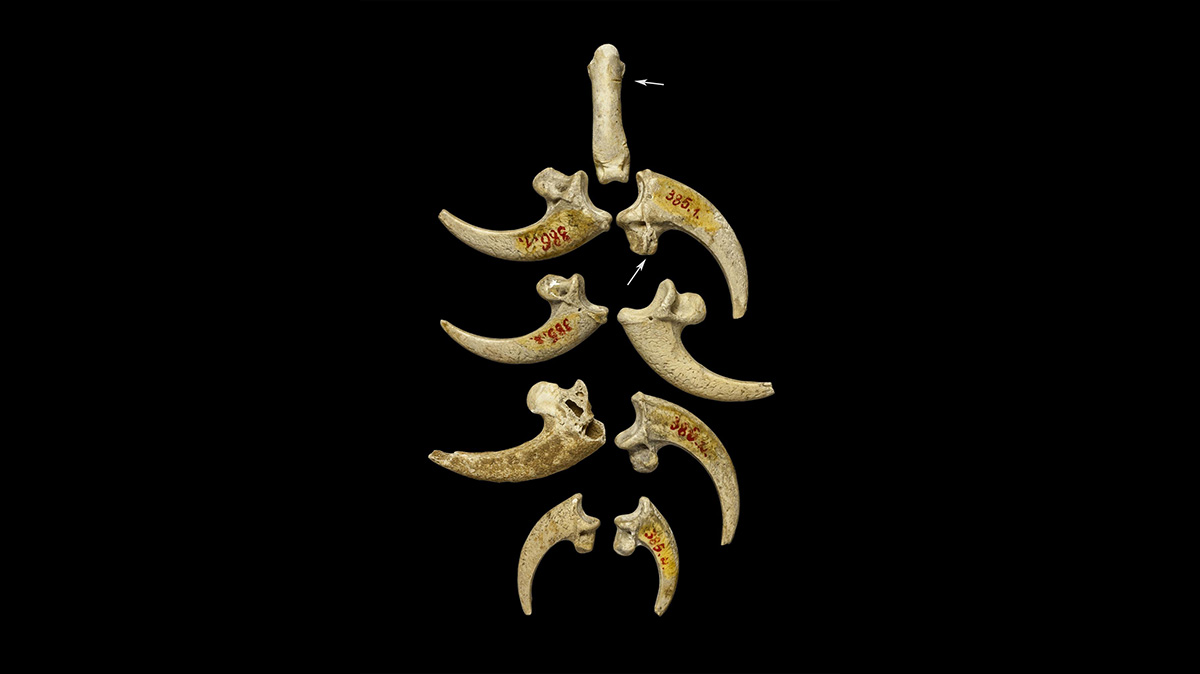
The creativity didn’t stop at cave art. Personal decoration is a hallmark of the human species, and this dynamic was also true for Neanderthals. Eagle talons strung together as a bracelet or necklace were found in Krapina, Croatia, and were dated to around 130,000 years ago, while several Neanderthal sites in Iberia have yielded pigment-stained, perforated shells that were presumably used for body decoration.
Speaking to the cognitive abilities of Neanderthals were the stone tools they used, which were predominantly created using the Levallois technique. Unlike other methods in which a stone is fashioned by chipping away at it, like a sculptor turning stone into a statue, the Levallois technique involves preparing the stone by chipping it in a way that sets it up for a final strike to release the desired, predictable shape. This requires a level of skill and sophisticated creative thinking that far exceeds previous conceptions of Neanderthal cognitive capabilities. Homo sapiens used this technique as well, and there is strong evidence indicating it was used by late populations of Homo heidelbergensis, the common ancestor of both species.
Neanderthals had a host of other clever technologies and techniques that prove their intelligent adaptability. A notable example is the difficult process of extracting birch resin by heating the bark to a precise temperature in earth ovens. They used the resin as an adhesive for their spearpoints, among other uses.
Compassion
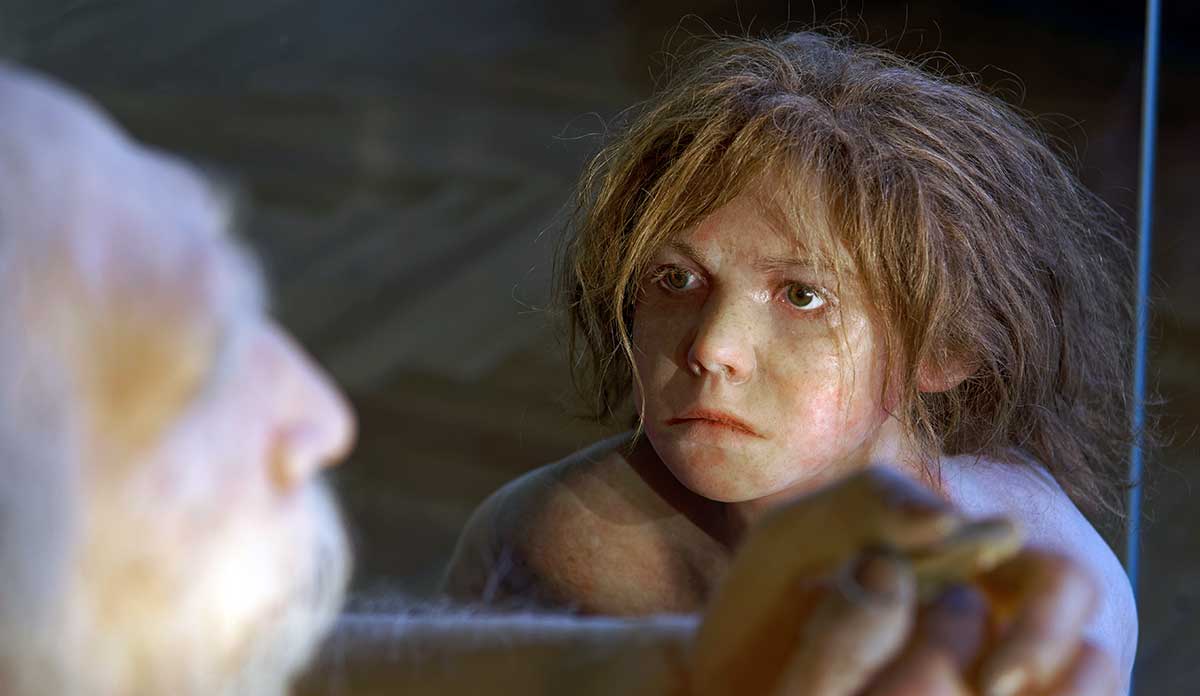
Like Homo sapiens, Neanderthals buried their dead intentionally. Whether these burials were linked to ritual and spiritual significance is still a matter of debate. Evidence for ritual significance comes from Shanidar cave in Iraq, where the grave of a Neanderthal seems to have contained flowers. Alternative theories suggest that the pollen evidence entered the grave via other means, such as bees. Nevertheless, the placement of the body and others at Shanidar cave suggests deliberate care for the deceased.
In the same cave, the remains of Shanidar 1 (a male nicknamed “Nandy” by excavators) show that he was between 30 and 45 when he died. His body exhibited severe signs of impact trauma to the left side of his face, which fractured his orbit and may have left him blind in that eye. He also suffered from two broken legs, a fractured vertebra, and the loss of his lower right arm, which may have been amputated. If this is so, it may represent the earliest evidence of surgery.
These wounds healed, but it is highly unlikely Nandy would have been a productive member of society. He was certainly cared for, pointing towards a level of compassion that is undeniably human.
In this, it is likely that Neanderthals had the same ability for empathy as Homo sapiens.
Static and Dynamic Cultures
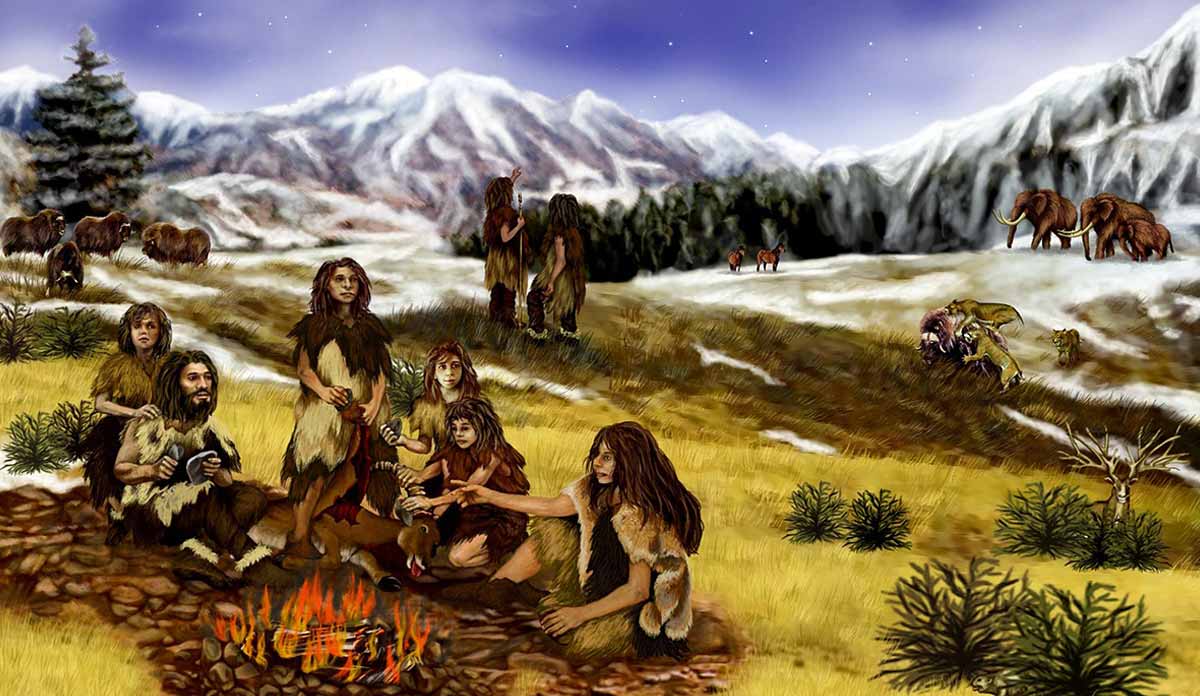
Of major note is the fact that the Neanderthal population was much smaller than that of Homo sapiens. The total Neanderthal population at any given point in their existence is estimated to have ranged between 5,000 and 70,000 individuals, with estimates at the lower end more commonly cited. In contrast, the Homo sapiens population was likely in excess of 100,000.
Neanderthals also lived in tight-knit, closed communities, surrounded by challenging geography. This led to inbreeding and lower genetic diversity, as the gene flow between Neanderthal groups was hindered. This also meant there was less knowledge exchange. In comparison, Homo sapiens lived in larger, more interconnected societies that fostered rapid growth and technological exchange, ultimately adding to the dynamic that led to the growth of Homo sapiens populations and the reduction of Neanderthal populations.
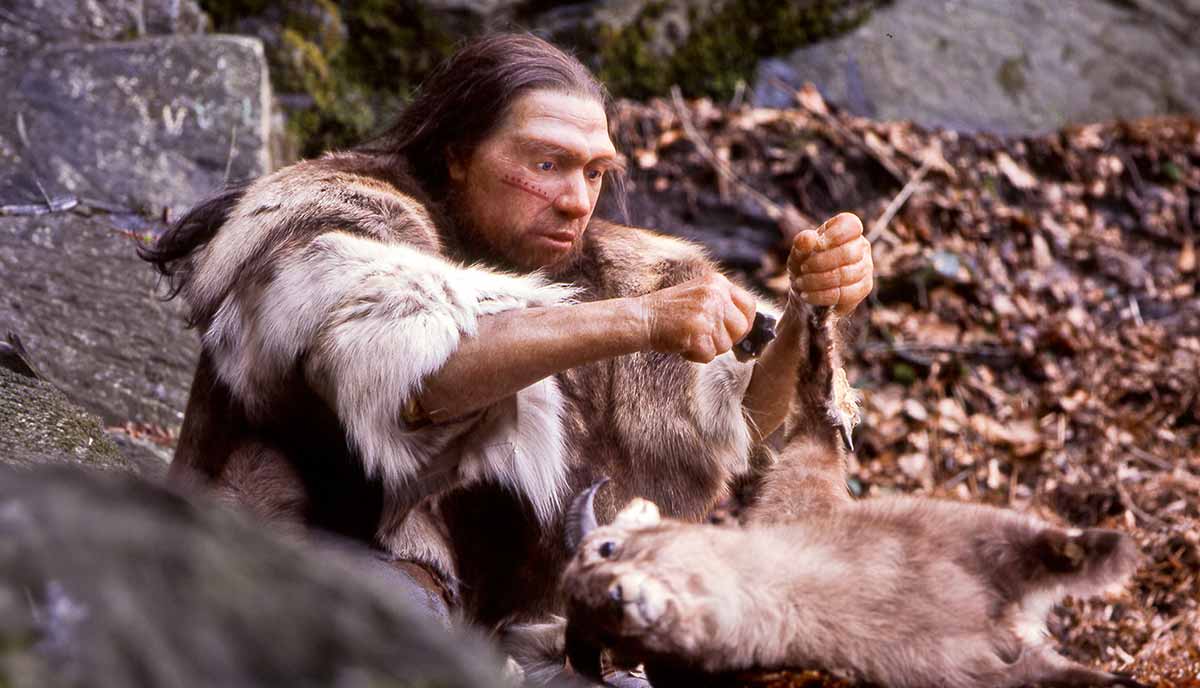
Neanderthals can be considered human in every sense that matters. They made art, they treated their sick, wounded, and dead with care, they spoke languages, and they even interbred with us. Modern science has redefined the image, and breaking free from the stereotype of the primitive troglodytes, Neanderthals were more like us than was previously accepted. Yet they exhibited striking differences that illustrate their evolutionary context.