
Long before modern horror stories filled screens, ancient civilizations lived in genuine terror of the dark. Unlike stern deities who judged human souls with cold balance, certain underworld gods existed purely to inflict agony, spread pestilence, and consume mortality itself. From the bloodthirsty demoness Lamashtu in ancient Mesopotamia to the cosmic chaos serpent Apophis lurking beneath Egyptian sands, these five terrifying mythic figures reveal the deepest existential fears of our ancestors.
1. Whiro: The Māori Ruler Of Eternal Darkness
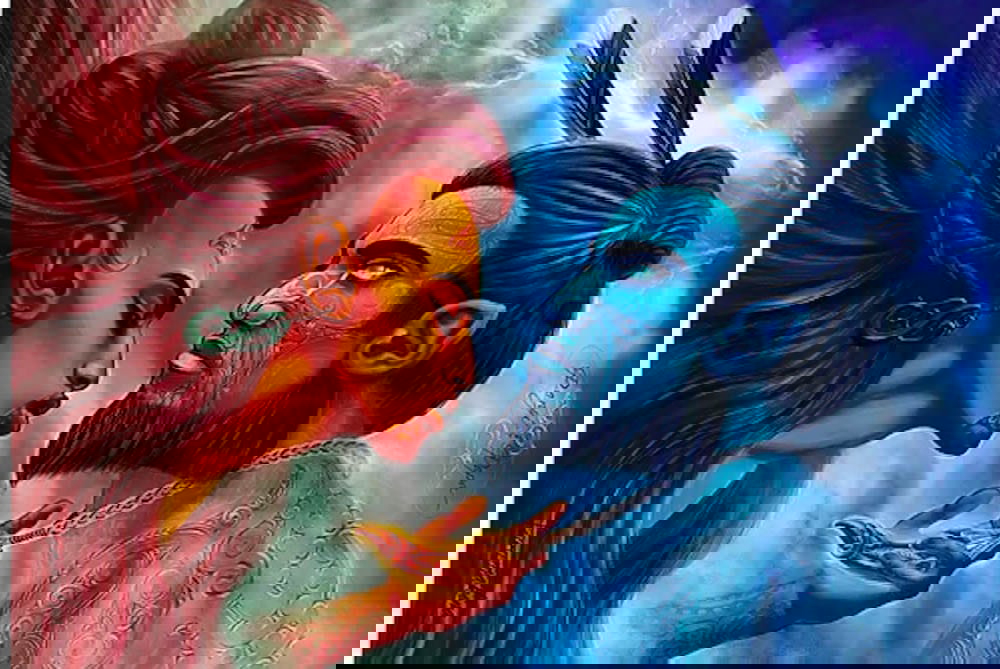
According to mythology, the Māori demon-god Whiro was the brother of the light god Tāne and the son of Papa (Earth) and Rangi (Sky). However, the brothers and their other siblings were unhappy, as there was not enough space for them all. Therefore, Tāne wished to separate their parents by forcing Rangi upward. Everyone agreed except for Whiro, who wanted to remain in darkness.
Angered by Tāne’s actions, Whiro became the embodiment of darkness and evil. This dissension and the separation of Earth and Sky was perceived as the moment evil first entered the world.
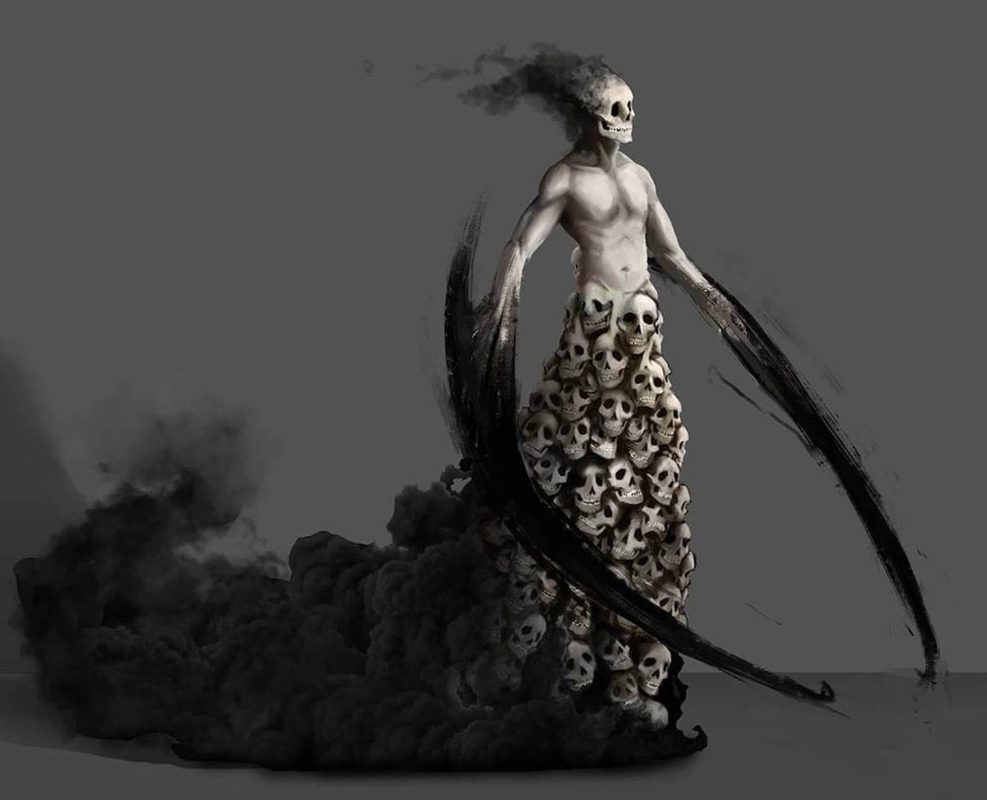
Whiro went on to rule the underworld and was responsible for all the wicked things that humans did. His demonic guidance was ceaseless and did not end with the living. When a person died, it was believed that upon their descent into the underworld, they were eaten by Whiro. Each bit of flesh made him stronger so that, eventually, he would be powerful enough to break free of the netherworld, breach the surface, and devour everything.
The evil god Whiro is often confused with a hero of the same name: Whiro the voyager.
2. Lilith: The Night Demon Of Ancient Jewish Folklore
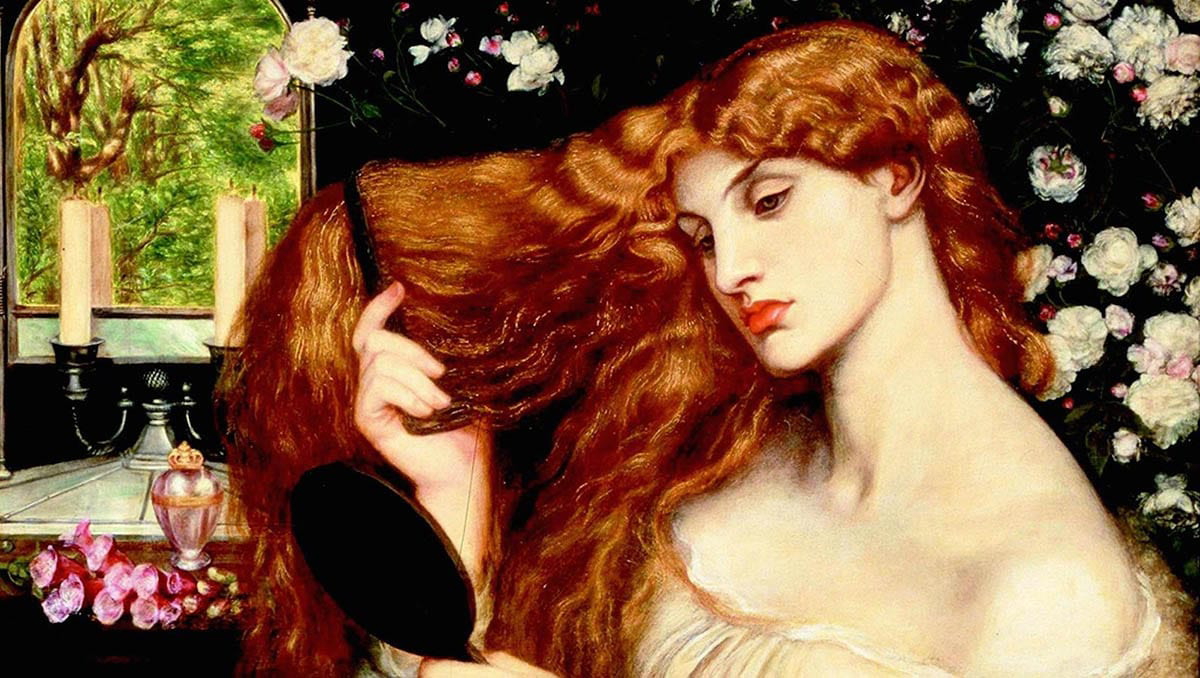
Many fables surround this next evil god and her fantastical vocations. Lilith was a she-demon-goddess, with dark origins in Sumerian culture and Babylonian demonology. Her epithet was “the beautiful maiden,” but she was believed to have been a harlot and a vampire who, once she chose a lover, would never let him go, without ever giving him real satisfaction.
Some texts claim that Lilith was the first wife of the Bible’s Adam and was created on par with him. However, Adam disliked her lack of subservience, so she abandoned him. Then, God made an obedient wife, Eve. Consumed by jealousy, Lilith turned into a snake and tempted Eve with the forbidden apple. After the couple was banished from the Garden of Eden, Lilith transformed into a demoness, vowing her revenge on all men.
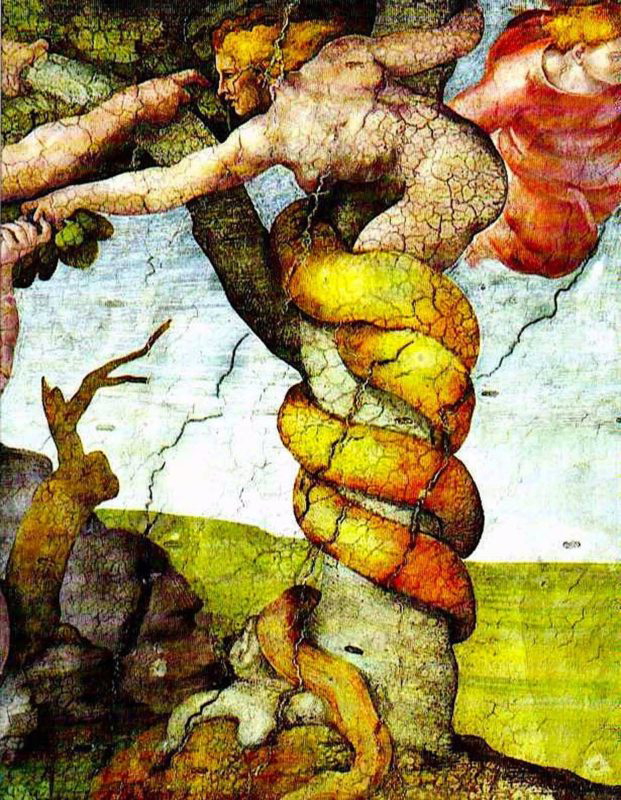
Due to her bitterness and a subsequent inability to bear children, Lilith was also known to threaten women in childbirth. She could only be thwarted by an amulet inscribed with the names of three angels, Senoy, Sansenoy, and Semangel, which was placed around a newborn baby’s neck. These angels were those, supposedly, sent by God after Lilith refused to submit to Adam.
In her rage, Lilith had flown to the Red Sea, a place of ill repute, full of lascivious demons. There, she bore a demonic brood of more than one hundred a day. The angels threatened to drown her in the sea, but she bargained with them, consenting to allow some of her demonic children to die day after day. This agreement is why the angels’ names were engraved on the amulets. When Lilith sees the names, she remembers her oath and leaves the child alone.
3. Loviatar: The Blind Finnish Goddess Of Pestilence And Agony
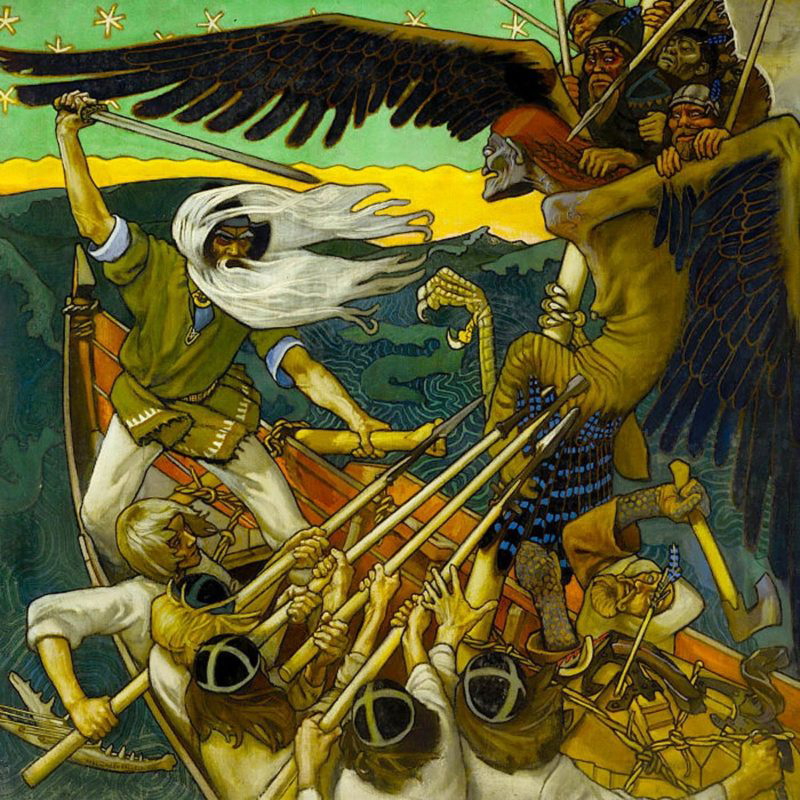
Loviatar belongs to Finnish mythology. This goddess of death and disease was the blind daughter of Tuoni, the god of death, and his underworld queen, Tuonetar. The Kalevala, a 19th-century work of poetry recognized as the national epic of Finland, references Loviatar:
“The blind daughter of Tuoni, Old and wicked witch, Lowyatar, Worst of all the Death-land women, Ugliest of Mana’s children, Source of all the host of evils, All the ills and plagues of Northland, Black in heart, and soul, and visage, Evil genius of Lappala, Made her couch along the wayside, On the fields of sin and sorrow; Turned her back upon the East-wind, To the source of stormy weather, To the chilling winds of morning.”
(Kalevala, Rune XLV, from the translation by John Martin Crawford)
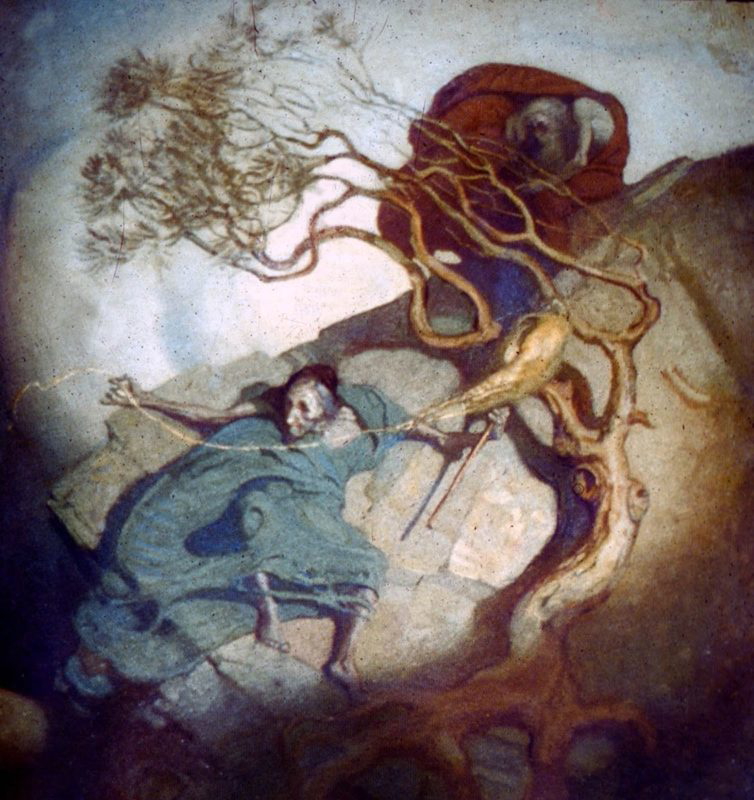
According to legend, Loviatar was the evilest daughter of her parents and had the blackest of hearts. She was believed to have become pregnant by the East-wind and consequently birthed nine sons, all of whom carried the vilest diseases: Pistos (consumption), Ähky (colic), Luuvalo (gout), Riisi (rickets), Paise (ulcer), Rupi (scab), Syöjä (cancer), and Rutto (plague). The final son was considered the most dreadful, which is why his name does not appear in any reliable text. However, it is believed he was an enchanter and banished by Loviatar to become the scourge of humankind.
4. Apophis: The Eternal Cosmic Serpent Of Egyptian Chaos
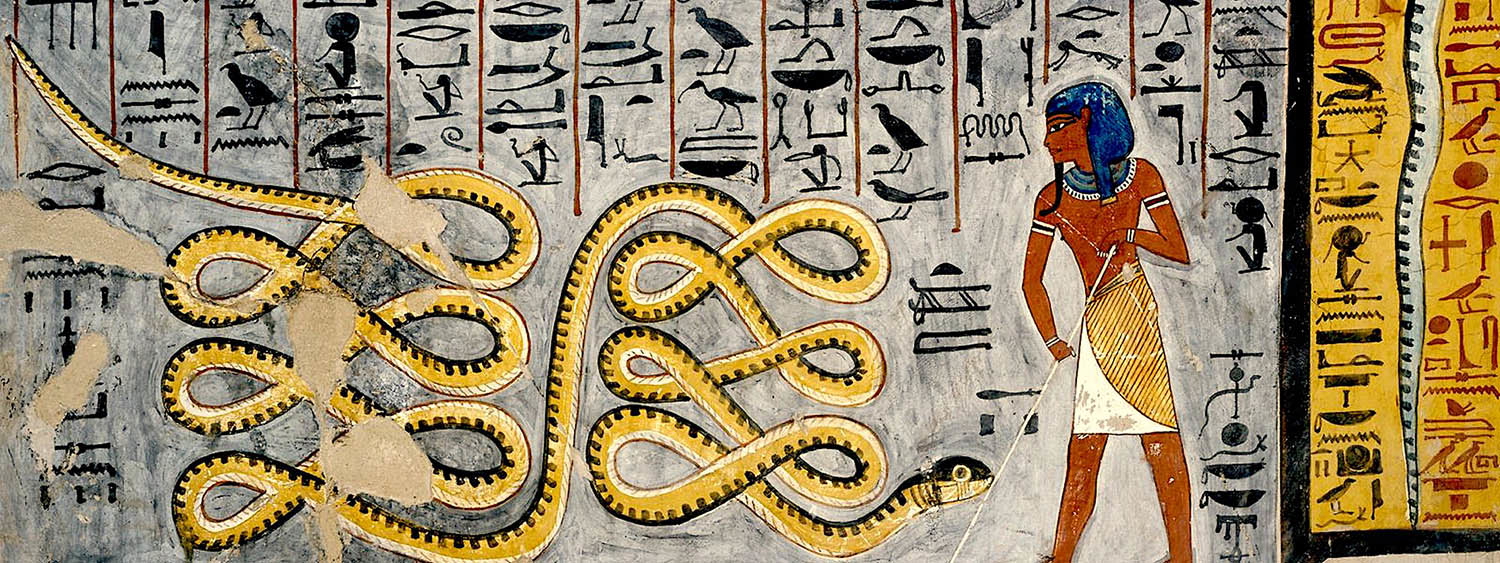
The sky is cloudy, (but) the earth is dried,
[Everyone dies] through famine
on this sandbank of Apophis(Moalla IV, 8-10)
Apophis was an impressive evil god of ancient Egypt. He was the god and demon of darkness, destruction, chaos, and evil. It is said that he caused unexplained darkness like solar eclipses, storms, and earthquakes, and was often depicted as a huge serpent with tightly compressed coils:
One without its eyes is this snake,
without its nose and without its ears:
It breathes its screaming (hmhm.t),
It lives on its own shouting(The Book of the Gates)
Apophis was perhaps the only Egyptian god to be all-powerful, with an army of demons at his disposal. The evil god was not worshipped; he was feared. It is also believed that no matter how many times he was challenged, he could never be entirely vanquished.
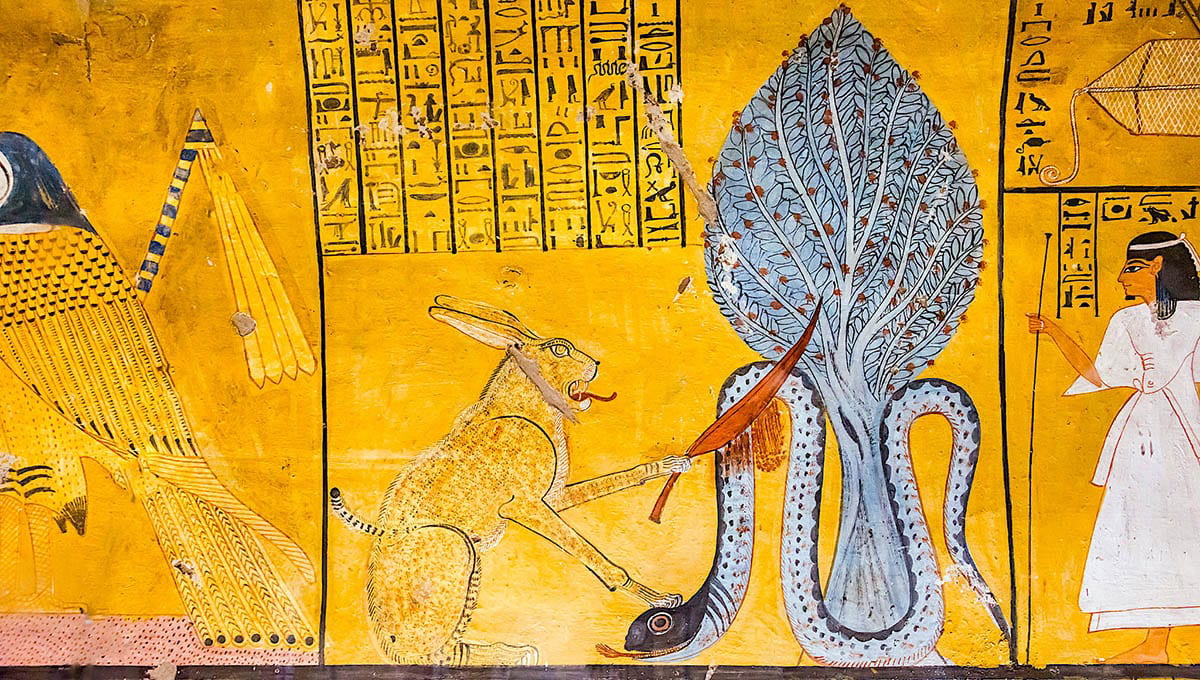
In Egyptian mythology, Apophis was also the archenemy of the great sun god, Ra. Each night when Ra sailed on his barge into the underworld, Apophis would attack him to prevent sunrise. His attack method was a magical gaze that hypnotized Ra and his entourage, attempting to devour them as they choked on his serpent coils.
Apophis is also known as the “eater of souls” as he fed on both the living and the dead. This prompted the need for spells to be buried with the deceased, which would protect them against Apophis and his demons.
5. Lamashtu: The Terrifying Child Stealing Demoness Of Mesopotamia
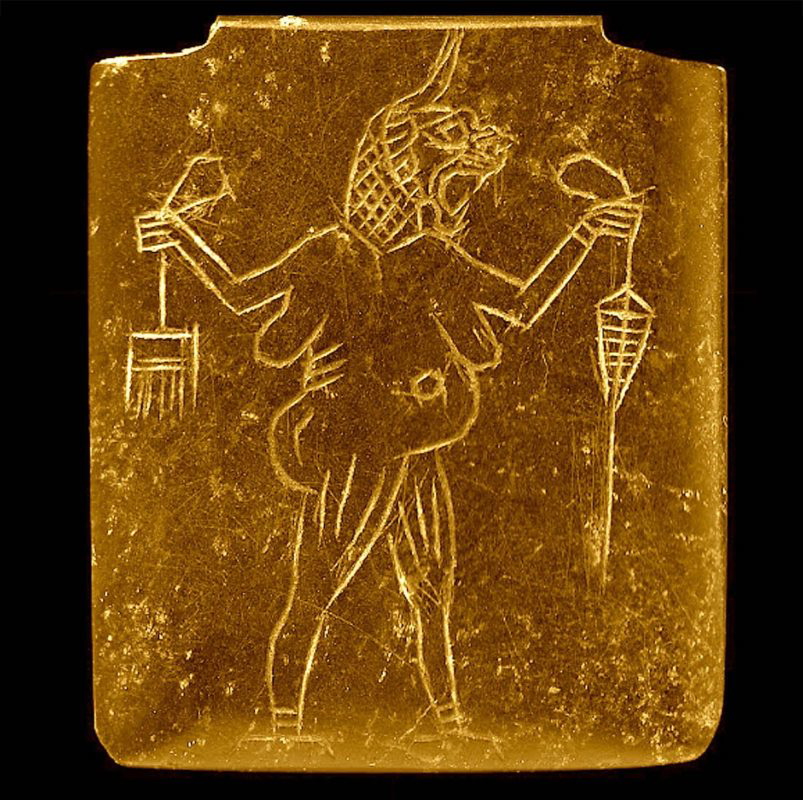
The Mesopotamian goddess-demoness Lamashtu was the most terrible of all the female demons. She preyed on women during childbirth, kidnapped their newborns while they were breastfeeding, and then slew the babies to eat their flesh. Fittingly, her name is Akkadian for “she who erases.” However, as vile as eating children was, Lamashtu enacted various other evil deeds: she disturbed sleep and brought nightmares; she killed foliage and infested rivers and streams; she bound the muscles of men, caused pregnant women to miscarry, and brought disease and sickness.
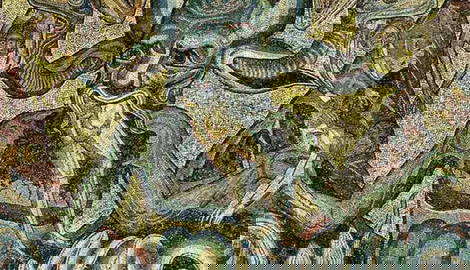
Amulets like the one pictured above, depicting the lion-headed, bird-clawed Lamashtu, were worn by expectant mothers to defend against the demoness. As scholars also know from a cuneiform tablet in the Louvre, which preserves the ritual against Lamashtu, she was also bribed away with offerings of small feminine objects, such as combs and fibulae.
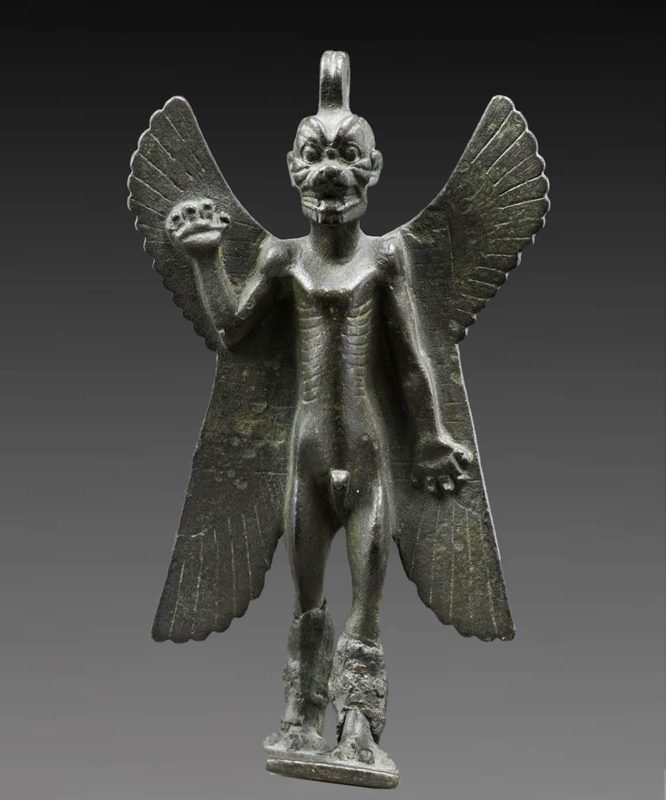
Despite her dark supremacy, Lamashtu had a weakness: the plague bringer, Pazuzu. Despite his malicious appearance in the film The Exorcist, Pazuzu was not the most malevolent demon in ancient Mesopotamia. Instead, he was summoned by women to protect them from true evil: Lamashtu. It is unknown whether Pazuzu did this because he felt sympathy for the expectant mothers or simply hated the demoness.
Despite her wicked reputation, some ancient Semitic cultures considered Lamashtu their guardian. Talismans incised with her name were hung on all doors of the household. However, whether this was to garner her protection or invoke her for sinister means remains a mystery.