
In 476 AD, the Western Roman Empire suffered a terrible blow from which it would not recover. Odoacer and his followers had marched on Ravenna and deposed the emperor, marking an end to imperial control. The decline of Rome had reached a pivotal point, ushering in a new era in European history, now referred to as the Dark Ages.
This article examines how Rome’s control eroded and the new dynamics that emerged as a result.
An Empire in Decline
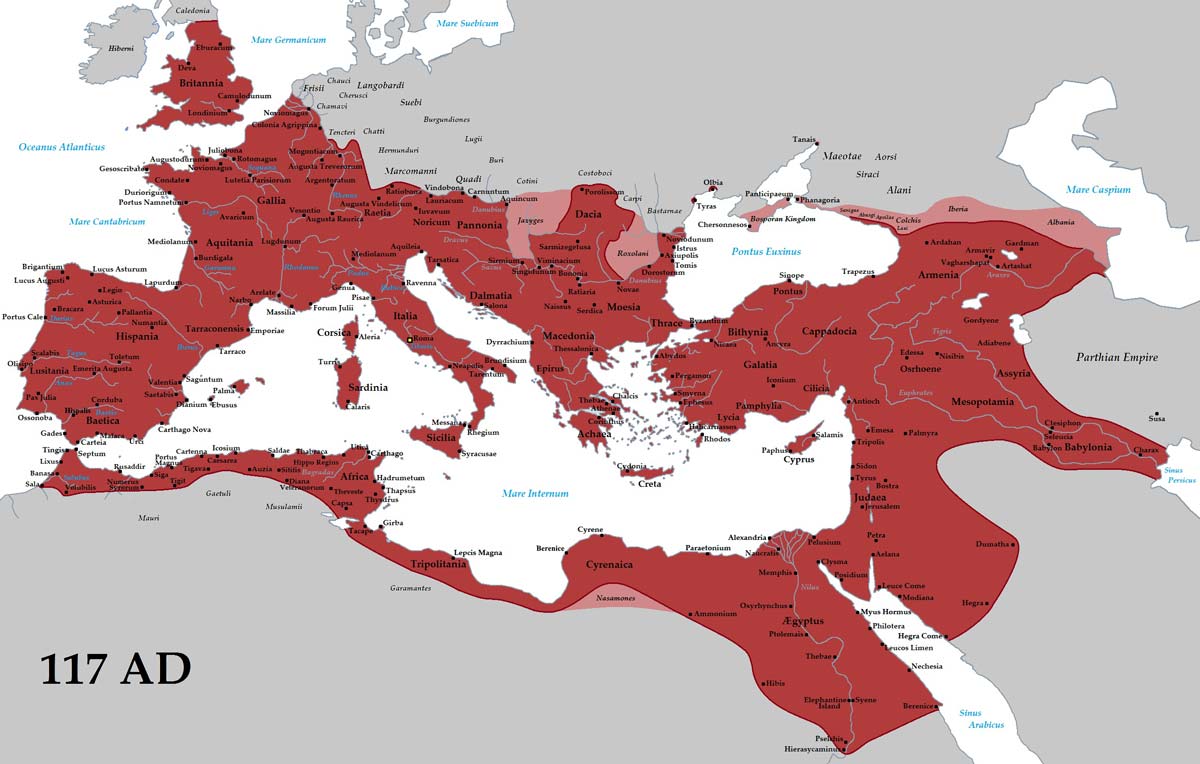
From Iberia to the borders of Parthia, and from Britain to the deserts of Egypt, the Roman Empire at the beginning of the 2nd century AD covered almost two million square miles, completely surrounding the Mediterranean and stretching to the very edges of the known world.
The Pax Romana, or the “Roman Peace,” offered security and prosperity. There was infrastructure and a well-oiled bureaucracy that stood in stark contrast to many of the less progressed barbarian nations outside Rome’s borders. Culture flourished, and to be Roman was to be civilized.
This golden age, however, did not last. There were many reasons for the decline of the Roman Empire, and it is a subject of great debate. Rome was beset by a series of events that set it on a downward spiral. There were pandemics, poor leadership, waves of migrations, a changing climate, and political instabilities that weakened the state and its ability to exercise control over its provinces. There were also military crises, including civil wars and barbarian invasions. In addition, there was a military defeat to the Sassanians (also Sassanids, Sasanians, and Sasanids) in 260 AD, in which Emperor Valerian was captured and later killed, possibly by being forced to swallow molten gold, although the latter point is anecdotal and may be an embellishment.
Economic factors also played a huge part in the decline of power. Coin debasement led to extreme inflation at times, leading to a fractured economy, increased taxes, and localization of trade.
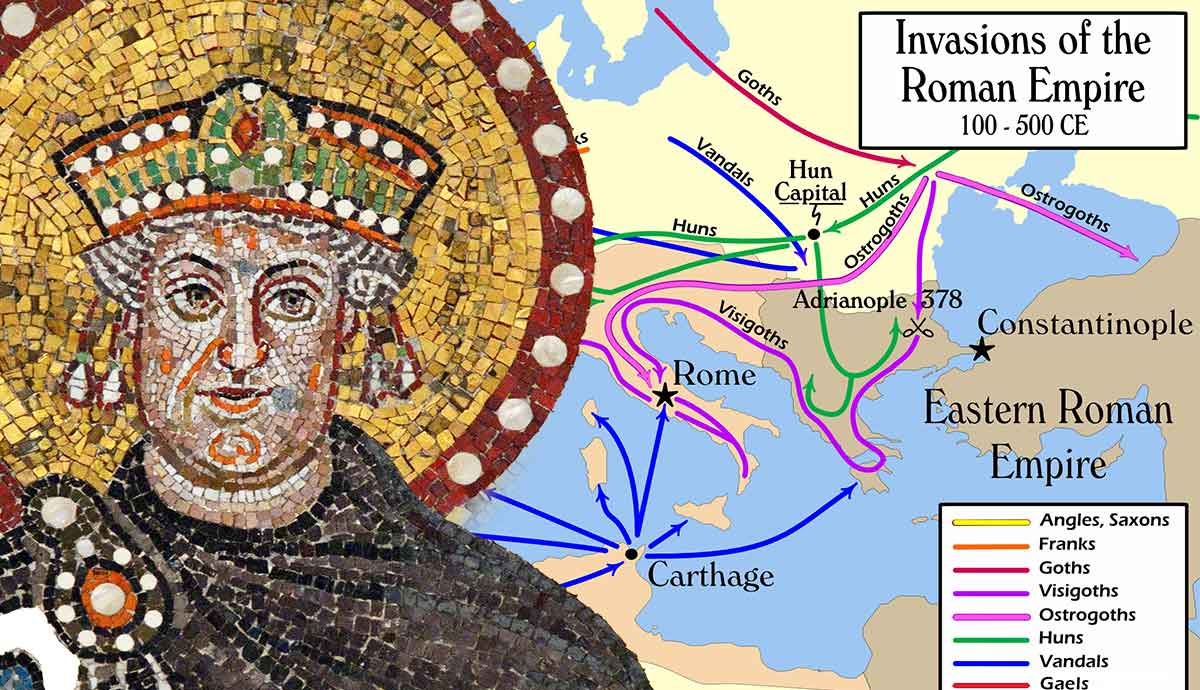
In the last century of the Western Roman Empire’s existence, the city of Rome found itself in peril on several occasions. It was sacked by the Visigoths in 410 AD and the Vandals in 455 AD. Meanwhile, the Hunnish invasion of Gaul, although defeated, serves as a perfect example of the constant threats on Rome’s borders.
The Final Moments of the Roman Empire
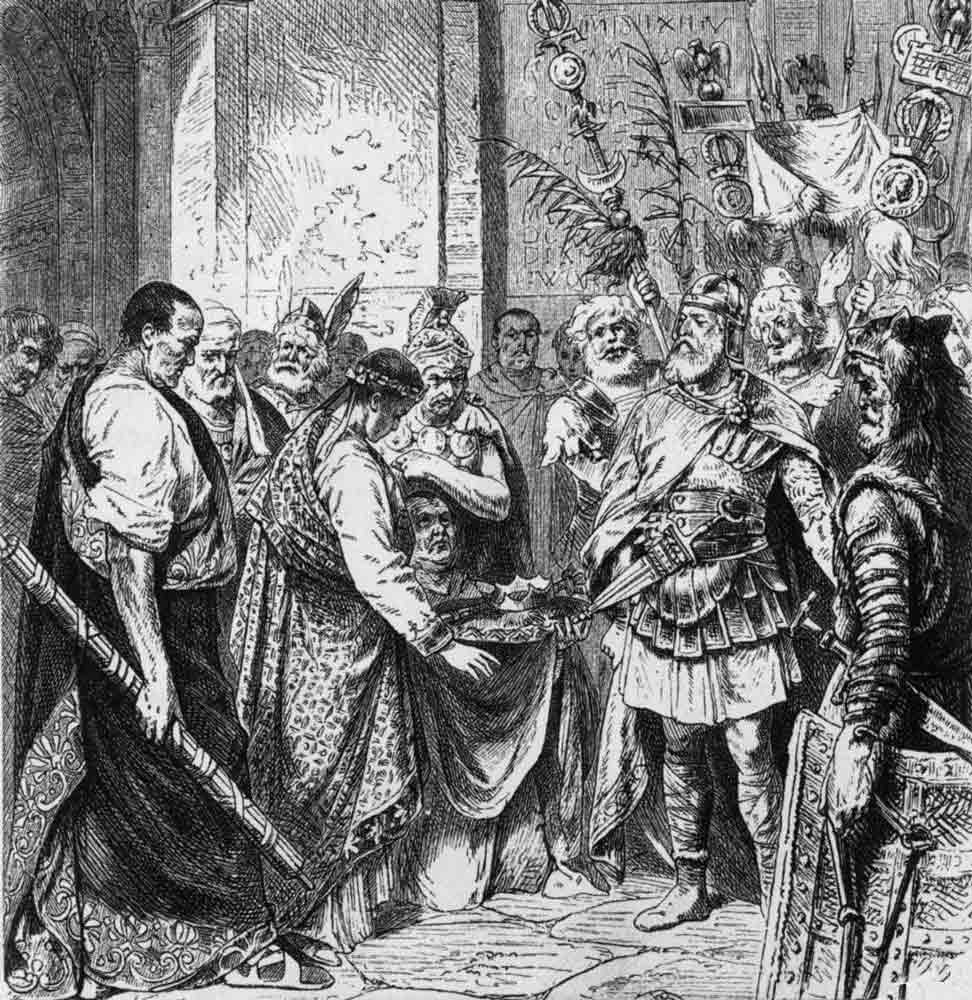
In 472, Rome was besieged by the Roman general Ricimer. Supporting Ricimer was the Germanic leader Odoacer, who would play a pivotal part in the years that followed. The city fell to Ricimer, who proclaimed Olybrius as the new emperor. In the years that followed, Odoacer rose in prestige and, in 475 AD, was commander of the barbarian soldiers known as the foederati in Italy.
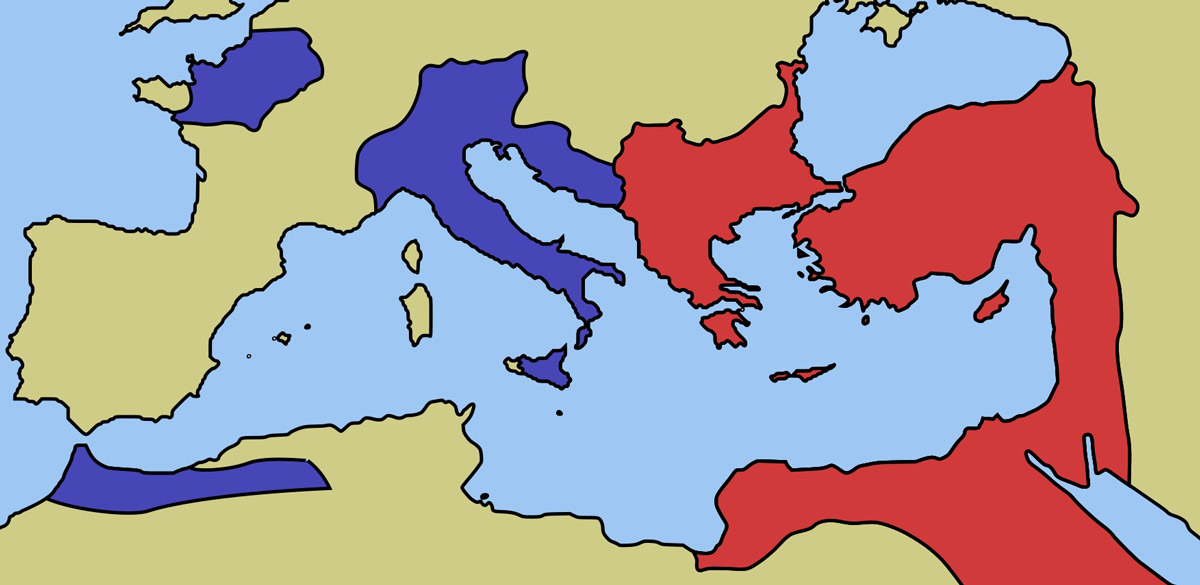
Orestes, the magister militum, the senior military officer of the empire, took control of the empire in 475. His appointment as magister militum came in 475 from Emperor Nepos, in a move that would bring a final end to the Western Roman Empire as a unified polity. Orestes, who was in ultimate control of the foederati, used the opportunity granted to him by his power and rank and seized the city of Ravenna, which was serving as the de facto capital of the Western Roman Empire. Nepos fled to Dalmatia, but continued to press his claim as the rightful ruler of Rome until his death in 480, when he was murdered by two of his generals. Orestes proclaimed his son, Romulus, as the new emperor on October 31, 475. This move went unrecognized by the East Roman Empire, which continued to support Nepos’ claim to the throne.
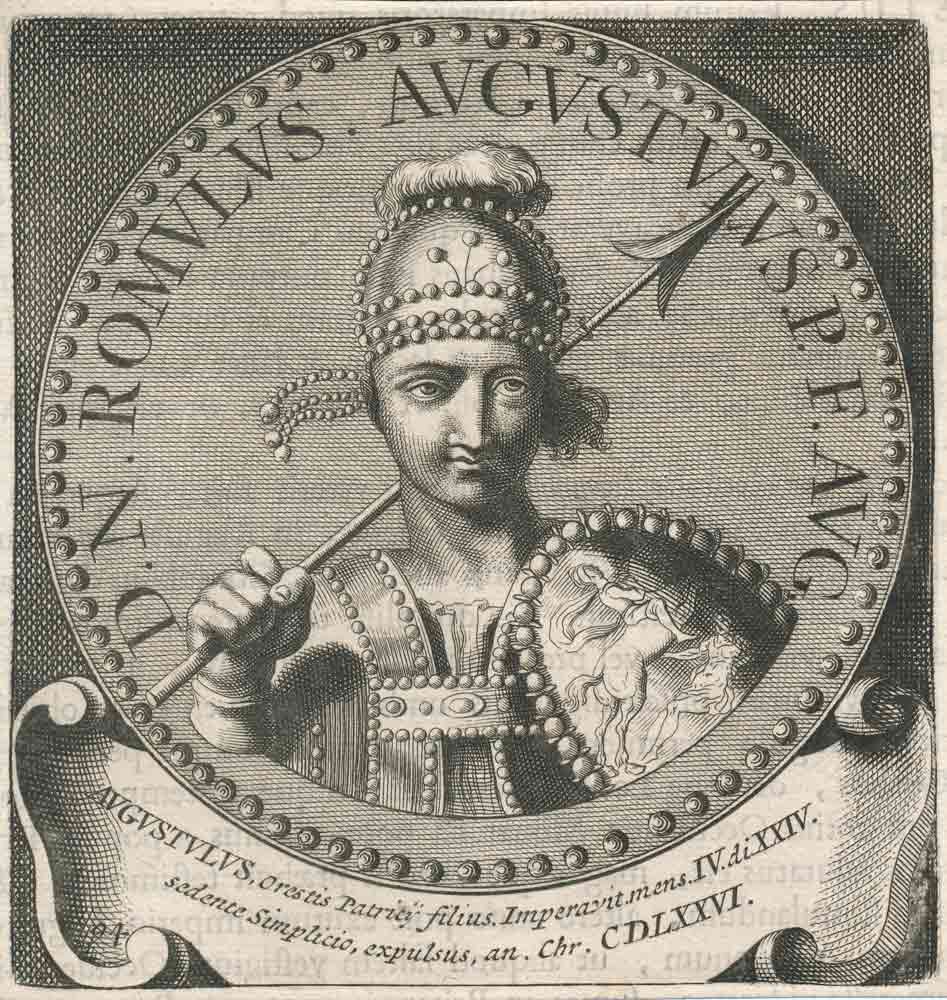
Romulus, known as Romulus Augustulus, however, was too young to rule, and Orestes took control of the empire instead. His reign was short-lived. He reneged on his promise to grant land to the tribal leaders of the foederati. Unhappy with this development and seeking compensation, the foederati turned to Odoacer to lead them in revolt.
Odoacer’s troops proclaimed him king on August 23, 476, and just five days later, they captured Orestes and executed him.
Odoacer deposed Romulus Augustulus, but spared his life, due to the boy’s youth. Odoacer gave him a pension and exiled him to Campania, where Romulus had family. In a symbolic sense, this was the end of the Western Roman Empire. However, symbolism and reality are not always synchronized.
The Western Roman Empire left a huge legacy that continued through the ages. Europe wasn’t suddenly plunged into turmoil overnight. The end of the Roman Empire and the beginning of the Dark Ages was a lengthy period of transition, and Roman culture and methods of administration persisted in many places.
Kingdoms Emerge
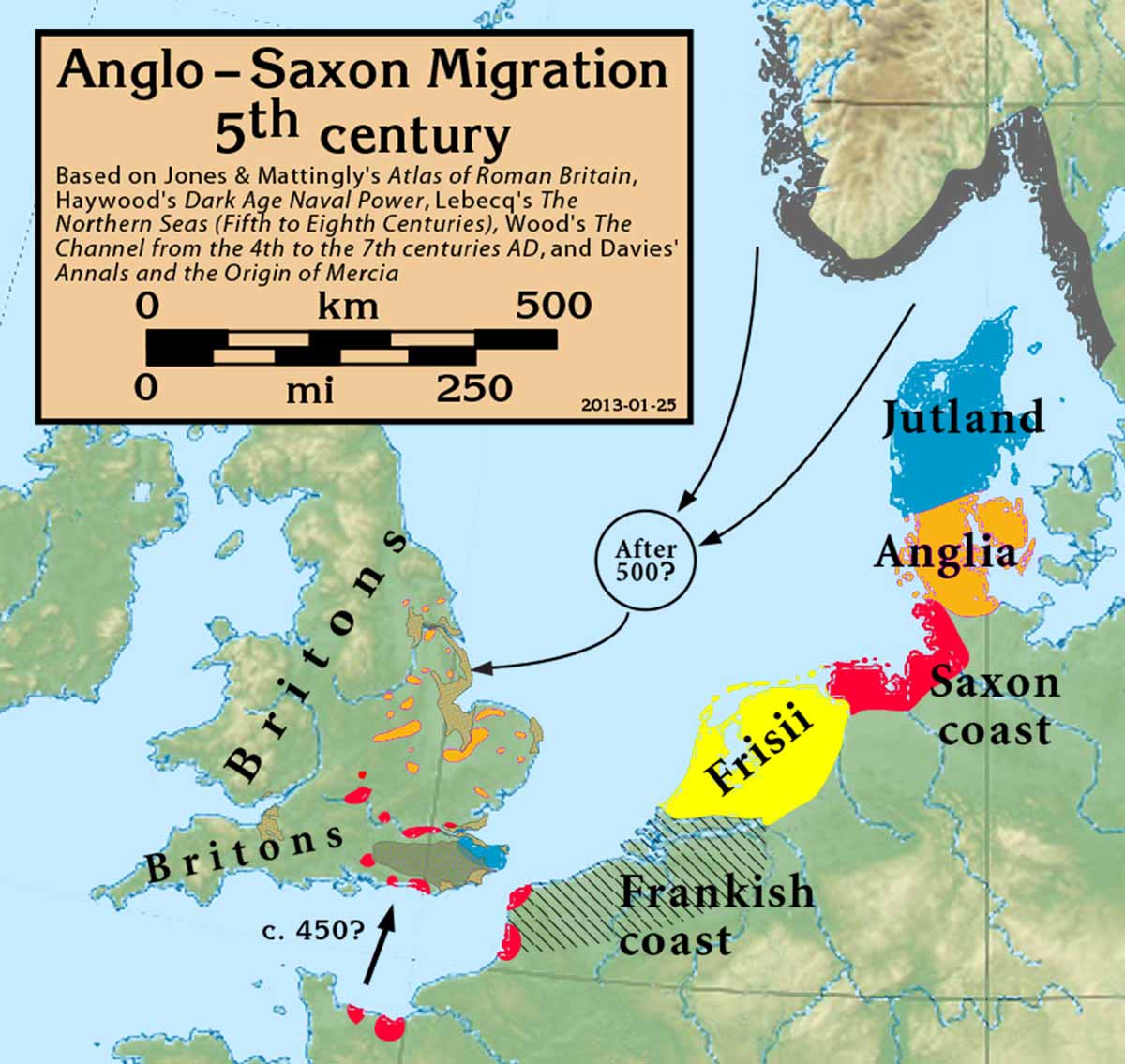
The end of Roman rule in Western and Southern Europe, even before the symbolic end of the empire in 476, led to more fractured rule as opposed to the universal control of the empire. Smaller states emerged where Rome had once exercised firm control.
In Britain, Celtic kingdoms vied for control with Angles, Saxons, and Jutes. The end of the 8th century also saw the introduction of Vikings to the Isles, who also fought bitterly for control of England. The Iberian Peninsula played host to various waves of Germanic peoples, including the Suebi, Vandals, and Visigoths, as well as the Iranian Alans. Despite the addition of new cultures, much of the Roman cultural influence was preserved. The Visigoths became the dominant force in the peninsula, but were eventually displaced by the Umayyad Muslims in the 8th century.
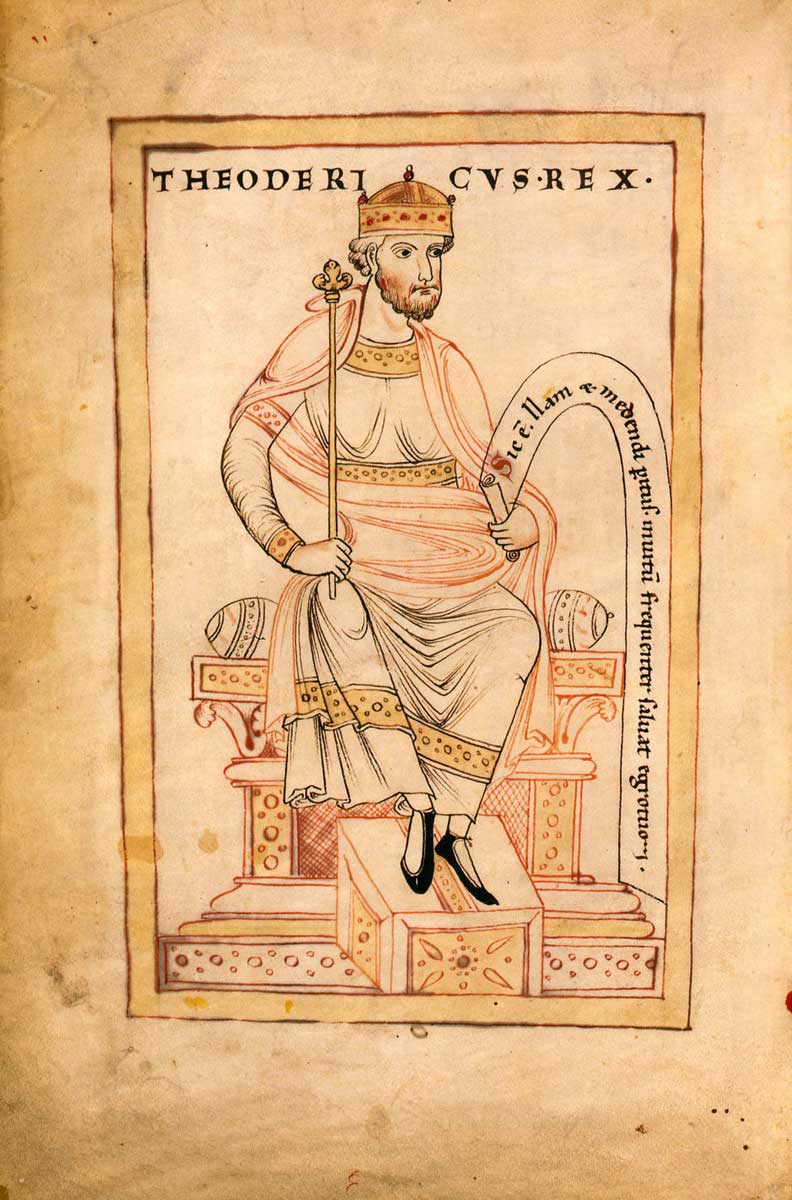
The Franks, a Germanic tribe, took over power in Gaul and established the Frankish Kingdom, which became the foundation for the evolution into the country of France. Meanwhile, on the Italian Peninsula, Odoacer established the Kingdom of Italy, but he preserved much of the Roman instruments of governance, such as the Senate. The kingdom lasted until 493, when Odoacer was assassinated by Theodoric, who established the Ostrogothic Kingdom. In the centuries that followed, much of the Italian peninsula came under the control of the Byzantines, the Lombards, and the Franks.
Despite many attempts to preserve Roman influence, the fragmented political situation led to the establishment of tribal customs over Roman law. Many kingdoms now existed in place of the Western Roman Empire.
The “Dark Ages”
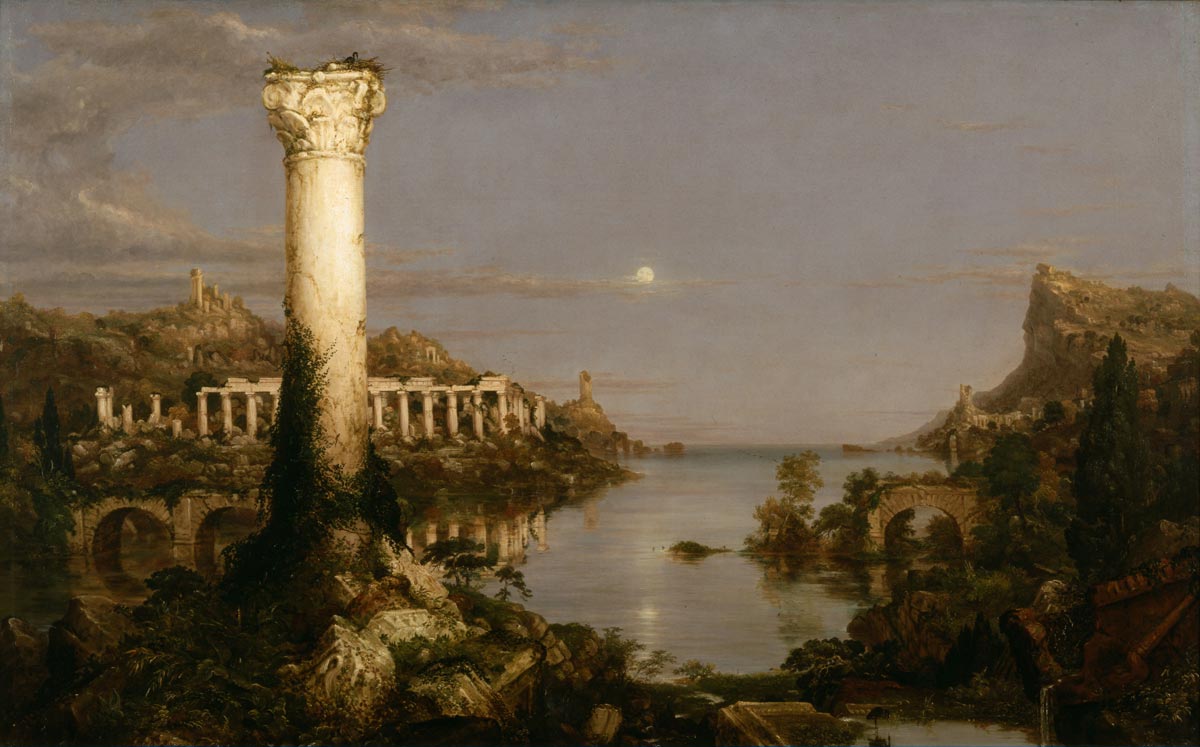
The fall of Rome resulted in a general economic decline throughout much of Southern and Western Europe. Roman roads fell into disuse across the former empire, and the commerce that was well-maintained by the Romans began to disappear. Towards the end of the empire, the Romans struggled to police their own trade arteries, and using them became dangerous.
After the fall, things did not get better. The quality of what was available also declined. High-quality pottery from Africa, for example, could not be sourced, and local alternatives were poor. Meanwhile, bartering became the norm across much of Europe, although various currencies did persist and were used by successor kingdoms. As the empire faded away, a trend of ruralization continued, as people sought self-sufficiency rather than relying on worsening economic situations in the urban centers.
The loss of trade and population meant that large urban areas were unsustainable, and the decreasing levels of urbanization led to a decline in aspects associated with urban life. Academic pursuits were no longer valued to the same degree, and the cultural arts were diminished in favor of more pragmatic ways of life in an economically unsound time.
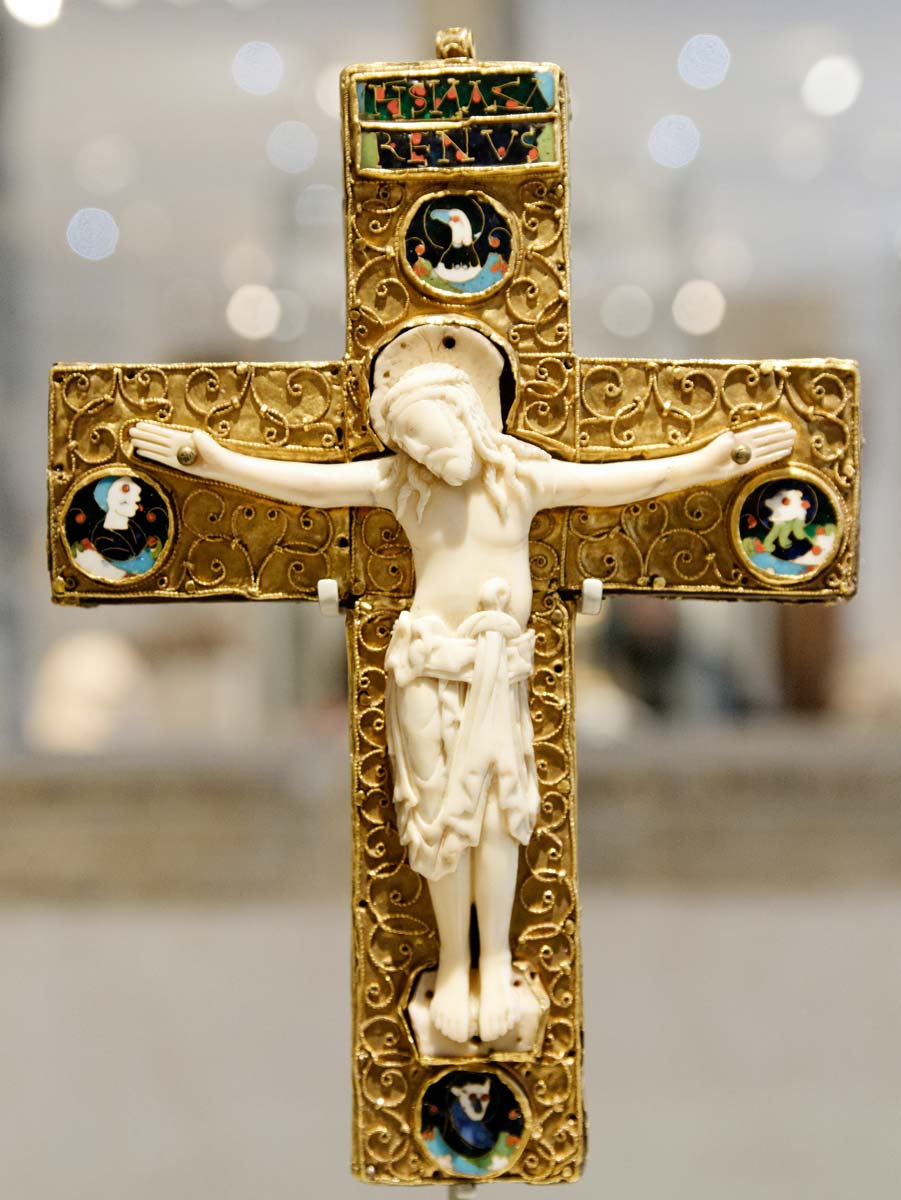
Much of the void left by Rome, however, was filled by the Church, which took over certain roles of authority. In 380 AD, Christianity became the state religion of Rome; thus, by the rise of the Dark Ages, it already held significant sway over much of Europe. It offered stability in a time of uncertainty, and in an era characterized by fear, faith in the church grew significantly. Of major importance was the preservation and continuation of academic and cultural factors, as well as contributing art, literature, architecture, music, and learning to the entirety of the Medieval Period.
Many of the bureaucratic functions that Rome left behind were taken over by the Church, and many bishops became extremely influential individuals as political power shifted into their hands. Many of them took over governance, acted as judges, and engaged in other civil duties. They even took over military roles and led troops into battle.
The seeds of feudalism were also sown at this time. Military needs were met by allowing landowners to raise their own armies, which could protect their local areas and also fight for the ruling monarch when called upon. The hierarchical structure that evolved as a result persisted for a millennium before being challenged by the rising financial power of the middle class at the end of the Medieval Era.
A Transformative Period
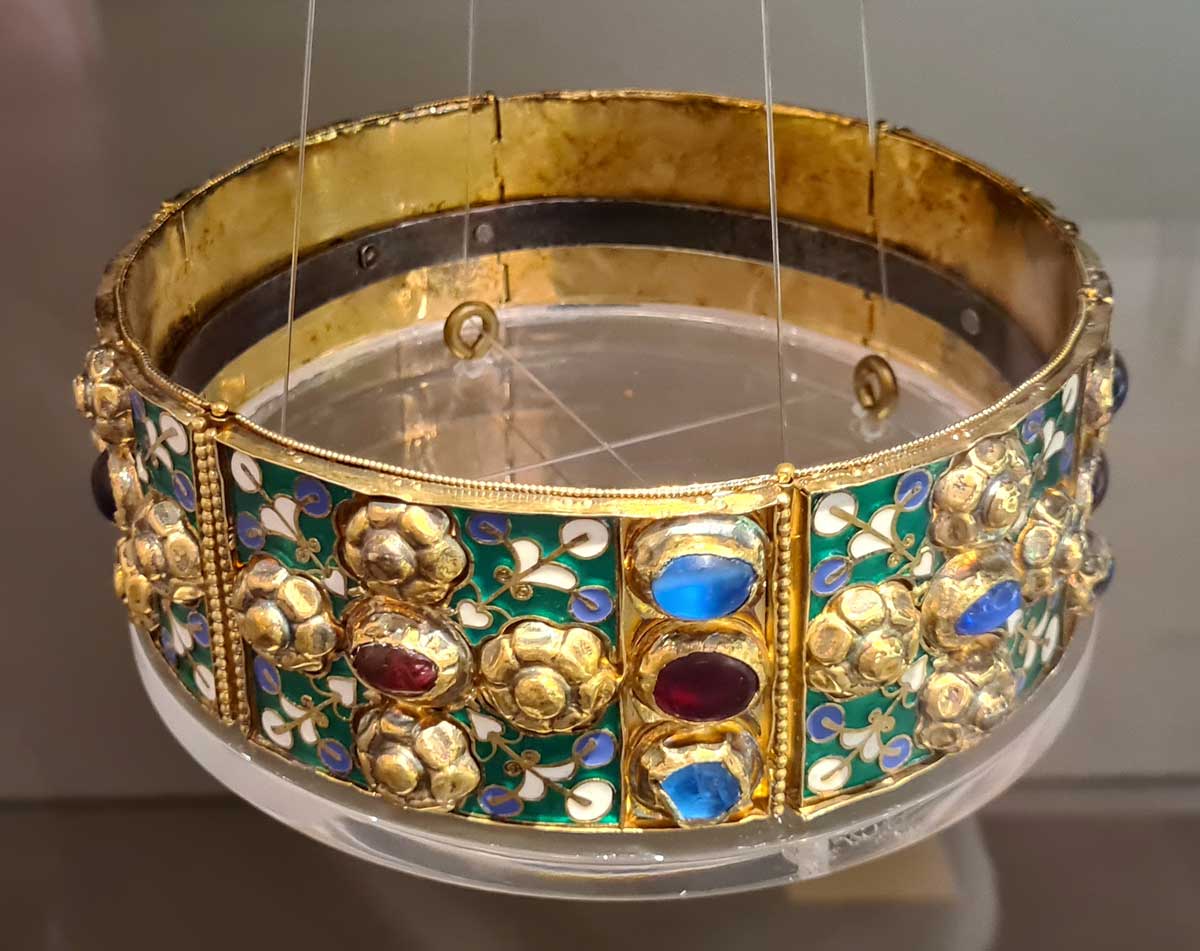
In place of Roman rule, kingdoms grew and flourished, with distinct cultures, all influenced in some way by the foundation that was laid by the Romans. The Romance languages are a testament to this fact, as well as aspects of legal systems and ideas on governance.
The collapse of the Roman Empire, while symbolically confined to a single event in 476, was, in reality, a long process that took centuries. While the Roman state ceased to exist in name and much of what it was gradually disappeared, valuable aspects of it were preserved and utilized throughout the Dark Ages. As such, the fall of the Roman Empire and the beginning of the Dark Ages can be seen as historical events as well as a transformative process whereby Europe was reorganized along pragmatic lines that aligned with a new socio-political dynamic.