
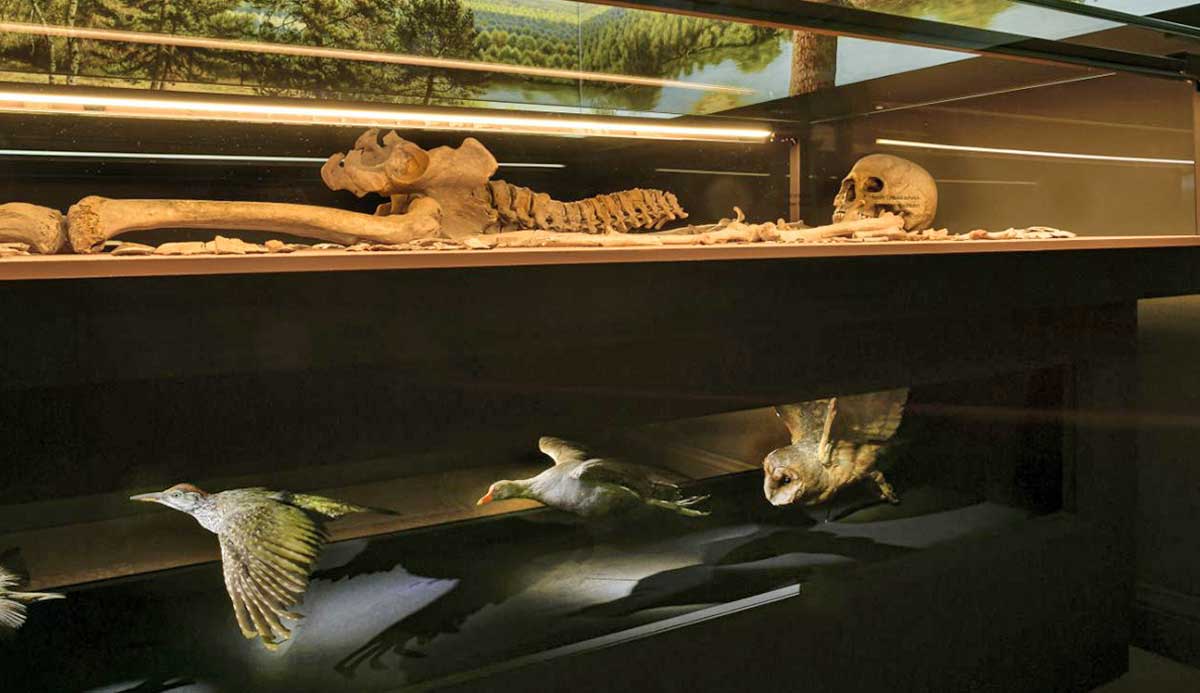
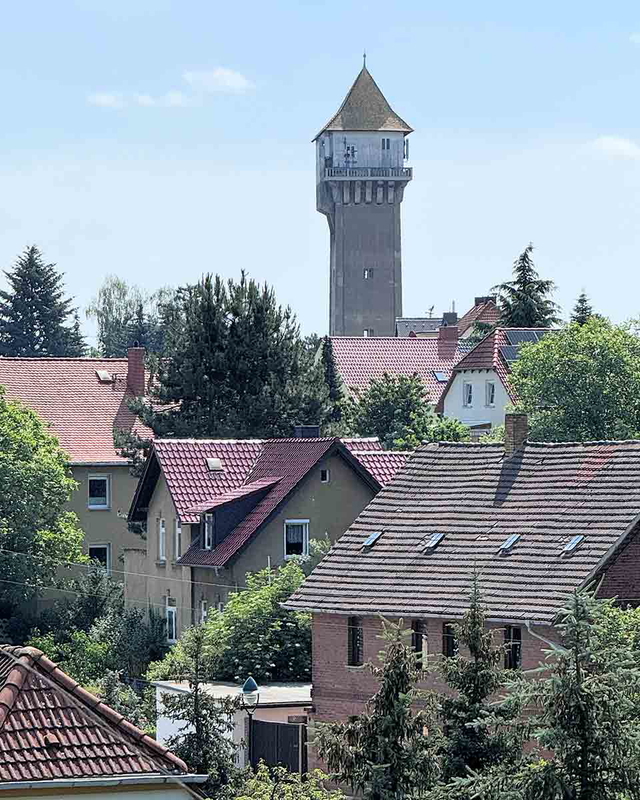
On May 4, on a Friday afternoon in the German town of Bad Dürrenberg, workers laying a pipe for a spa fountain made an astounding archaeological discovery of an ancient grave. Recognizing the possible significance of what had been found, a local teacher was promptly called to the site, followed by a museum conservator. What they found were the skeletal remains of a woman and an infant that were later dated to be 9,000 years old.
Buried with her were the trappings of immense social prestige and power. She was a shaman, and the analysis of her bones revealed exactly why.
The Extraordinary 1934 Discovery in Saxony-Anhalt
When the discovery was made, the workers and the teacher were unsure what they had found. The conservator for the Halle State Museum of Prehistory, Wilhelm Henning, arrived and was under pressure to excavate the site as quickly as possible, so that the spa gardens could reopen the next day.
He uncovered the skeleton of an adult and an infant, along with grave goods including a roe-deer antler, still attached to the skull, which is speculated to have been worn as a headdress. Other grave goods included 50 teeth from various animals, including aurochs, likely used as a necklace, as well as stone and bone tools, several terrapin shells, and six boar tusks. The grave was also filled with dense red ochre, a substance of prominent Paleolithic and Mesolithic significance.
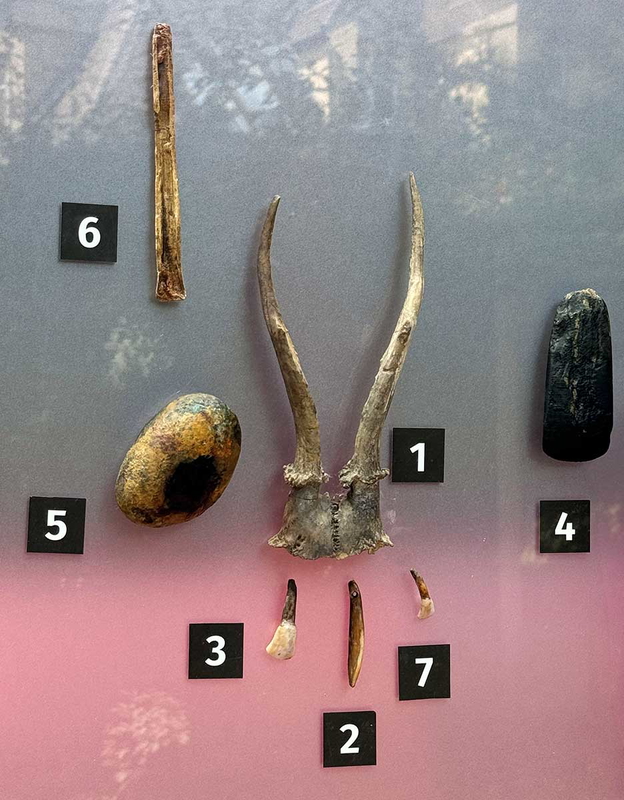
No photographs were taken, but a rough sketch was drawn of what had been found. It was originally thought, because of all the tools, that this was the body of a farmer. This assumption was not the only incorrect one made, as Nazi ideology got involved and repurposed the find for its own political gain.
Why Nazi Propaganda Hijacked the Mesolithic Finding

The Nazis were fascinated with archaeology, and the discovery was made shortly after the Nazis had taken complete control of Germany. The party pushed the narrative that the remains were those of an Aryan forefather, adding to the belief of a superior race of Germanic people from whom the German people were descended.
The erroneous claim linked to the Bad Dürrenberg Shaman was just one of many in the slew of archaeological and ethnographic claims created by Nazi scientists to fit the ancient backstory of the German “race.”
Modern bioarchaeology and DNA testing have long since debunked these ideas. The Bad Dürrenberg Shaman was not a fair-skinned “Aryan.”
How Bioarchaeology Uncovered Her Rare Neurological Condition
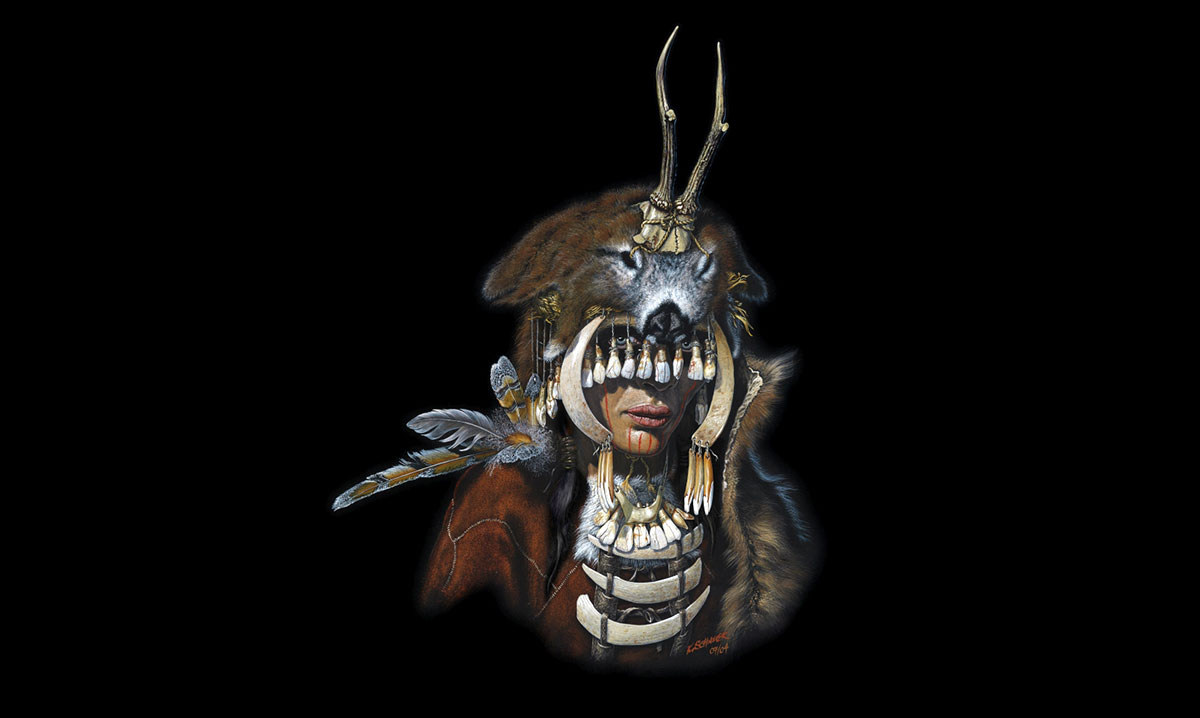
Many decades after the initial discovery, the find was once again brought to the fore, as modern forensic techniques reevaluated what was assumed and added new layers to this fascinating subject.
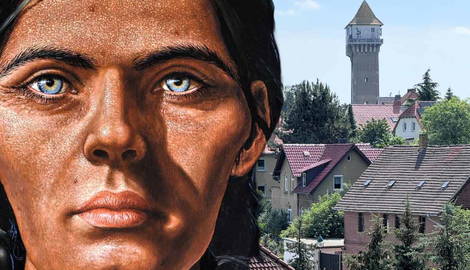
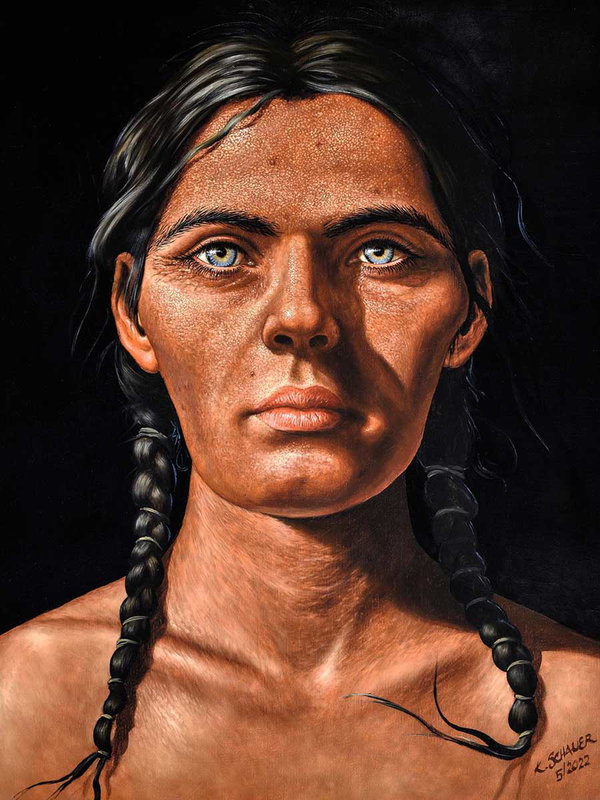
She lived around 7000 to 6800 BC and stood 5’1”. She likely had a dark complexion, with straight black hair and blue eyes. This combination of features was not unusual for people living in Europe at the time. Her teeth show significant dental wear, and it has been suggested that she died from a tooth infection somewhere between the ages of 30 and 40.
Giving rise to the idea that she was a shaman were the malformations of the two highest vertebrae in the neck and the cavity where they attached to the base of the skull, which shows evidence of an abnormally developed blood vessel. It is thought that by moving her head into a certain position, the blood vessel would constrict, and the woman would be subject to uncontrollable eye movement and altered states of consciousness.
Such action is likely to have appeared as a shamanic power, wherein she was communicating with the divine. This physical abnormality was likely seen as a superpower rather than a worrying medical condition or disability as it would be viewed today.
The infant in the grave was a boy around six to eight months old, and was four or five generations apart from the woman with whom he was buried. If the relation was direct, the shaman would have been his great-great(-great) grandmother. And if so, the child may have been added to the grave long after the woman died. A more plausible scenario, it is argued, is that she was a great-aunt of some sort, and the two lived at the same time.
From what is assumed from the evidence, around 9,000 years ago, this woman lived and provided shamanic guidance to tribespeople. She was covered in trinkets of animal teeth and bones, and she held her head in strange positions to attain divine gnosis.
Her name will never be known, but her discovery adds magnificent insight to the people who lived in central Europe during the Mesolithic Era, a mysterious age that still holds many secrets from modern society.