
The Roman state honored its great gods, such as Jupiter and Mars, through ritual and sacrifice to ensure their divine favor and maintain the pax deorum that allowed Rome to thrive. The Roman domus was a miniature version of the Roman state. However, rather than honor gods of war and conquest, it focused on the divine ancestors and local spirits that protected the home, hearth, and storage cupboard. Members of the household conducted daily rituals to gods such as the Lares, Penates, and Genius at the household Lararium to maintain the security and prosperity of the home and its occupants.
Understanding the Divine in the Roman World
The Romans believed that the divine was active and influential in the world. They also believed that maintaining a positive relationship with the divine through proper ritual worship was essential to their prosperity. This positive relationship with the divine was called the pax deorum.
At its core, Roman religion was animistic. This means that everything possessed its own spiritual essence (numen). This could be something natural, like a river; a force, like the weather; a man-made thing, such as a building or a military legion; or even an activity, such as winemaking.
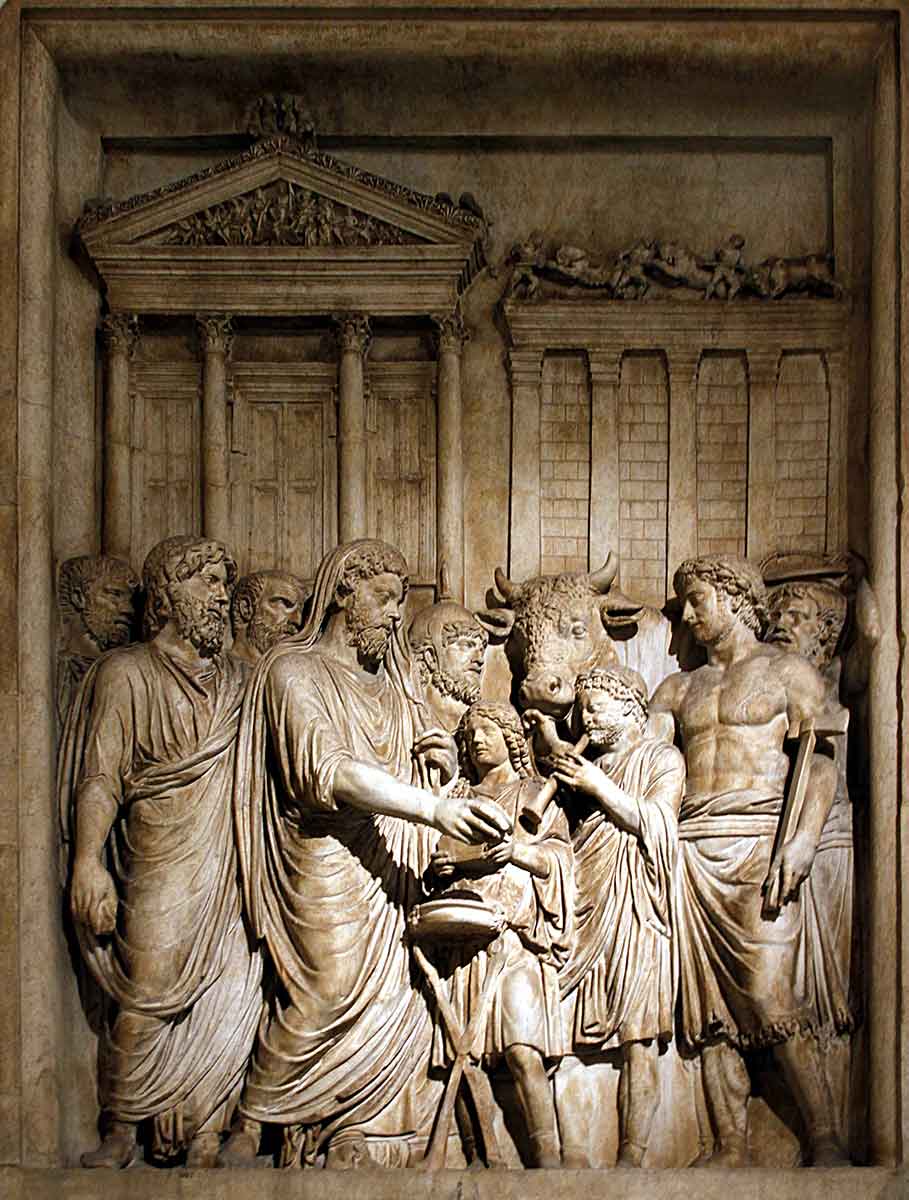
Many of these numina were “small gods,” but their influence was sufficient that those closest to them, such as a soldier or winemaker, worshiped them. Others were viewed as more powerful and universally important, so they were worshiped collectively by the Roman community and became the gods of the Roman state, such as Jupiter, Mars, and Minerva.
Every Roman domus (household) was its own miniature community. Led by the paterfamilias, who had absolute control over everyone in his household, it included his wife and children, including adult sons and any children they might have, other familial dependents, plus slaves. Freedmen and clients, lower-class Roman citizens whom the paterfamilias patronized, were also within his sphere of influence. The domus had its own set of gods that required proper ritual worship to ensure the prosperity of the household.
The Lararium: The Spiritual Nerve Center of the Home
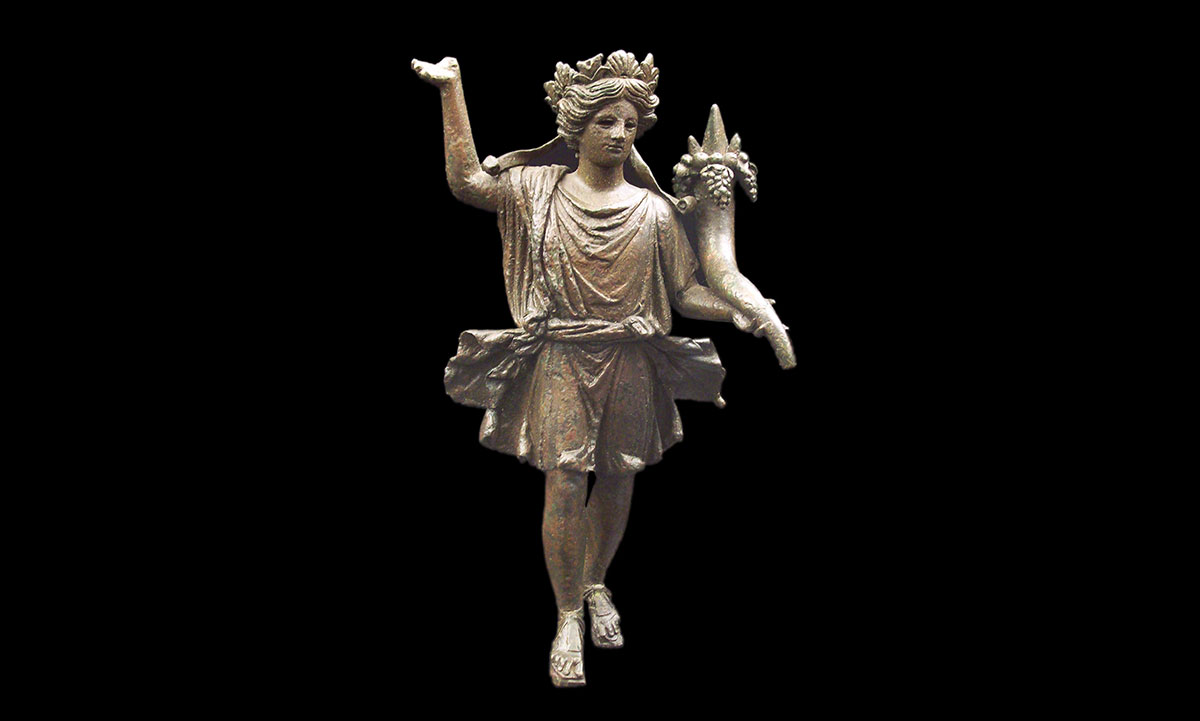
Among the most important gods of the Roman household were the Lares. A Lar was a type of deity responsible for observing what happened in a place, protecting that place, and maintaining the positive energy of that location. Almost every location had its own Lar, or multiple Lares. The Lares of the household, Lares Familiares, were so important that the term Lar was synonymously used for “home.”
The Lares Familiares almost always appear as a pair of youthful male figures engaged in dance, wearing rustic tunics. Their rustic style, even in city homes, suggests that they were ancient deities associated with traditional Roman agriculture. They were also sometimes associated with dead ancestors, who now watched over the home.
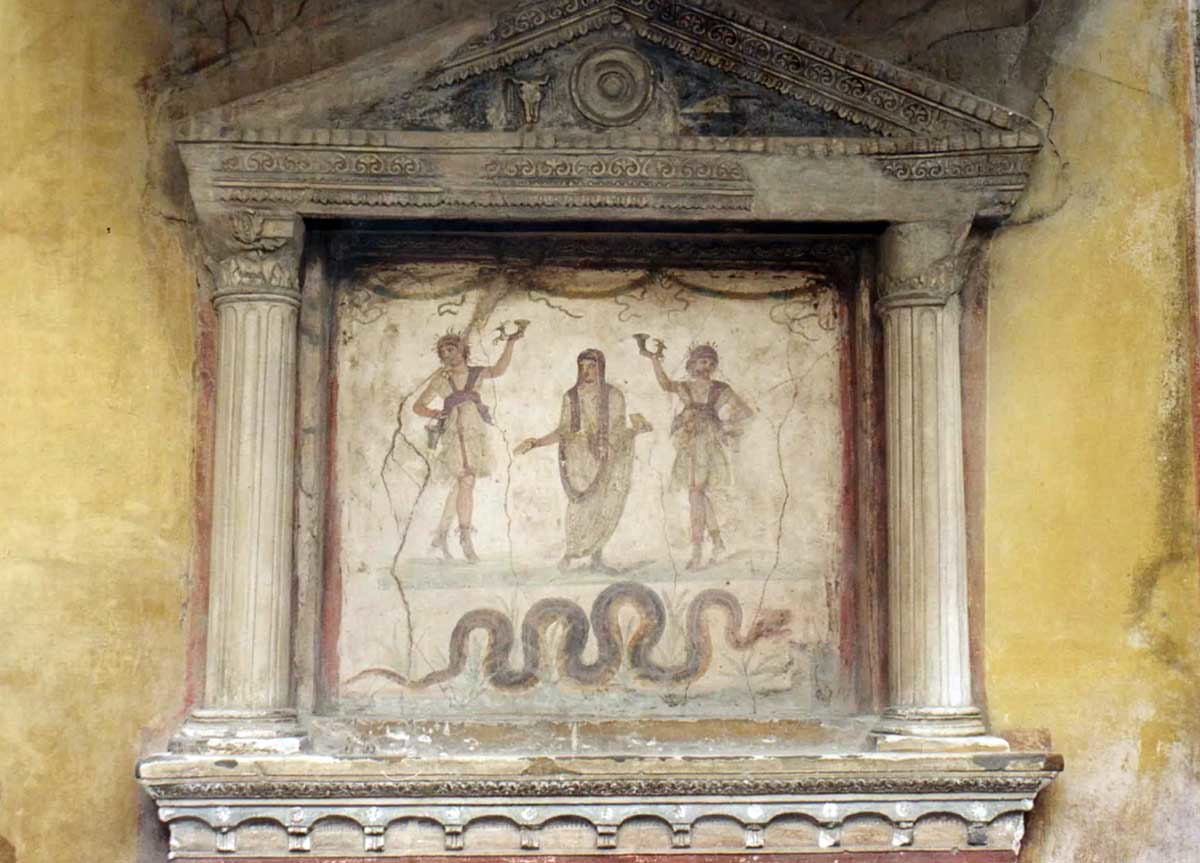
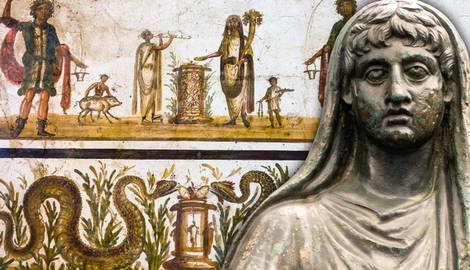
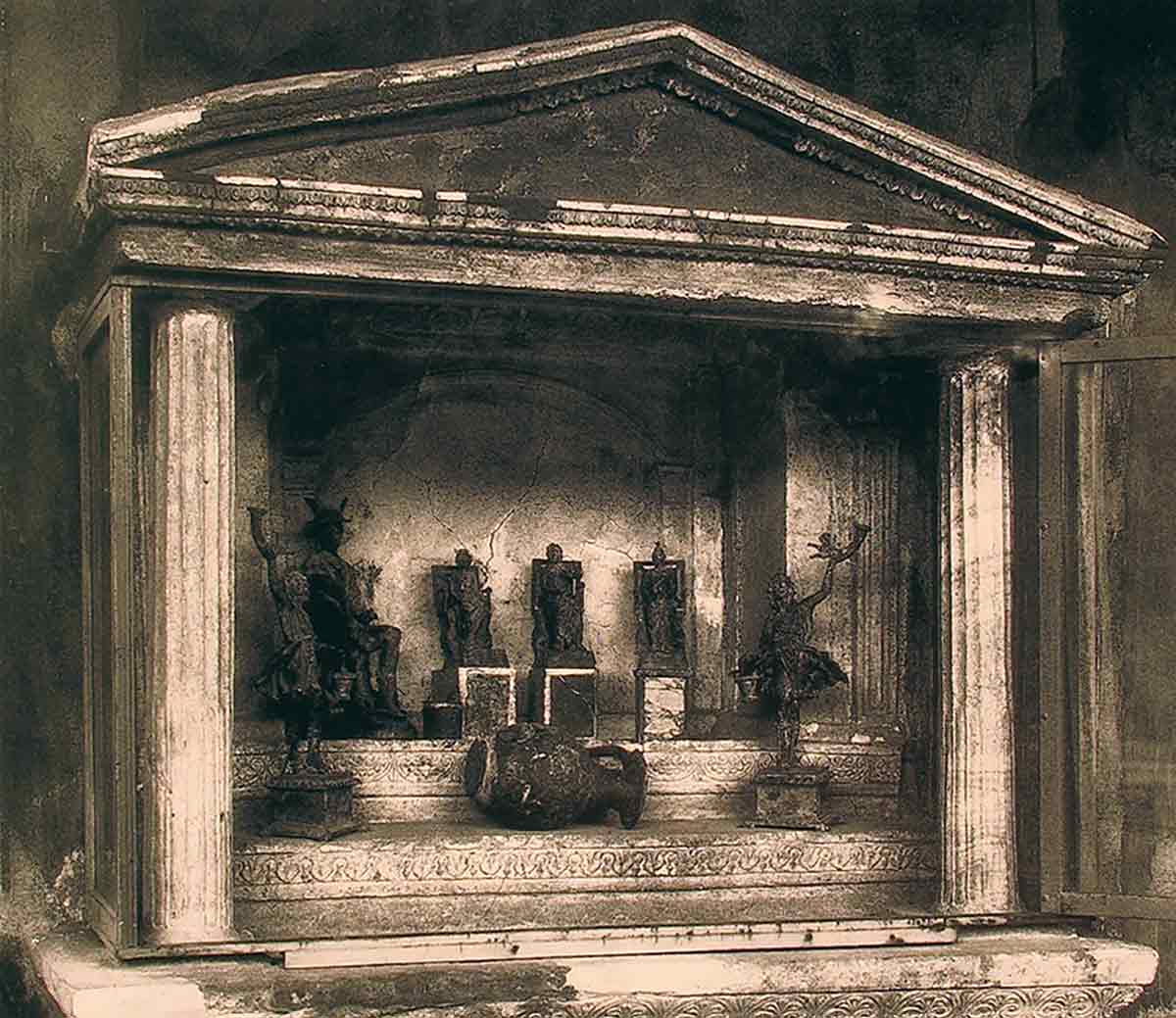
The Lares carried a cornucopia horn and a shallow libation dish, representing the blessing they provided and the worship that they were due. They were worshiped at the Lararium, the main household shrine, usually styled like a mini temple. The shrine was either painted with images of the Lares and other household deities or contained small statues of the gods.
Many examples of household Lararia survive from Pompeii and Herculaneum. While great houses usually had elaborate shrines in the atrium (reception area), more modest homes might have a simple painting in the kitchen.
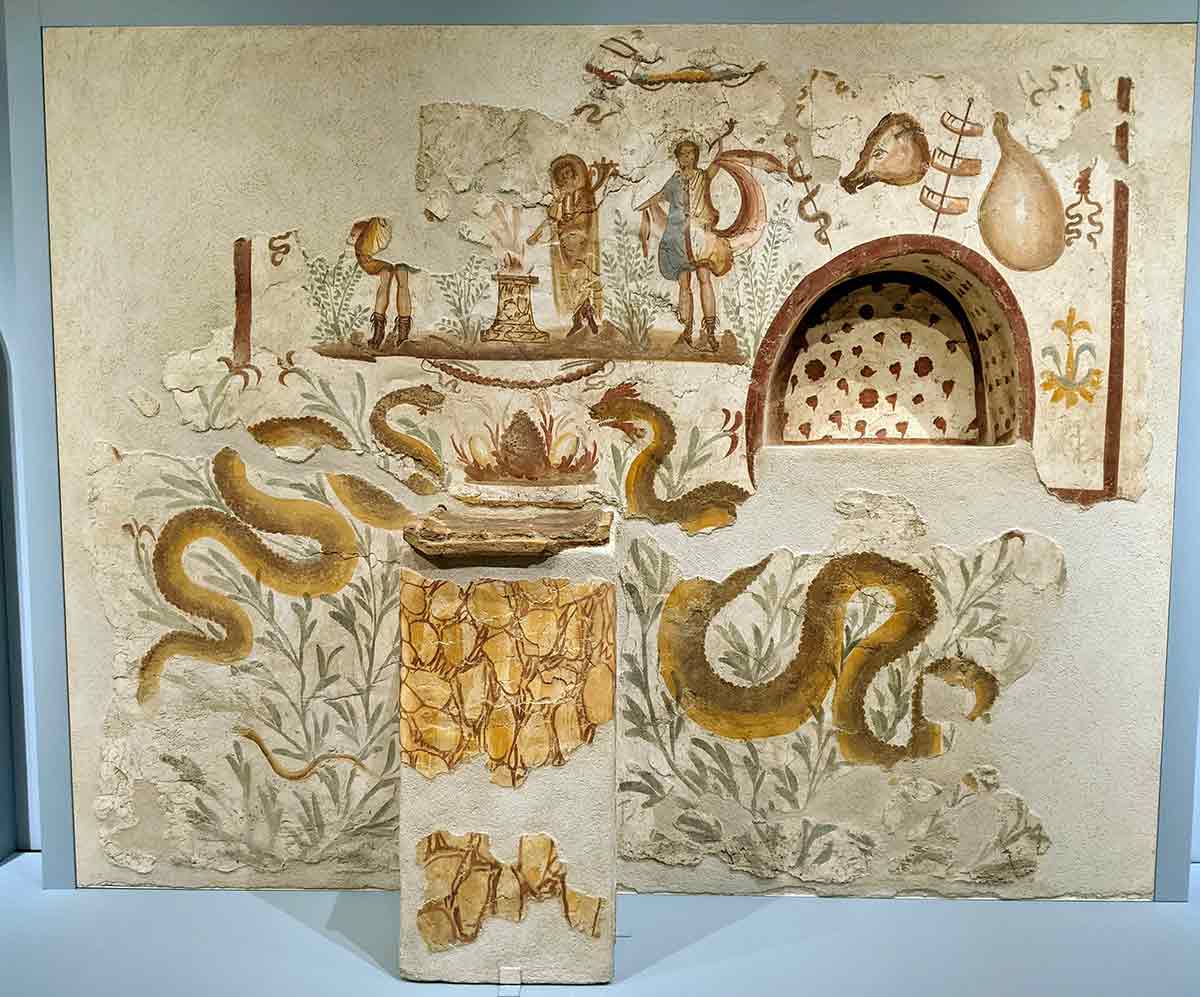
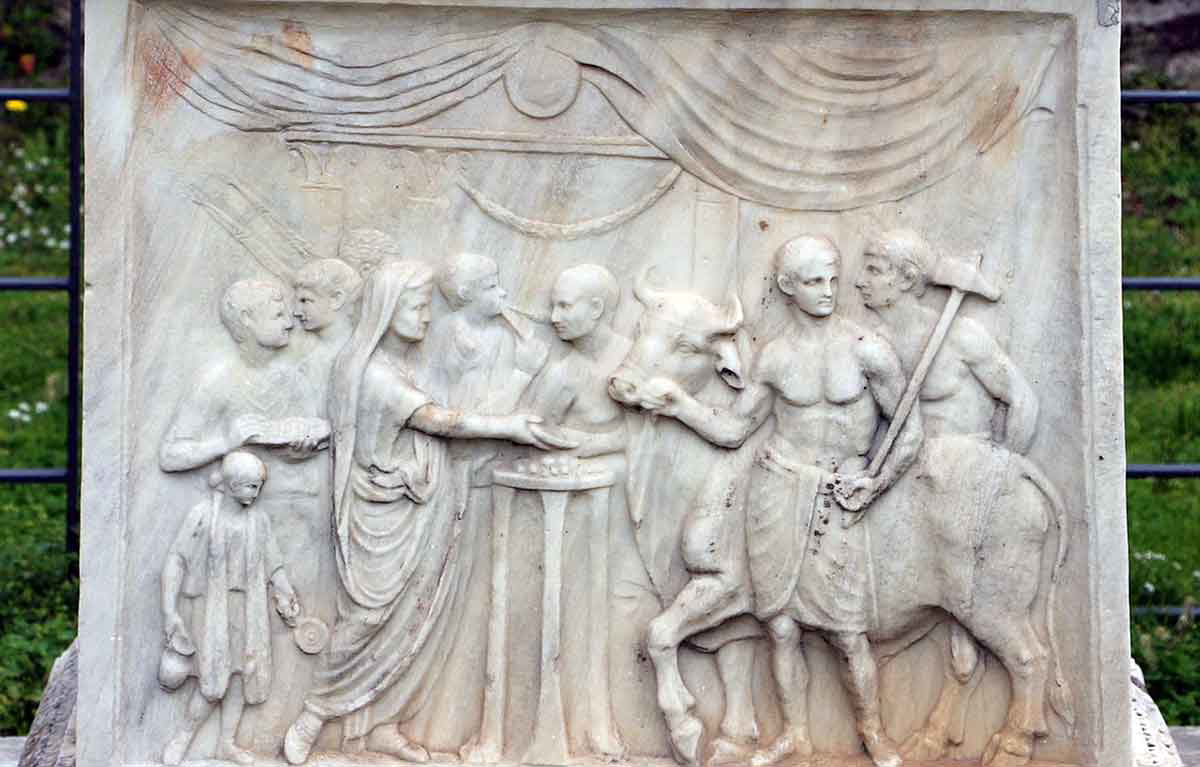
The paterfamilias was the high priest of the home and ultimately responsible for ensuring that the gods received proper worship. He led rituals on special occasions, such as the kalends (first) of the month, family birthdays, or marriages, when a pig might be sacrificed to the Lares. However, all members of the household were responsible for worshiping the Lares daily with more modest offerings of things such as spelt wheat, grain garlands, honey cakes, honeycombs, fresh fruits, wine, and incense.
Feeding the Penates: Protecting the Pantry
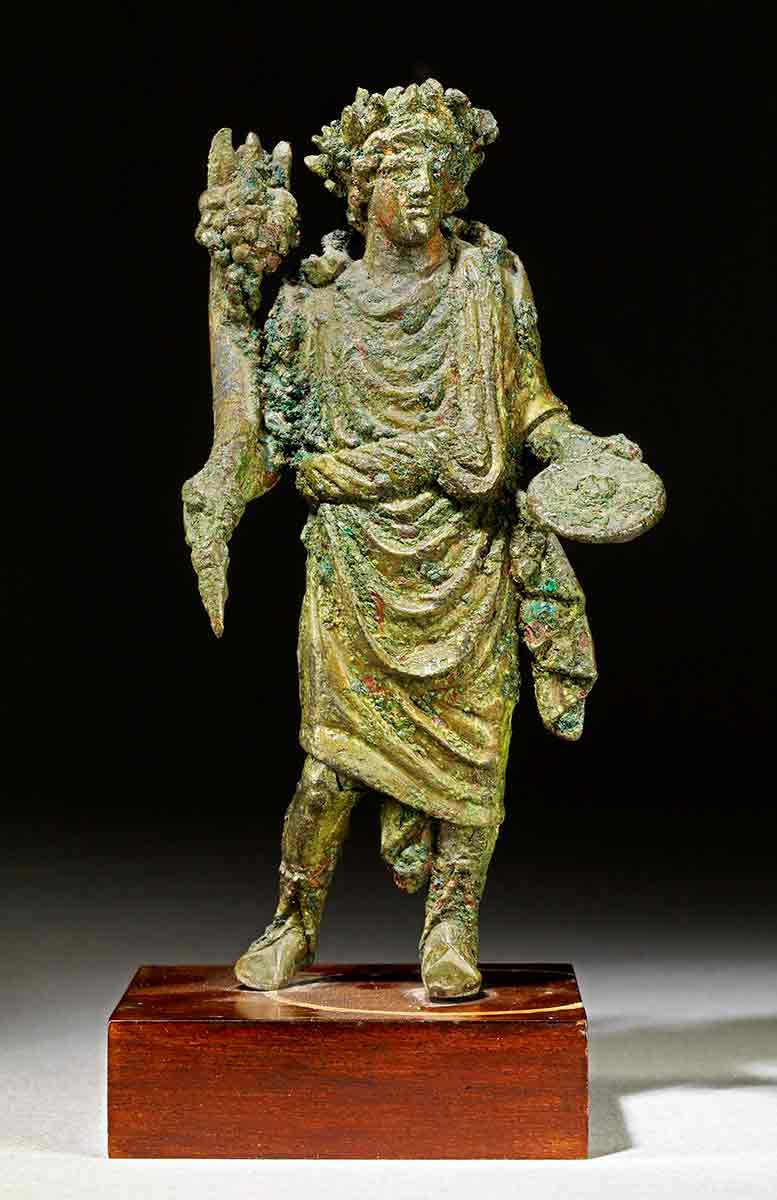
The Penates, or Di Penates, were the guardians of the penus (pantry). While this might seem more appropriate for a Hobbit home than a Roman one, a full pantry represented security and prosperity.
Unlike the Lares, who were associated with a place, the Penates were associated with the family, so they could move with the family if they changed homes. This suggests that they were also associated with their ancestors. They were similar in appearance to the Lares, but wore a different type of robe. But before the family ate, a portion of the meal was placed into a patera (ritual dish) and offered to the Penates, sometimes by tossing the food directly into the household hearth.
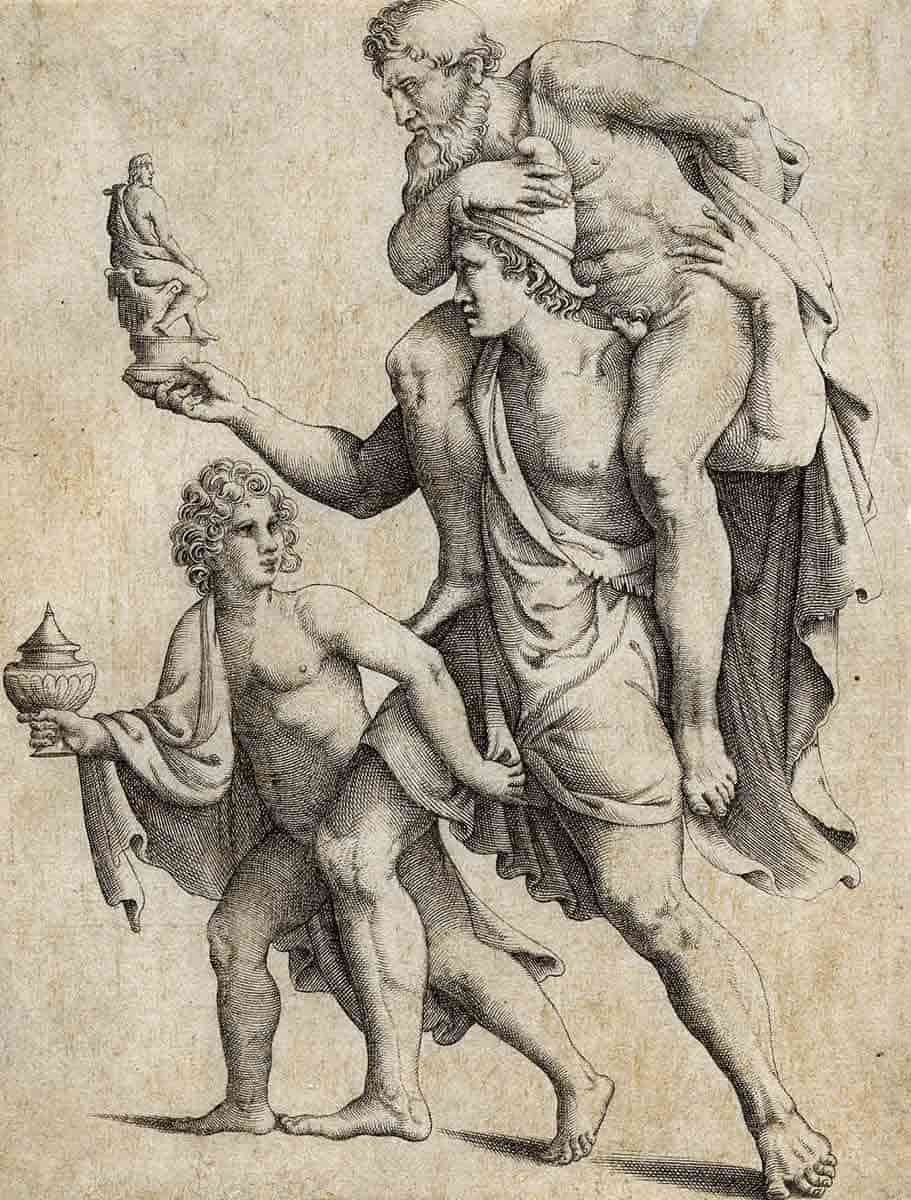
When Augustus became emperor, he began to characterize Rome as his household, promoting public worship of his household gods, such as the Genius Augusti. As Roman history was rewritten by imperial-sponsored writers, such as Virgil and Livy, in the Augustan Age, the public Penates, already worshiped alongside the goddess in the Temple of Vesta, were associated with the Penates of Augustus’ household.
These writers popularized the story of Aeneas as the Trojan ancestor of Rome. He rescued his Penates from the burning ruins of Troy and brought them to Italy, where they became the Penates Publici. Augustus also claimed direct descent from Aeneas, making the Penates Publici and his household Penates the same.
The Genius and the Snake: The Spirit of the Paterfamilias
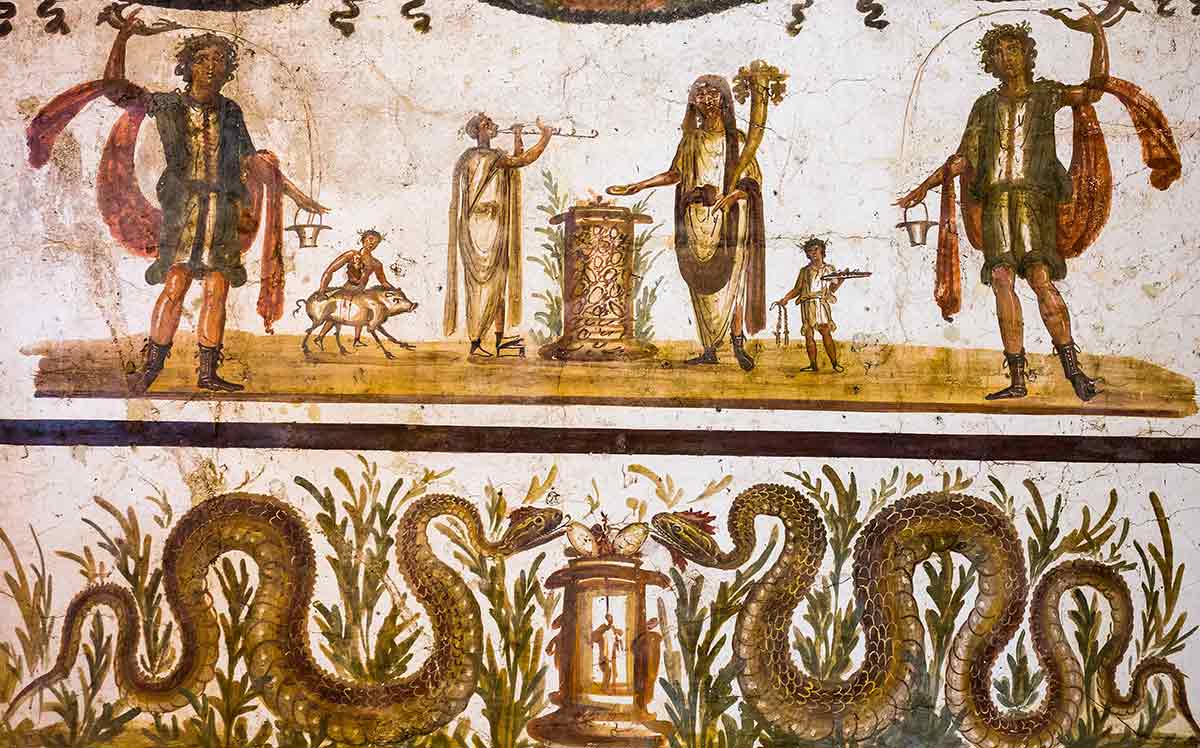
The Genius was a tutelary or guardian spirit. Like the Lares, everything could have one, from a person to a place (Genius Loci), to a military legion. Women also had them, though they were called junones. The most important Genius in the household cult belonged to the paterfamilias, and while it was individual to him, it was also inherited through the family line and remained constant.
The Genius of the paterfamilias featured in the household shrine alongside the Lares, often standing between them. He was usually shown dressed in a toga drawn over his head, holding a patera and cornucopia, and often performing a sacrifice. This probably reflects the important role of the paterfamilias in ensuring the overall religious health of the household. The Genius also often appears in close association with snakes in household shrines, which are believed to represent the Genius Loci of the home.
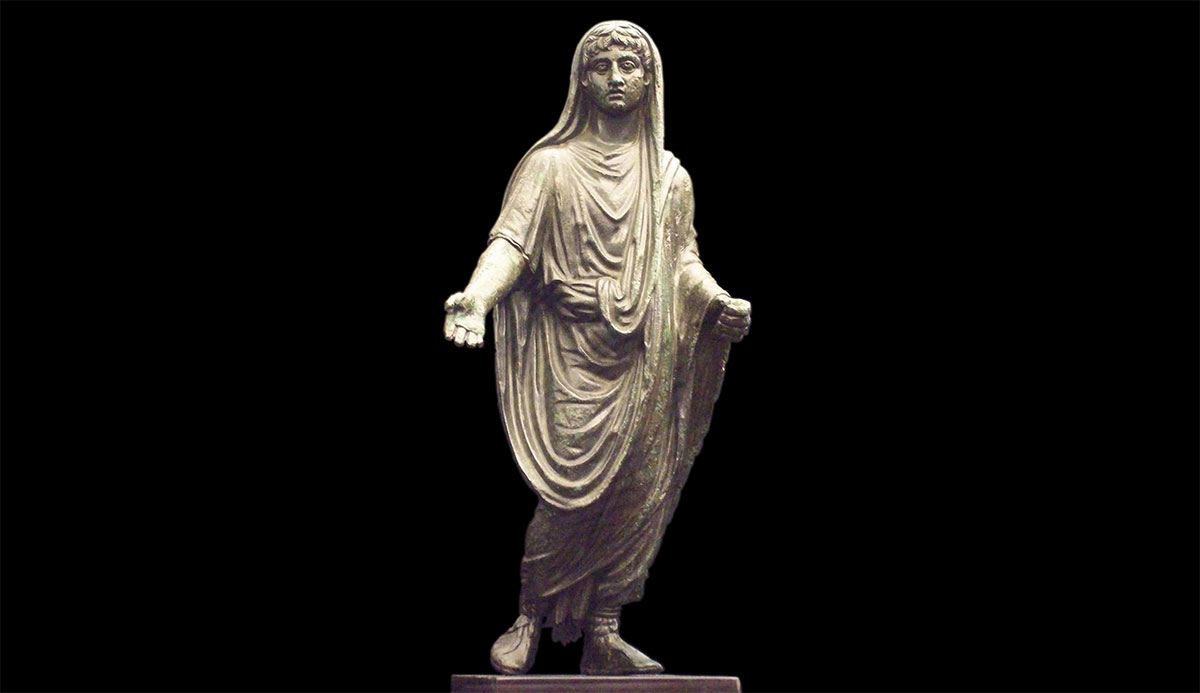
While the Genius received daily attention from the household, usually receiving libations, its most important cult day was the birthday, as it marked the start of a man’s relationship with his Genius. Beyond a formal ritual, evidence suggests that it was common for family and friends to honor the Genius or Juno of the people they cared about on their birthdays; it is often mentioned in poems and letters.
Inscriptions surviving from throughout Italy also show that it was common for members of the familia, especially freedmen, to honor the Genius of their paterfamilias independently with public inscriptions, suggesting it was an appropriate way to honor a social superior.
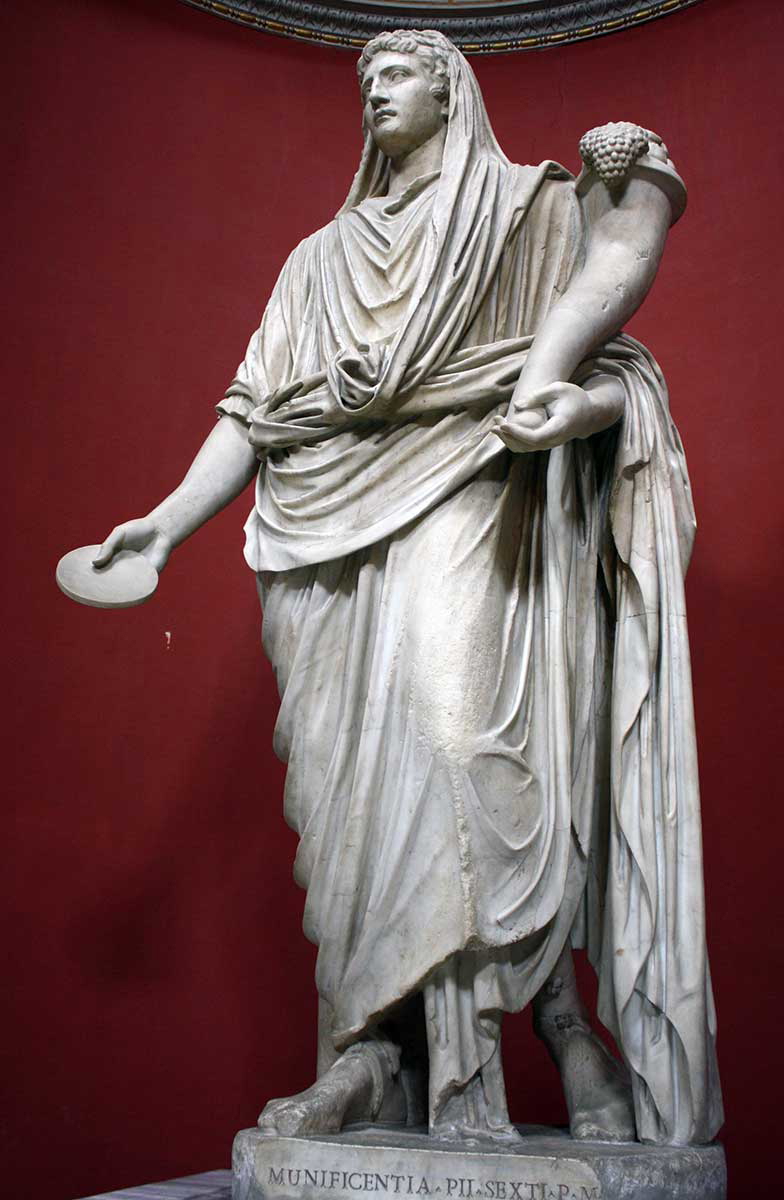
As an extension of this, worship of the Genius Augusti (of the emperor) found its way into the imperial cult. Fragmentary records of rituals carried out by the state priesthood known as the Arval Brothers included sacrifices to gods such as the Capitoline Triad (Jupiter, Juno, and Minerva), the deified Augustus, and the Genius Augusti for the health and prosperity of the emperor.
Vesta and the Eternal Hearth
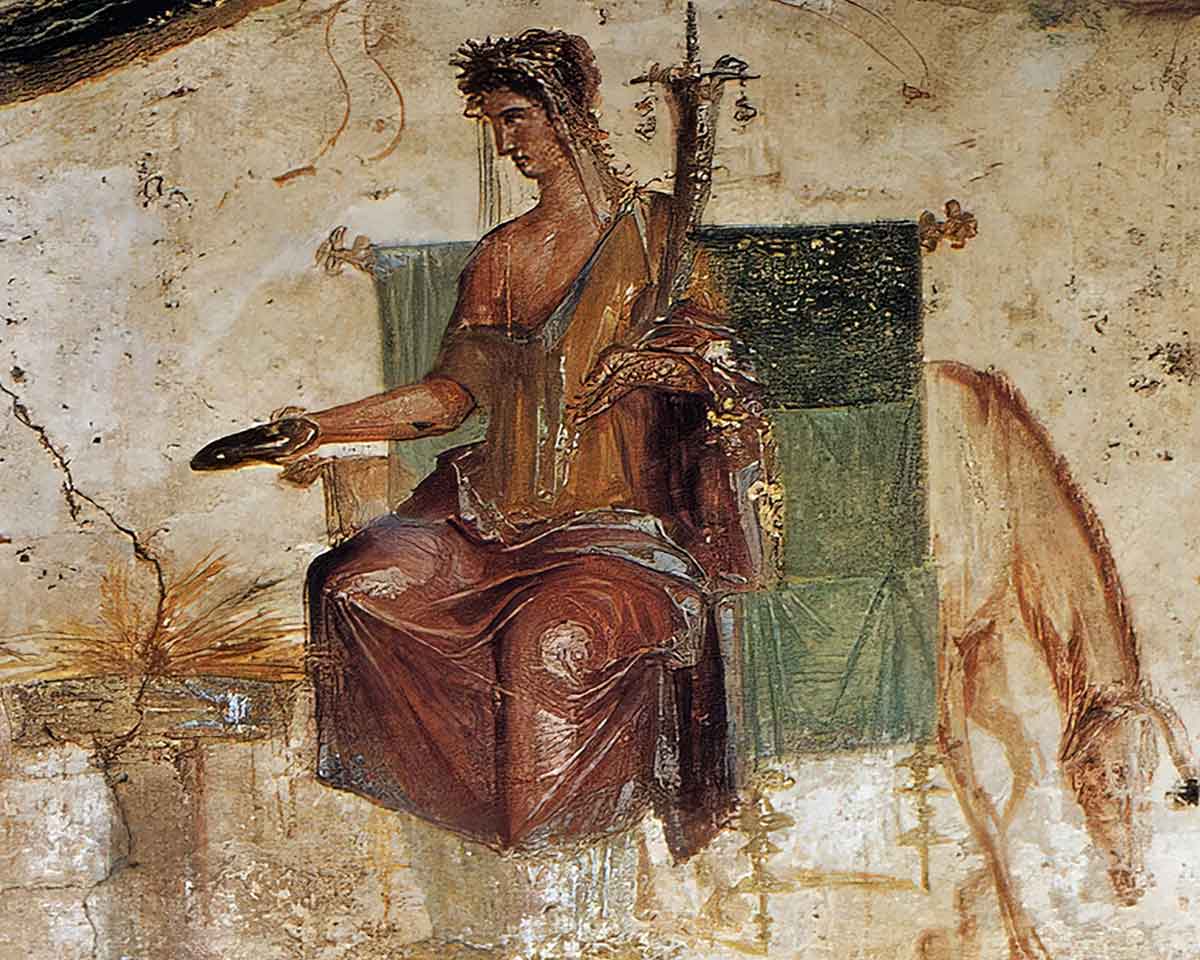
Vesta was one of the most important goddesses of the Roman state. She was the goddess of the state hearth, the burning heart of Rome. Rome’s only female priesthood, the Vestal Virgins, was established for her worship and to ensure her flame was never extinguished.
The hearth, called the focus, was also the burning heart of the Roman household, where Vesta was also present. The sole source of heat, light, and cooked food, the hearth was considered sacred and should never be allowed to go out.
Just as the Penates were worshiped at the hearth alongside Vesta, she had her place in the Lararium, painted on the wall or represented by a figure. However, little information survives about her daily worship. The fact that the Romans did not feel the need to comment on her cult suggests it was considered fundamental, assumed knowledge.
The Imagines: Living With the Dead
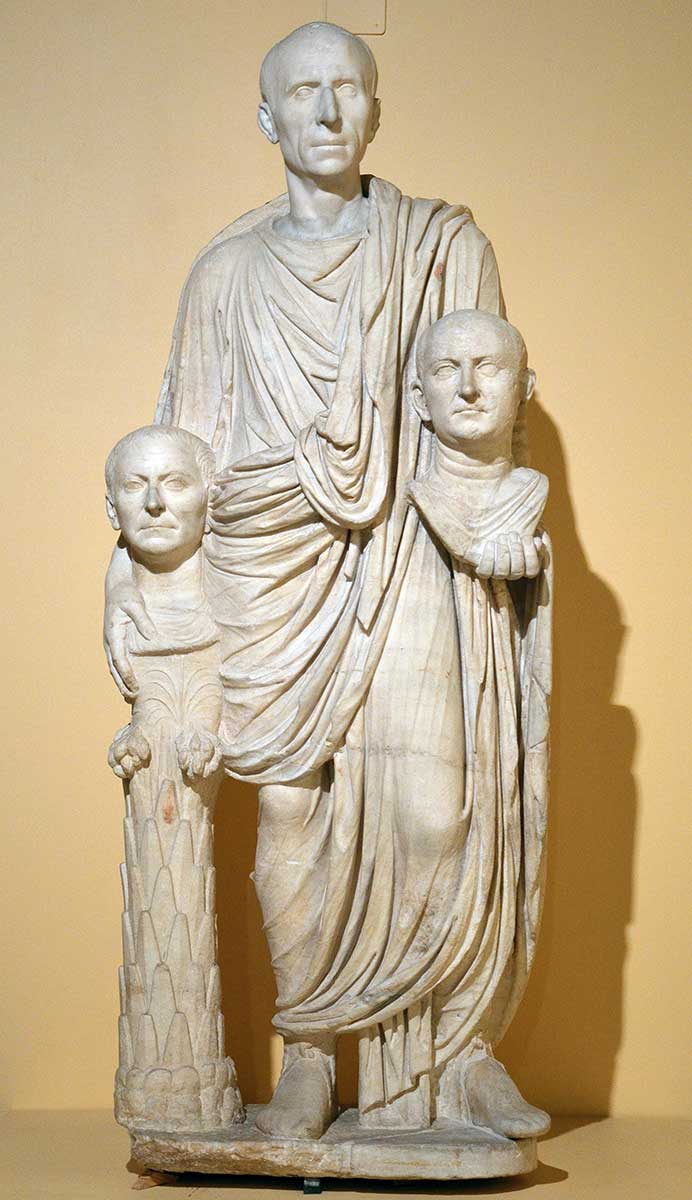
While many of the gods of the Roman household seem to have been associated with the dead ancestor, they were also explicitly represented by imagines, lifelike wax death masks of important male ancestors. These masks were kept on display in the atrium in small wooden shrines built into the walls, organized to represent the domus’ family tree. Each mask had an inscription identifying the ancestor and their achievements.
When a family member died, the masks were brought out of their case to participate in the funeral procession. The family would hire people to carry the masks dressed in official robes, literally bringing the dead to life. They looked on as the son of the deceased gave their funeral oration, welcoming the newly deceased into the ranks and confirming the position of the son as the new paterfamilias.
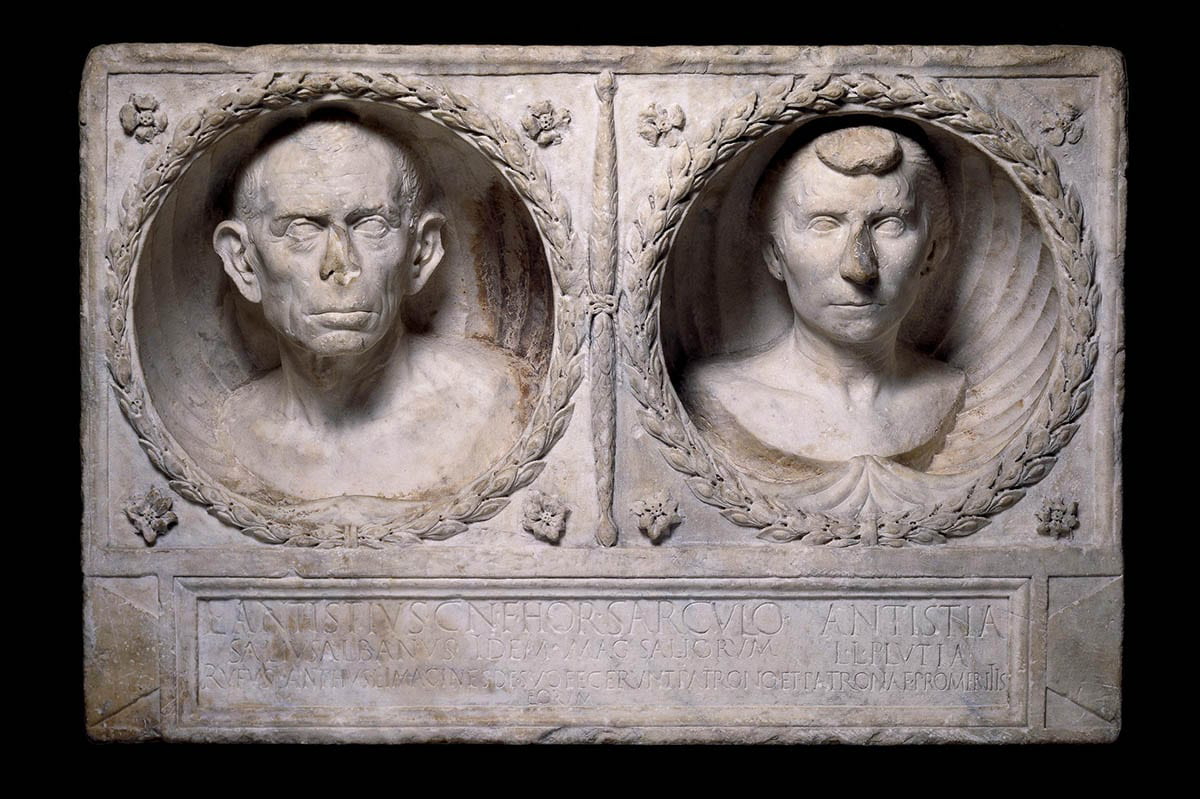
The middle class and freedmen imitated the elites with their funerary reliefs, which often included portraits of the dead. Unlike idealized reliefs of the emperor and imperial family, these were realistic portraits including wrinkles, receding hairlines, and stern expressions. In this way, they copied the realistic wax masks of the elite ancestors.
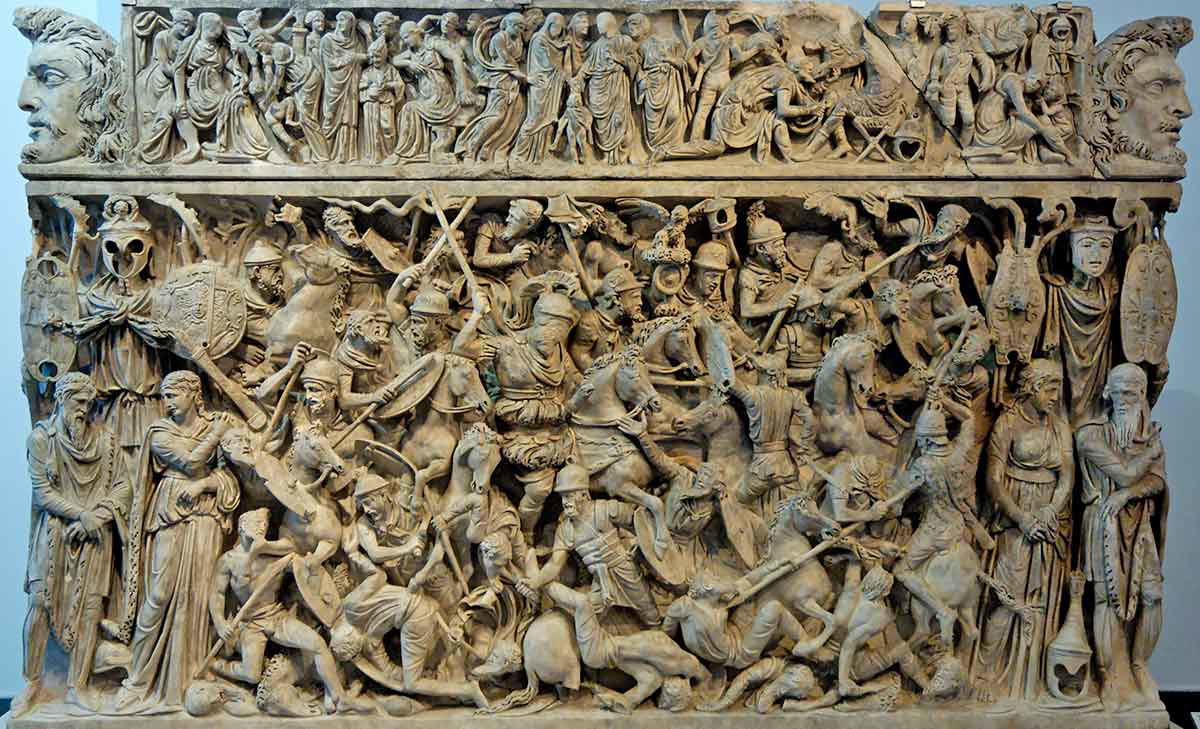
Of course, the elite were also buried in cemeteries, but they were not forgotten. During the nine-day festival of Parentalia in February, families would sit outside tombs and hold a feast, sharing their food with the dead through libation tubes that ran from the surface directly down to the urn or coffin. While cremation was common in the Republic, inhumation became popular from the 2nd century AD onward, leading to a boom in the production of elaborate sarcophagi.
Divine Protection of the Roman Domus
The Roman household cult functioned to connect the living with their ancestors, protect the home and its occupants from harm, and ensure the ongoing prosperity of the family. In this way, the domus was like a mini version of the Roman state itself, maintaining a micro pax deorum. Archaeological evidence suggests that the household cult flourished throughout all periods of Roman history and throughout the Empire.
As Christianity took hold in the Roman world, the household cult did not simply disappear. The Theodosian Code of AD 392 banned many practices essential to the household cult.
Let no one… in any place whatsoever, in any city, crush an innocent victim to senseless idols, or secretly in his house honor his Lar with fire, his Penates with wine, or his Genius with incense, or light torches to them… If anyone should dare to do such a thing, he shall be found guilty of a violation of religion.
Theodosian Code 16.10.12
But age-old rituals that were part of the fabric of Roman life adapted. Pagan icons were replaced with images of saints and angels, holy water was sprinkled in place of wine libation, and the Christian father was still responsible for the faith of the household.