
The ancient Romans are well-known for their persecution of Christians, which suggests that the Roman Empire was a place of religious intolerance. But this could not be further from the truth. The Romans respected the divine wherever they found it, so when they encountered new gods in foreign territories, they often adopted their worship, either syncretizing them with their own gods or accepting them as new gods. In this way, they made many foreign gods their own. As a result, we see the worship of hybrid local-Roman gods across the Empire, and temples of some foreign gods in Rome. This article explores how the Romans made foreign gods their own, and why the Christian god was an exception.
The Divine in the Roman World
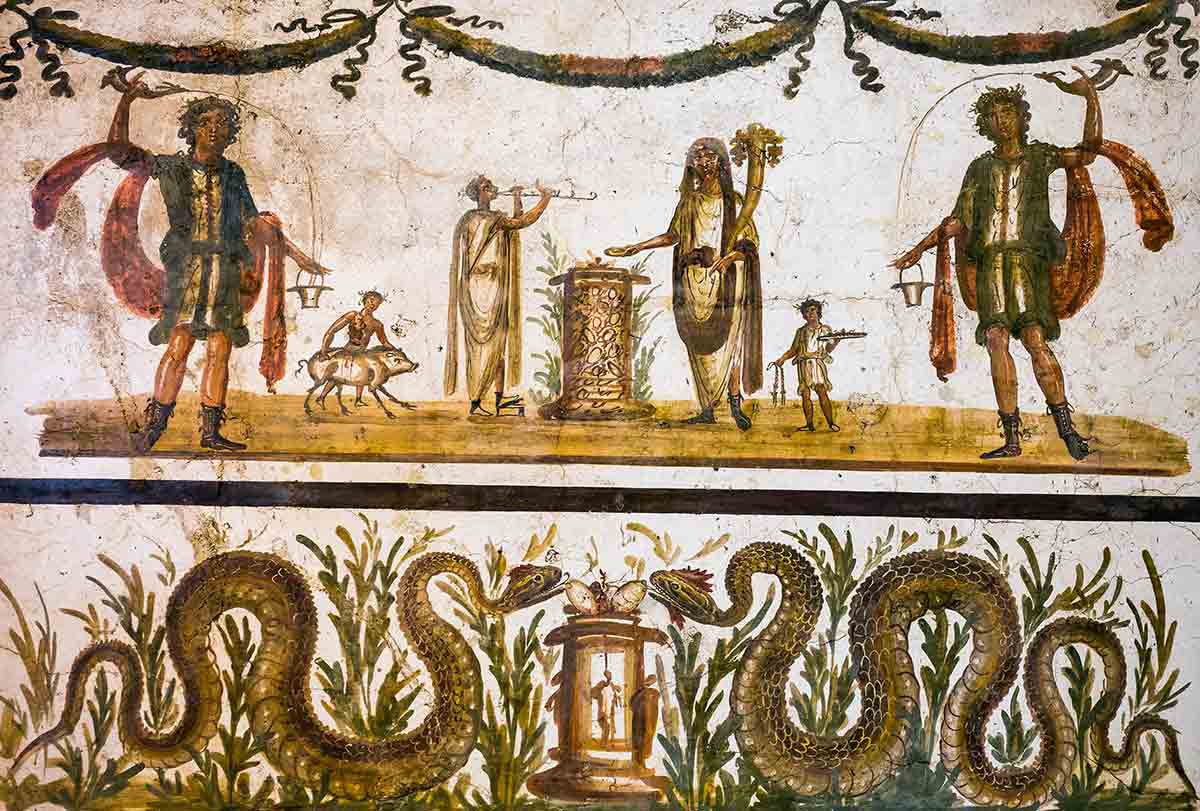
The Romans believed that the divine was active in the world and that everything was governed by the divine. This can be seen in their concept of the genius, a generic name for a tutelary deity. Everything had a genius. A genius loci was the guardian spirit of a place, such as a grove, a home, or a city. Every man had a personal tutelary genius, and women had the female equivalent, a juno. These were worshiped on the individual’s birthday, and the genius of the paterfamilias was worshiped by his household. We also encounter the genius of groups, such as the genius legionis of a legion, and even the genius of activities, such as the theater or winemaking.
These were “small gods,” but their influence was sufficient that the Romans believed that they required worship. They also believed in more powerful gods. For the Romans, the most powerful was Jupiter. He was probably an Italic sky god brought to Rome by the original settlers.
Adopting Greek Mythology
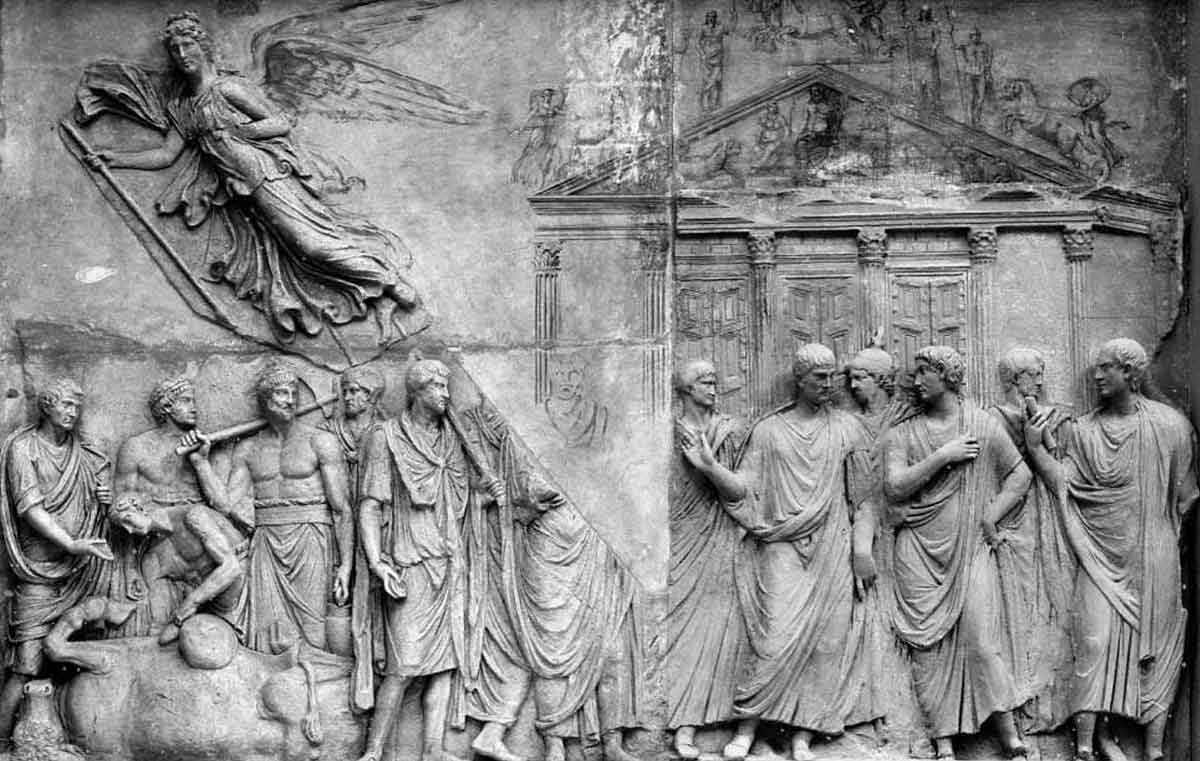
Early in their history, the Romans encountered Greek religion and noted the similarities between Jupiter and the Greek god Zeus. Therefore, they started to syncretize the two, assuming that they were the same god known by different names. While there are clear differences between the two, centuries of identification have made them difficult to separate.
The syncretization of Jupiter and Zeus may have even fueled the idea that the Romans were descendants of refugees from the Trojan War. When this older myth was retold by Virgil in the 1st century BC, he portrayed Jupiter as mapping out the destiny of Aeneas and Rome. The Romans would go on to syncretize many of their gods with those in Greek mythology.
An Expanding Pantheon
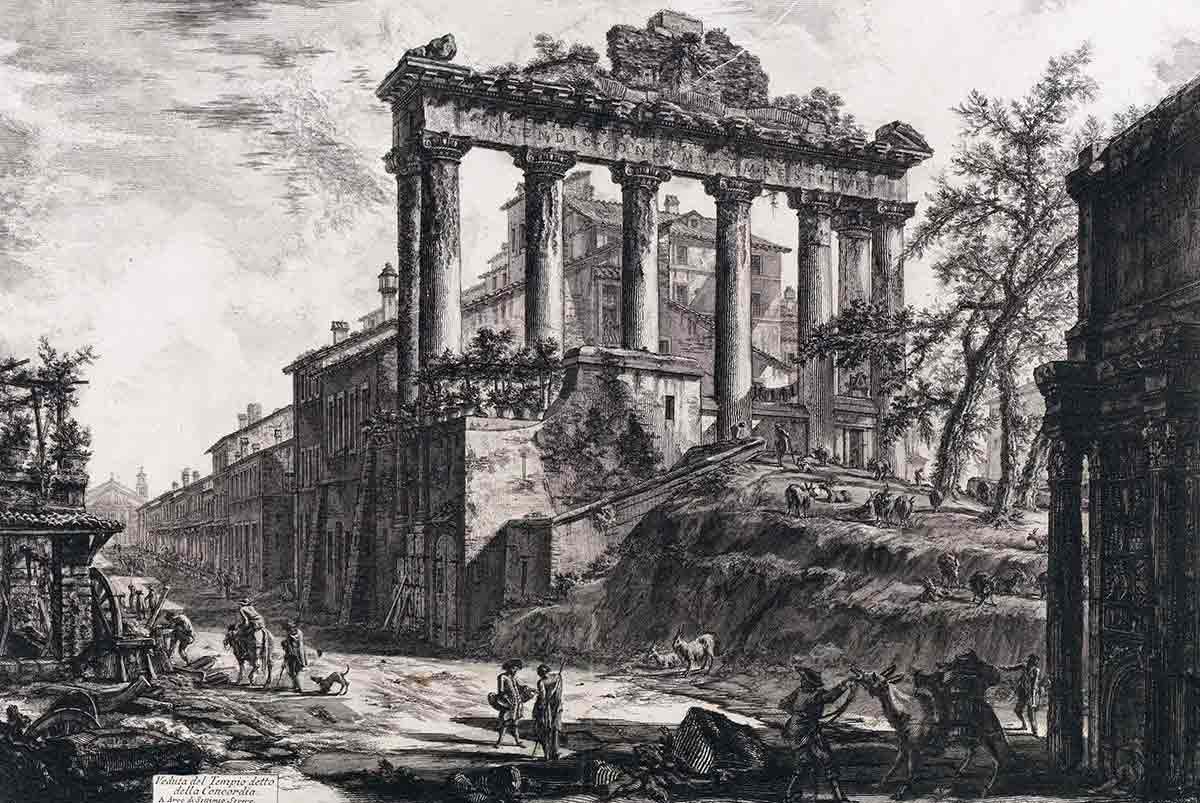
The Romans also “discovered” new gods through the evidence of their power in the world. They did not always know the names of these gods, which led them to be worshiped for what they delivered. Therefore, we see cults of Concordia (concord), Fides (faith), and Mens (wisdom).
As such, the Roman pantheon was always growing. But this made sense to the Romans. They believed that the greatness of Rome was a result of the favor of the gods, which stemmed from the collective piety of the Roman people, which they considered greater than that of any other people. They believed that maintaining good relations with the gods through proper worship was essential to their prosperity. Therefore, it did not make sense to ignore gods, wherever they found them, but rather to embrace them.
An Expanding Empire
As Rome expanded from a small city to a vast Empire, it inevitably came across new gods. This began in Rome’s early history, as it fought for domination of Italy. As they conquered neighboring cities, they often violently took control of their gods through a process called evocatio. This was an official ritual in which they invited the patron god of an enemy city to switch sides and granted them a temple in Rome. This started as early as 396 BC, when the Romans invited Juno Regina to abandon the Etruscan city of Veii and become one of the principal gods of Rome (Livy 5.22).
As the Romans expanded west into the realms of the Celts and Germans, they syncretized many of their gods with those of Rome. In his Germania, Tacitus famously identified Odin with Mercury, Thor with Hercules, and Tyr with Mars.
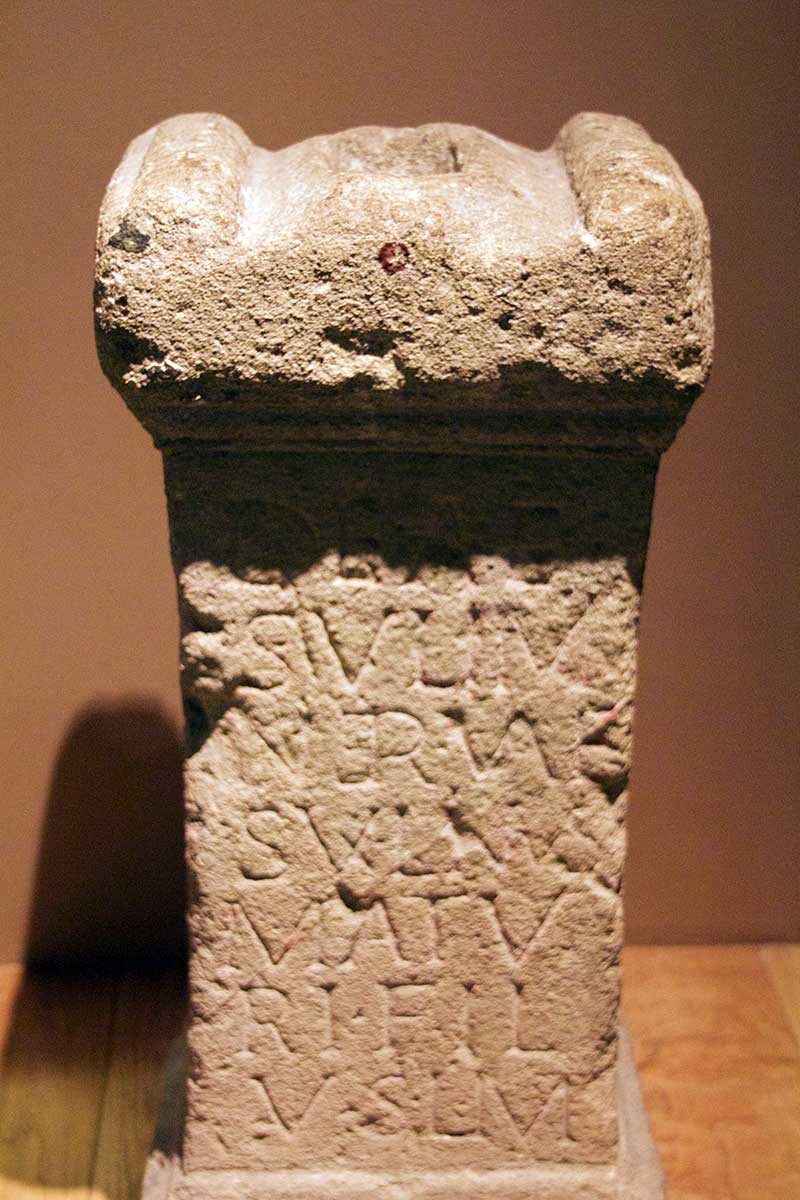
In regions that became Romanized, worship of syncretized local-Roman gods emerged. A famous example is Sulis Minerva in Roman Britain. Sulis was the goddess of the thermal springs at Bath. She was syncretized with Minerva, and many votive objects dedicated to the combined deity have been found around the baths.
Similarly, the Celtic god Nodens was commonly equated with Mars. A Romano-Celtic temple was dedicated to the god as a healer in Gloucester, where there are several dedications to Mars Nodens. Notably, there is a dedication by Titus Flavius Senilis, the superintendent of the cult, who oversaw interpreting dreams as part of the healing process.
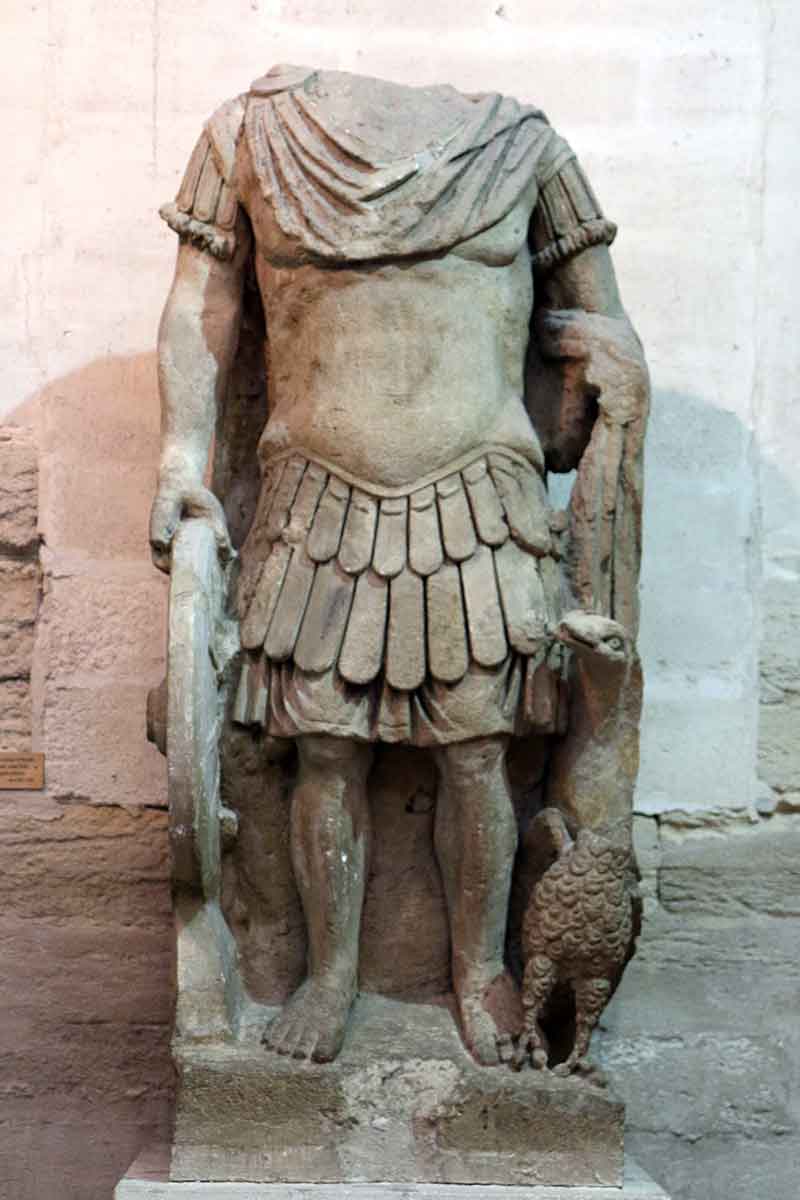
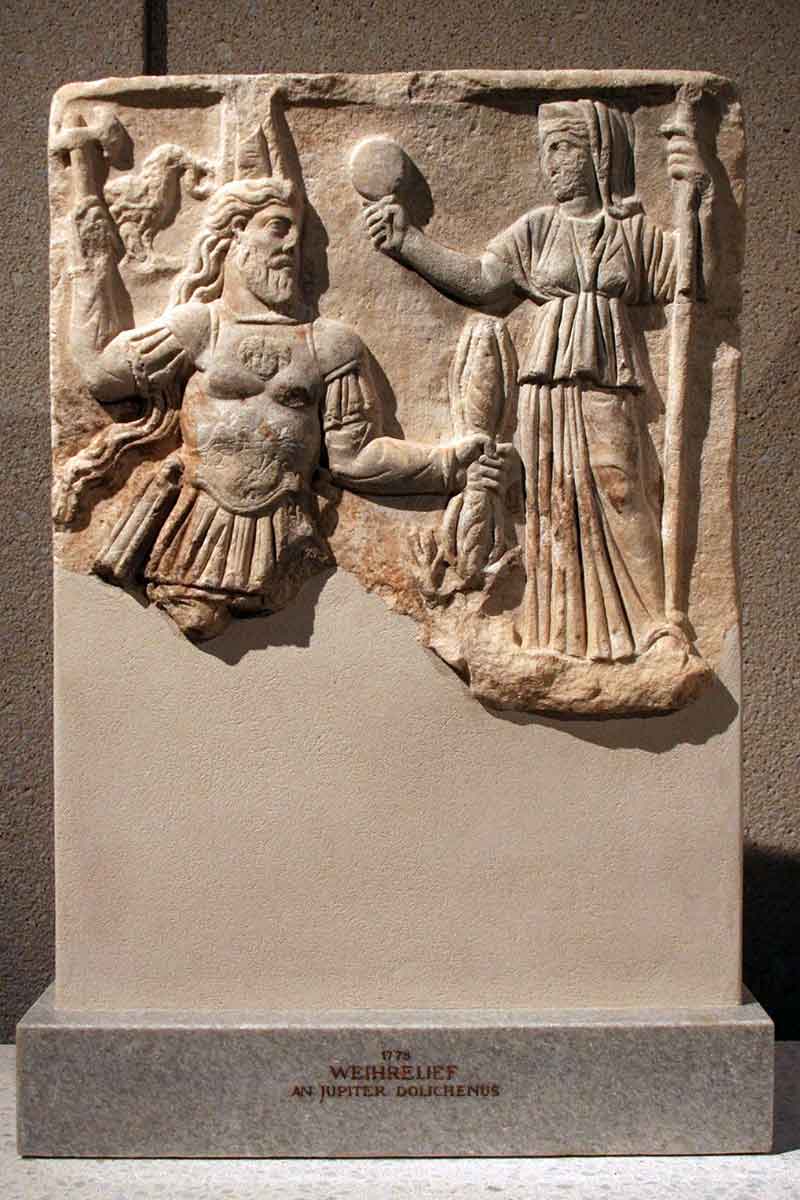
Similar dedications to syncretized deities appear throughout the Roman Empire. For example, an altar of Jupiter Taranis survives from Chester in Roman Britain, while the cult of Jupiter Dolichenus, Jupiter syncretized with the Asian god Baal, worshiped at Doliche, was widespread in the 2nd and 3rd centuries AD. The Celtic healing god Grannus was syncretized as Apollo Grannus in Gaul, while Cernunnos was paired with Mercury on an altar at Reims.
Foreign Gods in Rome
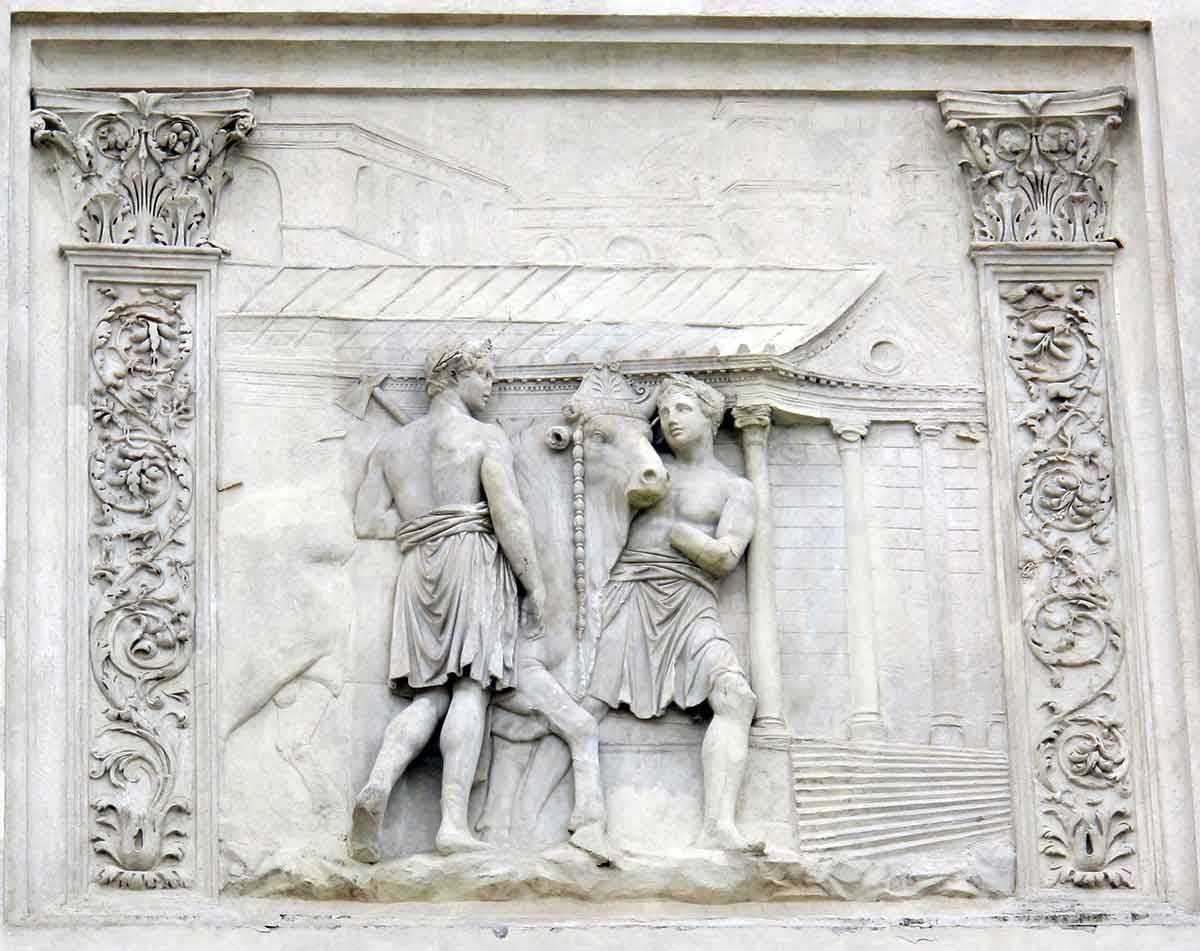
While worshiping local gods may have made sense in the provinces, some foreign gods also found their way back to Rome. This started even before Rome built its Empire. For example, in the early 3rd century BC, when Rome was facing the threat of Hannibal in Italy during the Second Punic War, in their panic, the Romans consulted their sacred Sibylline Oracles. They informed the Romans that they would not defeat Hannibal until they brought the Great Mother of Mount Ida to Rome. They understood this to mean the goddess Cybele, so they sent an embassy to Pergamon in Asia to request the black meteorite of the goddess, which they brought back to Rome. After the defeat of Hannibal, a temple to her as Magna Mater was erected.
From the Celtic world, they brought back the goddess Epona, the only purely Celtic goddess confirmed as worshiped in Rome. A goddess of the horse and fertility, she had an official feast day in the Roman calendar on December 18.
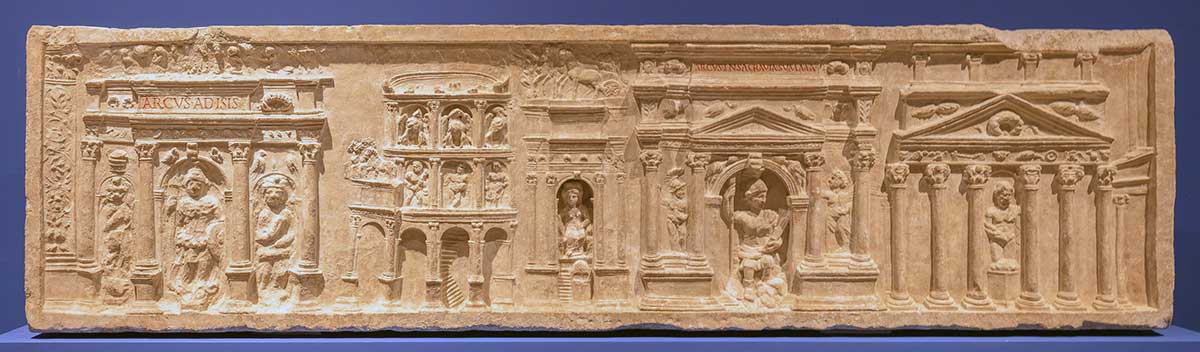
One of the most popular foreign gods worshiped in Rome was the Egyptian goddess Isis. She is a complex mother goddess, also associated with magic and the afterlife. She seems to have arrived as a popular cult figure, as the earliest evidence for her is shrines and altars set up by private citizens in the 1st century BC. In fact, in 53 BC, the Senate ordered the destruction of her shrines within Rome’s pomerium, the city’s sacred boundary. This order was clearly ignored, as there are records of sacrifices to her in 48 BC.
We hear of a temple of Isis in Rome under Tiberius. The young Domitian hid among the worshipers of Isis on the Capitol when Vitellius’ forces took the city in AD 69. Later, as emperor, Domitian restored the temple of Isis that was damaged during the fire of AD 80. Hadrian enlarged the temple, and inscriptions show further expansion under Septimus Severus and Caracalla.
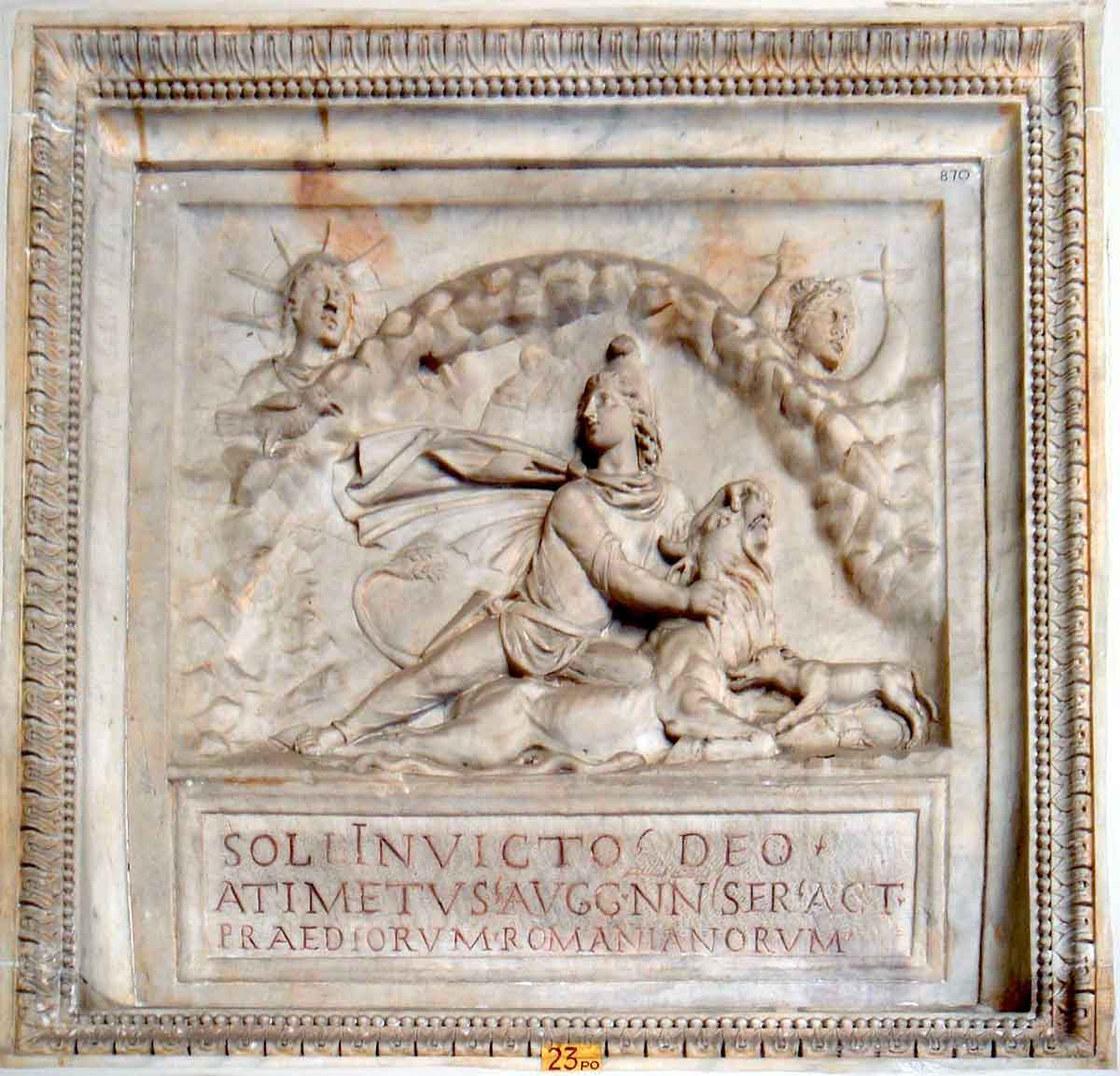
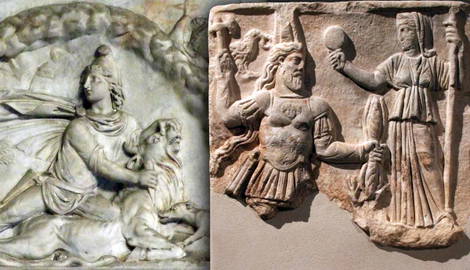
Even more popular than the cult of Isis was that of Mithras, which thrived from the 1st to 4th century AD. Mithra was a Persian sun god. We actually know little about the god because his cult was a mystery cult reserved for initiates, and details were not shared with outsiders. Nevertheless, significant archaeological remains of Mithraea, secret underground temples where people met and worshiped, survive from Rome and across the Empire.
Iconography from Mithraea often shows Mithra alongside Sol Invictus, a Syrian god Elagabal brought to Rome and syncretized with the existing Roman god Sol Indiges. He was heavily promoted from the reign of Aurelian onwards and became the most important god in Rome. He was so important that, when a newly Christian Roman Empire chose a day for the birth of Jesus Christ, they chose the principal cult day of Sol Invictus, December 25th.
Why Not the Christian God?
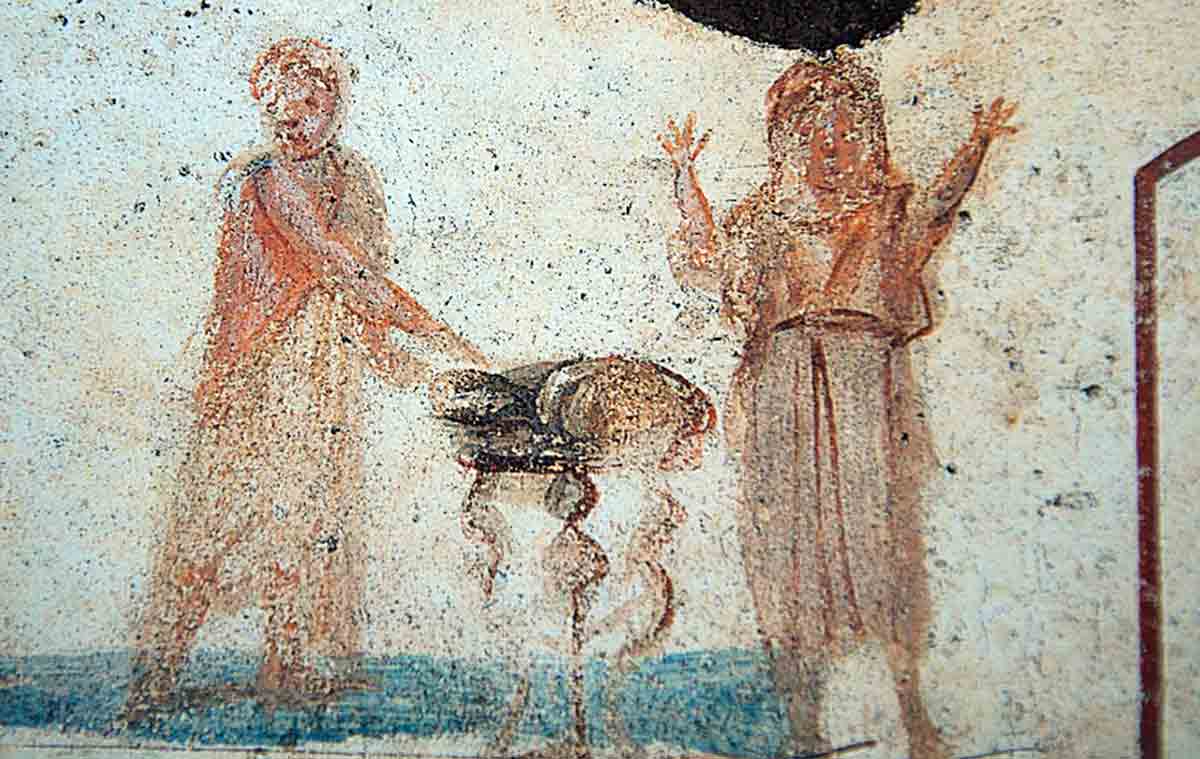
While the Roman approach to religion meant that they were able to absorb new gods into their pantheon, this was also why Christianity was unacceptable. The Christian faith required exclusive worship of the Christian god and considered the worship of other deities to be idolatry.
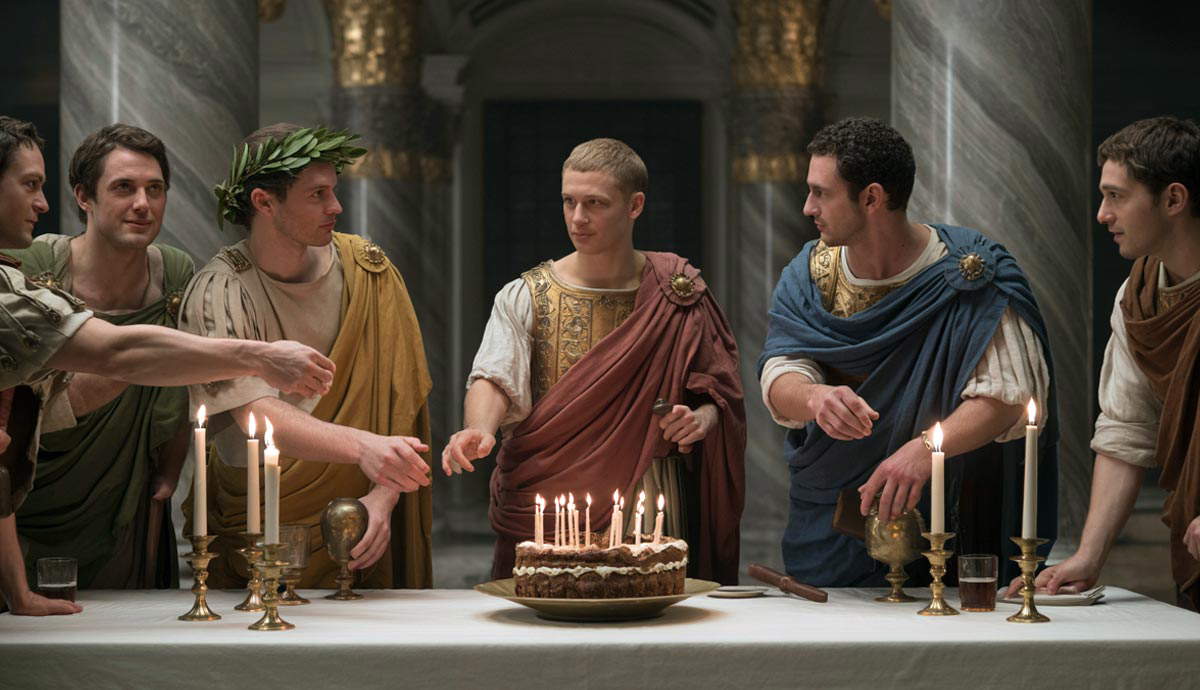
Therefore, the Christian crime was not that they worshiped an unacceptable god, but that they refused to pay proper homage to the established gods. From the Roman perspective, this put the favor of the gods on which the prosperity of the Empire relied at risk. This became an even greater crime as the imperial cult, worship of the Roman emperor, became an increasingly important part of maintaining loyalty across the Empire. Their refusal to make imperial cult sacrifices was tantamount to treason, leading to persecution.
This is clearly revealed in the letters (10.96-97) of Pliny the Younger as governor of Bithynia-Pontus to the emperor Trajan. Pliny tested Christians by demanding that they offer wine and incense to statues of the Roman gods and the image of the emperor. In his response, Trajan agrees that while Christians should not be actively “hunted out,” this was a reasonable test of loyalty.
The Question of Judaism
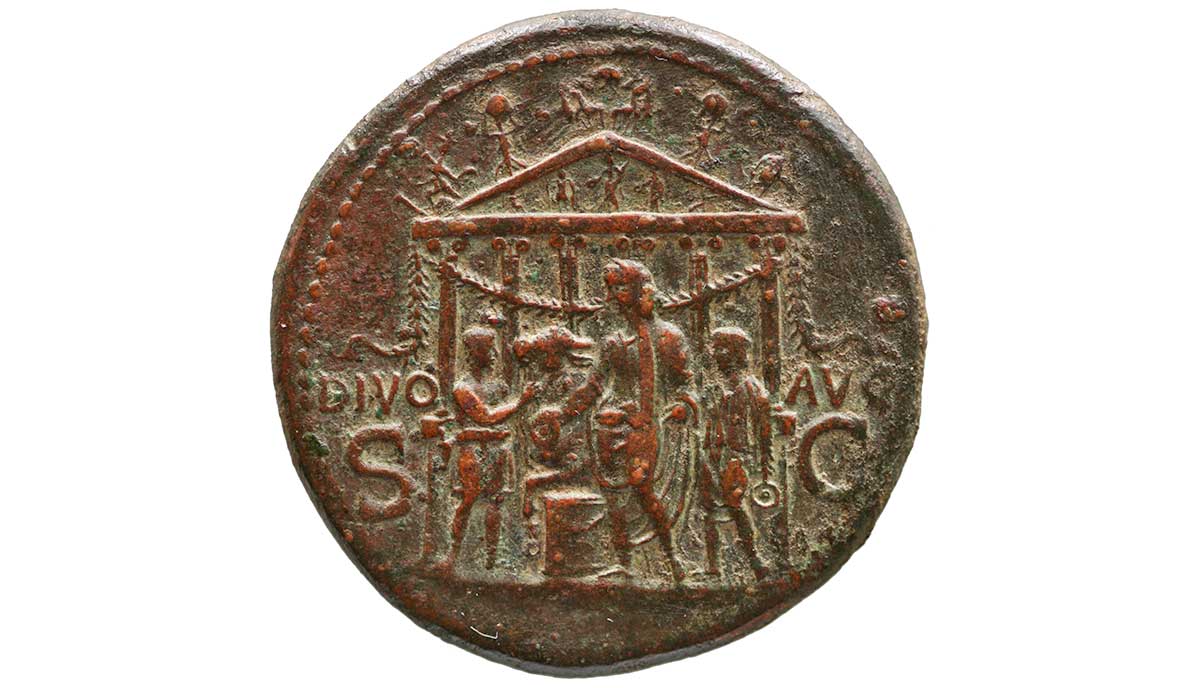
While Judaism was also monotheistic, it was more acceptable to the Romans. It was a faith of a specific ethnic group, and unlike Christianity, there was little threat of it spreading to other parts of the population. Moreover, the Jews conducted sacrifices to their god at the temple in Jerusalem, so the Romans could see that they were active in their faith in a familiar way. Christians did not make animal sacrifices, considering the crucifixion of Christ the final sacrifice. This is why Christians faced accusations of atheism while Jews did not.
But that is not to say that there was never any friction between the Romans and the Jews. Reportedly, during the reign of Gaius Caligula, there were clashes between Jews and pagans in provinces with large Jewish communities, such as Egypt and Syria. Reportedly, pagans were upset that the Jews refused to make the standard sacrifices to the gods for the prosperity of Rome. In response, statues of the emperor were set up in synagogues in those provinces. Eventually, in AD 40, Gaius ordered his statue erected in the main temple in Jerusalem. Realizing that this would be incendiary, the Syrian governor and Judean client king may have talked the emperor out of this action, or he died, and the plan was abandoned.
The move seems to have been sufficiently controversial that, in AD 41, the new emperor Claudius wrote an open letter to the Alexandrians explicitly refusing a golden statue of himself, lest it be considered too offensive.