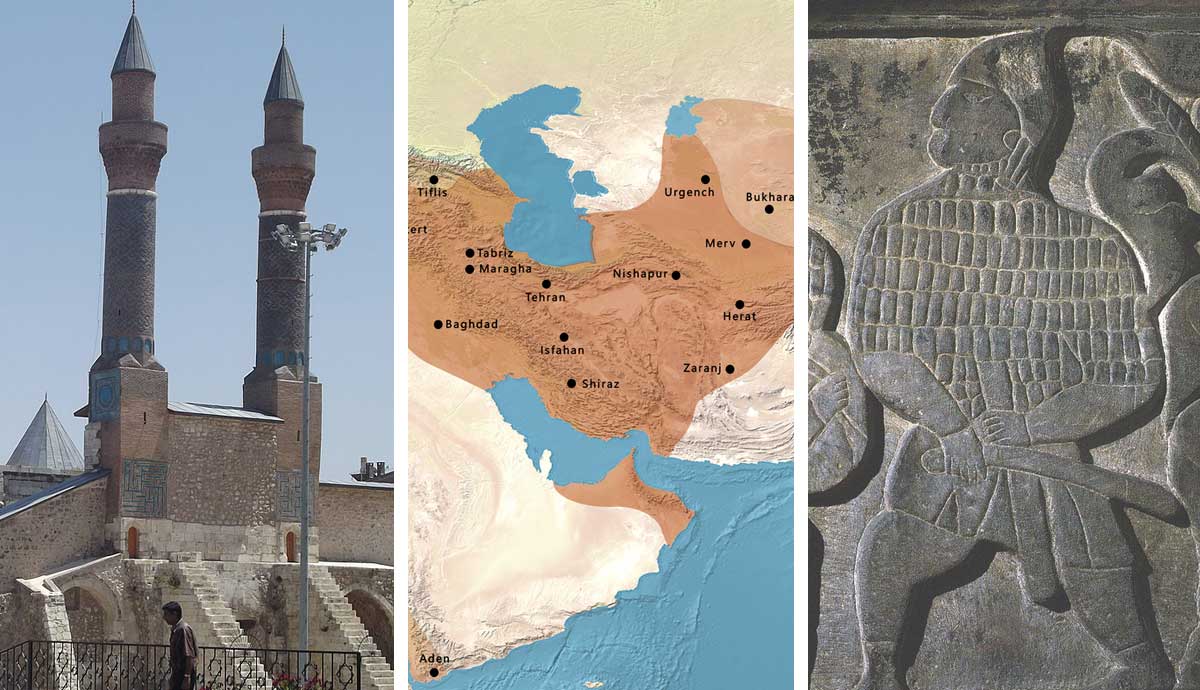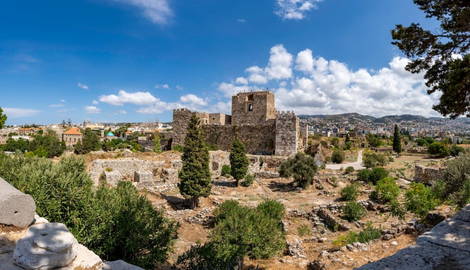

Ancient cities are windows into civilizations that shaped the world. From bustling Silk Road capitals to royal medieval metropolises, these cities reveal centuries of culture, architecture, and history. Some have been abandoned, others repurposed, but all endure in stone, street, and temple. Today, visitors can walk through these remarkable sites and experience the lives of the people who built them. Here are ten ancient cities you can still visit today.
1. Merv, Turkmenistan, c. 6th Century BC
Nestled in Turkmenistan’s Karakum Desert, Merv stands as a testament to over 4,000 years of human history. Once a vibrant hub on the Silk Road, it flourished under various empires, notably reaching its zenith in the 12th century as the Seljuk Empire’s capital.
Today, the State Historical and Cultural Park “Ancient Merv” preserves its rich legacy. Visitors can explore the Sultan Sanjar Mausoleum, an architectural marvel commemorating the revered Seljuk ruler.
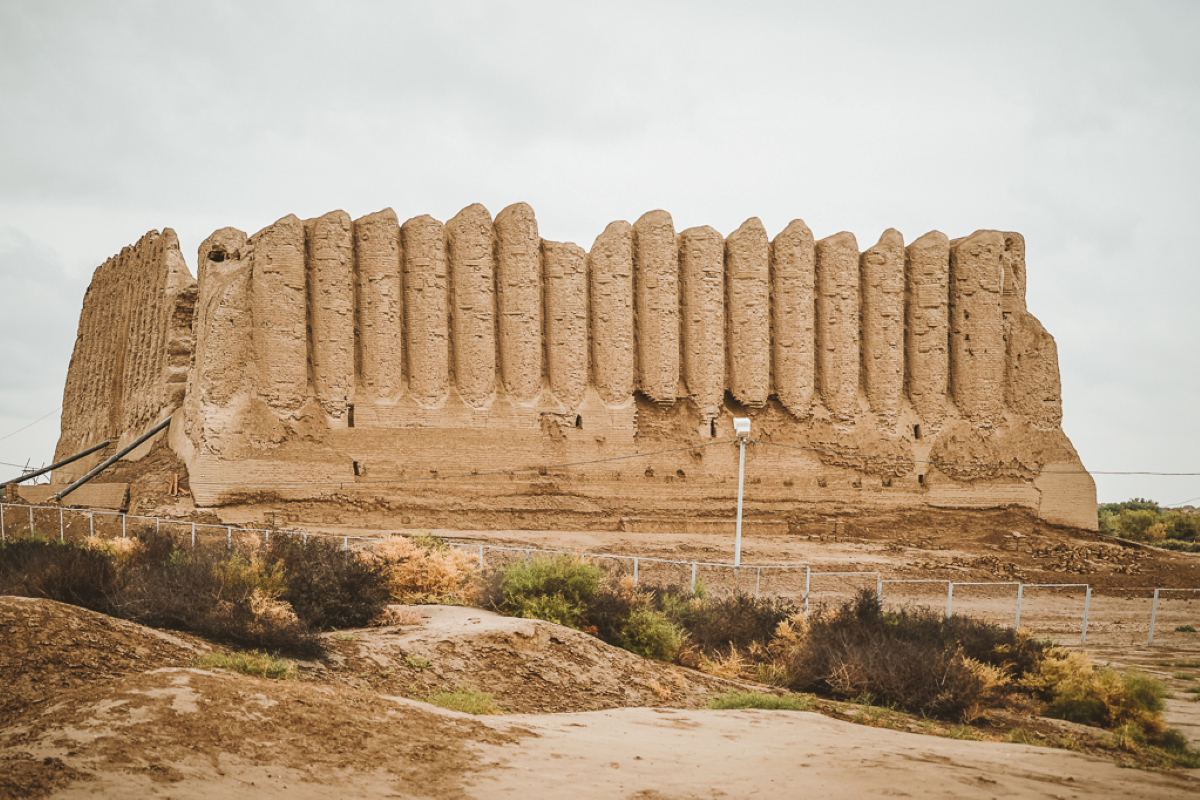
The Great Kyz Kala, with its distinctive corrugated walls, offers insight into the region’s unique construction techniques. Additionally, the ancient fortresses of Erk Kala and Gyaur Kala provide glimpses into Merv’s strategic significance through the ages.
2. Hattusa, Turkey, c. 1600 BC
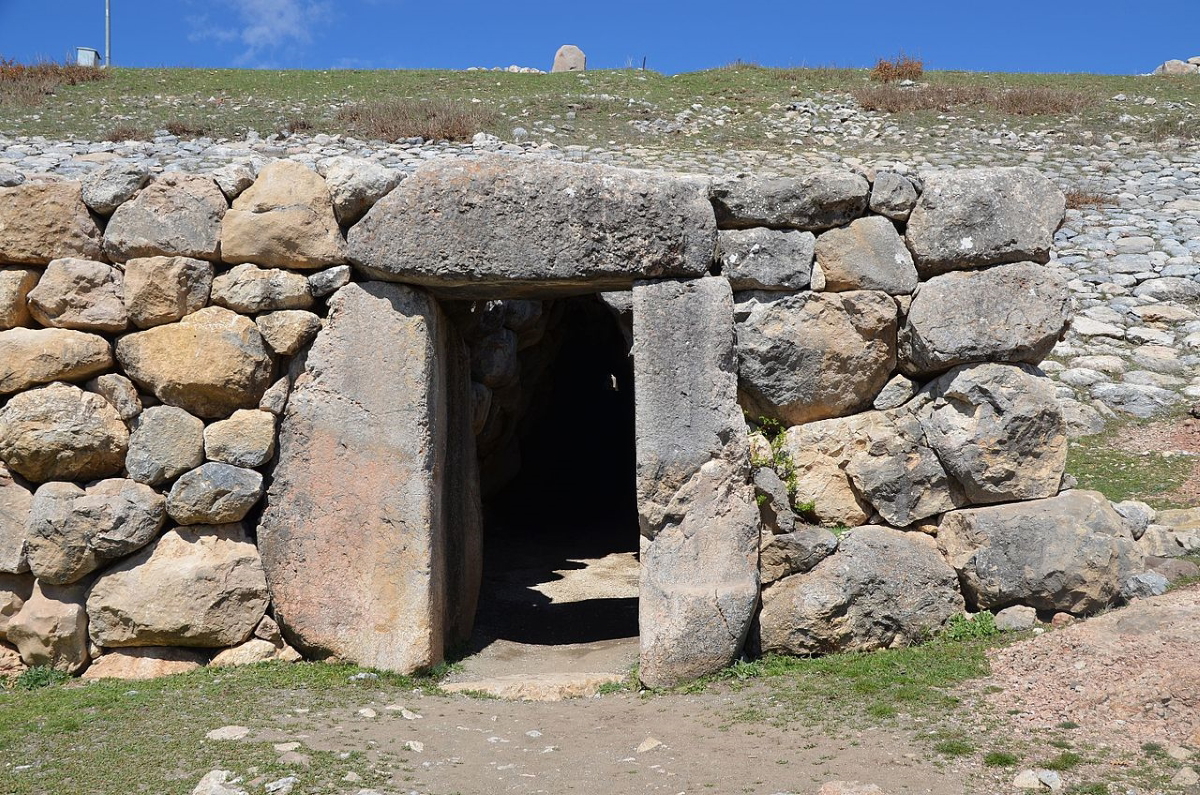
Hattusa, the ancient capital of the Hittite Empire, was established around 1600 BC in what is now central Turkey. Once a major power in the Bronze Age, the city controlled vast territories and rivaled Egypt in diplomacy, warfare, and culture. It was a hub of administration, trade, and religious activity until its decline around 1200 BC.
You can explore its fortified walls, which once enclosed an advanced urban center. The Lion Gate, with its still-standing stone sculptures, marks the entrance to what was once a thriving metropolis. The Great Temple, a central site of Hittite worship, provides insight into the empire’s religious traditions.
Just outside the main city, Yazılıkaya, an open-air rock sanctuary, displays intricate carvings of Hittite gods, offering a rare glimpse into their mythology.
3. Ani, Turkey, c. 5th Century AD
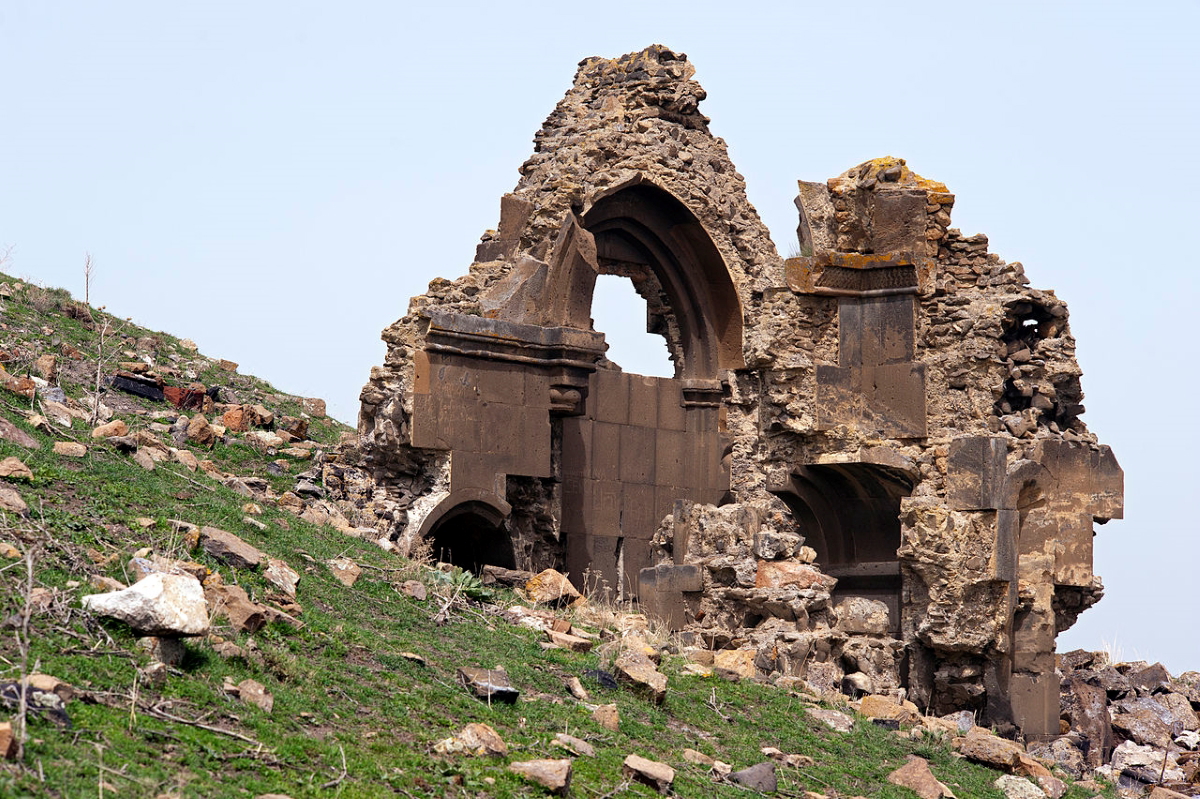
Ani, once a flourishing medieval capital, now lies in quiet isolation along Turkey’s border with Armenia. Founded in the 5th century AD, it grew into a formidable city under the Bagratid Armenian kings, reaching its peak in the 10th and 11th centuries.
At its height, Ani was a center of trade and culture, rivaling Constantinople and Cairo with its wealth and architectural marvels. Today, the echoes of its past remain in the skeletal remains of its churches, walls, and streets.
What makes Ani remarkable is its extensive collection of medieval Armenian architecture, preserved despite centuries of abandonment. The Cathedral of Ani, designed by the famed architect Trdat, still stands with its massive dome partially intact. The city walls, once an imposing defense against invaders, stretch along the landscape, giving visitors a sense of the grandeur that once defined Ani.
4. Thanjavur, India, c. 4th Century AD
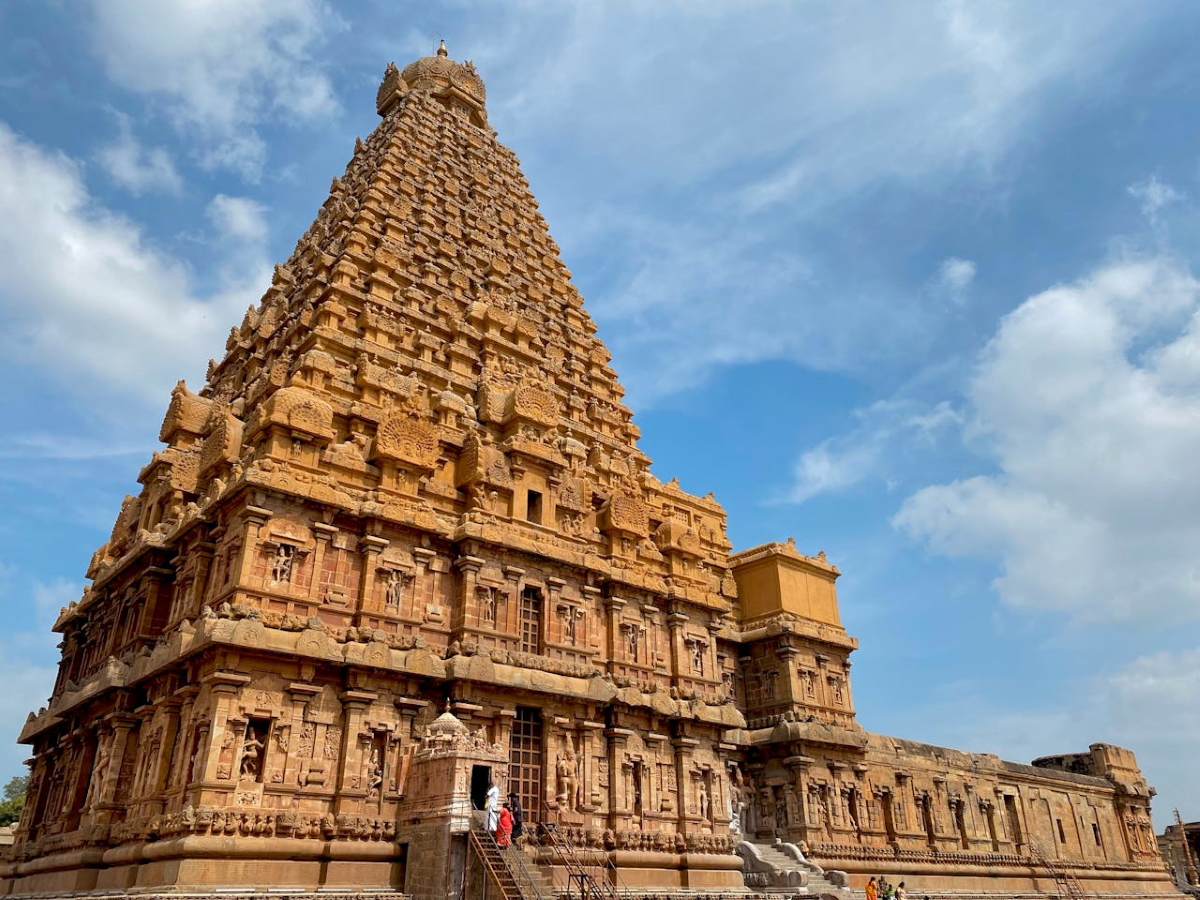
Thanjavur, one of India’s most historic cities, is not a forgotten ruin or a relic of a lost civilization. It is a city that has carried its legacy forward for over 1,600 years. Established in the 4th century AD, it became the beating heart of Tamil culture under the Chola dynasty, which ruled much of South India. Unlike other ancient cities frozen in time, Thanjavur remains vibrant, blending its deep historical roots with the rhythms of modern life.
At its core stands the Brihadeeswarar Temple, a masterpiece of Chola architecture commissioned by Rajaraja I in the 11th century. Towering over the city, its 66-meter vimana (tower) is crowned by a massive granite capstone, a feat of engineering that continues to puzzle historians. Inside, elaborate frescoes and inscriptions narrate centuries of devotion and power.
Beyond the temple, Thanjavur’s Royal Palace Complex houses a vast collection of artifacts, including ancient scripts and statues, offering a window into its regal past. Thanjavur is also the birthplace of the Tanjore painting tradition, home to skilled artisans crafting veena instruments, and a hub for Carnatic music.
5. Byblos, Lebanon, c. 5000 BC
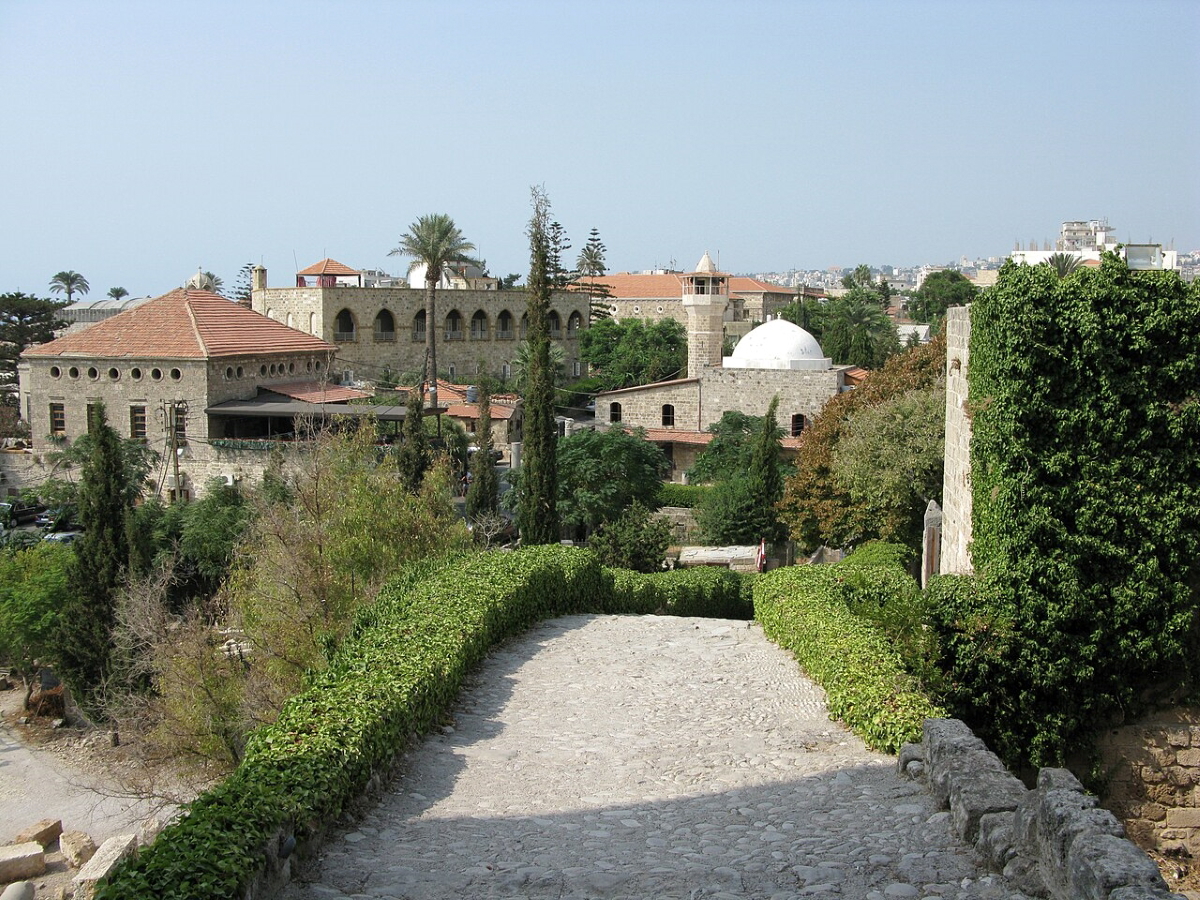
Byblos is one of the world’s oldest continuously inhabited cities. Founded around 5000 BC, it has witnessed the rise and fall of empires, from the Phoenicians to the Romans and beyond. This was the city that gave the world the alphabet. The Phoenicians developed early writing systems here that influenced Greek and Latin scripts.
Strolling through the Byblos Archaeological Site, you’ll see remnants of civilizations stacked upon one another: Neolithic dwellings, Phoenician temples, a Roman amphitheater, and a Crusader-era castle that still stands watch over the Mediterranean. The harbor, once filled with Phoenician ships laden with cedar wood, is now lined with cafés and fishing boats, offering a rare chance to experience history in motion.
6. Nisa, Turkmenistan, c. 3rd Century BC
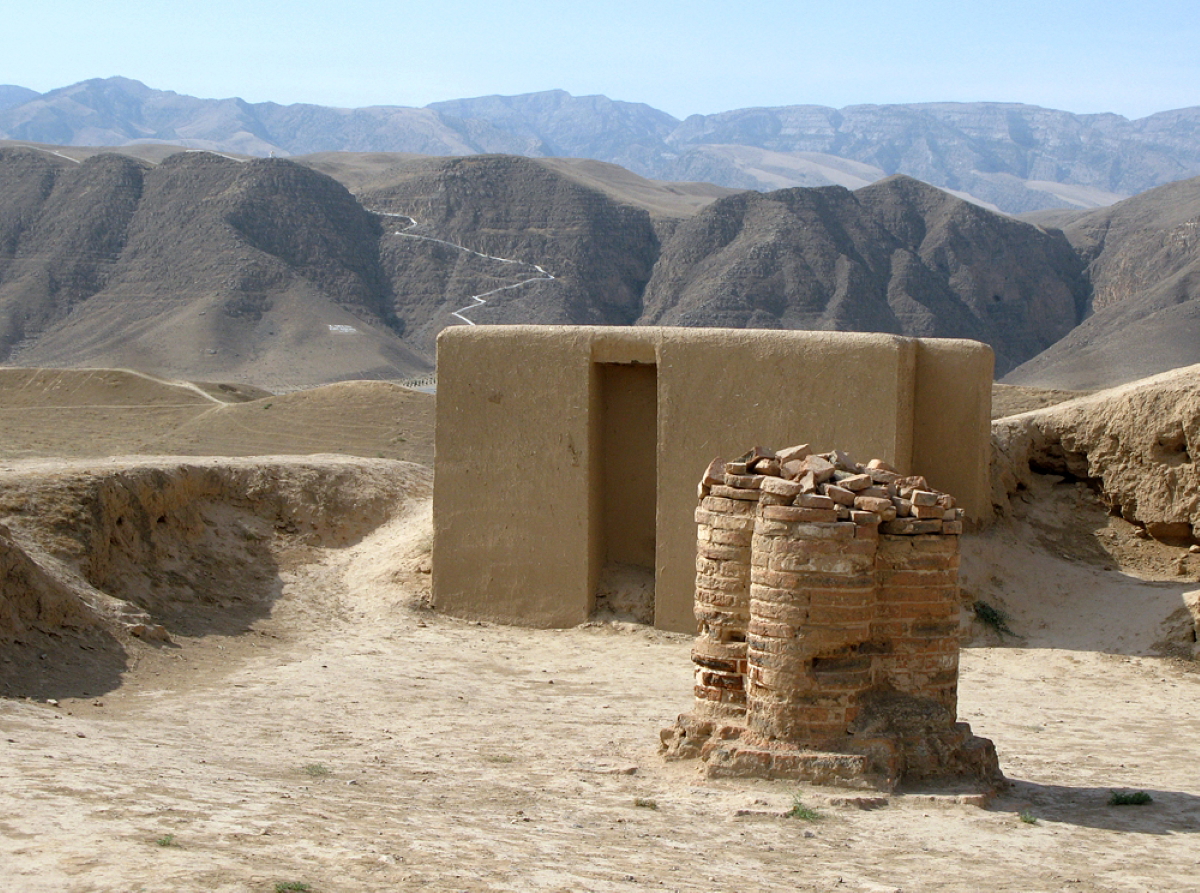
Nisa doesn’t have the grand fame of Rome or Athens, but what it lacks in renown, it makes up for in significance. Founded in the 3rd century BC, it was the first capital of the Parthian Empire, a civilization that rivaled the might of the Romans. Nisa was once a royal stronghold, home to lavish palaces, towering temples, and vast wine cellars storing the empire’s finest.
Unlike many ancient cities that sprawled outward, Nisa was built as a fortress. The mudbrick walls, thick and imposing, still stand in defiance of time. Within them, archaeologists have uncovered priceless ivory rhytons: elaborate drinking vessels adorned with Greek-inspired motifs, proving that Nisa was not just a military center but also a melting pot of cultures.
The city’s fire temples, once blazing with eternal flames, hint at the deep spiritual traditions of the Parthians. Today, Nisa is quiet, its ruins softened by the desert winds.
7. Aizanoi, Turkey, c. 3rd Century BC
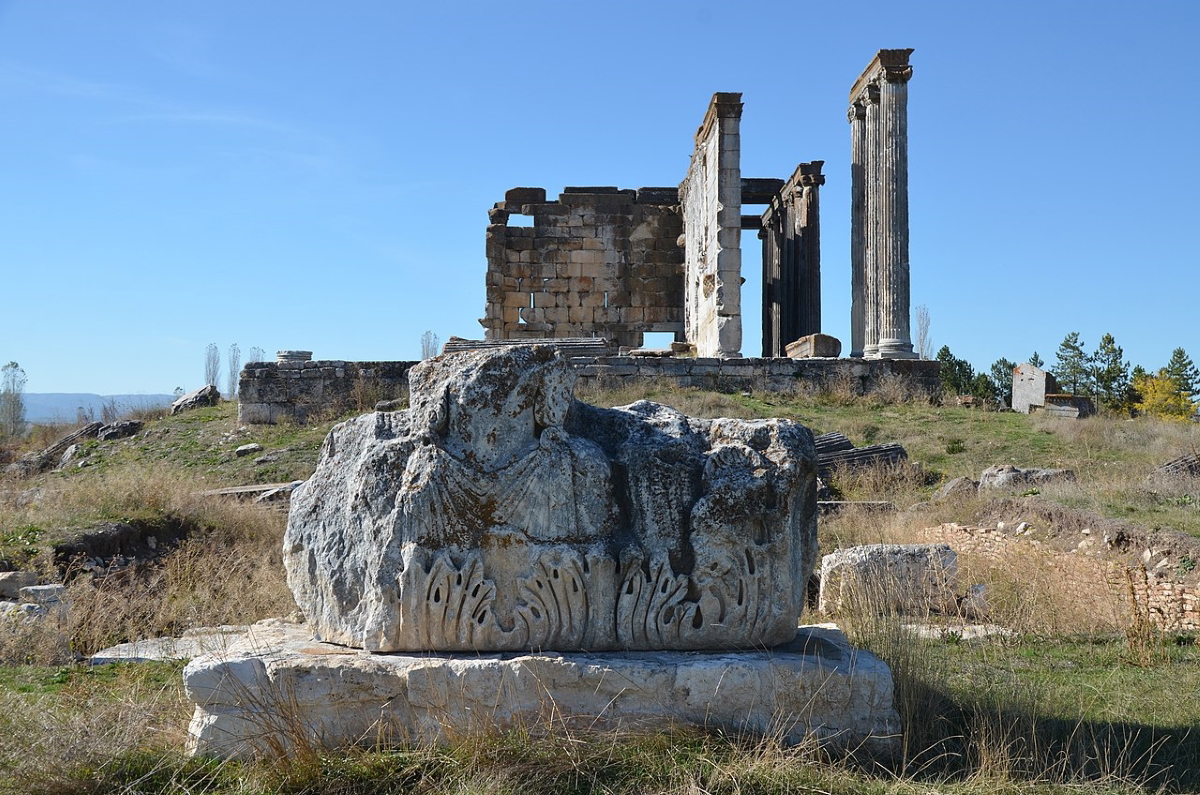
If Aizanoi were anywhere else, it would be world-famous. But history is strange like that; some places get forgotten, no matter how grand they once were. Founded in the 3rd century BC, this city thrived under Greek, then Roman rule, yet somehow slipped through the cracks of time. Now, it sits in the Turkish countryside, barely touched, its ruins more real, more raw than the polished sites tourists usually flock to.
At its heart stands the Temple of Zeus, its columns still defying gravity. But Aizanoi isn’t just about one temple. This place had it all, an 8000-seat theater right next to a colossal stadium, a combination found nowhere else in the ancient world. It had the oldest known stock exchange, where traders literally set prices in stone. And the Roman bridges are still standing and still in use.
8. Timgad, Algeria, c. 100 AD
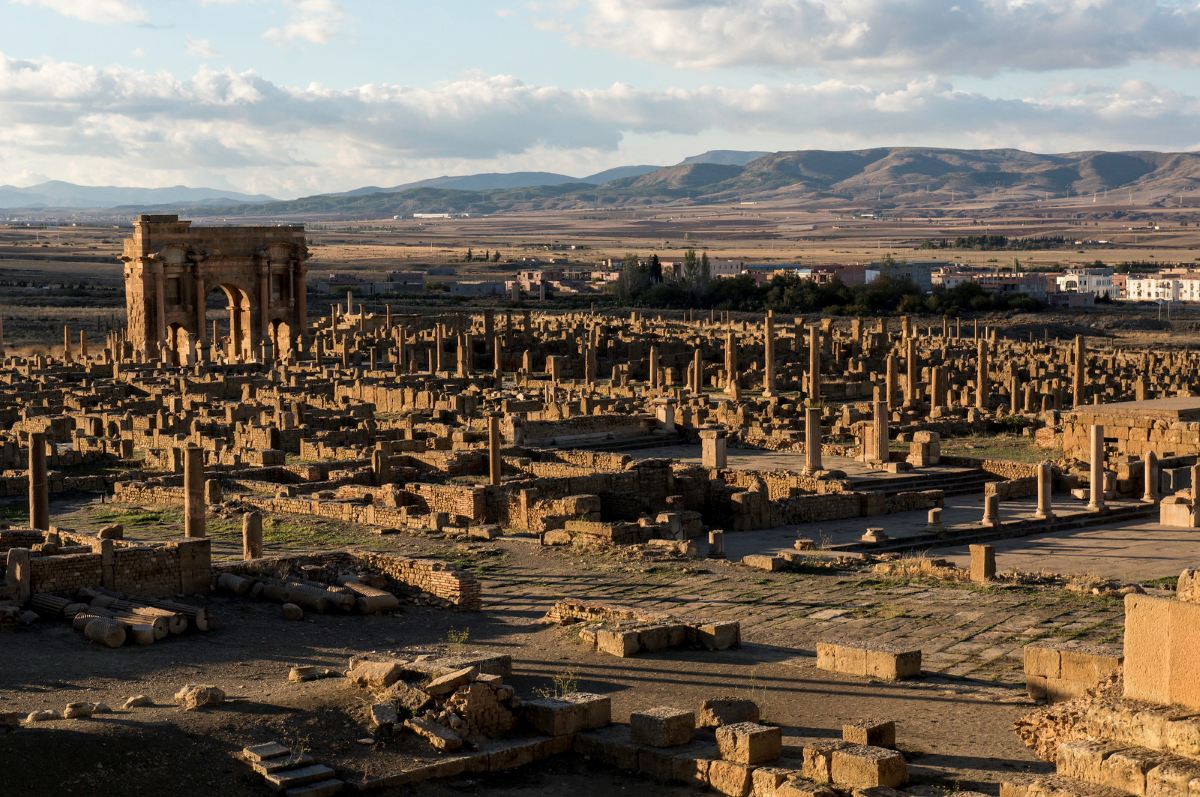
Established around 100 CE by Emperor Trajan, this Roman colony in modern-day Algeria was a textbook example of urban planning. Wide, straight streets form a perfect grid, intersecting at right angles like a life-size blueprint of Rome’s ambition. It wasn’t a military outpost, nor a fortress. It was a city built for comfort, luxury, and, of course, Roman order.
The Arch of Trajan, still standing tall, once welcomed merchants, scholars, and politicians. The forum, once alive with debates and deals, is eerily silent now, but its layout still speaks of Roman efficiency. The theater, with seating for 3,500 spectators, is so well-preserved that performances could be held there today. And there’s a Roman library, its stone shelves still hinting at the scrolls that once lined them.
Timgad is proof of how Rome’s reach extended far beyond Italy. Sand buried the city for centuries, preserving it better than any museum ever could. Now, it’s back in the open, a near-perfect snapshot of a world that once was.
9. Gerasa, Jordan, c. 331 BC
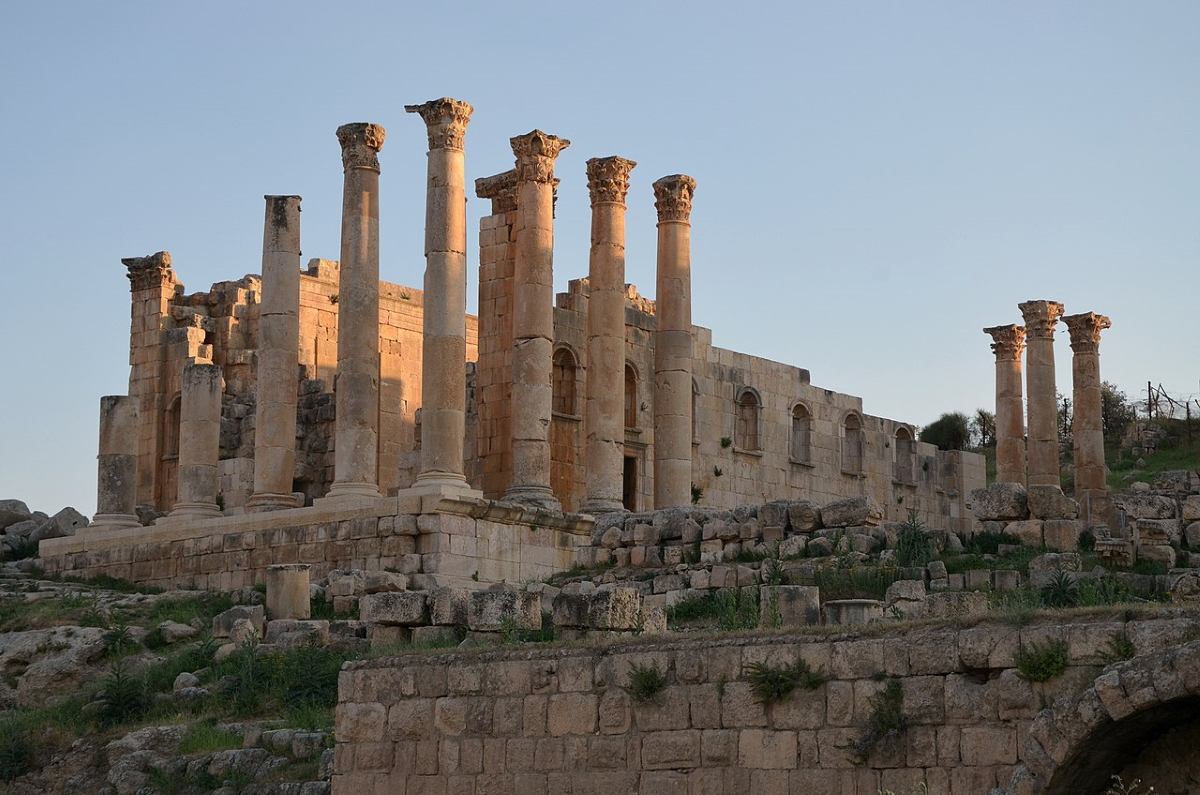
Most ancient cities crumble, their streets reduced to dust, their monuments looted or lost. But Gerasa, now known as Jerash, is different. Founded around 331 BC, this city somehow survived conquests, earthquakes, and centuries of abandonment, only to reemerge as one of the best-preserved Greco-Roman cities in the world.
Unlike ruins that require imagination to fill in the gaps, Gerasa still feels like a city. Its colonnaded streets stretch into the horizon, flanked by towering Corinthian columns that haven’t fallen. The Oval Plaza, an architectural marvel of symmetry and balance, remains as grand as the day it was built.
The Temple of Artemis, dedicated to the city’s patron goddess, still stands, its massive pillars daring time to break them. Even the chariot-racing hippodrome is intact enough to host reenactments of Roman spectacles.
What makes Gerasa different is that it never disappeared. It wasn’t buried like Pompeii, nor lost to time like Babylon. It simply waited, its stones standing firm, its roads still leading somewhere.
10. Sukhothai, Thailand, c. 1238 AD
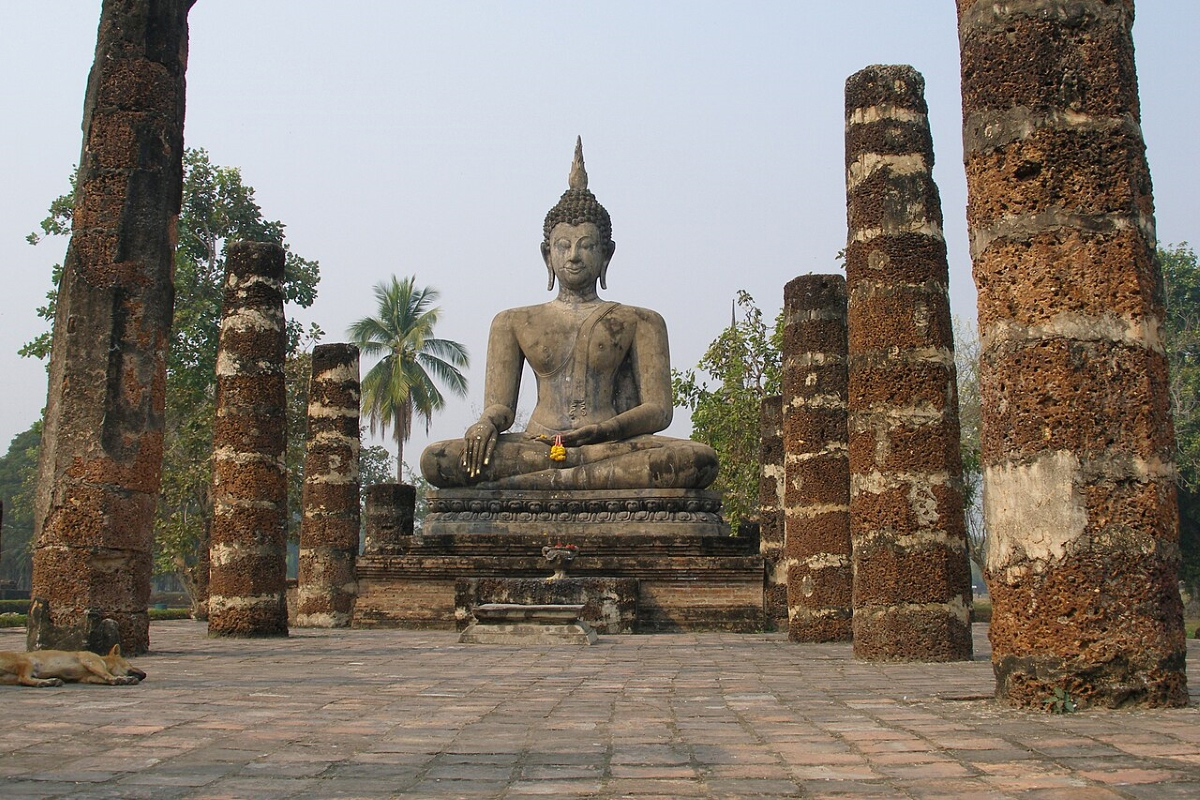
Sukhothai is where Thai identity took shape. Founded in 1238 AD, it was the first capital of the Kingdom of Sukhothai, laying the foundations for Thai art, language, and culture.
What’s left today? Not a crowded metropolis, but a sprawling open-air museum. The Sukhothai Historical Park is a place where 700-year-old Buddha statues still sit in quiet meditation, where lotus-filled moats reflect the outlines of once-mighty stupas.
Wat Mahathat, the kingdom’s spiritual core, still dominates the landscape, while the massive seated Buddha of Wat Si Chum seems to watch over everything with an expression of timeless calm.
Ancient Cities You Can Still Visit Today (Quick Reference)
| Ancient city | Location | Civilization | Date | Why it matters |
| Merv | Turkmenistan | Seljuk Empire (Silk Road hub) | c. 6th century BC | A thriving Silk Road metropolis with remarkable desert fortresses |
| Hattusa | Turkey | Hittite | c. 1600 BC | Capital of a powerful Bronze Age empire with iconic Lion Gate and temples |
| Ani | Turkey | Bagratid Armenia | c. 5th century AD | Medieval Armenian city with stunning churches and massive defensive walls |
| Thanjavur | India | Chola Dynasty | c. 4th century AD | Living city centered around the Brihadeeswarar Temple and Tamil culture |
| Byblos | Lebanon | Phoenician | c. 5000 BC | One of the oldest continuously inhabited cities; birthplace of the alphabet |
| Nisa | Turkmenistan | Parthian | c. 3rd century BC | First capital of the Parthian Empire with palaces, temples, and fire shrines |
| Aizanoi | Turkey | Greek / Roman | c. 3rd century BC | Rarely visited city with a Temple of Zeus, theater, stadium, and stock exchange |
| Timgad | Algeria | Roman | c. 100 AD | Exceptionally preserved Roman city with grid layout, theater, and library |
| Gerasa | Jordan | Greco-Roman | c. 331 BC | One of the best-preserved Greco-Roman cities, with colonnades, temples, and plazas |
| Sukhothai | Thailand | Sukhothai Kingdom | c. 1238 AD | Birthplace of Thai identity with open-air historical park and 700-year-old Buddha statues |