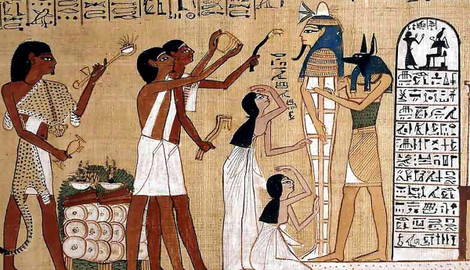

If you stepped inside an ancient Egyptian Wabet embalming house, the air would have felt thick with the scent of frankincense and myrrh, laced with the sharp, salty tang of natron. This is where priests, led by an embalmer wearing the jackal mask of Anubis, prepared the bodies of the dead for their journey into the afterlife. The purpose was to preserve the body and transform it into a Sah, an eternal vessel to anchor the soul in the eternal Duat. What exactly was involved in the gruesome surgery and holy sacrament of mummification? Learn how mummies were made.
The Extraction: Clearing the Vessel
While Egypt’s earliest mummies, from prehistoric times, were probably accidental due to the dry air and sand, by 2600 BC, intentional mummification had become part of Egypt’s culture. The practice continued to develop over the next two thousand years. The best-preserved mummies date to the New Kingdom (c. 1570-1075 BC), and the Egyptian mummification process described belongs to that period.
The entire process took 70 days and was carried out by specialist priests who combined ritual practice with expert technical knowledge. The first step was to extract the organs that decay first for separate preservation outside the body.
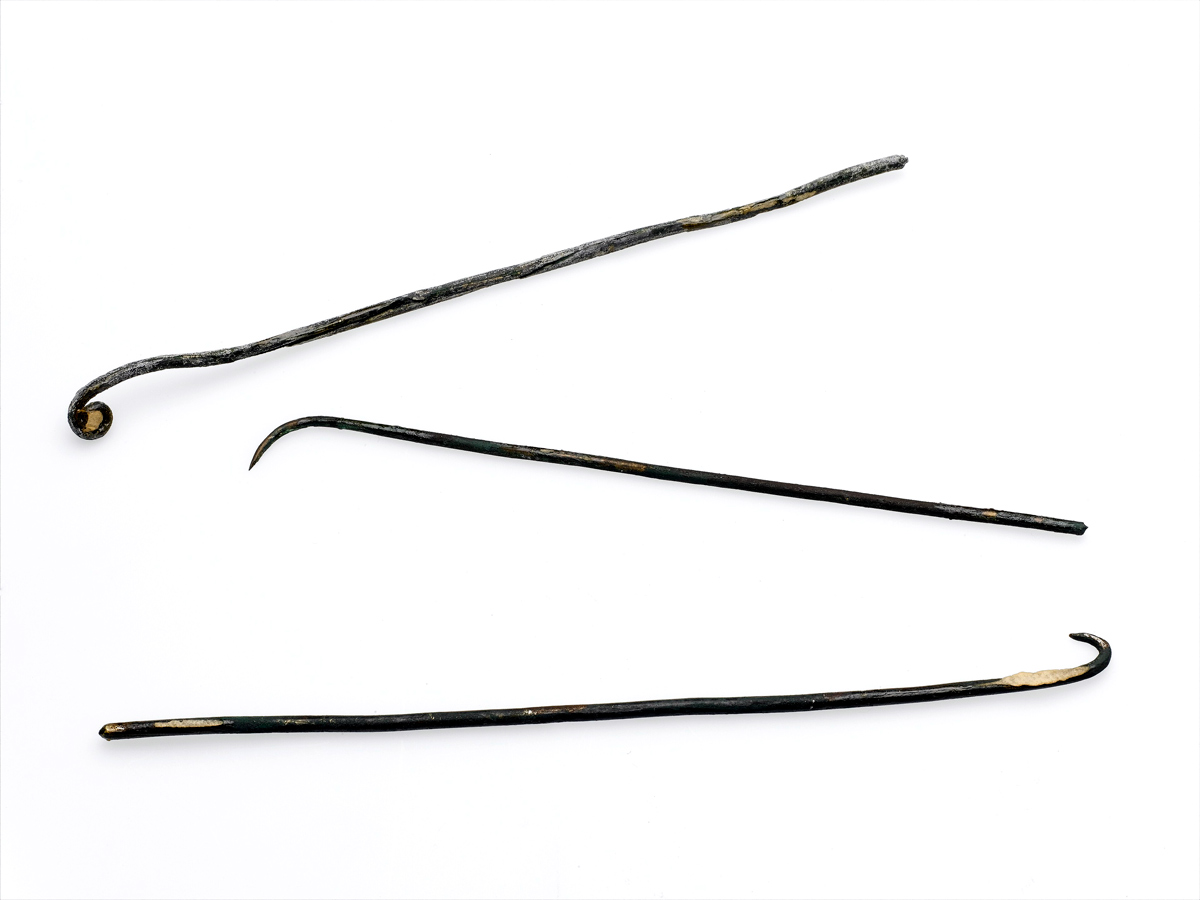
Starting with the brain, a special bronze hooked instrument was inserted through the nostrils. It was moved around in the brain cavity to liquefy the brain, allowing it to be drawn out through the nose. While it sounds brutal, the brain had to be liquified so that it could be removed without disfiguring the face. The brains were discarded. Unlike the other parts of the body, the brain was not considered essential.
A priest then made an incision on the left side of the abdomen with an obsidian knife to remove the stomach, intestines, lungs, and liver. While the Egyptians had bronze knives, they preferred stone. It could be flaked to create a sharper blade, and it was considered better for ritual purity. The Egyptians believed that the body needed to remain intact to serve the person in the afterlife. To overcome this taboo, other priests would shout curses at the designated cutter to symbolically “punish” him for damaging the body.
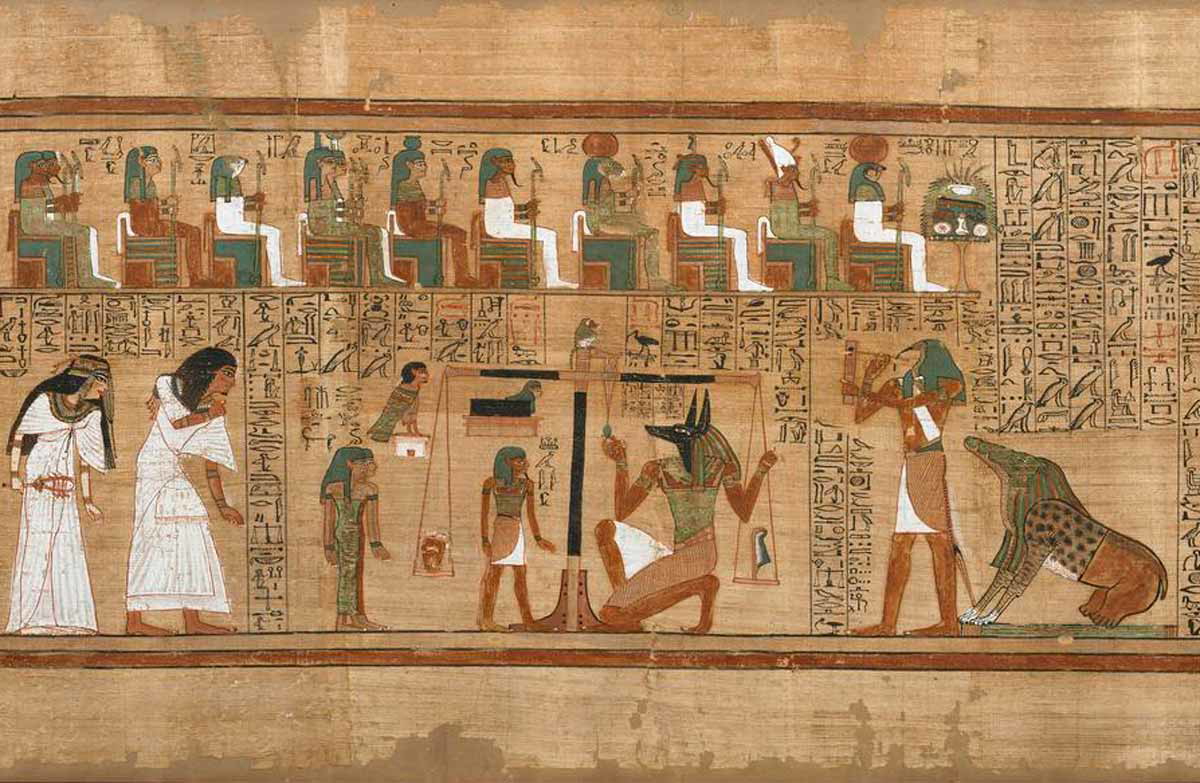
The heart, called the Ib, was left in place. It was considered the center of the personality and the witness to the person’s life. It had to stay in the body so that it could be weighed against the feather of Ma’at during the Weighing of the Heart Ceremony to gain access to the afterlife.
The Chemistry of Natron: The 40-Day Desiccation
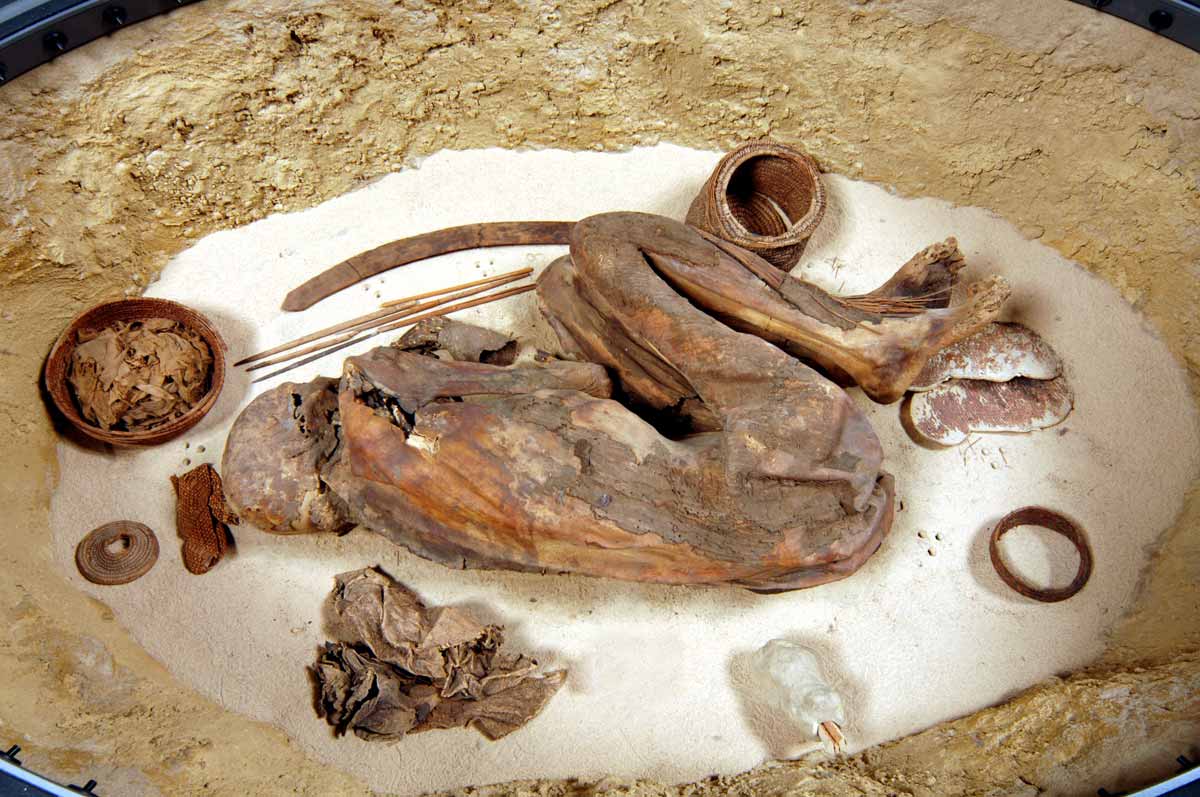
The next step was to remove all the moisture from the body to prevent decay through natron mummification. When the earliest mummies were made, this process had not yet been mastered. Consequently, when the mummy was wrapped, moisture was trapped inside, speeding up decay.
Desiccation was achieved with natron, a natural salt mixture that includes sodium carbonate, sodium bicarbonate, sodium chloride, and sodium sulfate. Natron packets were placed inside the body, and then the body was buried in a dry bed of natron salts. It was left for 40 days, during which the natron killed bacteria and turned natural fats into a soapy substance. The packets were then removed, and the natron washed off the body.
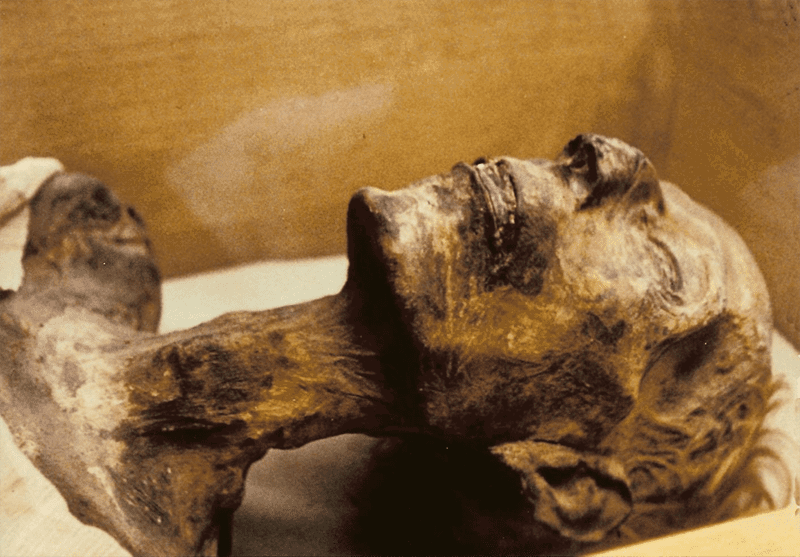
When the natron was removed, the body was cleansed, first with water from the Nile, the sacred lifeblood of the Egyptian people. The ritual surrounding this cleansing mimicked the sun god emerging from the primordial waters of chaos at the start of creation. The skin was then moisturized and deodorized by being rubbed down with palm wine and herbs, including myrrh, cassia, and frankincense. The body was also plumped up with sawdust and linen rags soaked in resin.
There were many steps in the process of making the body look more lifelike. The nose was plugged with beeswax so that it would not collapse, and pads were placed under the eyelids to make them seem natural.
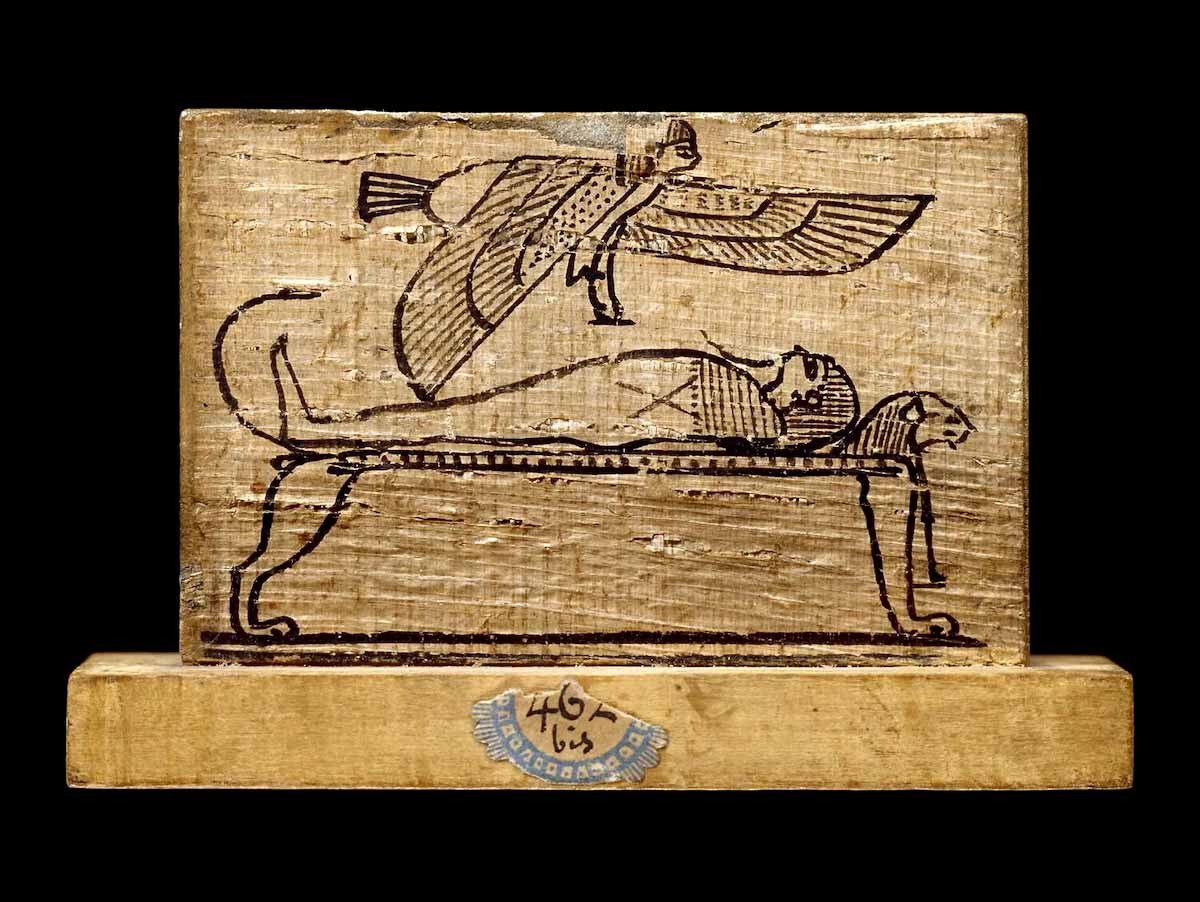
The body needed to be recognizable so that the Ba, the free part of the soul represented as a human-headed bird, could recognize the Sah, the spiritual body created through mummification.
The Four Sons of Horus: Guarding the Organs
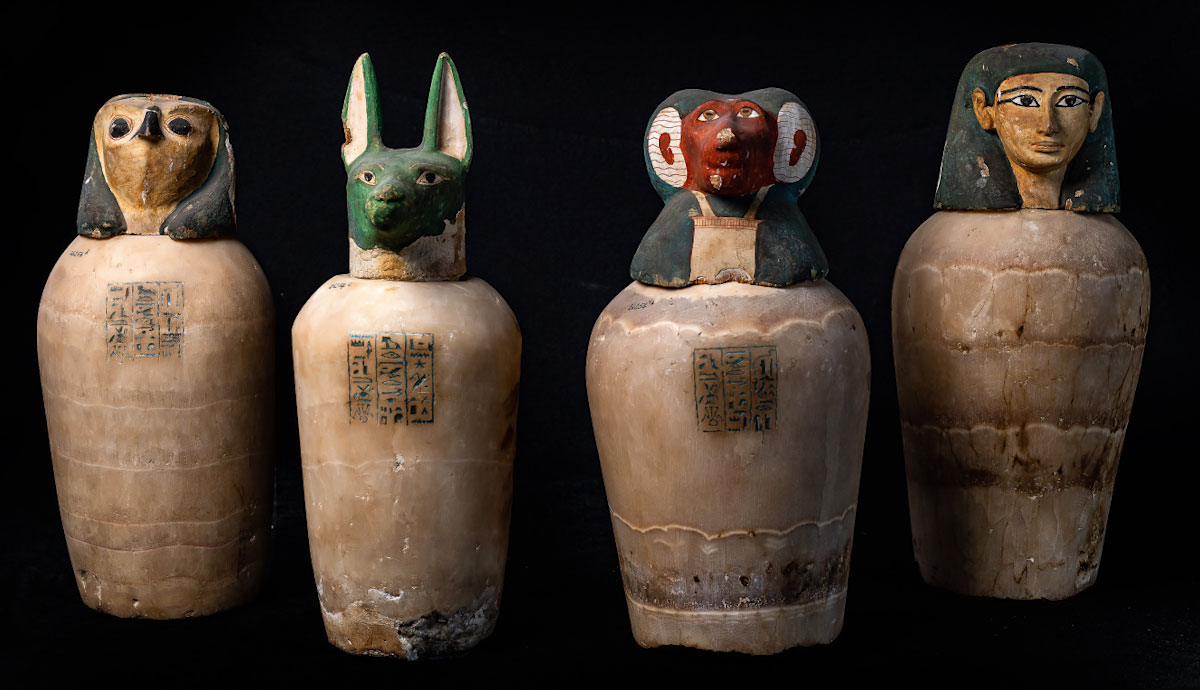
Unlike the brain, the other organs removed from the body were considered essential to preserve. They were also dried with natron and then stored in canopic jars that were interred with the body.
Because these organs were outside of the body, they were considered vulnerable to attack in the underworld. The purpose of the canopic jars was to protect the organs, and each jar was placed under the protection of one of the Four Sons of Horus, accompanied by a goddess. While the sons gave their heads to the canopic jars, the goddesses were depicted on the box that held them.
| Organ | Jar | God | Goddess |
| Liver | Human-Headed | Imsety | Isis |
| Lungs | Baboon-Headed | Hapy | Nephthys |
| Stomach | Jackal-Headed | Duamutef | Neith |
| Intestines | Falcon-Headed | Qebehseneuf | Serket |
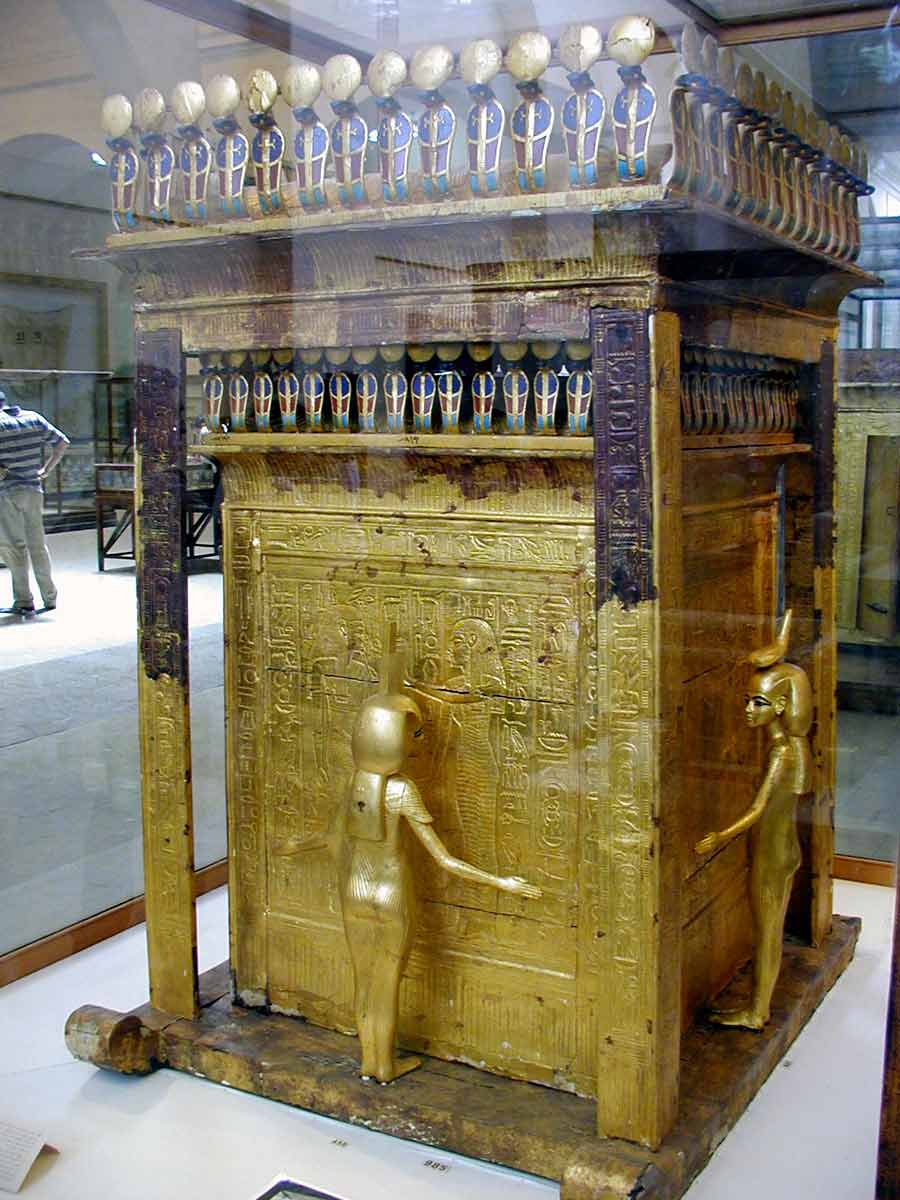
By the end of the New Kingdom, embalmers realized they could place the preserved organs back in the body, which not only kept the body more complete but also meant less risk of the organs being damaged by a broken jar. Nevertheless, the Egyptians continued to inter canopic jars with the deceased, carved from solid blocks of stone or wood.
The Wrapping: A Linen Labyrinth
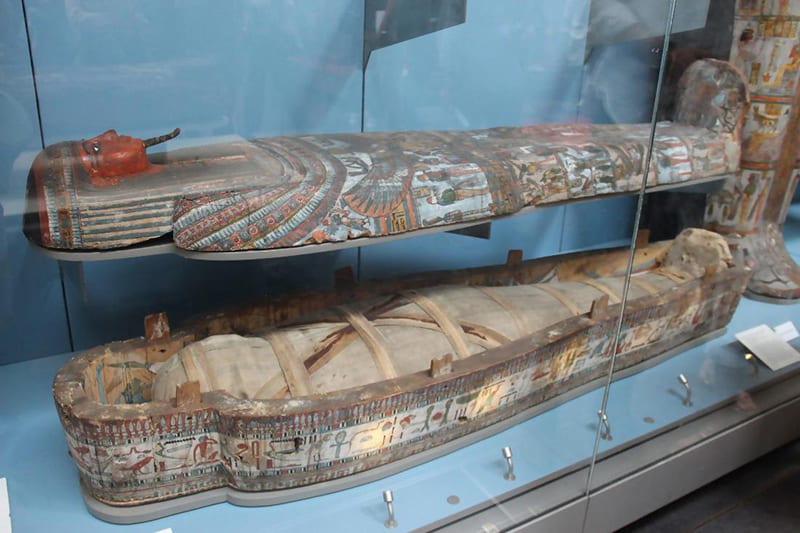
After being dried and washed, the mummy was ready to be wrapped in hundreds of yards of linen carefully wound around the body. Sometimes, each finger and toe was wrapped separately before being wrapped over as part of the entire hand or foot. Wrapping could take up to 15 days to complete.
To protect the person in the afterlife and give them the tools they needed to pass the tests of the underworld, including the Weighing of the Heart Ceremony, amulets, between 20 and 100, were included in the linen layers. Magical spells were also sometimes written on the linen strips.
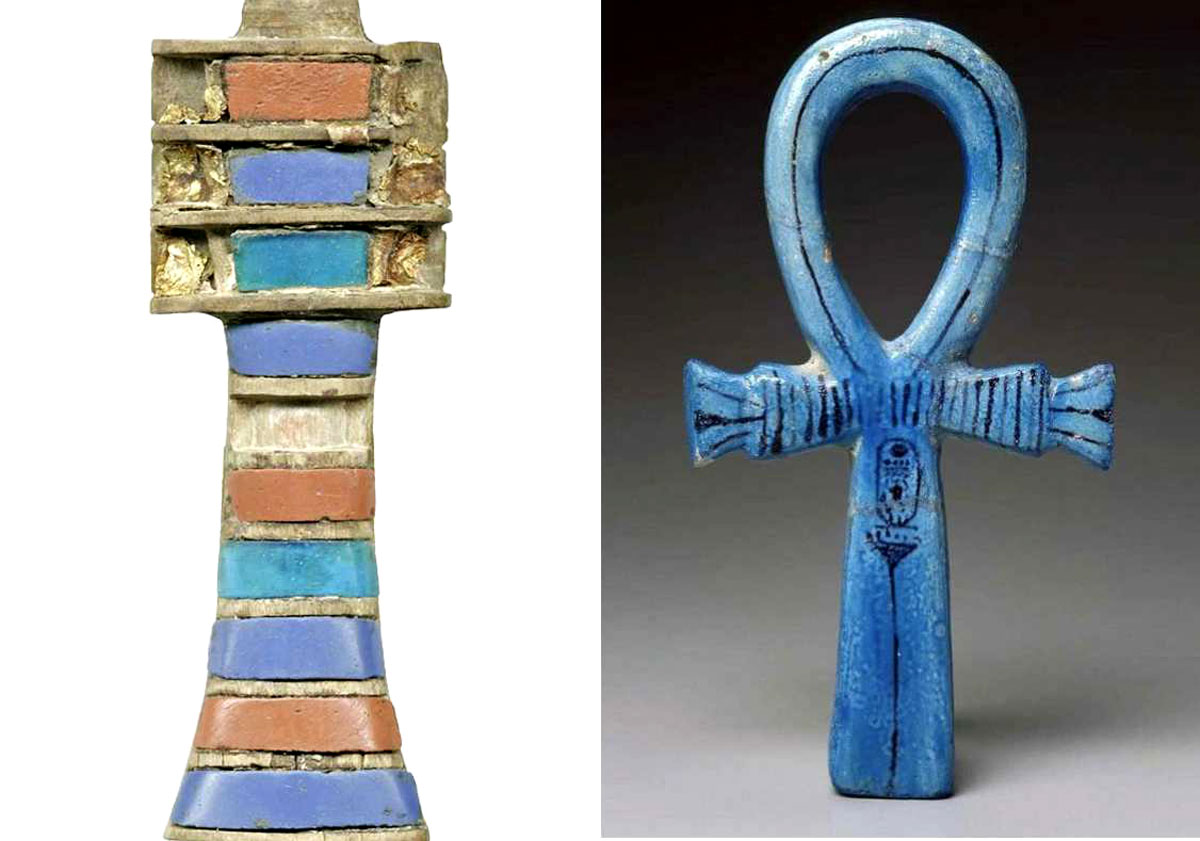
Some of the most frequently used Egyptian funerary amulets were the Wedjat or Eye of Horus, placed over the incision for the removal of the organs to magically heal the incision in the spiritual realm. The Djed Pillar was placed on the spine or lower back and represented the backbone of Osiris. An Ankh was placed in the mummy’s hand or placed directly over its mouth to allow the body to breathe normally.
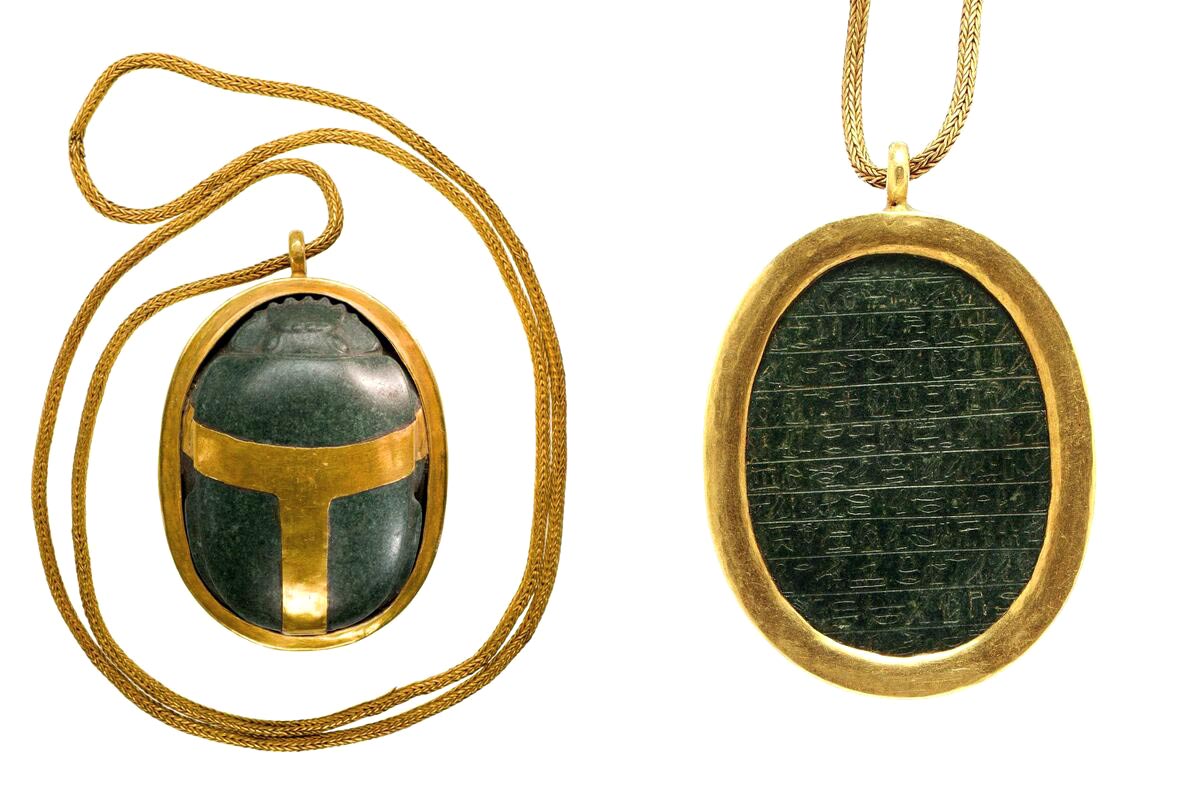
The heart scarab was placed directly on the chest over the mummy’s heart. It was made from green stone to match the green skin of Osiris, which represented both death and rebirth through agricultural fertility. It took the form of a scarab beetle, which represented resurrection. Dung beetles rolled balls across the sand and buried them for baby beetles to emerge. This process was connected with the god Khepri, who rolled the sun across the sky each day. The heart scarab guaranteed rebirth.
At several stages in the wrapping process, the linen was coated in warm adhesive resin until the final wrappings were secured with linen strips. The resin also provided waterproofing and created an airtight shell that aided in preservation.
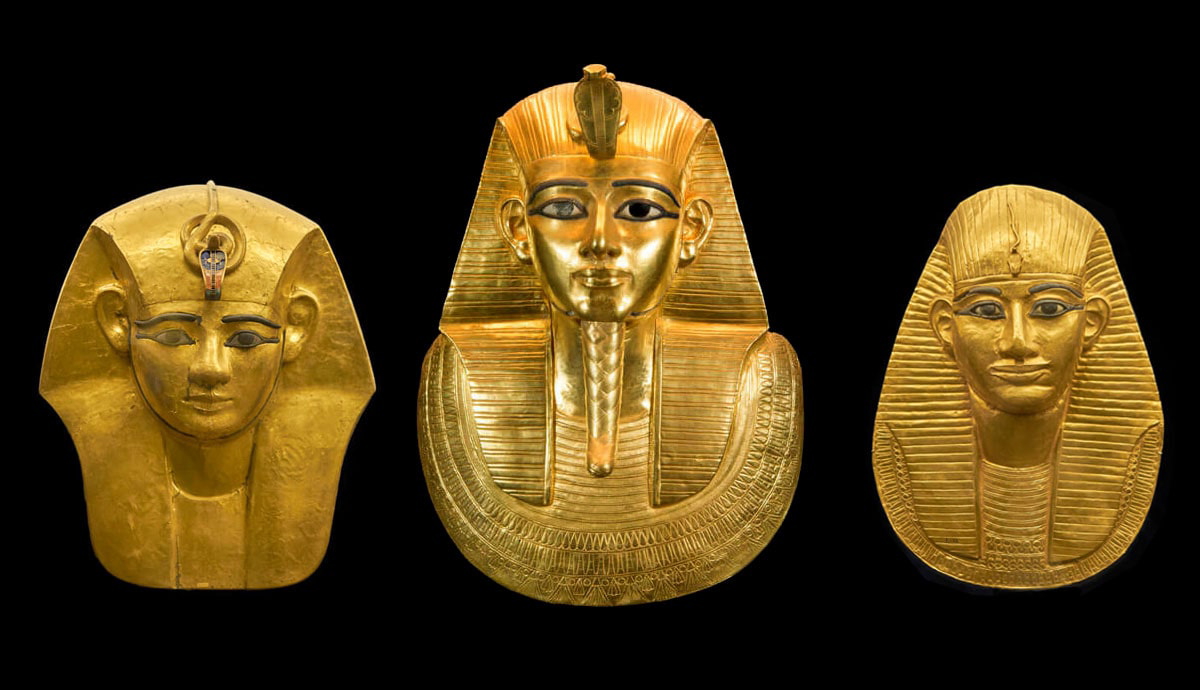
The final step was to attach the mummy mask directly to the head and shoulders. For pharaohs, the mask was made from gold inlaid with gemstones. More humble masks were often made from cartonnage, essentially papyrus papier-mâché, which was then painted.
The Opening of the Mouth: Activating the Mummy

The mummy was now ready to be placed in its tomb. For a pharaoh, this was originally a mastaba, which later evolved into the pyramids. By the New Kingdom, grave robbing saw kings and queens placed in hidden underground tombs in the Valley of the Kings. Tombs were furnished with everything the person would need to continue living in the afterlife. This included furniture, clothing, and jewelry, but also paintings, models, such as shabtis, and lists of things such as food, which would become real in the underworld according to Egyptian afterlife beliefs.
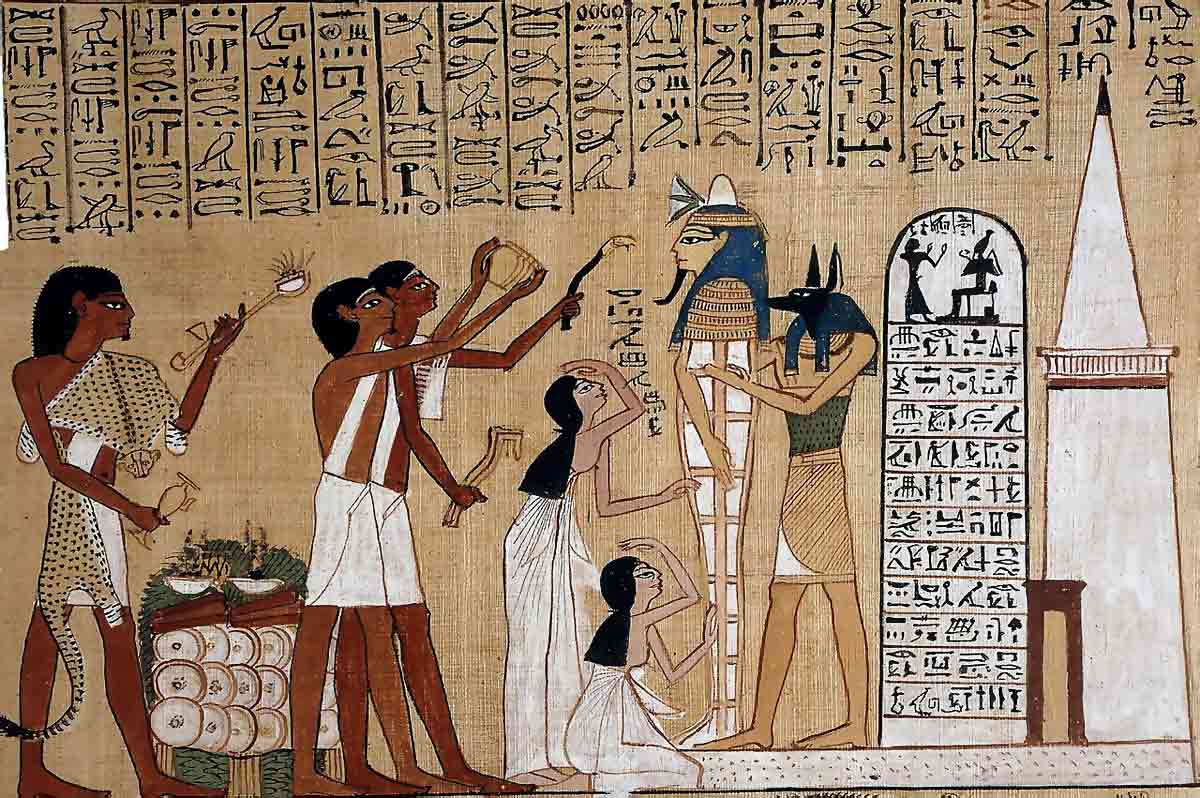
A funeral procession saw the mummy transferred to the tomb. At the entrance, the Egyptian priests conducted the important ritual known as the Opening of the Mouth Ceremony. The Anubis-masked priest held the mummy for the Sem-Priest, wearing a leopard skin cloak. The complete ritual had 75 separate steps, but the most important saw the Sem-Priest use a peseshkef knife to ritually open the mouth, nose, eyes, and ears of the mummy, giving the mummy its senses back. He then touched the mouth again with an adze tool that symbolically reignited its life force.
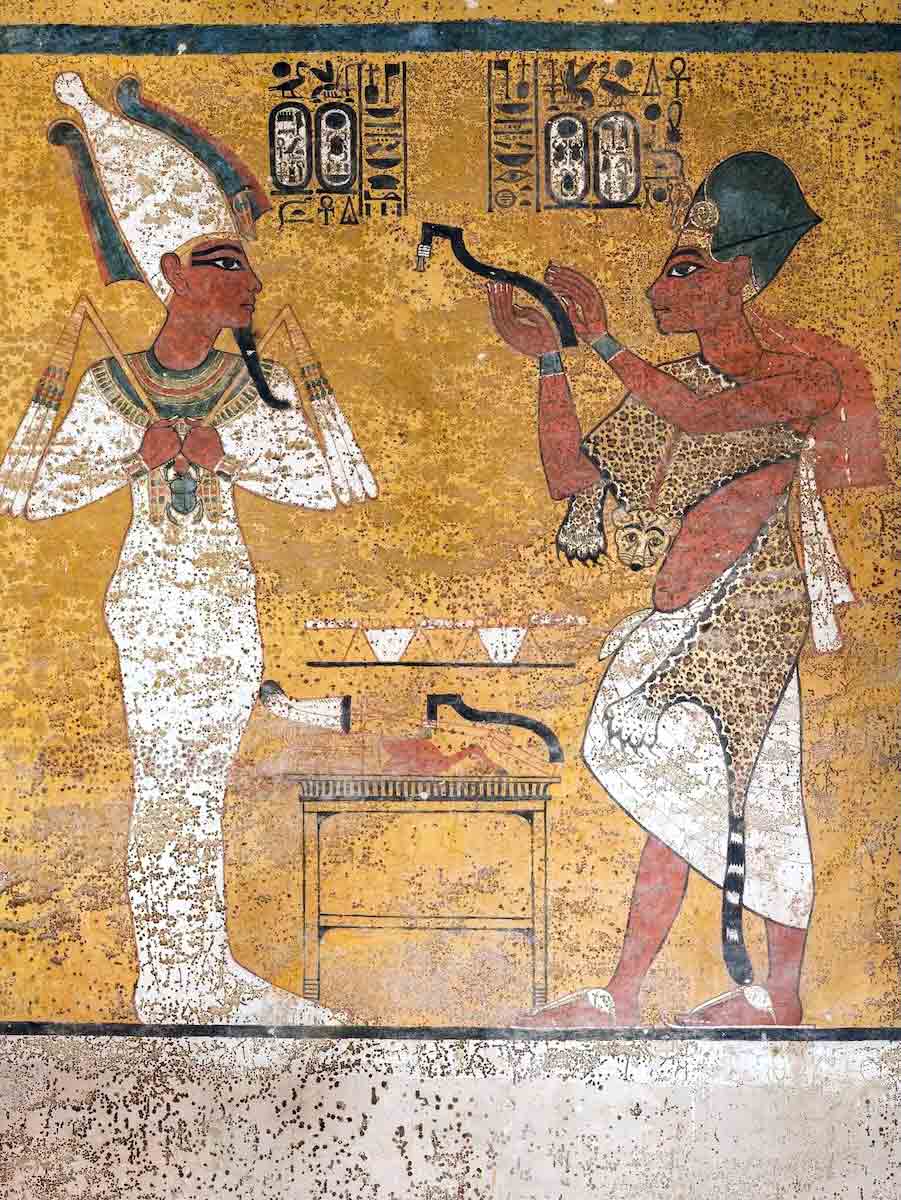
To show that the ritual was complete and successful, a food offering was held up to the mummy mask for the mummy to spiritually consume. Once fed, the mummy could be placed in its sarcophagus. Now, properly prepared and alone, the deceased could step into the afterlife.
The Art of Immortality
The ancient Egyptians are often accused of having an obsession with death, considering how much energy they put into preparing for it. But it is probably better characterized as an obsession with life. It was inconceivable to them that death was the end.
The focus given on enabling the transition between the mortal world and the underworld led to the development of sophisticated mummification processes, led by priests who combined specialist technical expertise with ritual knowledge. This saw embalming priests grow very wealthy, but they were also considered “other.” They were often isolated by the community for their fundamentally necessary but ritually unclean work.