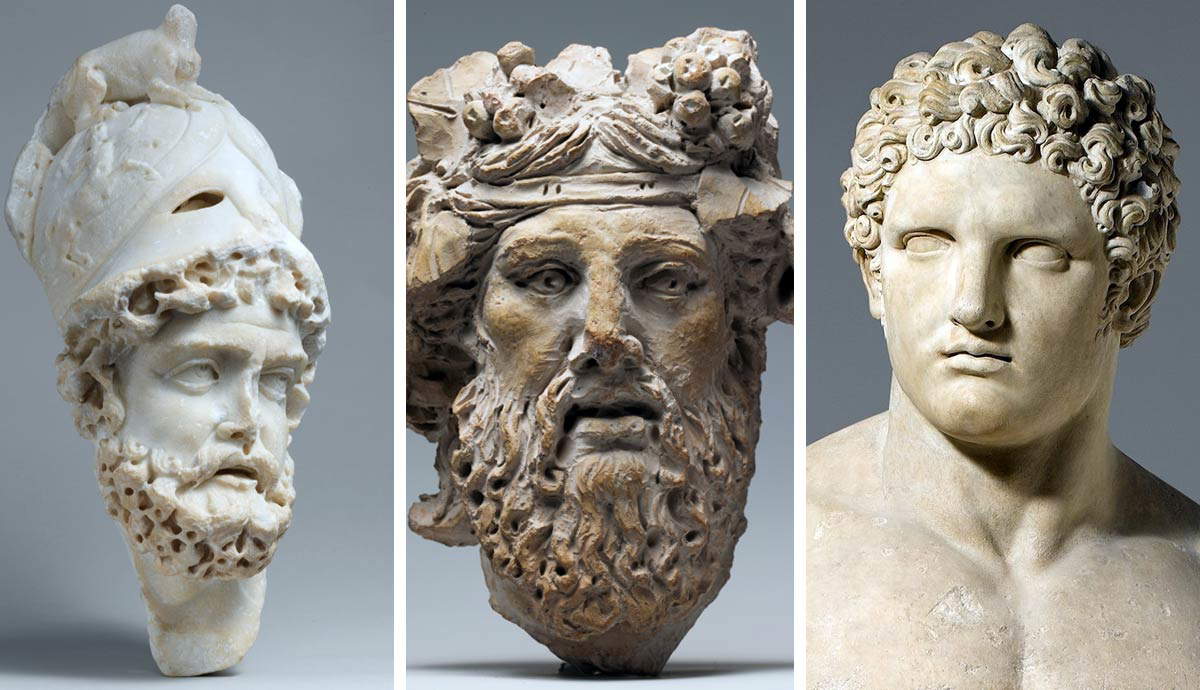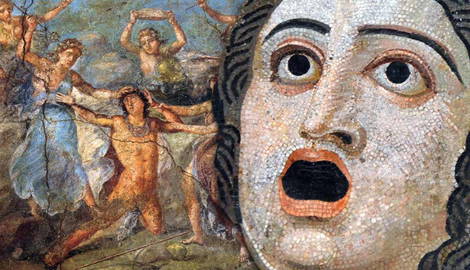

Writing in the 5th century BC, Euripides is one of the three great Athenian tragedy playwrights. The Bacchae, published posthumously around 405 BC, is one of his most famous works. It follows the god Dionysus as he returns to his hometown of Thebes both to avenge his mother and establish his cult in Greece. When he is denied by King Pentheus, he enchants the women of Thebes to abandon the city and join his ecstatic worship in the wilderness. When the hubristic Pentheus tries to infiltrate the rites and return the women to Thebes, it ends in tragedy. A psychological thriller full of moral ambiguity, it is the only surviving Greek tragedy in which the god of theater himself appears on stage and drives the drama. It is also an important source for understanding how the ancient Greeks perceived Dionysus.
Key Characters
| Character | Description | Role in the Play |
| Dionysus (The Stranger) | God of wine, ritual madness, and theater; son of Zeus and Semele. | The protagonist/antagonist catalyst. Appears in mortal disguise as a charismatic foreign cult leader to enforce his divinity and punish Thebes for denying his lineage. |
| Pentheus | King of Thebes; cousin of Dionysus and grandson of Cadmus. | The primary antagonist. A rigid, authoritarian young ruler who views Dionysus’s cult as a threat to civic order and morally corrupt. His hubris leads to his tragic downfall. |
| Agave | Princess of Thebes; daughter of Cadmus and mother of Pentheus. | Sister to Semele. Driven mad by Dionysus to lead the Bacchic rites on Mount Cithaeron. In her frenzy, she leads the women who dismember Pentheus, mistaking him for a mountain lion. |
| Cadmus | Founder and former King of Thebes; father of Semele and Agave. | The aging grandfather who attempts to keep peace. Though retired, he embraces Dionysian worship out of prudence and respect for divine power, only to suffer devastation when his family is destroyed. |
| Tiresias | Blind prophet of Thebes. | A wise, elder seer who joins Cadmus in honoring Dionysus. He tries to warn Pentheus that defying a new god will bring ruin, serving as the voice of religious reason. |
| The Chorus of Asian Bacchae | Devotees of Dionysus from Lydia and Phrygia. | A group of foreign women who follow Dionysus out of genuine devotion (unlike the forced madness of the Theban women). Their songs explore themes of wild nature, religious ecstasy, and divine vengeance. |
| Herdsman / Messenger 1 | A local rustic from Mount Cithaeron. | Arrives from the mountain to report to Pentheus the miraculous and frightening feats performed by the ecstatic women (nursing wild animals, springing water from rocks, repelling armed men). |
| Palace Servant / Messenger 2 | A member of Pentheus’s household. | Reports the gory climax of the play: how Pentheus was lured into dressing as a woman, spied on the Bacchae from a tree, and was torn apart by his own mother and aunts. |
Euripides’ Prologue: Dionysus as a Vengeful God
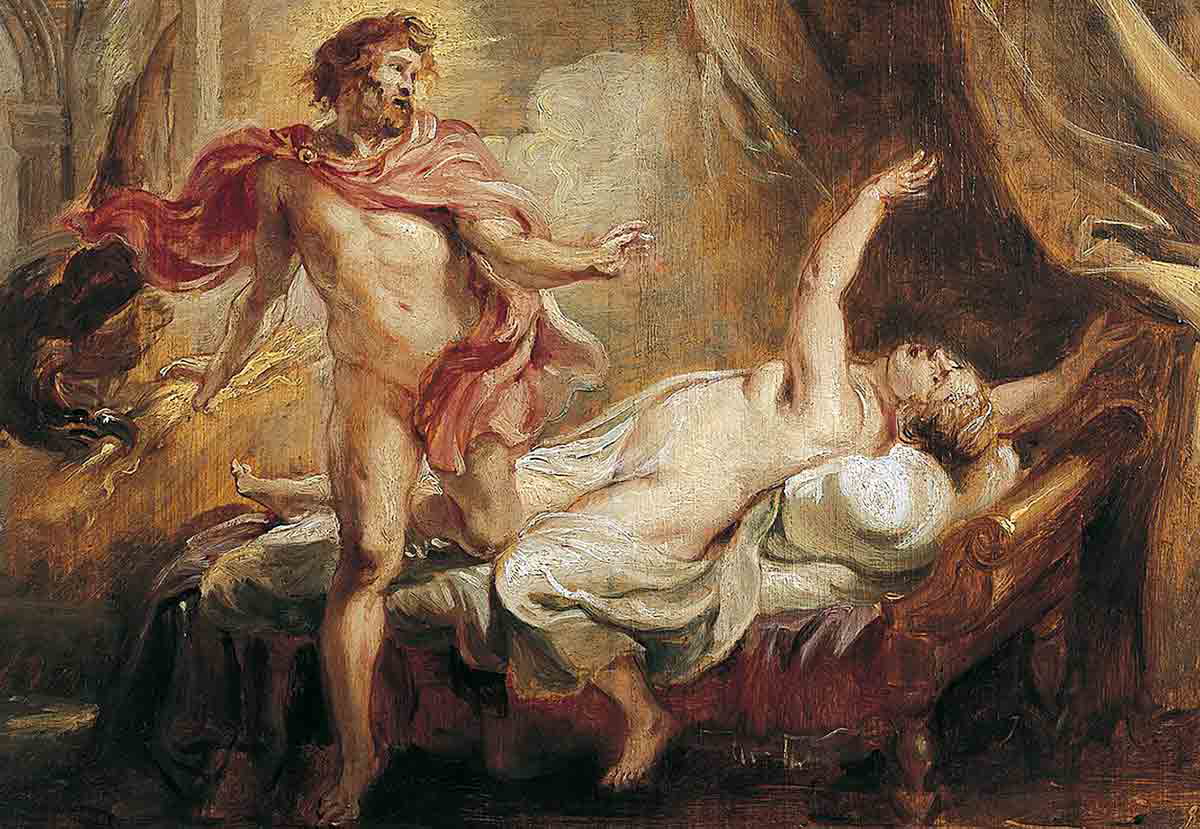
The Bacchae opens with Dionysus, the god of wine, theater, and divine madness, arriving in Thebes, his hometown. Dionysus is the son of Zeus with the Theban princess Semele. After Zeus impregnated her, his jealous wife Hera convinced Semele to ask Zeus to reveal his true godly form to her, the sight of which caused her death, but not that of her baby. Zeus saved the premature Dionysus by placing him in his thigh to mature.
Hera was still upset, so when Dionysus was born again, he was hidden away. Dionysus’ upbringing was entrusted primarily to the nymphs and satyrs of the wilderness. When he came of age, Zeus sent Dionysus to conquer India. Now he has returned, and he must establish his worship in the Greek world to earn his place on Mount Olympus.
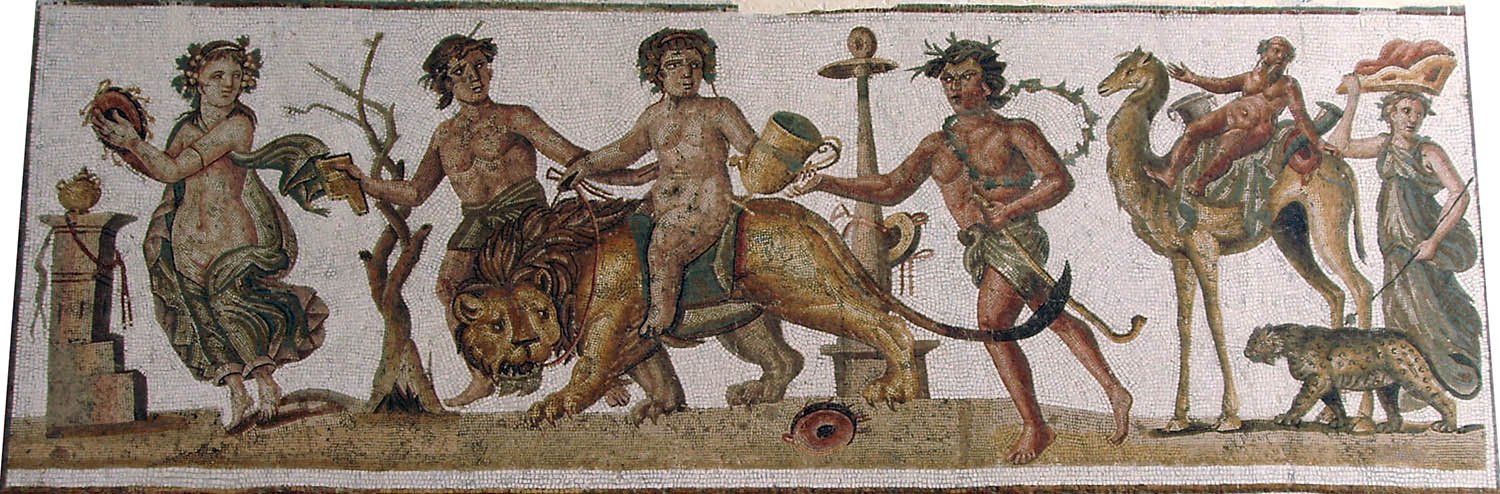
Dionysus arrives in Thebes disguised as a handsome human priest leading a foreign cult from Asia. He is determined to get revenge for his mother, as her three sisters and his cousin, the young King Pentheus, claimed that she died because she lied about her relationship with Zeus. Dionysus plans to prove his divinity and establish his cult in Thebes.
As punishment for their disbelief, Dionysus has driven all the women of Thebes, including his aunts, into a state of wild, divine madness. They have abandoned their looms and homes to perform ecstatic, bacchic rituals up on Mount Cithaeron wearing fawn skins and holding thyrsus wands. Dionysus warns Pentheus that if Pentheus tries to use force to make the women return, he will lead his followers in battle against the king.
The Chorus of Asian Bacchae sing an ecstatic hymn praising Dionysus, celebrating the joy and liberation of wine, ritual madness, and connection to nature.
Act I: Pentheus’ Hubris
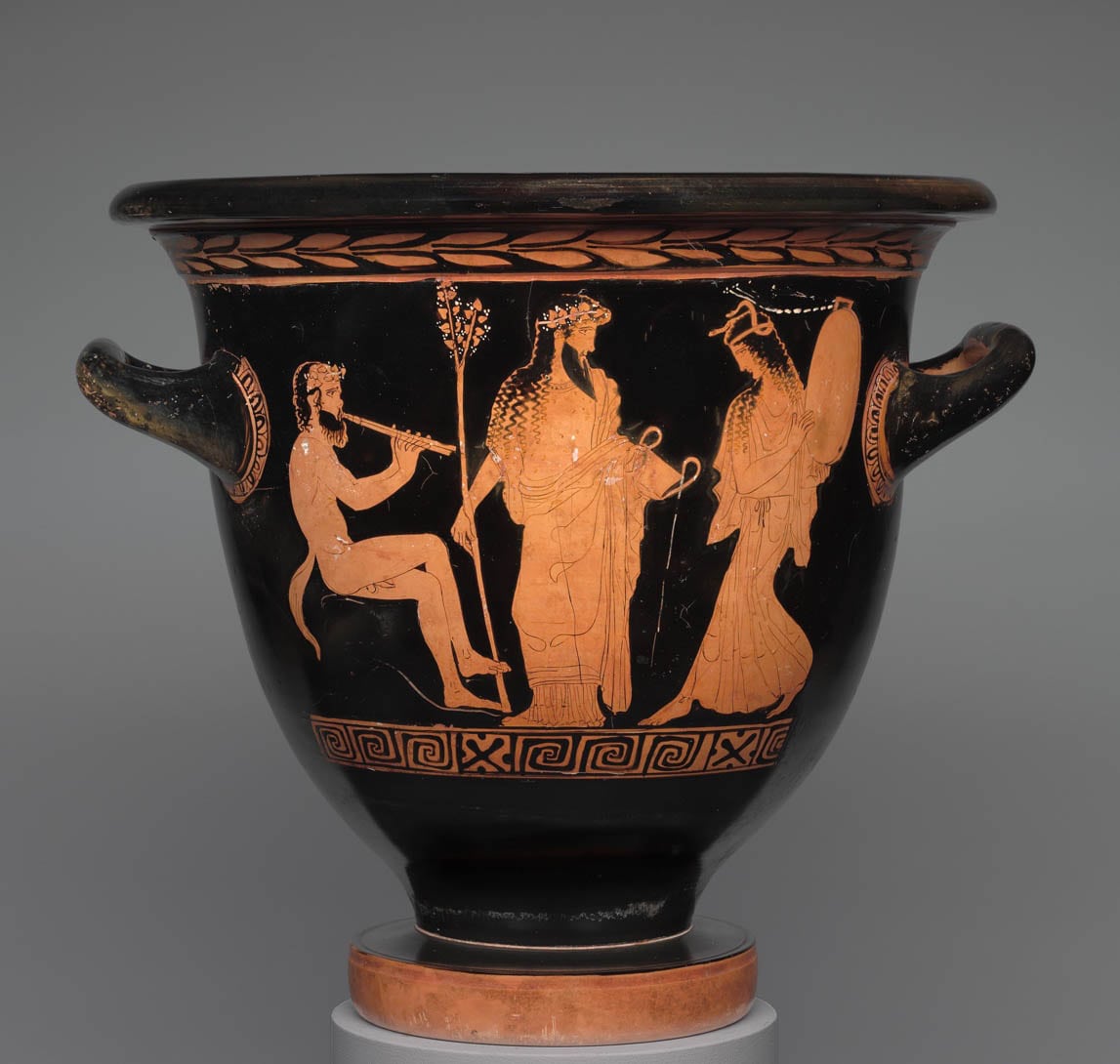
Act I opens with the old, former king Cadmus and seer Tiresias, dressed in the clothes of bacchants, discussing how to honor Dionysus and join his rites on Mount Cithaeron. The new young king Pentheus arrives and interrupts their conversation, saying that “new evils” are making their way through the city. He is referring to the fact that the women of the city have abandoned their homes and taken to Mount Cithaeron to partake in Dionysus’ rites.
Pentheus falsely believes that the women are having orgies, drinking wine, and generally doing things that are not “wholesome.” Tiresias defends Dionysus, explaining that wine frees humans from grief and that rejecting a god is dangerous madness. Cadmus warns him against allowing his hubris to bring down the wrath of the god on the city.
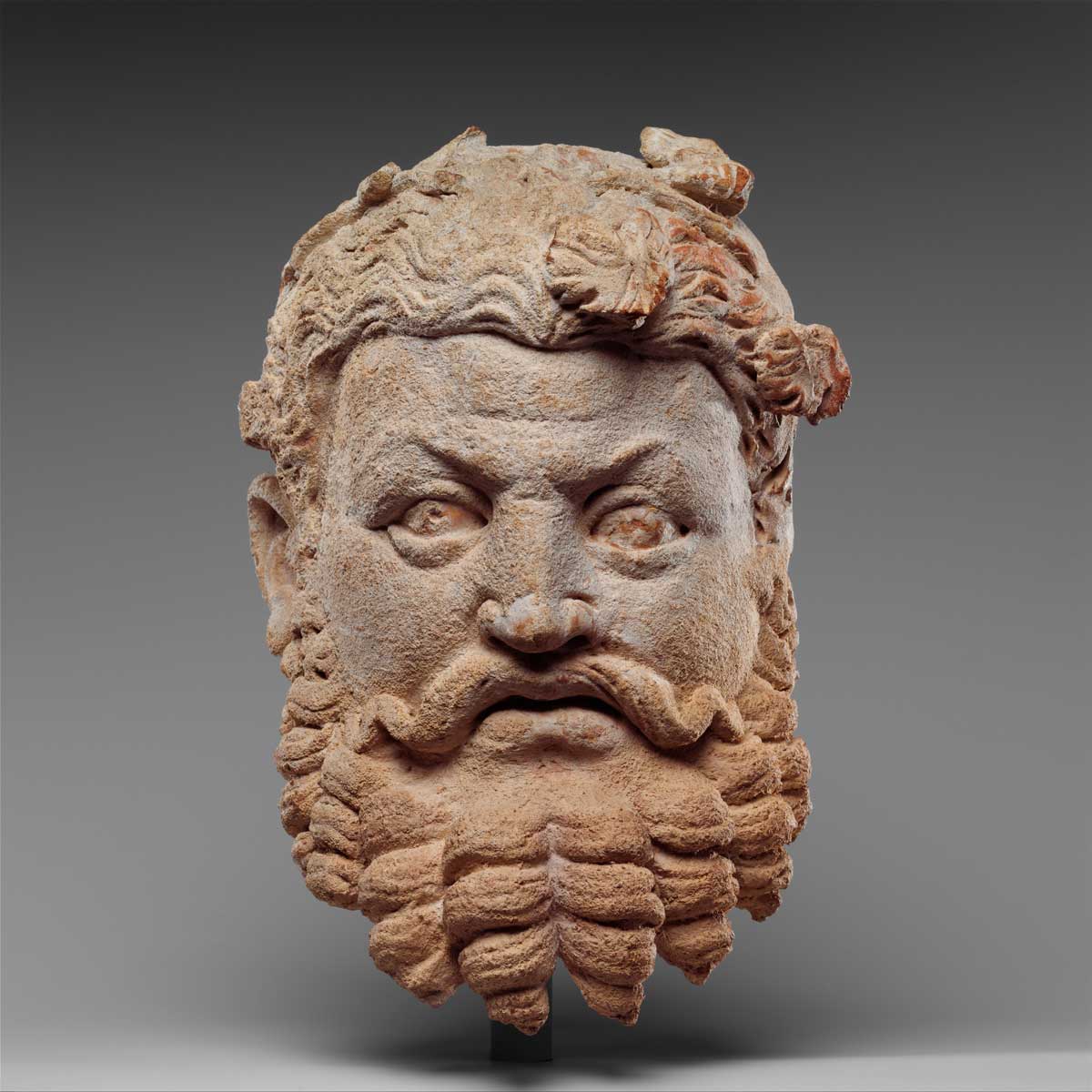
Pentheus argues that the Stranger in Thebes is not Dionysus, as he claims, so Pentheus plans to have his guards track him down and arrest him. Seeing that Pentheus cannot be persuaded to change his course of action, Cadmus and Tiresias go off to Mount Cithaeron to persuade Dionysus not to do anything “sinister” against the city of Thebes. They know that Dionysus will wreak havoc and vengeance upon the city if Pentheus attempts to capture him and does not recognize his godliness.
The Chorus sings against impiety, tyranny, and excessive human pride, praising quiet wisdom.
Act II: A Captive Conversation
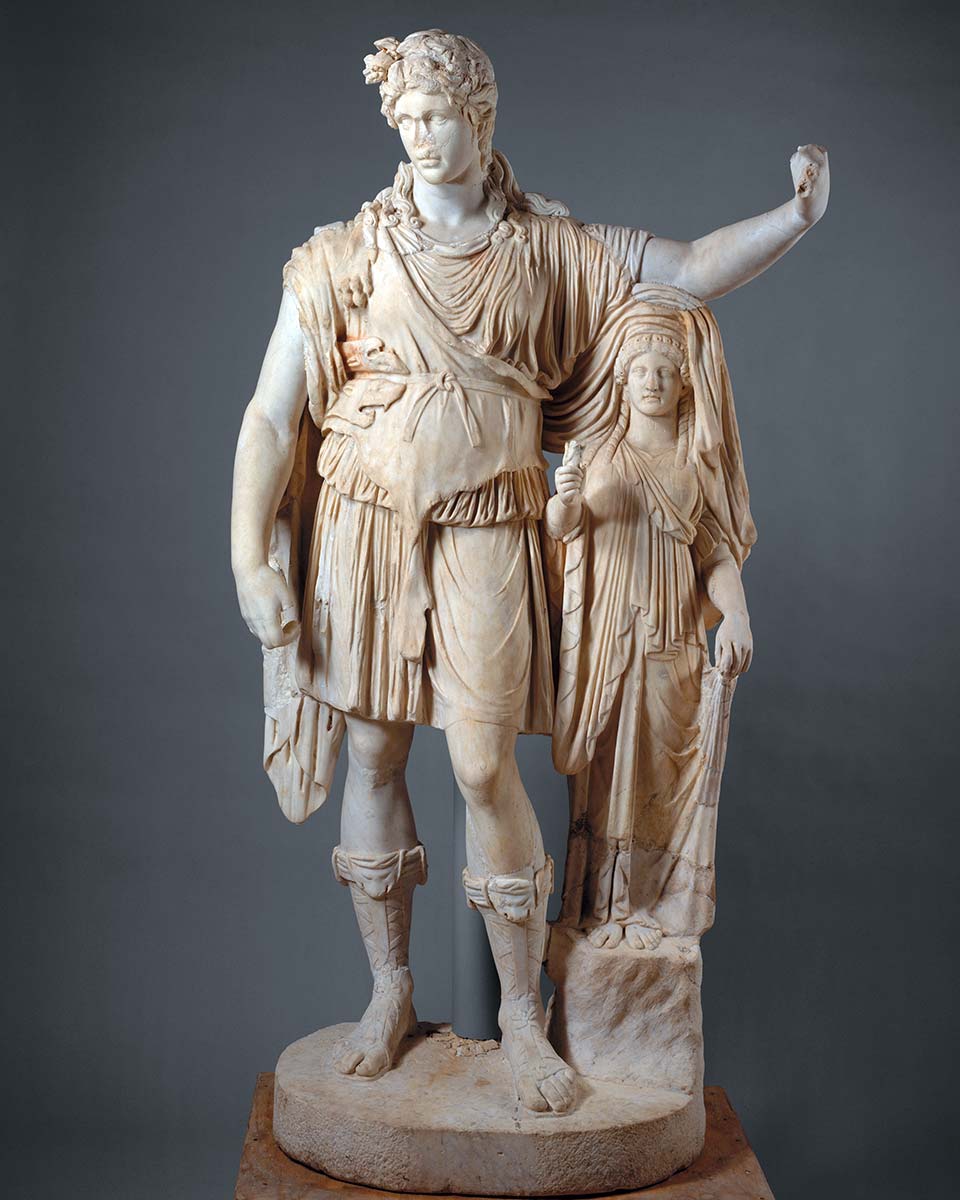
Act II opens with Pentheus’ soldier having captured the Stranger and brought him to the palace. The soldier says he went willingly and without struggle, even laughing as he was chained. Pentheus and the Stranger now converse. Pentheus mocks Dionysus’s attractive, effeminate appearance and demands to know where this new religion comes from and what its secret rites entail. The Stranger’s elusive answers frustrate the king.
Pentheus threatens to cut off the Stranger’s hair and take his sacred staff, but does not follow through. Instead, he locks up the Stranger, telling him that he will capture the women on the mountain and return them to the city. The Stranger warns Pentheus that if he tries this, and as a punishment for the insult of denying Dionysus’ existence, he will be pursued by Dionysus’ retinue and the god himself.
The Chorus laments Dionysus’s imprisonment and calls on the god to punish the tyrant Pentheus.
Act III: A Plot Hatched
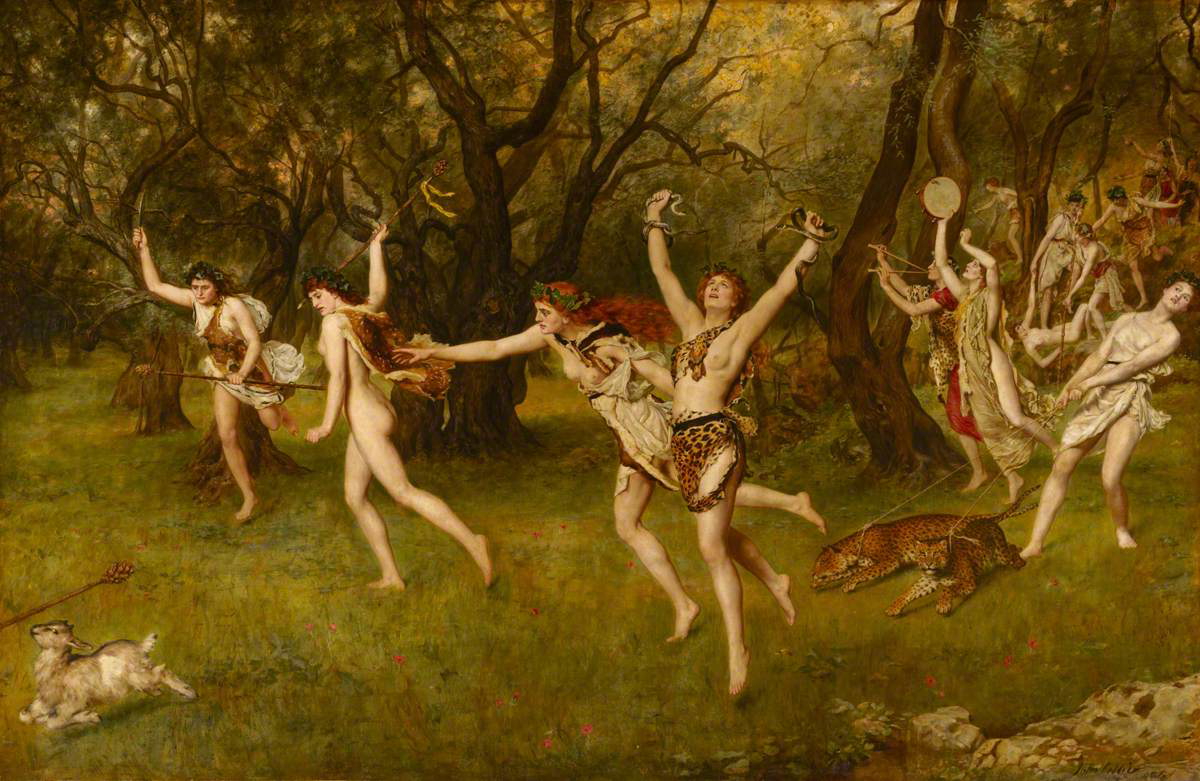
Now locked up near the stables at Pentheus’ palace, at the start of Act III, Dionysus calls out to his maenads as “The Voice.” Dionysus’ call likely would have taken place off stage, and is a rare example in Greek tragedy in which a god speaks to mortals as a disembodied voice. He invokes a divine earthquake to destroy Pentheus’ palace so that his maenads, who have also been captured, may be free from Pentheus’ prison.
As the palace crumbles, Dionysus, again as the Stranger, enters to greet his maenads and inform them of what happened earlier when Pentheus captured him. He also explains how he freed himself. He claims that Pentheus was in such a blind rage that he imprisoned a bull instead of the Stranger. Then a phantom fire appeared, and Pentheus wore himself out fighting non-existent flames with swords while Dionysus calmly walked free. This experience has pushed Pentheus towards madness.
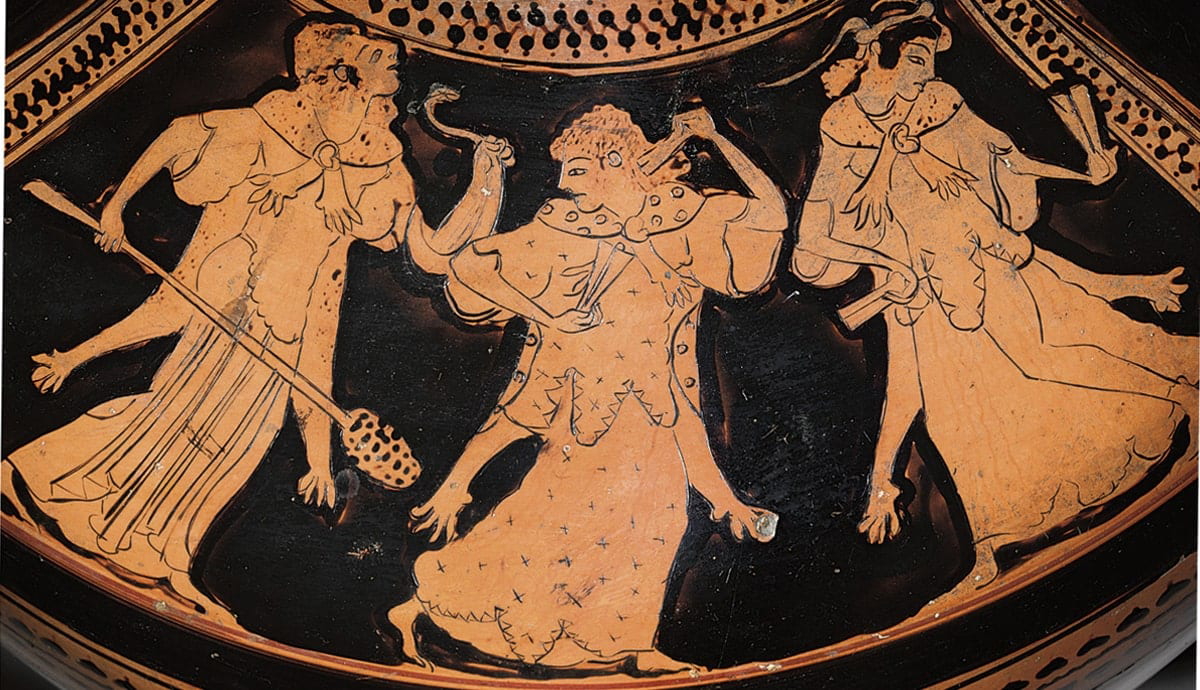
Soon after, at the palace, a messenger comes to inform Pentheus that his mother, Agave, is on Mount Cithaeron with the maenads. He also tells Pentheus that they are mostly resting and sleeping, not drinking wine as he thought. But when the locals tried to capture them, they flew into a divine frenzy, tearing cattle apart with their bare hands, attacking nearby villages with fire on their heads that did not burn them, and they could not be harmed by weapons.
Pentheus furiously orders his men to round up the women, but taking advantage of his rage and vulnerability, the Stranger convinces Pentheus that it is a better idea to go spy on the women. He also convinces Pentheus that to avoid being detected and killed, he must dress up as a female bacchic worshipper himself, wearing a wig, a long dress, and carrying a sacred staff.
The Chorus sings of divine vengeance, comparing the hunt for justice to fawns escaping the hunter’s hounds.
Act IV: Dionysus Tricks Pentheus
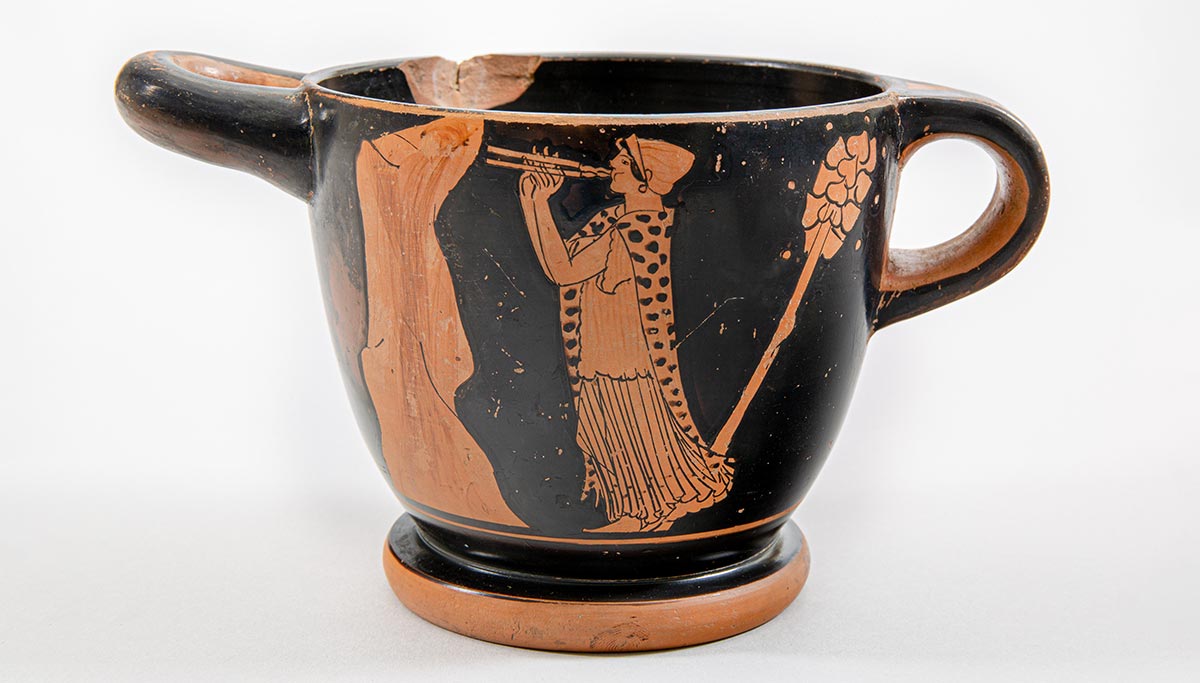
As Act IV begins, Pentheus is hypnotized by Dionysus. He has hallucinations, such as seeing two suns in the sky, and fixates obsessively on his feminine outfit. Believing he is embarking on a heroic espionage mission, Pentheus boasts that he is strong enough to lift Mount Cithaeron on his shoulders with his bare hands. Dionysus flatters his vanity, promising him a “special return” carried in his mother’s arms.
The Chorus summons the spirit of Frenzy and urges it to the mountaintop as they imagine the mad Agave standing on a cliff, catching the lurking Pentheus and crying out to her fellow maenads to attack him.
Act V: The Demise of Pentheus
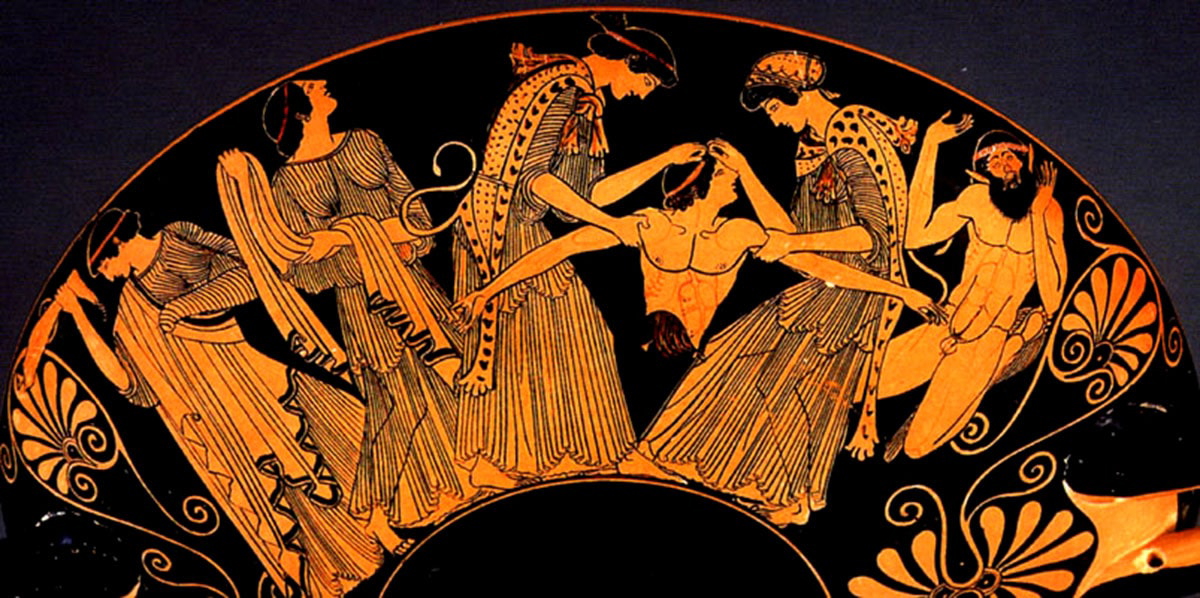
A Messenger arrives at the palace and recounts the fate of Pentheus on the mountain as the Chorus rejoices. He describes how when the Stranger and Pentheus arrived near the women, Pentheus wanted to see better. The Stranger tricked him into climbing a tree, exposing him to the women. At this moment, the Stranger disappears and, again as The Voice, he commands the bacchant women to kill him.
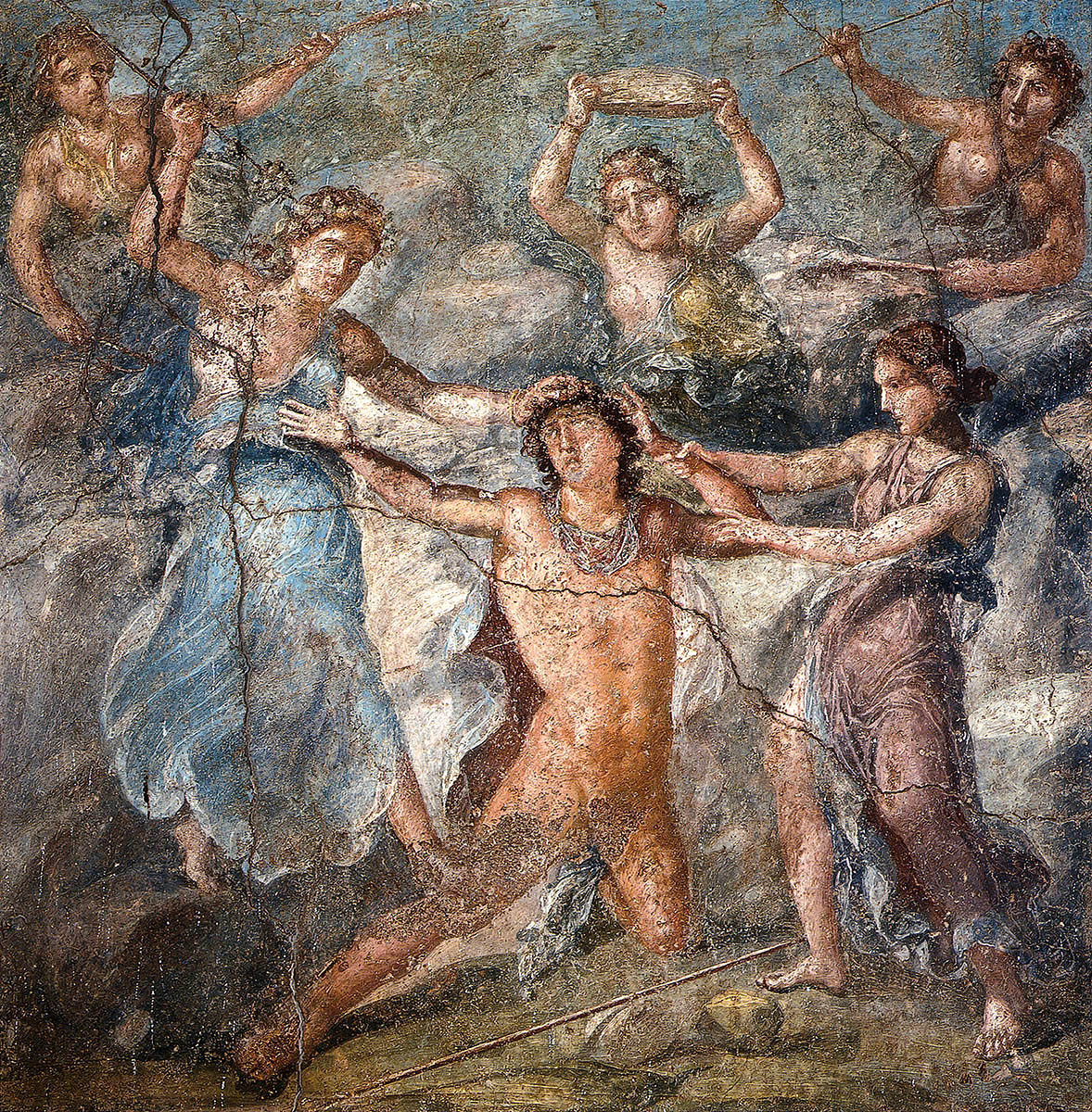
Led by Agave, Pentheus’ mother, they drag him down from the tree and tear him apart with their bare hands. Pentheus cries for his mother to recognize him, but to no avail; they think he is a mountain lion. At the end, Agave seizes his decapitated head and begins to walk back to Thebes, thanking Dionysus for her success in bringing down the lion with her fellow hunters.
The Chorus sings a brief song, first triumphant over Pentheus’s death and then acknowledging the horror of a mother ripping up her son.
Conclusion: The Horrifying Psychological Climax
Agave triumphantly enters Thebes and parades to the palace carrying her son’s head. She converses with the Chorus about her successful hunt. She wishes to share her triumph with her son and calls for him.
Cadmus enters, bringing with him the rest of Pentheus’ remains as he bemoans the destruction of his dynasty. He slowly breaks through his daughter’s madness and helps her realize what she holds in her hands. She does not remember her actions, which are recounted to her by Cadmus.
At this point, a large chunk of the text is missing. The scene picks up with the two still lamenting their fate and examining the reasons for Pentheus’s death. They understand that he has died for the sins of the entire family in denying the divinity of Dionysus. The god finally appears on stage not as the Stranger, but in his full divine form.
The chorus chants the last five lines of the play about the power of the gods. Euripides used the very same verses in four other plays.