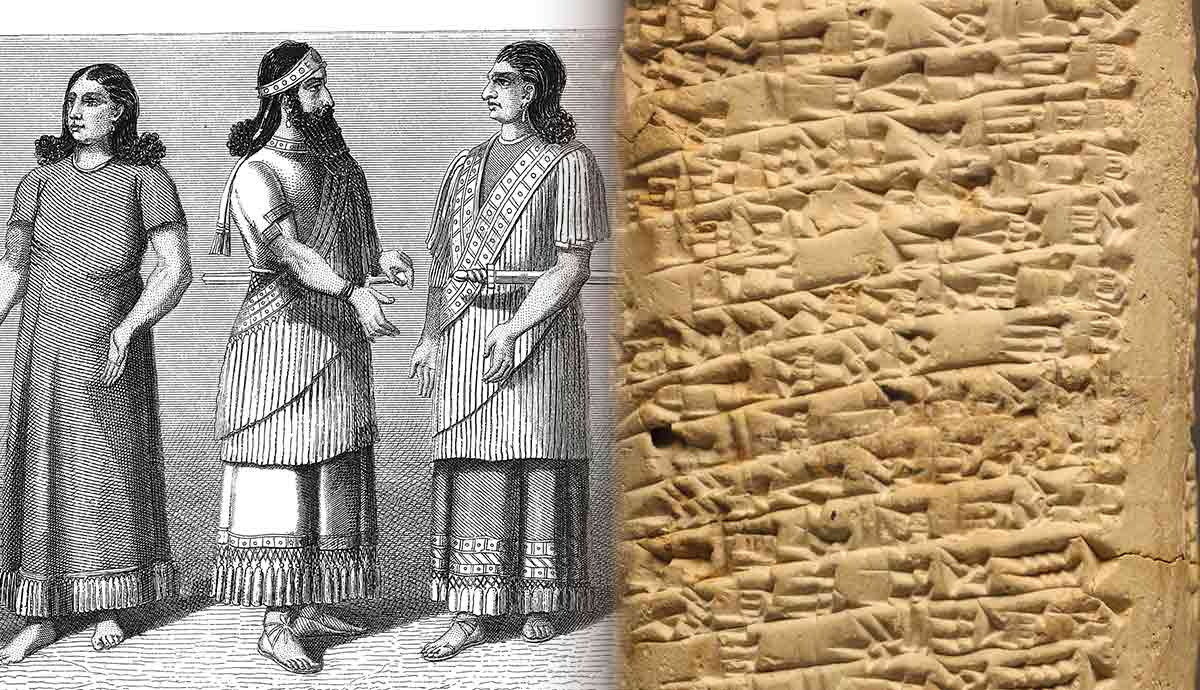

In Genesis, the Bible provides a remarkably accurate description of the Garden of Eden’s location. The Garden of Paradise was where four rivers diverged. Two of them, the Tigris and Euphrates, are easily recognizable on modern world maps, but the “Pishon” and “Gihon” are completely absent, prompting scholars to theorize about their locations and, consequently, about the Garden of Eden.
From Central Asia to Sub-Saharan Africa, here are the top five candidates for the Biblical Cradle of Humanity.
Following the Clues
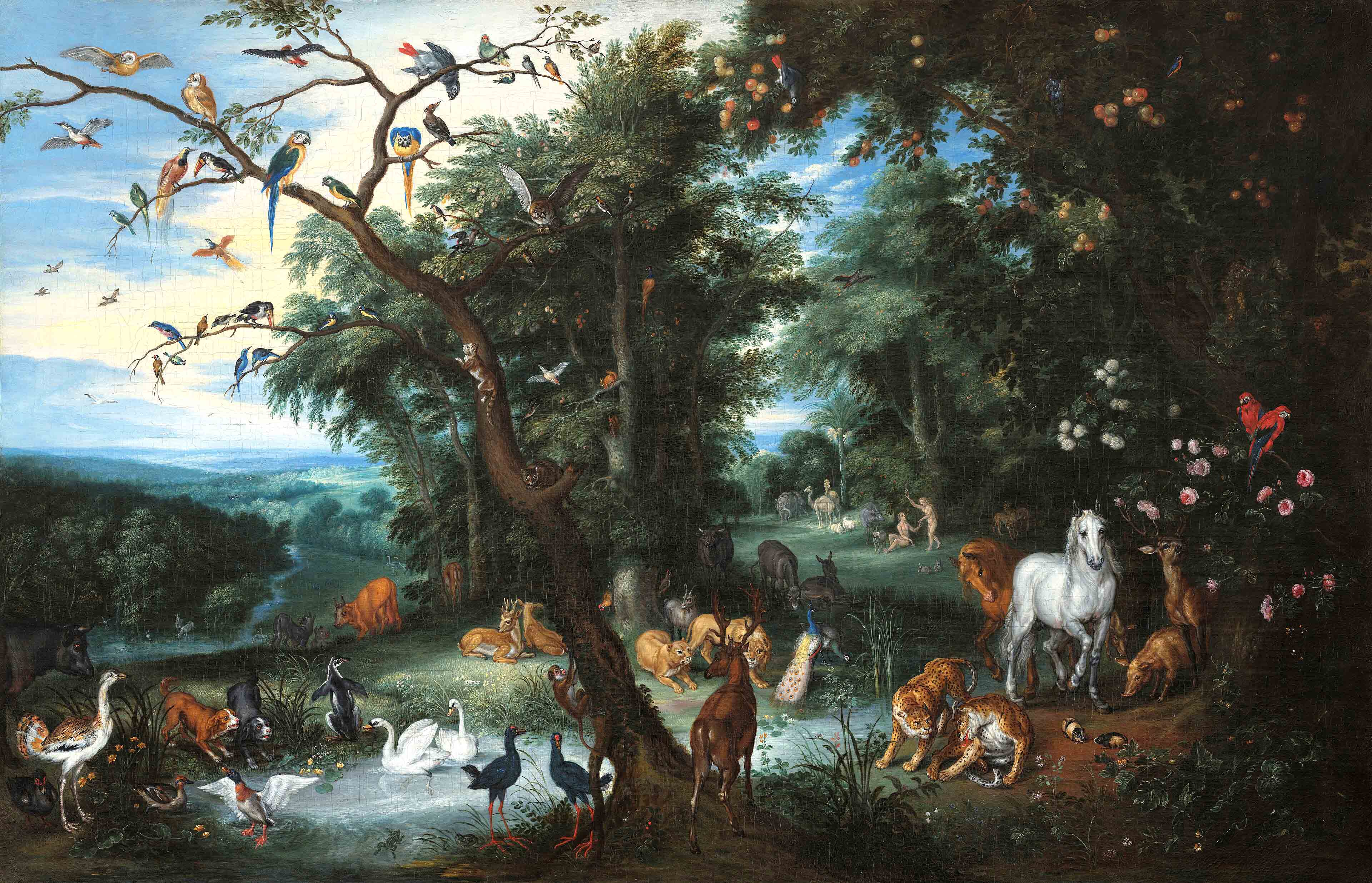
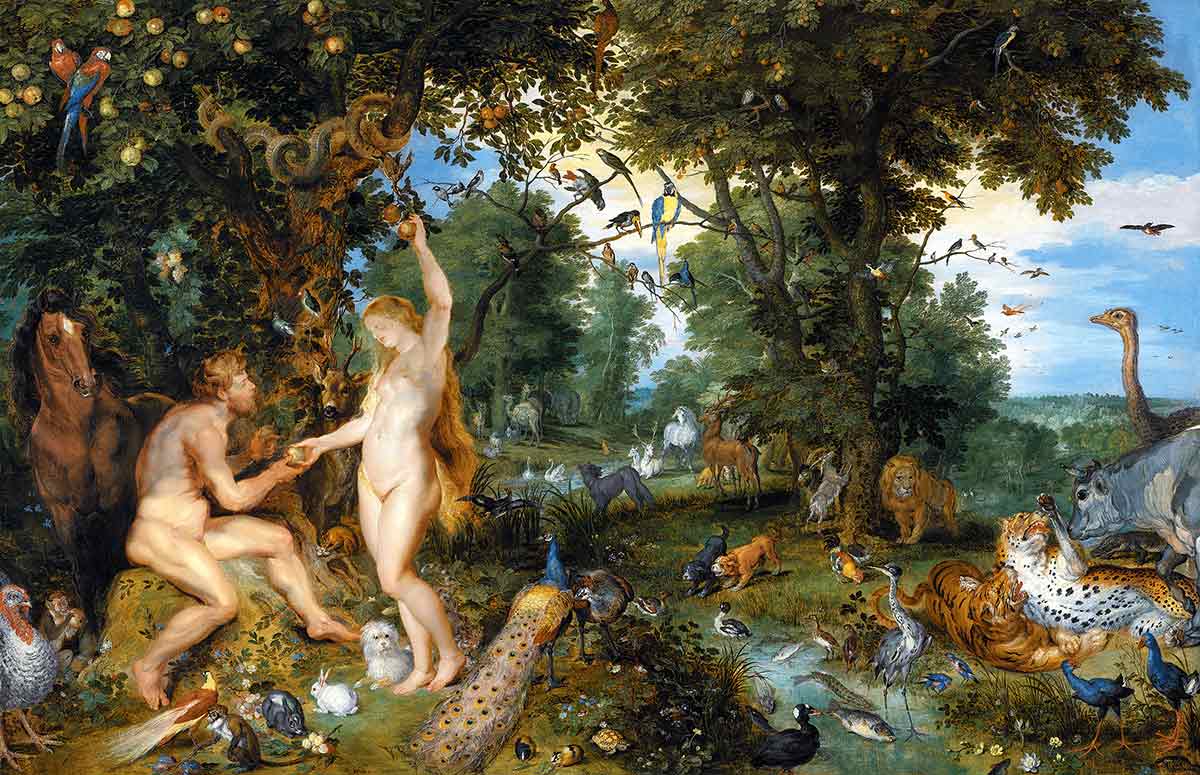
The primary literary text for researching the location of the Garden of Eden comes from the Book of Genesis, which states:
“A river watering the garden flowed from Eden; from there it was separated into four headwaters. The name of the first is the Pishon; it winds through the entire land of Havilah, where there is gold. (The gold of that land is good; aromatic resin and onyx are also there.) The name of the second river is the Gihon; it winds through the entire land of Cush. The name of the third river is the Tigris; it runs along the east side of Ashur. And the fourth river is the Euphrates.”
Genesis 2:10-14, New International Version
Identifying the two mystery rivers has led researchers to posit a number of theories, taking into account dry river beds, rivers that may have existed in the past, and the geographical shifts that took place at the end of the last Ice Age, approximately 12,000 years ago.
1. The Eden of Southern Mesopotamia
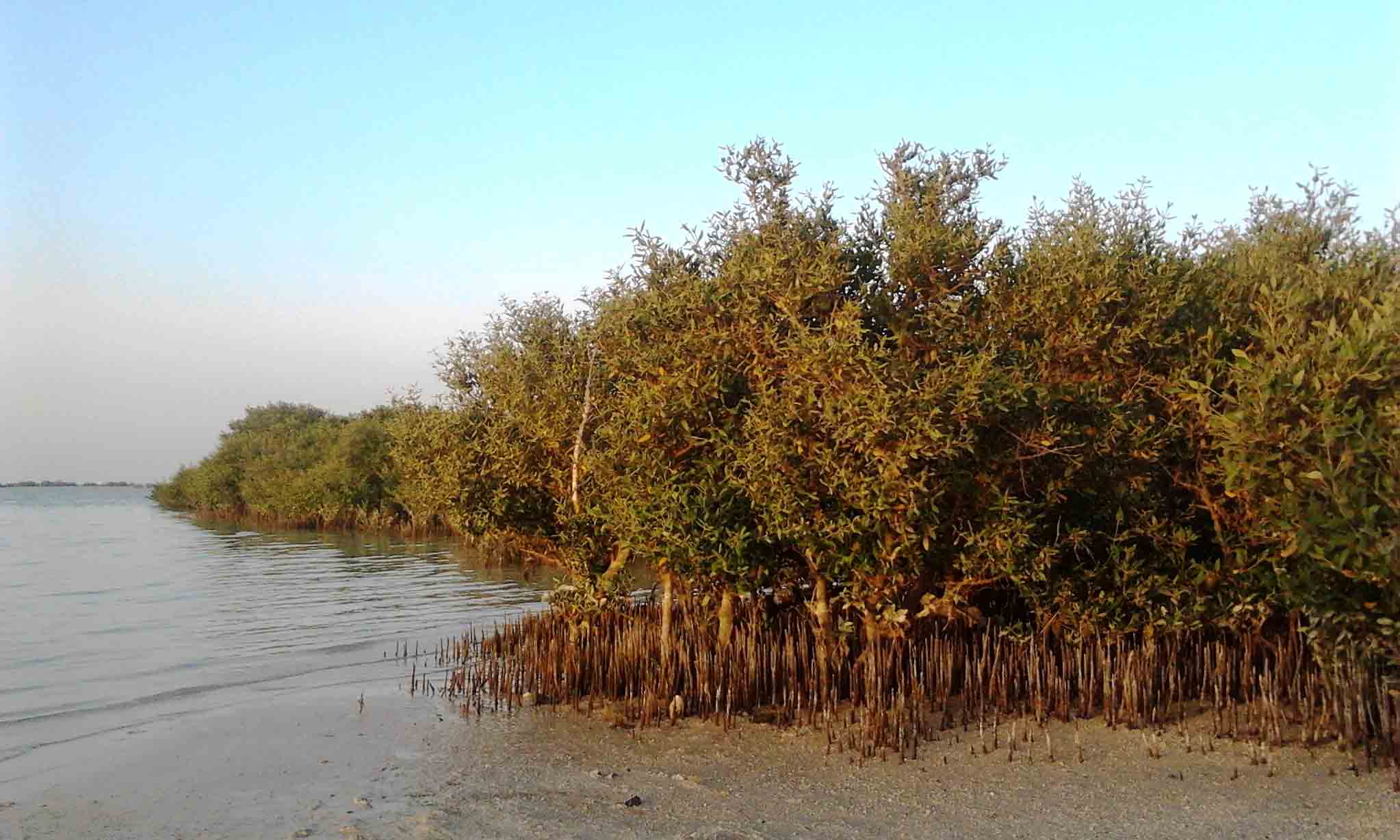
A widespread theory, popular in traditional views, is that the Garden of Eden was located by the Tigris and Euphrates. This makes sense, even if the Pishon and Gihon cannot be located.
The geographic location here is near the head of the Persian Gulf, where the Sumerians and the Akkadians once built their civilizations. To this, the etymology of “Eden” fits neatly, as it possibly comes from the Akkadian “edinnu,” which is derived from the Sumerian “edin,” meaning “plain” or “steppe,” linked to an Aramaic root word meaning “fruitful” or “well-watered.” In Biblical Hebrew, the word “Eden” means “delight” or “pleasure.” The semantic differences, however, split academics, some of whom argue for lexical borrowing and semantic shift, while others maintain the Hebrew word is not related to the Sumerian through Akkadian, and is derived from the Semitic root “dn,” meaning “abundant” or “lush.”
Whatever the case, there are plenty of links between ancient Sumerian and Abrahamic beliefs regarding the events of Genesis. A noteworthy example is the Great Flood narrative, which appears in both beliefs, with Noah being analogous to Utnapishtim, who relates his story of surviving the flood to Gilgamesh. Another salient example is the legend of “Dilmun,” the Sumerian name for a paradise which may have inspired the Garden of Eden. Archaeological evidence shows Dilmun, covering modern Kuwait, Bahrain, Qatar, and eastern Saudi Arabia, was a trading state that existed from the end of the 4th millennium BC. The Sumerians believed the land of Dilmun existed as a paradise before this. In the story of Enki and Ninhursag, Dilmun is a garden paradise inhabited by immortals where there is no pain or disease, and where predators do not kill.
2. A Sunken Paradise in the Persian Gulf
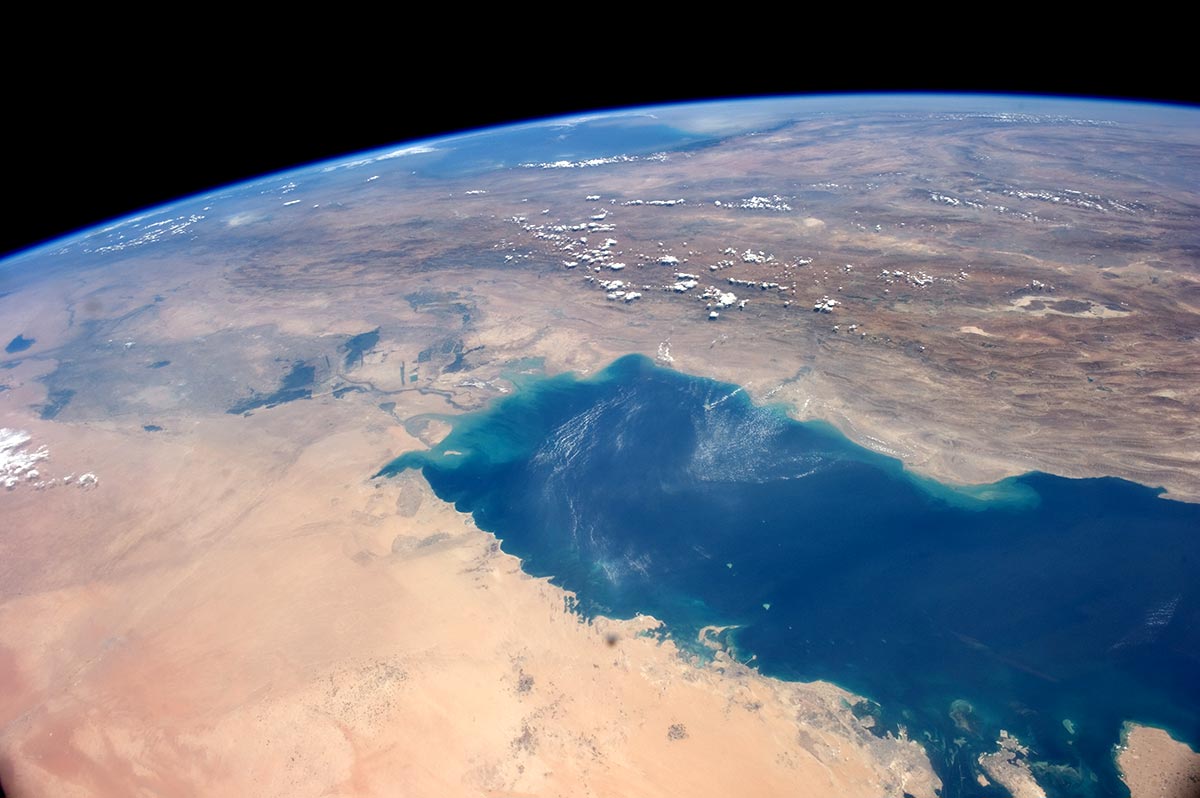
A theory that fits well with the Garden of Eden being in Southern Mesopotamia is the idea that it existed in a part of the Persian Gulf that is now submerged. In the 1980s, archaeologist Juris Zarins put forth this theory, believing the Gihon and Pishon rivers are respectively the Karun, which flows from Iran into the Gulf, and a “fossil river” that flowed through northern Arabia.
Where these rivers met, along with the Tigris and Euphrates, Zarins believes, was once part of dry land that extended all the way to the Strait of Hormuz. This area was flooded between 5000 and 4000 BC when the world experienced a rise in sea levels (some sources put this event even further back to 6000 BC). Hunter-gatherers who lived there migrated north, coming into contact with Ubaids, the precursor to the Sumerians, who were moving south. The merging of these cultures, and the need for agriculture, was woven into the origin myth of the Sumerian people, who believed they came from the sea. This story ties into the idea of people escaping the massive flooding of their lush valley, taken over by the waters of what is now the Persian Gulf.
3. Armenia, a Mountainous Eden
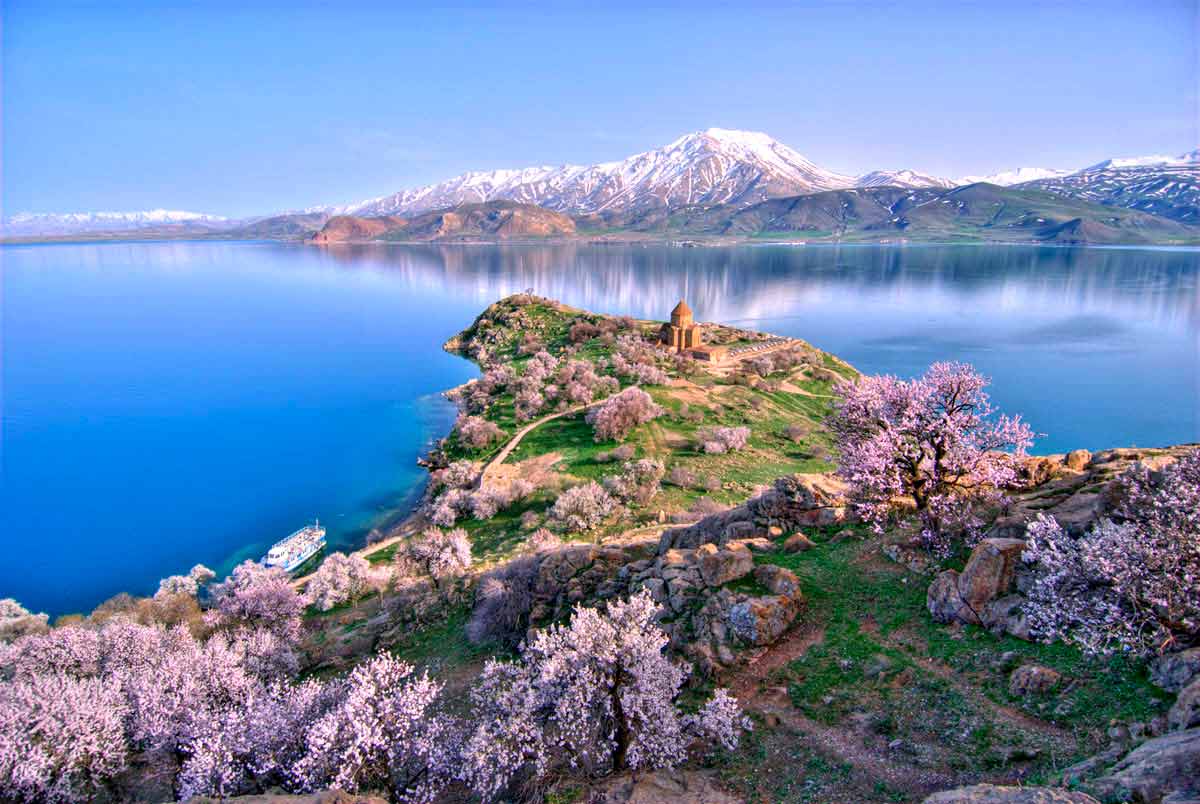
While some archaeologists look to the river deltas and the lowlands in their quest to pinpoint the location of the Garden of Eden, others look further north, suggesting that the paradise lay in the mountainous regions in what is now eastern Turkey. In these theories, the source of the rivers is the focus rather than their confluence, and this makes sense given the Biblical statement that Eden lay above the headwaters of the four rivers.
Both the Tigris and the Euphrates are born in this mountainous area, and it is assumed that the Gihon and Pishon could have too. There is linguistic evidence for this in 19th-century research by John McClintock and James Strong, who note that the Biblical יָצָא (yatsa) used in relation to the location of the rivers in Genesis means to “issue forth” and is only used to describe the course of a river in its movement downwards.
Pinpointing the exact location in this area is open to debate. Mount Ararat is a significant and a popular contender as it is a dominant feature in the landscape, rising high above its surroundings. Hydrological evidence points to Lake Van Highlands, as this is the source of the Tigris and Euphrates.
Archaeology also has a say in the matter, with the relatively nearby location of Göbekli Tepe being the oldest evidence of monumental architecture and organized sacred complexes in human history. Thus, Eastern Anatolia becomes a region rich in convergent evidence for protological beliefs.
4. The Nile Valley, a Paradise in Africa
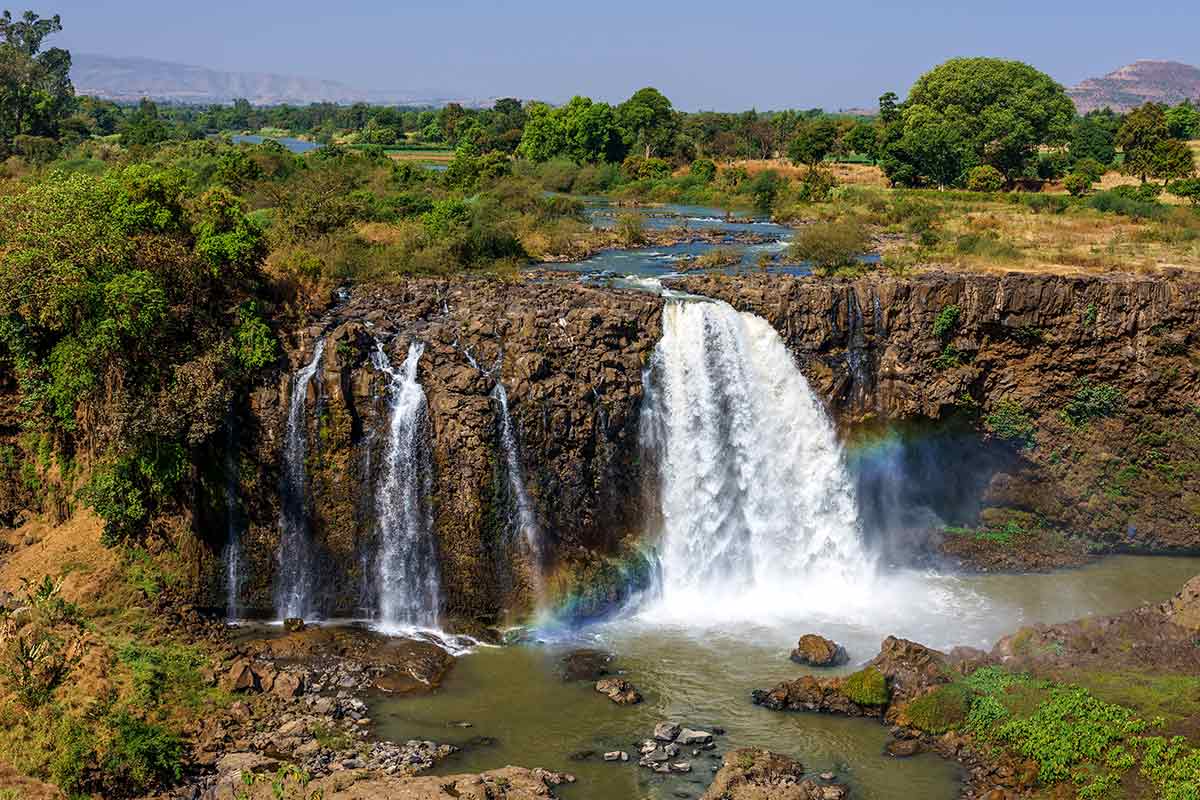
Given the lush and fertile nature of the Nile Valley and its importance in ancient history, it is easy to see why this area forms an attractive location for theories on the site of the Garden of Eden.
In ancient and medieval texts, the Nile has been associated with the Gihon and the Pishon, while the land of “Cush,” as mentioned in Genesis, was associated with the Gihon. Genesis states that the Gihon encircled the entire land of Cush. The King James Version renders “Cush” as “Ethiopia,” thus synonymous with the ancient kingdom of Kush, which lay to the south of Egypt. Other Bible versions, however, identify an ambiguity as “Cush” could have been a land in Mesopotamia.
The belief is not just a European construct. Ethiopian tradition also identifies the Gihon as the Abay River (Blue Nile), which encircles the former kingdom of Gojjam, now located within Ethiopia.
From a paleo-archaeological perspective, this theory is supported by the fact that the Blue Nile has its origins in the highlands of Ethiopia, which is bisected by the Great Rift Valley, where some of the oldest human fossils have been discovered. As such, the East African region is often considered to be the birthplace of human beings as a species, lending itself as a scientific feature of the Garden of Eden hypothesis. If the “Out of Africa” theory is correct, it stands to reason that the Garden of Eden would be situated there, too.
Of course, the glaring counterargument to this is that the Nile Valley is nowhere close to the Tigris and Euphrates. The Bible also frequently refers to the Nile by name and doesn’t call it the “Gihon.”
5. Tabriz, the Eden in Persia
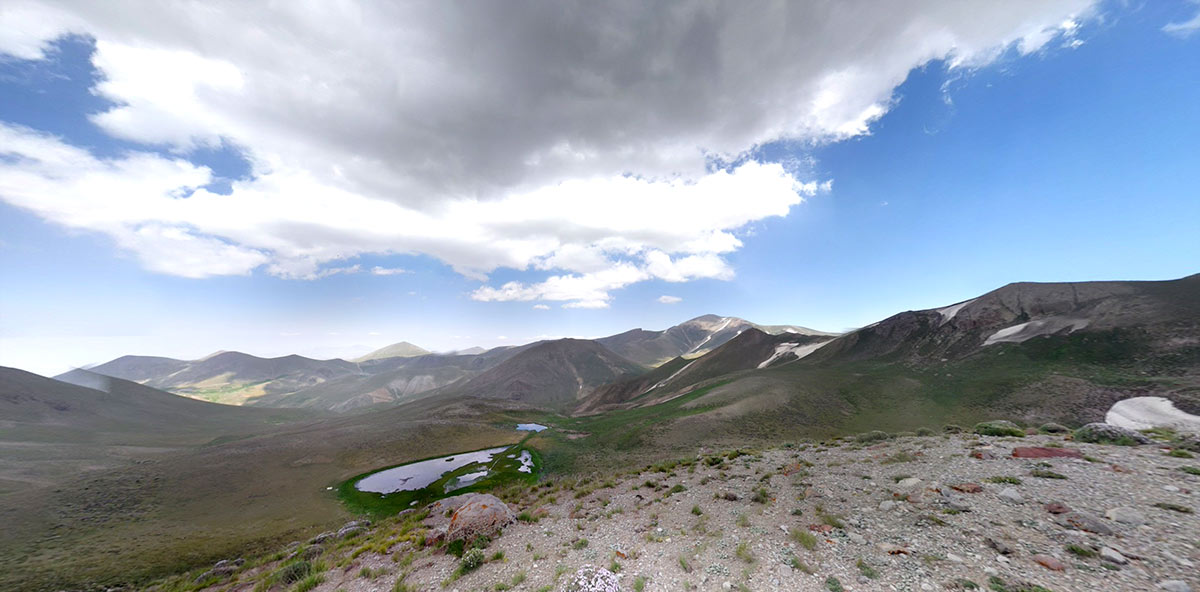
Throwing new light on the Garden of Eden is historian and archaeologist David Rohl, who has put forth evidence that the former site of the Garden of Eden lies in northwestern Iran, near the city of Tabriz.
An hour’s drive from this industrial city is a lush valley surrounded by mountains, echoing the “gan Eden” description, meaning “walled garden” or “enclosed garden” described in the Bible. Overlooking this valley is an extinct volcano, Mount Sahand, that correlates with the Mountain of God mentioned in the Book of Ezekiel, where God lived among “red-hot coals” (Ezekiel 28:11-19). Flowing from the Sahand plateau is a small river known in the local dialect as Adji Chay, which shares its name with the valley. Lush as it is today, it would have been warmer thousands of years ago.
Rohl identifies the Gihon and Pishon as the Araxes and the Uizhun, which flow into the Caspian Sea, putting the head of all four rivers in the same general location. What’s more is that on the other side of the valley is Kusheh Dagh, a ridge to the north of the valley, which correlates with the “Cush” mentioned in Genesis.
Rohl has also identified the area to which Cain was banished after he killed Abel. The Upper and Lower Noqdi to the east of the valley correlate with the “land of Nod” on the “east of Eden.” When taken together, these identifications create a compelling argument.
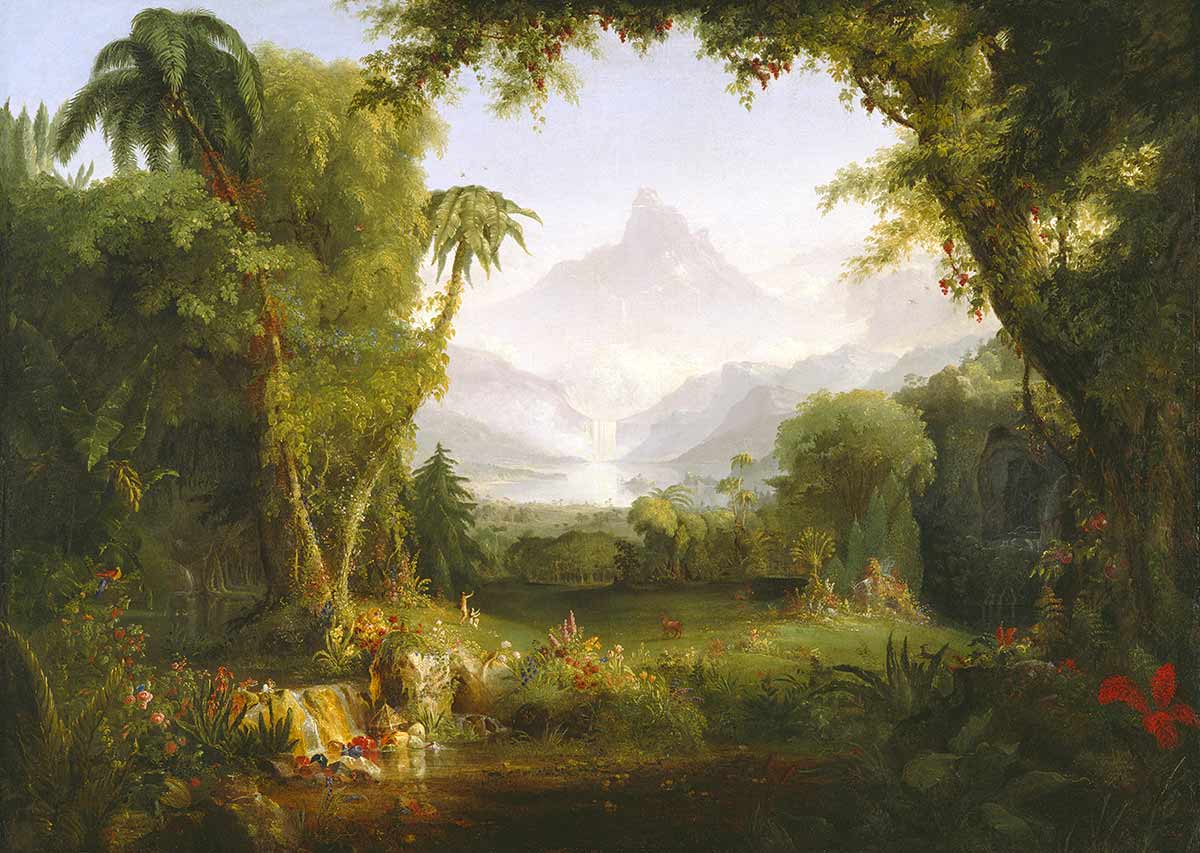
Discovering the location of the Garden of Eden may fulfill a human longing to connect with the past, revealing mysteries in the process. However, it makes little difference to the moral implications of the story of disobedience and loss. Whether or not the Garden of Eden existed as a physical place, it also exists as a theological symbol, generating lessons of perfection and fall from grace.
In a sense, discovering the Garden of Eden can be considered the driving factor behind what led to humanity’s downfall in the first place: the desire for knowledge.