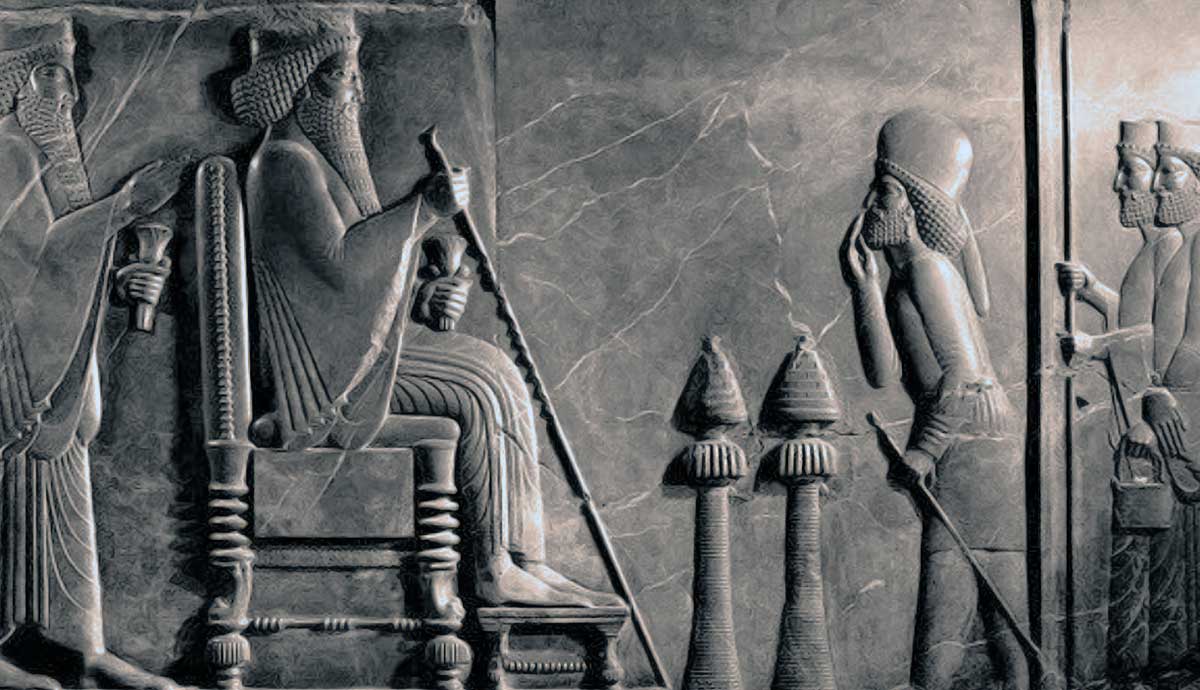

In 524 BC, fifty thousand Persian soldiers marched into the Egyptian desert and never returned. For centuries, the “Lost Army of Cambyses” remained a ghost story. But what really happened to these soldiers and other armies that reportedly “vanished”? Warfare in ancient times meant long journeys across difficult terrain without the help of GPS or even a compass. Armies could easily get lost, or they could be destroyed and assumed missing. Can we trace the fate of any of these missing ancient armies?
The Logistics of Vanishing in the Ancient World
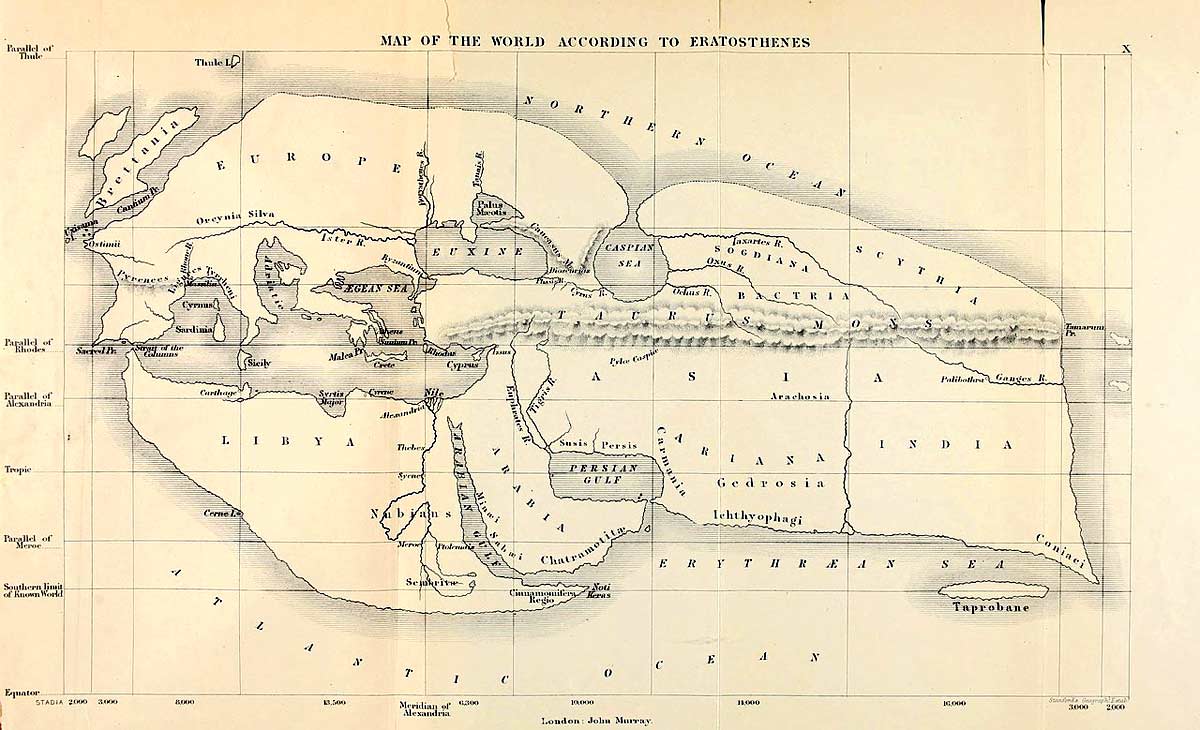
The first compass was invented in Han China in the 2nd century BC. However, the compass was not used for navigation until the 11th century AD. This meant that ancient armies relied on less precise forms of navigation. Navigation relied heavily on human guidance from scouts, traders, local informants, and professional guides.
Hiring local guides was only effective when the guides were reliable. If the guides are treacherous, the consequences could be catastrophic. Guides were known to misjudge the route, or, in some cases, deliberately lead armies astray. In politically unstable regions where loyalties often changed, this was especially true. Local guides could be enemy spies who knew how to deliberately cut off the armies from supply lines or lead them into a trap.
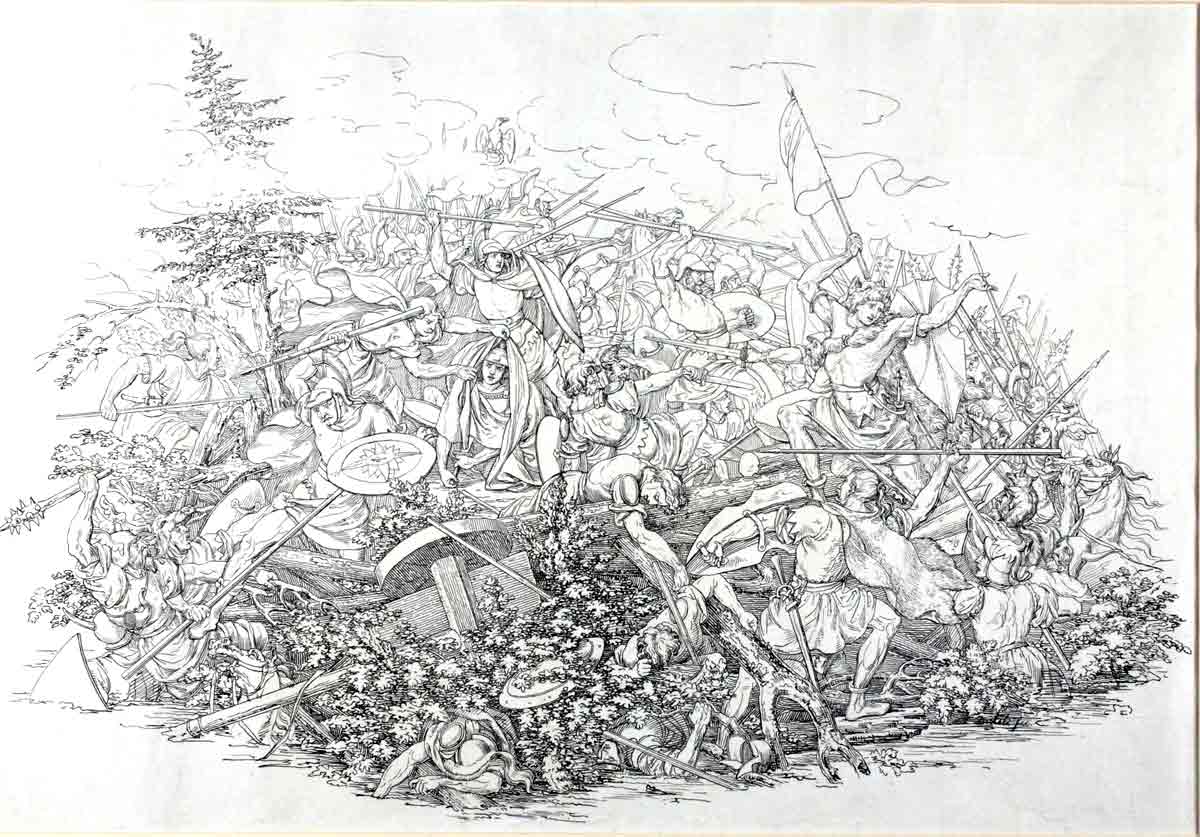
One example is the infamous destruction of three Roman legions under Publius Quinctilius Varus in AD 9 in the Teutoburg Forest. These Roman forces relied on Arminius, a Roman-trained local auxiliary officer who knew both Roman expectations and the local terrain. Arminius turned out to be a traitor and led the Roman legions to disaster. Rome reportedly lost almost 20,000 men, though some survived to report the incident. In AD 14, the imperial general Germanicus led 80,000 Roman troops into the region to exact revenge.
In ancient times, geography was often only approximate. Maps, where they existed, were rarely accurate in the modern sense. They were schematic, based on travelers’ experiences and inherited knowledge. Rivers were often misidentified, distances were underestimated or overestimated, and terrain descriptions were oversimplified.
Why the Persian Army of Cambyses Disappeared in the Sand
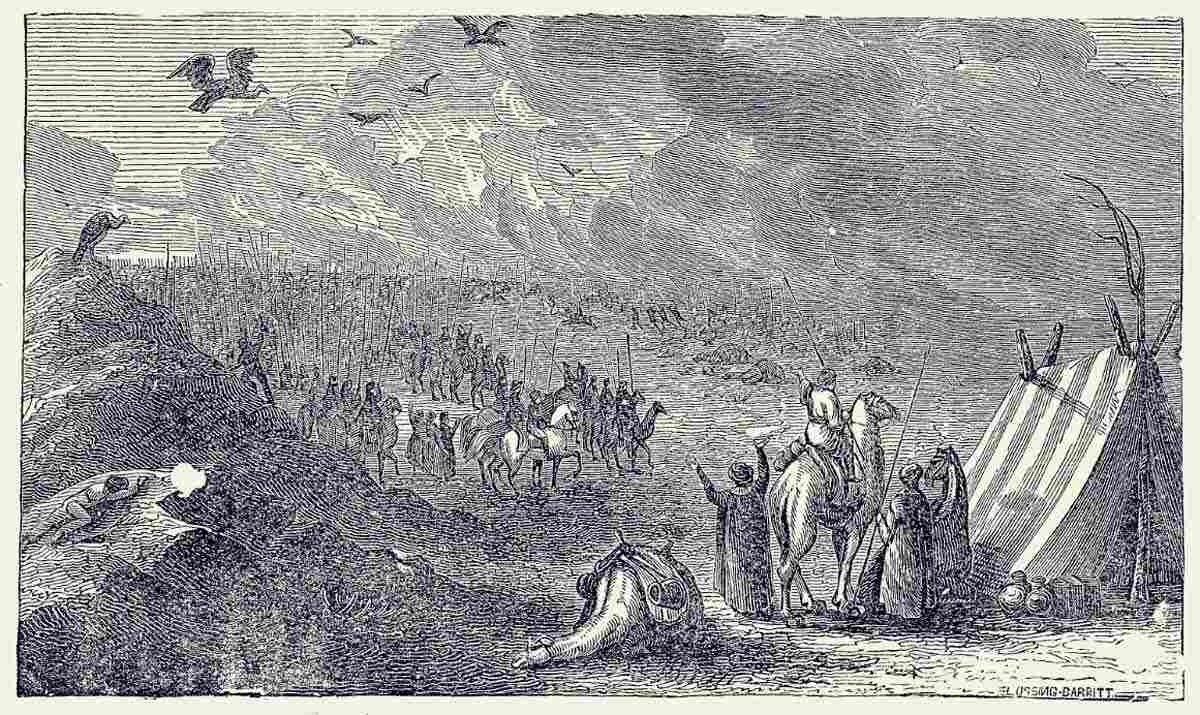
The disappearance of the army of the Persian King Cambyses has fascinated researchers for centuries. According to Herodotus, the Persian King Cambyses II launched a campaign against Egypt shortly after conquering the country in 525 BC. After securing control of the Nile Valley, he reportedly sent an army of 50,000 men across Egypt’s Western Desert to destroy the famous Oracle of Amun at the Oasis of Siwa.
Somewhere along the journey, the Persian army was lost while a strong southern wind was blowing. Allegedly, the wind became so powerful that it created a sandstorm that engulfed the entire army, burying all 50,000 soldiers beneath the desert sands. The Sahara is indeed capable of producing such powerful storms, but many modern historians are skeptical that such a large army could disappear without a trace. They suggest that ancient writers, such as Herodotus, often exaggerated numbers. It may have been a much smaller army that vanished.
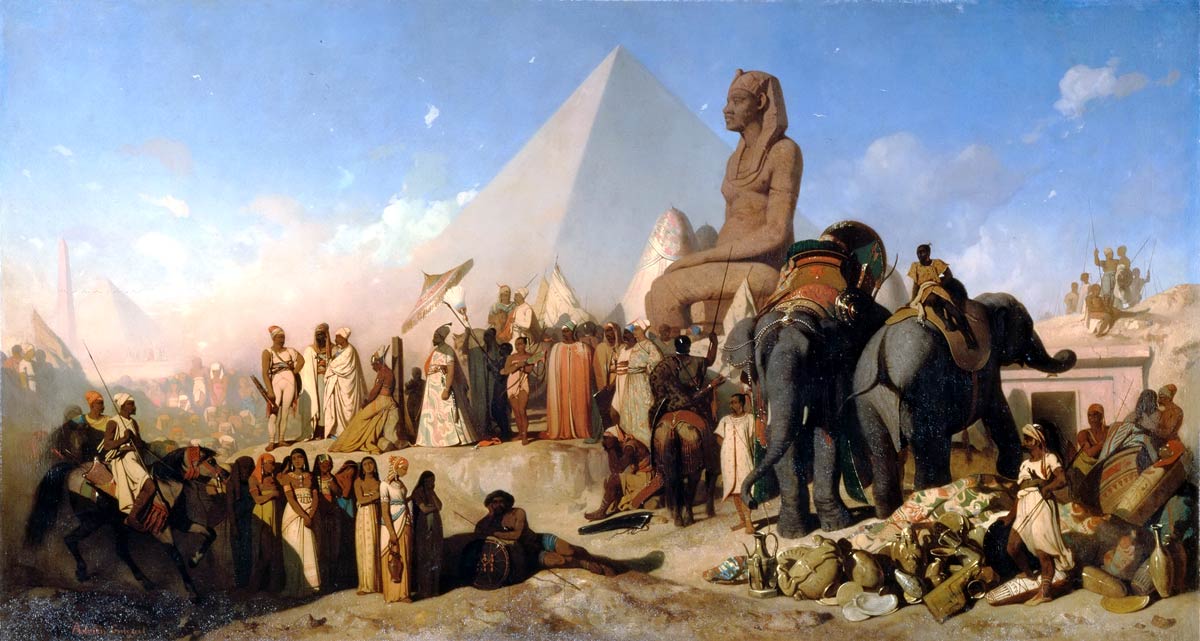
In recent years, Dutch archaeologist Olaf Kaper suggested that the army was intercepted and destroyed by forces loyal to the Egyptian rebel Petubastis III, who resisted Persian rule during the early years of Cambyses’ occupation. Petubastis’ presence in the region was confirmed by the discovery of a massive stronghold in the Dakhla Oasis. He suggests that when Darius I succeeded as king of Persia a few years later, he spread the sandstorm story so as not to admit that a Persian army was defeated by local rebels. Unfortunately, the archaeological evidence remains inconclusive, and the fate of the Lost Army of Cambyses may never be known.
Environmental Hazards That Swallowed Whole Battalions

Desert sandstorms were not the only phenomena blamed for the disappearance of entire armies or battalions. Sudden blizzards, flash floods, landslides, and extreme cold were also common culprits. Mountain warfare was particularly dangerous because narrow passes restricted the movement of armies and forced soldiers to march in columns several kilometers long. Sudden weather conditions such as fog or blizzards could drastically reduce visibility and make navigation almost impossible.
In arid regions, riverbeds could turn into dangerous and deadly torrents after heavy rainfall. This posed a particular problem when armies relied on wooden bridges. Floods could also destroy equipment or separate marching columns. Without a rapid response and engineering resources, regrouping could take days or even weeks.
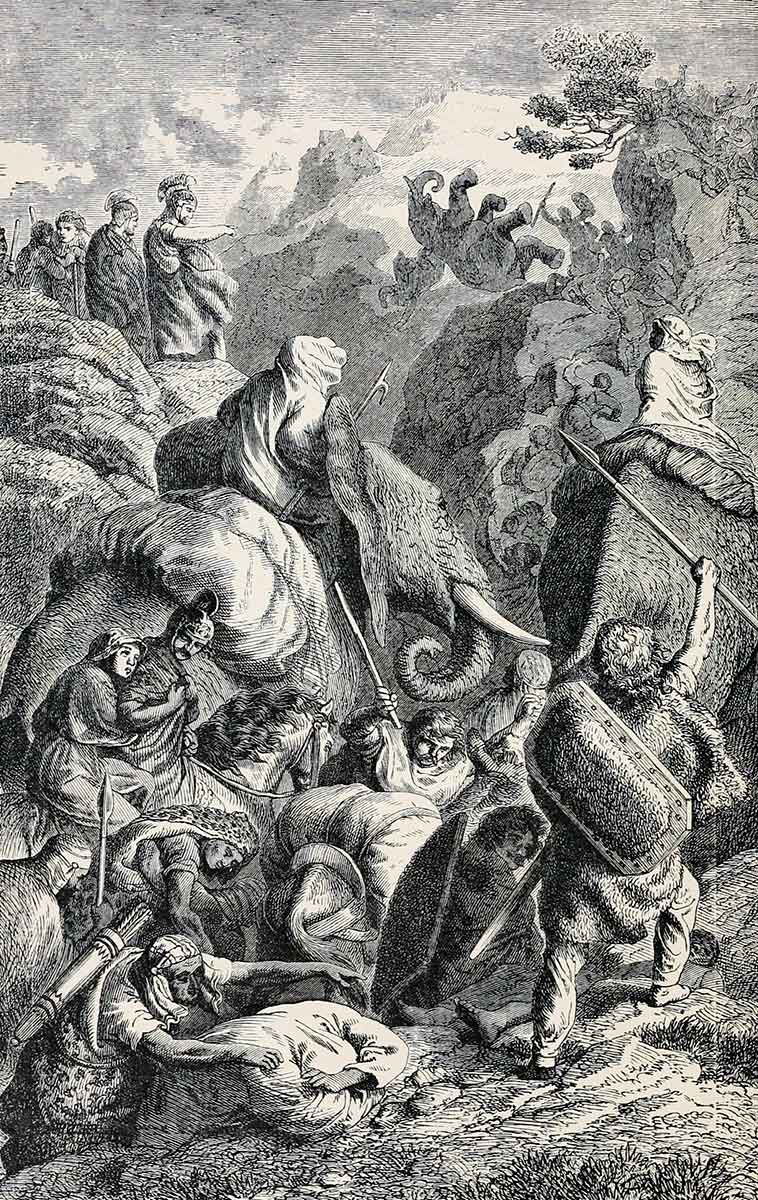
While the Carthaginian general Hannibal successfully crossed the Alps into Italy in 218 BC, he emerged from the mountains with a much smaller army than the one with which he had begun the crossing. During the 15-day crossing, he lost roughly 20,000 men, nearly half of the force that entered the mountain pass. In addition to the harsh conditions, Hannibal’s army was plagued by attacks from the local Allobroges. However, all 37 of his war elephants reportedly survived the crossing.
Solving the Mystery of Rome’s Missing Ninth Legion
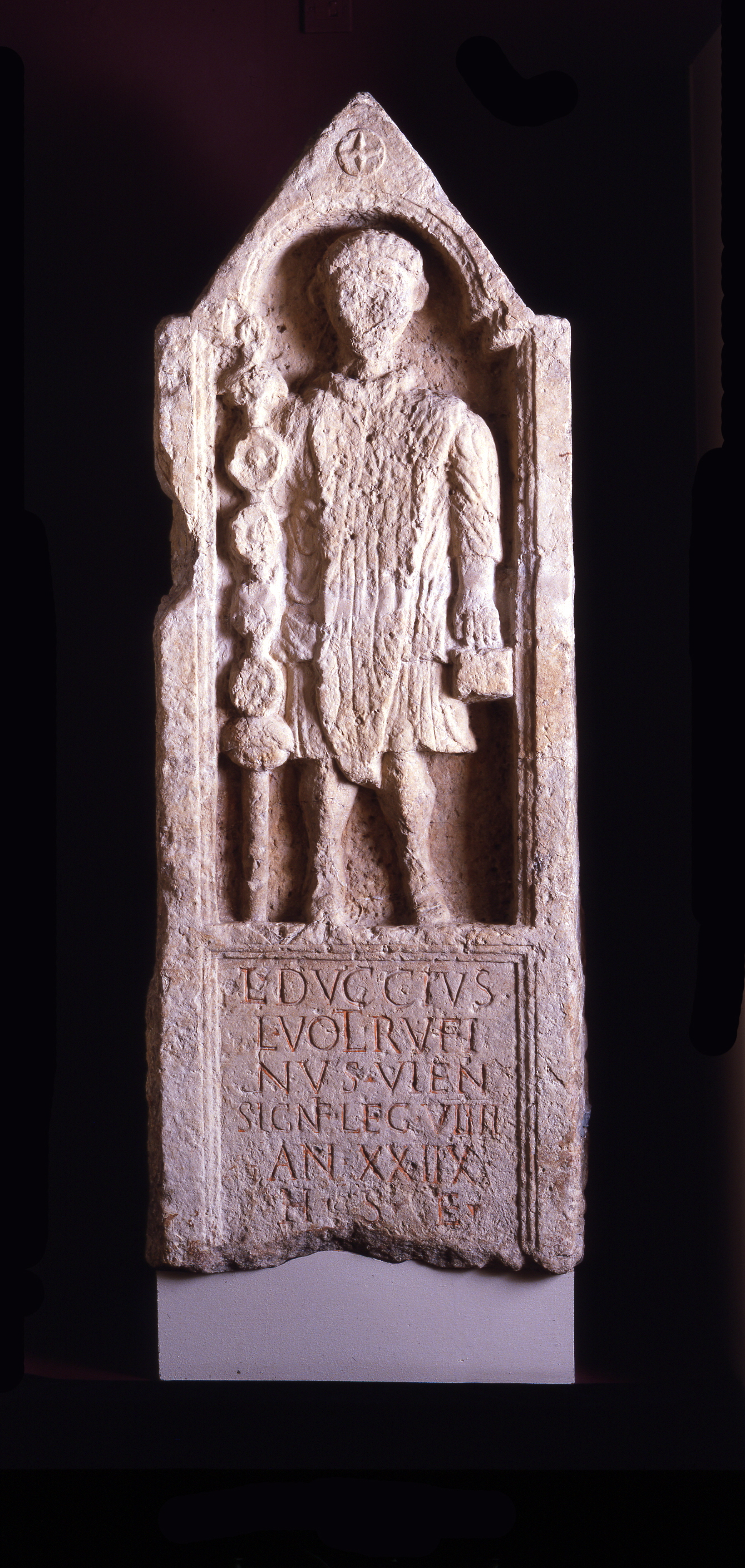
The disappearances of large ancient armies have inspired modern works of art. The famous legend of the disappearance of the Roman Ninth Legion in the mists of northern Britain was popularized by the 1954 novel “The Eagle of the Ninth” and its 2011 film adaptation.
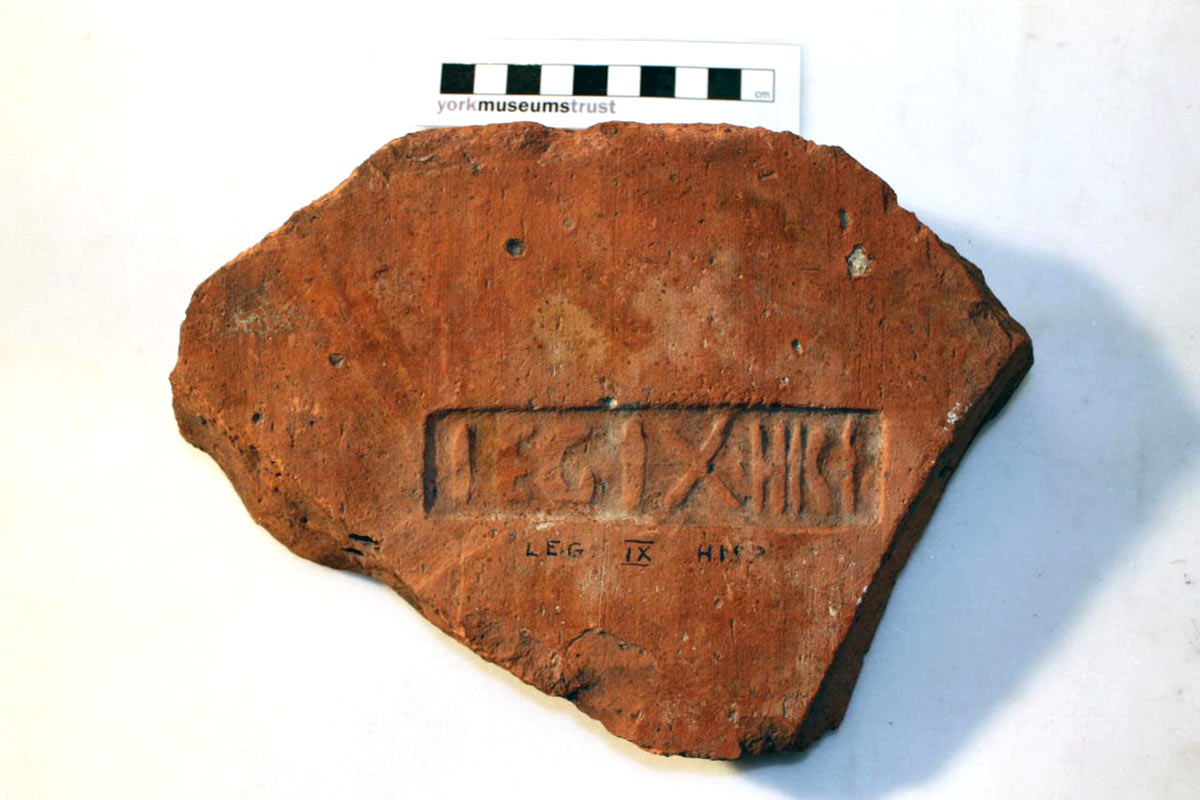
The Roman Legio IX Hispana maintained a permanent base at Eboracum and was responsible for campaigns against the northern tribes, primarily the Caledonians. According to the legend, the Ninth Legion became lost in dense fog and was then destroyed by local tribes in the early 2nd century AD, leaving no trace behind.
But this legend doesn’t tell the full story. Archaeological excavations in the Dutch city of Nijmegen uncovered inscriptions, stamped tiles, and military remains indicating that this legion was not actually lost. Instead, it was transferred across the North Sea from Britain to mainland Europe. The later fate of the legion becomes a historical mystery due to the lack of evidence, but it is believed that Legio IX Hispana was either disbanded or destroyed in later operations on the eastern frontiers of the Empire.
One of the most commonly accepted theories links Legio IX Hispana with the later Bar Kokhba uprising between AD 132 and 136. It was a great Jewish uprising in Judea against Roman rule during the reign of the emperor Hadrian. Rome deployed a large number of legions to quell the uprising, including possibly the Ninth Legion. Several legions were extinguished or destroyed in this event. While the Ninth Legion is not directly mentioned in the sources, this remains a likely theory for its fate.
How Defeat and Desertion Created the Myth of the Lost Army

Sometimes the mysterious loss of an army was used as a convenient excuse for a failed military campaign. In most cases, armies that were declared missing were actually heavily defeated armies that were dispersed and absorbed into the local population. We can trace this phenomenon throughout ancient history.
Wars rarely ended with the complete destruction of every soldier. There were always prisoners, deserters, and traitors. This happened especially in the distant border areas of the Roman Empire. Famously, after the Roman defeat in the Battle of Carrhae in 53 BC, the Parthians captured thousands of Roman soldiers. Many of these soldiers were not killed, but taken deep into Parthian territory. According to some speculations, they even reached as far as China.

Ancient writers often incorporated local myths into their accounts. They were probably not deliberately spreading “fake news,” but rather trying to explain events while entertaining their audiences. For the same reason, military defeats were often portrayed as divine punishment or extraordinary natural phenomena.
The Archaeological Search for Ghost Camps
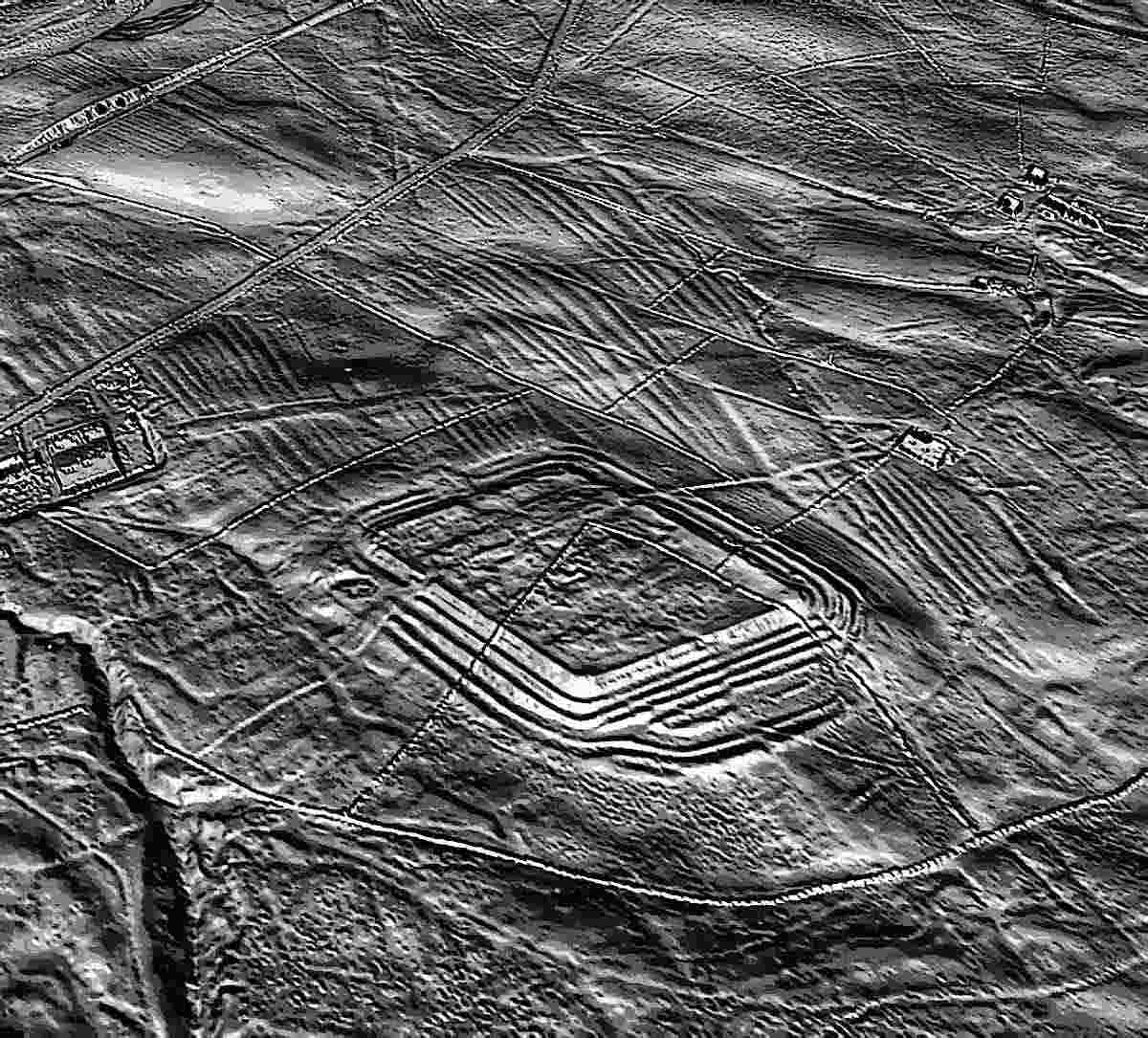
Archaeology has tried unsuccessfully over the past century to discover the fates of lost armies. Ancient armies rarely left any major traces that could survive for thousands of years. Their military camps were built of earth, wood, leather, and other perishable materials.
In addition, ancient sources often give incorrect information about certain battlefields. Geography is recorded incorrectly, and distance measurements are inconsistent. Also, the names of certain places have changed or disappeared over time. In some cases, the landscapes themselves have changed drastically over the centuries. This makes it hard to track armies through these sources.

All this makes it difficult for archaeologists and historians to find ancient battlefields and perhaps traces of lost armies. In the last couple of decades, LiDAR technology has offered some hope. This technology creates very detailed topographical maps of the terrain under the vegetation cover, allowing archaeologists to observe otherwise invisible features.
LiDAR surveys have led to the discovery of previously unknown remains of the Antonine Wall and Hadrian’s Wall. It has discovered a heavily fortified Roman military camp at Graubünden, Switzerland, over 7,000 feet above sea level, and another Roman camp at Hoog Buurlo in the Netherlands dating to the 2nd century AD.
In 134 BC, the Roman general Scipio Aemilianus took a massive force to Spain to destroy the city of Numantia. Rather than attack the walls, he built a giant, 9-kilometer-long siege wall that surrounded the entire mountain city. LiDAR has helped archaeologists map the giant blockade.
One day, new technology may help us find our missing armies.