
When we think of ancient Greek warfare, we imagine scenes of phalanxes with large shields and spears in tight formations. But when these formations gave way, then real bloodshed started. The battle entered the second phase, the phase of mass killing. Those who were “lucky” enough to escape alive might face an even worse fate, including enslavement, execution, or the uncertain wait for a ransom that may never come. If the defeat of an army represented the defeat of an entire city, women and children back home could suffer a similarly brutal fate. What happened to the defeated in ancient Greek warfare?
The Breaking Point and the Peril of the Flight
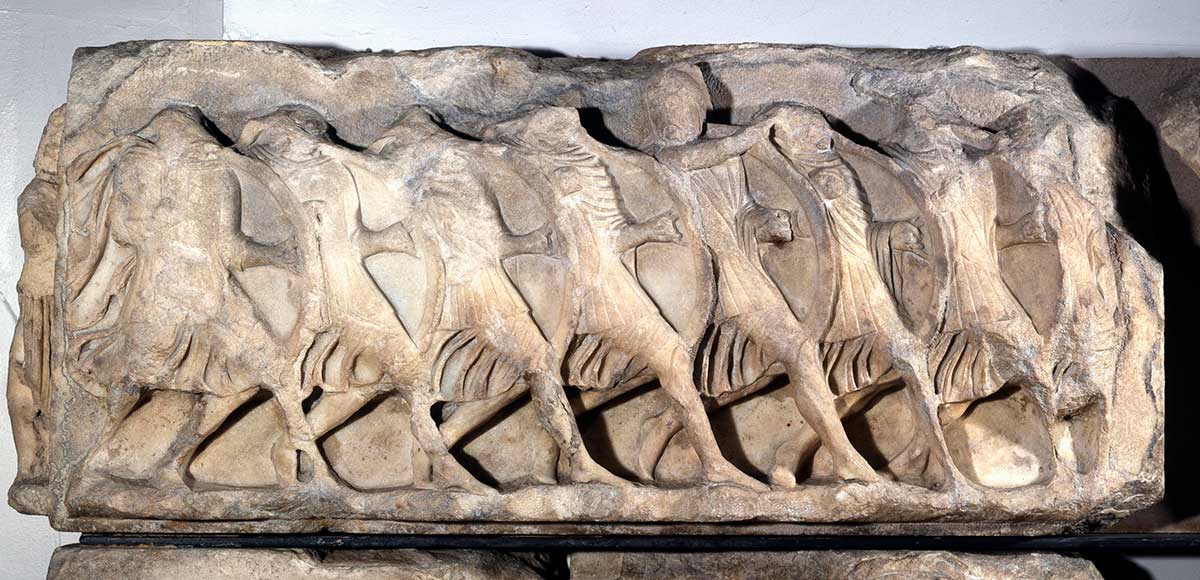
In most Greek battles, the hoplite soldiers formed phalanxes that advanced and fought in well-organized formations, protected by a wall of shields as they used their thrusting spears to advance on the enemy. Individuality and courage were important, but not to the extent that Greek myths and legends make them out to be. The success of the army depended on maintaining the cohesion of the phalanx. The loss of cohesion was the decisive moment in the battle.
In ancient Greek, tropē means “turning.” In the context of warfare, tropē meant turning of the enemy. When the cohesion in the ranks of the phalanx weakened, hoplite soldiers turned in an attempt to retreat. The cohesive army quickly transformed into a crowd of individuals. Their spears and shields no longer served them, and they had to fight in hand-to-hand combat with their secondary weapon, a short sword.
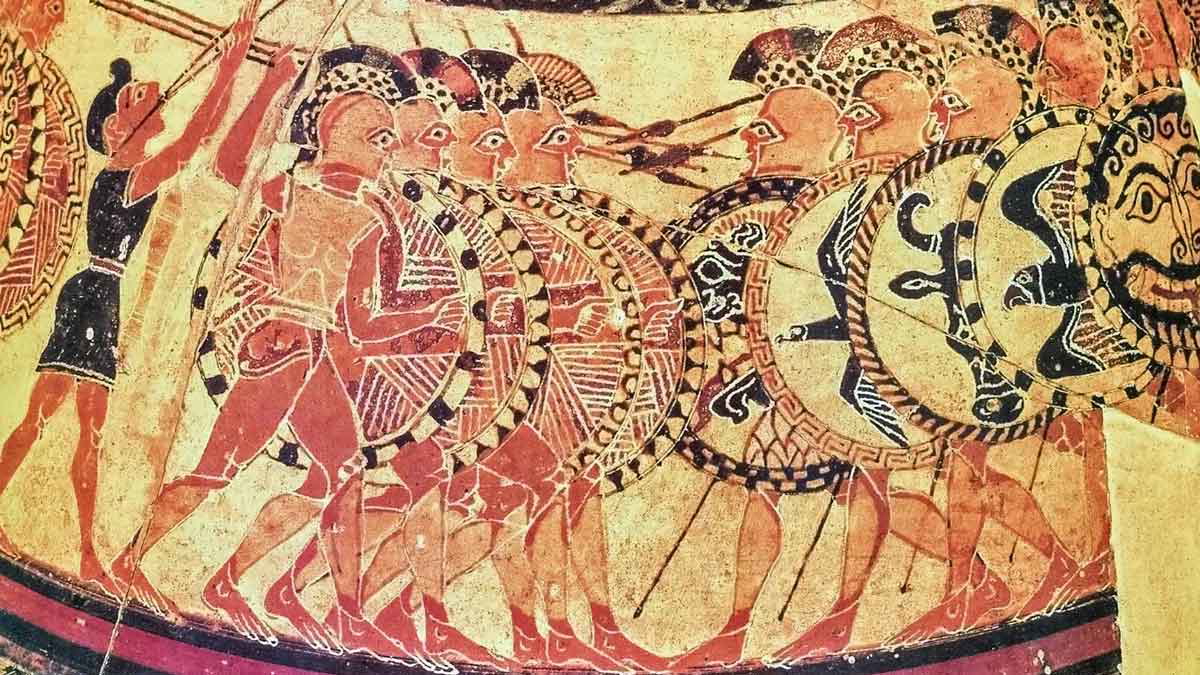
This phase of the fight was the bloodiest and accounted for most battle casualties. In this phase, light infantry, particularly specialized peltasts and light-armed psiloi, were deployed to pursue and cut down fleeing hoplites. Since they did not carry heavy shields and armor, they could move quickly on the battlefield and pursue the enemy.
Cavalry was also used to run down the enemy and caused heavy casualties. However, records suggest that cavalry was also used to protect retreating soldiers. Some hoplites threw their gear down to gain speed to escape, although throwing a hoplite shield was stigmatizing and permanently damaged the soldier’s reputation. The battle ended with the symbolic act of raising a tropaion. It was a monument made from captured weapons and armor that was raised as a sign of gratitude to the gods for the victory.
Sacred Truces and the Reclamation of the Dead
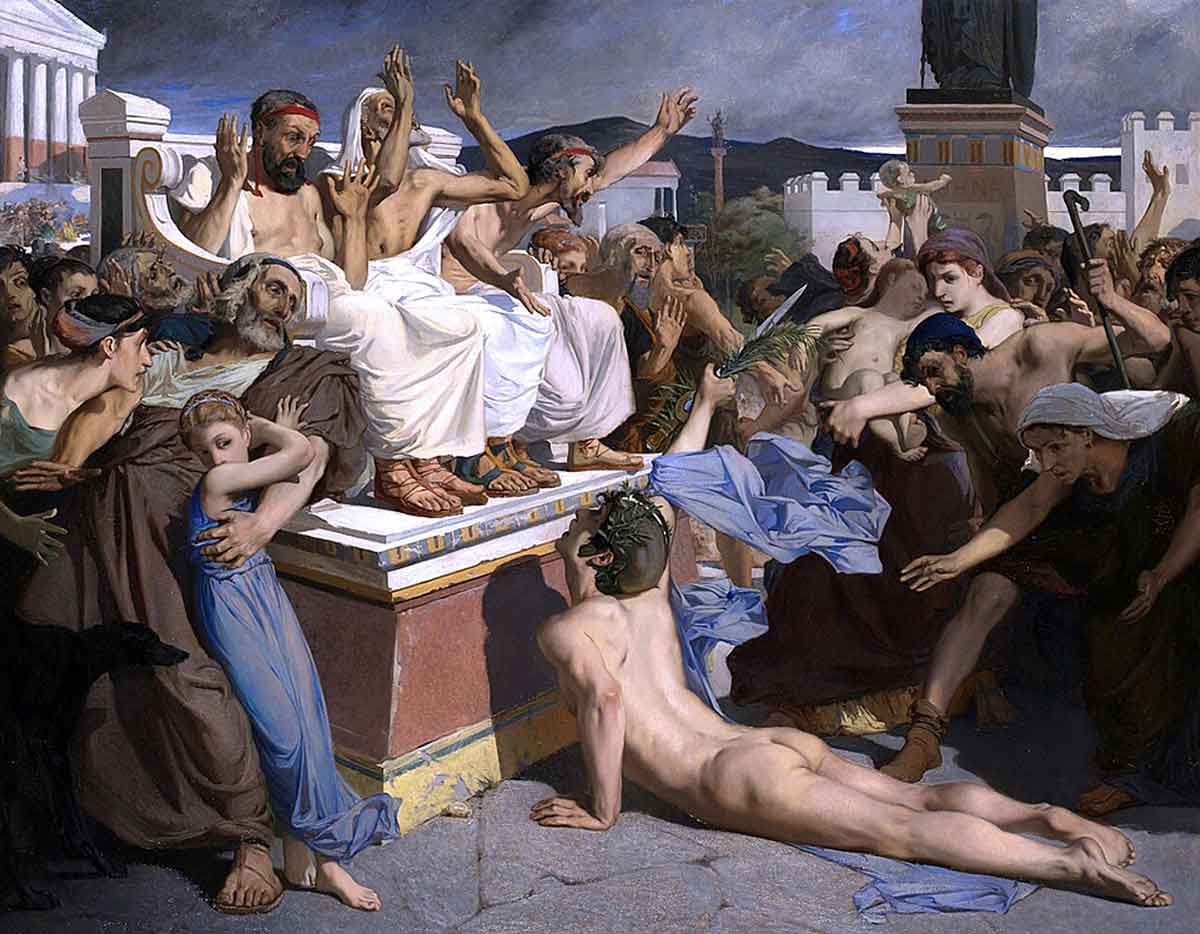
In ancient Greece, there was an unwritten obligation to allow the recovery of the dead. After the battle, the defeated side would usually request a truce, known as spondai, through formal envoys or messengers. These were temporary peace agreements that carried religious weight, because the proper burial of the dead was considered a sacred duty throughout the Greek world.
Requesting permission to collect the dead meant that one side officially acknowledged defeat. For this reason, negotiations over the dead were often delayed until the last moment if there was still a chance of gaining the upper hand.
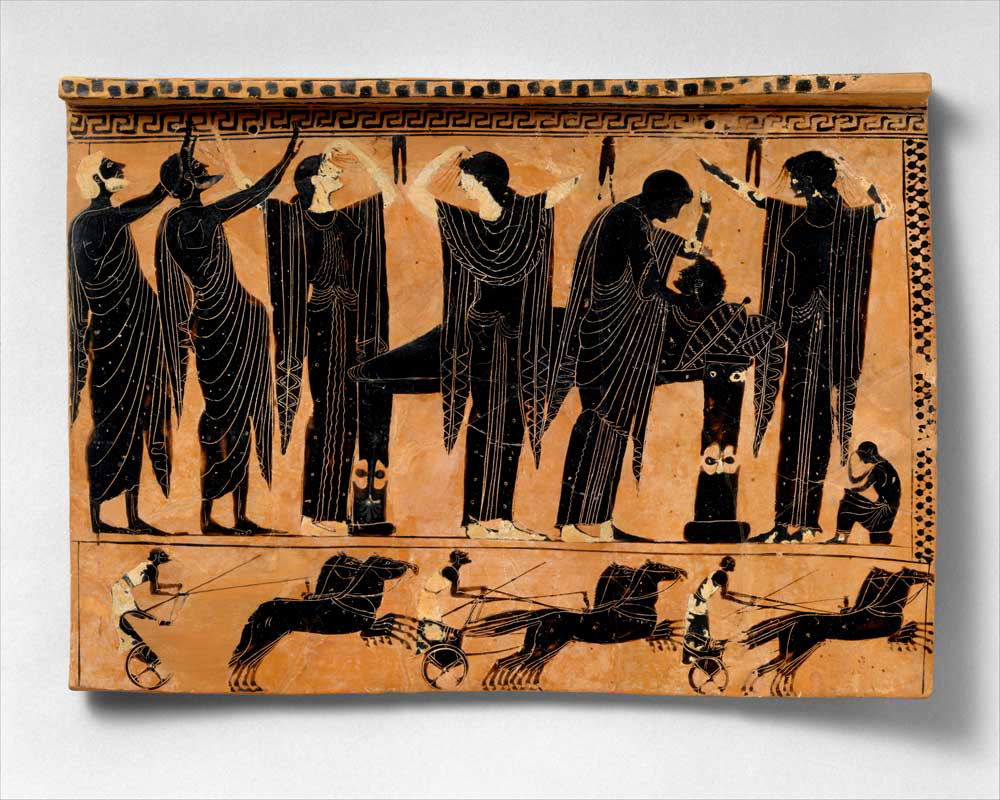
Although bodies were usually reclaimed, this was not necessarily the case. In extreme situations, the dead were used as bargaining chips. For example, after the Battle of Delium in 424 BC during the Peloponnesian War, the Boeotians initially refused to allow the Athenians to recover their dead. The Boeotians refused to surrender the dead due to the Athenian fortification of the temple of Apollo, which was considered sacrilegious. They only returned the bodies 17 days later after recapturing the temple.
Once permission was granted, the bodies were usually collected in a pile and, if possible, identified. For Athenians, the dead were transported back to their polis for a public funeral, whereas most other Greek city-states buried their fallen directly on the battlefield in a collective grave (polyandrion).
The Economics of Surrender and the Ransom System
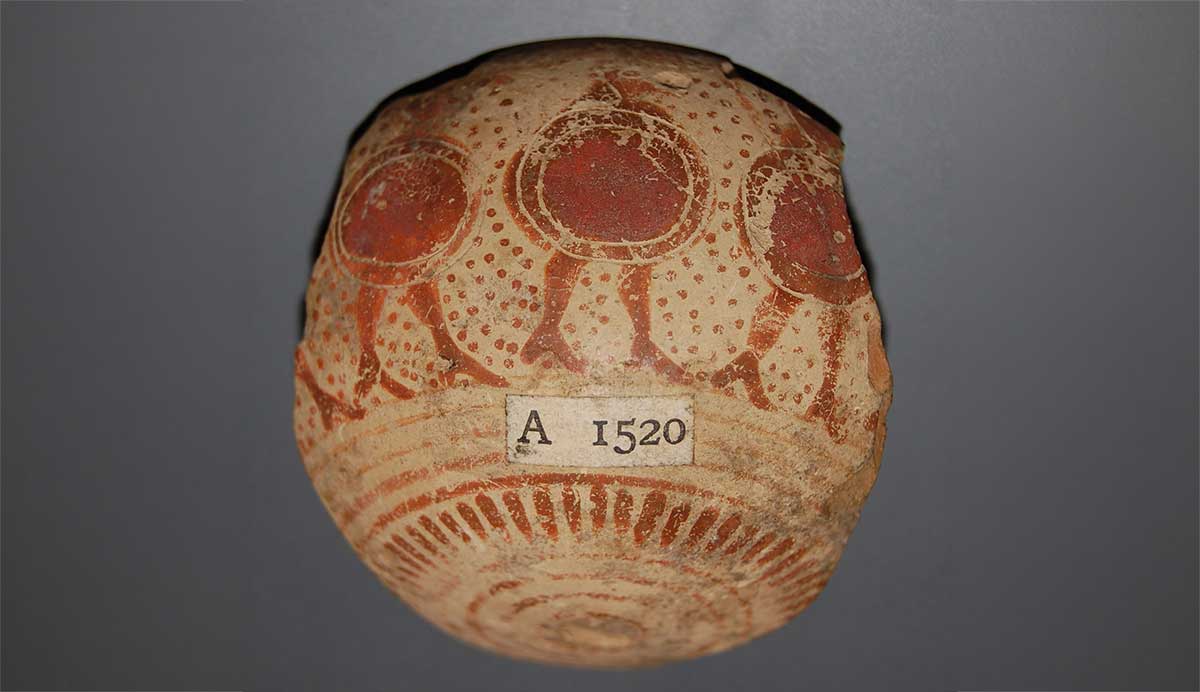
Not all defeated soldiers suffered the same fate. Some managed to escape, others were killed on the battlefield, while those who were captured were often enslaved. Some became negotiable property and were ransomed back to their homes for a profit.
The practice of ransoming soldiers was called lytron, but the price depended on various factors. Most important was the social status and wealth of the captured soldier. Prominent citizens were worth more than ordinary soldiers, and the polis tried to ransom them first. Wealthy families could often afford the ransom. Poor citizens were often not considered worthy of ransom, or they could be bought back for a small sum, equivalent to the value of a slave.
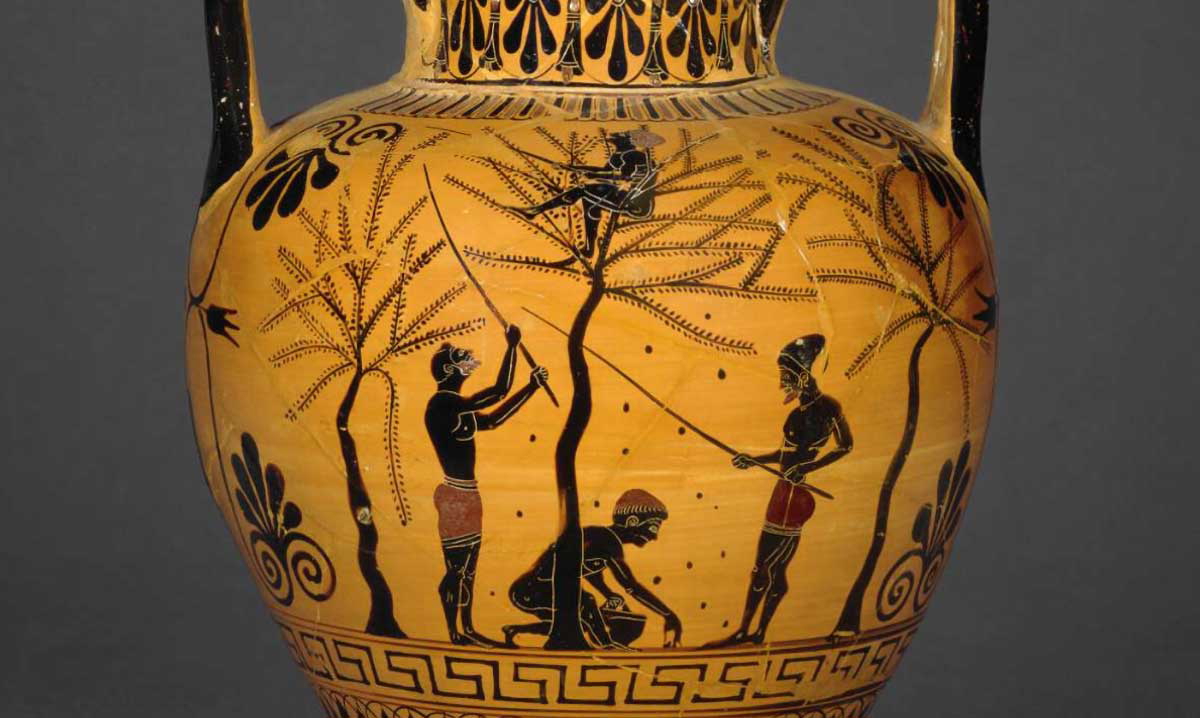
Those at greatest risk were mercenaries and non-citizens, who often had no one to pay their ransom. In some cases, they were simply executed, but more often, they were enslaved.
Andrapodismos and the Total Destruction of Cities
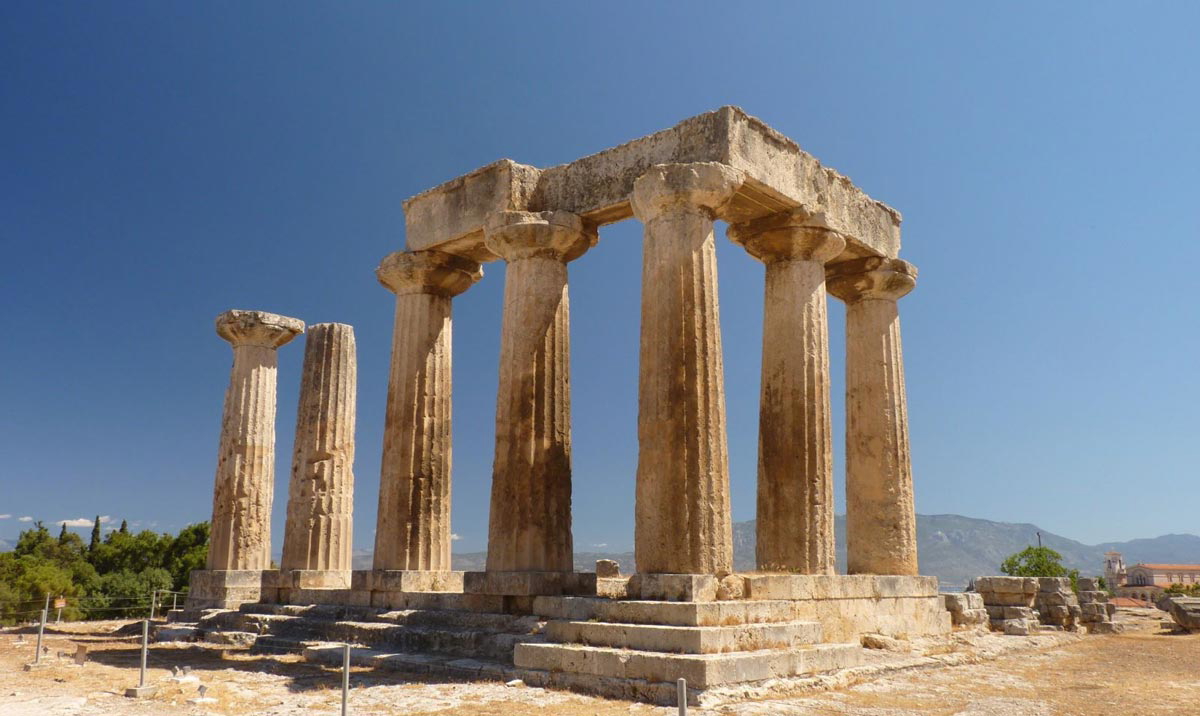
If defeat in battle meant the utter defeat of the poleis, the consequence could be andrapodismos. This meant the enslavement of the entire population and the extinguishing of the political existence of a city. The brutalities of andrapodismos were sometimes more than just enslavement. Mass executions of men of military age were not uncommon.
The most famous example of andrapodismos occurred on Melos in 416 BC during the Peloponnesian War. Melos attempted to remain neutral in the conflict between Athens and Sparta, but the Athenians demanded the surrender of the polis. After a long siege, the Melians eventually gave in. What happened afterward was disastrous for the Melians. According to Thucydides, the Athenians executed the adult male Melian population and sold the women and children into slavery. They then settled the island with Athenian colonists.
A similar fate befell Scione. When it rebelled against Athenian rule, Athens recaptured it and punished it severely. The adult men were executed, the women and children enslaved, and the territory was handed over to Plataean refugees whose city had previously been destroyed.
Women and Children After Conquest
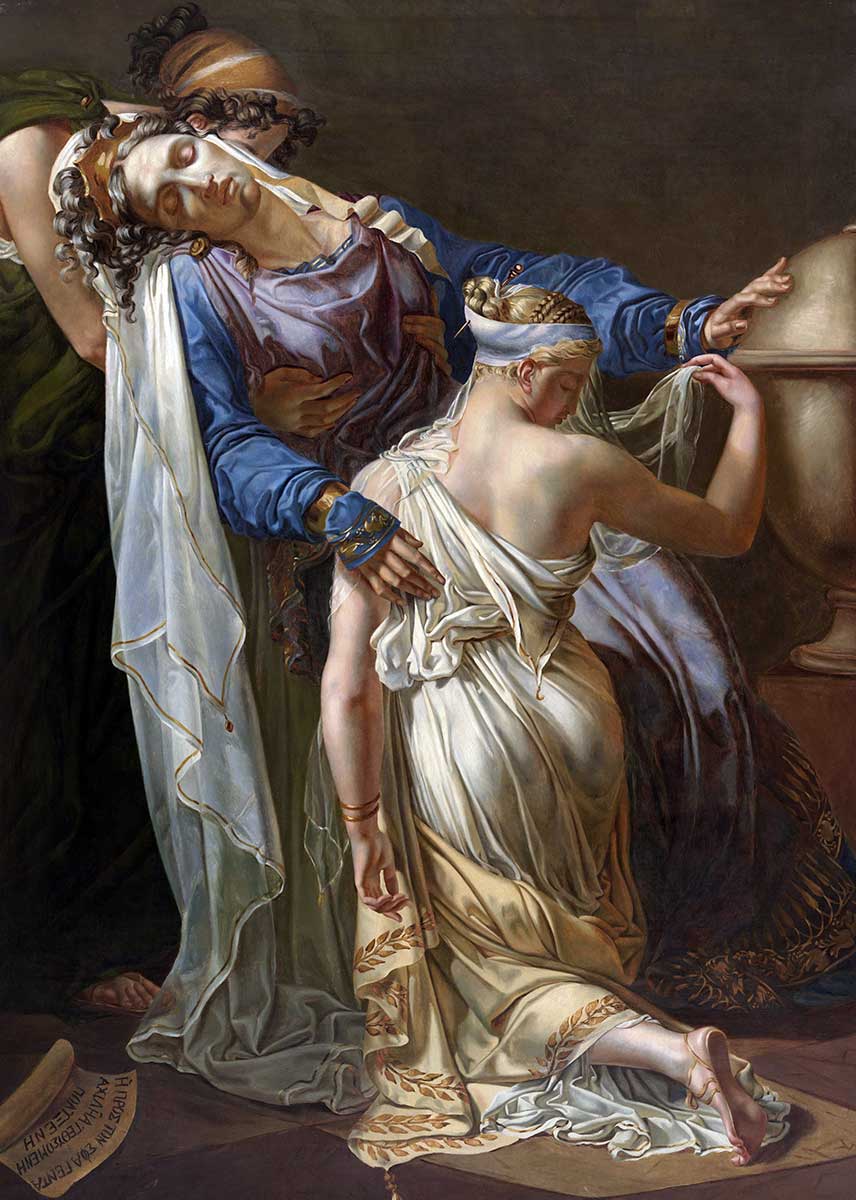
The fate of women and children following defeat in war is less often recorded but no less important. After wars, families were often torn apart, with little or no chance of reunification.
After losing a war, women were considered some of the most valuable captives for slavery. Women who were enslaved were usually given domestic chores in new households, such as washing, cooking, and weaving. In some cases, elite women who were enslaved could become concubines or companions. Nevertheless, their status meant the loss of any civic identity or personal autonomy.
Children were also considered valuable captives, primarily because their youth allowed them to be integrated into household labor and trained for long-term domestic or agricultural service. Greek tragedians like Euripides vividly describe the fates of women and children as the most vulnerable victims of war.
“Who am I that I sit
Here at a Greek king’s door,
Yea, in the dust of it?
A slave that men drive before,
A woman that hath no home,
Weeping alone for her dead;
A low and bruisèd head,
And the glory struck therefrom.”
Euripides, The Trojan Women
How Peloponnesian War Atrocities Became State Policy
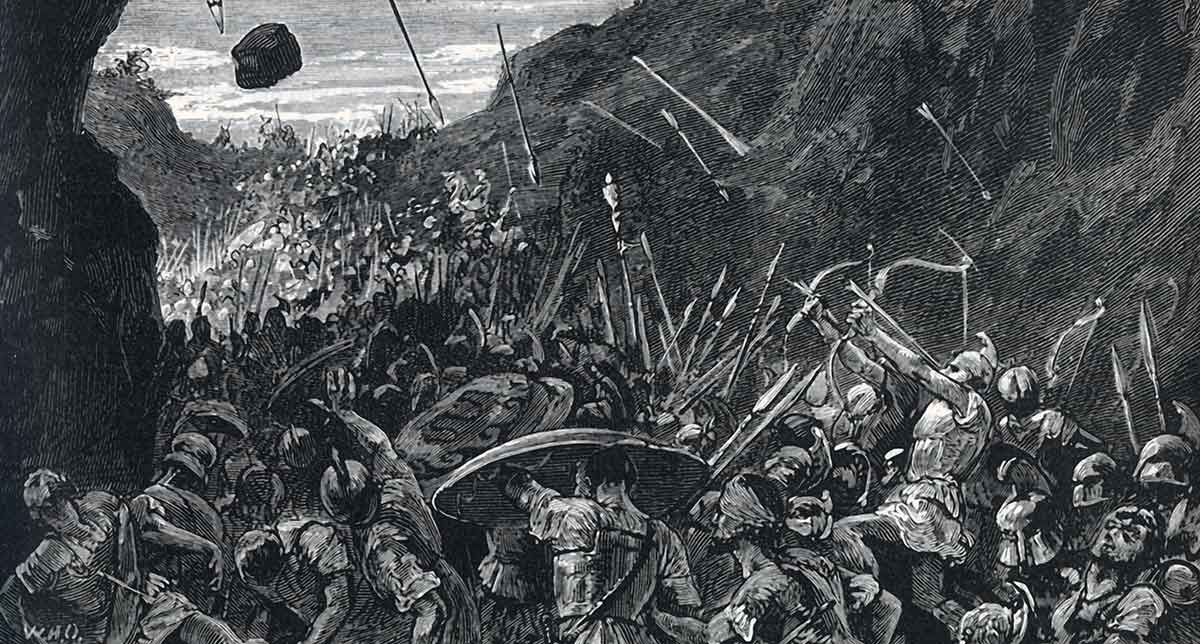
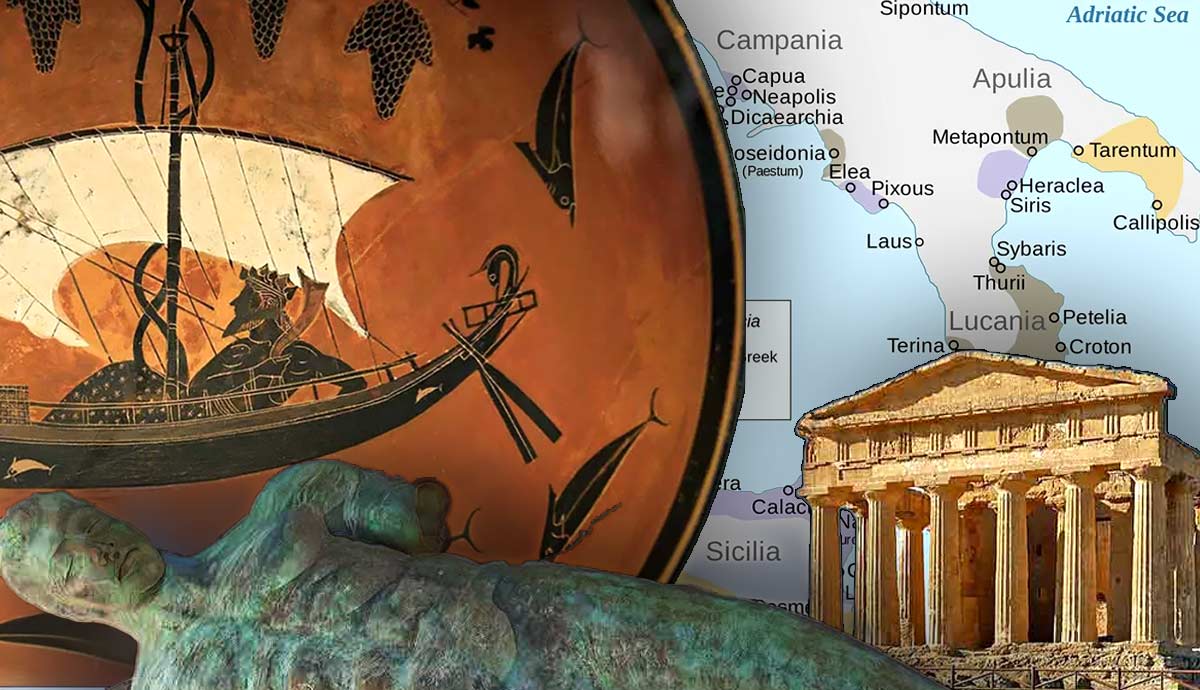
The Peloponnesian War, which lasted for almost 30 years, best illustrates the brutality of Greek warfare and the consequences of defeat. For example, after Athens’ famously unsuccessful Sicilian expedition between 415 and 413 BC, the brutal treatment of the defeated soldiers was unprecedented in ancient Greece.
After the fiasco of the Athenian army at Syracuse, thousands of Athenian soldiers were taken prisoner. Most of the soldiers were taken to Sicilian quarries, where they worked digging under the fierce Sicilian sun. Their camps were overcrowded, and they were given only enough water and food to stay alive. While waiting for their fates to be resolved, many died from hunger, thirst, or disease. Most who survived the months in the quarries were sold into slavery.
After almost three decades of conflict, Sparta won the Peloponnesian War when it defeated the Athenian fleet at the Battle of Aegospotami. Again, thousands of Athenian sailors were captured and enslaved. This time, most of them were executed immediately without any demand for ransom. This was done in retaliation for Athens’ brutal treatment of prisoners of war, and to permanently eliminate Athenian manpower so that they could not rebuild their fleet. The stakes were high, and the outcome brutal for the defeated Athenian soldiers.