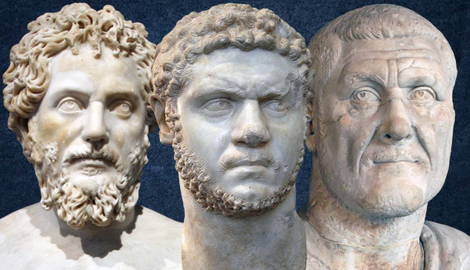

In February AD 211, the emperor Septimius Severus lay dying at Eboracum (York) on the far northern frontier of the Roman Empire. Weakened by age, illness, and decades of war, the campaign in Britain was to be his last. Gathering his two sons around him, he offered some final advice: “Be harmonious, enrich the soldiers, and scorn all other men.” The two imperial heirs certainly failed to heed the plea for collegiality, but they took the rest of their father’s advice to heart. The rule of the Severan Dynasty over the Roman Empire (AD 193-235) is characterized by the emperor’s increasing reliance on the army for support. The seeds were sown for the rise of the soldier emperors.
| Date | Ruler | Importance |
| AD 193 | Year of the Five Emperors | A chaotic power vacuum followed the murder of Commodus. The Praetorian Guard killed Pertinax and auctioned the throne to the highest bidder, Didius Julianus, sparking a brutal civil war among rival military commanders, Pescennius Niger, Clodius Albinus, and Septimius Severus. |
| AD 193–211 | Septimius Severus | Founder of the Severan Dynasty. He seized power by force, defeated his rivals, and fundamentally shifted Rome toward a military state by significantly increasing military wages and bonuses. |
| AD 211–217 | Caracalla | Murdered his brother Geta to rule alone. He cultivated a rugged “soldier emperor” image, spent lavishly on the army, and issued the Constitutio Antoniniana (AD 212), granting citizenship to all free inhabitants of the Empire. |
| AD 217–218 | Macrinus | The first Roman emperor from the equestrian (non-senatorial) class. He briefly usurped power after conspiring to assassinate Caracalla, signaling a breakdown of traditional Roman socio-political hierarchy. |
| AD 218–222 | Elagabalus | A teenage Syrian priest was elevated to power by soldiers. His brief reign was notorious for religious eccentricity and rumored excess, ending in his murder by the Praetorian Guard. |
| AD 222–235 | Severus Alexander | The last emperor of the Severan Dynasty. His reign faced domestic unrest and foreign threats from the newly aggressive Sassanid Empire. He was assassinated by his own troops after attempting to buy off Germanic invaders, triggering the Crisis of the Third Century. |
The Year of the Five Emperors: A Throne for Sale
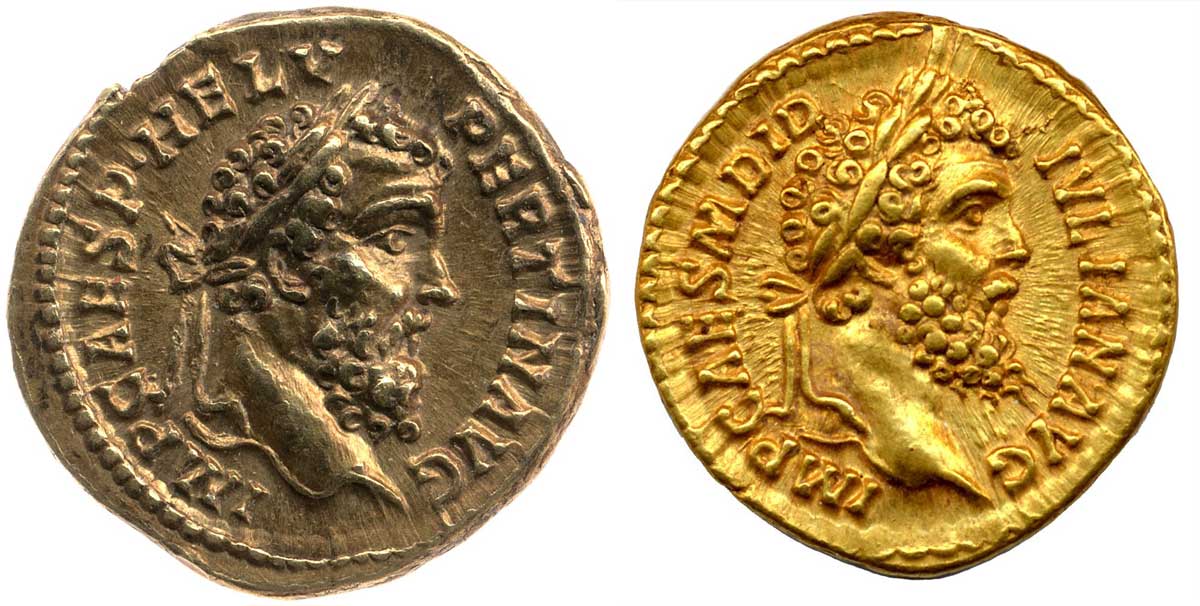
On New Year’s Eve AD 192, the emperor Commodus was murdered in his private bath. The rise of Commodus is often considered a turning point in Roman history. The period between AD 96 and 180 under the Five Good Emperors was considered a Golden Age, which ended with the death of Marcus Aurelius and the reign of his son Commodus. He was portrayed as narcissistic and more concerned with playing gladiator than administering the empire. Nevertheless, when he died with no apparent heir, the resulting power vacuum plunged Rome into chaos.
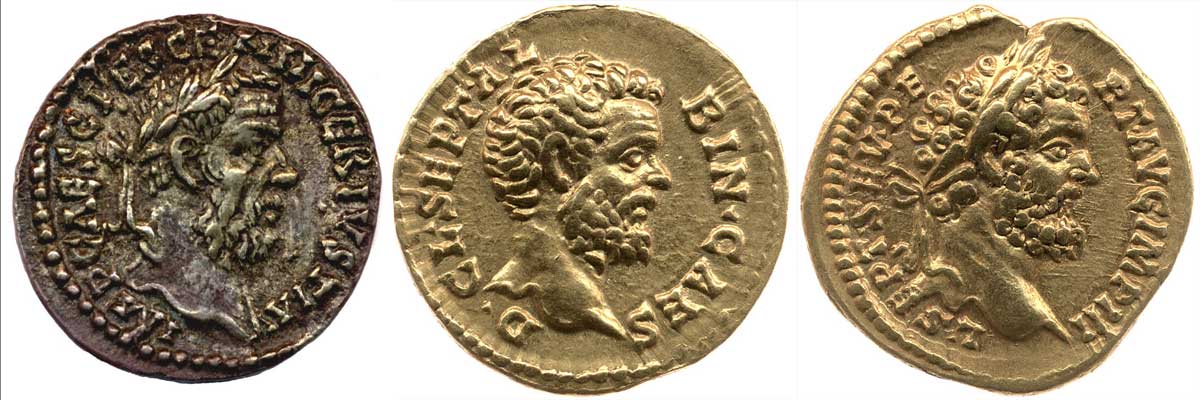
The senators who had conspired against Commodus moved quickly to install one of their own as emperor: the elderly statesman Pertinax. In contrast to Commodus, Pertinax attempted to balance the imperial budget and refused to bribe the Praetorian Guard (Rome’s imperial bodyguard and proven kingmakers in Rome) for support. This earned him their ire, and within 90 days, they marched into the imperial palace and murdered the old man.
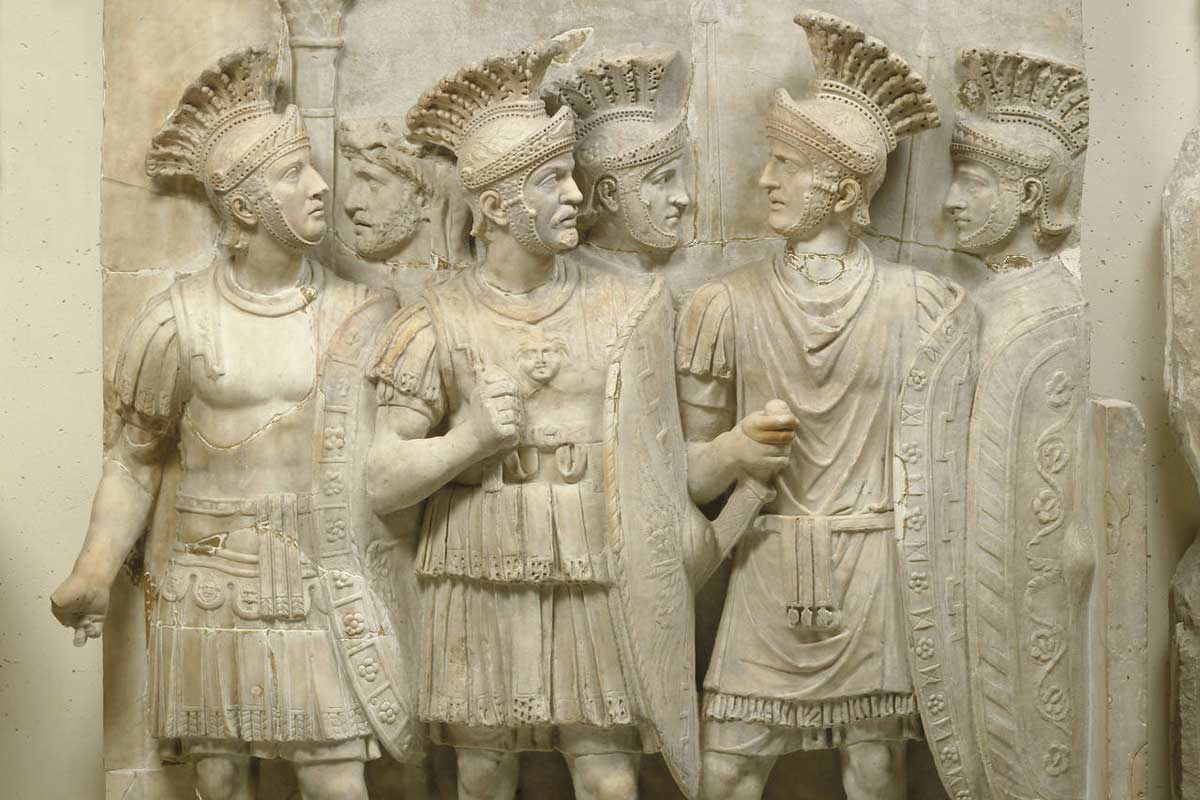
Suddenly realizing the enormity of what they had just done, the Praetorians retreated into their fortified encampment in the city (the Castra Praetoria). But rather than facing retribution, they were entreated by two rivals: Didius Julianus and Titus Sulpicianus. Both men bartered with the Praetorians, offering higher and higher sums to tempt the guards to back their claim. Imperial politics had been debased to a common auction.
In the end, it was Julianus who bid the highest and secured the support of the Praetorians. Julianus became the second emperor of AD 193, but he would not be the last. The year AD 193 is now infamously known as the Year of Five Emperors.
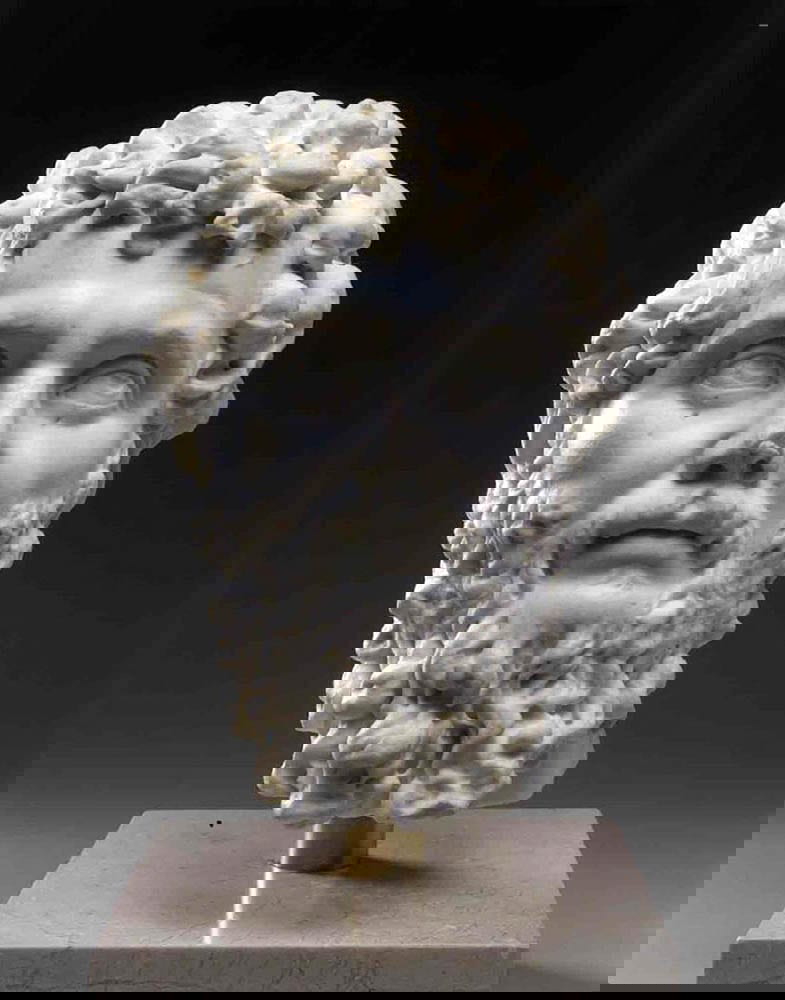
As news of Pertinax’s murder spread around the Empire, other ambitious and powerful men soon threw their lot in. Nominated by the legions under their command, these men had the power and resources to potentially seize power. In Syria, there was Pescennius Niger. In Britain, there was Clodius Albinus. In Pannonia, the closest of these provinces to Italy, there was Septimius Severus. A native of Lepcis Magna, in North Africa, Severus received the acclamation of his soldiers as imperator and seized the initiative. He marched on Rome with his Pannonian legions. Fearing Severus’ retribution, the Praetorians abandoned Julianus, leaving the Senate to depose him and order his execution before awaiting their fate.
The Costs of War: Rise of the Severan State
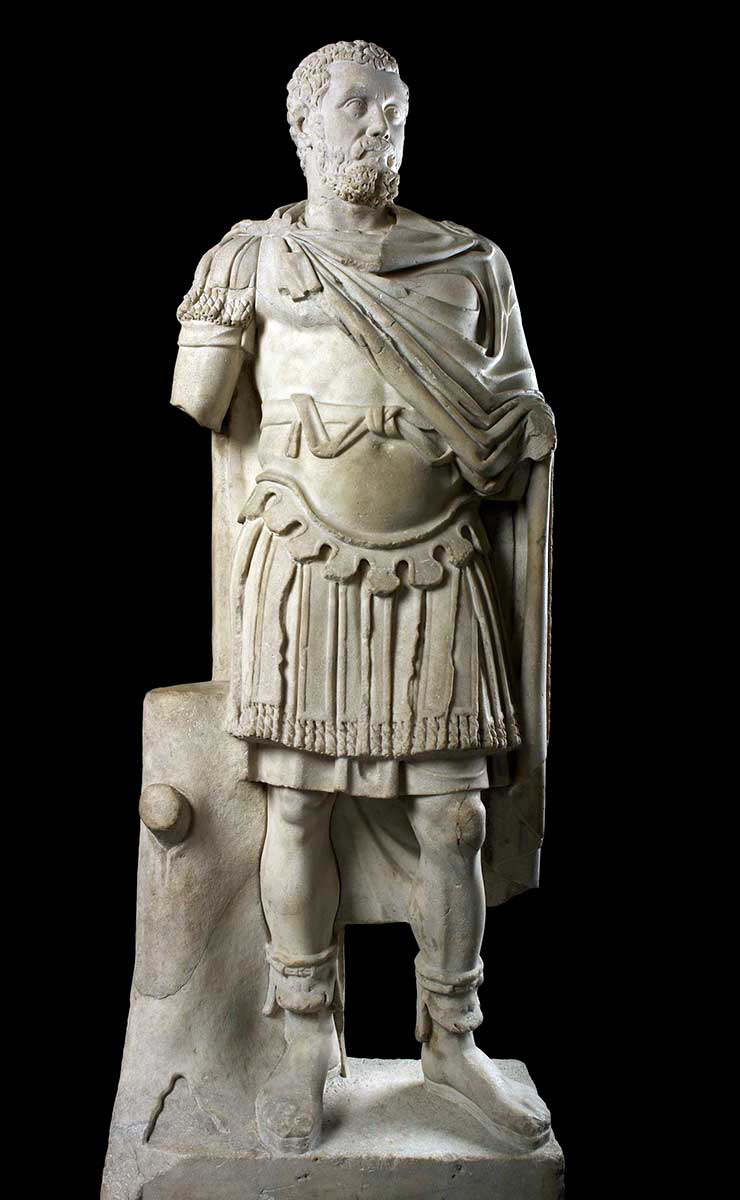
With Julianus removed, three rivals remained. Four years of brutal warfare followed as Severus marched and maneuvered himself into an unassailable position. First, he courted Clodius Albinus as an ally. This meant he was free to advance into the east and defeat Pescennius Niger at the Battle of Issus in AD 194, while initiating a protracted siege of Byzantium that held out until AD 196.
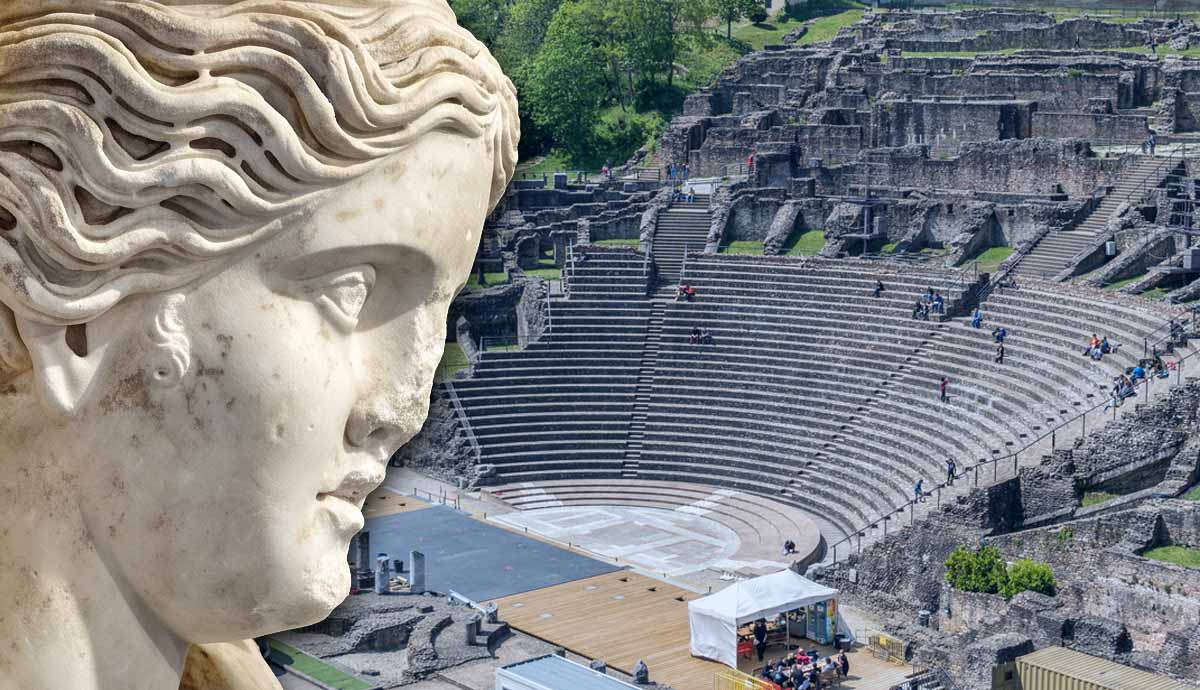
With just Clodius left to contend with, Severus broke with his erstwhile ally. Advancing westward, Severus drew his forces up against the former governor of Britain. In February AD 197, Severus and Albinus faced off in the largest battle in Roman history at Lugdunum (modern Lyon). It was a battle of fine margins, but Severus ultimately emerged victorious and as the undisputed emperor. The Severan dynasty would control the fate of the empire for the next four decades.
Centuries later, the Florentine diplomat Niccolo Machiavelli would cite Severus as an example for leaders to follow in his Il Principe. Severus had displayed the best traits of the lion and the fox, strength and cunning, in his attempts to win and maintain power, claimed Machiavelli. Both traits would be demonstrable throughout the remainder of his reign, which represented the high point for the Severan dynasty.
The Severan Revolution: Governance by the Sword
War, and the display of strength, was the foundation of Severus’ authority. Beyond civil war, he had waged war against the Parthians twice. The first of these wars, according to Cassius Dio, was for the express purpose of accumulating glory. He would continue to recognize the utility of war throughout his life. The same historian describes how Severus used the campaigns in Britain late in his reign as a means to bring his two sons, Caracalla and Geta, into line and prepare them to rule.
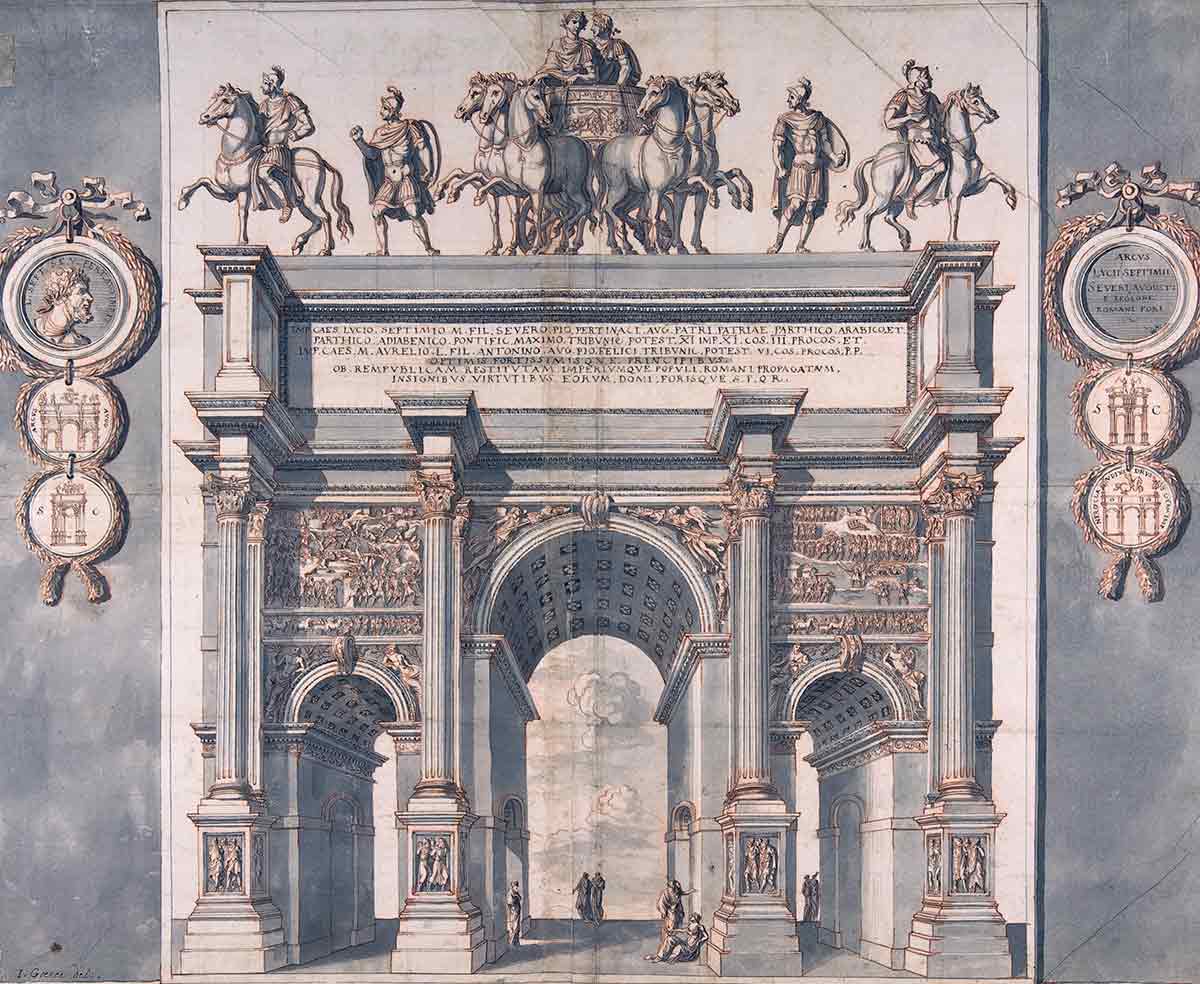
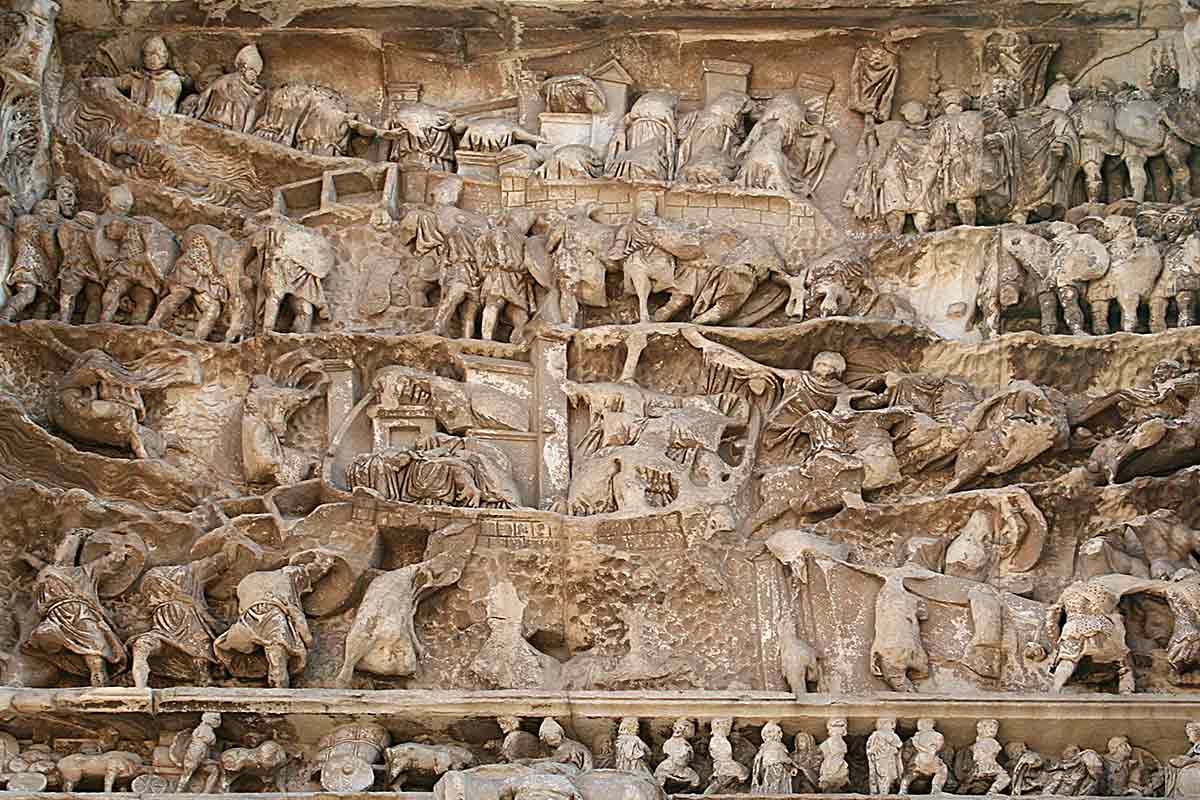
Just as they had been under previous emperors, military victories were emphatically celebrated by the Severans. Alongside the celebration of triumphs, Severus and his sons were all bestowed with honorific titles following successful campaigns against Rome’s foreign enemies, such as Parthicus Maximus. There were also grand public monuments constructed, such as the Arch of Septimius Severus. The relief panels on the arch depict Severus’ great battles in the east, including defeated barbarians brought back to Rome.
It had always been known that an emperor’s authority rested on his ability to command the loyalty of the soldiers. In the first century, Tacitus had described Vespasian being assured by his associate, Mucianus, that “anyone who is feared is noble enough.” In other words, it did not matter who you were; if you could win the loyalty of the soldiers and therefore overpower and intimidate your rivals, you could rule.
Severus’ military exploits confirmed him as a skilled general. However, the defining characteristic of the Severan Age was the increasing expenditure on military wages and bonuses. The base wage of soldiers increased several times and increasingly grand bonuses were offered, stretching the resources of the Empire.
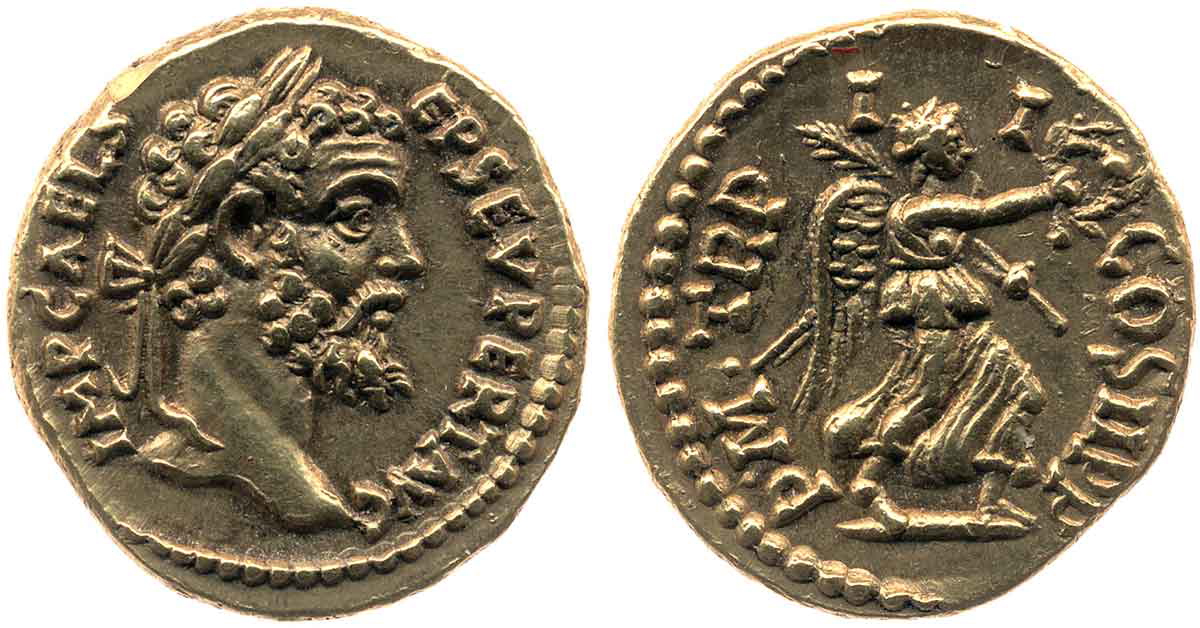
This had two consequences, neither positive for long-term imperial stability. The first was that either more wars had to be fought to generate booty, and the coinage of the Empire had to be debased to pay wages. The result was inflation, further increasing economic pressures and weakening the authority of later emperors. The second consequence was that any emperor who tried to reverse this course of action and rein in excessive spending was often simply removed. Pertinax, who preceded Severus, was murdered by the Praetorian Guards in part because he was viewed as parsimonious.
Dreams of Glory: The Emperor Caracalla
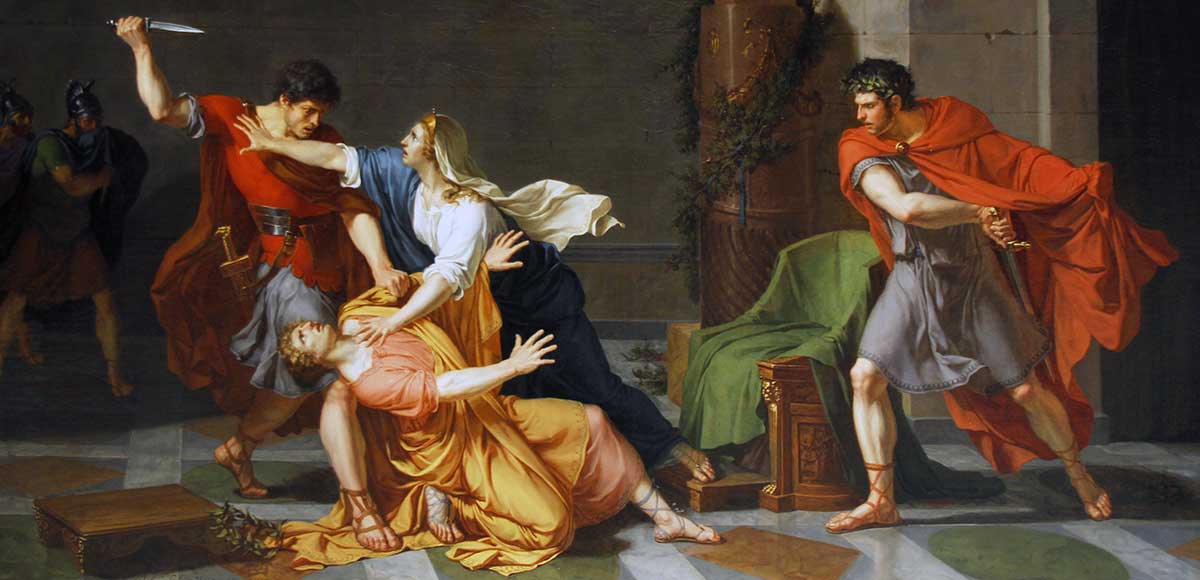
Eschewing his father’s deathbed advice to “be harmonious,” Caracalla waited less than a year to organize the murder of his younger brother, Geta. Initially, the siblings ruled the Empire together, echoing the impression of collegiality and dynastic stability that was circulated around the Empire during their youth. Following the fratricide, Caracalla needed a new paradigm for asserting his authority. He chose the archetype of the “soldier emperor.”
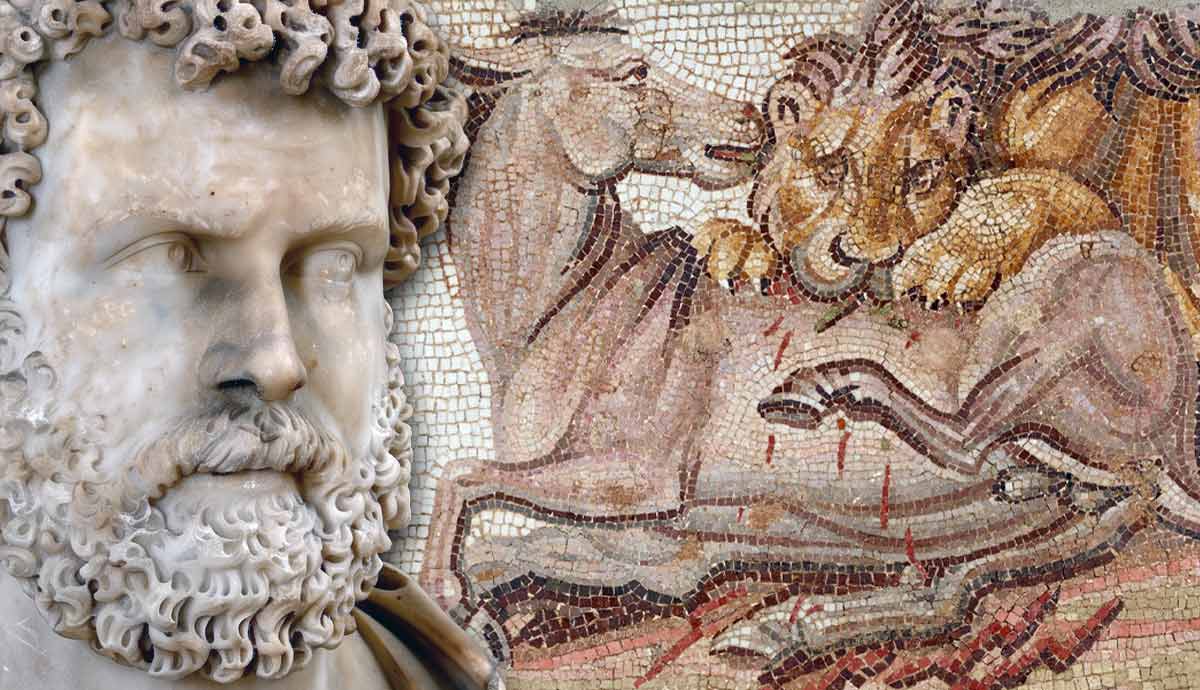
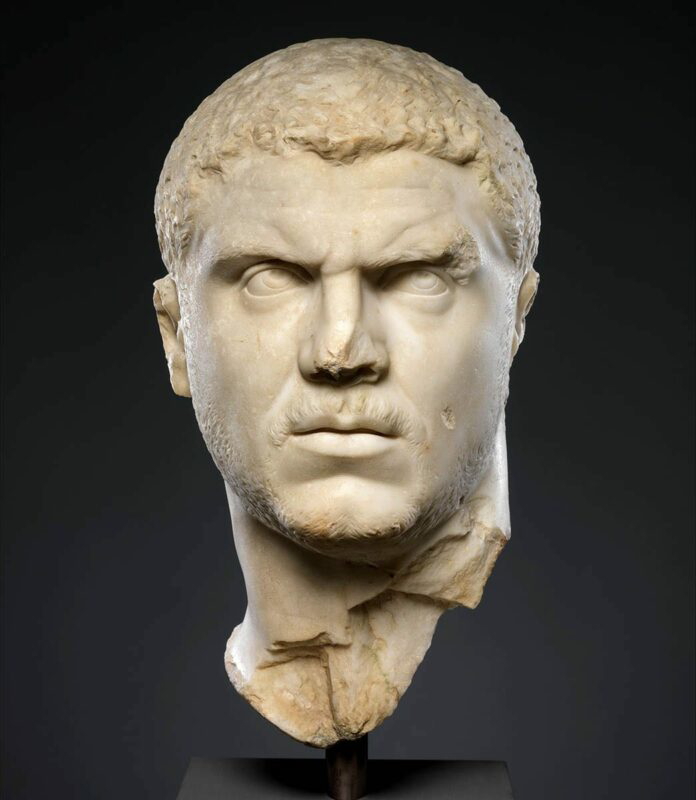
His portraiture abandoned the flowing beard and coiffure reminiscent of his father and the later Antonine emperors. Although he was named after Marcus Aurelius (Caracalla’s full imperial name was Marcus Aurelius Antoninus), he had no desire to look like the vaunted philosopher emperor of the late 2nd century. Instead, he opted for the close-cropped hair and facial hair of a soldier, coupled with a fierce, confrontational scowl that makes his portrait one of the most iconic from antiquity. Indeed, even the nickname derives from the military attire that he favored. A “caracallus” was a heavy, hooded cloak associated with the soldiers from the Empire’s Germanic frontiers.
Being a soldier emperor was about more than just looking the part. Caracalla’s reign was characterized by a succession of wars, as the emperor led the Roman armies first in a campaign along the German borders (AD 212-213), and later against the might of the Parthian Empire in the east.
The Germanic campaign, which aimed at punishing the Alamanni tribes who had crossed the imperial frontiers, seemingly achieved very little of substance. They did, however, allow Caracalla to adorn himself with the title Germanicus Maximus. This title joined two other epithets, Parthicus Maximus and Britannicus Maximus, which had been awarded following his involvement in wars prosecuted by his father.
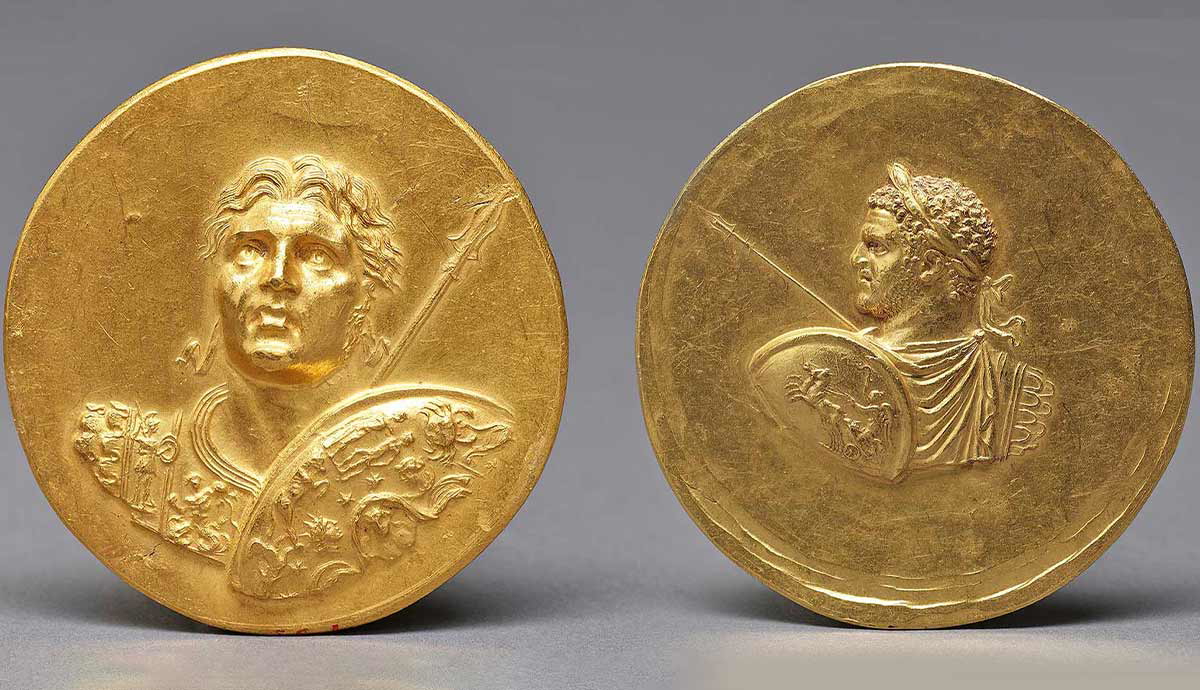
There were other ways in which Caracalla attempted to anchor his authority as sole emperor in the military. For one thing, he reputedly shared in the labors of his soldiers. This, however, seems unlikely and was probably an invention by Cassius Dio to illustrate how unsuitable Caracalla was as a ruler.
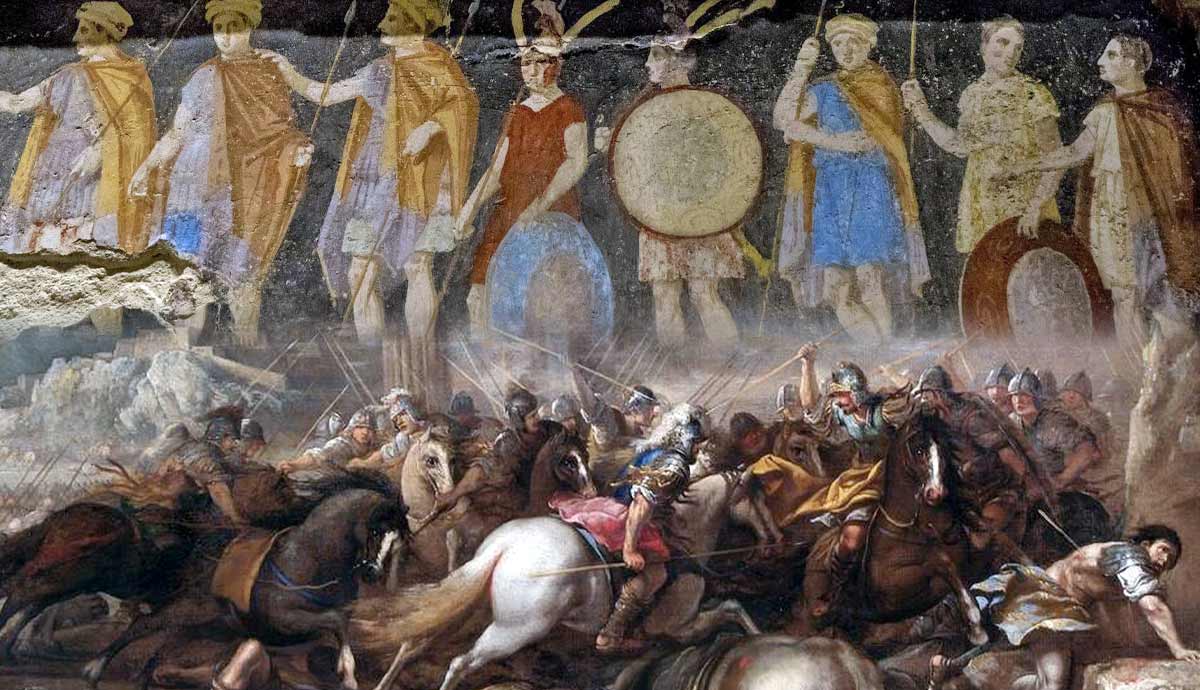
There was also the emperor’s obsession with Alexander the Great. His campaign against the Parthians has been interpreted by some as the emperor’s way of copying his Macedonian idol. He even allegedly had his own “Phalanx” of soldiers dressed in traditional Macedonian style. Meanwhile, the imperial capital was said to be home to bizarre double-faced portraits with Caracalla on one side and Alexander on the other.
According to Cassius Dio, Caracalla was also “fond of spending money upon the soldiers,” placing further pressure on the imperial treasury. Indeed, Dio also describes Caracalla’s rapacity in procuring funds to pay the soldiers. According to Cassius Dio, Caracalla’s most famous act, the so-called Constitutio Antoniniana, which granted citizenship to all free inhabitants of the Empire in AD 212, was probably meant to generate tax revenue. However, this seems a convoluted way to reach this goal. Caracalla, as the omnipotent emperor, could simply have raised or instigated new taxes whenever he saw fit.
Military Power Plays: Macrinus the Usurper
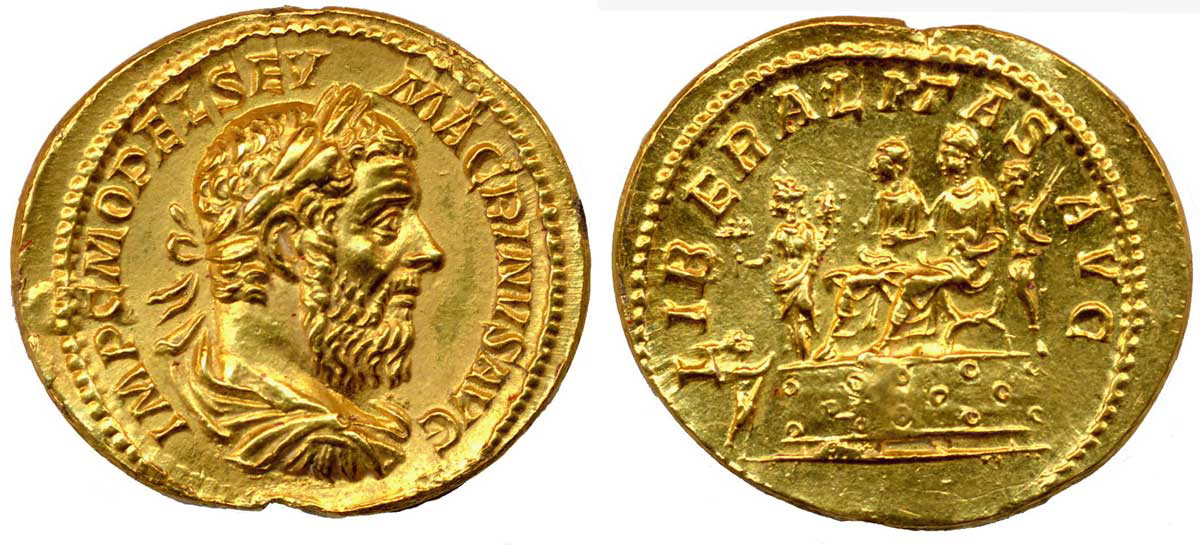
Ironically, the lavish sums spent upon the soldiers could not ultimately protect Caracalla from their ire. During the Parthian campaign in AD 217, he was cut down by a disgruntled soldier, Julius Martialis. The assassin was immediately cut down by the Praetorian Prefect, Opellius Macrinus, who was probably behind the assassination plot. Macrinus maneuvered himself into power.
Macrinus was an extremely unlikely emperor, not least because he belonged to the equestrian class. Although it is a debated topic among historians, the accession of Rome’s first equestrian emperor has been interpreted as indicating the breakdown of socio-political traditions, paving the way for the soldier emperors of the 3rd century AD.
An Empire Upside Down: The Reign of Elagabalus
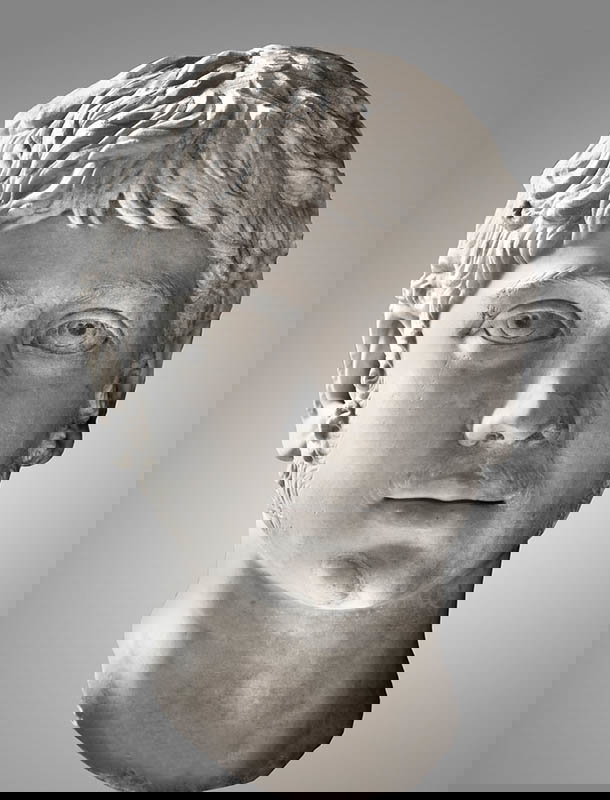
Macrinus did not reign for very long. By the spring of AD 218, he was dead, having lost his life in another civil war. His rival had been a teenager and a priest. Varius Avitus was the chief priest of the cult of Elagabal, a foreign god based in the Syrian city of Emesa (modern Homs). Overseen by his grandmother, the formidable Julia Maesa, Varius had been presented to the soldiers near Emesa as the illegitimate son of Caracalla, and therefore the rightful emperor. The soldiers, more convinced by the promise of higher wages than the spurious paternity claims, declared Varius emperor and marched against Macrinus. By the summer of AD 219, Rome welcomed the return of an emperor, as Varius arrived in the imperial capital.
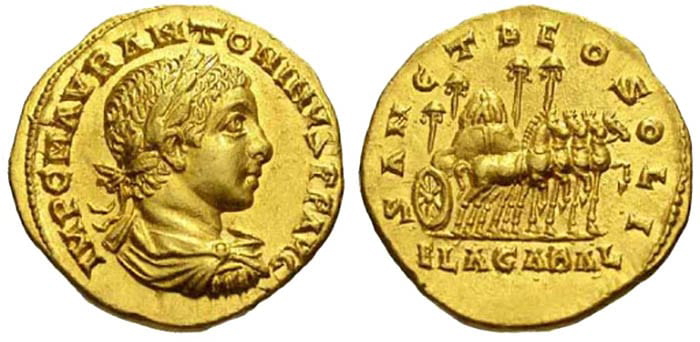
Today, Varius is known by his nickname Elagabalus. Named after the cult he represented, he is one of ancient Rome’s most notorious emperors. Accounts of his brief reign (AD 218-222) are filled with tales of sexual debauchery, gratuitous cruelty, and mind-boggling excess. Always entertaining, it is highly probable that most of these lurid anecdotes are inventions by ancient historians to denigrate the teenage princeps.
The reign of Elagabalus is also notable for what it demonstrates about the relationship between the soldiers and imperial power at this time. The teenage emperor, who came to power at the age of 14, was catapulted into supreme power on the back of a civil war that was entirely localized in Syria. The elevations of both Macrinus and Elagabalus, in AD 217 and 218 respectively, were reaffirmations that the soldiers were the principal kingmakers in the Roman Empire.
There was to be yet another reminder of this in AD 222. Dismayed at the state of affairs, not least the way in which Elagabalus had made his Syrian deity, Elagabal, the Empire’s main god, action was taken to remove the teenage ruler. His power depended on the soldiers, and they could take it away. Elagabalus was murdered by the Praetorians in Rome in AD 222. His body was dragged through the streets before being flushed into the Tiber.
Severan Collapse: Alexander Severus and the Rise of the Soldier Emperors
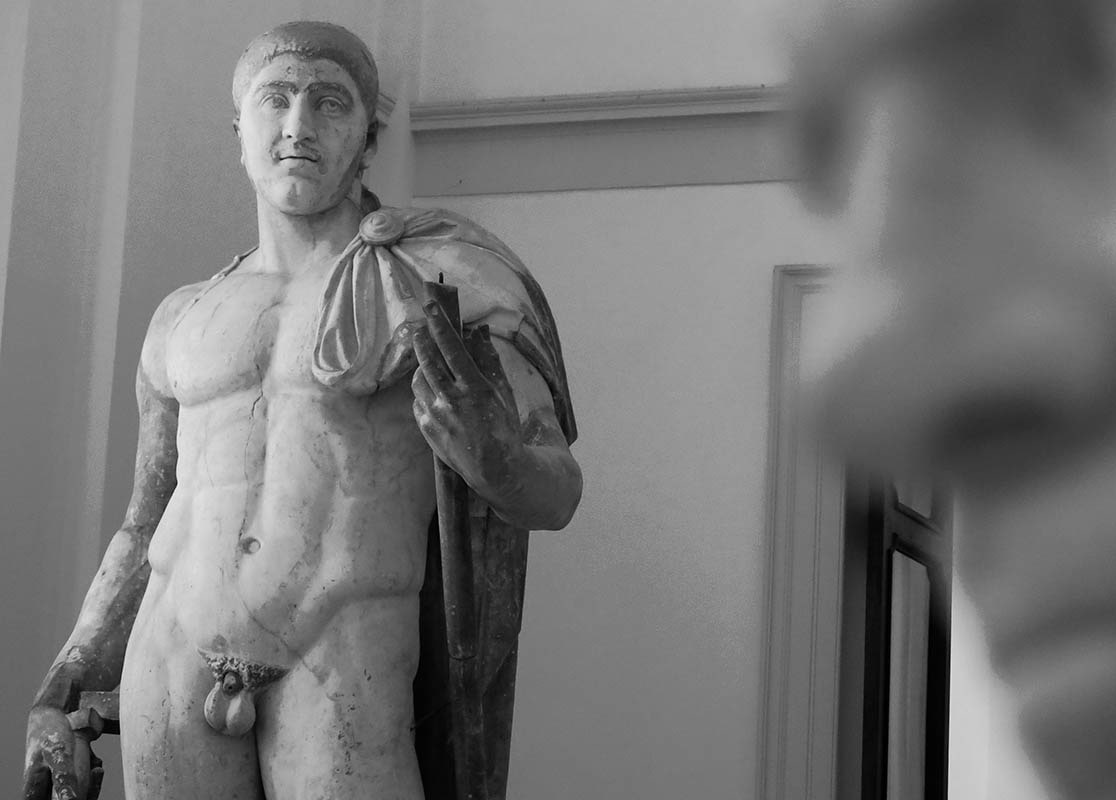
The man chosen to replace Elagabalus was his cousin, Severus Alexander. In much the same way that Elagabalus had been presented as a restoration of the Severan Dynasty, so too was Alexander. He was similarly represented as the son of Caracalla and the grandson of Septimius Severus (in reality, he was the latter’s great-nephew).
Initially, things seemed to go smoothly. In part by merit of simply not being Elagabalus, Alexander won plaudits, and his reign seemed to promise a return to something approaching normality after the oddities of the previous reign.
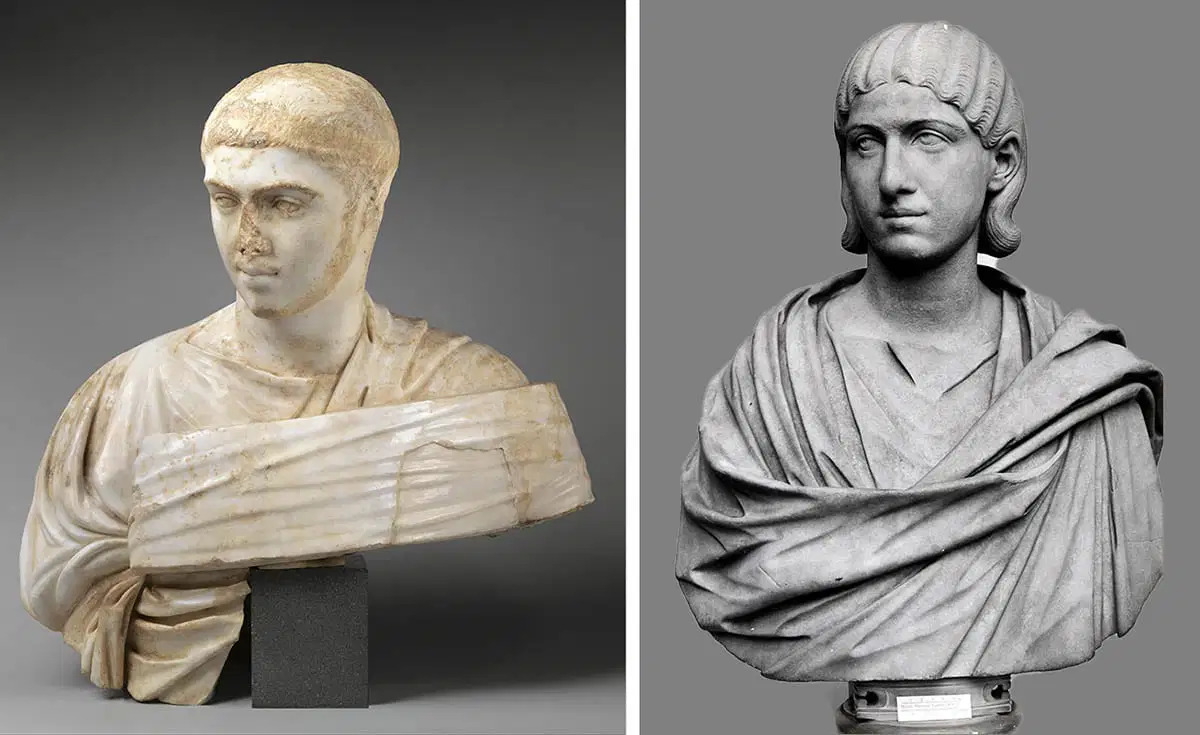
However, a closer inspection suggests that all was not well in the Empire. Cassius Dio’s narrative, the most reliable for the Severan period, is notably brief in its treatment of Alexander’s reign. What details it does provide stress the return to normality post-Elagabalus, including a return to sensible government. Naturally, this is typified by Dio himself being appointed consul.
Beyond this facade of normality, however, there was evidently unrest in the Empire, including disastrous riots in Rome, which pitched the people against the Praetorians. For Alexander, who appears to be a rather meek and mild-mannered young man from the sources, worse was to come.
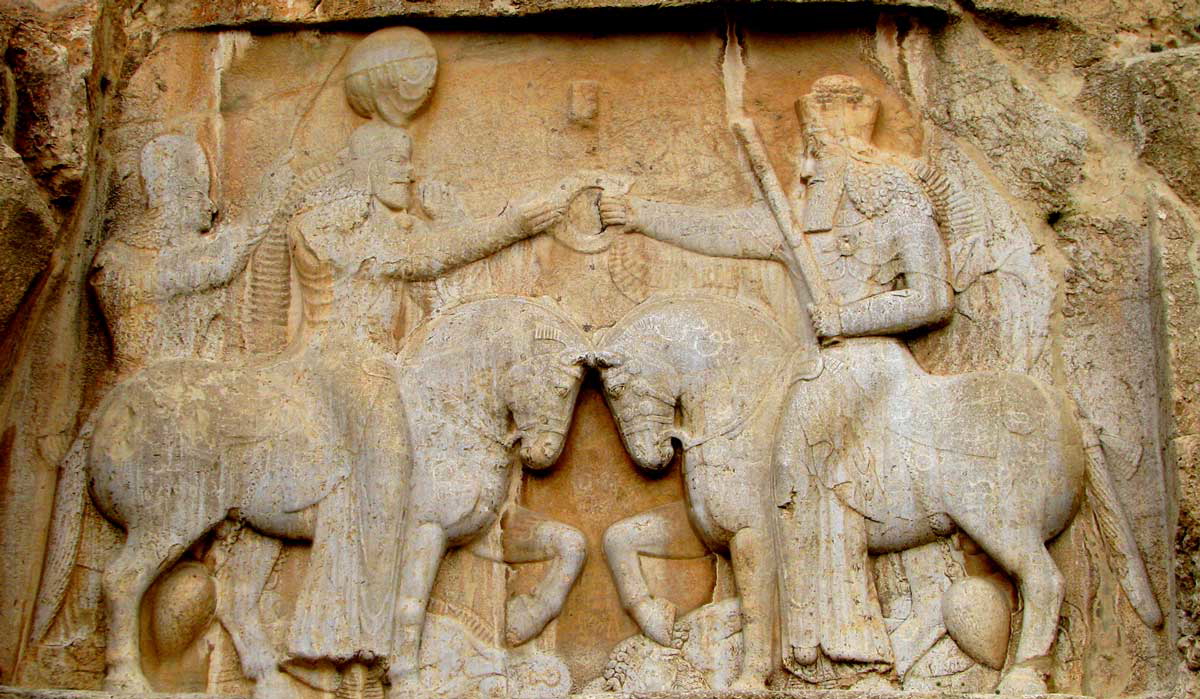
First, there was a tumultuous development in the east, as the Parthian empire was overthrown by the Sassanians in c. 224. While there had long been conflict between the Romans and the Parthians, the two powers existed in a kind of stasis. The Sassanid kingdom, led by Ardashir I, with a view to reclaiming the former territories of the Persian empire of Xerxes, threatened to be a much more aggressive and dangerous opponent.
Alexander duly marched eastward at the head of the Roman army. Unfortunately, narrative accounts of the campaign are unreliable. It is hard to ascertain whether it was actually as disastrous as Herodian suggests. He describes Alexander as being in the thrall of his mother, Julia Mamaea, and devoid of the courage needed to lead an army.
Unfortunately, an incursion of Germanic tribes on the northern frontiers of the Empire in AD 234 compelled Alexander to once again march out of Rome at the head of his army. His plans to buy off the Germanic invaders were met by the scorn of his soldiers. The disaffected men soon began to long for a leader of action. They found one in the colossal figure of Maximinus Thrax, a career soldier. Alexander was trapped in his camp at Moguntiacum by his soldiers and, while he lamented his fate, was butchered along with his mother in March 235. The Severan dynasty ended with the accession of Rome’s first true “soldier emperor.”
Severan Legacy: A Military Monarchy
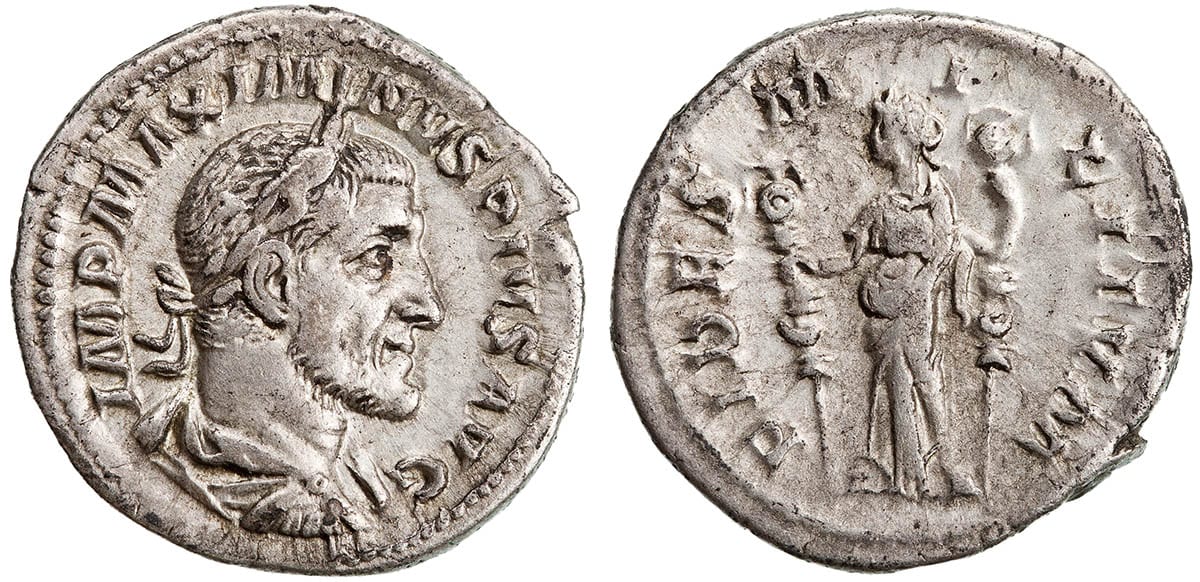
In the end, Maximinus’ reign amounted to very little. As much as he may have celebrated the loyalty between himself and his soldiers, he too lost his life in a civil war in 238 during the Year of the Six Emperors. His legions lost their nerve at Aquileia and turned on their emperor.
Nevertheless, Maximinus’ accession was an important milestone in the history of the Empire. The accession of this Thracian career soldier to the position of supreme authority marked a kind of culmination to the policies of the previous decades.
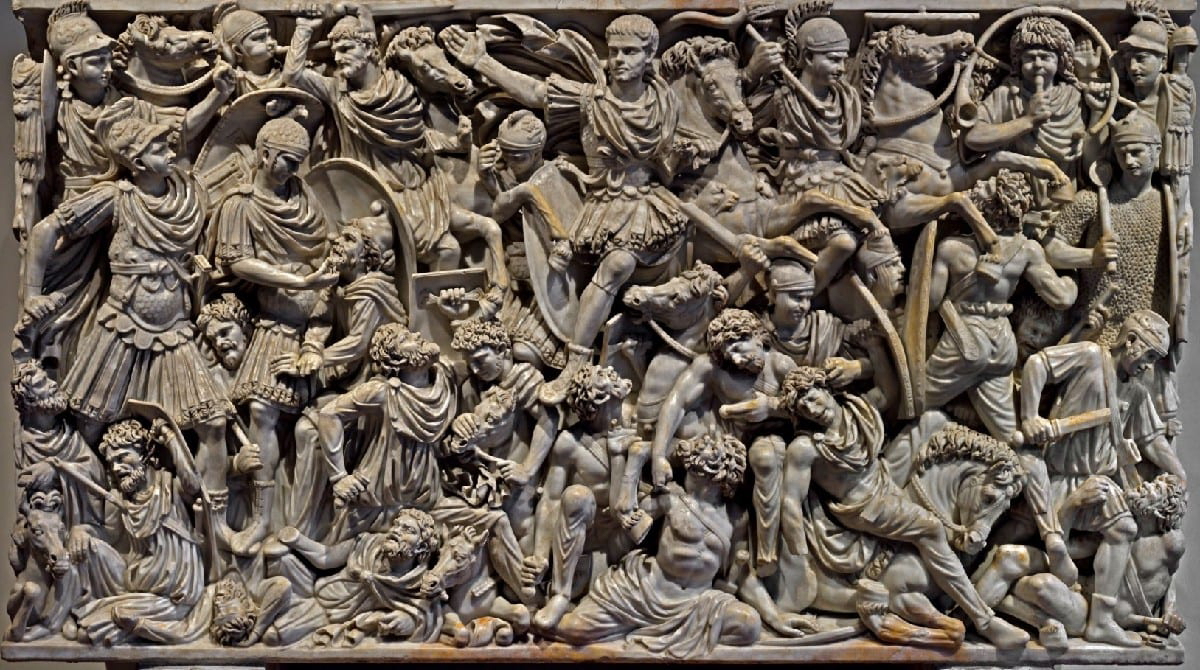
It is perhaps unfair to attribute the growing political influence of the soldiers to the Severan emperors alone. Nevertheless, their dependence on the armies for their imperial status and their increasing expenditure on the soldiers created some of the conditions for the instability of the middle decades of the 3rd century. This, coupled with the inefficacy of some of the Severan emperors, paved the way for men like Maximinus.