
Every time you use the words “theory,” “analysis,” “hypothesis,” or “category,” you aren’t just using loanwords. You are engaging in a specific mode of thought invented in ancient Greece. The relationship between language and thought has been discussed for millennia. Language is used to express thought, while thought pushes language to develop new means of expression. The ancient Greek language was a powerful toolkit, especially suited to creating terms that expressed abstract concepts, giving rise to rationalism and modern empirical inquiry. But what is it that made Greek so suited to expressing thought?
The Power of “The”: The Invention of Abstraction
The ancient Greek definite article, similar to the English word “the,” was a powerful mechanism for making abstract concepts concrete. This is known as substantivizing. By pairing the definite article with an adjective, what would normally be a value or qualifier becomes an object. Examples include “only the good die young” or “the land of the free and the home of the brave.”
This is central to philosophy, as once a concept can be treated as an object, it can be defined and classified. This enabled philosophers to speak of concepts like Beauty and Justice as distinct subjects of inquiry. For example, rather than discussing why a particular person is wise, wisdom itself can be debated. This entirely changes the nature of the question, as it is no longer “why” but “what.”
Plato’s dialogues, such as his Symposium and Republic, employed this approach. The definite article allowed Plato not only to ask what acts are just, but also what Justice itself is. What attributes create justice? Are they internal or external? Is Justice a singular thing or made up of parts? This is different from simply naming a concept. It allows the investigation of it as a tangible thing.
The “Middle Voice”: A Different Way of Being
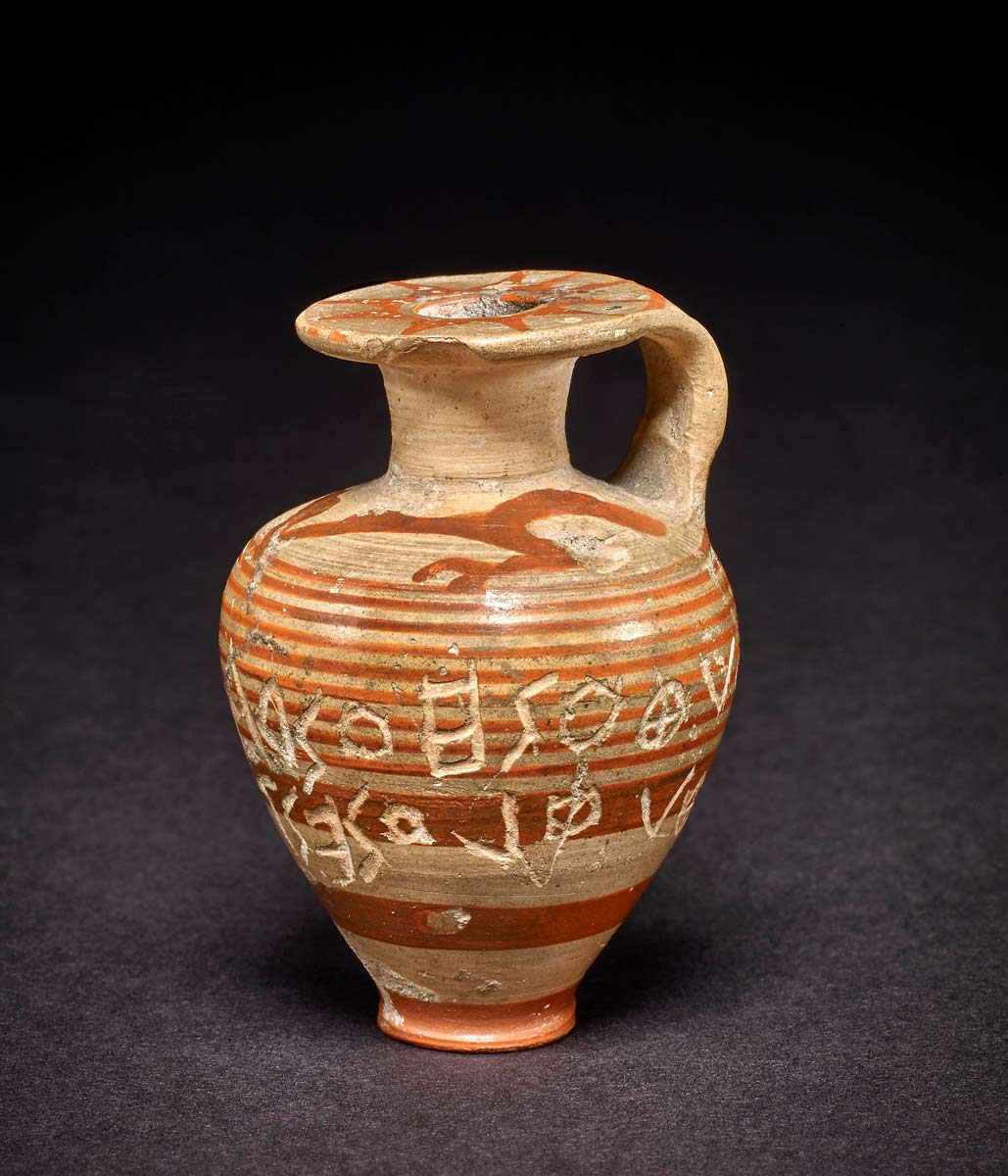
Another aspect of the Greek language is that it has three ways of denoting agency. In a straightforward proposition, the subject of the sentence directly enacts the verb. In linguistics, this is called the active voice. If one were to say “the man teaches,” the man is acting.
There is also the middle voice, where the man would still be the agent of the action, but now there is a special relation to the subject. Using the above example, it would be “the man teaches himself.” The middle voice denotes that the subject is acting in its own interest or upon itself.
Then there is the passive voice, which moves agency away from the subject. It would be “the man is taught,” therefore “the man learns.” The man is being acted upon rather than acting.
In English, the middle and passive voices require extra words to form. In Greek, it is embedded in the verb, allowing for more nuanced and concise discussions of subjects.
Greek grammar’s focus on agency trained both speakers and readers to pay special attention to cause and effect. This directly relates to the ancient Greek focus on rational thought and argument. The idea of causation and the habit of analysis is encoded in the language.
A Modular Vocabulary: Inventing Concepts
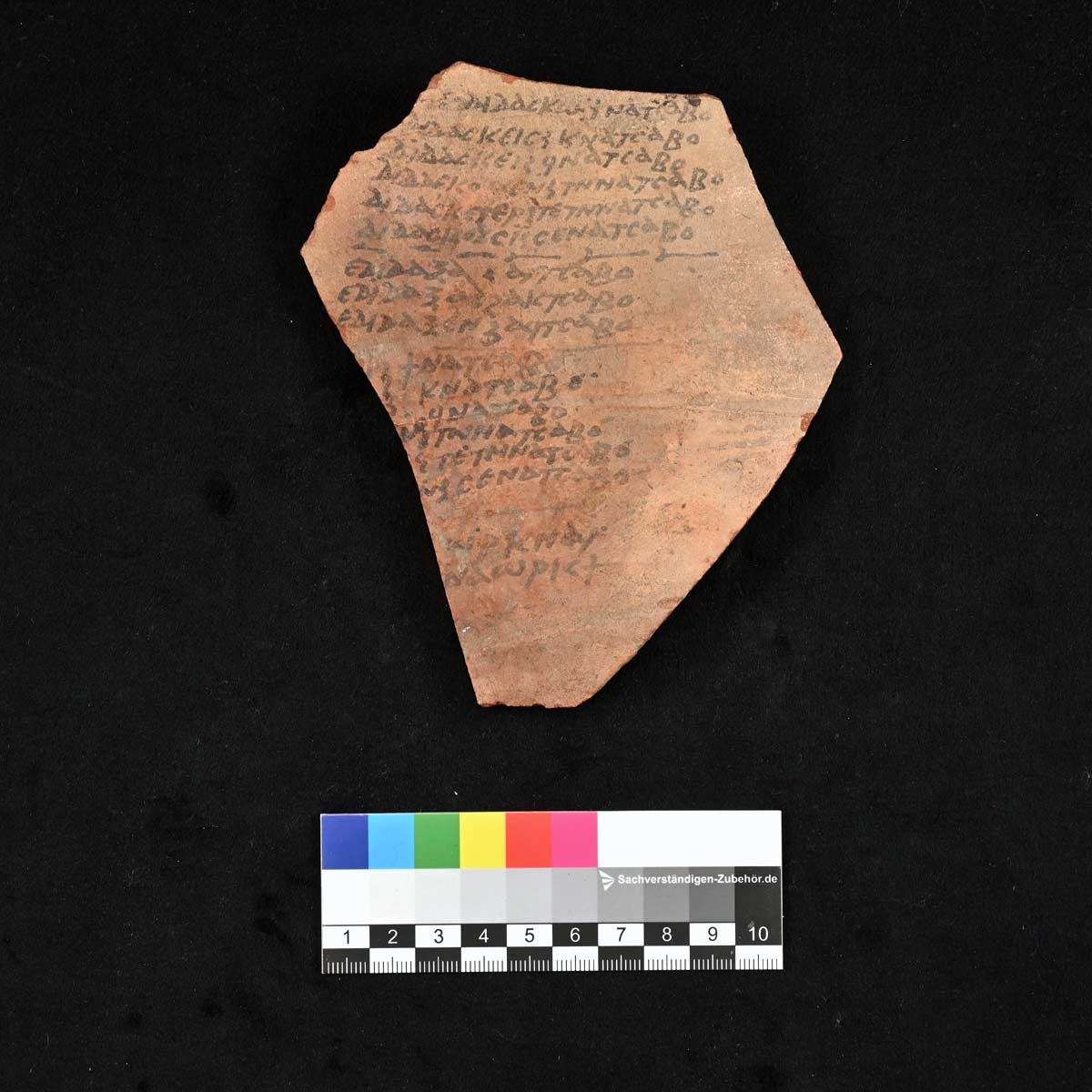
Ancient Greek can be described as having a modular vocabulary. Like modern German, it compounds words to create new meanings. This allowed ancient Greek to be incredibly precise in its descriptions of ideas and helped to encourage a way of thinking about things in parts, clearly defining those parts, then combining them into a new concept.
The combination of root words, or the addition of prefixes or suffixes, allowed for nuanced ideas to be precisely named. Words such as “philosophy,” a combination of the roots philo, “lover of,” and sophos, “wisdom,” make it easier to describe and define concepts concisely.
This was incredibly useful for philosophical discussions and for the sciences. Discoveries could be easily named without the invention of entirely new words. Modern fields of study are often given Greek names through this exact process of compounding root words. Through the addition of the word logia, meaning “study of,” we get terms such as anthropology (“study of humans”), archaeology (“study of the ancient”), and biology (“study of life”).
Categorization: Aristotle’s Linguistic Filing Cabinet
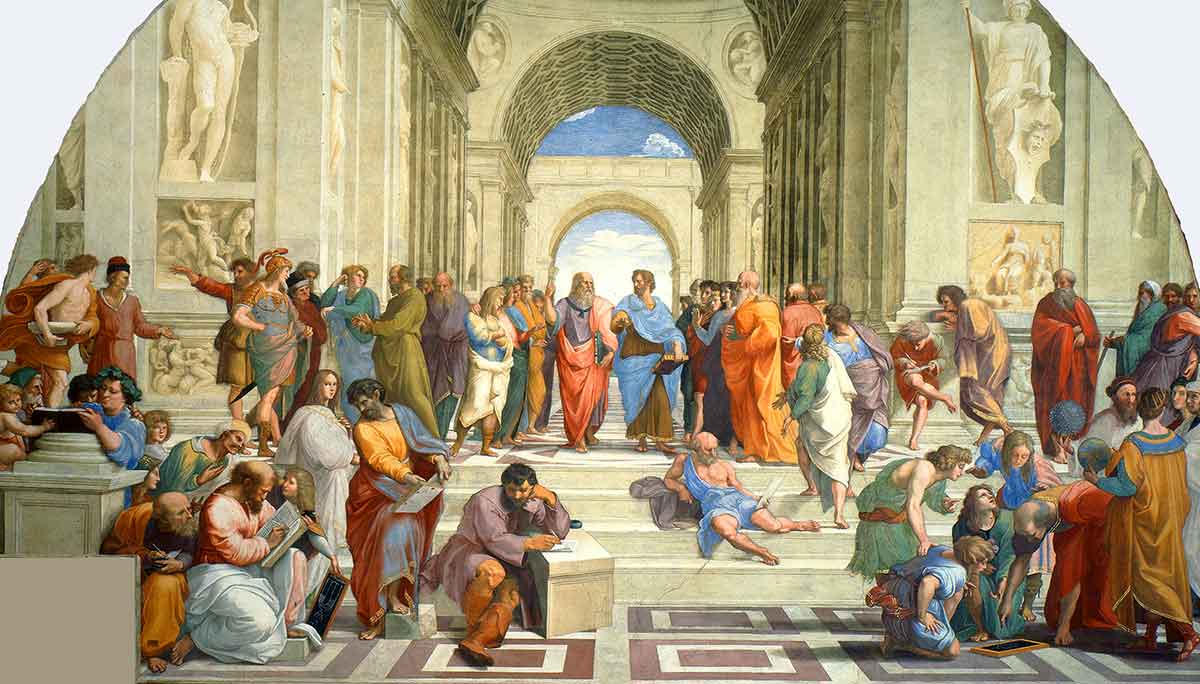
The Greek language allowed thinkers like Aristotle to speak of abstract concepts in concrete terms and to use rational argument to define and expound on them. In his Categories, Aristotle defined and delineated reality into ten distinct categories. This was an important development in philosophy as it allowed the use of language to order reality.
To understand a thing, one must first ask what that thing is. Aristotle theorized that single words or simple phrases can be understood and sorted into fundamental groups that are neither true nor false. These belong to substance, quantity, quality, relation, place, time, position, state, action, and affection. No single expression of these categories has a truth value; only combinations can they be true or false. For example, “the sky” is neither true nor false; it simply is. But combined with the word “blue,” it becomes the proposition “the sky is blue,” which can now be either true or false. The veracity relies on the combination.
Ancient Greek created the toolset for categorization that is still used in the sciences today. This is most clearly demonstrated in how animals are classified. Species and genus are the typical forms of classifying animals, taking them from the broad term “animal” into much more specific terms, such as “mammal” or “canine.” By categorizing reality in this way, Aristotle provided a structured framework that allowed thinkers and scholars to analyze and define the world systematically.
Mythos to Logos: The Language of Logic and Science
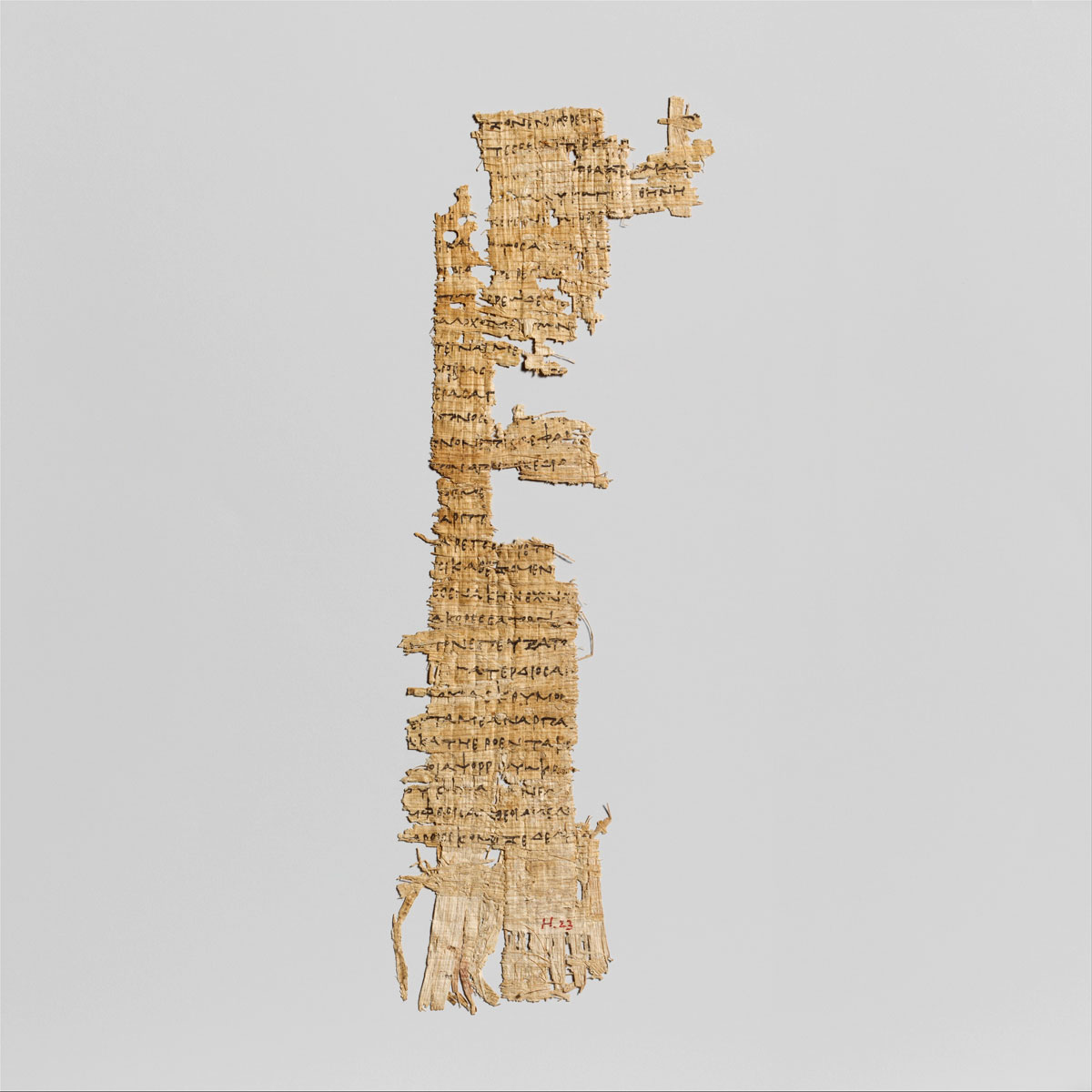
Ancient Greece was not only known for its philosophy and rhetoric but also for its epic poetry, which stands in stark contrast to the rational mode of thought that Greece’s great thinkers are famous for. There is debate over when and how Greece went from using poetry to express its history and beliefs about the world to using prose and logic. This debate is often framed as a transition from mythos to logos.
Mythos and Logos, words that gave English the terms “myth” and “logic,” were two contrasting forms of speech in the Greek language. Mythos became associated with poetry, and therefore with fiction, but this was not always the case.
In the earlier Archaic period, mythos was treated as an authoritative pronouncement and was inseparable from the speaker who pronounced it, usually strongmen. The word appears commonly with the word alētheia, meaning truth. Logos was a much broader term, encompassing all kinds of speech, and constituted the words themselves, which could be deceptive. Pandora was said to use this kind of speech, marking its capacity for deception.
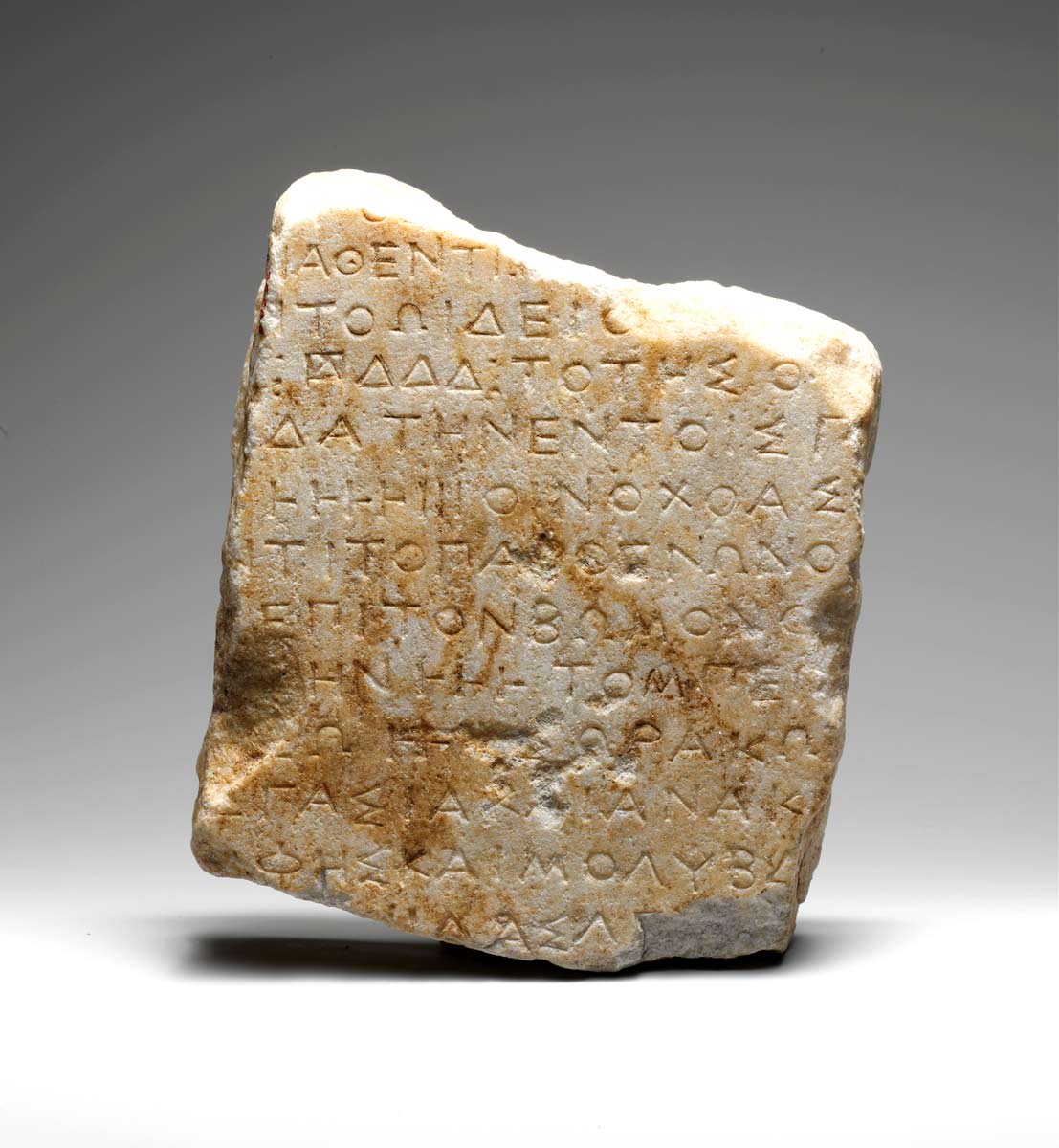
In his Theogony, Hesiod wrote that the Muses spoke a mythos to him, which he recounted to the reader, thus making his entire poem carry the authority of the goddesses. Hecataeus of Miletus also used the word when introducing his Genealogies, using it to demonstrate the veracity of his account. He then used logos when discussing the “stories” (in this context, mythology) of the Greeks, immediately calling them foolish.
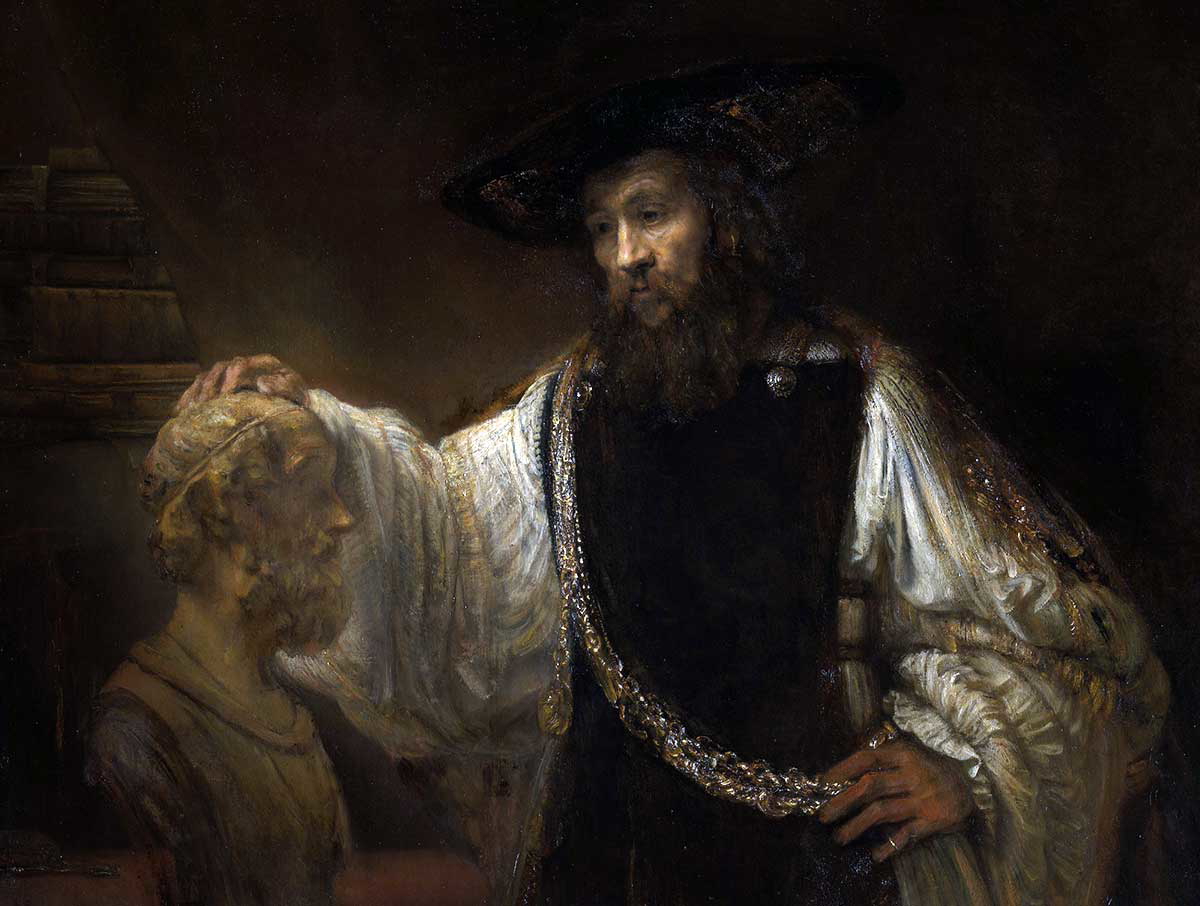
At some point in the 5th century BC, the definitions of these terms were reversed. This is partly attributable to the textualization of traditional myths and the emergence of Sophists and their practice of rhetorical declamations. Traditional stories that had previously mainly been employed during religious and social occasions became a form of literary convention. They could now be mined for material by sophists and playwrights, and thus could be questioned and criticized.
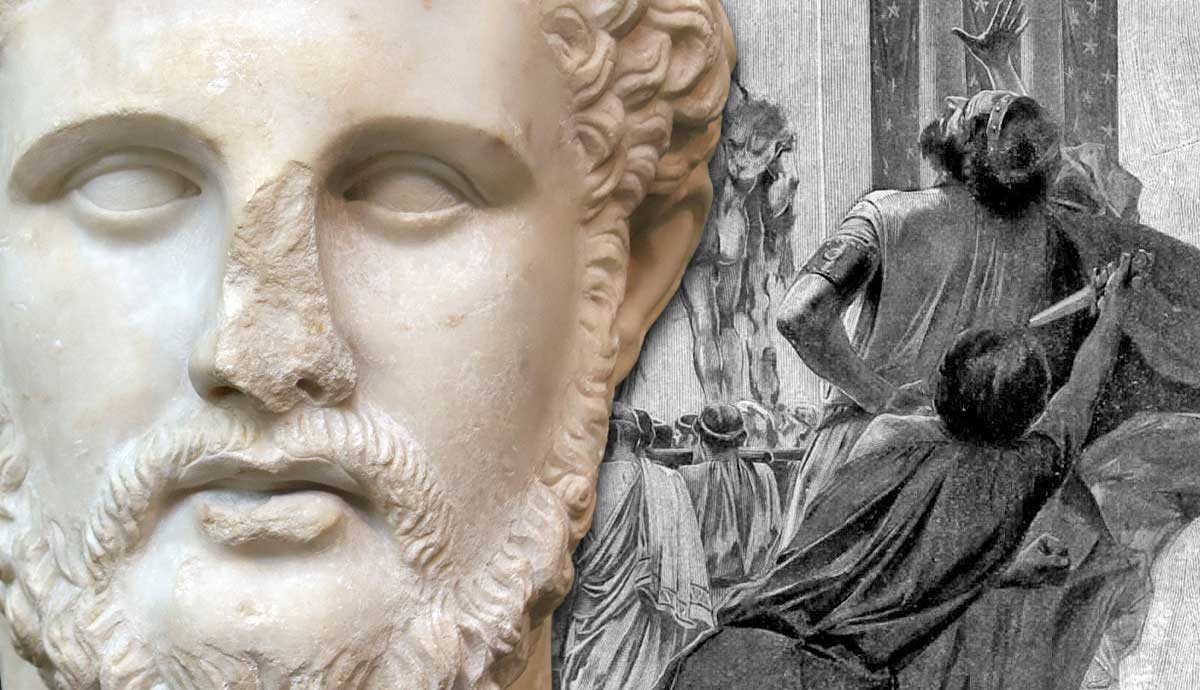
Sophists used logos to persuade and to debate, and were capable of producing opposing arguments on any proposition. They presented logos as reasonable speech, something that could be expounded with logic and judged on its merits. In Plato’s Protagoras, mythos was described as a fictive story that can relate a truth, while logos was the logical argument that can be proven or disproven. By Aristotle’s time, mythos became the speech of poets and subordinate to logos, which now aligned more with scientific inquiry and rational thought.
Language of Culture: Lingua Franca of the Ancient World
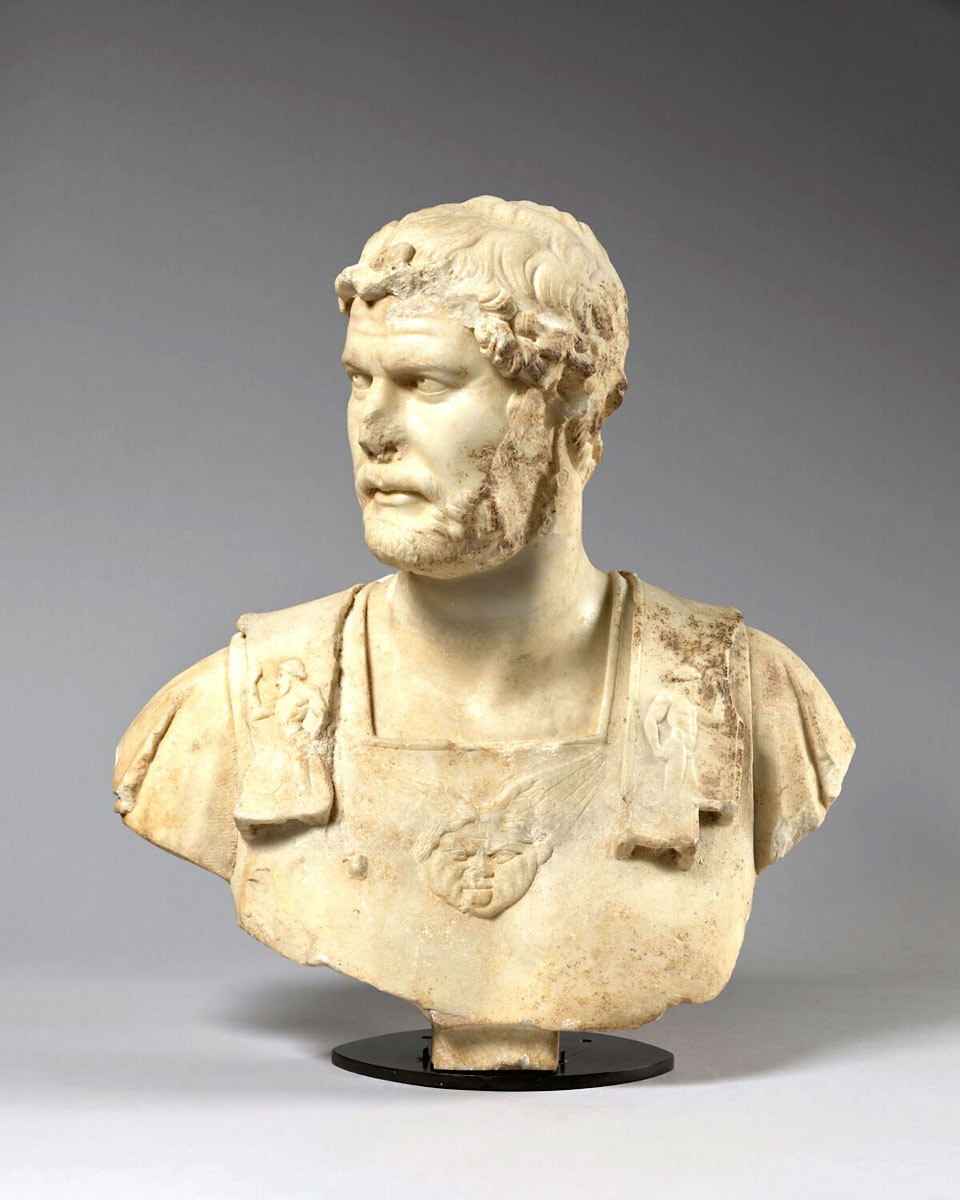
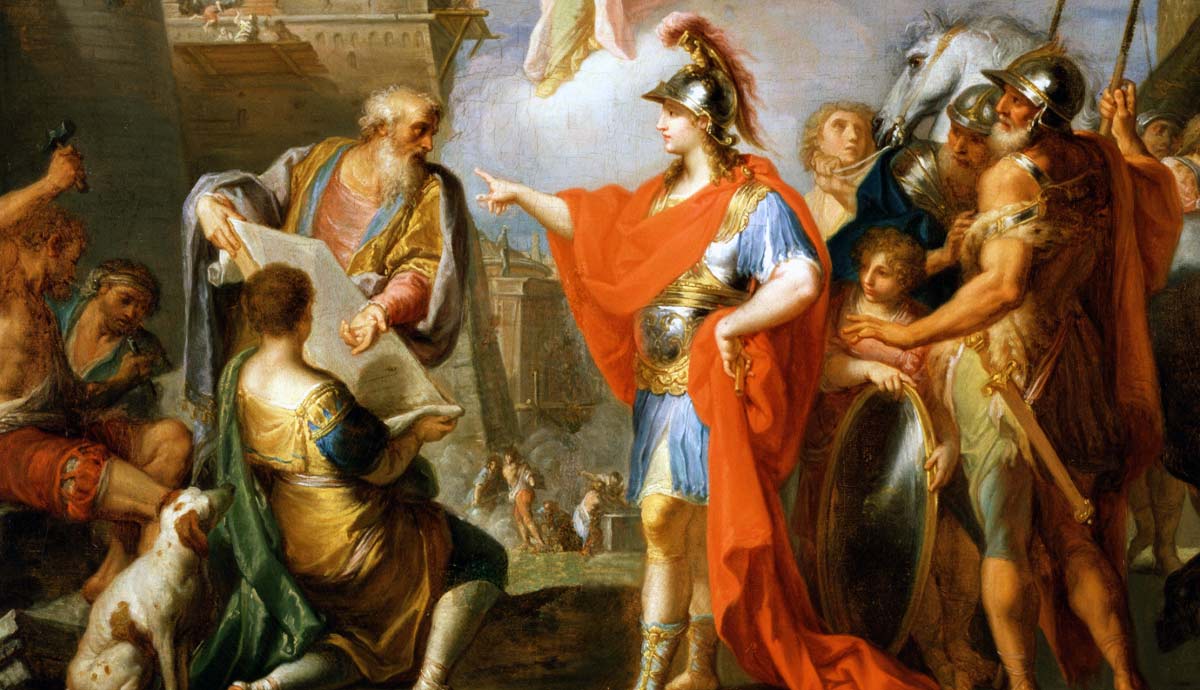
With the conquests of Alexander the Great, the Greek language became the lingua franca of culture and education. This stayed true into the Roman Empire, especially under the emperors Hadrian and Marcus Aurelius, where Greek was the language of the educated.
The works of ancient Greek philosophers and poets were the basis of an elite education. This preserved the 5th-century BC Attic dialect of the language even while the spoken language had changed. A person’s ability to speak Attic Greek became a marker of their refinement and intellectual status. Literature was written in Greek, public rhetorical displays were performed in Greek, and legal matters were litigated in Greek. It was the language of culture and academia.
An apt example for this would be the sophists of the 2nd to 3rd centuries AD, a period which has been called the Second Sophistic. Not only was one’s ability to properly speak Classical Attic Greek highly respected, but so was one’s ability to argue and to skillfully expound on an argument logically and persuasively. Argument was the domain of public figures, and being able to convincingly argue and follow an idea to its logical conclusion could sway public opinion and even change the minds of emperors. During this period, speaking Greek enabled one to connect themselves with the greatness of the Greek Golden Era, making a person Greek, regardless of ethnicity.
Cato the Elder, in the mid-2nd century BC, was credited with being the first person to write history in Latin rather than Greek. While Rome grew to dominate the world and Latin became the language of law and administration, Greek continued to be the language of philosophy and sophisticated debate.
We Are All Greeks
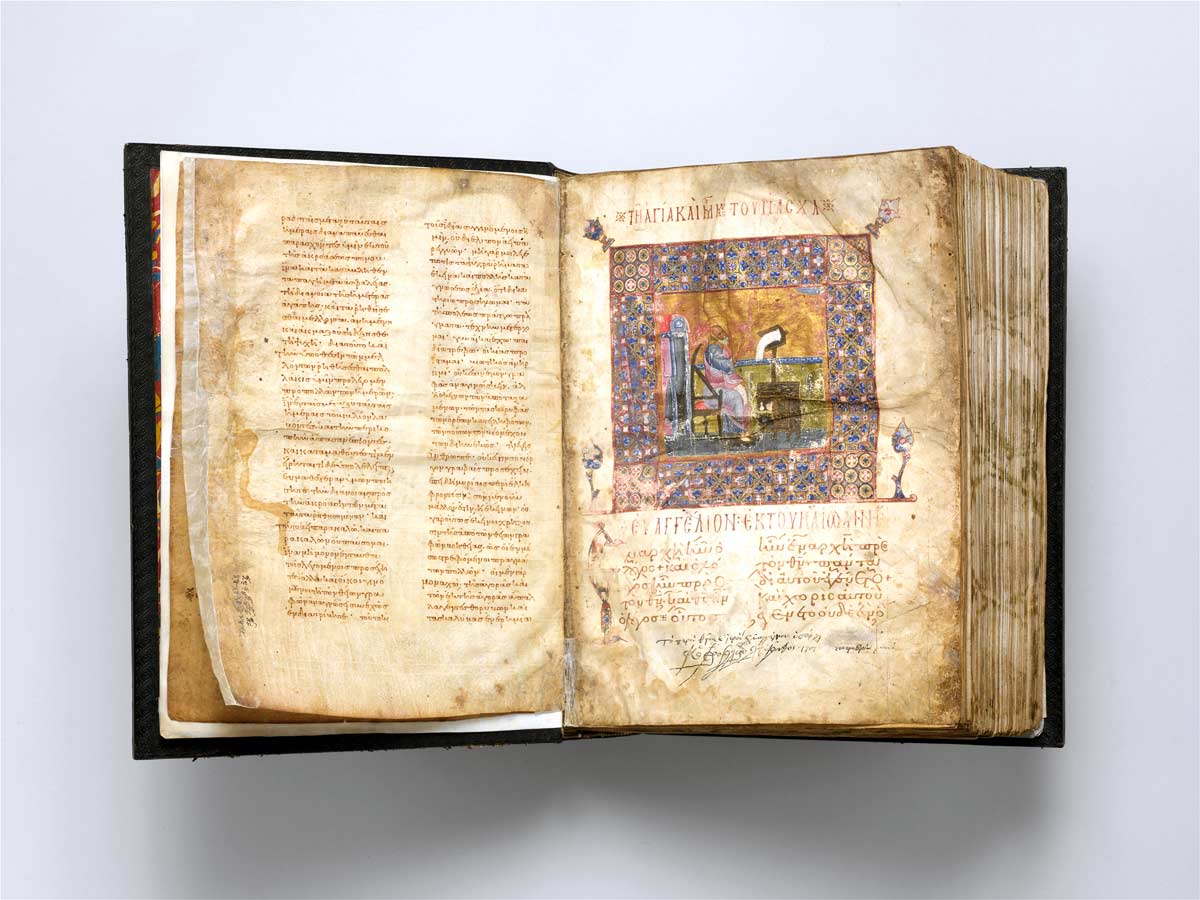
The primacy and importance of Greek were especially strong in the Eastern empire. With the collapse of the Western Roman Empire in the 5th century, active study and knowledge of Greek rapidly declined in Western Europe, where Latin was already the native tongue. Additionally, the expansion of the Umayyad Caliphate in the 7th century saw Greek replaced in much of the East with Arabic.
With the rediscovery of Classical texts during the Renaissance, Greek once again became the language of academia and philosophy, while Latin was the language of institutions and religion.
Even today, modern English is filled with Greek loanwords. Myth, history, politics, and rhetoric are all words borrowed from Greek. We inherited Greek not only as a library of ancient texts, but as habits of thought embedded in the language. It trained speakers and readers to concretize ideas, break apart those ideas into their individual parts, name and define those parts, and then elaborate on the merits of that idea through logical reasoning.
Sources
- Boroditsky, L. (2011). “How Language Shapes Thought.” Scientific American, 304(2), 62–65.
- Detienne, M. (1996). The Masters of Truth in Archaic Greece (J. Lloyd, Trans.). Zone Books.
- Fowler, R. L. (2011). “Mythos and Logos.” The Journal of Hellenic Studies, 131, 45–66.
- Havelock, E. A. (1963). Preface to Plato. Belknap Press of Harvard University Press.
- Horrocks, G. (2010). Greek: A History of the Language and its Speakers (2nd ed.). Wiley-Blackwell.