
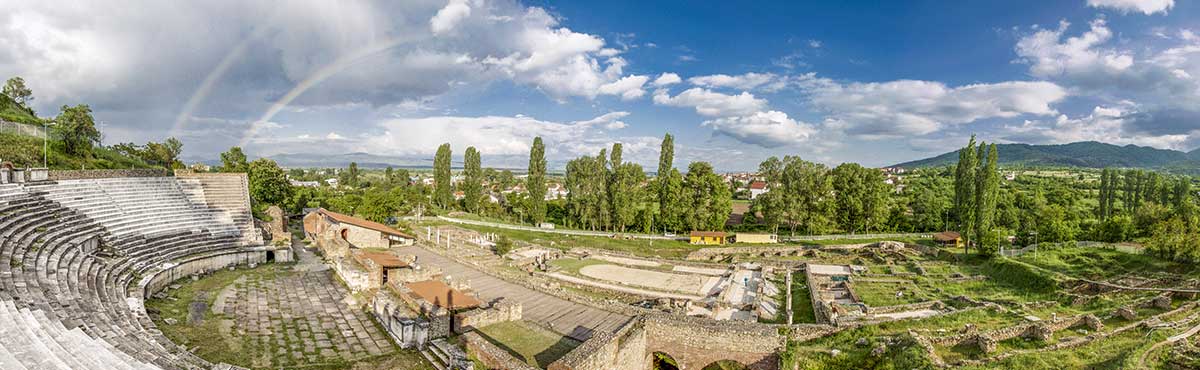
In the summer of 336 BC, in the middle of a lavish wedding festival in Aigai, the ancient capital of Macedon, the most powerful man in the world was struck down. As King Philip II entered the theater, unarmed and unprotected by his bodyguard, a man named Pausanias drove a dagger between his ribs. The assassin was killed quickly, taking his motivations with him to the grave. Did Pausanias act alone, or was he part of a bigger conspiracy? Dive into this cold case and history’s prime suspects.
The Crime: The Assassination of Philip II
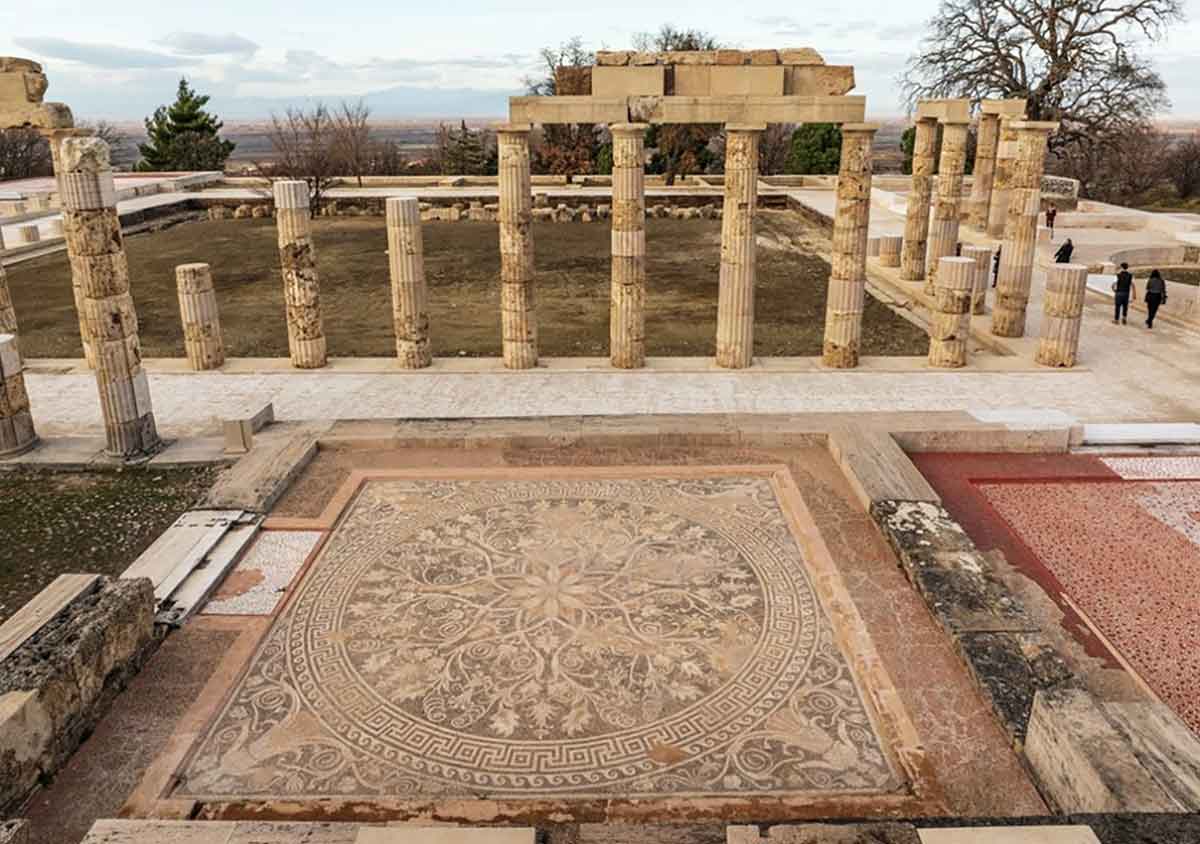
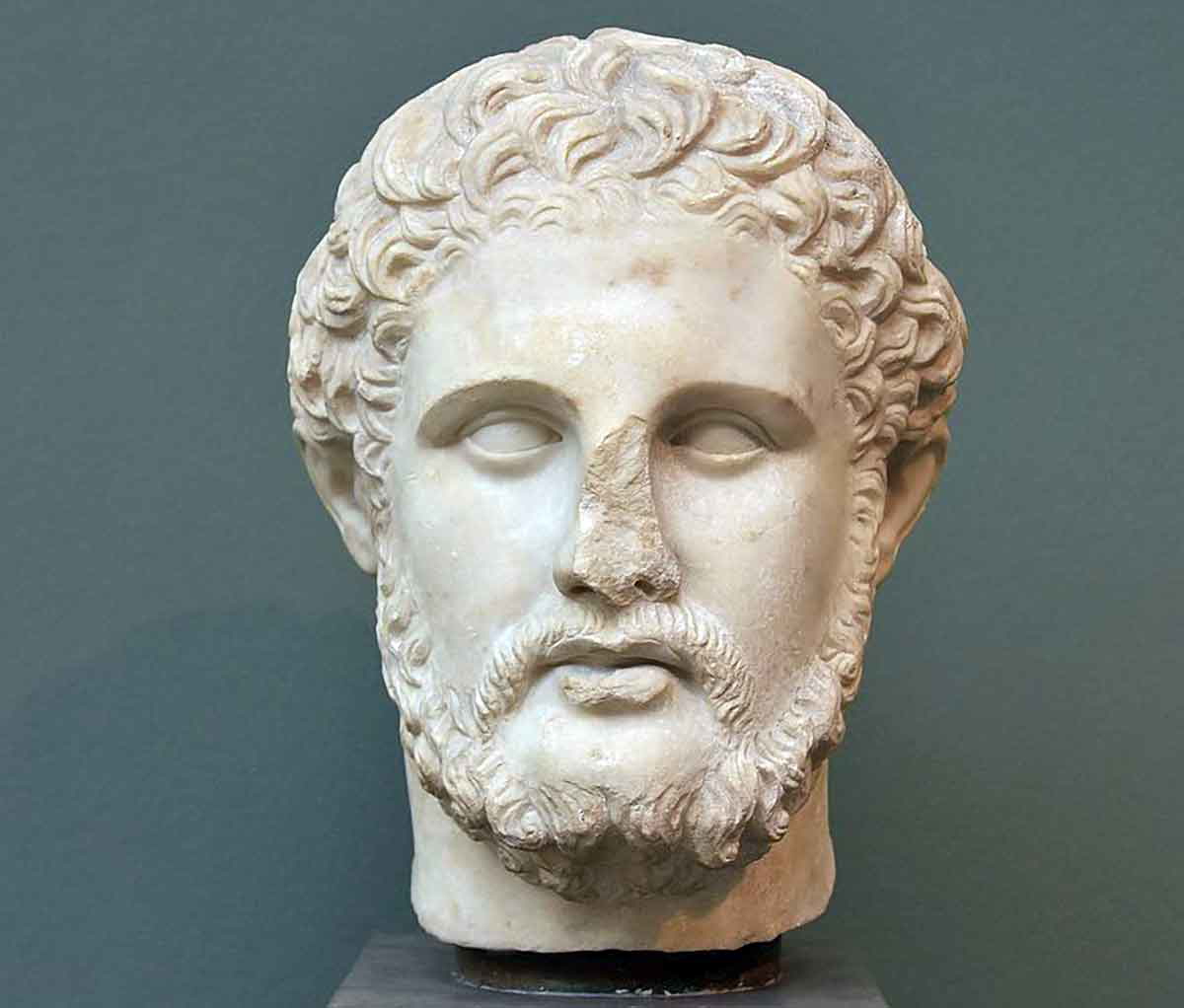
Philip II, father of Alexander the Great, was one of the most influential kings in ancient Macedon’s history. He united the disparate tribes of Macedon under his rule and secured the nation’s borders from constant raids. He also reformed the Macedonian military, making it the most powerful fighting force in the Mediterranean, and used it to conquer the Greek city-states.
After the Battle of Chaeronea, Philip II was “elected” supreme commander of the allied Greek states. He promised to assemble an army and invade Persia as revenge for the Persian invasion of Greece more than a century earlier. Before the expedition, Philip married his daughter to the king of Epirus to reinforce their alliance. Nobles and dignitaries gathered for the wedding. A lavish feast was prepared with sacrifices, games, and music competitions. The following day, before dawn, guests entered the theater to watch a grand procession.
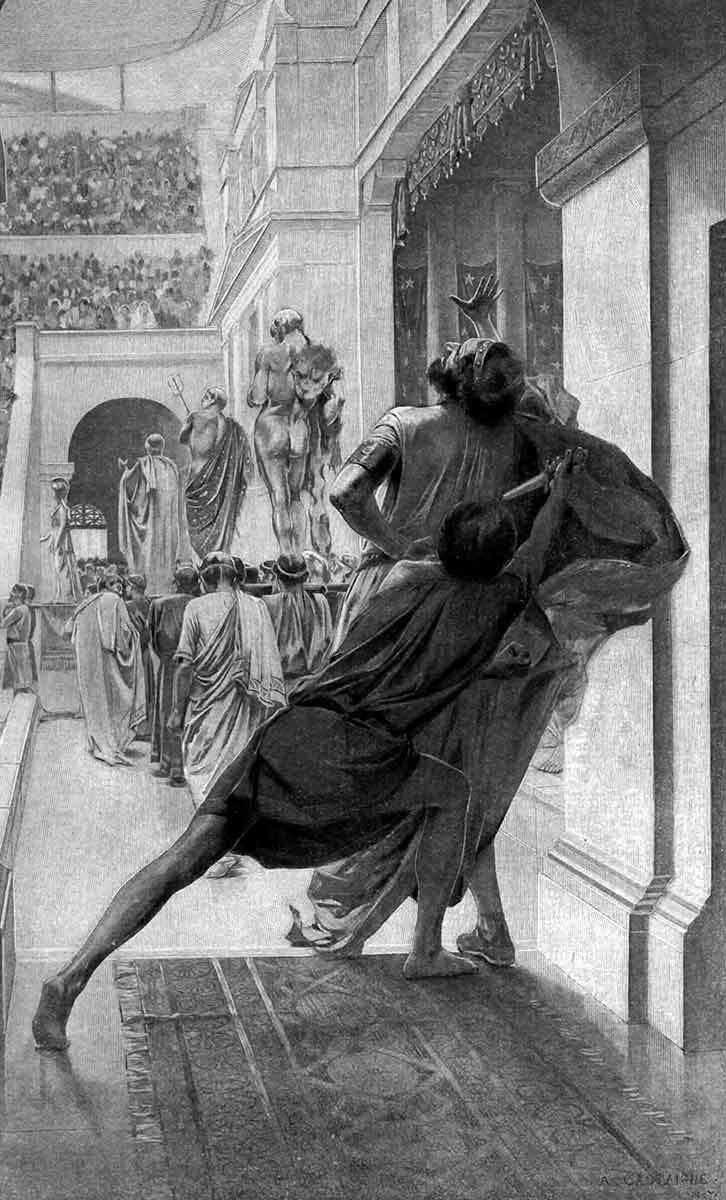
Philip wore a white cloak and walked out into the theater alone. He didn’t want the attending Greek diplomats to see him as a tyrant in need of perpetual protection, so he had his guards trail him at a distance. But one of his own bodyguards rushed him and stabbed him between the ribs, then fled the scene. The assassin had a predetermined escape route, but tripped on a vine and was killed by his pursuers.
Suspect #1: The Vengeful Bodyguard: Pausanias of Orestis
The earliest account of Philip’s death comes from Aristotle’s Politics. In it, he wrote that Philip’s bodyguard, Pausanias, killed him because Philip had allowed Pausanias to be insulted by Attalus and his friends.
Diodorus elaborated further on the insult, writing that Attalus got Pausanias drunk and then gave his unconscious body over to mule cart drivers to be abused. Pausanias brought charges against Attalus to Philip, but the king refused to punish him. Attalus was one of his generals for the upcoming Persian invasion and also the uncle of Philip’s newest wife, Cleopatra. Philip tried instead to placate Pausanias with gifts and promotions, making him one of the royal bodyguards.
Pausanias nevertheless held a grudge not only against Attalus, but against Philip for failing to avenge him. Diodorus claimed that Pausanias was encouraged by the sophist Hermocrates to kill the king. When Pausanias asked the sophist how someone can become the most famous, Hermocrates answered by killing the person who had accomplished the most, because as long as that person is remembered, their killer would also be remembered.
Pausanias set up escape horses near the gates of the city. When Philip entered the theater, he rushed him while the other guards kept their distance. Diodorus gives no more evidence than this, and it would seem the plot went no deeper. But the Roman historian Justin casts some doubt on the matter.
Suspect #2: The Scorned Queen: Olympias
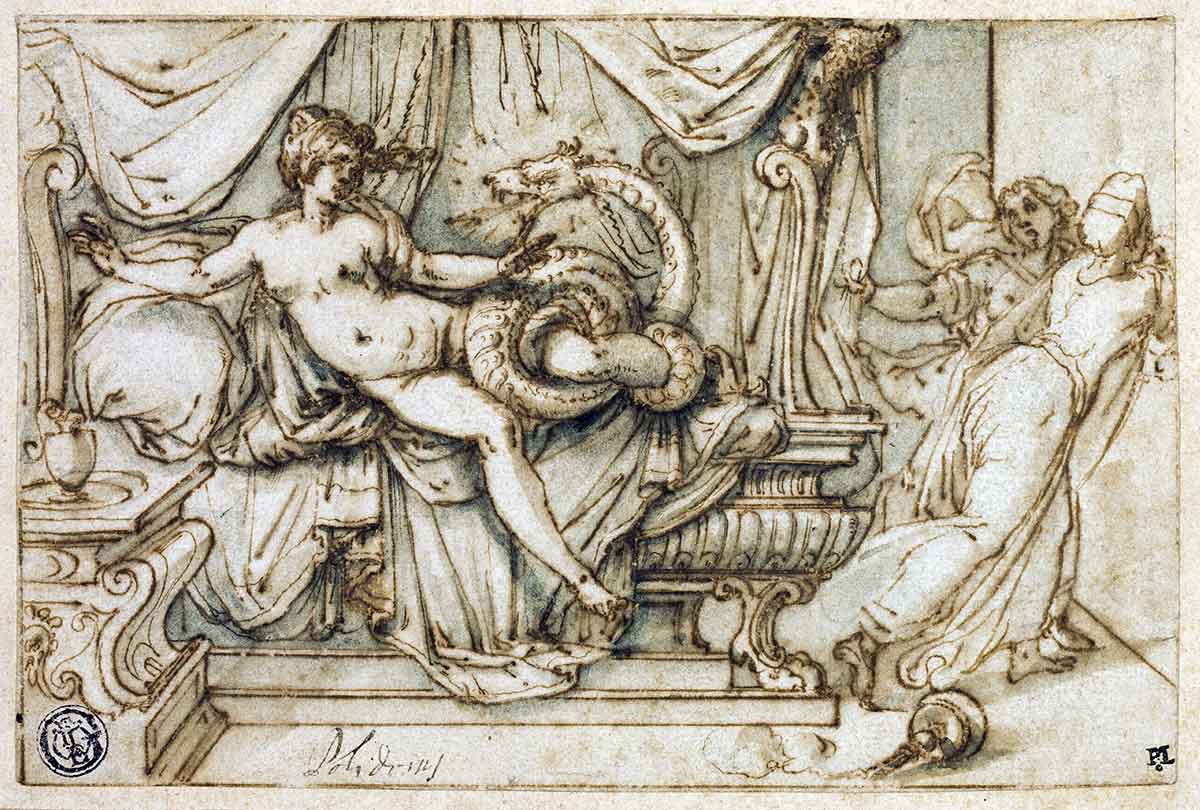
According to Justin, Olympias, Philip’s fourth wife and the mother of Alexander, instigated Pausanias to murder the king. She was resentful that Philip preferred his new wife to her. Reportedly, she had previously encouraged her brother, the king of Epirus, to go to war against Philip. This demonstrates both her resentment of her husband and her willingness to secure Alexander’s place on the throne.
Justin even credited Olympias with preparing the horses for Pausanias’ escape on the day of Philip’s assassination. She then forced Philip’s new wife to commit suicide after killing her daughter by him. She even publicly consecrated the sword that killed Philip to Apollo under a name she had been given as a child, as though taking credit for the deed.
Plutarch added that Olympias was responsible for the relationship between Alexander and Philip becoming strained through her “bad temper.”
Suspect #3: The Ambitious Heir: Alexander
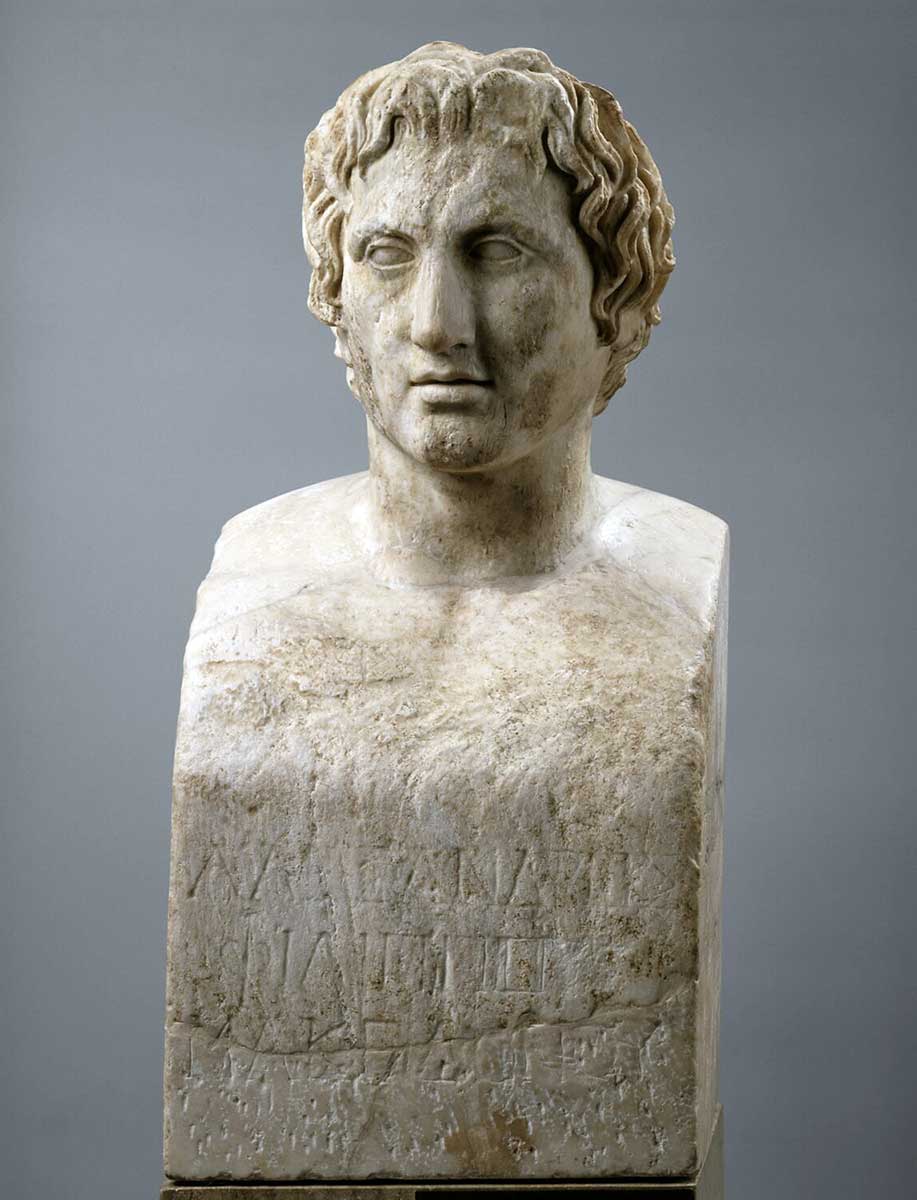
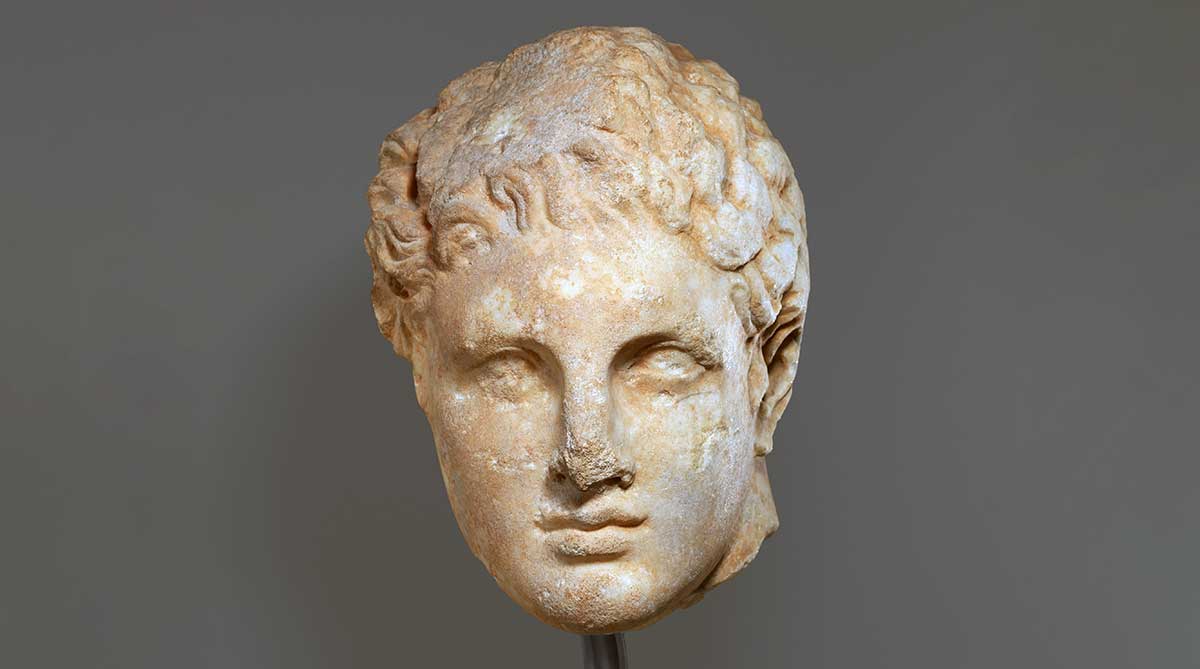
While Alexander was always the presumed heir to the throne of Macedon, he was rather insecure about his position. Philip’s new marriage threatened his claim to the throne. His mother, Olympias, was from Epirus, and Philip married her as a political alliance. His new wife, Cleopatra, was Macedonian and the niece of one of Philip’s best generals. If she bore a son, his claim to the throne would be stronger than Alexander’s.
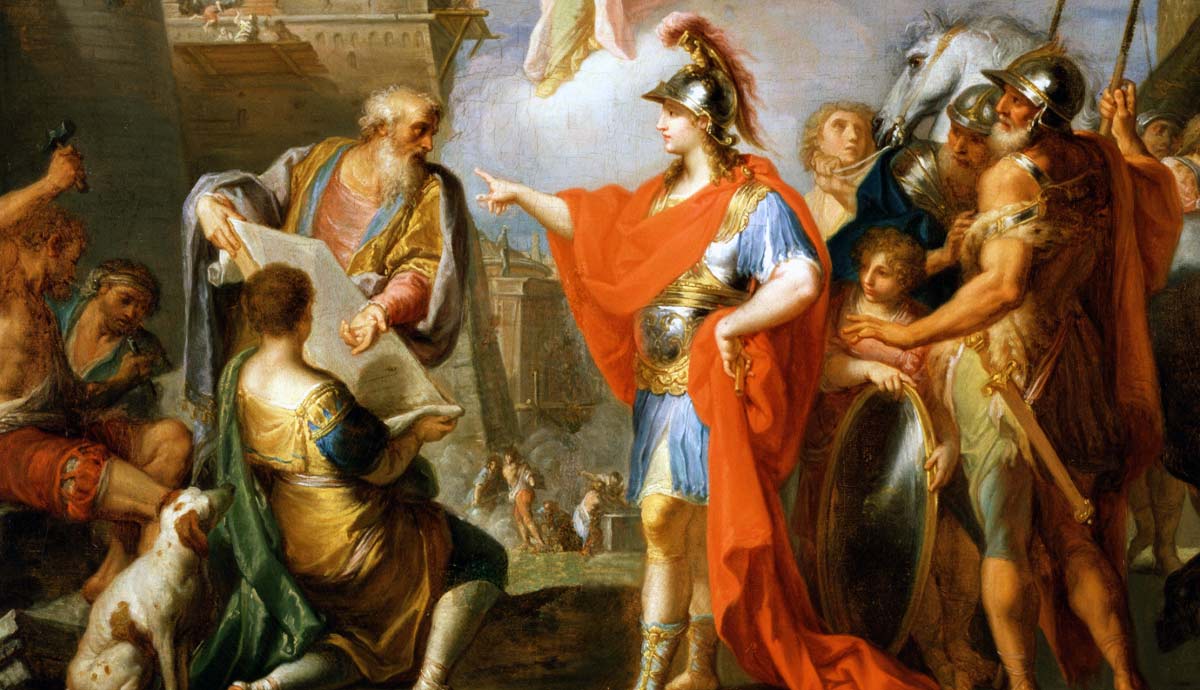
Plutarch recounts an episode at a banquet after Philip’s wedding to Cleopatra during which Attalus insulted Alexander in front of Philip. Attalus called upon the Macedonians present to pray to the gods that Philip and Cleopatra might birth a legitimate successor. Alexander was furious and threw a cup at him, shouting, “Do you take me for a bastard?” Philip rose and drew his sword against Alexander for assaulting one of his generals, but anger and wine made him trip and fall. Alexander then berated his father.
“Look now, men! Here is one who was preparing to cross from Europe into Asia, and he is upset in trying to cross from couch to couch.”
(Plutarch, Alexander 9)
Alexander then took Olympias and fled to Epirus. This was when Olympias tried to convince her brother to wage war on Philip, while Alexander went to Illyria. Philip reconciled with Alexander and recalled him to Macedon, but Alexander still felt that his position was insecure. So when Pausanias came to him to complain about Attalus and Philip’s treatment of him, Alexander was sympathetic and evidently urged him on by quoting a line from Medea.
Upon Philip’s death, Alexander quickly ascended to the throne. Whether to conceal his own guilt or root out a deeper conspiracy, he investigated the murder and punished other alleged participants.
Suspect #4: The Macedonian Nobility: The Lyncestian Brothers
Heromenes, Arrhabaeus, and Alexander were three brothers from Lyncestis in upper Macedon, accused of involvement in Philip’s assassination to usurp the throne. Multiple ancient historians linked them with Philip’s assassination. Arrian, the 2nd-century AD author of Anabasis of Alexander, wrote that two of the brothers took part in the murder. While Heromenes and Arrhabaeus were executed, Alexander the Great pardoned the third brother, Alexander of Lyncestis, because he was among the first to proclaim him king.
Alexander of Lyncestis was later charged with conspiracy to murder Alexander. Reportedly, Darius III, king of Persia, and Lyncestian Alexander had been exchanging letters. A messenger from Persia was captured by one of Alexander’s generals and told him that Darius was willing to make Lyncestian Alexander the king of Macedon if he killed Alexander the Great.
Suspect #5: The Distant Puppet Master: Darius III, King of Persia
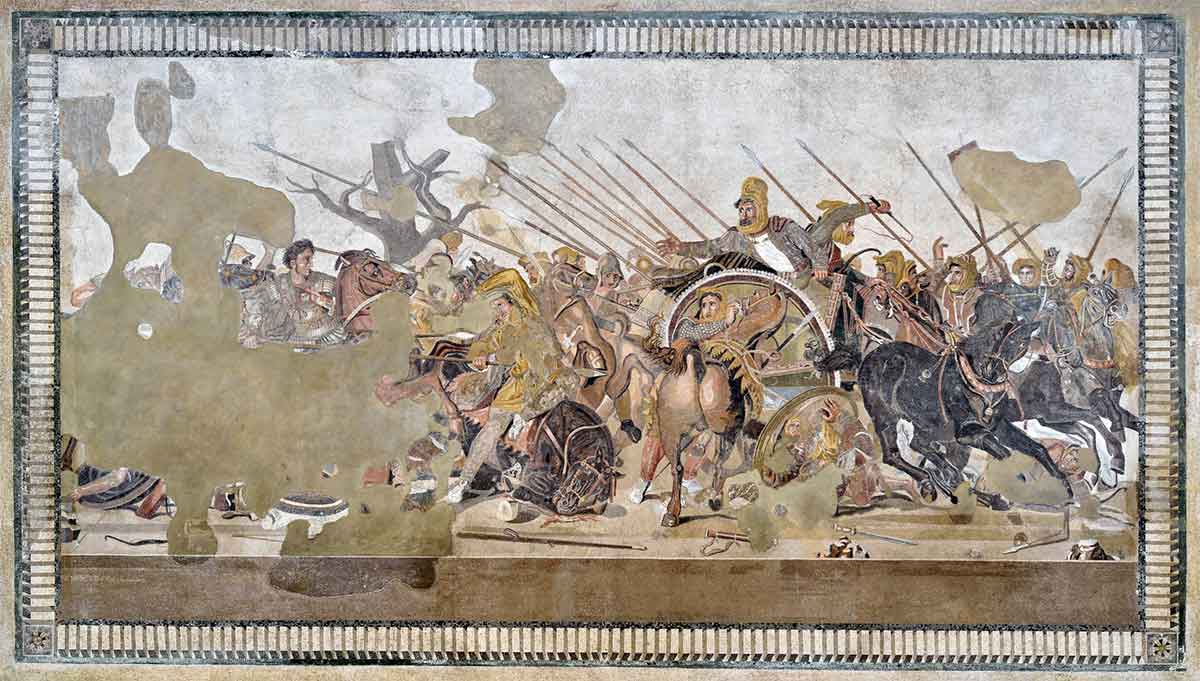
Darius III is also a suspect in Philip’s murder. His motive is fairly straightforward. Philip was not shy in his ambition to conquer Persia, and news certainly reached the ears of Darius. Based on the later attempt to sway Lyncestian Alexander to kill Alexander the Great, it is clear that Darius viewed assassination as a legitimate means of dealing with his enemies.
Arrian recorded that in response to a letter Darius sent to him, Alexander accused him of aiding Philip’s enemies in the past and instigating Philip’s murderers.
The Historical Verdict
With so many potential conspirators, how can the truth be separated from hearsay?
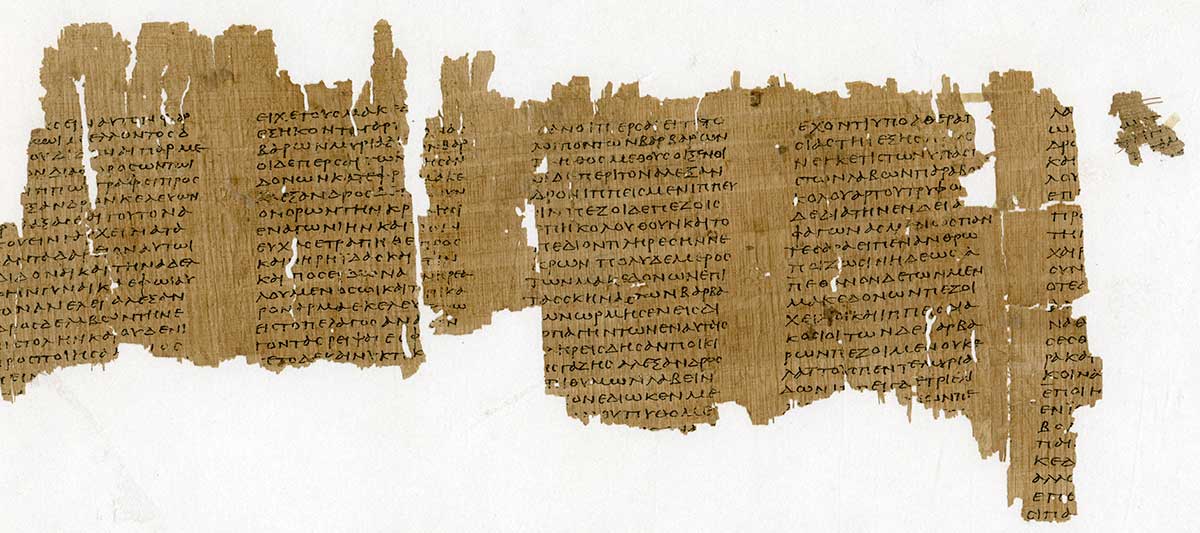
The source who lived closest to the events was Aristotle. He was intimately familiar with the Macedonian court and was even one of Alexander the Great’s teachers. He would have been aware of rumors and accusations, but mentions none beyond Pausanias’s. However, Aristotle was writing a political treatise, not history, so he chose to limit the details.
Diodorus gives a fuller account of the assassination, but he wrote three centuries after it happened, around the mid-1st century BC. He also wrote nothing of Olympias, Alexander, nor the Lyncestians’ involvement. Pausanias seems to have had ample motivation to act alone. But anyone who knew of his discontent may have exploited him as a tool for their own purposes.
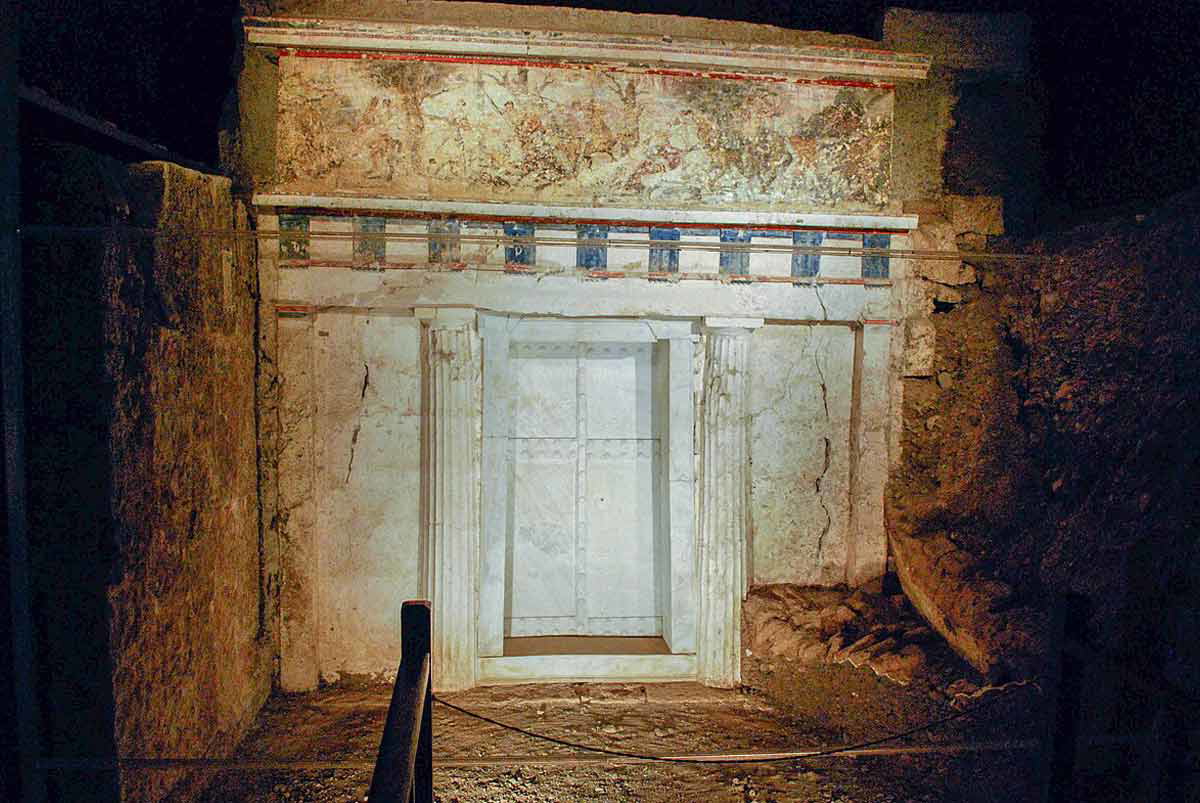
Plutarch wrote his Life of Alexander even later, in the early 2nd century AD. It is one of the first surviving mentions of suspicion being placed on Olympias and Alexander. However, sources hostile to Olympias should not be taken at face value. It was a common ancient stereotype to portray powerful women as jealous and vengeful.
As Queen-Mother, she was highly influential during Alexander’s reign, and after his death, her influence only grew as she tried to secure the throne for his son. While Alexander had the most to gain from Philip’s death, he was already politically and militarily established. There is no evidence to suggest that Philip didn’t already think of him as his heir.
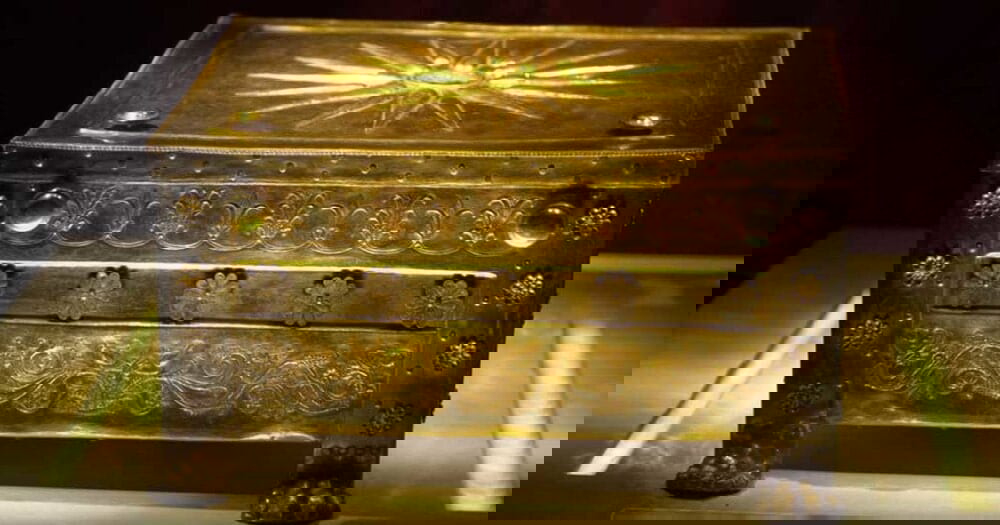
Justin, writing in the 2nd or 3rd century AD, used an Augustan-era source, but it is difficult to tell what is original and where the writer took liberties for his narrative. Moreover, while the Lyncestian brothers may have been political rivals, and one was potentially involved in an attempt on Alexander himself, they do not seem to have made any move to seize power following Philip’s death.
Darius’s involvement is more difficult to ascertain. No surviving sources make the charge. Alexander’s accusations against Darius after his invasion of Persia may have simply been made to justify the invasion.
So what’s the verdict? Beyond Pausanias, it remains a mystery whether there were greater political motives behind the assassination of Philip II of Macedon.
Sources
- Antela-Bernárdez, B. (2012). Philip and Pausanias: A Deadly Love in Macedonian Politics. The Classical Quarterly, 62(2), 859–861.
- Carney, E. (1992). The Politics of Polygamy: Olympias, Alexander, and the Murder of Philip. Historia: Zeitschrift Für Alte Geschichte, 41(2), 169–189.
- Carney, E. D. (2015). Alexander the Lyncestian: The Disloyal Opposition. In King and Court in Ancient Macedonia: Rivalry, Treason and Conspiracy (pp. 127–140). Classical Press of Wales.