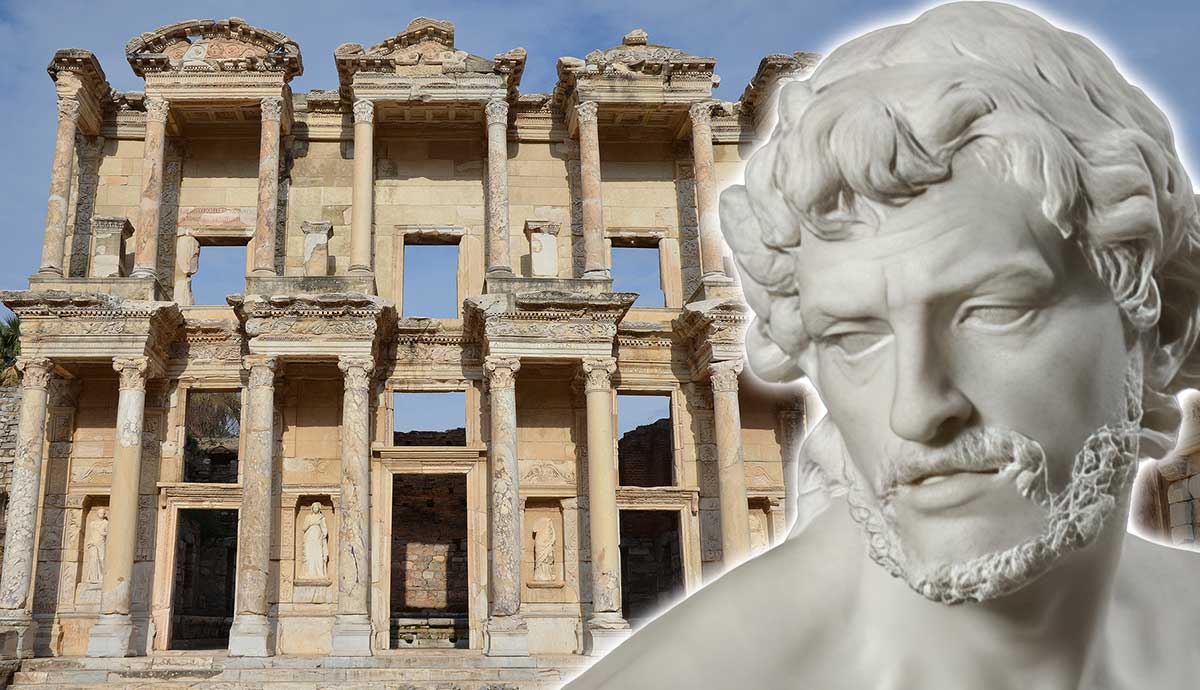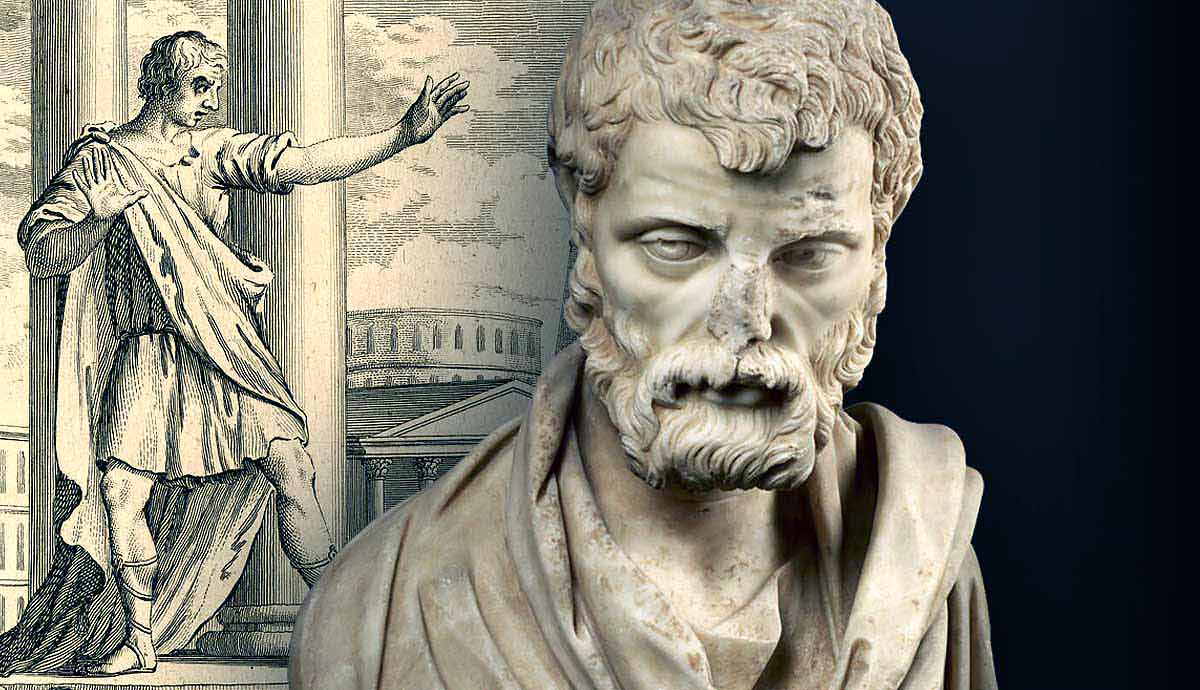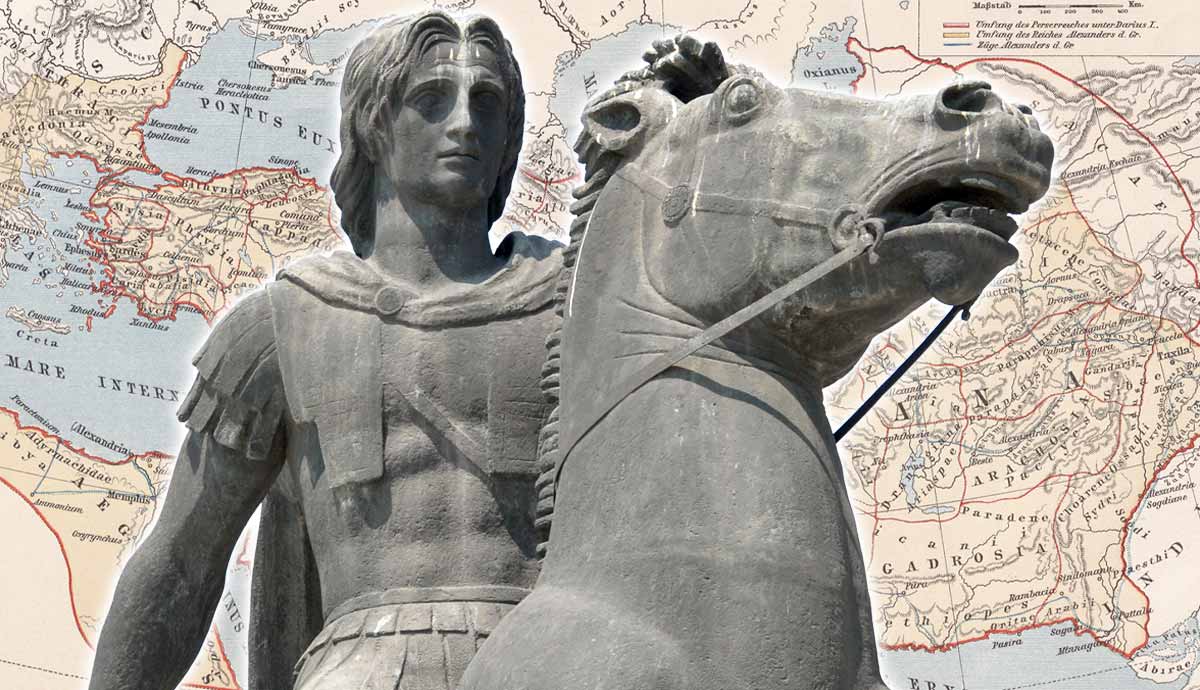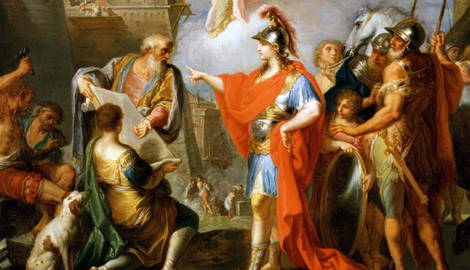

Alexander the Great didn’t just conquer with military might; he conquered with charisma. His speeches could stir a mutinous army to tears or strike terror into the hearts of veteran kings. But many of the most famous quotes attributed to him today are actually the products of Hollywood scripts or 19th-century novels. Discover the words of Alexander recorded in the ancient sources with these 13 compelling quotes from the conqueror.
What Are Our Sources for the Words of Alexander the Great?
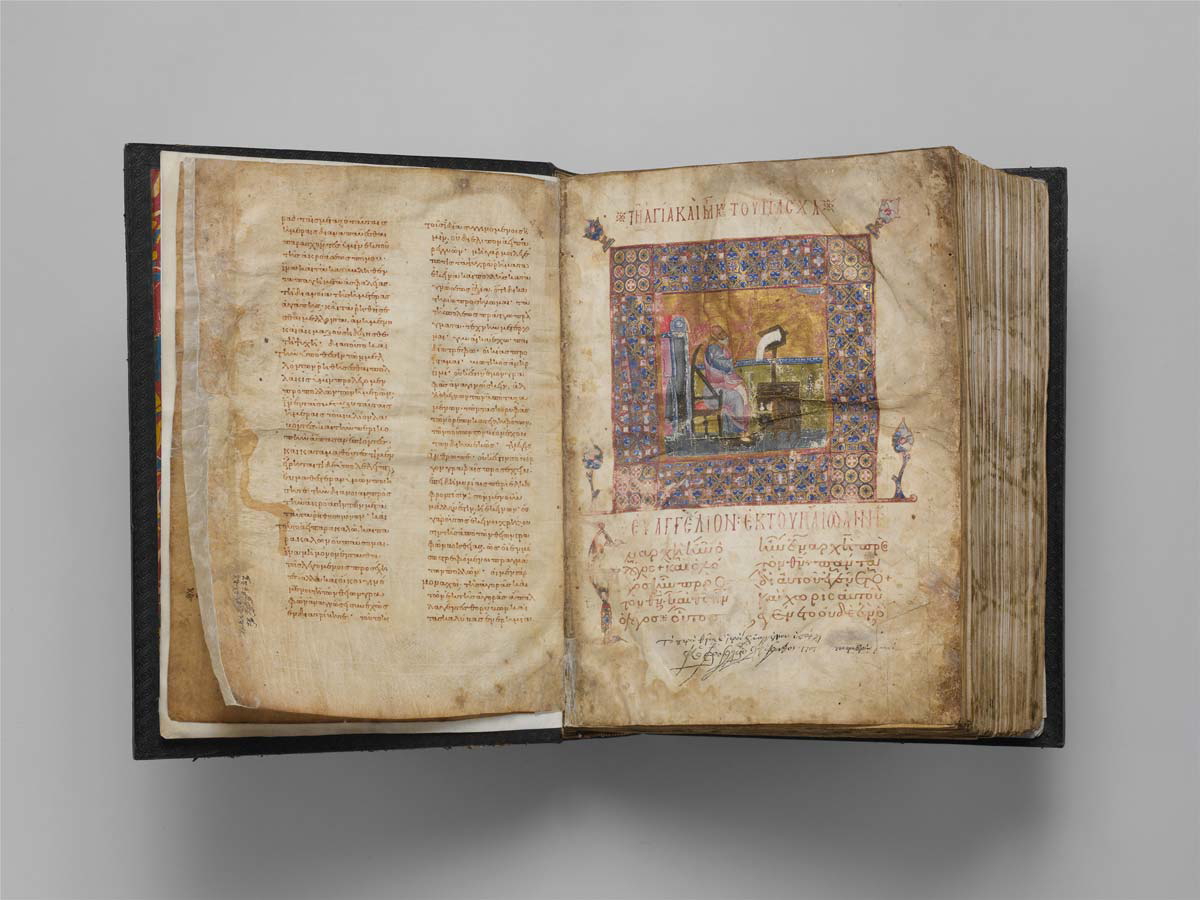
While we have many ancient sources of the life of Alexander the Great, they all come from centuries after he died. While they claim to draw on earlier sources and official records, actual quotes would have been hard to come by. Therefore, while some of the quotes attributed to Alexander probably were muttered by him, others were invented by the authors based on what they think he would have said.
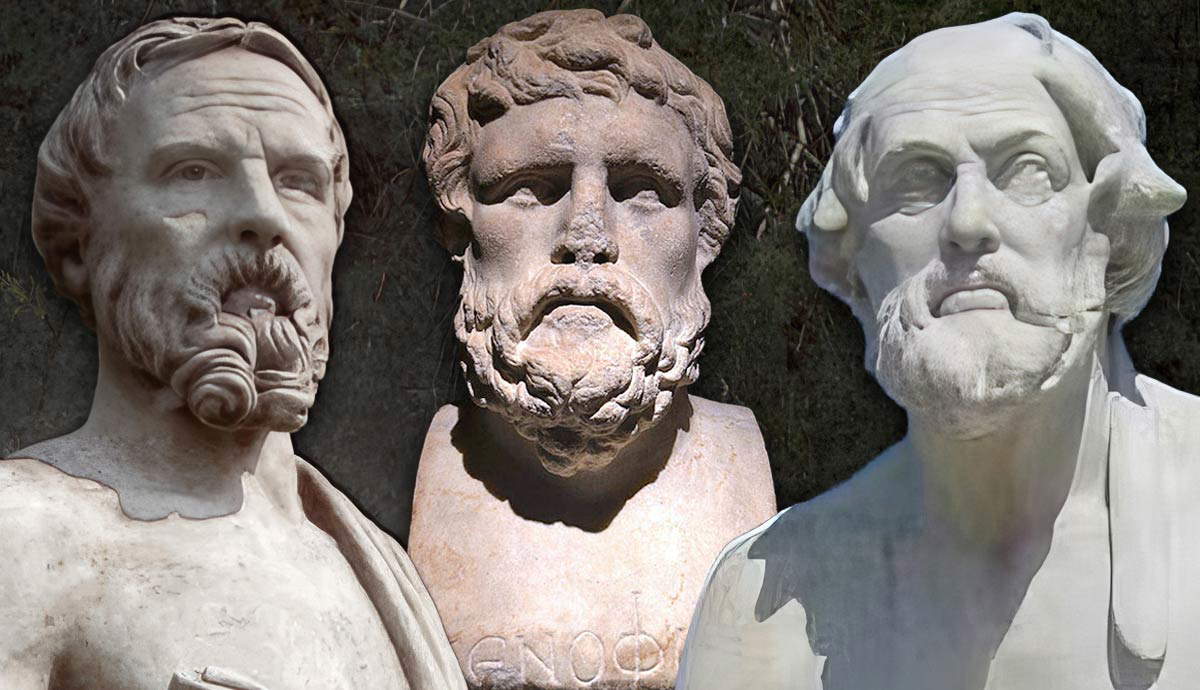
Diodorus Siculus, author of the Library of History, wrote in the mid 1st century BC. Diodorus believed that history was supposed to teach through examples. In Alexander he had a great subject that should be emulated. His account is emotionally charged, presenting Alexander as a heroic figure who was courageous, generous, moderate, and favored by the gods.
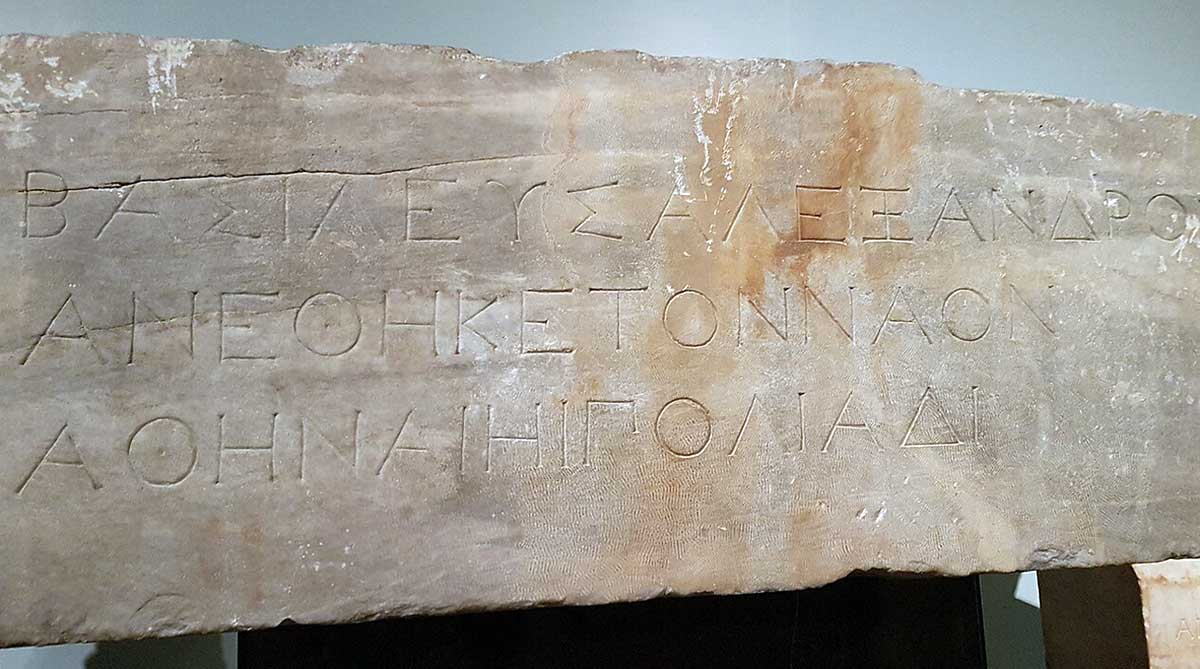
Plutarch wrote a biographical Life of Alexander, and also recorded some sayings attributed to Alexander in his Moralia. Plutarch wrote in the 2nd century AD. At the beginning of the Life of Alexander, he tells his readers that they should not expect a history, but an account of Alexander’s character. He was developing a moral portrait of Alexander as a philosopher in action and someone whose defining quality was passion.
Arrian, the author of the Anabasis of Alexander, wrote during the early 2nd century AD. Modeling his style on Xenophon’s Anabasis, Arrian recorded the military campaigns of Alexander. He is considered a trustworthy source, but speeches attributed to the figures in his work must be understood as an invention by Arrian based on what would have been appropriate for the figures to say.
Sayings From Alexander’s Early Life
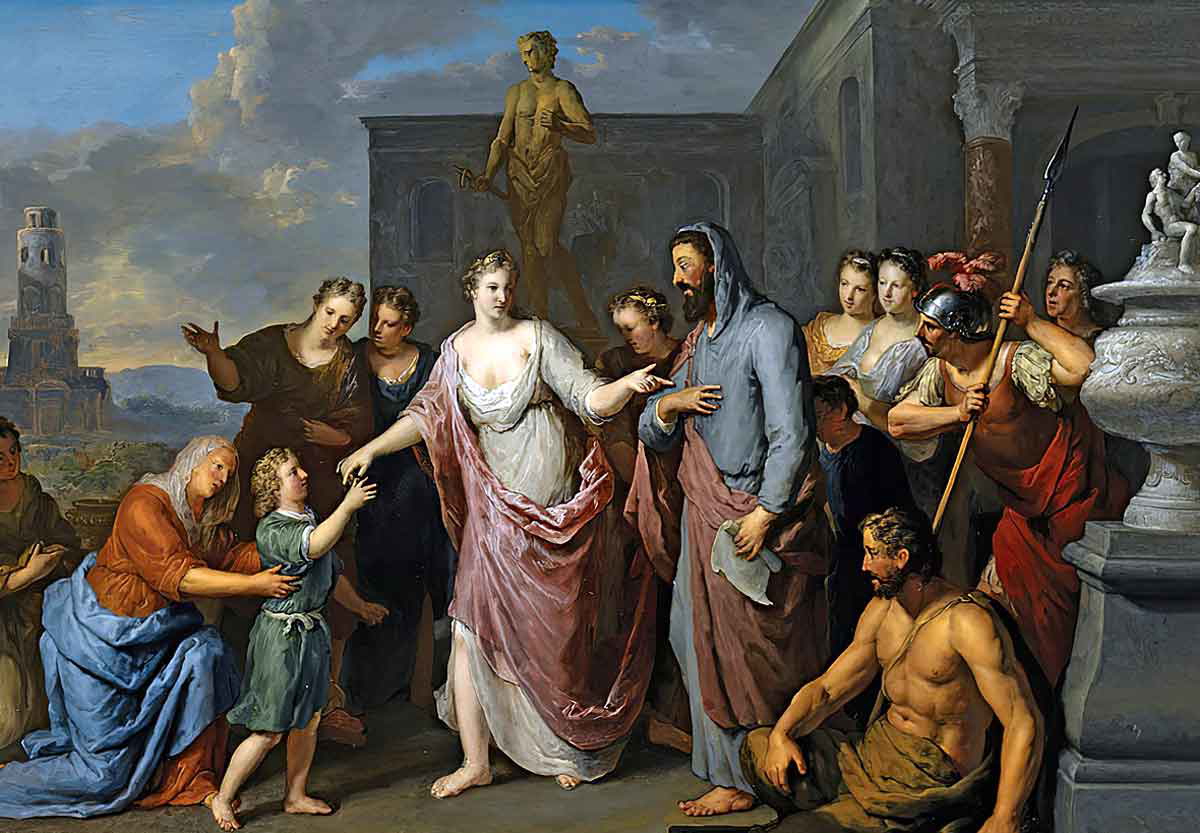
Plutarch is the main source for the early life of Alexander. He sought to present him as a warrior-philosopher, someone who could have been a great thinker were it not for his military ambitions. He attempts to reconcile Alexander’s philosophical training with his martial lifestyle, while always hinting at the young man’s future greatness.
1. “Yes, if I were to have kings as opponents.” (Plutarch, Life of Alexander 4.5)
Alexander allegedly said this when he was asked if he would compete in the foot-race at the Olympic Games because he was a swift runner. This statement reflects what Alexander aspired to. He didn’t want athletic fame, nor did he care for sports in general. He cared for the arts, philosophy, and glory. His peers were not common men, nor even the aristocracy, but kings.
2. “Boys, my father will take everything and leave for me no great and brilliant deed to display with your help.” (Plutarch, Life of Alexander 5.2)
Alexander supposedly said this to his friends when he received news that his father Philip II had conquered a new city or was victorious in another battle. Plutarch was aiming to show just how great Alexander’s ambition was. Alexander valued glory and fame, and each new achievement made by his father was one that he could no longer make himself.
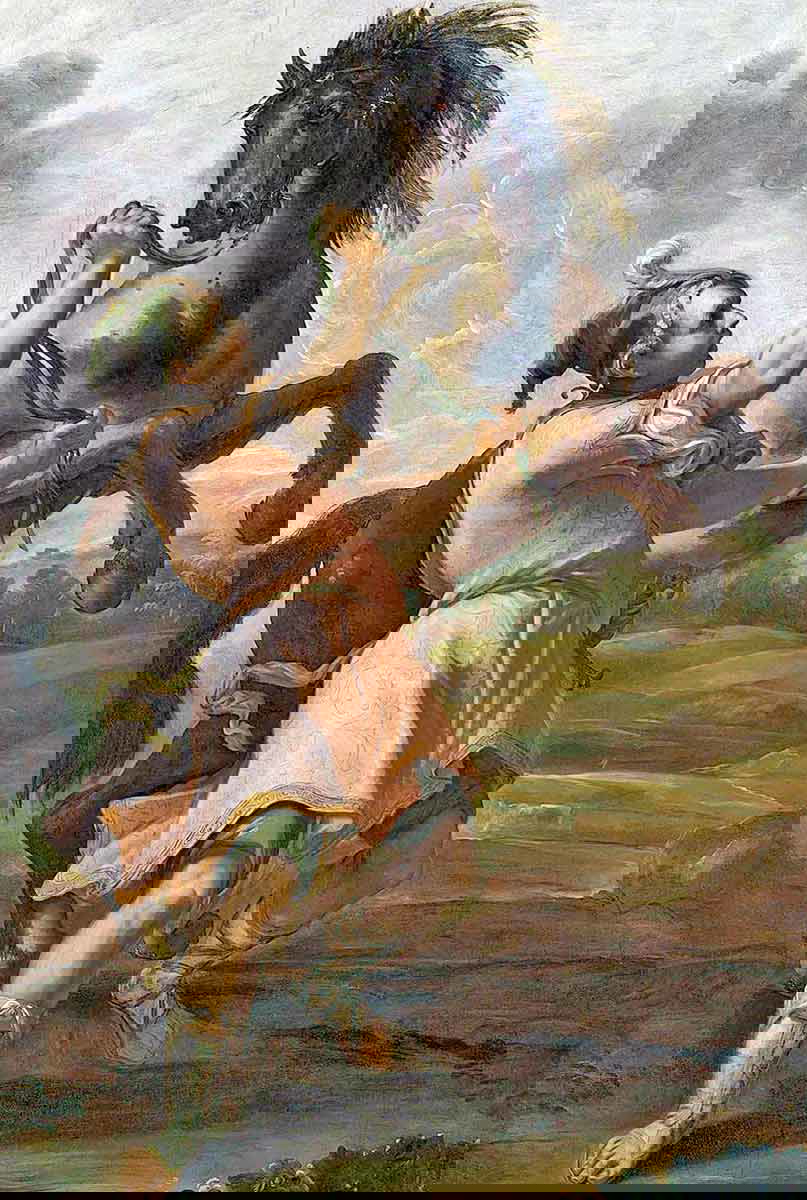
3. “Such a horse they are losing through ignorance and cowardice, being incapable to manage it.” (Plutarch, Life of Alexander 6.2)
This comes from a famous story in which a Thessalian horse breeder offered to sell a horse to Philip for thirteen talents, but it was too aggressive and would not let anyone mount it. Philip had given up when Alexander decided to try himself. He had noticed that the horse was afraid of its own shadow, so he cleverly turned it towards the sun to calm it, then mounted the horse. Everyone present was amazed and Philip was claimed to have said, “Son, seek out a kingdom equal to yourself, for Macedon cannot contain you.”
Quotes From the Ideal King
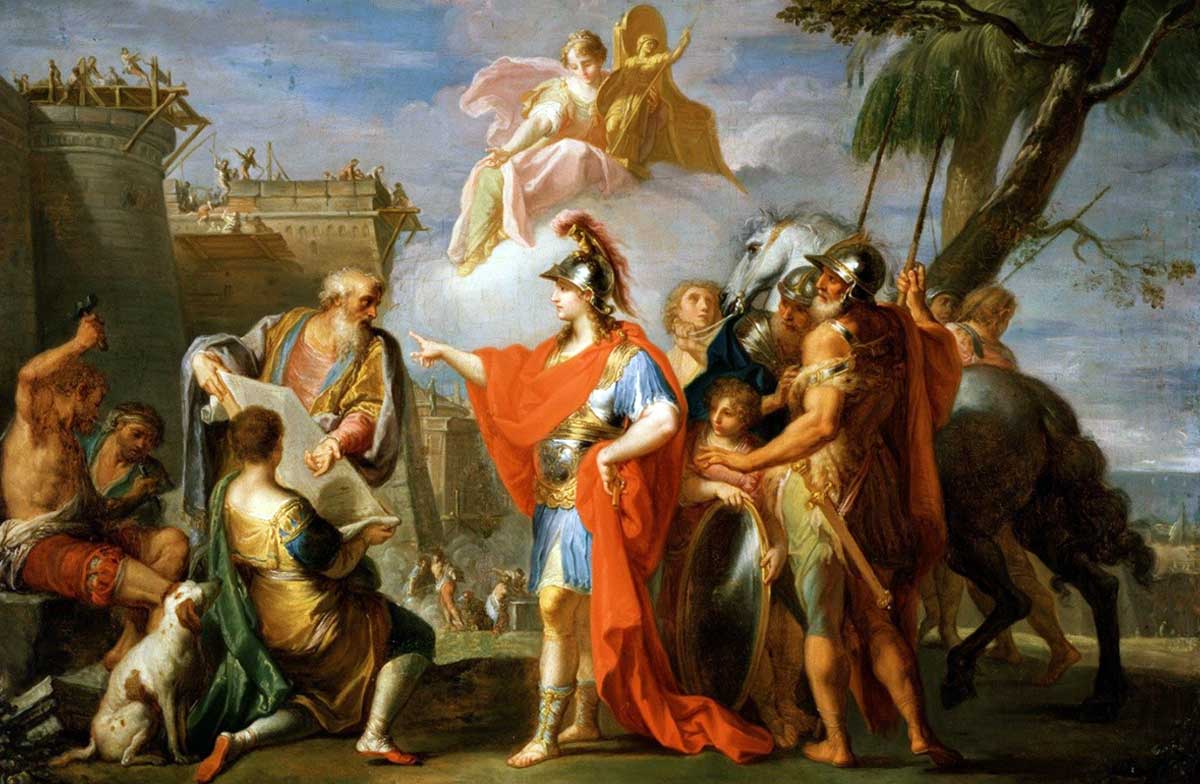
Alexander was only 20 years old when he became king of Macedon. From the very beginning he is presented as a confident, intelligent, and charismatic leader. He is often described as ignoring the advice of the veteran generals around him and making decisions that show off his individual genius.
4. “I should feel it a disgrace, if, after crossing the Hellespont so easily, this paltry stream should bar our passage for a moment.” (Arrian, Anabasis of Alexander 1.13.2)
When Alexander came to the Granicus River, he was opposed by a coalition of Persian satraps and commanders. One of Alexander’s generals, Parmenio, advised that they should make camp on the river bank and wait to cross until the following morning. It was sound advice. If they waited until morning the army could cross while the Persians were still drawing up their battle lines. Alexander refused the advice, and what he said suggests that he found the threat of the Persians to be less than the river.
5. “I will not steal my victory.” (Plutarch, Life of Alexander 31.7)
The night before the Battle of Gaugamela, Parmenio advised Alexander to attack the Persian army at night so the Macedonians would not see the massive size of the force arrayed against them. Alexander replied with this now famous quote. Alexander is presented with a confidence close to foresight.
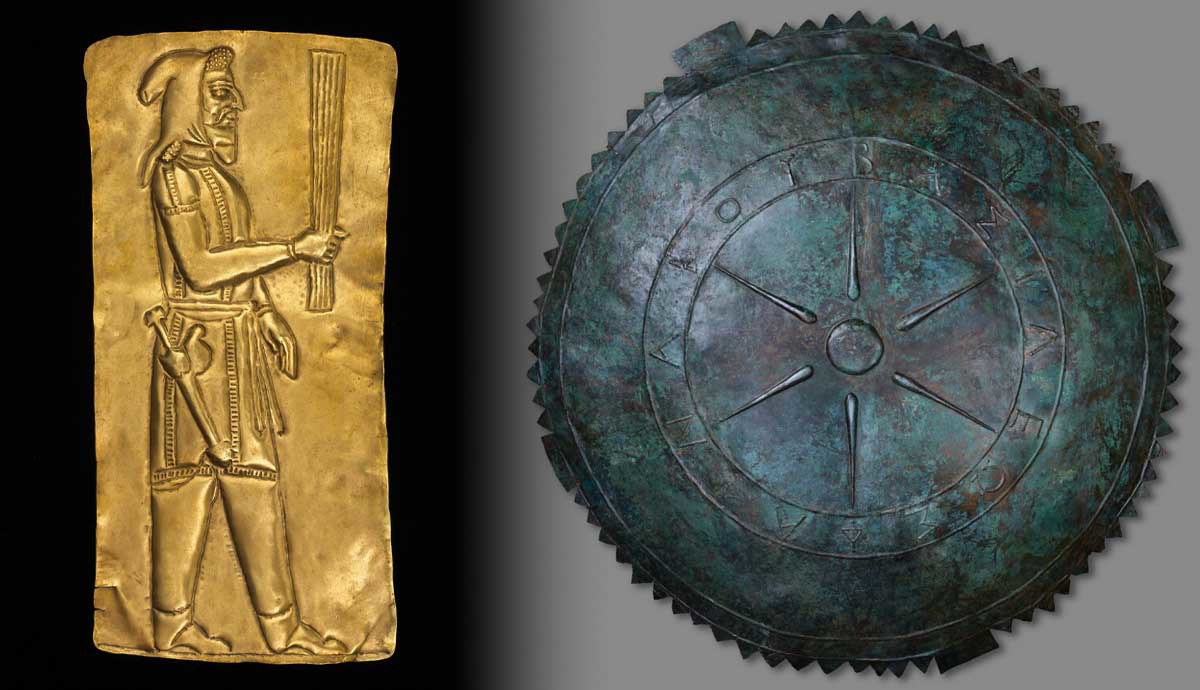
6. “So would I, if I were Parmenio.” (Plutarch, Moralia 180a)
When Alexander was laying siege to the city of Tyre, ambassadors from Persia came to see him with terms of peace from Darius. He was offered 10,000 talents, all territories west of the Euphrates, and a marriage to Darius’ daughter to cement an alliance. Parmenio advised Alexander to agree to the terms so as not to compromise further success, saying that he would accept it if he were Alexander. With this quote we see that Alexander does not consider himself to be like other men. He has a greater sense of ambition and ability. He would not accept what others gave to him, he would take what he wanted.
Words From the Conqueror of Asia

Alexander was just 26 years old when he became the King of Persia in 330 BC. This changed the nature of Alexander’s challenges as he was no longer just a general, he now also had to demonstrate the qualities of a competent administrator of a vast and diverse new territory.
7. “Send to me as the king of Asia, and do not address to me your wishes as to an equal.” (Arrian, Anabasis 2.14.9)
After the Battle of Issus, when Alexander was descending through Phoenicia towards Egypt, Persian ambassadors arrived with a letter from Darius. He was entreating Alexander, king to king, to return his captured family and negotiate peace terms, but Alexander sent a scathing reply.
8. “The earth could not bear two suns, nor Asia two kings.” (Plutarch, Moralia 180a)
In Alexander’s reply to Darius, he made clear what he thought of the peace offer. He would not be appeased, nor would he share his power. The comparison of kings to the sun shows Plutarch’s opinion of kingship.
Quotes From the Philosopher King
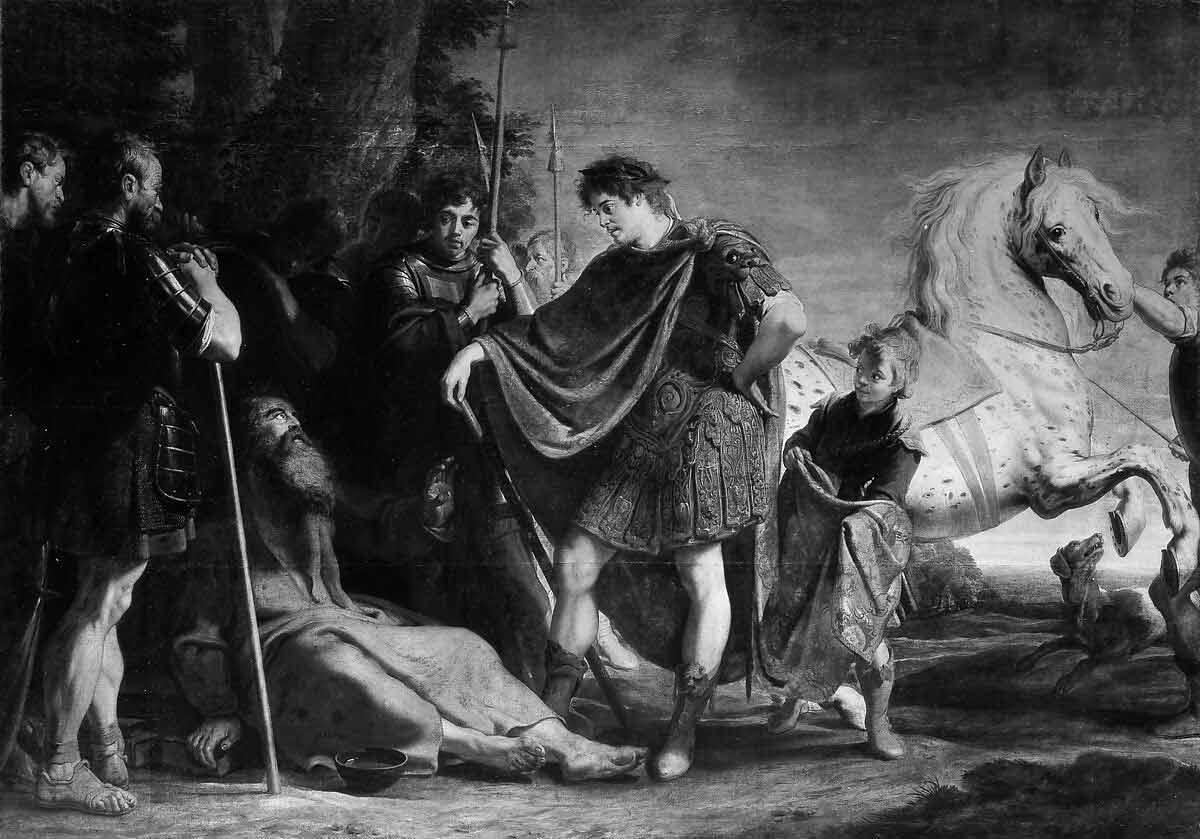
The idea of Alexander as a philosopher as well as a soldier continued throughout his life. This is despite stories of brutish behavior, especially while drunk. He reportedly murdered one of his best generals, Cleitus the Black, in a drunken rage, and ordered the burning of Persepolis while drinking at a victory banquet.
9. “If I were not Alexander, I would be Diogenes.” (Plutarch, Life of Alexander 14.3)
When Alexander was voted commander of the Greek forces for the future war against Persia, statesmen and philosophers came to congratulate him, except for Diogenes of Sinope. Alexander went to see the man, who was lying out in the sun. He asked the philosopher if he wanted anything, to which Diogenes asked him to move out of his sunlight. Alexander seemed to appreciate the philosopher’s perspective.
10. “To do good and to be evil spoken of is kingly.” (Plutarch, Moralia 181e)
Alexander was credited with saying this after he was told that someone reviled him. Here Plutarch is demonstrating his idea of kingship through Alexander. A true king must be able to take criticism, even when what he does is for the good of his people.
11. “I would rather excel in experience with the best things than in power.” (Plutarch, Life of Alexander 7.7)
In one of his letters to Aristotle, after finding out that Aristotle published some of his treatises for the public, Alexander was upset that he had made such elite learning available to all. This is a very Sophistic idea from Plutarch, since rhetorical and philosophical education was a defining feature of elite culture.
Alexander’s Final Words
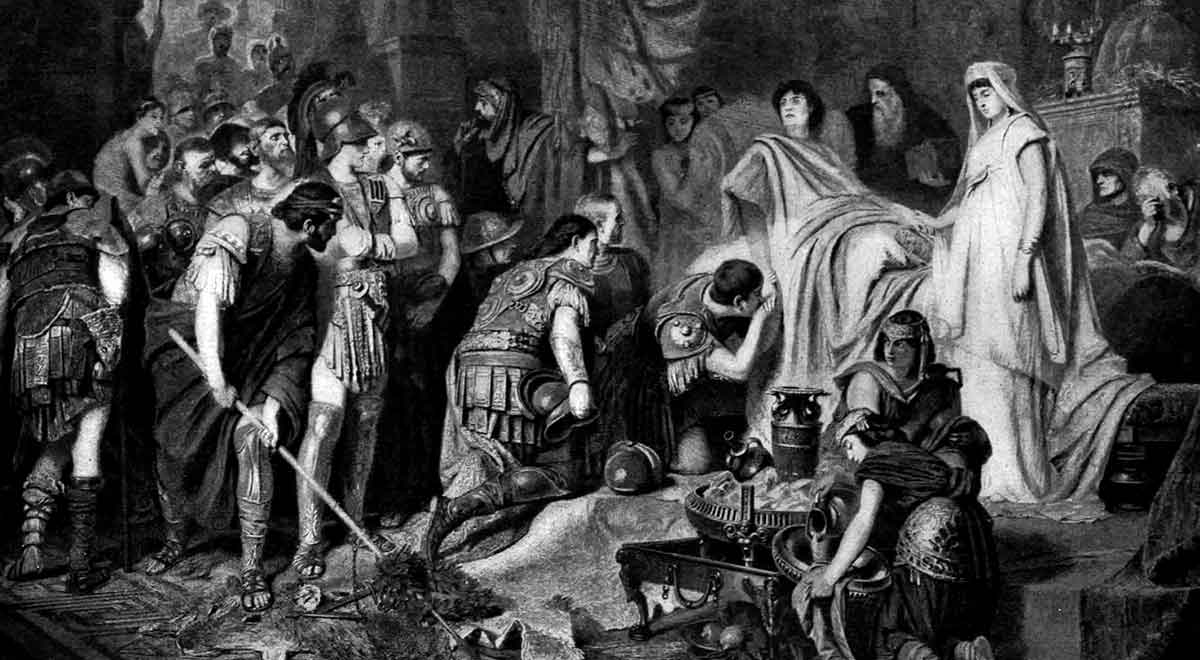
Alexander was just 32 years old when he died of a sudden illness. For the people around him, it must have been hard to imagine that such a mighty figure could be mortal.
12. “To the strongest.” (Diodorus, Library of History 17.117.4)
At the end of his life, Alexander became very ill and was bedridden. When it became clear that he was dying and that no treatments were helping, his friends asked Alexander to whom he left his kingdom. His reply, “To the strongest,” is likely retrospective and serves to rationalize the wars of the Diadochi.
13. “I see my funeral tournament will be great.” (Plutarch, Moralia 181e)
These words are recorded in Plutarch’s Moralia, but a version of this is also present in Diodorus and Arrian. It is possible that Alexander said something along these lines since, as a king, he no doubt would have had funeral games in his honor, and given his reputation and achievement they no doubt would have been spectacular. However, these words are said with a hint of foresight. The authors who recorded Alexander’s life knew what happened after his death and seem to point at the coming wars that split up his empire and created the Hellenistic kingdoms.
A Legacy Written in Ink and Iron
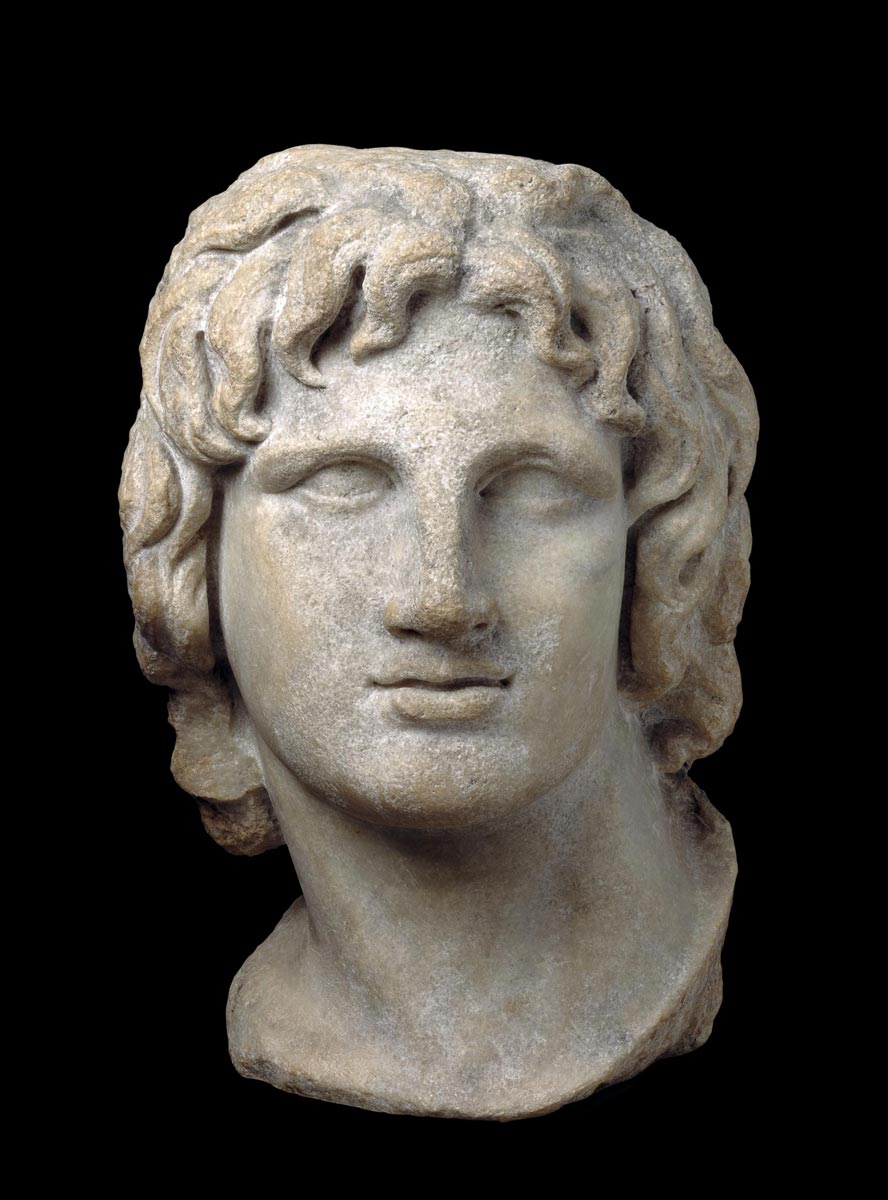
Did Alexander the Great actually say what he has been credited with saying? There’s no way of knowing, but whether the quotes are real or not may not matter. What matters more is how ancient authors perceived him, which is shown by the words they attribute to him. He was ambitious, passionate, cultured, and sophisticated. He represented the ideal king that others should strive to emulate.