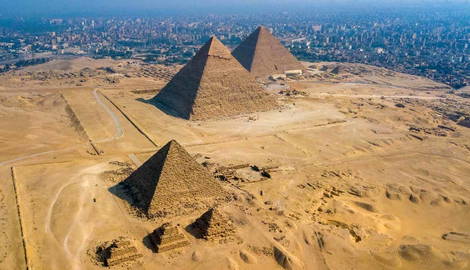

If you traveled back in time to Old Kingdom Egypt and asked someone about the pyramids, they would have no idea what you were talking about. We call ancient Egypt’s most famous monuments pyramids because that is what the ancient Greeks called them. But what did the Egyptians call their pyramids? A pyramid structure was “Mer,” but each was an important religious monument with a unique name that reflected its pharaoh’s role in the solar symphony of Egyptian cosmology.
The Greek “Wheat Cake”: The Origin of the Word Pyramid
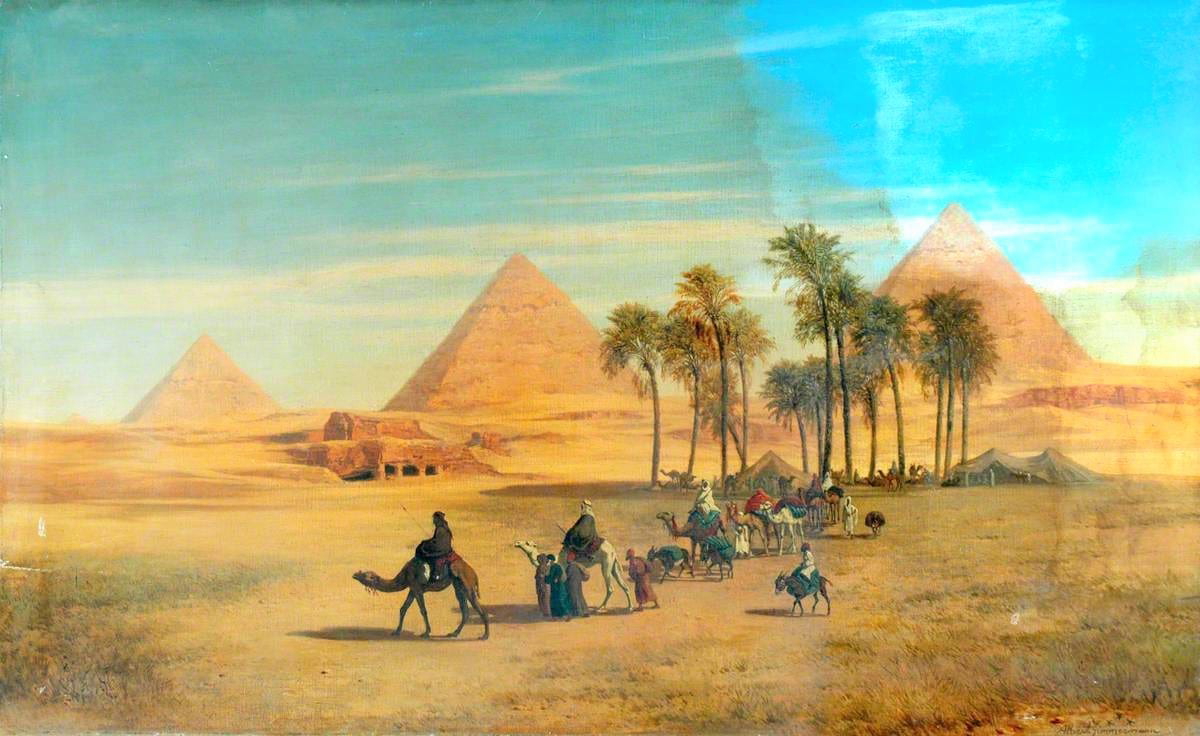
Many of the words we use for familiar things from ancient Egypt come from ancient Greek. Hieroglyph is a Greek word meaning “sacred carving,” sarcophagus means “flesh eater,” and obelisk means “little roasting spit.” Greeks traveling to Egypt gave names to the wonders they saw, and when Alexander the Great conquered Egypt and the Ptolemaic Dynasty took control in the 4th century BC, Greek became the language of the elite across the Greco-Roman and Byzantine periods for nearly 1,000 years.
The Greeks coined their word pyramid around the 5th century BC, when these towering monuments were already 2,000 years old. While they may not have had the same sheen as when they were first built, the Greek traveler and historian Herodotus suggests that they were still covered in gleaming white outer casing stones that shone in the sun. Despite being impressed, Herodotus, possibly borrowing from the earlier travel writer Hecataeus of Miletus, called these structures pyramis.
We learn from the 4th-century BC Athenian poet Ephippus that pyramides were among the selection of after-dinner treats offered at parties. From this, it has been assumed that the pyramid was named after the treat due to the physical resemblance. This would be consistent with calling obelisks after roasting spits. But is this assumption accurate?
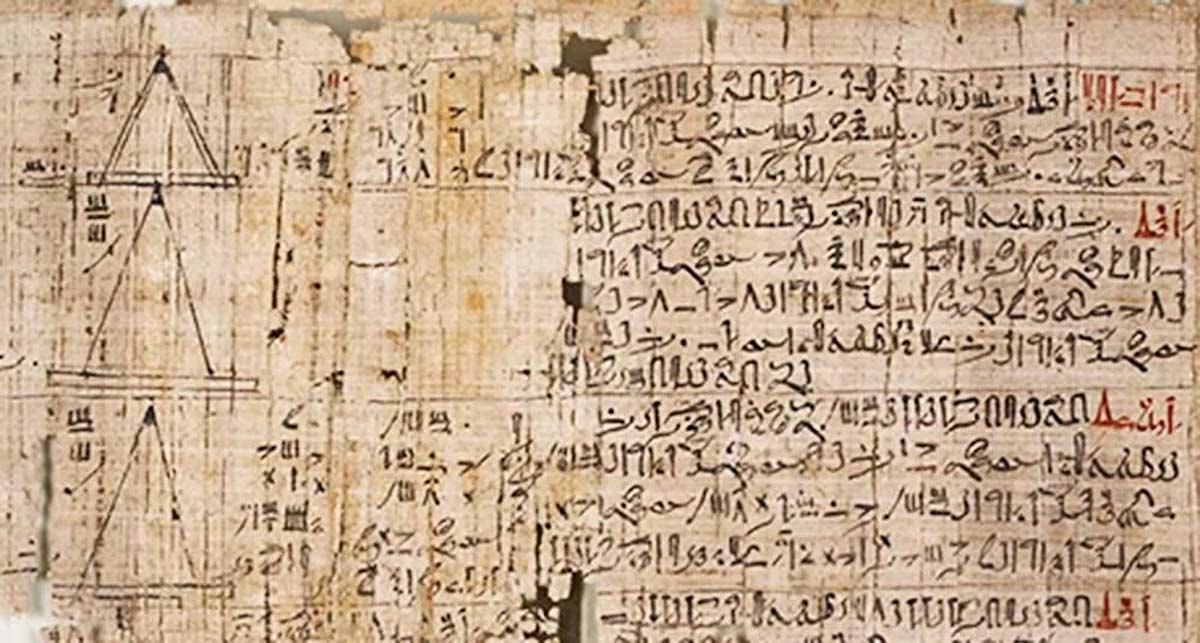
The Egyptian Rhind Mathematical Papyrus dates from about 1,000 years before Herodotus. It includes geometrical puzzles that refer to the height of a pyramid as “pr-m-ws,” which translates to “that which comes forth from the height.” It is possible that Herodotus or Hecataeus encountered this word and adopted a Greek version of it for the related structure. If this is the case, it is telling that the Greeks chose a word related to the structure’s geometry rather than its theological purpose.
Decoding “Mer”: The Egyptian Word for Pyramid
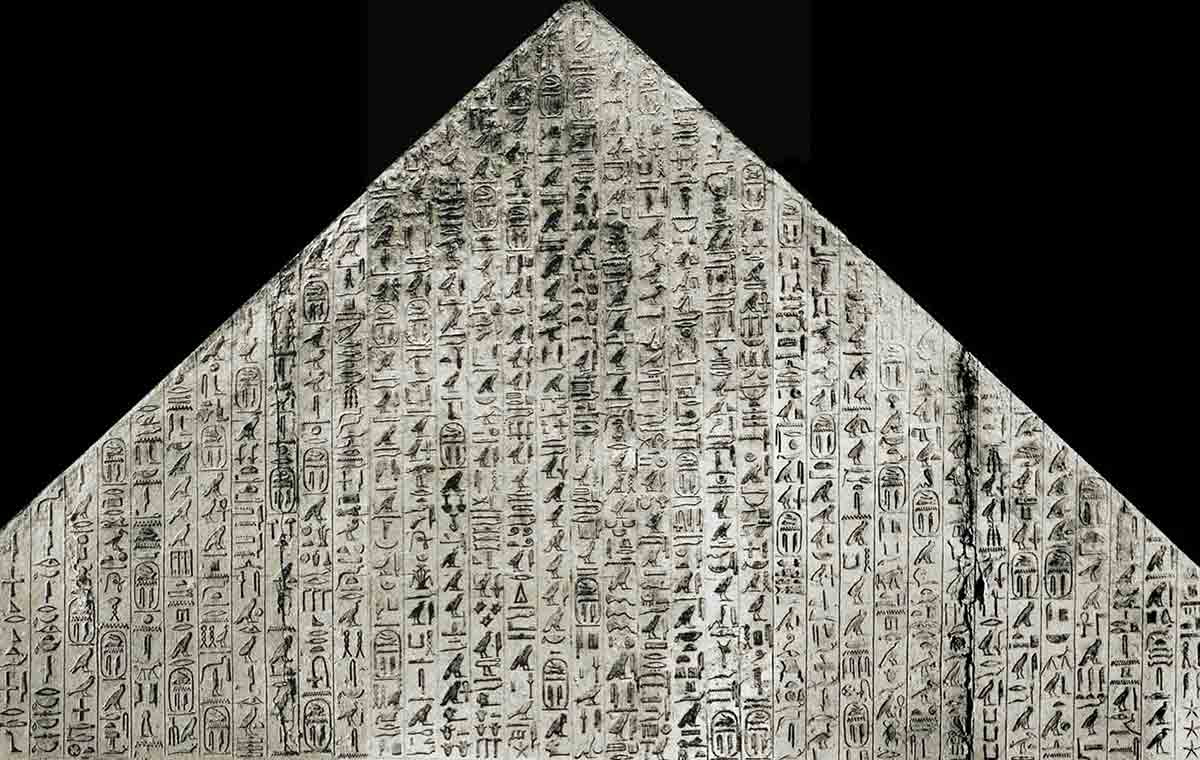
The ancient Egyptian word for pyramid structures was “Mr,” often transliterated as “Mer.” The word means “to ascend” or “to rise” and often appears in spiritual contexts, for example, the pharaoh’s soul ascending to join the gods. So, in contrast to the ancient Greek word, the ancient Egyptian word refers to the pyramid’s purpose.
A pyramid was not just a monumental tomb for a deceased pharaoh, but a structure designed to facilitate their ascension to the realm of the divine.
The hieroglyphic symbols used for a pyramid are generally two phonograms, an owl (m) and a mouth (r), and a determinative sign depicting the structure itself 𓅓𓂋𓉴. This was the general symbol for the structure, and then each pyramid has its own unique name.
Names as Machines: The Titles of the Giza Triad
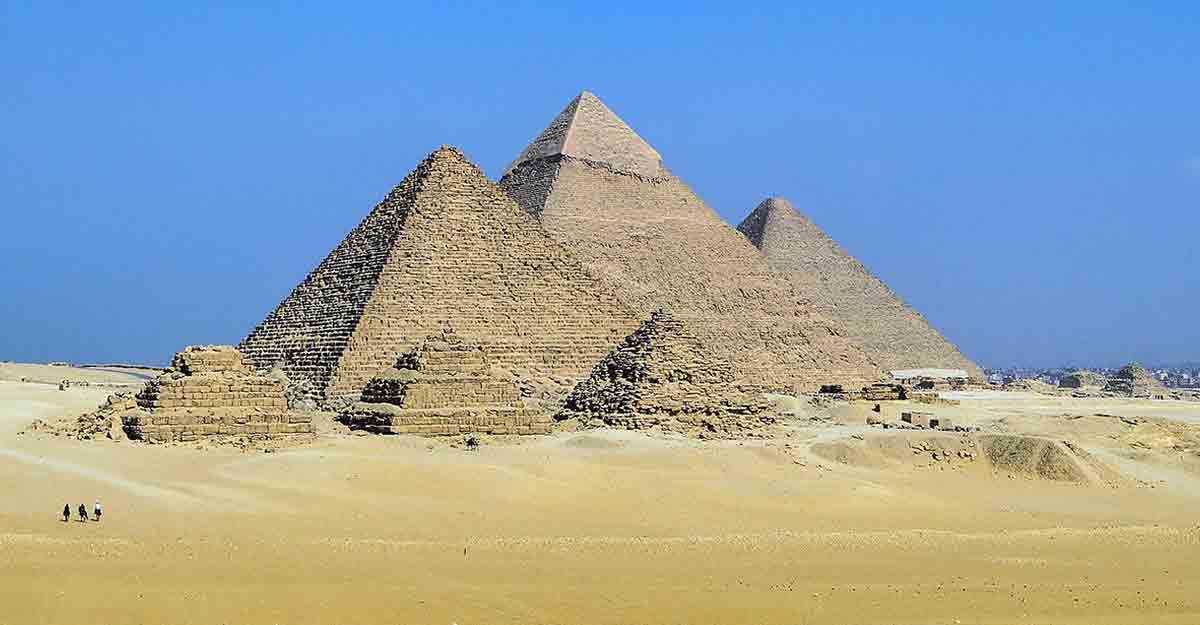
While more than 100 pyramids were constructed across ancient Egypt, and they followed a similar pattern, no two are identical. They have different geometries, the texts inscribed on the walls were different, and of course, they were built for different pharaohs. Each also had a unique name.
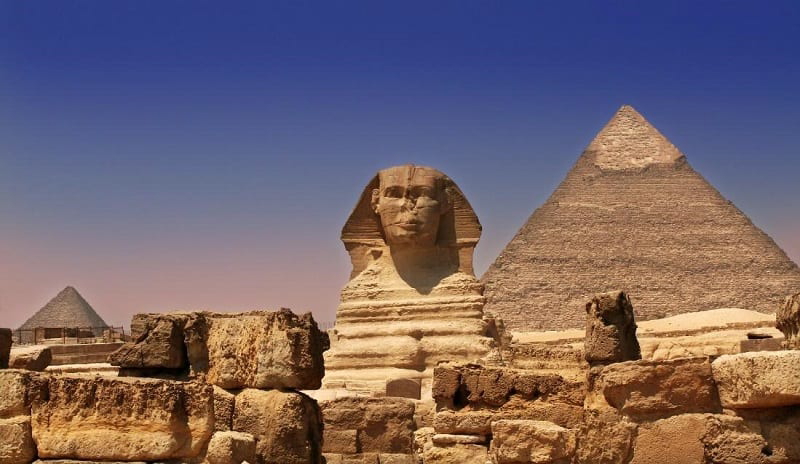
The most famous pyramids today are at Giza, constructed during the Old Kingdom by pharaohs of the Fourth Dynasty.
The oldest and largest was constructed for Khufu (Cheops in Greek), who probably died around 2566 BC. The ancient Egyptians called it “Akhet-Khufu,” meaning “Horizon of Khufu.”
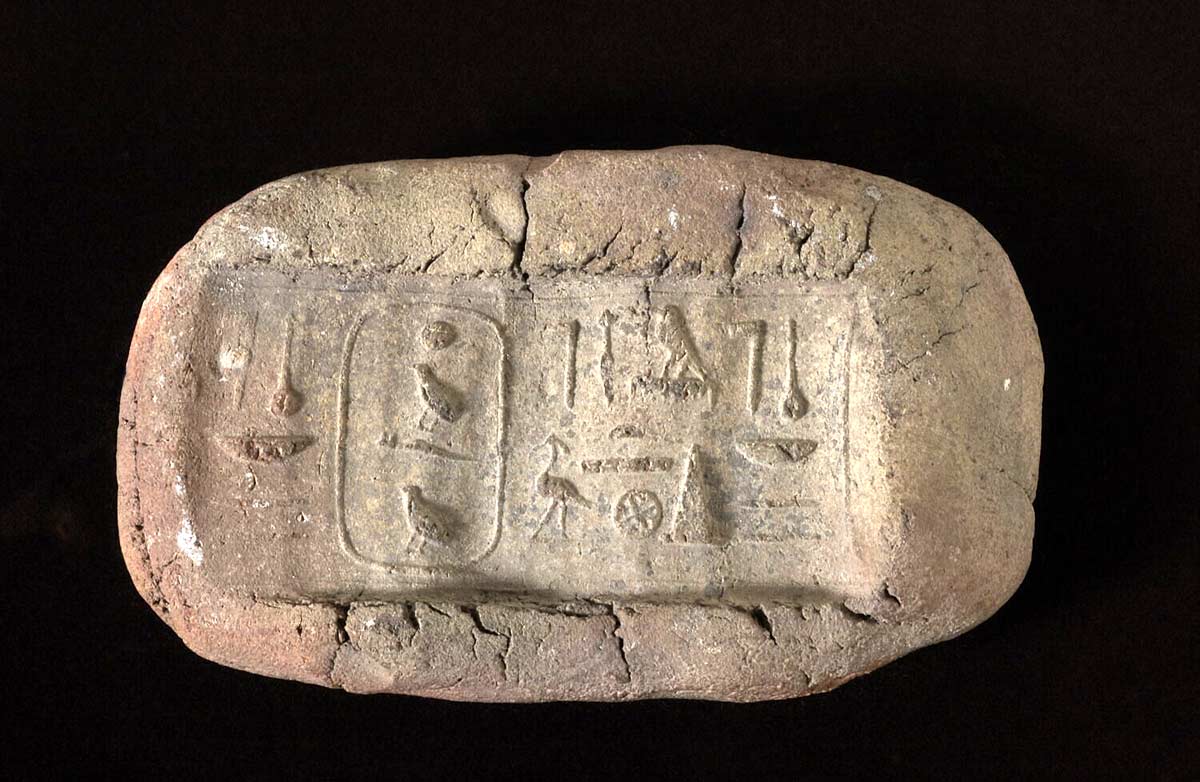
The second largest pyramid was built for his son Khafre (Chephren in Greek), who probably died around 2532 BC. The Egyptians called it “Wer-Khafre,” meaning “Great is Khafre.”
The third and smallest pyramid was built for Khafre’s son Menkaure (Mycerinus in Greek), who probably died around 2503 BC. It was called “Netjer-Menkaure,” meaning “Divine is Menkaure.”
The Benben Stone and Solar Theology
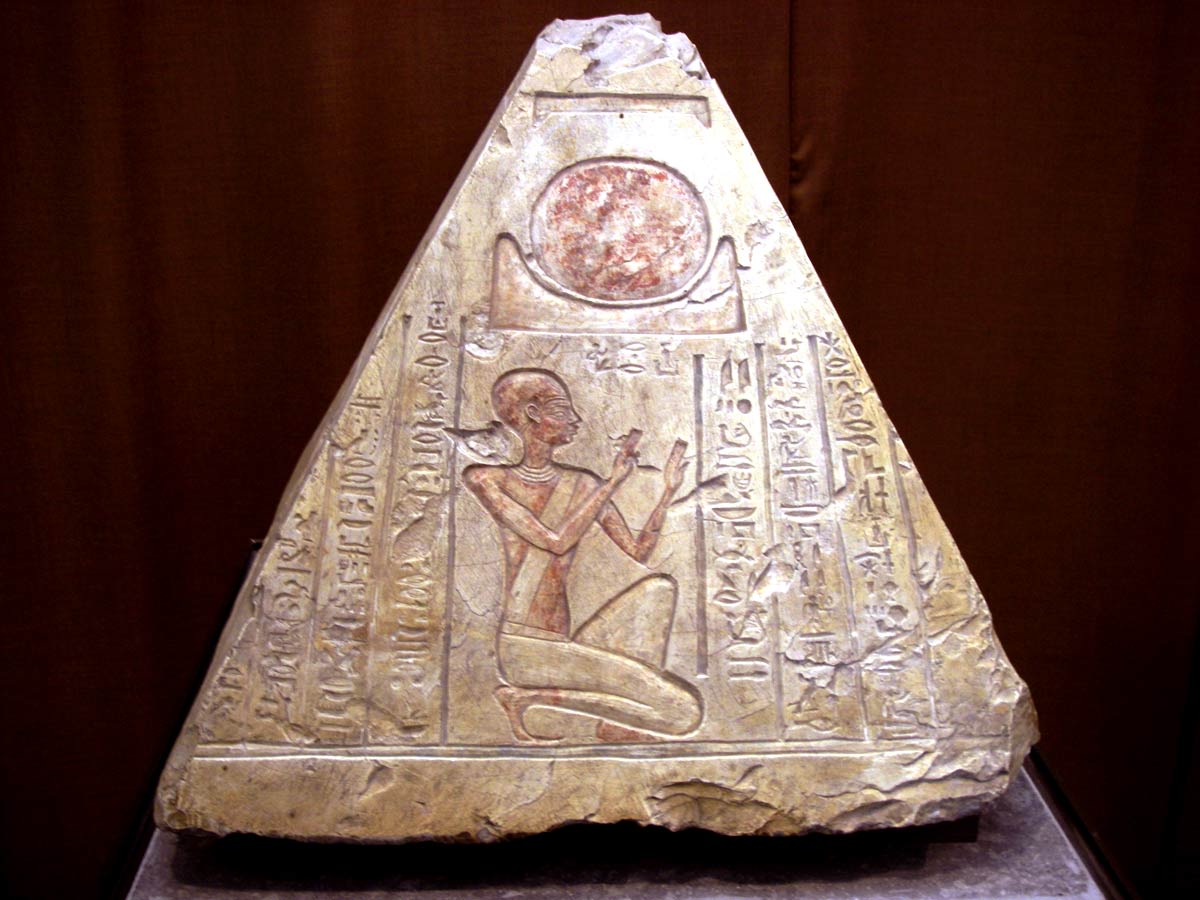
The names of the pyramids reflect the greatness of the pharaohs, who were considered the representatives of the divine in the mortal world and responsible for maintaining Ma’at (harmony). When their mortal bodies died, the pharaoh ascended to the heavens to be among the gods.
It is noteworthy that pyramids were popular in the Old Kingdom, when access to the afterlife was limited to the pharaoh and members of the royal family. It was only later that the idea of a more generalized afterlife emerged.
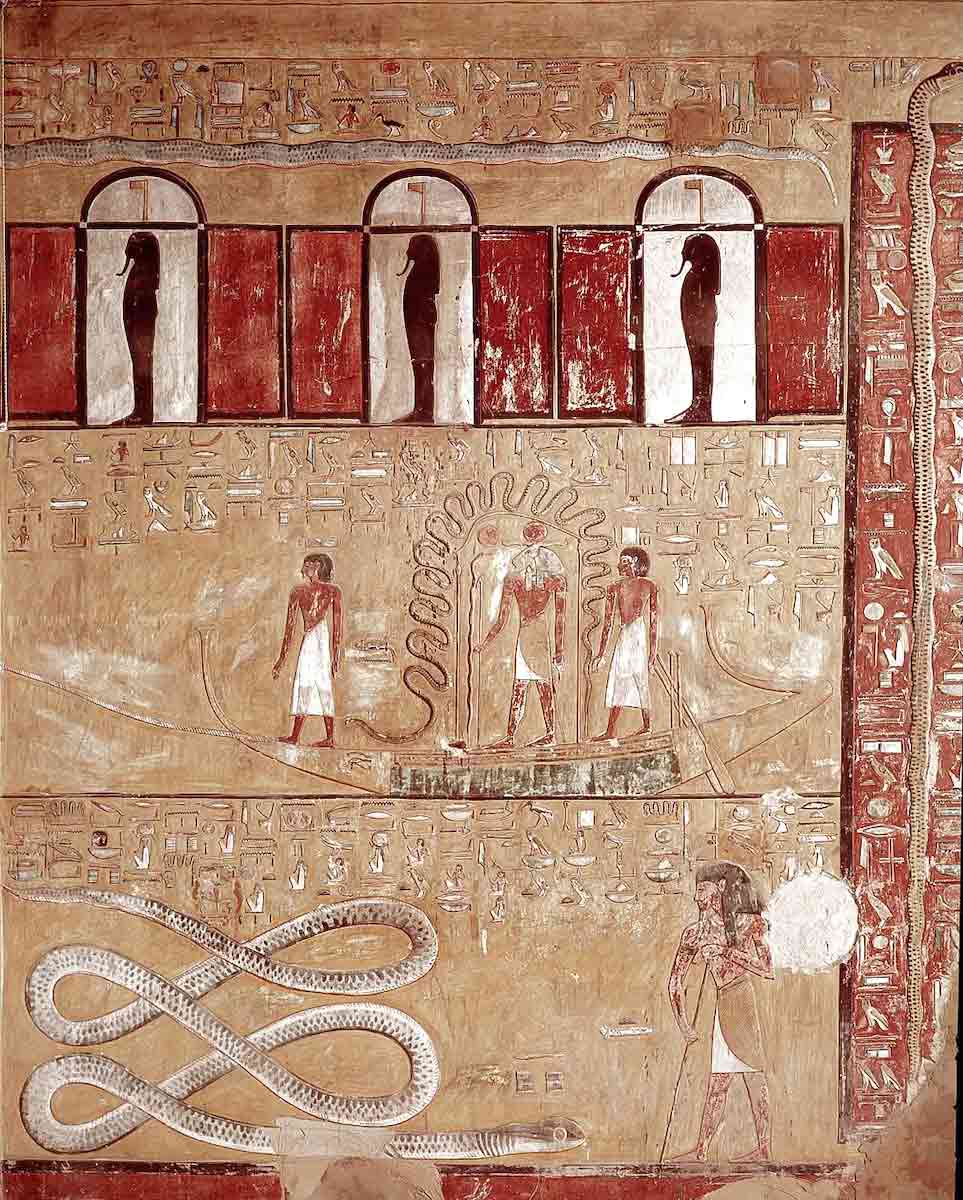
The entire structure of the pyramid was a conduit to facilitate that ascension. The Pyramid Texts specifically describe the pyramids as ramps or ladders to the sky where the imperishable stars dwell. From there, the pharaoh joined the sun god Ra on his boat, where he continued to protect Ma’at.
The gleaming white stones that covered the pyramid and the electrum capstone that sat at its peak would have reflected the sun spectacularly, representing the pharaoh shining down from his place alongside Ra.
The capstone was often called the Benben Stone and represented the primeval hill that emerged from the waters of chaos at the beginning of time, where creation began.
Beyond Giza: Other Poetic Pyramid Names
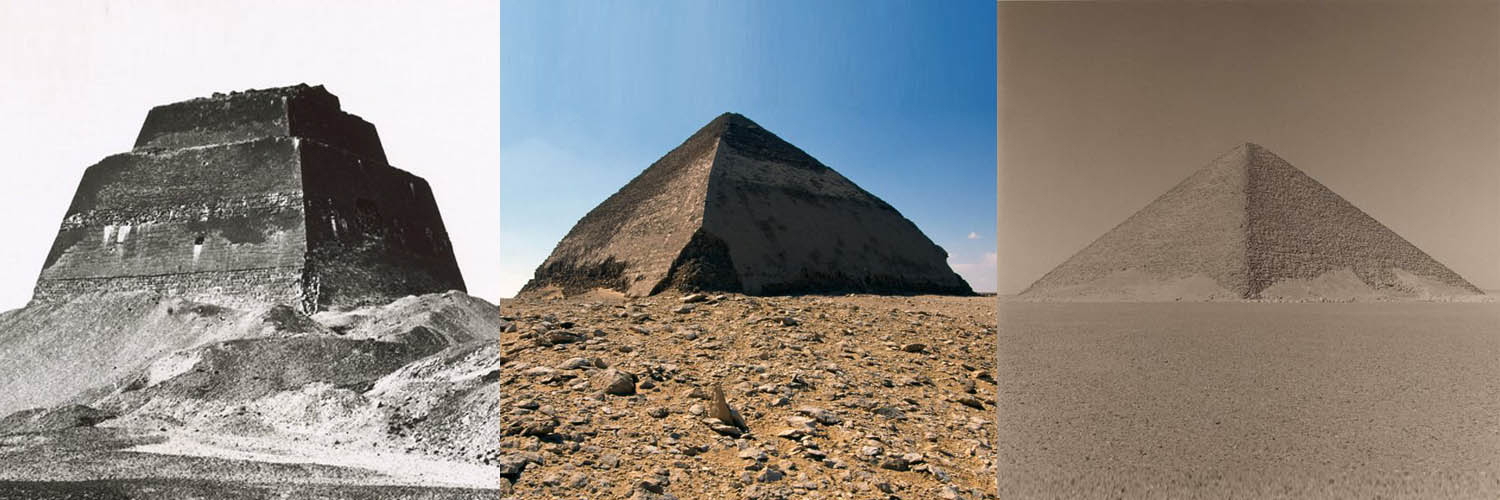
In addition to the pyramids at Giza, archaeologists have identified more than 100 pyramids, and we know the individual names of many. Some examples are included in the table below.
| Pyramid | Date | Pharaoh | Name |
| Step Pyramid | 3rd Dynasty / c. 2670 BC | Djoser | Kbhw-ntrw / Libation of the Gods |
| Meidum Pyramid | 4th Dynasty / c. 2600 BC | Sneferu | Snefru Mendj / Sneferu Endures |
| Bent Pyramid | 4th Dynasty / c. 2600 BC | Sneferu | Khay Snefru Reshy / Snefery Shines in the South |
| Red Pyramid | 4th Dynasty / c. 2600 BC | Sneferu | Khay Snefru Mhtjy / Sneferu Shines in the North |
| Ruined Pyramid | 4th Dynasty / c. 2550 BC | Djedefre | Sehedj Djedefre / Djedefre’s Starry Sky |
| Sahure’s Pyramid | 5th Dynasty / c. 2480 BC | Sahure | Ba Sahure Khay / The Soul of Sahure Appears |
| Pyramid of Unas | 5th Dynasty / c. 2350 BC | Unas | Nefer Isut Unas / The Places of Unas are Beautiful |
| Pyramid of Amenemhat I | 12th Dynasty / c. 1960 BC | Amenemhat I | Kanofer Amenemhat /
Amenemhat is High and Beautiful |
| Pyramid of Senusret I | 12th Dynasty / c. 1920 BC | Senusret I | Senusret Iterwy / Senusret Beholds the Two Lands |
| Lahun Pyramid | 12th Dynasty / c. 1880 BC | Senusret II | Kha Senusret / Senusret Appears |
| Black Pyramid | 12th Dynasty / c. 1840 BC | Amenemhat III | Amenemhat Aat / Amenemhat is Mighty |
Restoring the Original Voice
While the name pyramid is now firmly entrenched, it does a disservice to our understanding of the ancient Egyptian monuments. Greek travelers saw the amazing structures and marveled at the architecture, which probably explains why they referred to it as architecture. But to the ancient Egyptians, the pyramids were not just buildings, nor were they simply tombs, as they are sometimes described today.
The pyramids were a sophisticated technology that played an essential role in the journey of the pharaoh from the mortal world to the divine, where they aided the gods in the protection of Ma’at. This is only captured in the elaborate individual names that the ancient Egyptians gave their pyramids.