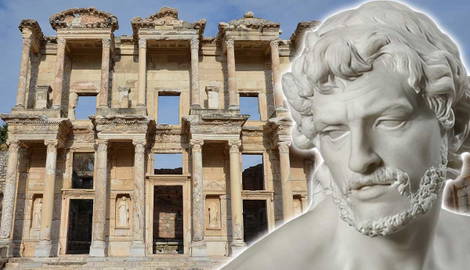

The Hellenistic Period began after the death of Alexander the Great in 323 BC. His conquests expanded Greek influence across the known East, igniting a flourishing of Greek culture that has been compared with a “Renaissance.” This was not a rebirth of a lost culture, but the emergence of a cosmopolitan one that spanned from Greece and Egypt, all the way to the edge of India. It was a period of both retrospection and innovation, when possession of the past was used as cultural and political capital. Below are seven ways the Hellenistic Period saw a cultural revitalization similar to that seen in the Renaissance.
1. Compilation and Creation of a Cultural Canon
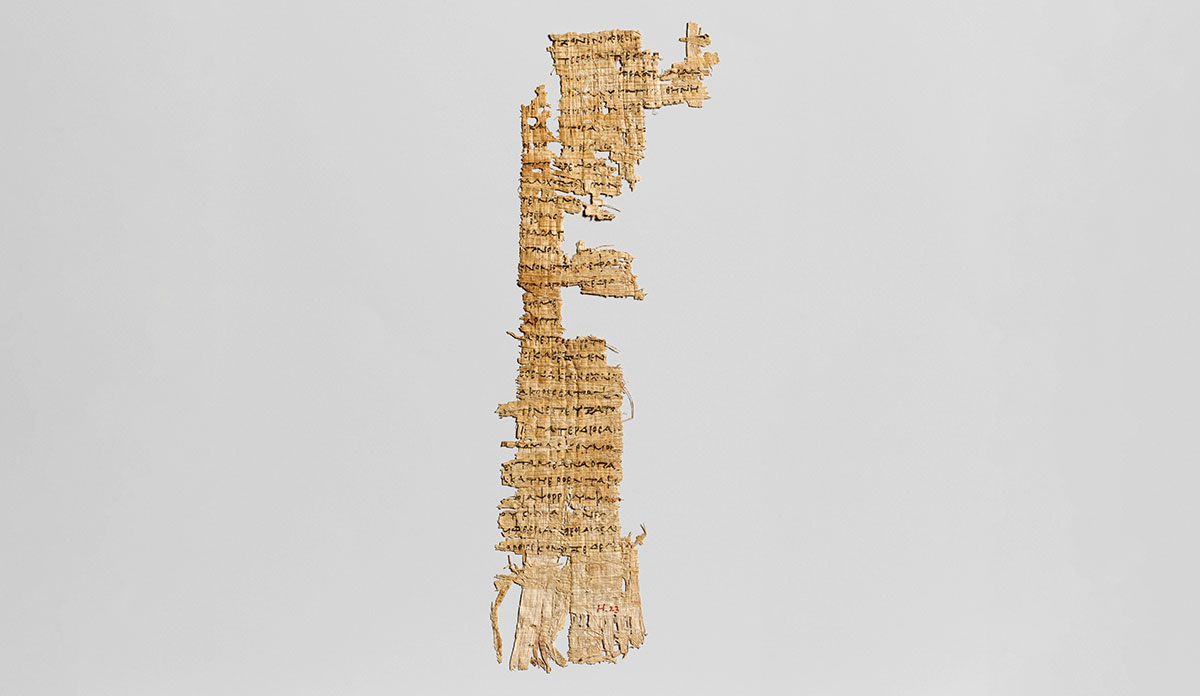
The Hellenistic period was intensely focused on the collection, classification, and interpretation of ancient texts. Scholars at the Library of Alexandria collected and compared versions of Homer and other ancient texts. They identified differences, marked questionable lines, and interpreted archaic terms. The librarians at Alexandria, such as Zenodotus and Aristarchus of Samothrace, developed the practice of textual criticism. They attempted to trace the historical transmission of a text and reproduce authentic copies.
Through their efforts, Hellenistic scholars were implicitly deciding which material was worth studying, eventually forming a canon of authoritative texts considered culturally or artistically important.
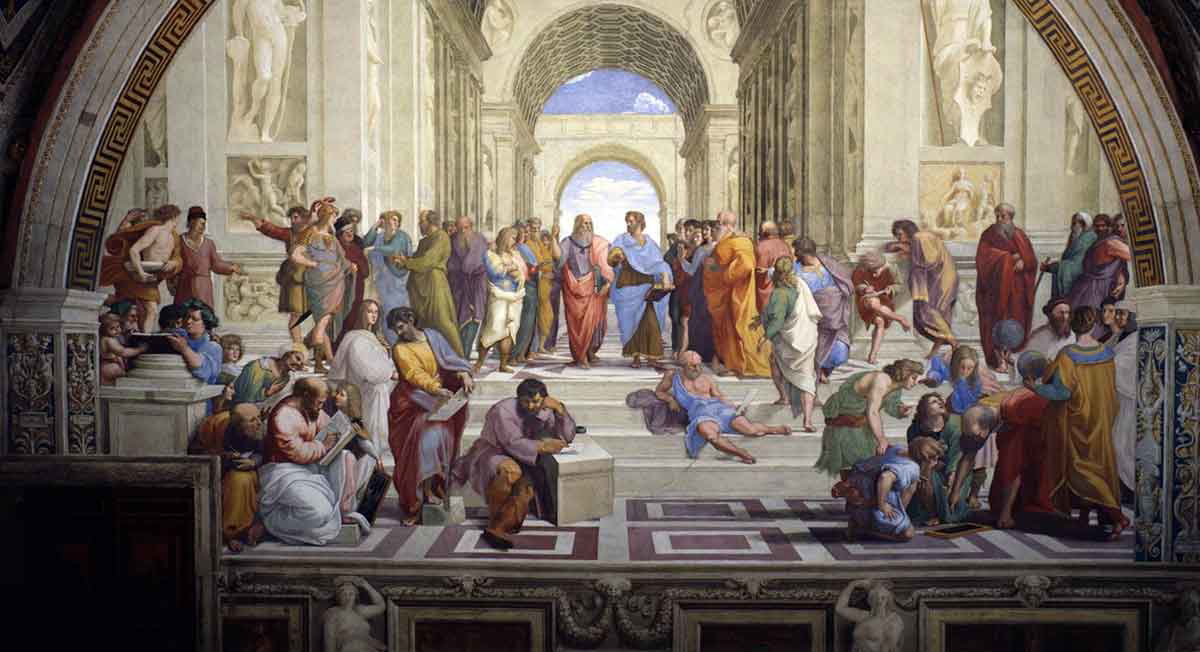
During the Renaissance, humanists were rediscovering Classical, Hellenistic, and Roman texts, prompting an explosion in the study of antiquity. After thousands of years, these texts did not come down uncorrupted. Renaissance philologists inherited the tools of textual criticism through Byzantine scholarship and Medieval manuscript culture. Through their studies, they also created a canon of texts that constituted “the classics.”
Roman authors such as Ovid and Virgil became culturally important to Renaissance Italians, sharing importance with older Greek poets. While Hellenistic scholars were approaching an older form of their own language and culture, Renaissance scholars worked through translations and reconstructions.
2. Institutionalization of Knowledge
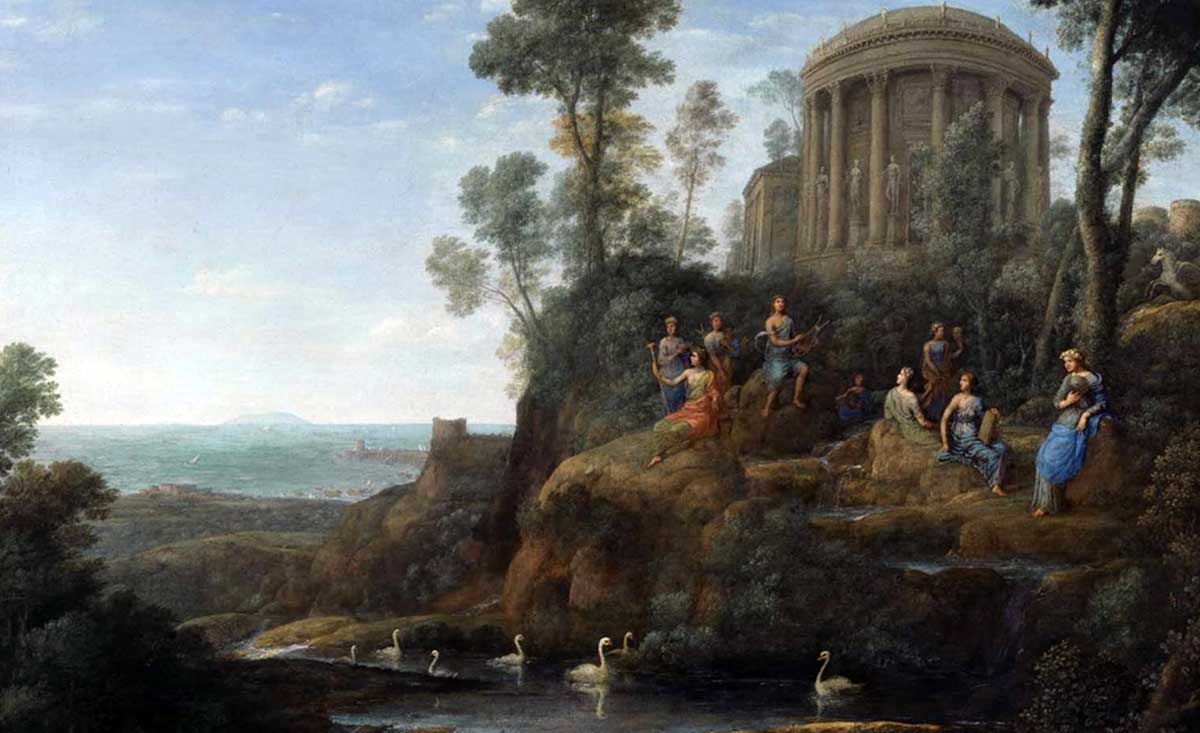
The critical analysis of ancient texts required specialized facilities and professionals. In the Hellenistic Period, institutions like the Library of Alexandria and the Mouseion were created where texts could be housed and researched. Under the Ptolemies, Alexandria became the most famous hub for learning and the arts anywhere in the Hellenistic world.
The Library of Alexandria, where Zenodotus and Aristarchus worked, not only collected texts, but also cataloged and copied them. Callimachus, a scholar during the tenure of Zenodotus, wrote a bibliographic work that recorded the names and works of all the authors held in the Library. This was one of the first such cataloges in Western history.
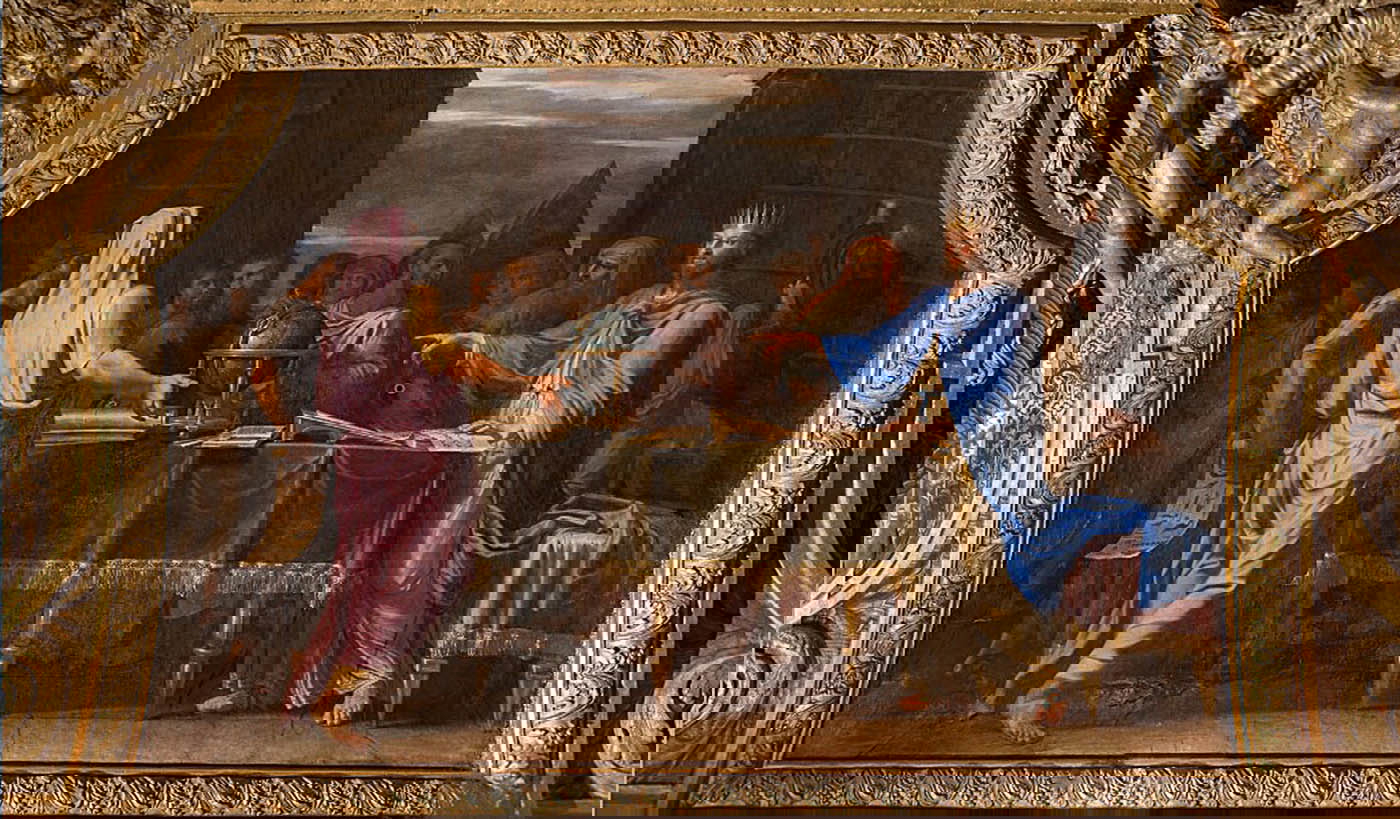
The Mouseion, for which modern museums were named, was an institution associated with the Muses where scholars performed research and produced works in various artistic and scientific fields. Unlike modern museums, which are public buildings, the Mouseion was an exclusive and prestigious institution funded by the Egyptian kings. Professional scholars received financial sponsorship to pursue their studies in subjects like mathematics, grammar, astronomy, medicine, philosophy, and poetry. This enabled an intellectual flourishing, as disparate ideas and ways of thinking were brought together and tested against each other.
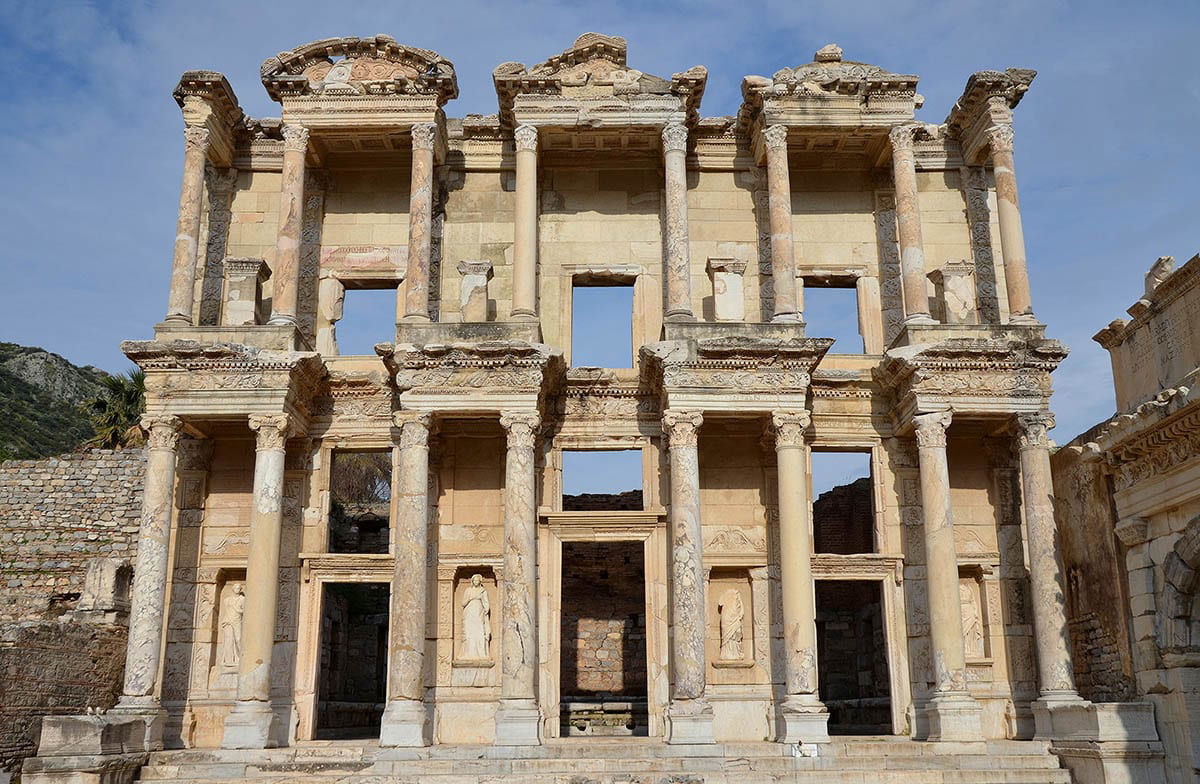
The Ptolemies used scholarship to present themselves as the heirs to Greek civilization and the new cultural center of the Greek world. Its success inspired other cities, like Pergamon, to develop their own libraries and learned institutions. Support of these institutions gave their royal patrons prestige and political capital.
Renaissance universities and court libraries served the same role as the Library and the Mouseion. But while in the Hellenistic Period intellectual life was centered on the royal capital, in the Renaissance it was more dispersed and spread across many schools, churches, libraries, and courts.
3. Benefaction as Royal Legitimacy
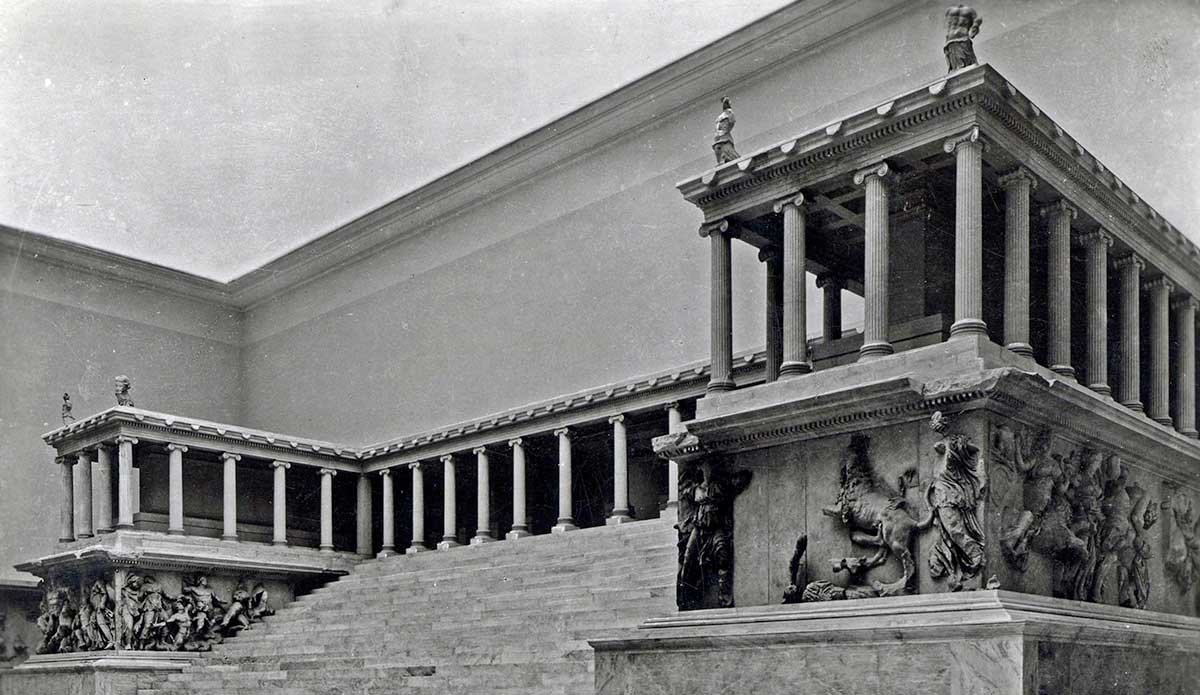
When Alexander’s generals founded their kingdoms from the conqueror’s fragmented empire, they needed legitimacy and local recognition to consolidate their positions. Sponsoring art and learning gave them cultural authority and the image of being the true heirs of Alexander.
The dynasties that emerged were the Ptolemies in Egypt, Seleucids in the Near East, Antigonids in Macedon, and Attalids in Pergamon. In addition to learning institutions, these new Hellenistic kings improved city infrastructure, provided grain distributions and financial aid, and funded festivals. The public, in return, bestowed increasingly elaborate honors onto the kings, in the form of statues, public inscriptions, and cult honors. Modern scholars describe this procedure as euergetism. The prestige acquired gave the newly established dynasties an air of legitimacy.
Renaissance princes, popes, and wealthy nobles, such as the Medici of Florence or the Sforza of Milan, similarly sponsored arts and learning, competing to convert wealth into cultural and political authority.
4. Reimagining the Past
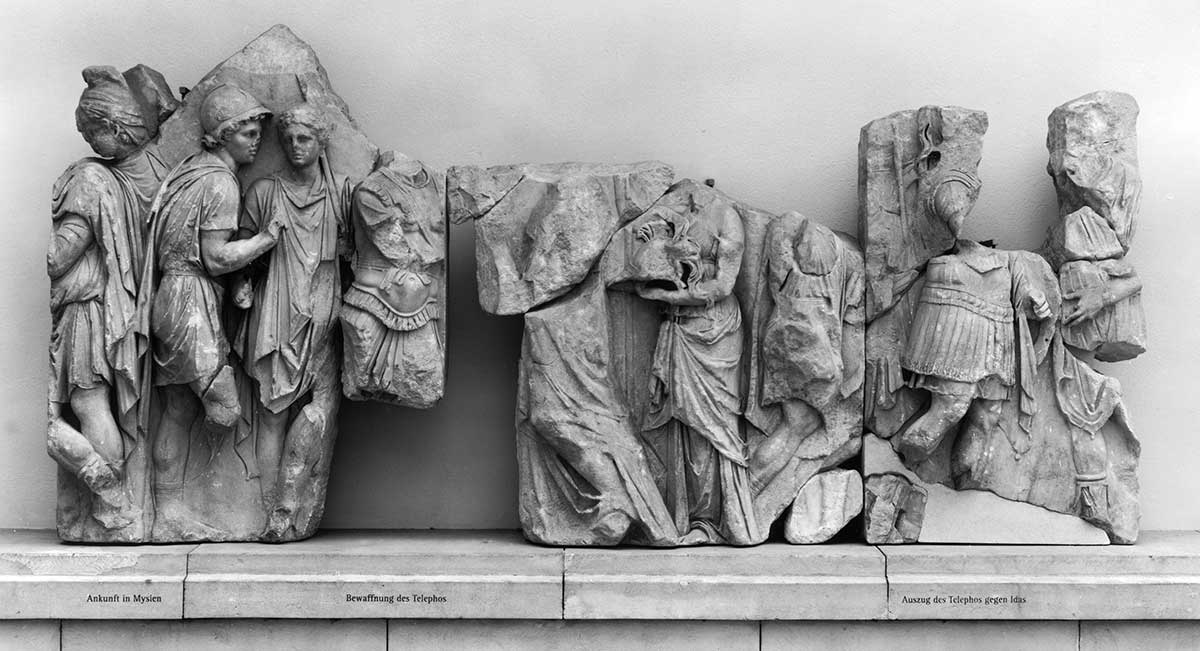
Following Alexander’s conquests and the subsequent Diadochi Wars, there was a diaspora of Greek settlers across vast territories in Egypt and the East. As settlers in foreign lands, there was a need to describe their place in this world. Myths provided these peoples with an identity that made sense within their own cultural framework. Families traced ancestry to heroes and gods, and cities used myth to establish territorial claims and political prestige.
Pergamon, the capital city of the Attalid dynasty, located in western Asia Minor in modern-day Turkey, lacked the cultural history and prestige of cities like Athens, so it created one. Pergamon claimed Telephus, one of the sons of Herakles, as an ancestor and founder. Telephus anchored the Attalids and Pergamon within the broader Homeric cultural tradition.
Renaissance art and genealogies used similar strategies, often linking wealthy patrons with mythological heroes to associate them with ancient Rome or biblical antiquity. This made their authority feel ancient and legitimate. But while Greek myth was still a living tradition in the Hellenistic Period, in the Renaissance, these mythological figures were often allegorical and manipulated to fit Christian culture.
5. New Artistic Style
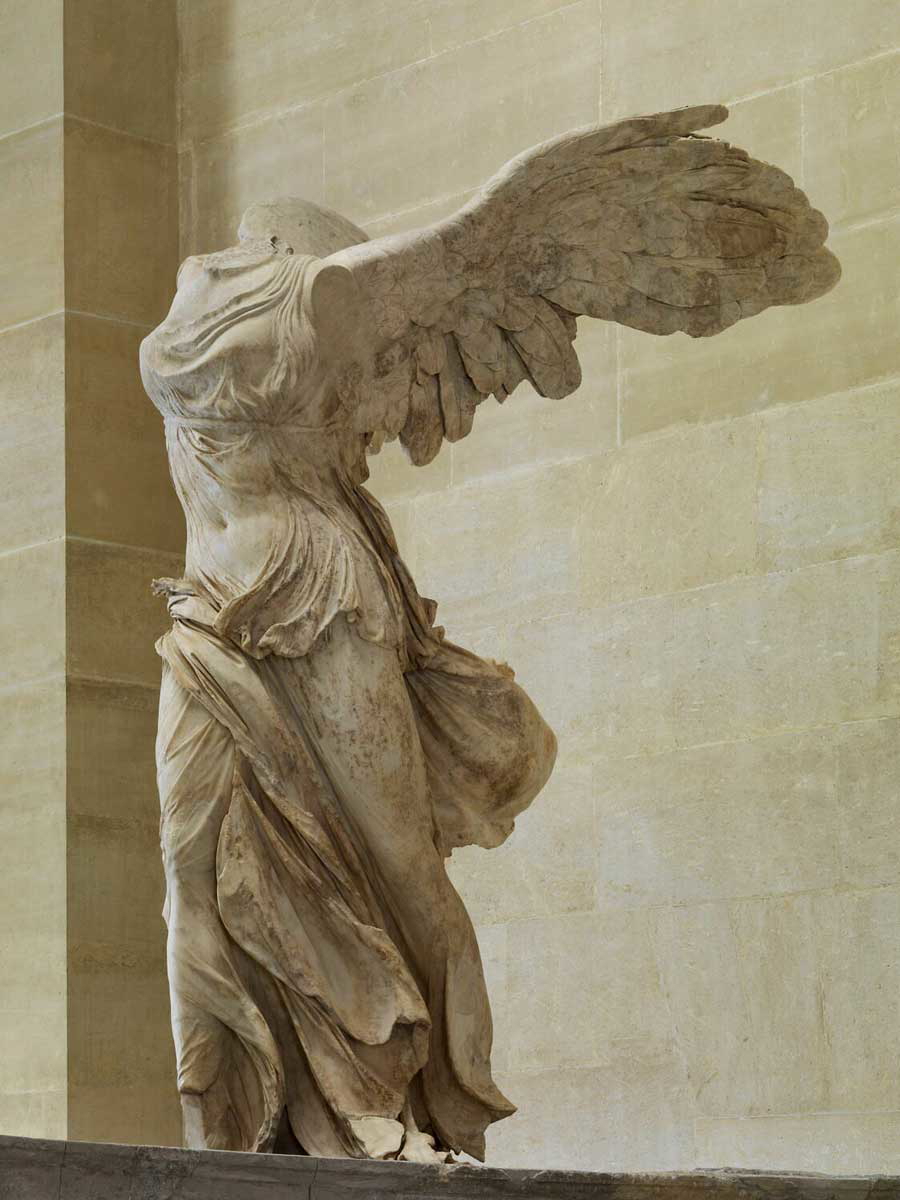
In the Hellenistic Period, and then in the Renaissance, artists looked to ancient forms and techniques for inspiration. Classical Greek art emphasized ideal forms, proportions, and symmetry. Hellenistic artists innovated on those principles by introducing realism into the older artistic language.
Hellenistic workshops specialized in reproducing the styles of Classical masters, like Phidias, presenting subjects with idealized bodies in moments of intense action and extreme emotion. This gave Hellenistic art a reputation of being “decadent,” as it appealed to the viewers’ emotions rather than to their higher values. Modern scholars often reject this idea, instead emphasizing the artistic diversity and retrospectiveness of Hellenistic art.
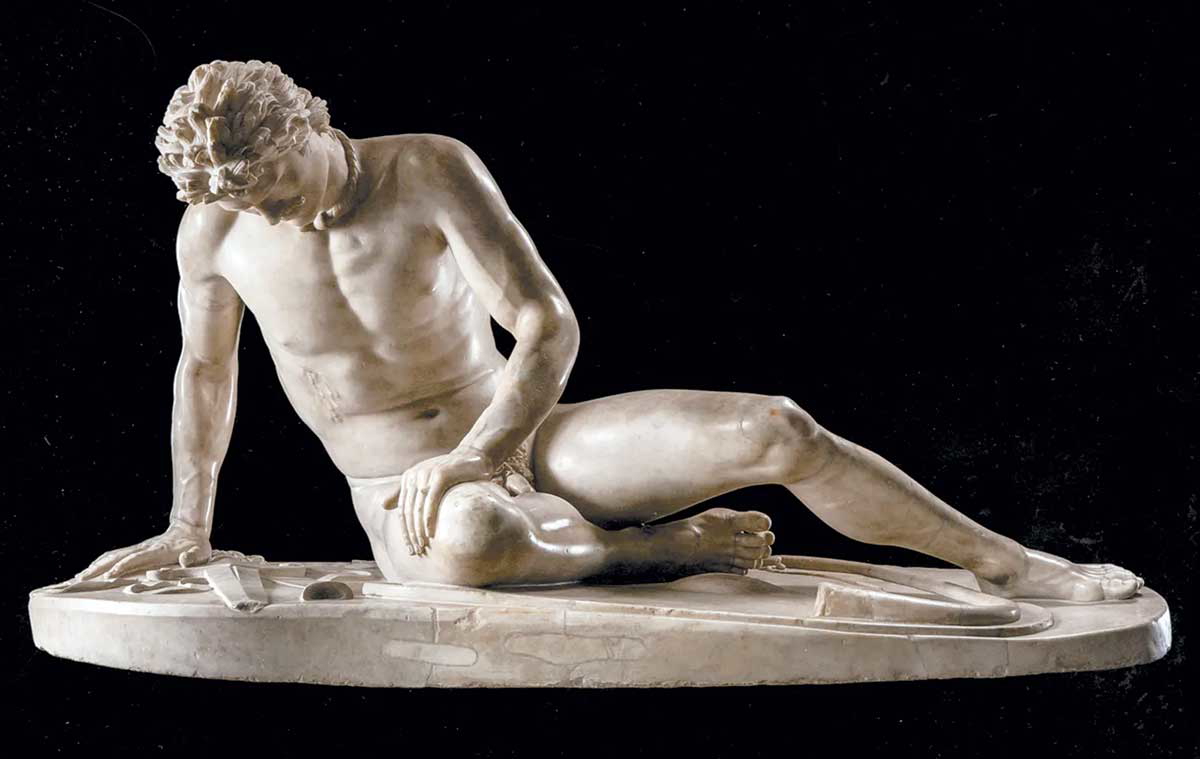
During the Renaissance, artists similarly studied the classical forms and architectural orders, but adapted them to Christian themes and settings. Biblical subjects were presented with the ideal forms of the Classical Age, or mythological subjects were divorced from their traditional contexts to serve contemporary purposes, such as being placed on altarpieces or civic monuments.
6. Golden Age of Science and Philosophy
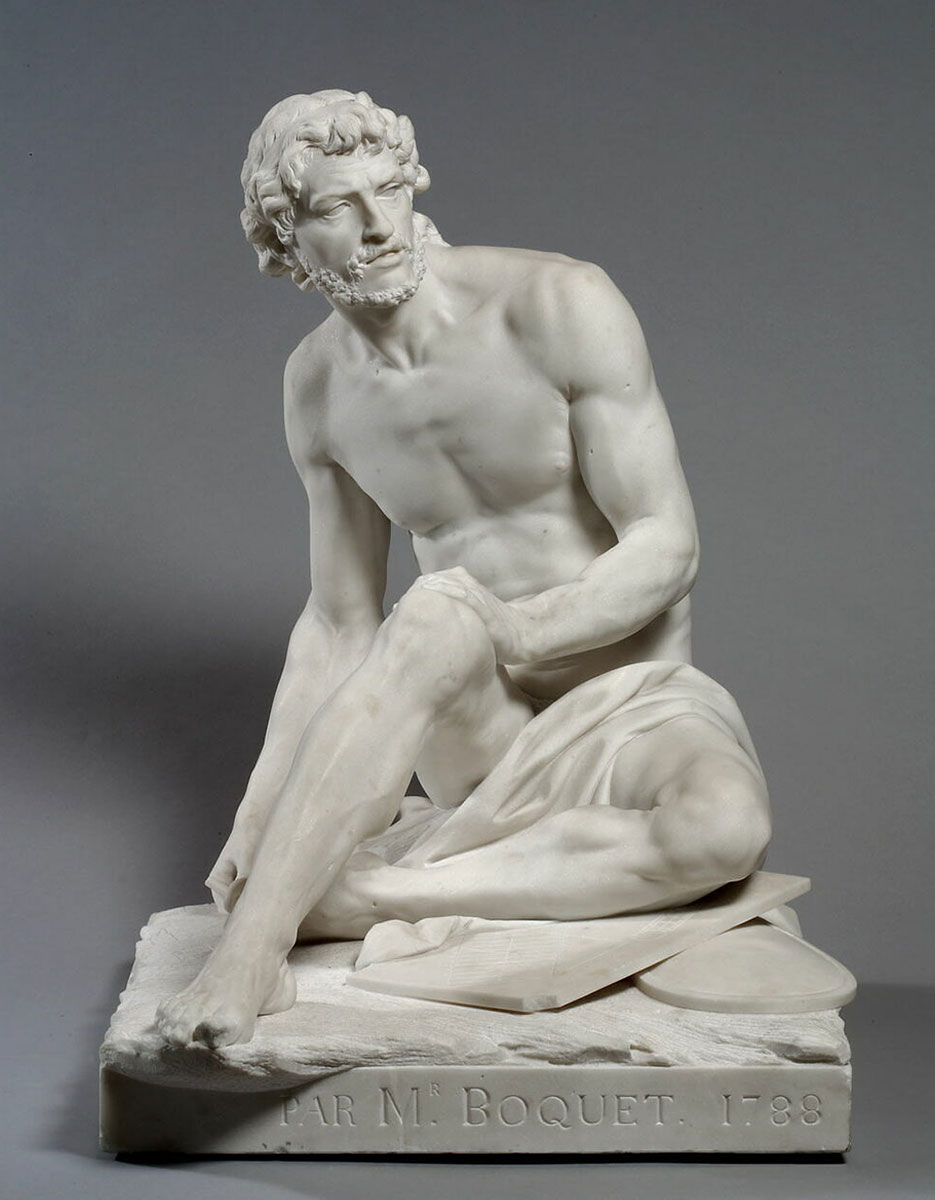
Both the Greek and Italian Renaissances experienced advances in the sciences and philosophy. In the Hellenistic Period, science became increasingly professionalized and systematized. Euclid synthesized theories of older mathematicians and developed a system of geometry that came to be known as “Euclidean.” Although Euclid did not invent the mathematics, he was the first to systematize earlier knowledge into a framework that could be proven through deduction. Scholars like Eratosthenes discovered the circumference of the Earth, and Archimedes advanced mechanics.
Philosophy had separated itself from the pursuit of scientific knowledge and instead became more concerned with ethics and the art of living. A person’s philosophy became something he lived by in the pursuit of the “best life.” Multiple philosophical schools developed, their ideas competing against each other. Stoicism, Skepticism, and Cynicism were some of the more prominent schools of thought.
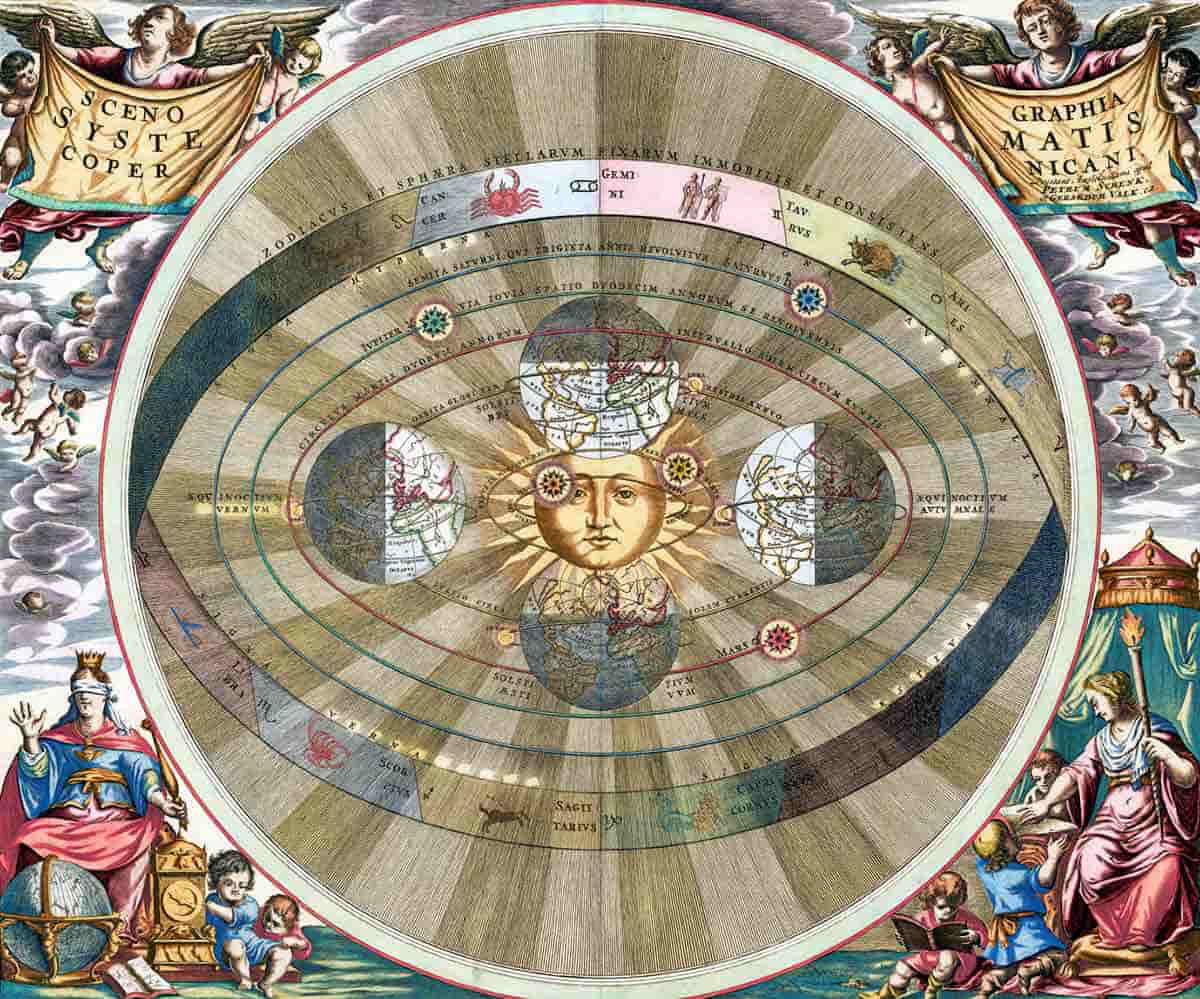
Science and mathematics during the Renaissance also saw many advancements, partly due to the new tools and geographical knowledge combined with the analysis of recovered texts. One such advancement was already made in the Hellenistic Period by Aristarchus of Samos, who posited that the Earth revolved around the sun and not vice versa. The difference lay in the impact of the discovery. Aristarchus’ research remained marginal, but in the Renaissance, Copernicus’ discovery that the Earth revolved around the sun was counter to Church teachings. His discovery became part of a larger scientific revolution.
7. Development of a “Global” Culture
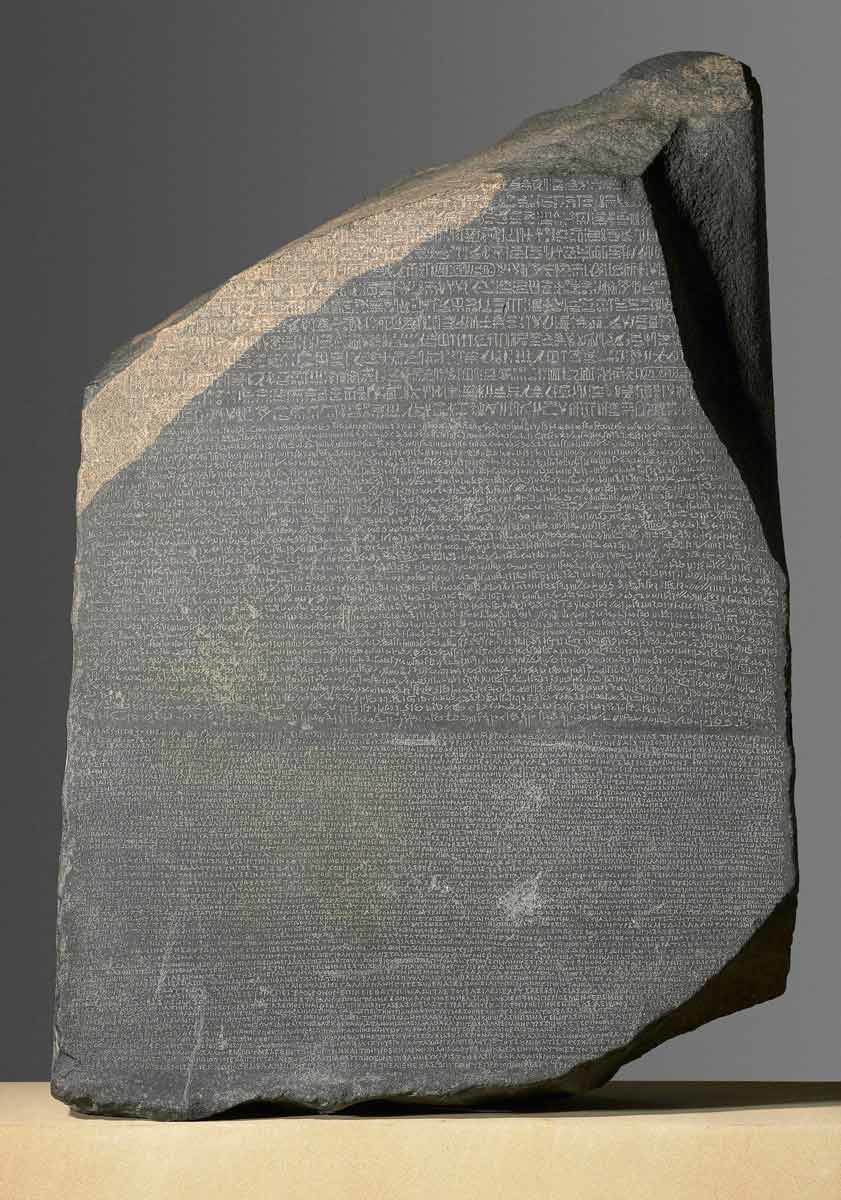
The Hellenistic Period gave rise to a new cosmopolitan identity. Greek language and cultural institutions offered a shared framework for local elites and communities across the geographically and culturally disparate territories of the Hellenistic world. Greek became the lingua franca of the eastern Mediterranean, with foreign texts translated into Greek.
The Renaissance was also not culturally self-contained. It was the integration of Byzantine scholarship, ancient Greek manuscripts, and Arabic and Jewish traditions, which spread across Europe. Though Italy was at the center of Renaissance culture, it was not exceptional in its adoption.
The Hellenistic Period did not see the rebirth or rediscovery of a lost culture, as the Renaissance had. Rather, it embraced the Greek past and living Greek culture, which was reinvigorated and spread in the new multicultural Hellenistic world. In this way, it shared the Renaissance’s flourishing of arts and learning by looking to the Classical past as a source of inspiration for innovation.