
While Rome was known for its disciplined, unstoppable legions, even the bravest centurions hesitated at the fearsome sight of a Celtic woman screaming a war cry from the vanguard. In Celtic Europe, as well as mothers, women could be warriors, queens, seers, or priests. This stunned the Romans, whose women were domestic figures, and unsettled medieval and Victorian historians. Since most of what we know of the ancient Celts comes from contemporary Romans who judged their “barbarian” neighbors, it can be hard to unpick the true position and power of women in Celtic society from their “terrifying” accounts.
A Cultural Clash of Two Ancient Worlds: Rome vs the Celts
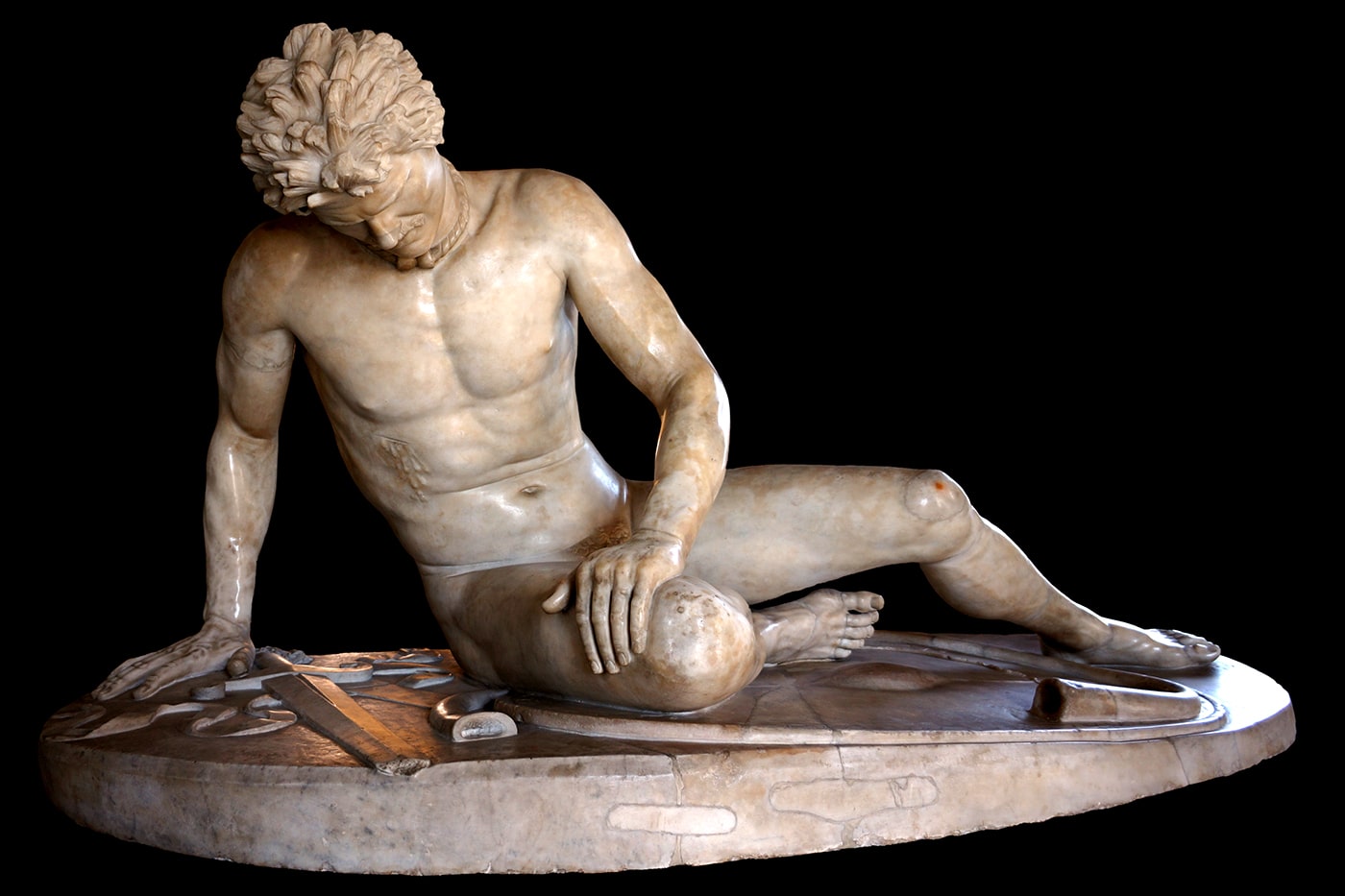
The way the Romans wrote about their Celtic neighbors in Europe illuminates an obvious cultural divide. When it came to the role of women in society, this was most obvious within the household.
Roman families were rigidly patriarchal, with the paterfamilias (oldest male) having complete control over his wife, children (including adult children), and other household members such as slaves. Most Roman women could play no public role in society, could not own property, could be killed for adultery, and while they could divorce, rather than freedom, this meant returning to the home of her father.
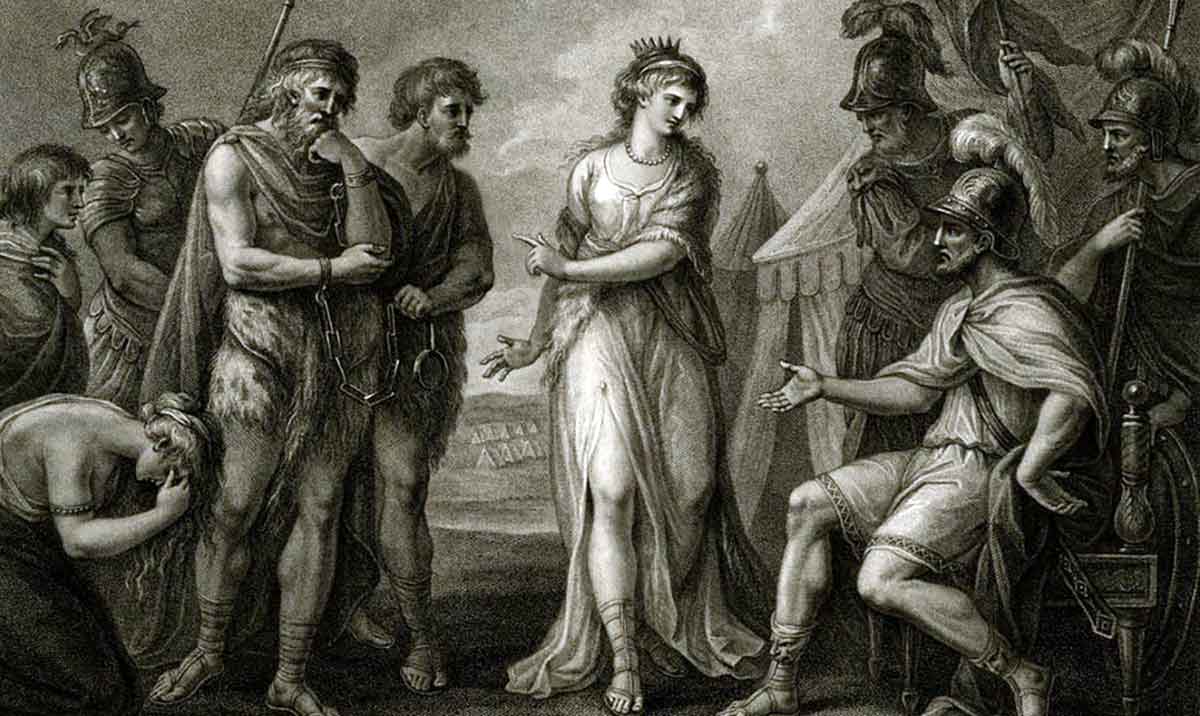
Celtic societies granted women strikingly different social freedoms. Celtic women could own property, inherit wealth, and divorce their husbands without a guardian. A multitude of examples show that women could also hold political and military positions, as we hear of queens and warriors. While this may not have been the norm for most Celtic women, they do not seem to have considered it unusual, unlike their Roman neighbors. An empress never ruled in Rome.
The Romans show a mix of fear and fascination when describing Celtic warrior women. Diodorus Siculus said they were both as big and brave as their men (Bibliotheca historica 5.32.2). Meanwhile, writing in the 4th century AD, Ammianus Marcellinus claimed:
“A whole troop of foreigners would not be able to withstand a single Gaul if he called his wife to his assistance, who is usually very strong, and with blue eyes; especially when, swelling her neck, gnashing her teeth, and brandishing her sallow arms of enormous size, she begins to strike blows mingled with kicks, as if they were so many missiles sent from the string of a catapult.”
(Ammianus Marcellinus, Res Gestae, 15.12.1)
The Legal Rights of the Celtic Women
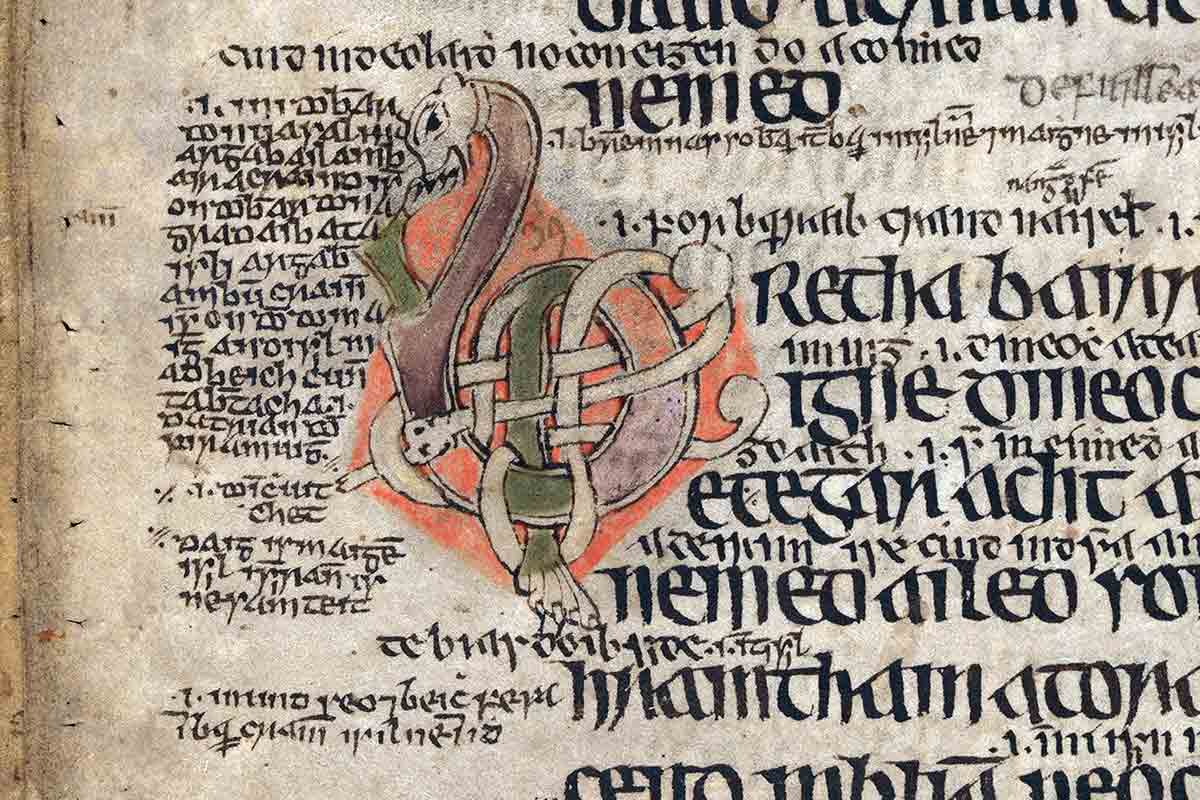
Long after the Roman age, the Celts passed laws that protected women’s rights, potentially reflecting earlier customs. The most famous example is the Brehon Law, known as Féineachas in old Irish. It is referred to in Christian texts from the 7th to 9th century AD, which imply (probably erroneously) that the law was already active in St Patrick’s time, in the 5th century AD.
According to the law, Celtic women could become heirs to an estate (providing there were no sons) and rise to positions of leadership within local communities, and therefore reach the status of Brehon, meaning judge, enabling them to resolve legal disputes, determine guilt or innocence, and impose fines.
The law also confirms a woman’s rights within marriage and their right to manage their own finances. Men and women held their wealth separately, even in marriage, and if the couple divorced, the assets were split according to who had provided what within the union. Furthermore, divorce could be granted in a multitude of circumstances including if a husband hit his wife too aggressively, whereby he would also be required to pay compensation.
Spiritual Authority and the Female Druids
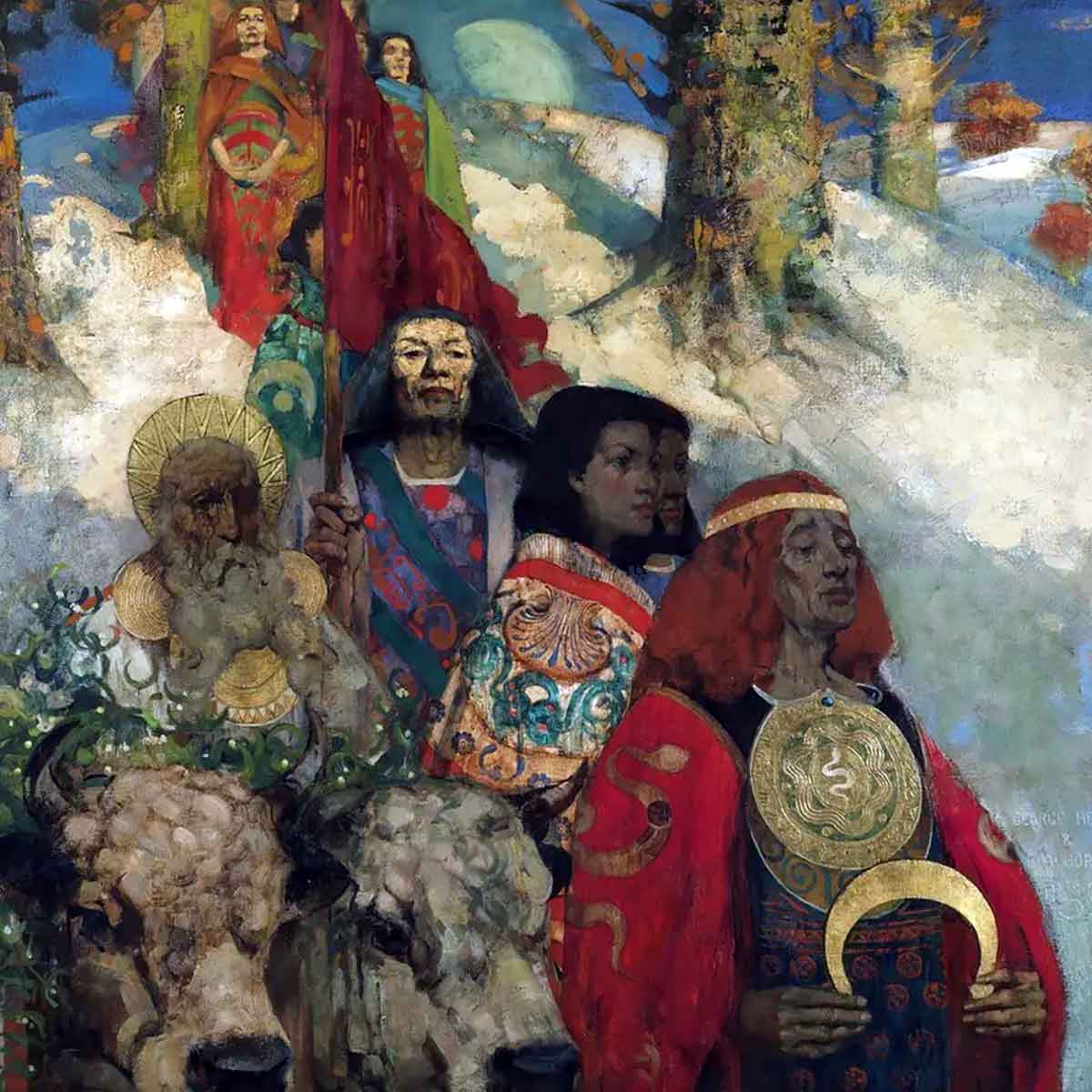
As well as holding military authority, Celtic women could also serve as spiritual leaders, as we hear of many female druids. These women served as seers who could interpret signs and omens, ritual leaders who presided over public rites, and spiritual leaders, influencing the timing of battles and other political decisions, and acting as diplomats and judges. They were considered among the keepers of sacred knowledge of subjects such as healing and astronomy.
Again, this contrasted with Rome, where the paterfamilias was the religious leader of the household, and men held the important religious offices of the state. The only exceptions were the Vestal Virgins, who enjoyed many privileges, but were also excluded from “normal” Roman life.
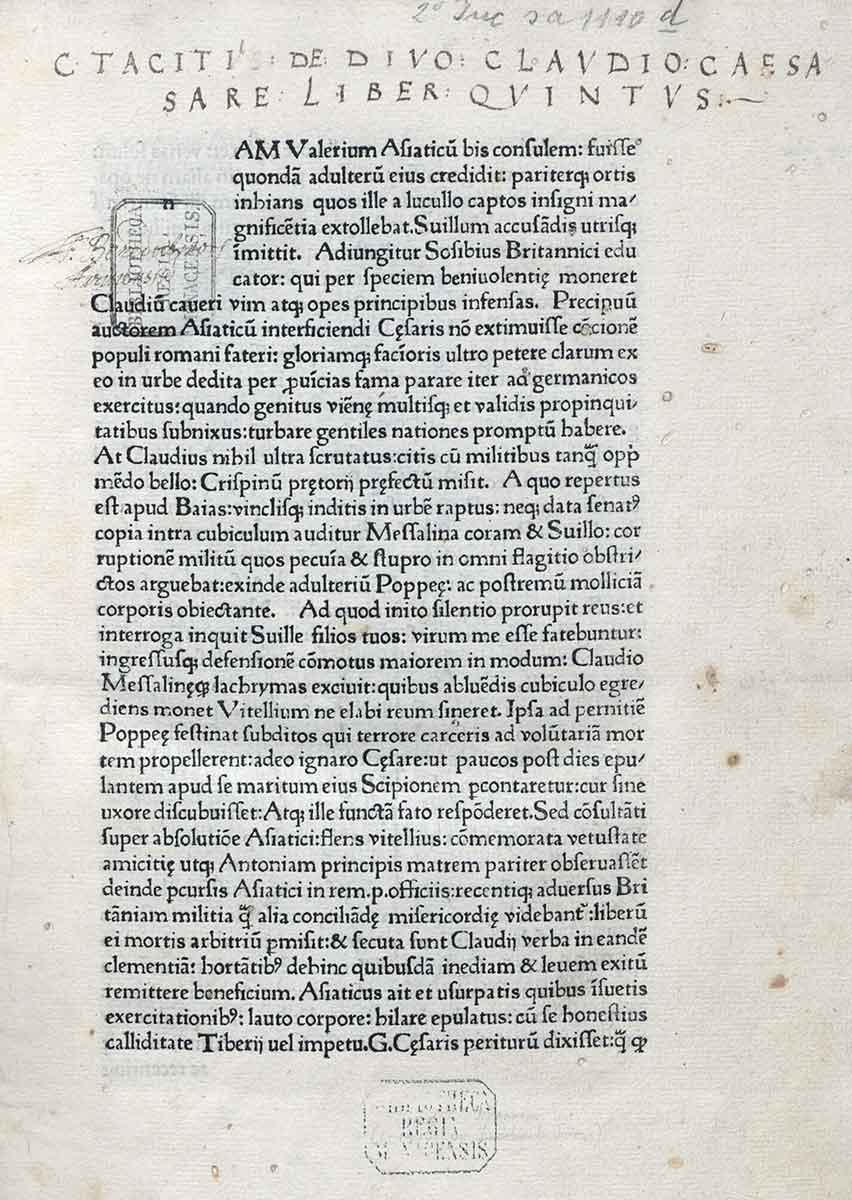
The Romans were unnerved by these powerful women. When the Romans landed on the shores of the druidic sanctuary of Mona (modern Anglesey) in Roman Britain in AD 60, Tacitus describes a haunting scene with women dressed in black, hair disheveled, and hurling curses at the advancing Roman troops (Annals 14.30). This did not stop the Romans from killing the inhabitants of the island and destroying their sacred trees.
The Romans also referenced a number of groups of priests that were exclusively women, which they viewed with suspicion. Strabo mentions an island of frenzied female worshippers who denied men entry to their island, and had rituals that could see them tear one another apart limb from limb (Geography 4.4.6). Pomponius Mela mentions another island of priestesses who have supernatural abilities to control the weather, shapeshift into the form of animals, and achieve miraculous healing (Chorographia 3.48).
The Psychological Warfare of the Celtic War Cry
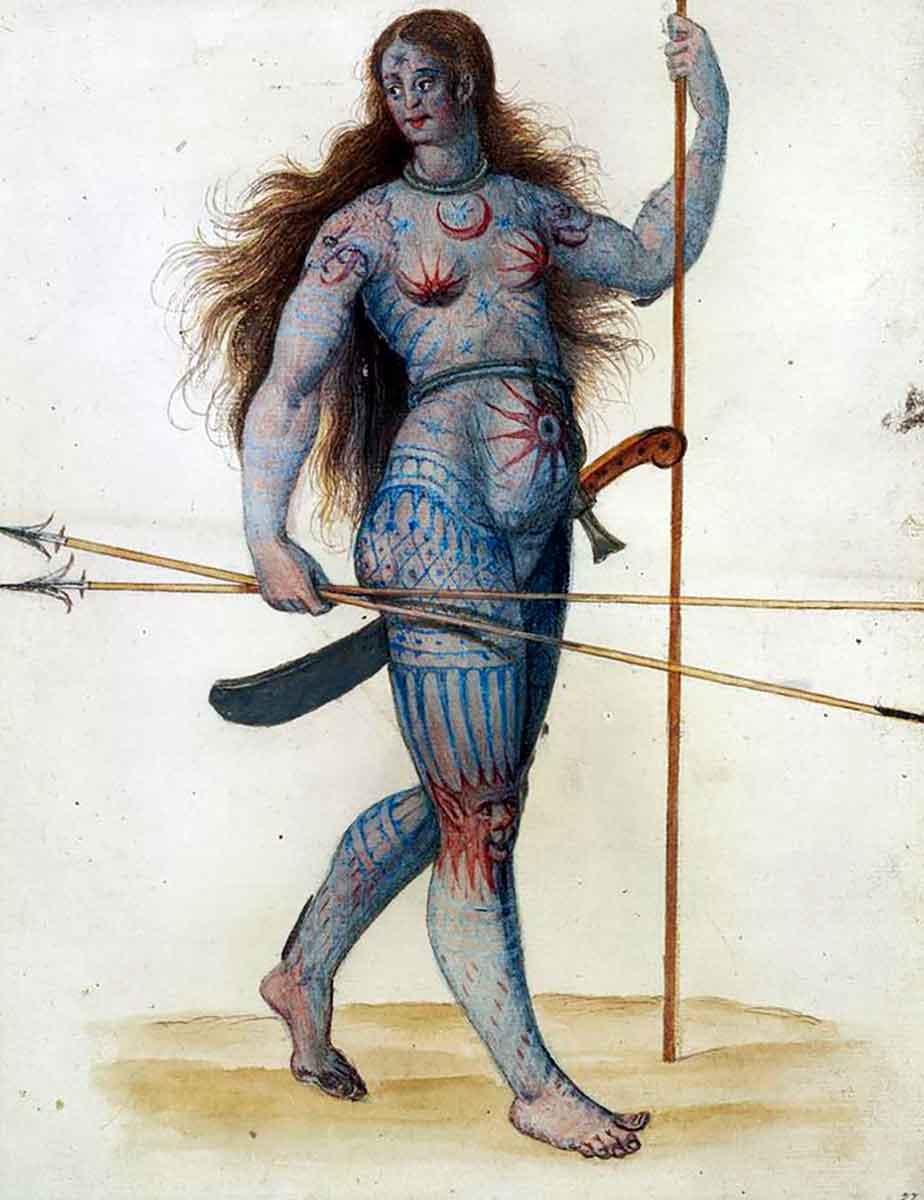
An important part of Celtic warfare was their battle cry. It was a collective, deep roar that started as a low murmur and built up to a deafening crescendo. They shouted, banged their weapons against their shields, and blew into towering, animal-headed bronze horns. It served to whip their warriors up into a state of frenzy for the coming battle.
Women had a specific role within this ritual. They stood among the ranks or just behind them and would unleash ritual shaming to encourage their men, shrieking curses against the enemy, and making wild gestures designed to break Roman discipline. More than just a performance, they were using psychological warfare tactics to give their side the upper hand.
Celtic Women Warriors of the Iron Age
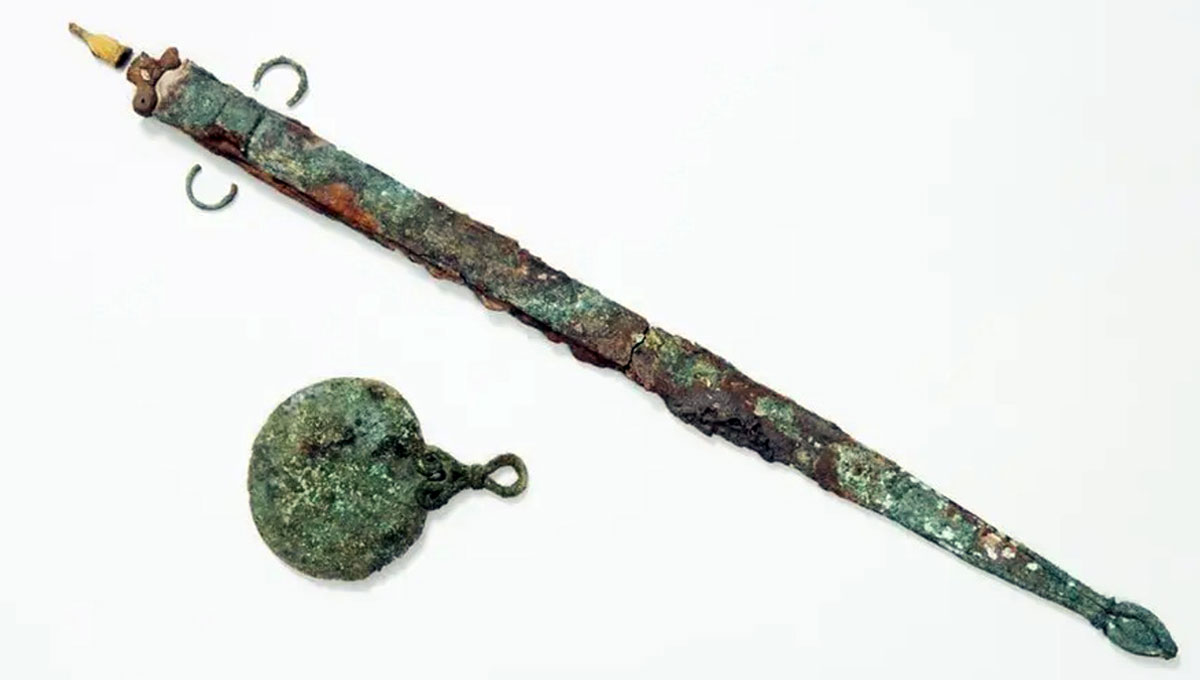
Celtic women often served as “backup” to the main army, protecting the wagon train, supporting the war cry, and resupplying arms. But archaeological evidence shows that some Iron Age Celtic women chose to fight “on the frontline” as warriors in their own right, and that they were respected for it.
In 1999, a warrior burial was excavated at Bryher, and two decades later new scientific techniques revealed that this warrior was a woman. This explained that while being buried with a sword and a shield, associated with male warrior burials, she was also buried with a bronze mirror, associated with female burials. The richness of her burial suggests that she was probably a warrior of some status within her community.
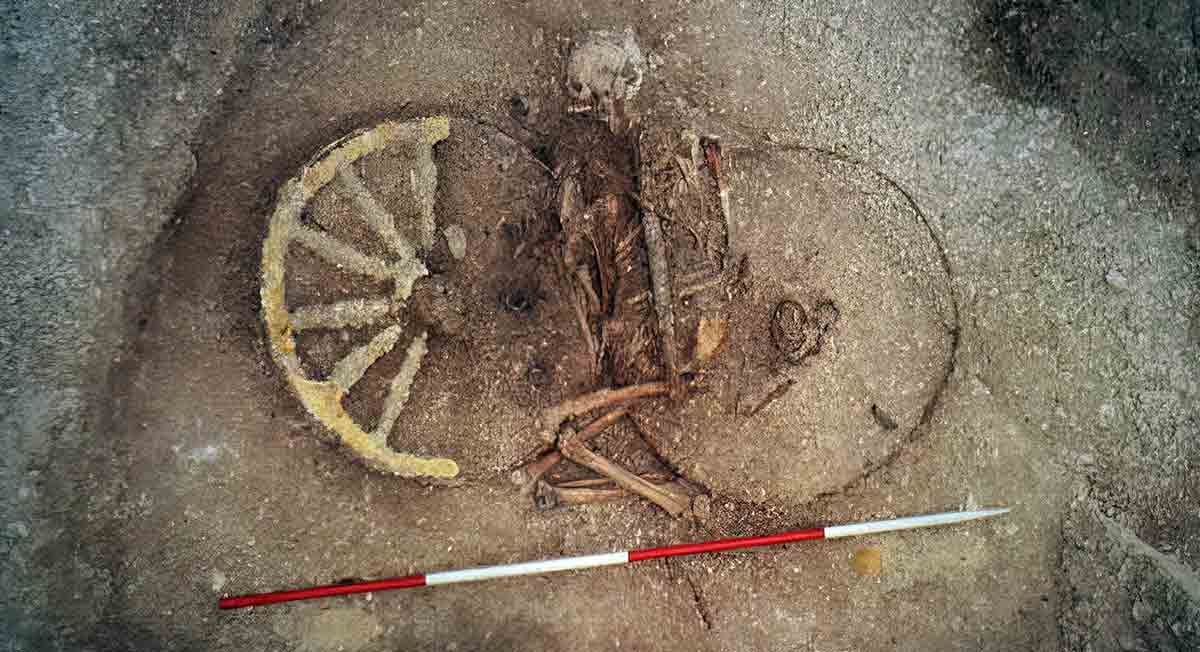
Similarly, in 2001, at Wetwang in Yorkshire archaeologists uncovered a chariot burial containing a woman buried with a dismantled war chariot, like many other warriors in the region, plus an iron mirror and a shield. Examination showed that she had suffered from a severe head injury, probably receiving a blow on the battlefield. She then received a full military chariot burial. While these are examples of prestigious burials, across Celtic Europe, ordinary women have been found buried with weapons.
Boudica, the Queen Who Burned Londinium
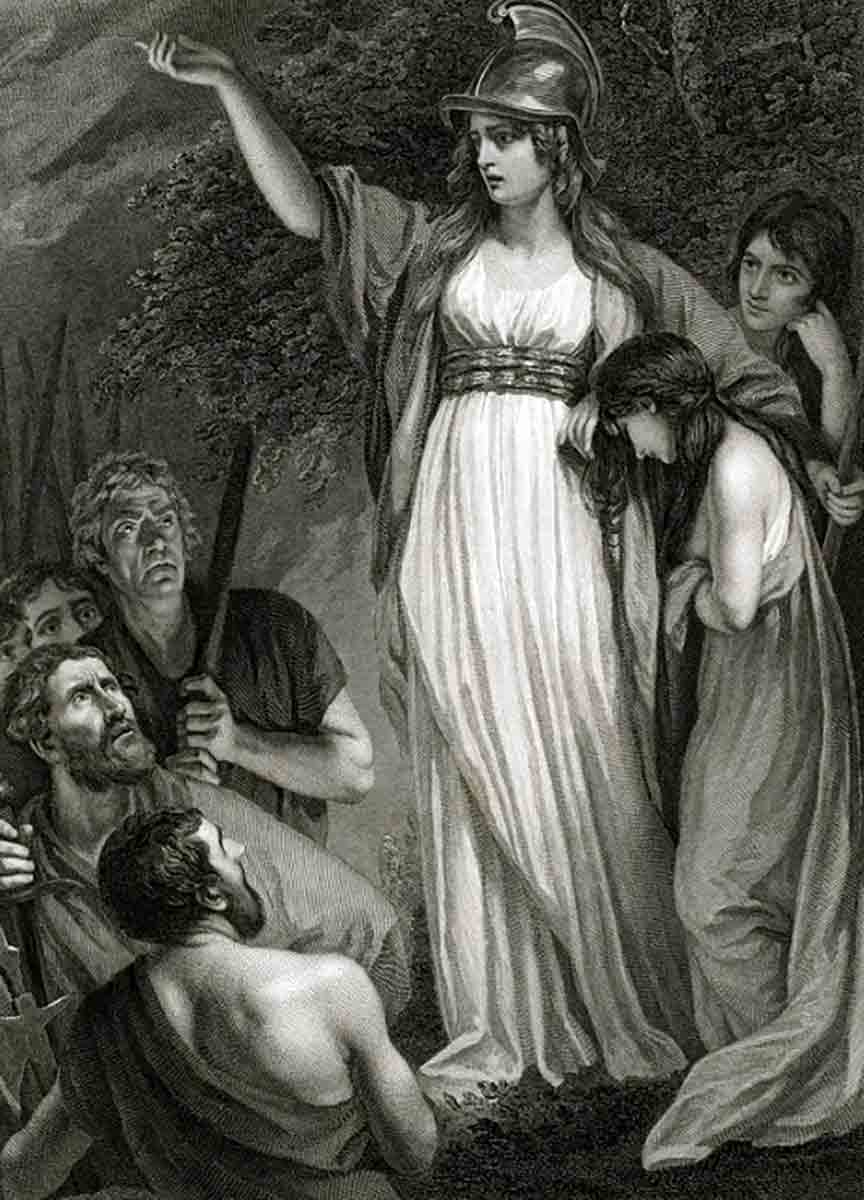
The most famous Celtic warrior woman, who almost caused the Romans to abandon Roman Britain, was Boudica, queen of the Iceni tribe. Originally, Boudica ruled alongside her husband, King Prasutagus, who had maintained what he thought was a good relationship with the Romans. In order to keep the Romans at bay, Prasutagus declared his inheritance would be divided between his daughters and the Romans.
However, upon his death, the Romans ignored the deceased king’s wishes and ransacked Iceni land, enslaved their people, and raped Boudica’s daughters. The Iceni and other Celtic tribes were completely outraged and soon rose up in a united rebellion under Queen Boudica in AD 60.
The initial rebellion was a huge success as the Celtic tribes utterly decimated the Roman settlement of Camulodunum (modern Colchester). They then turned to Londinium in the South. When the Celts attacked, they caused chaos among the Romans, some of whom even fled across the English Channel to Gaul.
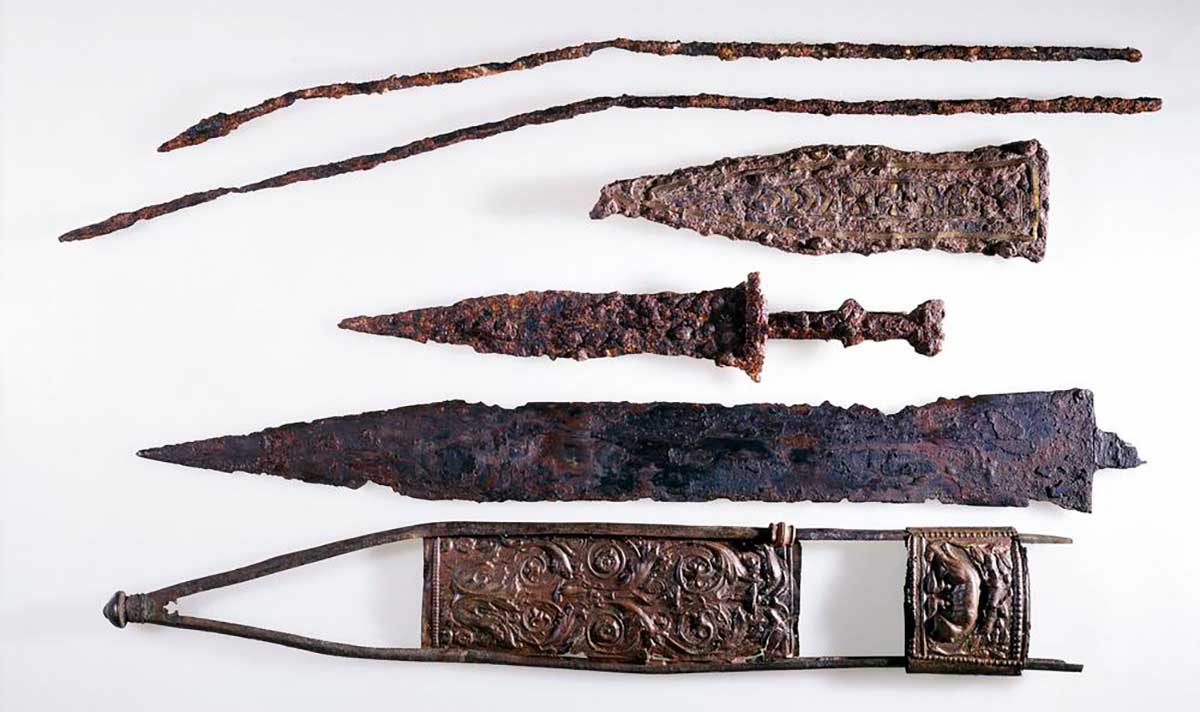
However, when they met in open battle, the disorganized, lightly armored Celtic tribes were no match for the Roman legions. The Roman army launched thousands of heavy javelins at the Celts, and finished them off with their well-rehearsed tight fighting formation and cavalry. Boudica was not killed in the fray, but took poison to avoid whatever the Romans may have had planned for her. Despite the Roman success, the emperor Nero reportedly considered abandoning Britain, as it was too costly to hold.
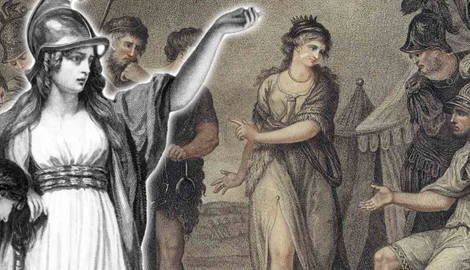
Despite the tragic ending, Boudica’s legacy lives on. Notably, Tacitus says that it was Boudica who commanded the troops in the field, and he even gives her a rousing speech. He claims Boudica rode in her chariot with her daughters and called out to her forces “You will see that in this battle you must conquer or die. This is a woman’s resolve; as for men, they may live and be slaves” (Annals 14.35). Tacitus certainly invented the details of this scene, but it is interesting that he imagined her commanding in this way, and had her remind her troops that it was normal for a woman to lead, no doubt for the benefit of his Roman readers.
Why History Tried to Forget the Celtic Warrior Woman
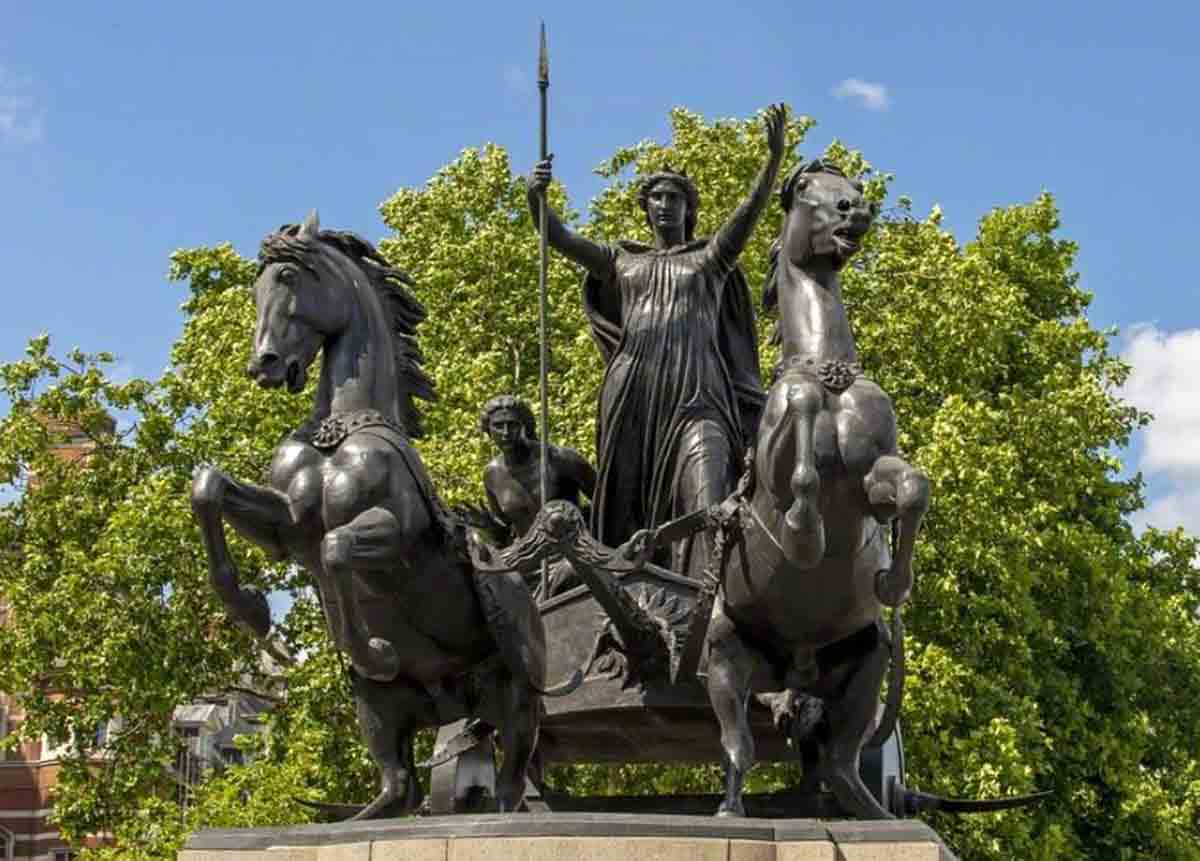
While figures like Boudica have become historical icons, most of the warrior women of the ancient Celts have been forgotten. As the Celts were incorporated into the Roman Empire, they adopted Roman customs and laws, which fundamentally changed the position of women. Then, when their stories were discovered by medieval chronicles, they often reshaped them to better align with their own Christian ideas of women and feminine ideals. Female protagonists were given passive roles, or cast as dangerous anomalies. These new narratives were perpetuated by later Victorian authors who subscribed to similar values. Like so many women, their stories were lost.
It is only in recent years that the accepted image of Celtic women is being reexamined. Ancient texts are being dissected with a better understanding of their bias, and archaeological evidence is throwing a new light on old assumptions. Modern scholarship has only started to rediscover Celtic women.