
In 1177 BC, many of the ancient world’s most successful civilizations collapsed. Within a single generation, flourishing cities across the Eastern Mediterranean were reduced to ash. Mycenaean palaces crumbled, the mighty Hittite Empire vanished, and Egypt barely survived. This Late Bronze Age Collapse remains as one of the biggest mysteries in human history. Nevertheless, scholars have identified several contributing factors. From natural disasters to mysterious naval invaders, here are four factors that contributed to the downfall of ancient civilizations.
Civilizations Impacted
| Civilization | Primary Locations |
Long Term Result
|
| Mycenaean Greece | Greek Mainland, Aegean Islands |
Disappearance of Linear B script, entry into Dark Age
|
| Hittite Empire | Anatolia (Modern Turkey) |
Total collapse of central imperial power and royal capital
|
| Ugarit | Coastal Syria |
Permanent destruction of major regional trading hub
|
| New Kingdom Egypt | Nile Delta, Levant |
Political survival but permanent loss of empire
|
1. The Sea People and War
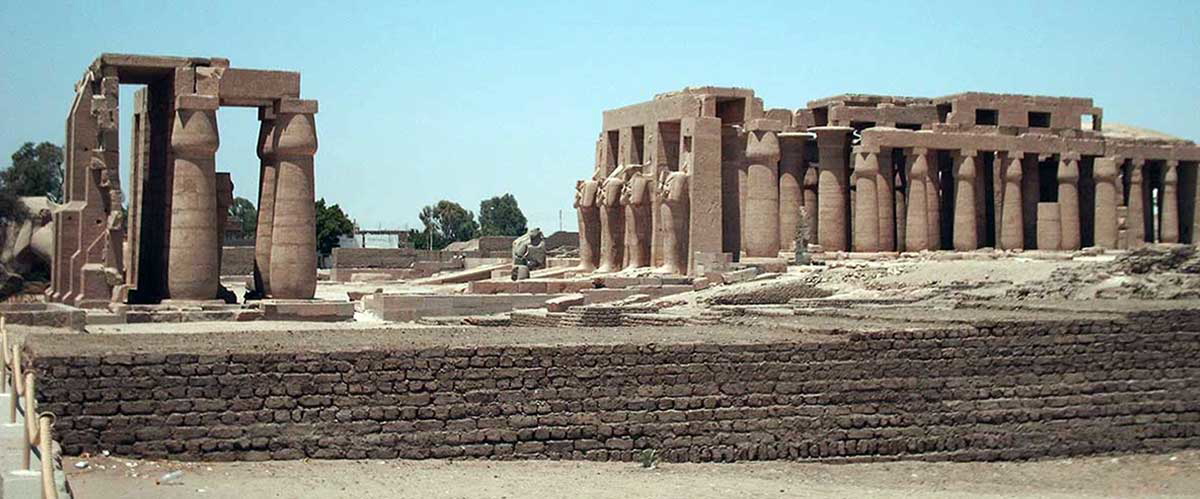
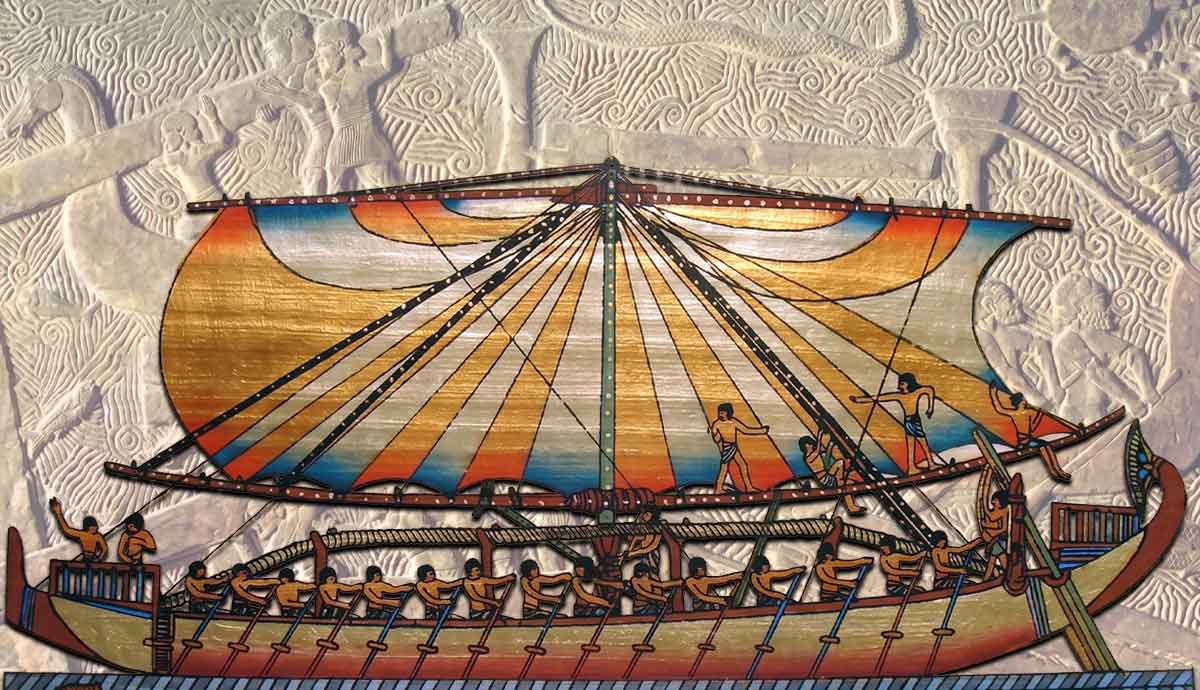
Ancient inscriptions found at Medinet Habu in Egypt describe a confederation of naval raiders known as the Sea Peoples who invaded the land. Ramses III, who reigned as the Pharaoh of Egypt from 1186 BC to 1155 BC, recorded that he fought a great battle against the Sea Peoples in the eighth year of his reign. The inscriptions stated that the invaders were formidable. Egyptian records indicate that they were active elsewhere in the region, and that the group that failed to conquer Egypt settled on the southern coast of Canaan.
In Anatolia, these coastal raiders cut off vital grain imports while attacking Hittite strongholds, triggering the total destruction of the imperial Hittite capital, Hattusa, and the permanent collapse of the empire into scattered regional states. Violent attacks destroyed major palace centers of Mycenaean Greece. Wealthy, cosmopolitan coastal ports, notably Ugarit, were burned to the ground and never rebuilt.
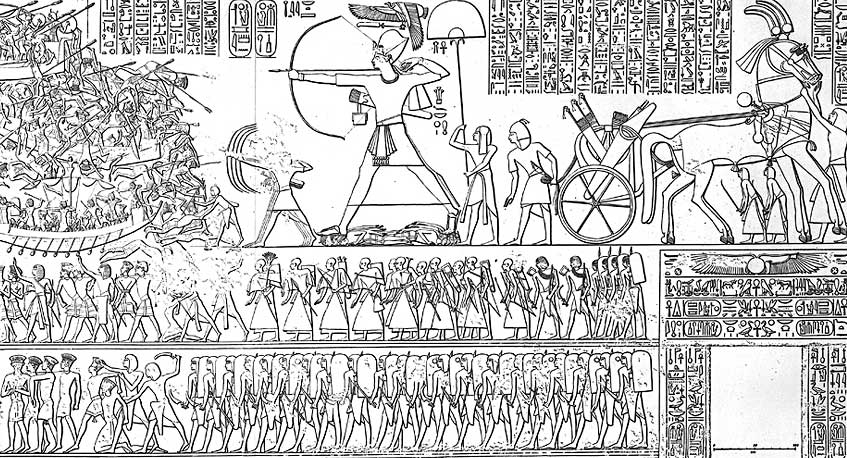
The Sea Peoples are said to have consisted of groups such as the Peleset, Tjeker, Shekelesh, Denyen, and the Weshesh who came from the Mediterranean Sea region. While the Sea Peoples are often blamed for the collapse of those societies, their decline may have been the result of a larger problem rather than the sole cause. The Sea People themselves were likely refugees who were forced to migrate to find new lands to inhabit. Egyptian wall reliefs show the Sea Peoples arriving not just on warships, but in heavy, ox-drawn carts loaded with women, children, and livestock.
2. Drought and Famine
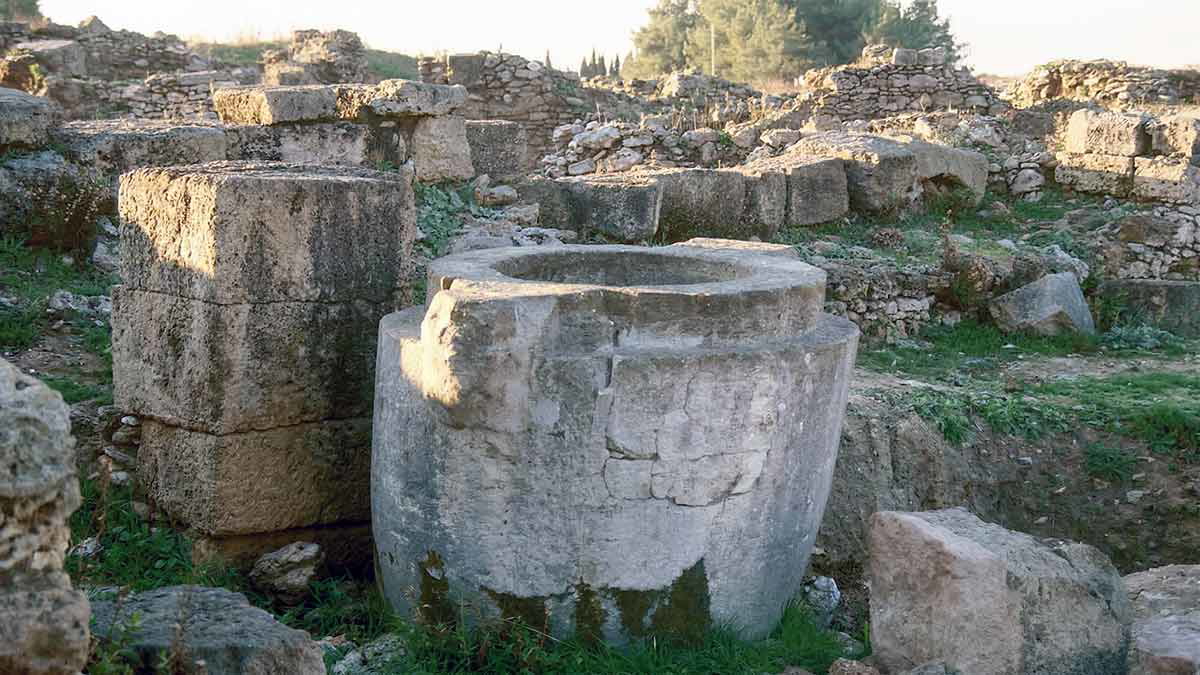
Some historical hypotheses indicate that climate change may have played a significant role in the events of the late second millennium BC. Archaeological findings indicate that a sharp decrease in rainfall likely occurred around 1200 BC. The data suggests that the region experienced a dry period that lasted three centuries. A letter found in the archives of the city of Ugarit highlights the severity of the situation.
In the text, the King of Ugarit, Ammurapi, wrote to the King of Alashiya to say that enemy ships had arrived, his cities were being burned, and his own troops were stationed elsewhere. Other letters found in the city archives describe how the kingdom was facing famine and that the people were close to death. Pharaoh Merneptah recorded sending massive shipments of Egyptian wheat to the Hittites to “keep the land alive,” representing one of history’s earliest recorded international food aid efforts.
3. Earthquakes and Natural Disasters
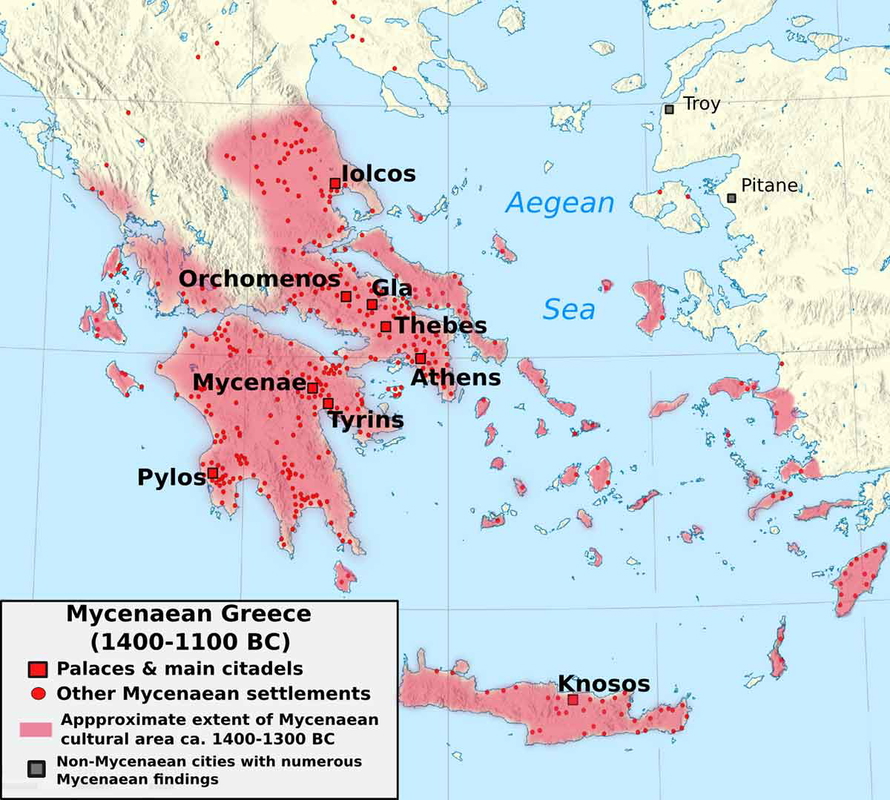
Geologists and archaeologists have found evidence to suggest that a series of earthquakes struck the Eastern Mediterranean between 1225 BC and 1175 BC. The pattern of destruction at sites such as Mycenae, Tiryns, Midea, and Troy suggests that an earthquake storm may have occurred. An earthquake storm happens when a fault line experiences a build-up of pressure over time and triggers a series of earthquakes.
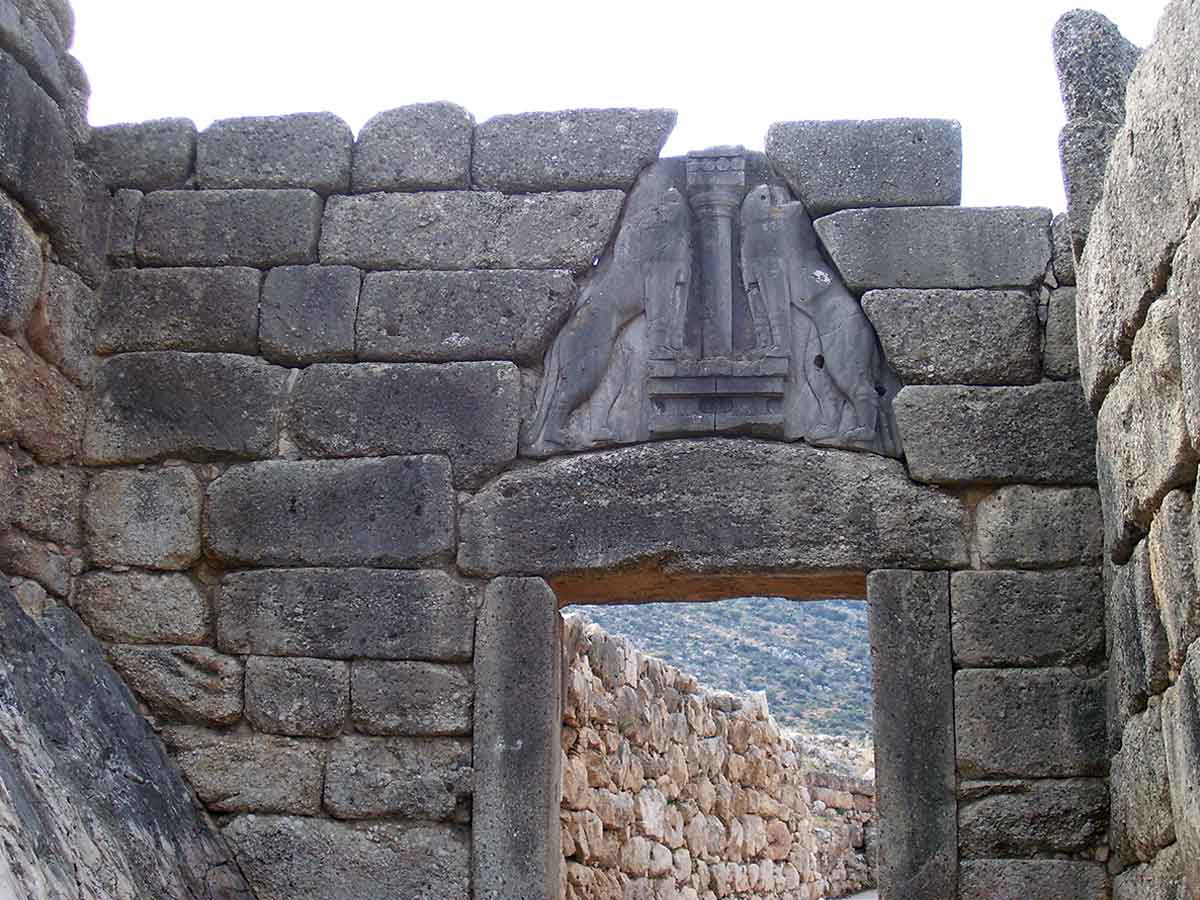
The physical damage to the cities would have weakened the defenses and made it difficult for the leaders to maintain control over the population. The collapsed walls and ruined buildings found at the sites support the theory that the region was subjected to major seismic activity. Combined with famine, these cities were no longer equipped to deal with external threats posed by groups like the Sea Peoples.
4. Disruption of Trade Networks
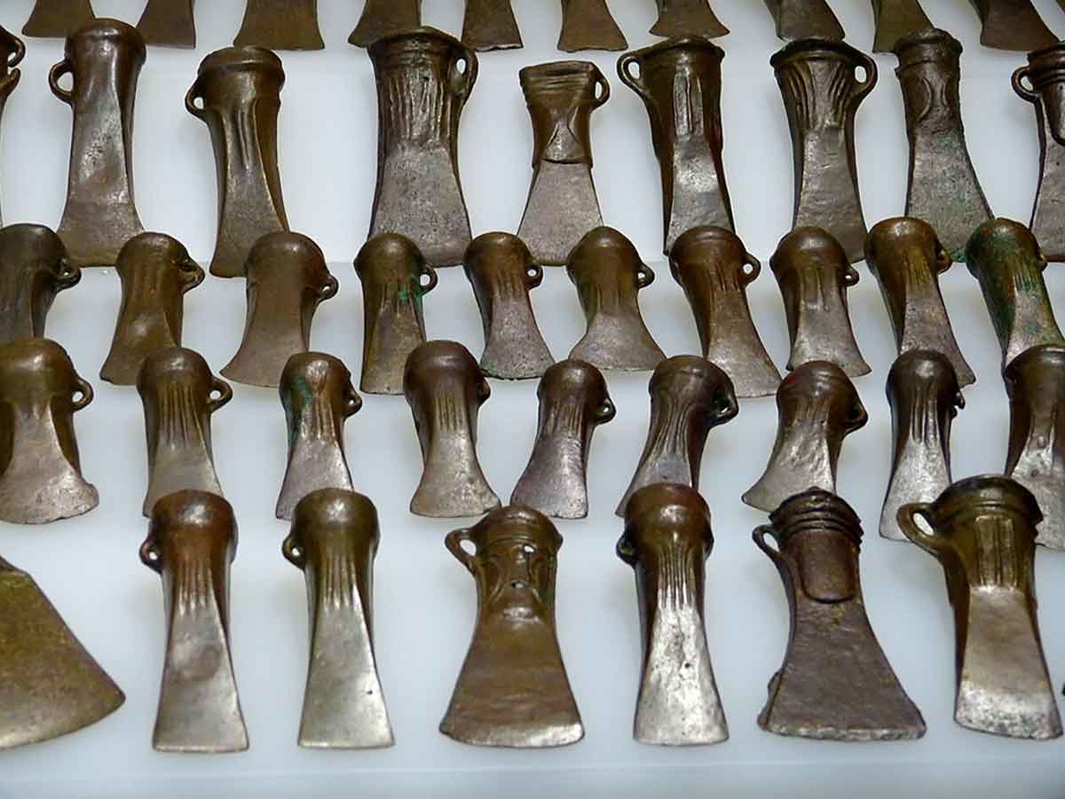
The collapse was also likely a result of the complex nature of the international trade networks that existed at the time. The civilizations of the Late Bronze Age were dependent on each other for vital resources, notably a regular supply of copper and tin for the creation of bronze. Copper was readily available on the island of Cyprus, but tin had to be imported from distant locations such as Afghanistan. When the trade routes were disrupted by pirates or invaders, the flow of goods stoped. A disruption in the supply of tin meant that the armies could not make new weapons and the farmers could not make new tools.
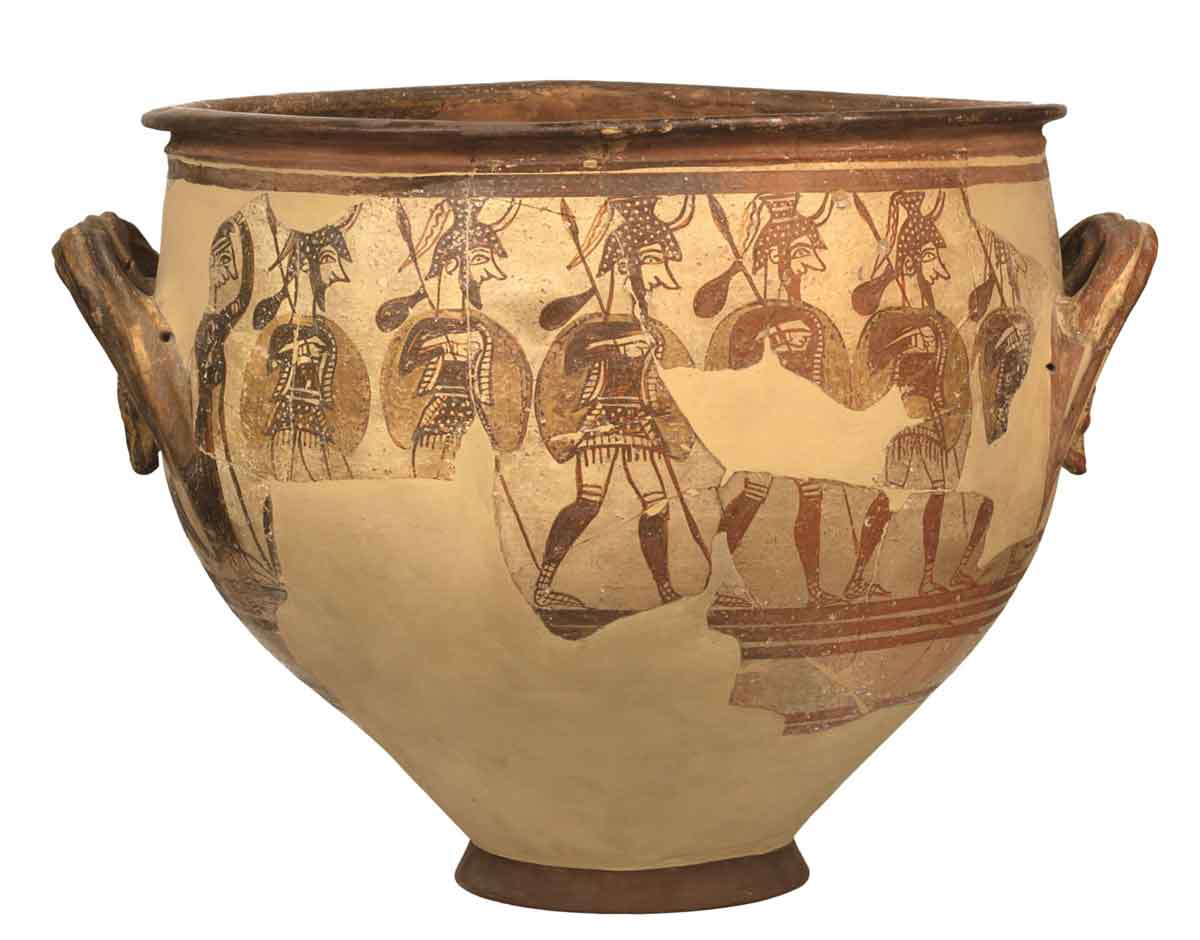
The failure of one part of the system would have had a ripple effect, causing the other parts to fail as well and thereby leading to the system’s collapse. It also led to the rise of the Iron Age, since iron ore was more readily available in the local area.
The Aftermath of the Collapse
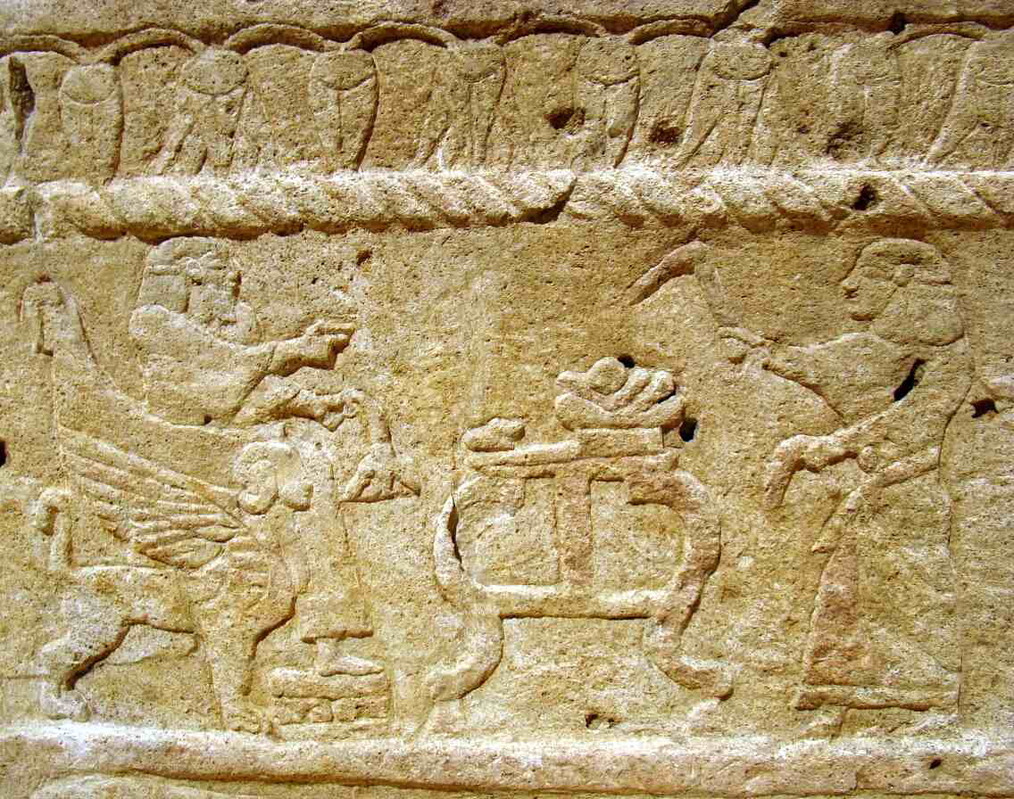
The period that followed the collapse is often referred to as a Dark Age, as cultural aspects such as the art of writing disappeared in many places, such as Greece, where the Linear B script fell out of use. It would take several centuries for the region to recover and for new societies to emerge. The collapse of the old empires also created a power vacuum that allowed new groups to rise to prominence. The Israelites and the Phoenicians, for example, were able to establish themselves in the Levant in the aftermath of the chaos.