
Claudius, who suffered from several disabilities, was not expected to become emperor of Rome. When he was elevated following the assassination of his nephew Caligula, things might have been expected to go from bad to worse. While the ancient accounts are critical of Claudius and his reign, modern analyses prefer a more balanced picture. Among other biases, ancient prejudice surrounding disabilities may explain this paradox.
What Is the “Problem of Claudius?”
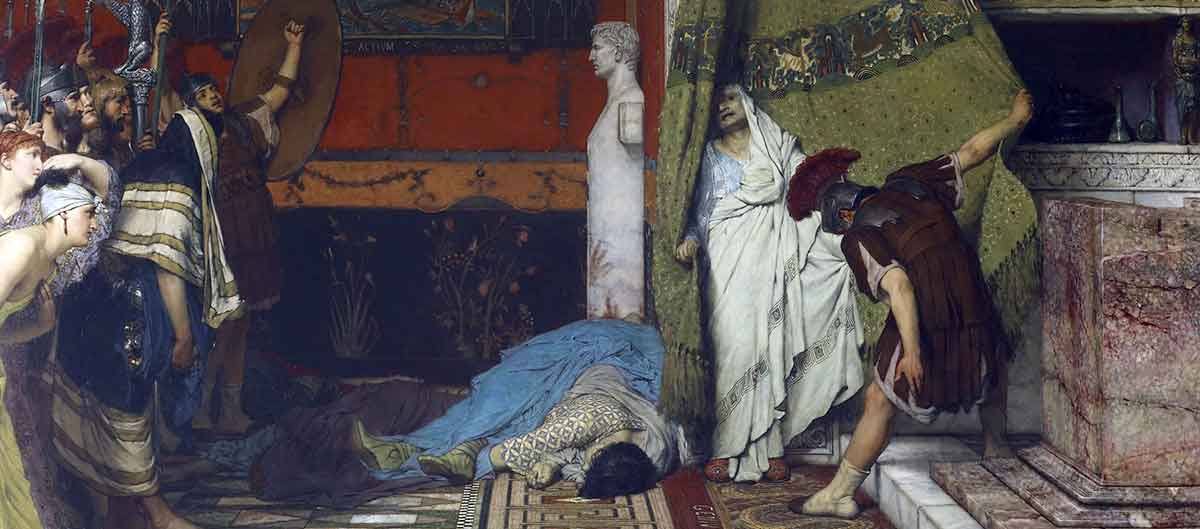
There is a contradiction at the core of Claudius’ historical reputation. Ancient historians and commentators, such as Suetonius, Tacitus, and Cassius Dio, often depict Claudius as a powerless and vindictive ruler held hostage by malicious wives and advisors. However, we now know that, during his reign, the Empire was remarkably stable and well-run, with insightful and innovative policies implemented.
Therefore, the image of Claudius and his rule presented by these senatorial sources doesn’t stand up to modern scrutiny. When looking closely at his domestic policies, his success in conquering southern Britain, and his ambitious building projects, Claudius emerges as more of a meticulous and visionary ruler than the “bumbling fool.”
These mutually exclusive presentations, noted by historians in the early 20th century, are the “Problem of Claudius.” Since then, historians (including myself) have made multiple suggestions to explain the contradictory messaging.
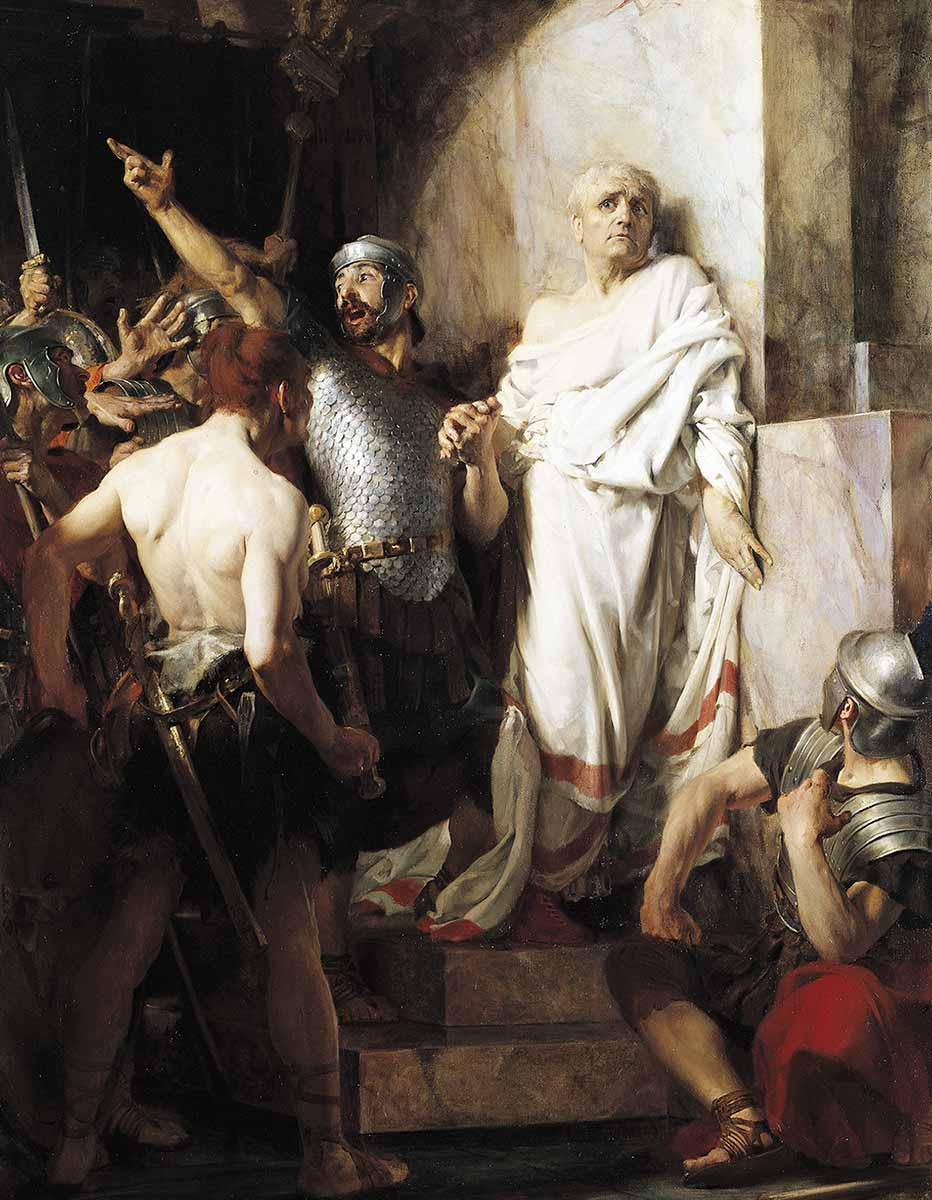
One explanation is that the surviving senatorial writers belonged to a culture that resented some of Claudius’ policies that bypassed the Senate. In particular, his preference for using and empowering his ex-slaves (called freedmen) as advisors and secretaries is blamed for causing intense antagonism between Claudius and the Senate.
While convincing, it does not necessarily explain the virulence of ancient accounts. In Seneca, Suetonius, Juvenal, and Tacitus, Claudius is continuously insulted, not just for his apparent way of ruling, but for the way he looked, moved, and sounded as a ruler. In short, it is clear that his disabilities also played a role in his reputation.
What Disabilities Did Claudius Have?
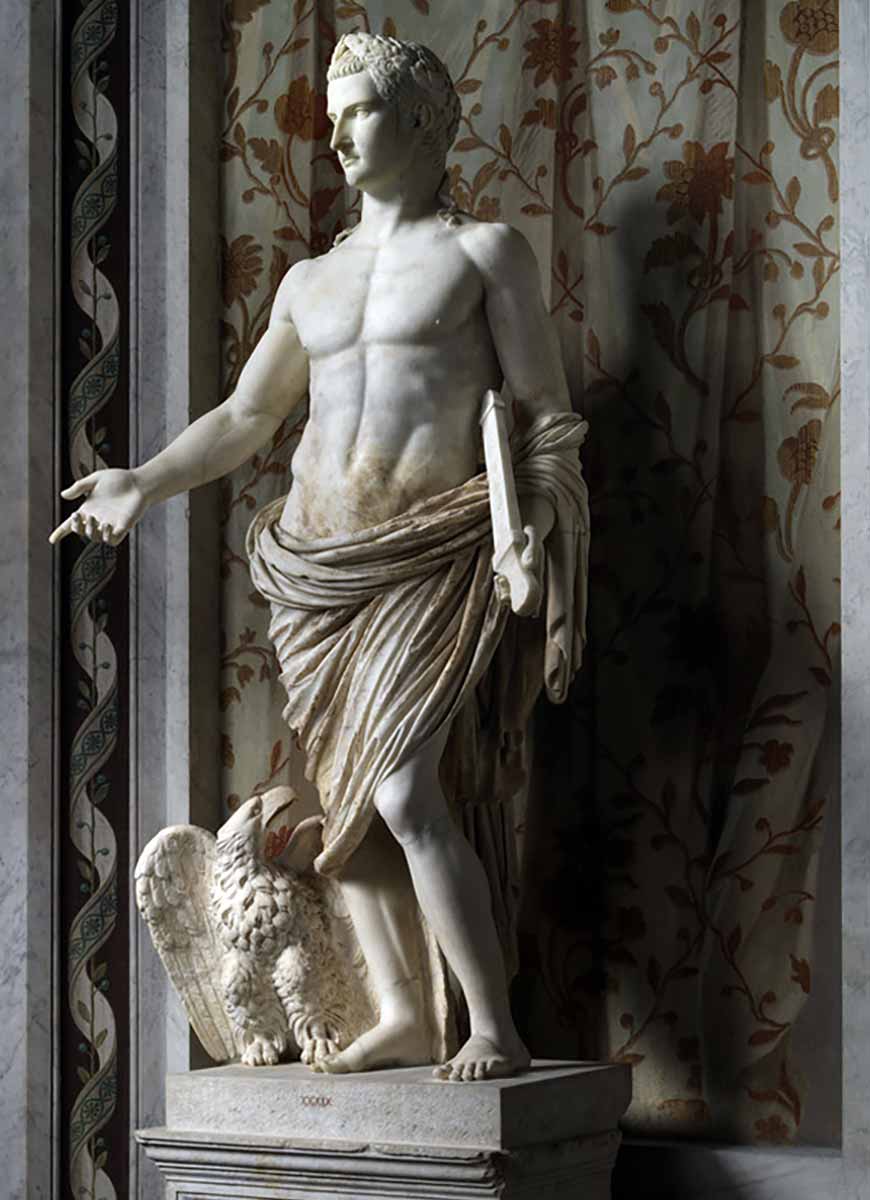
While historians are hesitant to “diagnose” ancient individuals, especially when the primary sources can be so distorted or incomplete, we can still construct a reasonably informed picture of Claudius’ disabilities. The ancient sources are quite consistent in their descriptions of Claudius’s physical and neurological impairments.
Suetonius, Cassius Dio, Seneca, and Tacitus all note that he had a speech impediment and occasionally drooled (although Tacitus notes he could sometimes speak eloquently, with enough preparation). Suetonius, Cassius Dio, and Seneca also observe that Claudius had a limp or unsteady gait, as well as tremors and tics that could worsen when he was stressed. Tacitus and Suetonius tell us that these conditions were present from infancy, rather than acquired with age.
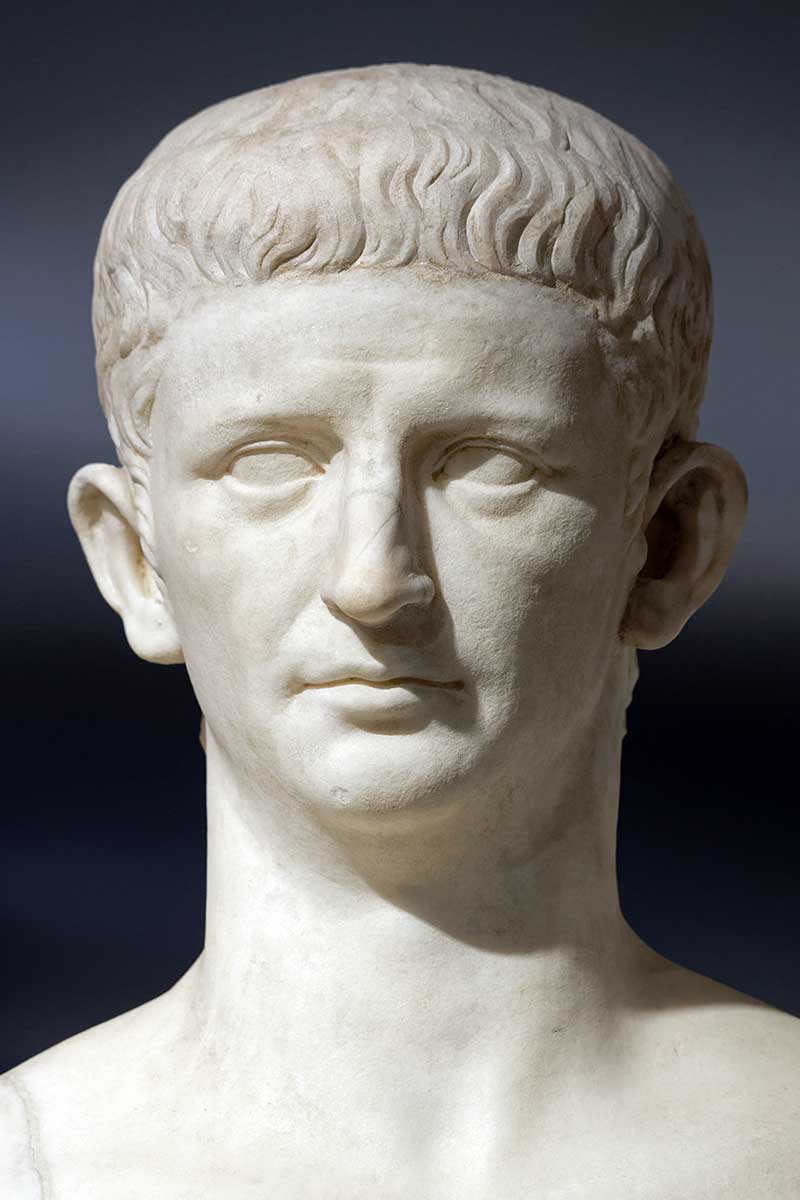
Based on this information, while there is no definitive medical consensus, the most popular and widely cited theory is that Claudius had cerebral palsy (specifically the athetoid “dyskinetic” variant). However, competing theories suggest he had dystonia, Tourette’s syndrome, or post-polio syndrome. Ultimately, we cannot know for sure.
Nevertheless, the accounts still allow us to understand the general nature of his disabilities and how his contemporaries seemed to respond to them. If we look more broadly across ancient societies, we can see that this also fits a common pattern of bias for the disabled in general.
How Did Roman Society Perceive Disability?
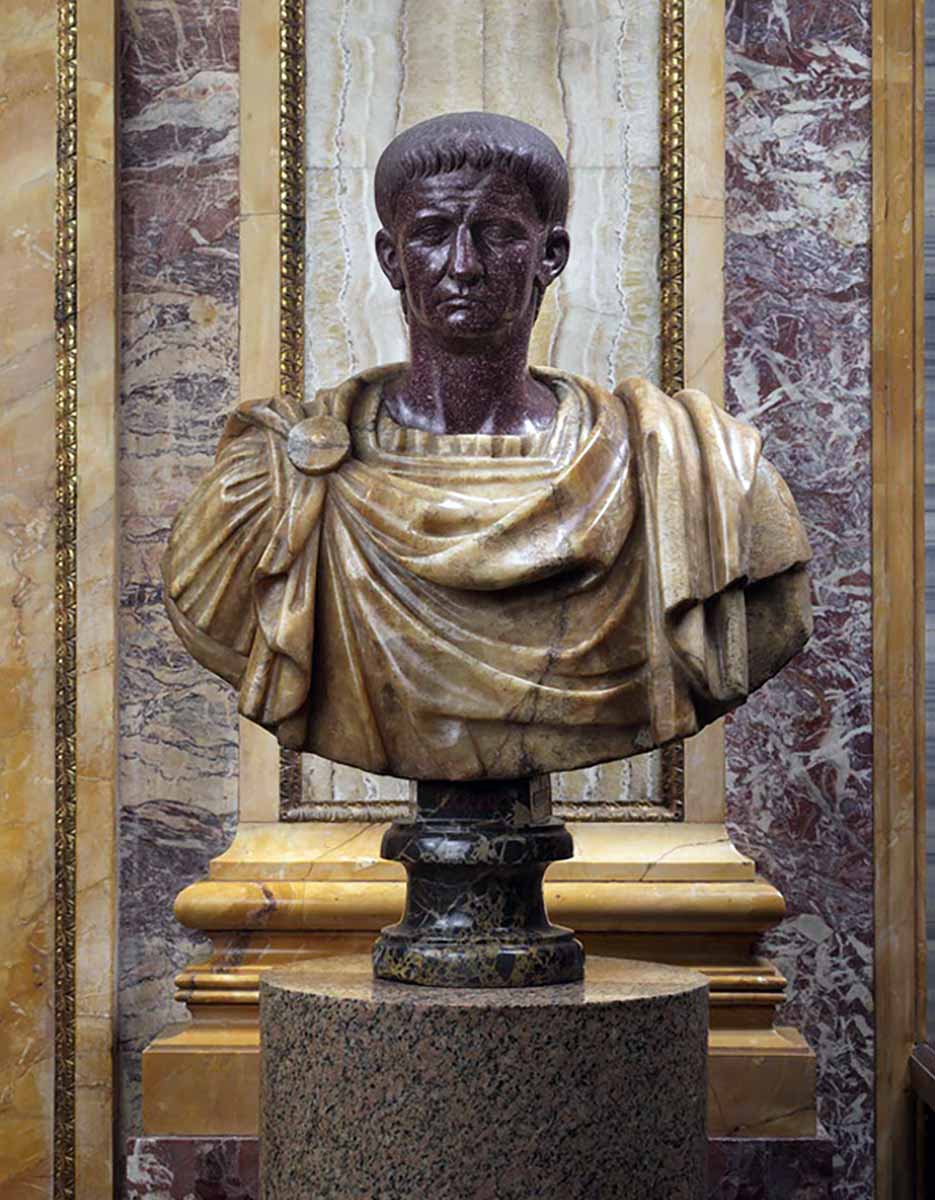
It is broadly agreed that the ancient Greeks and Romans were not kind to the disabled, especially if, like Claudius, they were in the spotlight. Medical specialists, such as Galen, designated those with missing or deformed limbs as “sick” and “diseased.” Roman law also treated the disabled as inferior witnesses or defendants who were often excluded from proceedings altogether.
This was all in a society where eloquence, appearance, and utility were highly scrutinized. In elite circles, the ability to declaim well was extremely important for one’s political and social prospects. Those, like Cicero, who could master the “Orator’s Voice” were highly respected. On the other end of the spectrum, those with disabilities were frequently mocked and seen as a source of entertainment at social gatherings and banquets.
There were some important exceptions to these attitudes. For example, if somebody had lost a limb or an eye in combat as a soldier and had become disabled as a result, they were not generally seen in a negative light. However, this didn’t mean that many of them didn’t feel the social stigma attached to disability, and in some cases, they committed suicide.
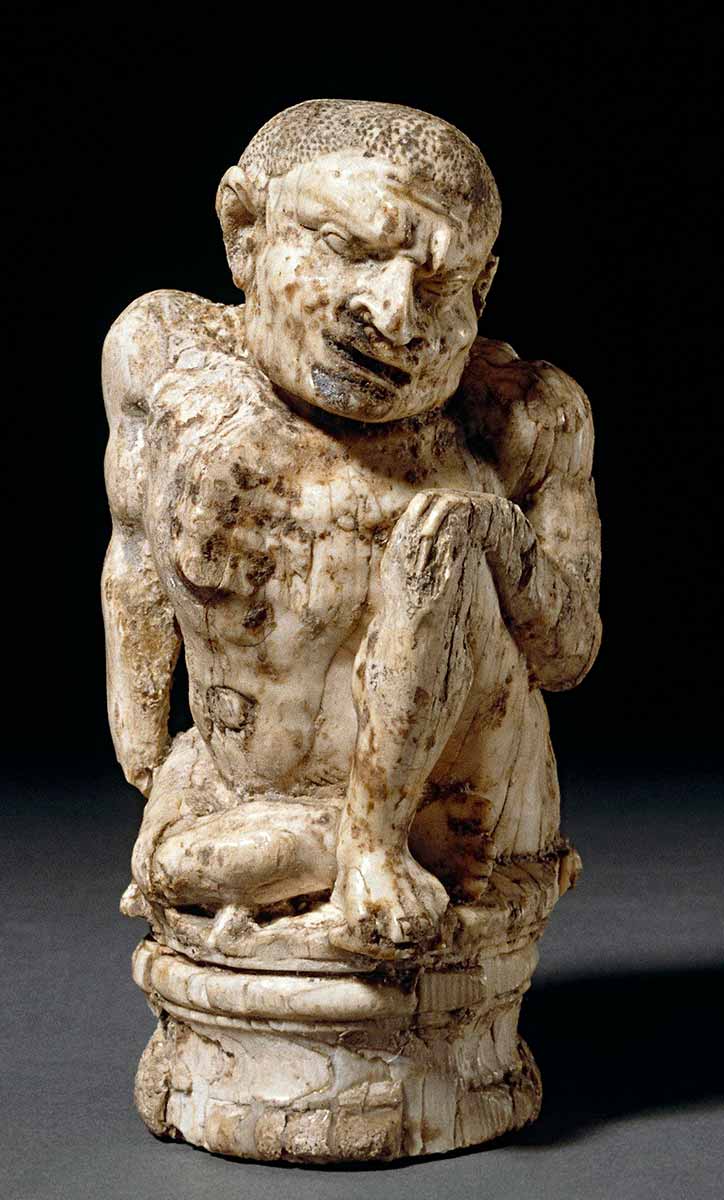
One of the most striking examples of ancient attitudes to the disabled was the practice of “exposure,” where, after birth, babies who exhibited impairments were abandoned on the outskirts of towns or on trash heaps. Nor were disabled individuals who lived to adulthood spared from strenuous labor, as the skeletal remains of farmers and workers show.
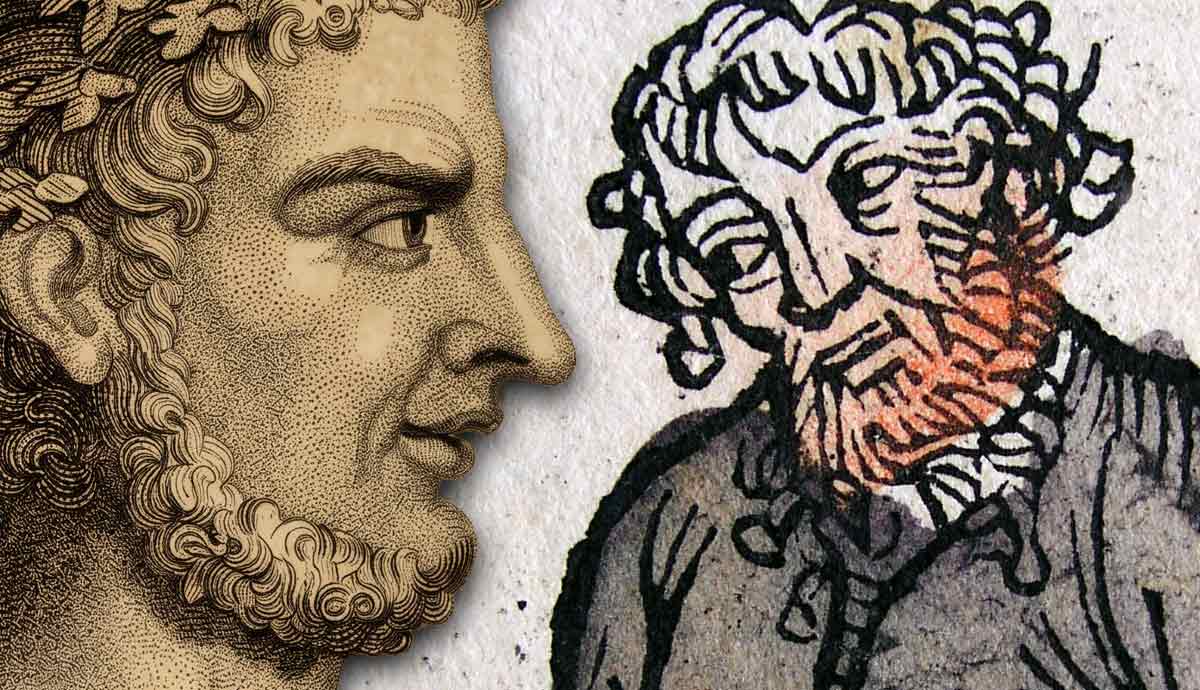
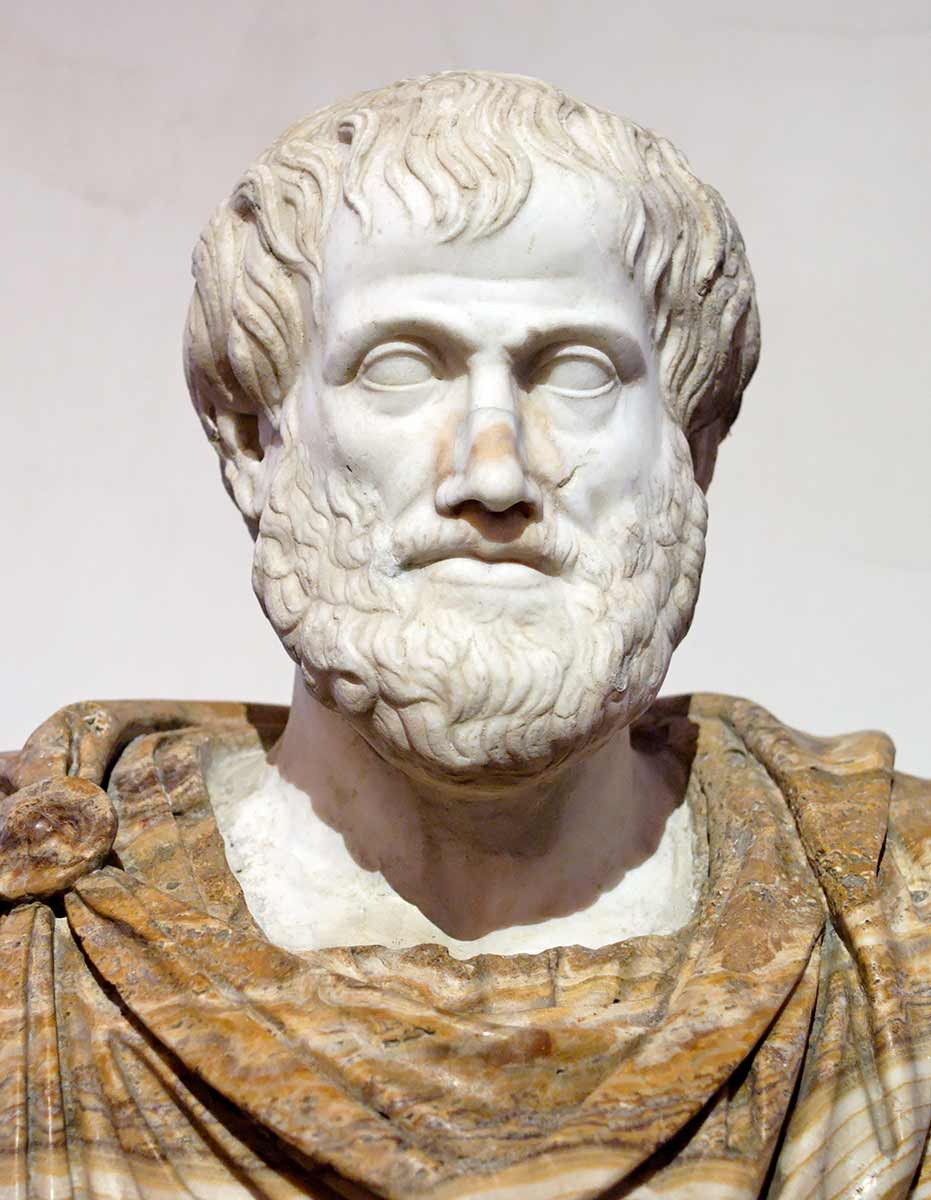
On top of all this, and perhaps most importantly for elite attitudes, like those of Suetonius, Tacitus, Seneca, and Cassius Dio, there was also the field of “Physiognomics.” This was an ancient pseudoscience that really took hold in Greco-Roman society but had older precedents. It suggested that you could understand the character and nature of a person, or their “inner self,” from their physical features and comportment.
Prominent exponents of the pseudoscience, like Pythagoras, Hippocrates, Phaedo, and Aristotle, created different categories of people based on their voice, movement, and appearance. Deviations away from a fully functioning, able-bodied norm were associated with increasing levels of moral inferiority. As such, an individual like Claudius came to be equated variously with “the fool,” “the fanatic,” and even a “monster.”
The people given these categories were considered to be incompetent and unpredictable, with little control over themselves or their lives. These failings were also thought to mask an insidious “inner self” that didn’t always reveal itself, but always festered under the surface and influenced the person’s actions.
Do These Prejudices Correspond with Attitudes Toward Claudius?
In a word, yes. At its core, what constitutes the “Problem of Claudius” most acutely is the notion of a passive, incompetent “fool” controlled by selfish advisors, who has a relatively stable and successful reign. This simply doesn’t add up. When we scrutinize the sources, it would seem disability bias must have played a role.
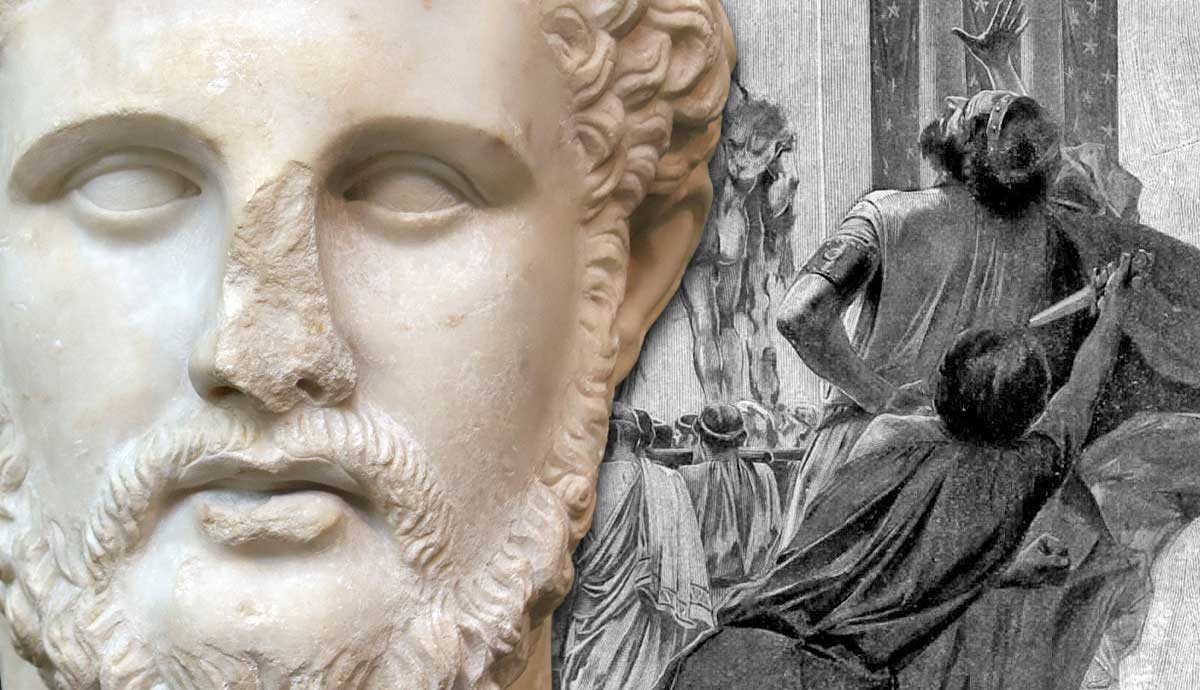
For example, in Seneca’s Apocolocyntosis, Claudius and his impairments take center stage and are ridiculed. In the satirical work, a bamboozled Claudius isn’t aware of his own death (and deification) and begins mumbling incoherently to the assembled gods, who decide he is not worthy to reside with them. His mocked speech impediment is also exacerbated in the work by his physical infirmities, which, as scholars have noted, collectively make him appear like more of a “monster” in the Apocolocyntosis than a human.
We know that Seneca was influenced by Physiognomic thinking, just as Suetonius, who wrote a treatise on physical infirmities. Indeed, scholars have noted physiognomic tropes and themes throughout Suetonius’ biographies of the first Twelve Caesars. In his Life of Claudius, specifically, aspects of Claudius’s appearance and comportment often frame the narrative, just as everybody except Claudius seems able to control him.
This same lack of control is present in both Tacitus and Juvenal as well, especially in accounts of Claudius’ wives and their flagrant disregard and disrespect for him. Even when an apparent coup orchestrated by Claudius’s third wife, Messalina, is quickly and decisively put to an end, Tacitus still depicts Claudius throughout the narrative as a passive and incapable observer aided by others.
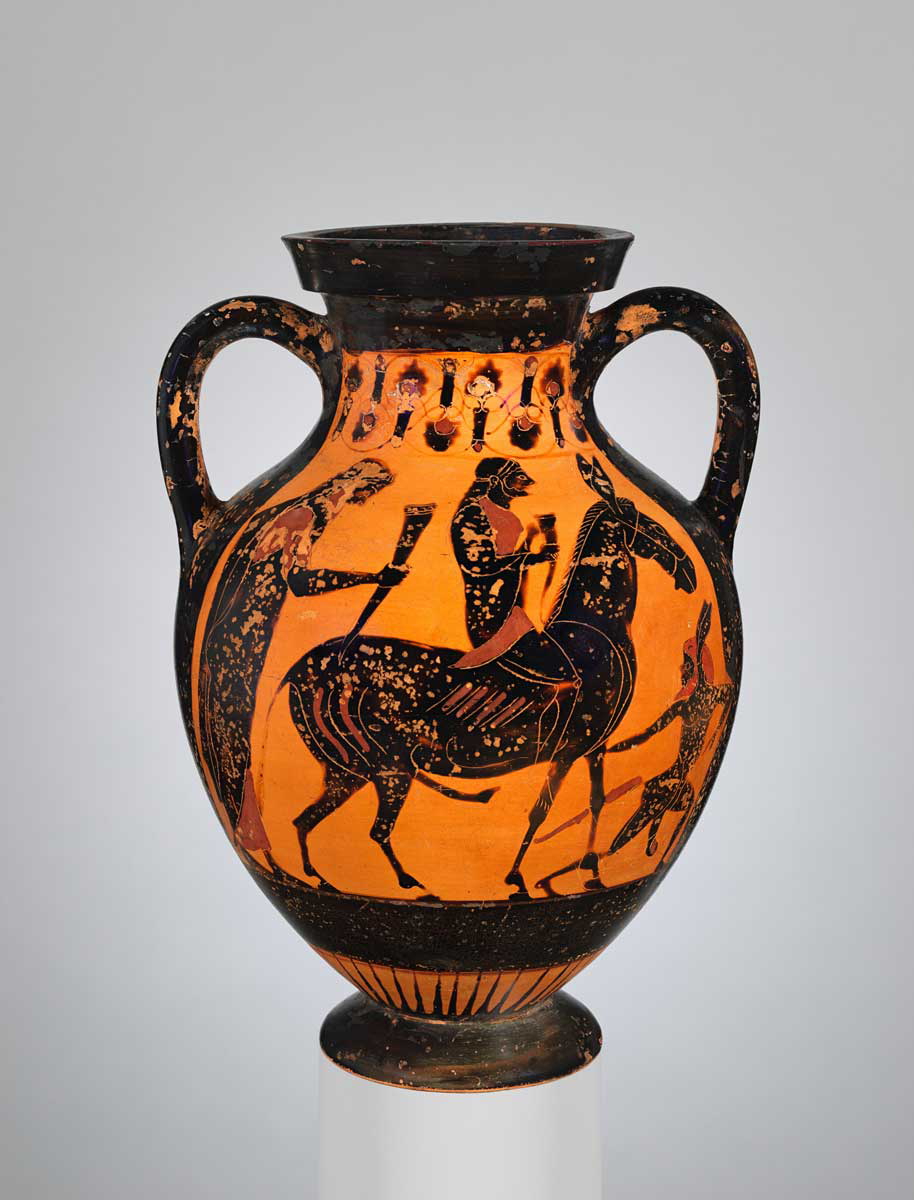
Interestingly, this Tacitean depiction of a cuckolded and initially oblivious Claudius shows many parallels with the cuckolding of the lame god Hephaestus, who eventually finds out about his wife Aphrodite’s infidelity, before taking action.
Cassius Dio offers more balance when discussing the faults and virtues of Claudius’ reign. The Greek historian, writing almost 200 years after Claudius’ death, notes that Claudius could implement sound policies when “he was master of himself.” In qualifying in this way, perhaps Dio was trying to rationalize the “Problem of Claudius” as best as he could, with such conflicting material.
Nonetheless, the way that each of these commentators depicts Claudius corresponds very closely with how ancient Greeks and Romans generally viewed the disabled: as incompetent, weak, unpredictable, and monstrous.
How Did Claudius Prove These Prejudices Wrong?
Claudius came to power unexpectedly at the age of 50 and ruled for almost 14 years, longer than 80-85% of Roman emperors. In that time, he achieved many impressive feats and oversaw a remarkably stable Empire, particularly when compared with his predecessor, Caligula, and his successor, Nero.
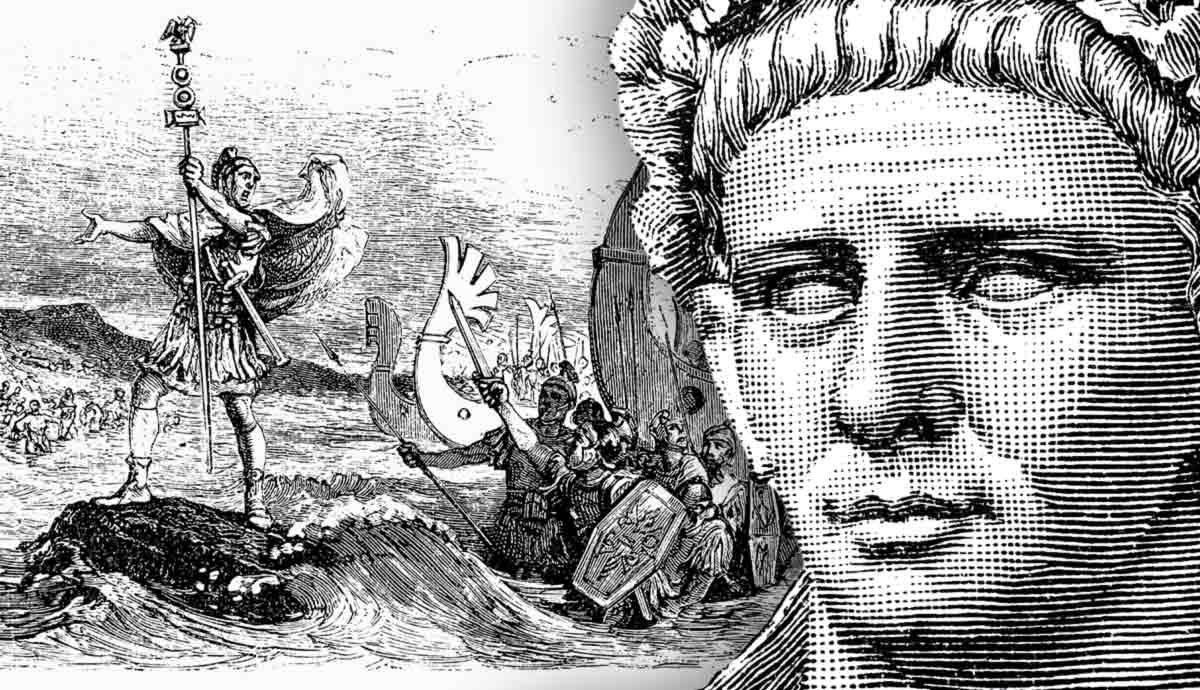
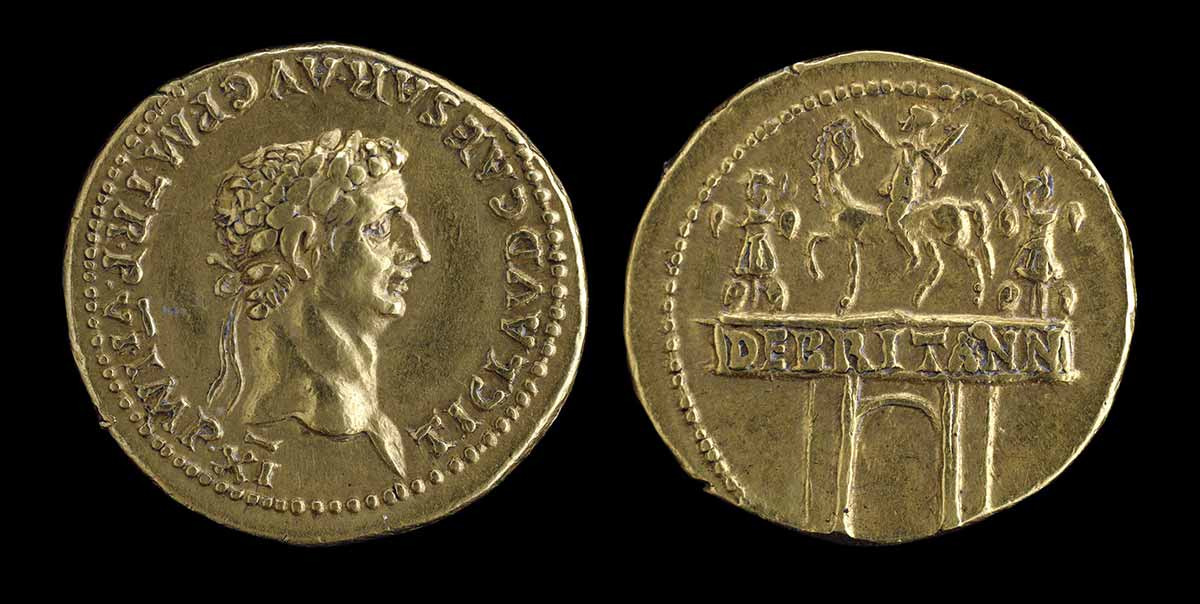
One of the most enduring feats of his reign was the conquest of Britain. The campaign itself, launched just two years after his accession, represented one of the most substantial and successful logistical maneuvers of the early Empire. Four elite legions, joined by auxiliary cohorts, and equaling a combined 40,000-50,000 men, were ferried across the channel, into a land thought by many commentators to represent the mystical “ends of the earth.”
While Julius Caesar had sent a small expeditionary force almost 100 years earlier to receive a superficial “surrender” from British chieftains, nobody before Claudius had actually extended the Empire into the British Isles. The invasion itself was remarkably successful, with a series of victories over the southern British tribes, the capture of the prominent settlement of Camulodunum, and the submissions of 11 different chieftains, all within a few months.
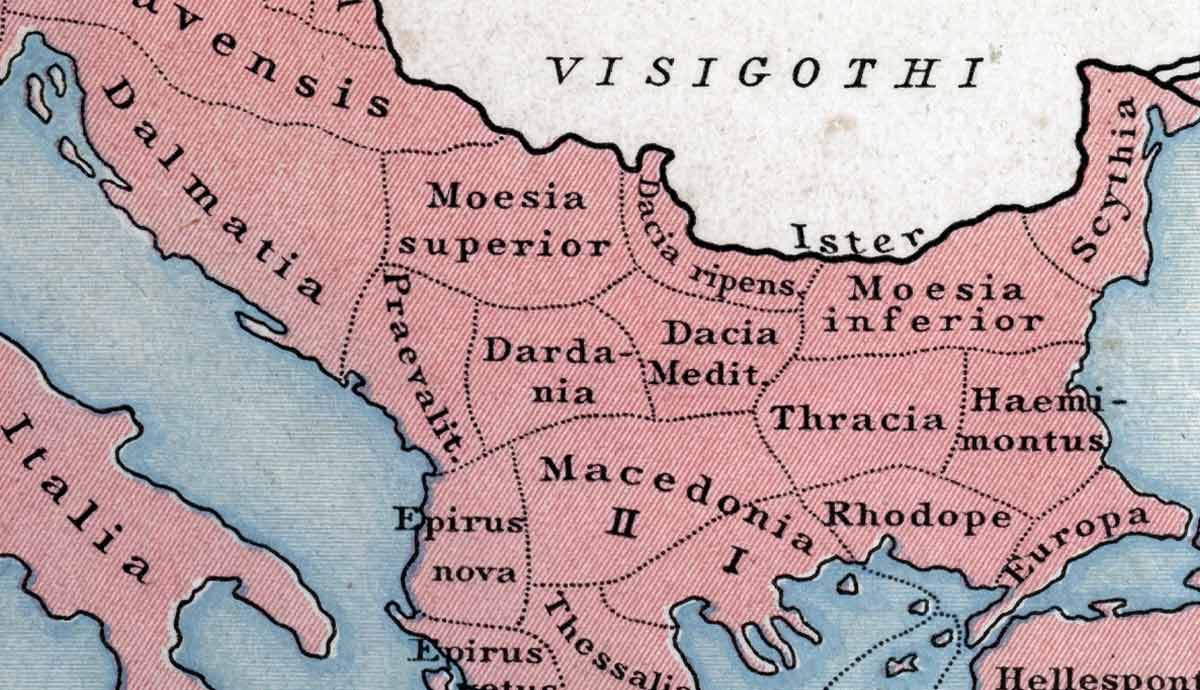
As control over Britain expanded, with new British provinces emerging as a result, Thrace, Mauretania, and Lycia were also incorporated into the Empire under Claudius. This substantial expansion of the Roman world coincided with monumental building projects and innovative policies overseen by Claudius as emperor.
An example of the former includes the Port at Ostia that Claudius had constructed downstream from Rome at the mouth of the Tiber. While it was later improved upon by Trajan, it helped mitigate food shortages in the capital and acted as the main port for the city for more than a century. In Rome itself, two huge new aqueducts were also completed, the Aqua Claudia and the Anio Novus, further helping to provide for the capital’s populace.
While working on these sorts of projects, Claudius also paid close attention to judicial affairs, presiding over cases and adjudicating, as well as enacting legislation that protected slaves from negligent owners. He also passed landmark legislation that allowed elites from Gaul to become part of the Senate, which became a major milestone for the Empire’s integration at large.
He is also attributed with creating a more professionalized bureaucracy, staffed with former slaves who could become experts in their position. While this was particularly disliked by the Senate, who accused these freedmen of grossly exploiting their position, it was a direction first taken by Augustus, the first emperor of Rome.
On top of this, historians looking at Nero’s reign conclude that Claudius and his freedmen must have carefully managed the state’s finances to allow Nero to spend so prodigiously. The question then arises, how would all of these achievements have been possible if Claudius were essentially held hostage by greedy, self-serving advisors and scheming wives?
Does This Help Resolve the Problem of Claudius?

We can never be totally sure about what influenced ancient accounts of the Roman emperors. That being said, we can be confident that many biases and influences played a part in molding Suetonian and Tacitean narratives of Claudius.
Moreover, we can see that bias against the disabled was endemic to ancient Roman society, especially in elite circles, and importantly, in some of the commentators who provide our image of Claudius specifically. This makes it very likely that disability bias at the very least played a part in ancient presentations of Claudius.
We should not assume it influenced every image or presentation of Claudius, but it does help to resolve the remaining inconsistencies in the “Problem of Claudius.” He may have favored his freedmen too much, or been quite unpredictable at times, but it seems clear that prejudice against the disabled also made ancient writers exaggerate Claudius’ incompetence and his ability to implement sound policy.
Therefore, when we account for disability bias in the sources, alongside other biases, we can get a bit closer to the truth about Claudius. In that truth, we get a clearer understanding of Claudius as a very capable ruler, significantly misrepresented in the sources.