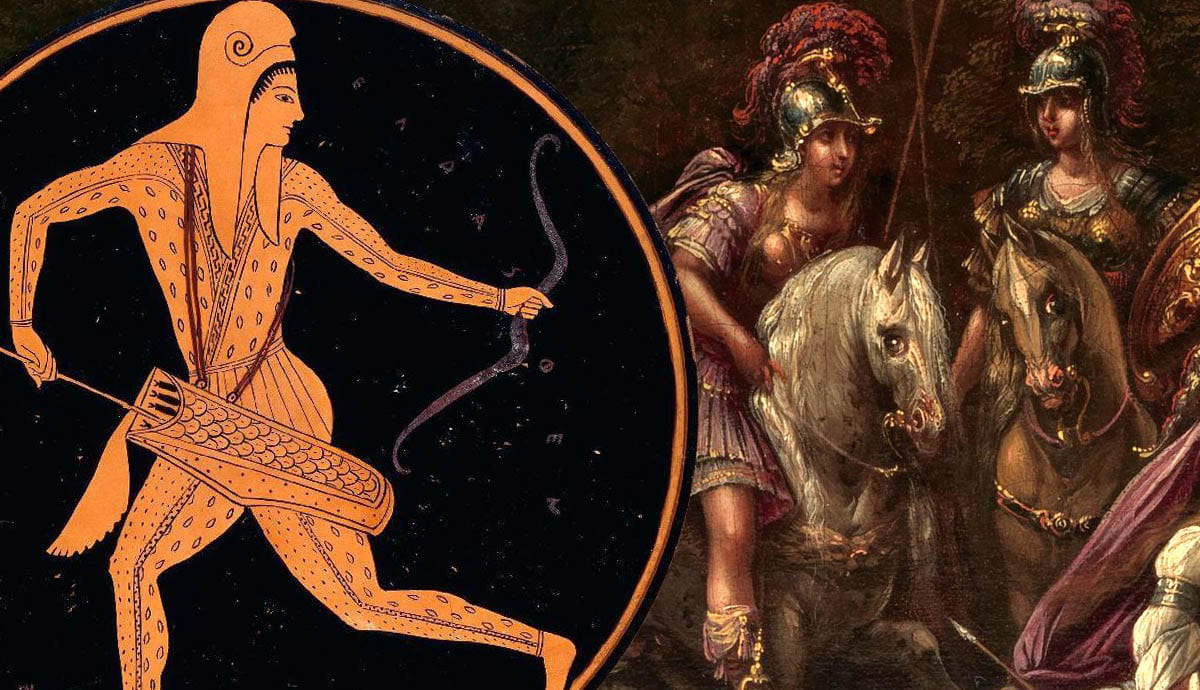

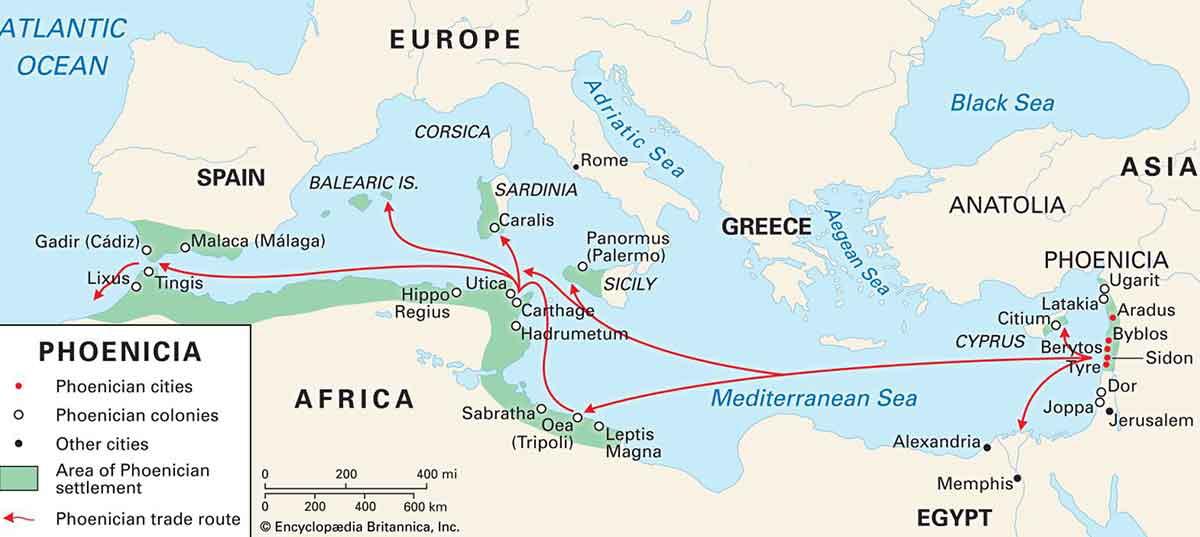
The Phoenicians, renowned for their trading and maritime skills, originated in what is now Lebanon. They were related to the Canaanites, and while they shared a language and religion, the Phoenician people identified with their individual cities, such as Tyre, Sidon, and Byblos. The term Phoenician, derived from the Greek word “phoinix,” meaning purple, refers to the famous purple dye produced in Tyre. This was central to the Phoenician trade empire, which lasted 2,500 years across both the Bronze and Iron Ages and stretched from Lebanon to Spain. The Phoenicians planted important, independent colonies across the Mediterranean, most notably Carthage. But these are just some of the important cities that made up the Phoenician network.
| City | Location | Importance |
| Byblos | Lebanon (North of Beirut) |
Cultural & Spiritual Center: Home to the Temple of Baalat Gebal. It was the birthplace of the Phoenician alphabet. Major trade hub for papyrus and cedar.
|
| Sidon | Lebanon (25 miles north of Tyre) |
Manufacturing Powerhouse: Likely invented glassmaking and originated the production of Tyrian purple dye.
|
| Tyre | Lebanon (Southern coast) |
Maritime Base: Built on an island with two harbors. It held a monopoly on purple dye.
|
| Arwad | Syria (Island off the coast) |
Naval Fortress: A fortified island city with “skyscraper” houses.
|
| Beirut (Berytus) | Lebanon (Central coast) |
Industrial Hub: Neutral trading ground and a center for iron works and weaponry
|
| Carthage | North Africa (Tunisia) |
Mediterranean Superpower: The “New City” that eclipsed its predecessors.
|
| Gadir (Cadiz) | Spain |
Strategic Outpost: A Tyrian colony that became a Carthaginian depot. Home to a famous Temple of Melqart.
|
1. Byblos
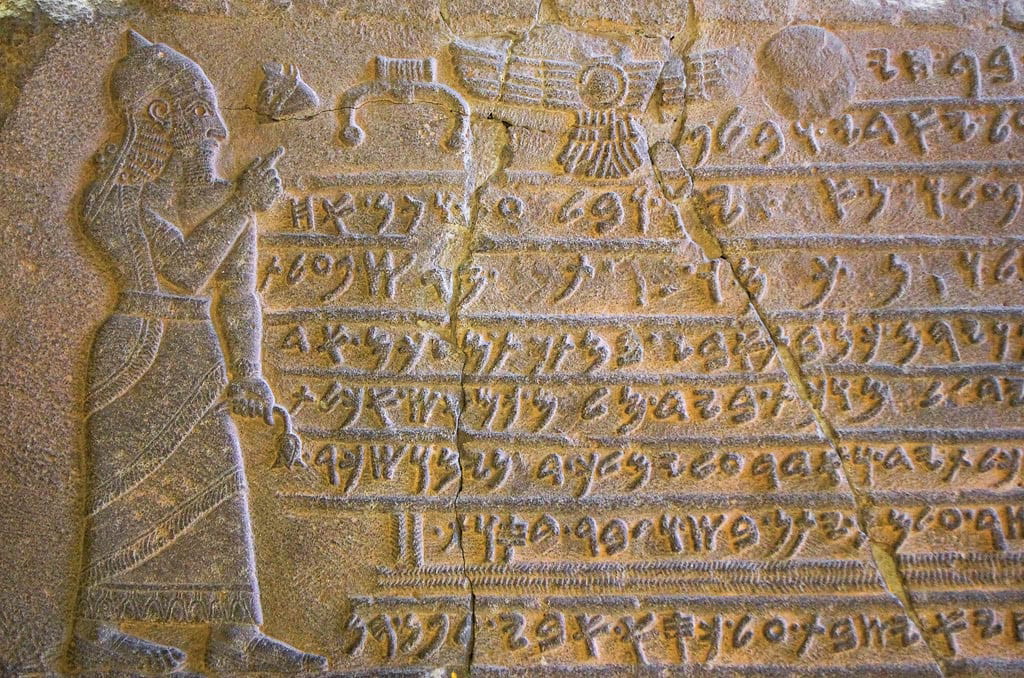
Byblos is one of the world’s oldest cities, first settled around 8800 BC, with the city emerging around 3300 BC. Called Gebal by the Phoenicians, Byblos emerged as the Phoenician cultural and spiritual center. The temple of Baalat Gebal, or “Lady of Byblos,” one of Phoenicia’s celebrated deities, was built around 2800 BC. Byblos’s religious reputation even spread to the Egyptians. The boat of the slain Egyptian god Osiris reportedly drifted to Byblos, where the people entombed him in a temple dedicated to his sister-wife Isis.
Byblos’s greatest cultural innovation was the Phoenician alphabet. This script revolutionized writing, moving from complex scripts like hieroglyphics, which required specialists to write and decipher, to just 22 characters. This simplified system allowed for financial transactions and record-keeping. The evolution quickly spread as the Phoenicians traveled around the Mediterranean. As one of Phoenicia’s trading powerhouses, Byblos traded papyrus, cedar, and goods to Egypt and further.
2. Sidon
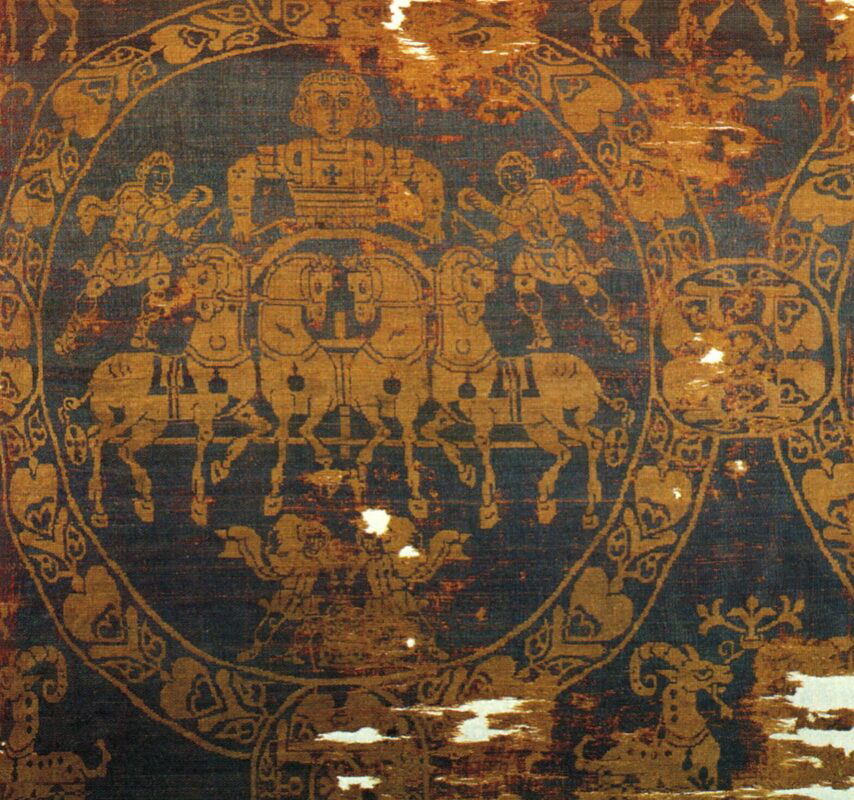
Sidon, a second of Phoenicia’s three great city-states, is thought to mean “fishery” in the local Semitic languages. Located only 25 miles north of modern Beirut, Sidon was founded around 4000 BC. With two harbors, Sidon quickly became a political and trading powerhouse. It was known for its cosmopolitan lifestyle and robust manufacturing industry. They may have invented glass, and certainly had a reputation for glassmaking.
Sidon’s most significant benefit stemmed from the production of Tyrian purple. While it was named for the nearby city of Tyre, archaeology suggests that it originated in Sidon, made from locally available murex snail shells. This luxury dye became sought after across the ancient world, worn as a symbol of power by Greek heroes and Roman emperors.
3. Tyre
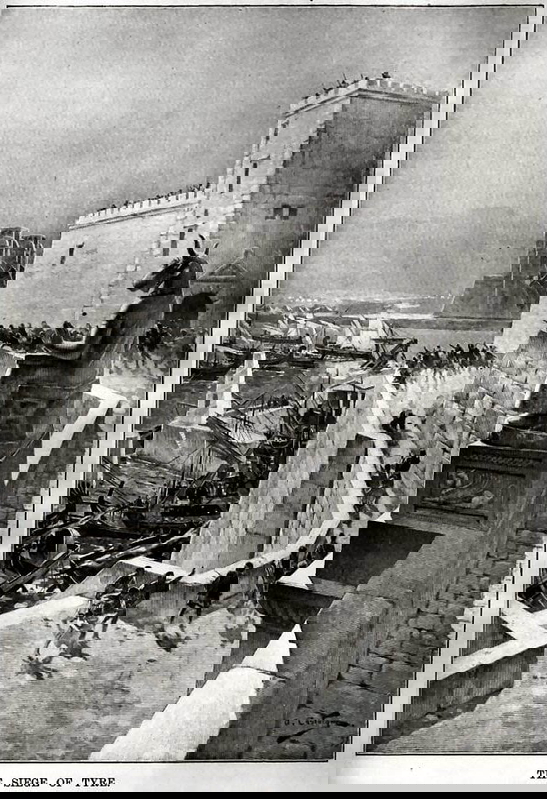
Founded in 2750 BC, Tyre is the youngest of the original three great Phoenician cities. Nevertheless, Tyre quickly rose in prominence. With two harbors, like Sidon, but first built on an island, Tyre became Phoenicia’s great maritime base. Its traders sailed west, colonizing strategic points, including the future Carthage.
Economically, Tyre prospered greatly from its Tyrian purple dye monopoly. Often worth more than gold, Tyre deliberately controlled production. Its merchants traded high-value goods like ivory carvings, spices, and perfumes, all highly valued in the mercantile empire.
Besides trade, Tyre served as another cultural ambassador of the Phoenicians. Its religions blended with local traditions (Egyptian, Mesopotamian) and craftsmanship skills. The city itself passed Near Eastern ideas to the West. Tyre’s independence and influence would end in 332 BC with Alexander the Great’s siege.
4. Arwad
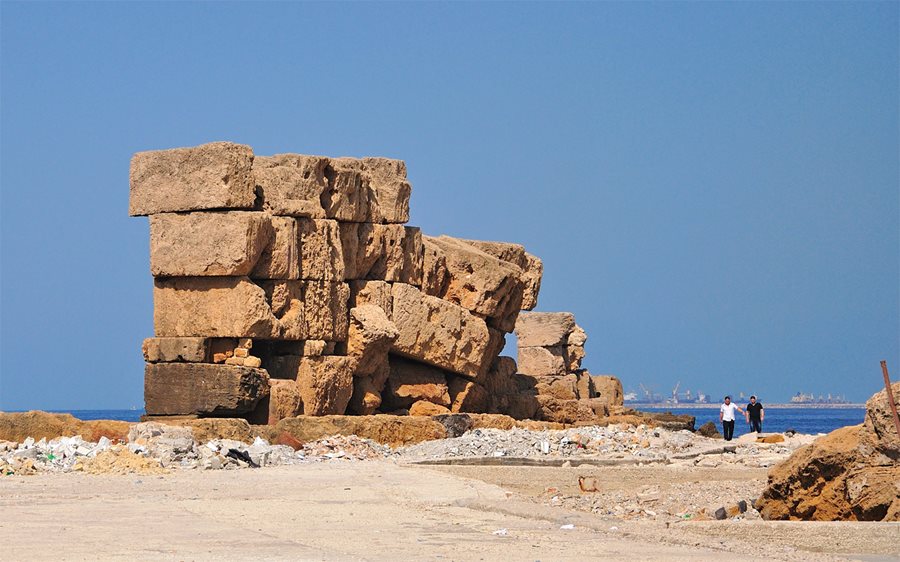
The island of Arwad was settled by the Phoenicians in the 2nd millennium BC. Just 800 by 500 meters, it was little more than a barren rock, which was then covered in tall fortifications and houses. An artificial harbor was constructed in the east, facing the mainland and the other major Phoenician cities.
Arwad clearly had a powerful navy, as it is mentioned on monuments in Egypt and Assyria, and even in the Bible. This allowed it to control much of northern Lebanon, dominating mainland cities such as Marat and Sumur. But in the 9th century, Arwad became a “tributary” of the Assyrians, and never fully regained its independence.
5. Beirut
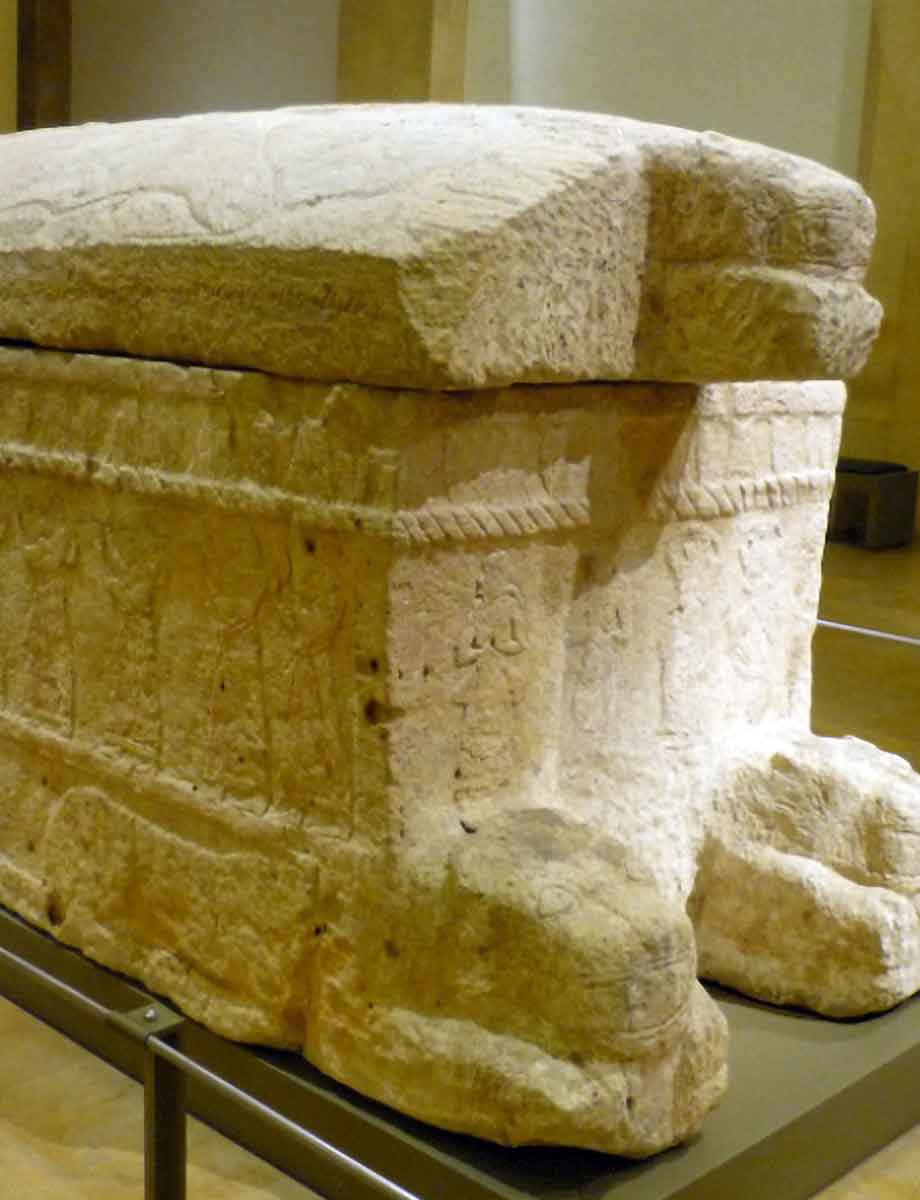
Modern Beirut was also once a Phoenician city known as Berytus. Inhabited since the 3rd millennium BC, it was a desirable location due to its many springs and wells. The name of the city derives from the Phoenician word “be’rot,” which means “the wells.”
The first evidence that it was an important city comes from the 14th century BC. The Armana letters record correspondence between the Egyptian Pharaoh and the King of Beirut, suggesting that it was an important independent city-state at the time.
Located close to Byblos and Sidon, Beirut seems to have operated as a neutral trading ground for those two powerful Phoenician cities. It was also known for its iron works, thanks to the significant iron ore available in the surrounding cliffs. Weapons made in Beirut were traded across the Mediterranean.
6. Carthage
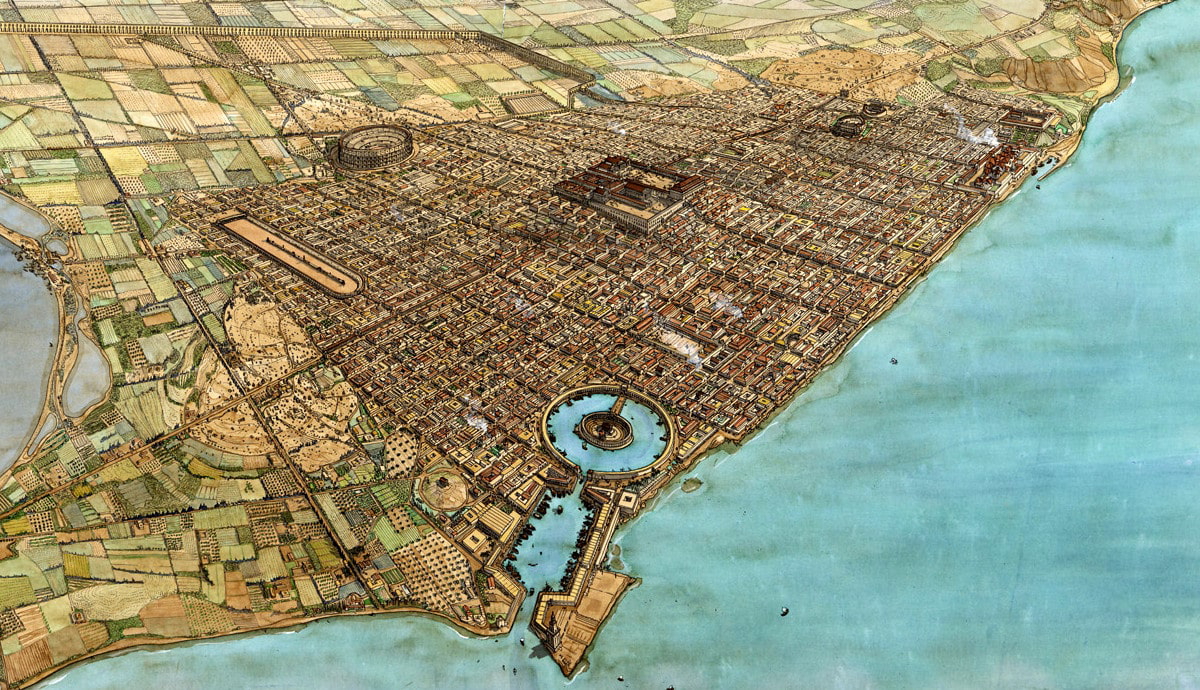
Phoenician traders from Tyre planted a small colony at Carthage in North Africa in 814 BC. By the 7th century, this “New City” had become the center of the Phoenician Mediterranean trade network. This coincided with the subjugation of many Phoenician cities in the Levant by neighboring peoples. Meanwhile, Carthage obtained useful territories in places like Sicily, which provided grain, and Spain, which provided metals, which they dominated with their fleet, a largely mercenary army, and plenty of trade agreements and treaties.
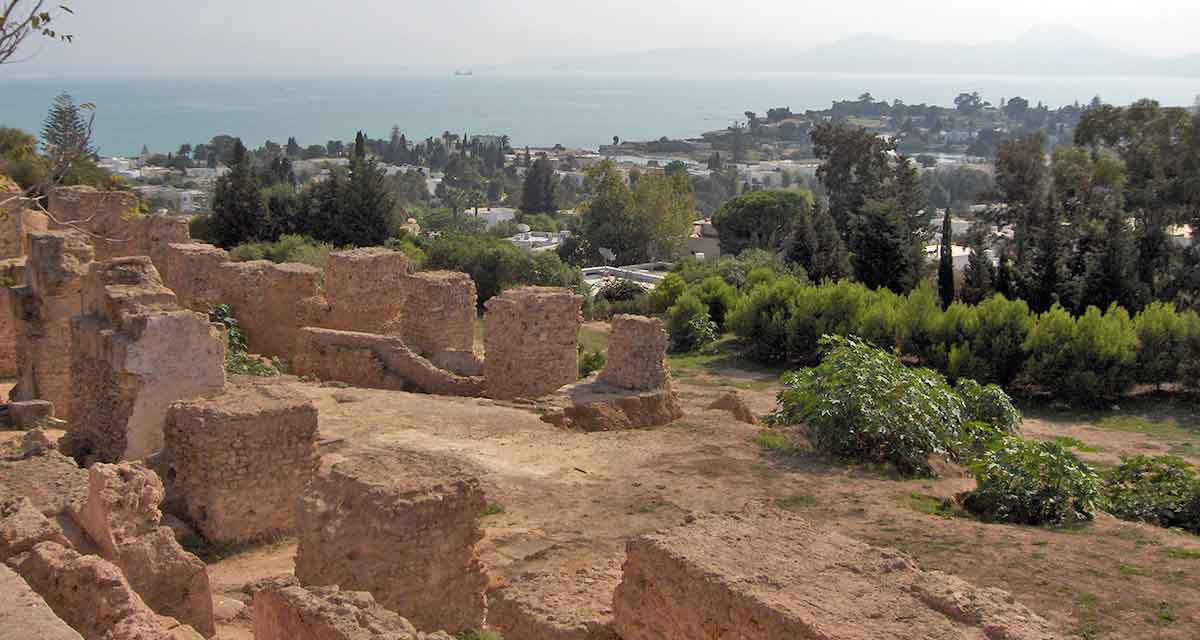
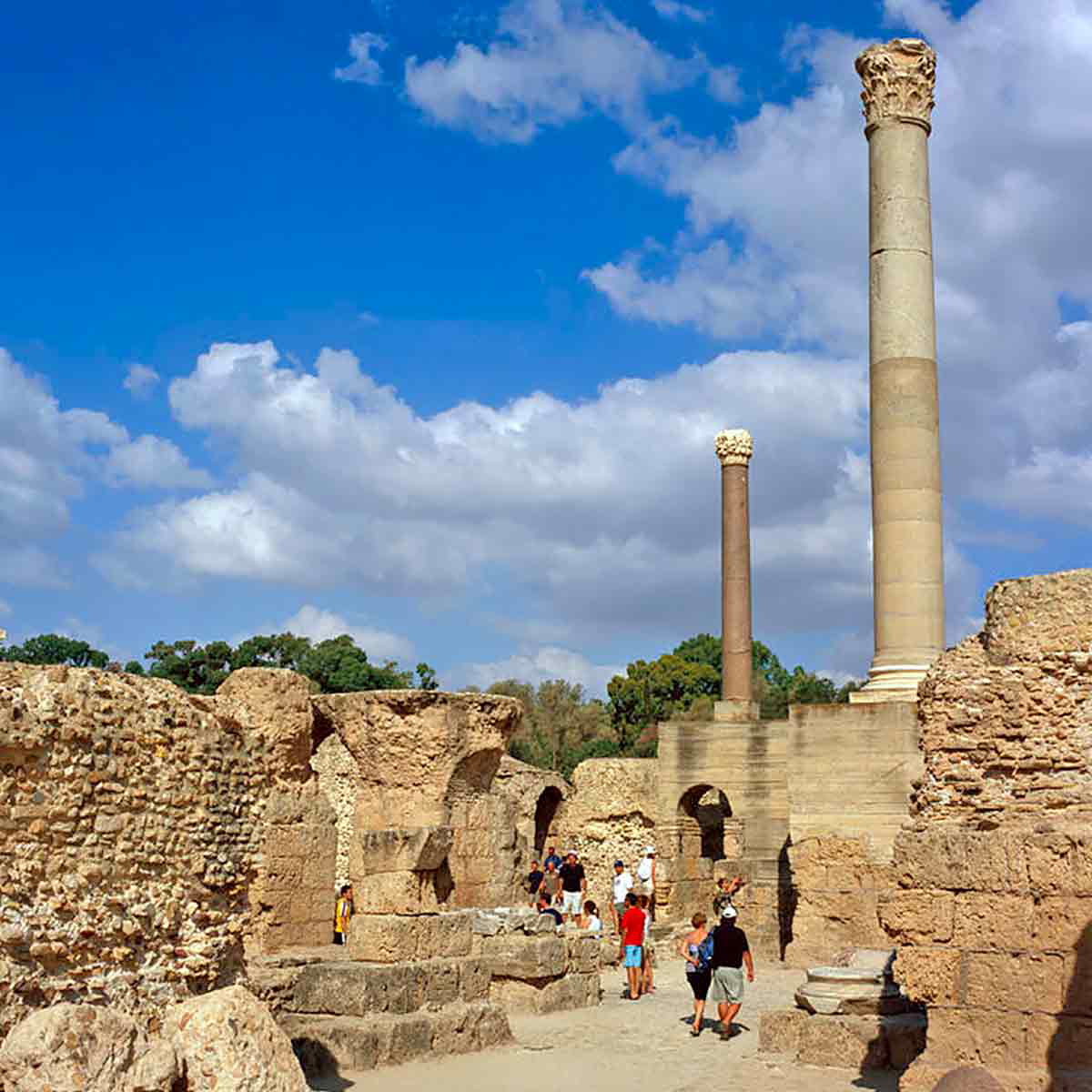
According to the ancient sources, Carthage was divided into four quarters: religious areas, marketplaces, the political quarter, and a huge necropolis. In the middle of the city was a high citadel called the Byrsa, and Carthage was surrounded by fortified walls, as high as 13 meters and ten meters thick. It also had two large harbors, an inner harbor surrounded by circular walls for its navy, and an outer harbor for mercantile ships.
According to Aristotle, Carthage was governed by an assembly of citizens, which served as the ruling body, but in practice it was an oligarchy run by the wealthiest families. It had two chief magistrates, one who led the army and the other who managed politics at home. They worked alongside a Senate of 200-300 wealthy citizens that consulted on most matters. Of course, one of the most famous men to emerge from Carthage’s wealthy elite was the general Hannibal Barca, who would threaten Rome.
The Carthaginian army, although strong, primarily employed mercenaries. Rather than posting standing armies, the Carthaginians used trade contracts and treaties to dominate the Mediterranean for centuries. Nevertheless, Carthage produced the fabled general Hannibal, who represented one of the few existential threats to Rome.
Carthage was drawn into conflict with Rome over Sicily in the 3rd century BC. For Carthage, Sicily was both a breadbasket and a strategic port for controlling the Mediterranean Sea. For an expanding Rome, it was a volatile territory on its doorstep. The conflict for Sicily was one of the first steps in Rome’s building its Empire. Later that century, Rome would come into conflict with Carthage as Roman and Carthaginian allies competed for resources. This would see Hannibal bring the fight to Rome with an unprecedented march over the Alps into Italy. But Rome proved relentless in their defence, and eventually took the battle to Carthage.
Rome was heavy-handed in its dealings with Carthage and demanded a huge indemnity. But within 50 years, Carthage had paid its debt and rebuilt its army. Fearful of this powerful adversary on the other side of the Mediterranean, in 146 BC, Rome razed Carthage to the ground and usurped its territory and influence into the Roman Empire.
7. Gadir
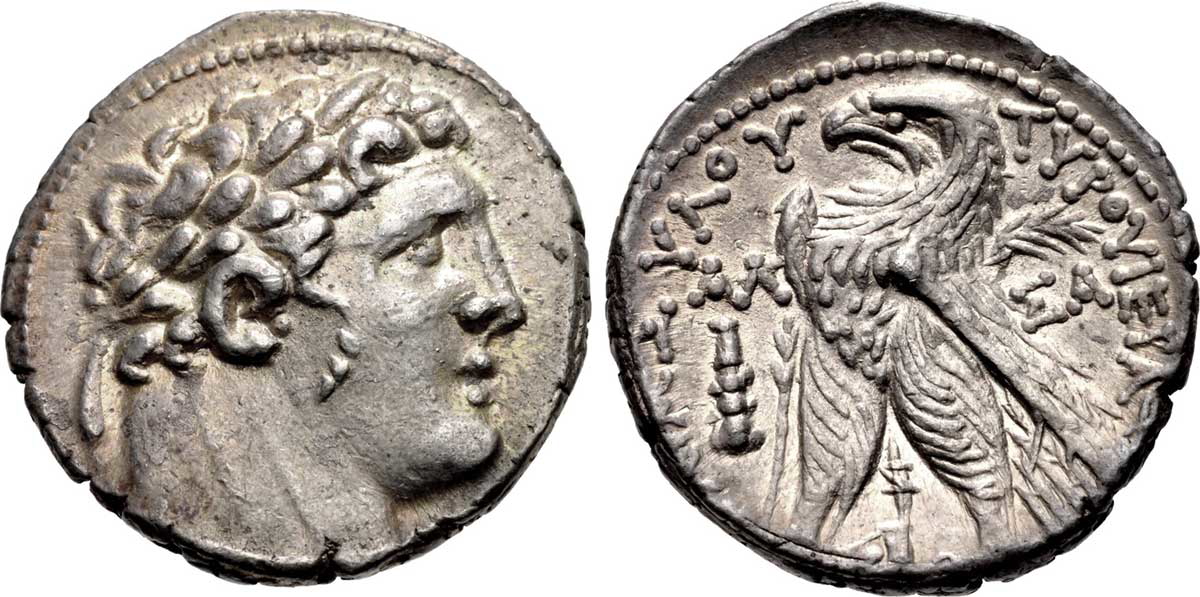
Gadir, modern Cadiz, was Rome’s most important Spanish colony. It was founded by Phoenicians from Tyre in the 7th century BC, but soon fell under the sway of Carthage.
The site is largely unexcavated, but it is known to have had an important temple dedicated to the Phoenician god Melqart, whom the Greeks and Romans called Tyrian Hercules. Hannibal famously made sacrifices at this temple before marching over the Alps, and Gadir acted as his depot throughout the conflict.
When Rome took the battle to the Carthaginians, Scipio Africanus took control of Gadir in 206 BC, and it became one of the most important cities in Roman Spain.