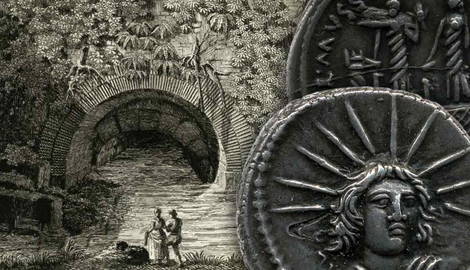

A densely populated city such as Rome needed a good sewage system. Rome had the Cloaca Maxima, or “Greatest Sewer.” Originally created to drain marshes to create more living space, it soon became central to the city’s waste management system. This sewer was so important that the Romans cultivated the goddess Cloacina, protector of the sewers, who had a shrine near the Cloaca Maxima. She was often identified with Venus, the goddess of love and purification.
Constructing the Cloaca Maxima
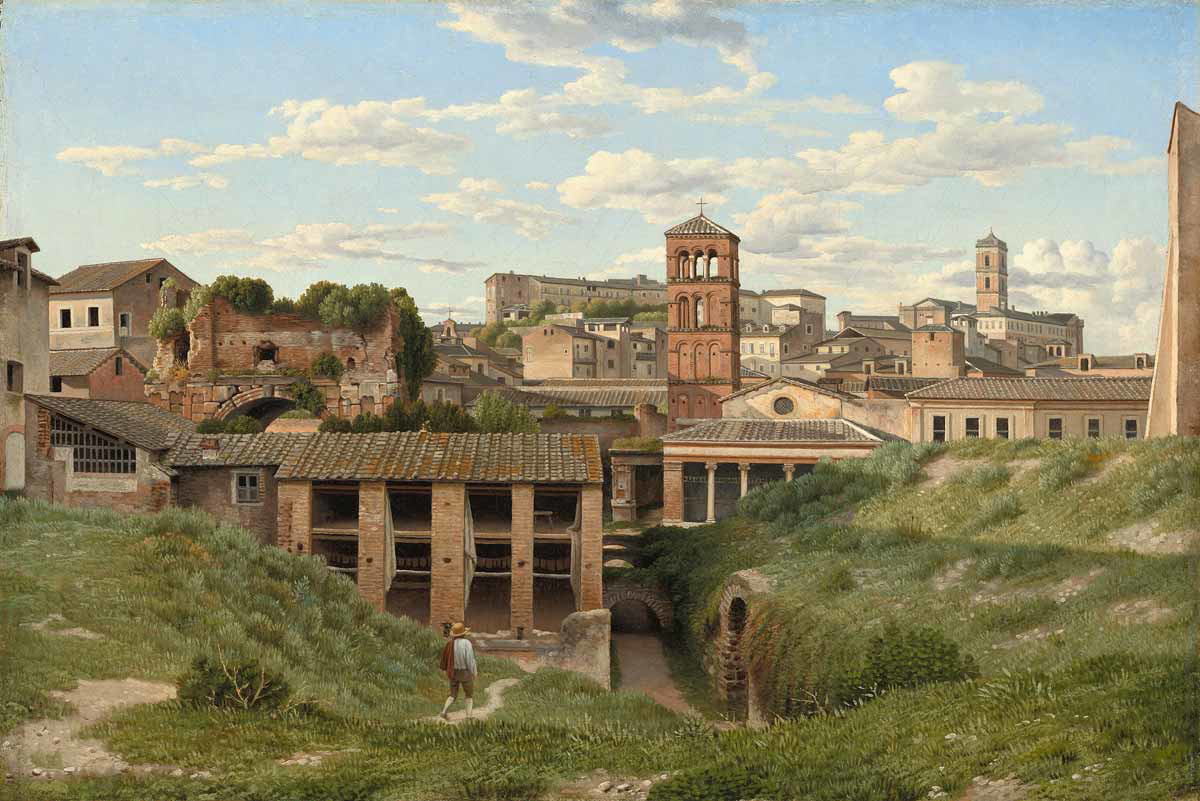
The ancient city of Rome in the imperial era had a complex and dense sewer network that drained wastewater and filth into the Tiber River. The oldest and largest sewer in this network was appropriately named the Cloaca Maxima (Greatest Sewer).
According to Roman tradition, the construction of the Cloaca Maxima began during the reign of the Etruscan king of Rome, Tarquinius Priscus (c. 616–578 BC), and was completed during the reign of his son, Tarquinius Superbus (c. 535–509 BC). Archaeological evidence confirms that the oldest walls of the sewer were built in the 6th century BC.
Ancient writers praised the Cloaca Maxima as one of the greatest achievements of Roman engineering. Dionysius of Halicarnassus (1st century BC) wrote that the three greatest achievements of Roman civilization were “aqueducts, paved roads, and the construction of sewers,” which the Romans built all over their Empire. Livy wrote that nothing built in his time could compare to the construction of the Cloaca Maxima.
Drainage vs Sewage
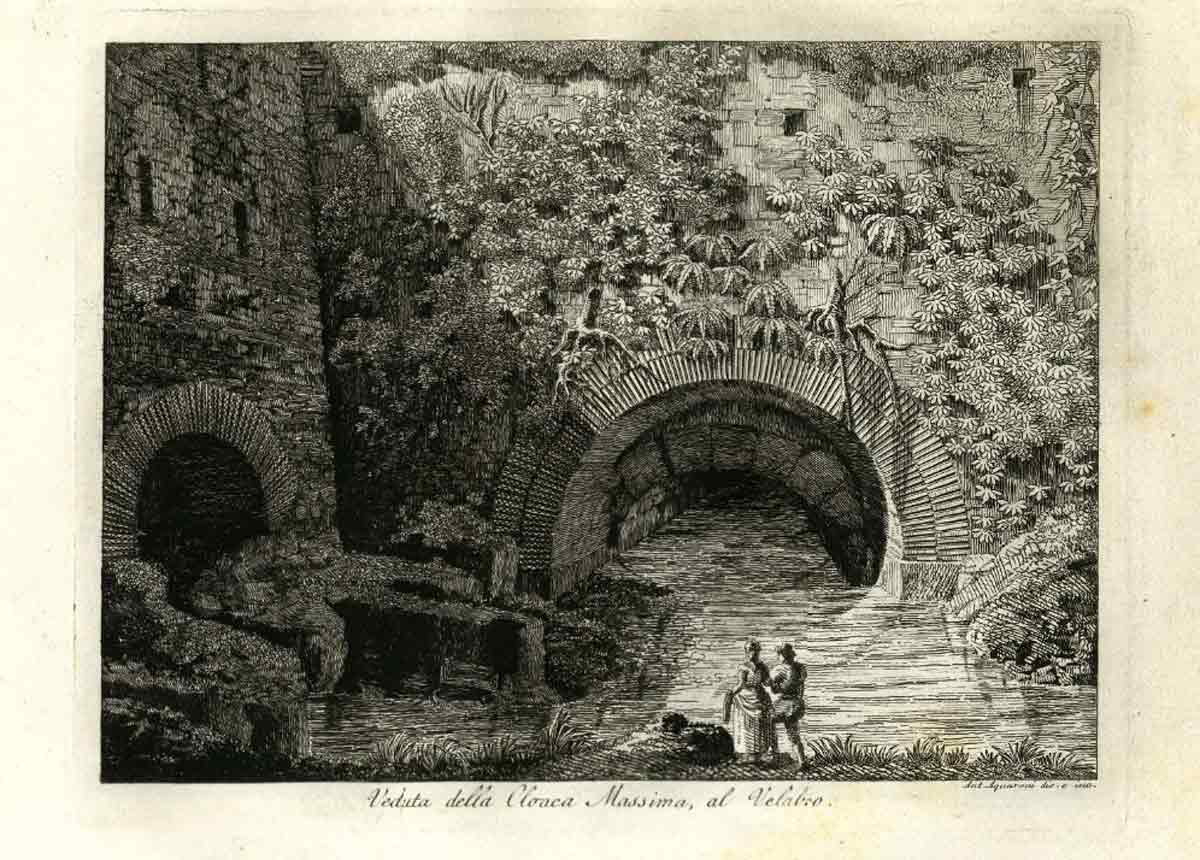
The Cloaca Maxima was probably not created as a sewer. Instead, it served as an open canal that connected the various streams that flowed through the city. In Plautus’s comedy Curculio, Cloaca Maxima is mentioned as a canalem. The oldest part of the Cloaca Maxima, which ran along the middle of the Forum Romanorum, was about 100 meters long and about 1.25 meters deep.
Its original purpose was to drain the space between Rome’s hills that would later become the Forum Romanorum. Unlike later Roman sewers, the Cloaca Maxima had an irregular pattern, indicating its origin as a natural stream. The oldest domes of the sewer date from the beginning of the 2nd century BC, suggesting this was when it was covered over. It was repaired several times over the centuries, notably under Augustus, Vespasian, and Domitian.
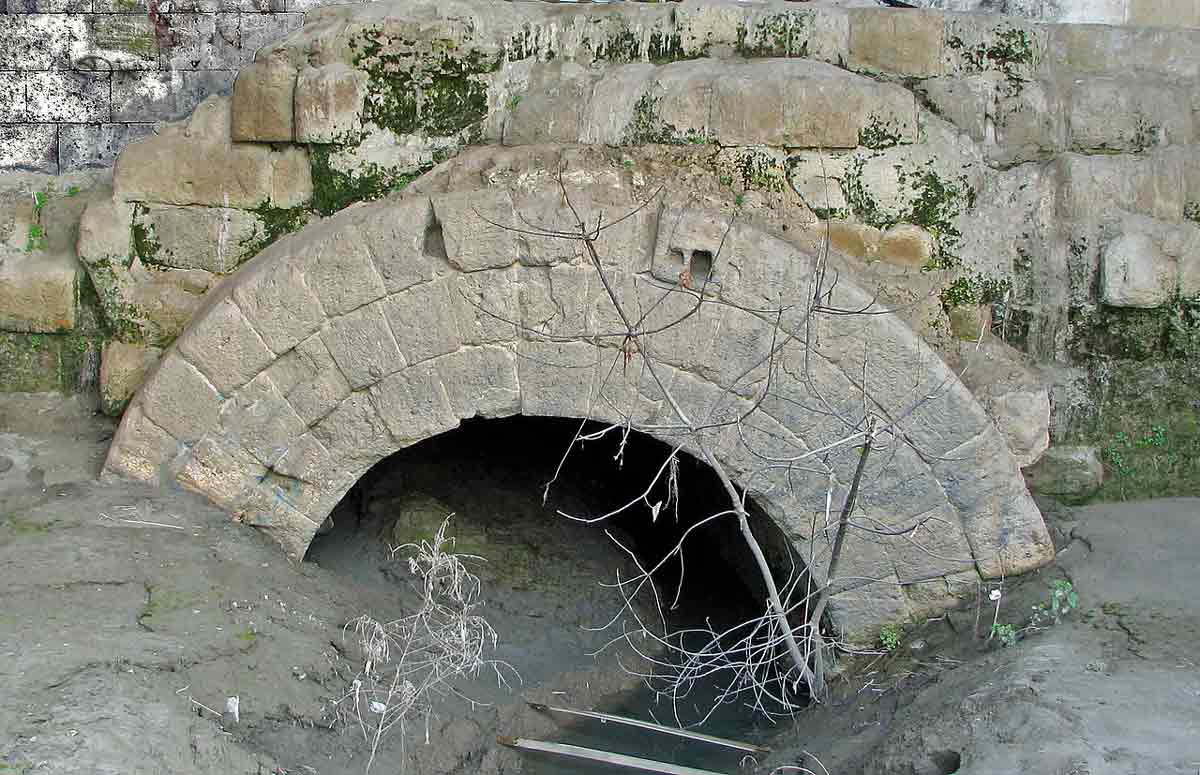
Covering probably became necessary when the canal started to carry human waste. But the Latin word cloaca comes from the word cluere, which means to cleanse with running water. The term cloaca probably only became associated with sewers once the Cloaca Maxima started serving that purpose.
Despite all the repairs, the Romans never corrected the irregular pattern of the Cloaca Maxima canal. The reason for this is that the ancient Romans considered moving water sacred, and its flow was not supposed to be disturbed or changed.
Venus Cloacina: Protector of the Sewer
As was the case with most sacred things, the Romans connected the Cloaca Maxima to a divinity, the goddess Cloacina, protector of sewers.
According to Roman tradition, the cult of Cloacina (or Cluacina, as she is also referred to) was introduced by the Sabine king and Romulus’s co-ruler, Titus Tatius. She soon became associated with Venus, the goddess of love and purity, as Venus Cloacina. This deity appears for the first time on Roman coins in the 1st century BC, but she could have significantly predated this time.
According to legend, after the Sabine War, peace was signed on the exact spot where the shrine of Venus Cloacina was later built. The Romans and Sabines marked the signing of the peace by purifying the area with water.
This story suggests that the goddess predates the sewer. She may already have been associated with water from the stream that would later become the Cloaca Maxima. There is also evidence that she may have been an Etruscan deity associated with a small stream that formed a border between Roman and Sabine territory.
The Romans viewed Venus as the goddess of purification, union, and reconciliation. This may be why she was linked to the pure, running waters that became the sewer. After these waters became the Cloaca Maxima, her role in purification would have become even more important.
Shrine of Venus Cloacina
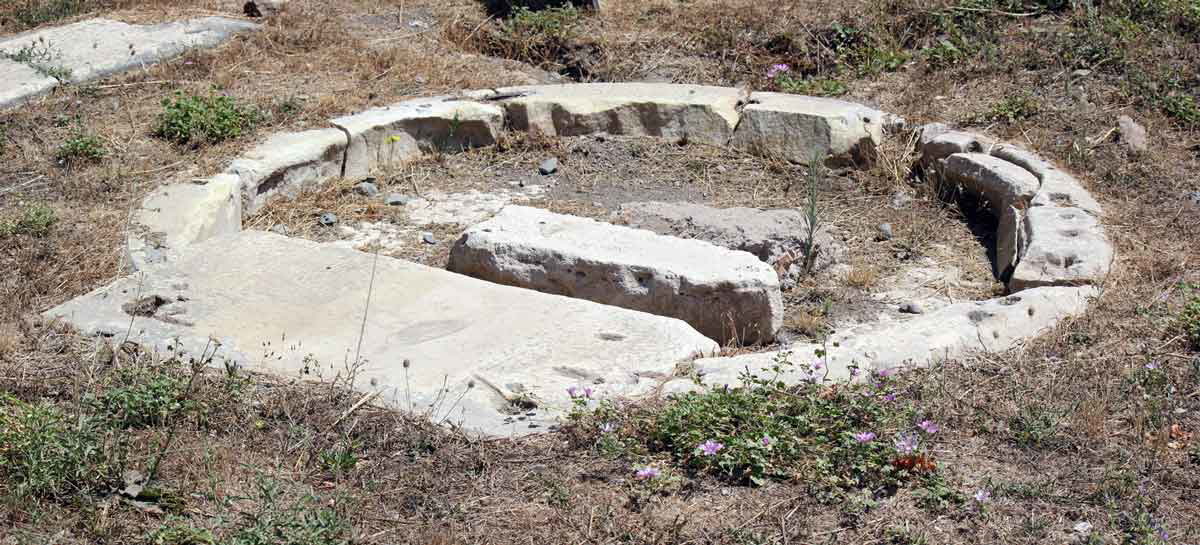
A small shrine dedicated to Venus Cloacina was located in the Forum Romanorum near the Cloaca Maxima. This shrine was a sacellum, a small, circular, open sanctuary. It was surrounded by a balustrade and held two statues (Cloacinae), which represented the goddess Venus. The two statues may have also represented the two natures of the deity, Venus and Cloacina. It is not known exactly when the sanctuary was built, but the Romans attributed great antiquity to it.
The original building most likely burned down in a fire in 178 BC. The existing structure, discovered in 1899, dates from the 1st century BC, most likely from the time of Sulla’s dictatorship. Two statues may have been erected at that time, which have not been preserved, but which we know from representations on coins.
Another deity associated with the Cloaca Maxima was Janus, the god of gates, passages, and time. Janus was also associated with crossing over running water and streams. This is why, according to tradition, the Roman king Numa Pompilius built a temple of Janus near the stream that later became the Cloaca Maxima. In Roman times, there were several sanctuaries dedicated to Janus near the Cloaca Maxima.
Venus Cloacina on Roman Coins
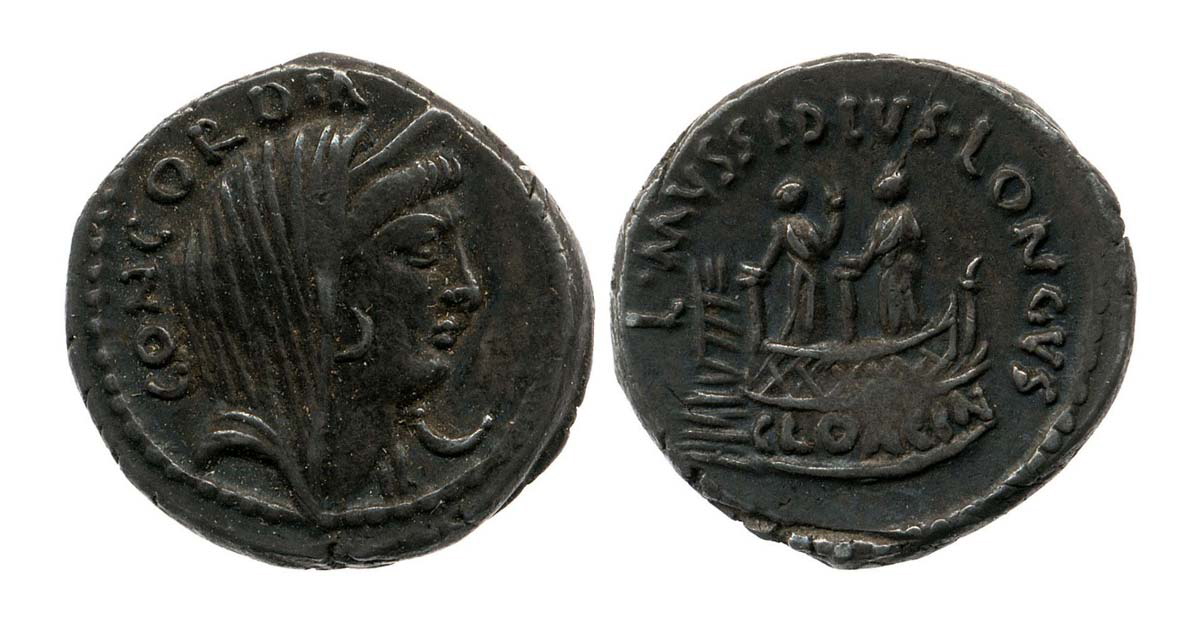
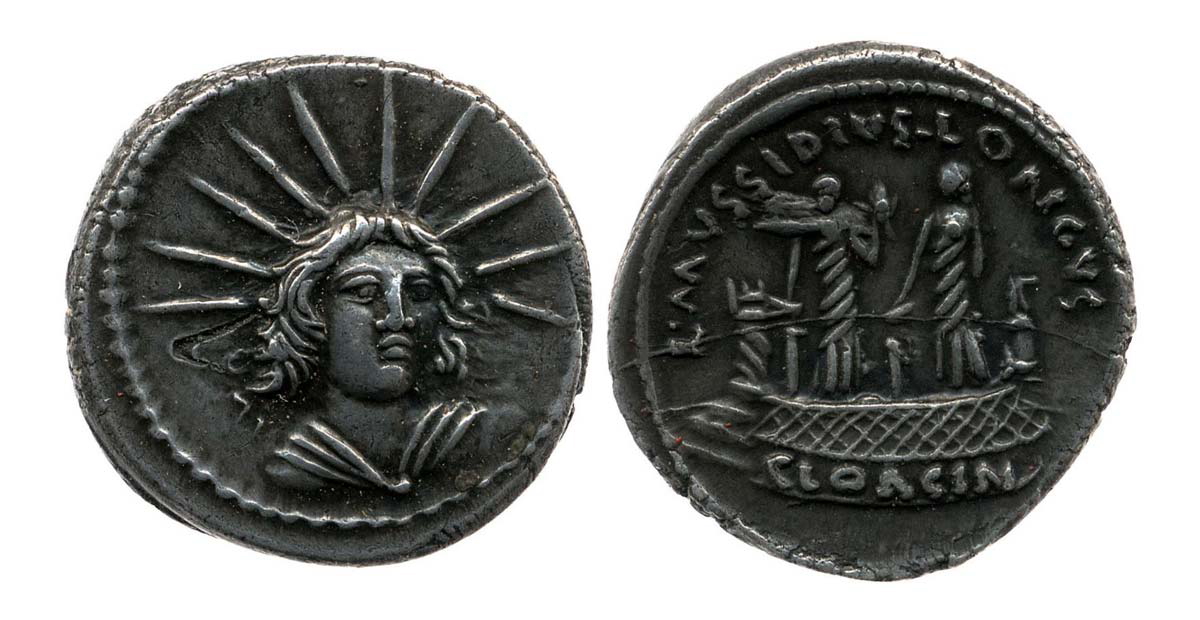
Depictions of Venus Cloacina appear on Roman coins only in the second half of the 1st century BC. Moreover, she only appears on coins issued by Lucius Mussidius Longus. We do not know much about him, except that during the Second Triumvirate (43–42 BC), he was one of the triumviri monetales. This was a college of three magistrates responsible for the minting of coins.
From the middle of the 2nd century BC, the triumviri monetales began minting personalized coins depicting famous ancestors. Therefore, it is possible that Mussidius Longus was in some way personally connected with the cult of Venus Cloacina. It is also possible that the depiction of Venus Cloacina on coins was part of the revival of old and neglected cults at the time.
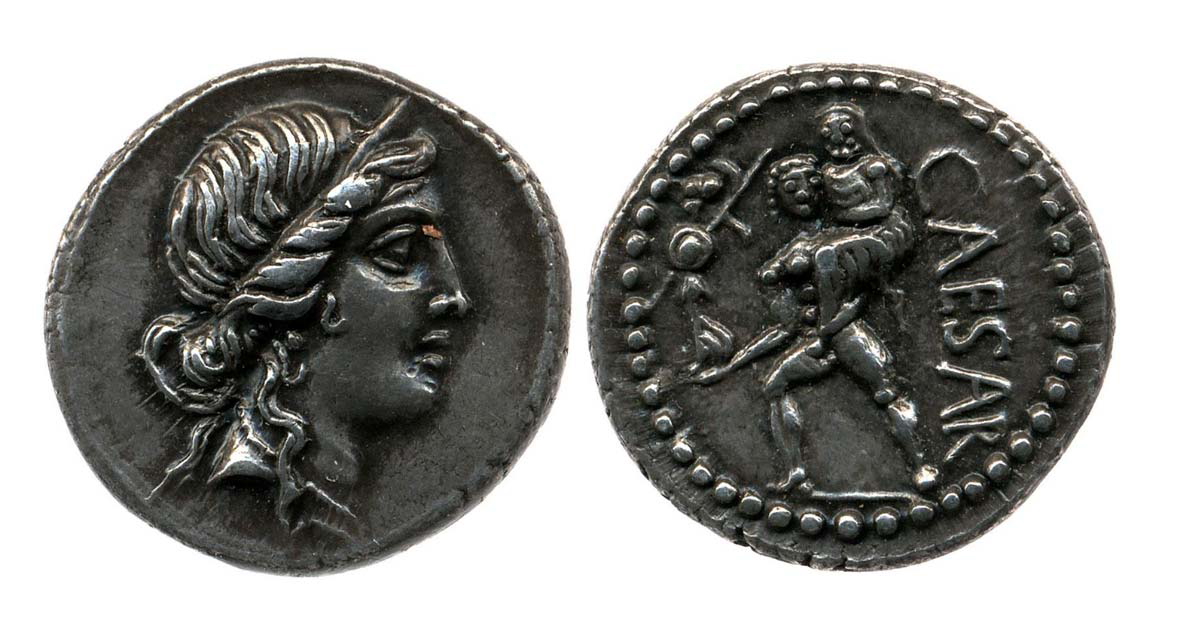
There are only two different types of coins depicting the Venus Cloacina. On the reverse, both show the same view of the sanctuary of Venus Cloacina with two statues, one of which is holding an object in her hand, probably a flower. The obverse of one shows Sol, the god of the sun. The other shows Concordia, the goddess who symbolized marriage agreements.